


7 Hidden Factors to Consider Before Investing in a Professional Diode Laser Hair Removal Machine in 2026
- What is a Professional Diode Laser Hair Removal Machine?
- Quick Summary: Essential Purchasing Insights
- Factor 1: The Truth About Wavelengths (808nm, 810nm, and Triple Wave)
- Factor 2: Integrated Cooling Systems and Epidermal Protection
- Factor 3: Spot Size, Pulse Duration, and Treatment Speed
- Factor 4: Hidden Maintenance Costs and Consumable Parts
- Factor 5: Safety Certifications and Regulatory Compliance
- Factor 6: Realistic ROI and Pricing Dynamics for 2026
- Factor 7: Manufacturer Training and Post-Sale Support
- Expert Tips: Common Mistakes When Buying Your First Diode Laser
- Conclusion
- How much does a professional diode laser hair removal machine cost?
- How long does a professional diode laser machine last?
- Is diode laser better than IPL for hair removal?
- Can diode lasers safely treat all skin types?
- What is the difference between an 808nm and a triple wavelength diode laser?
- What routine maintenance is required for a commercial laser hair removal machine?
- Do I need a medical license to operate a professional diode laser?
- What makes integrated cooling so important in professional lasers?
Investing in commercial laser hair removal equipment is one of the most significant financial decisions an aesthetic clinic can make. With the rapid advancement of 808nm diode laser technology in 2026, separating clinical reality from manufacturer marketing hype is critical to your clinic's success. This comprehensive guide reveals the hidden factors business owners must carefully consider, from maximizing your laser hair removal machine ROI to ensuring strict Fitzpatrick skin types laser safety. By understanding the underlying science of selective photothermolysis and calculating the true operational costs, you can make a highly profitable and clinically sound investment.
What is a Professional Diode Laser Hair Removal Machine?
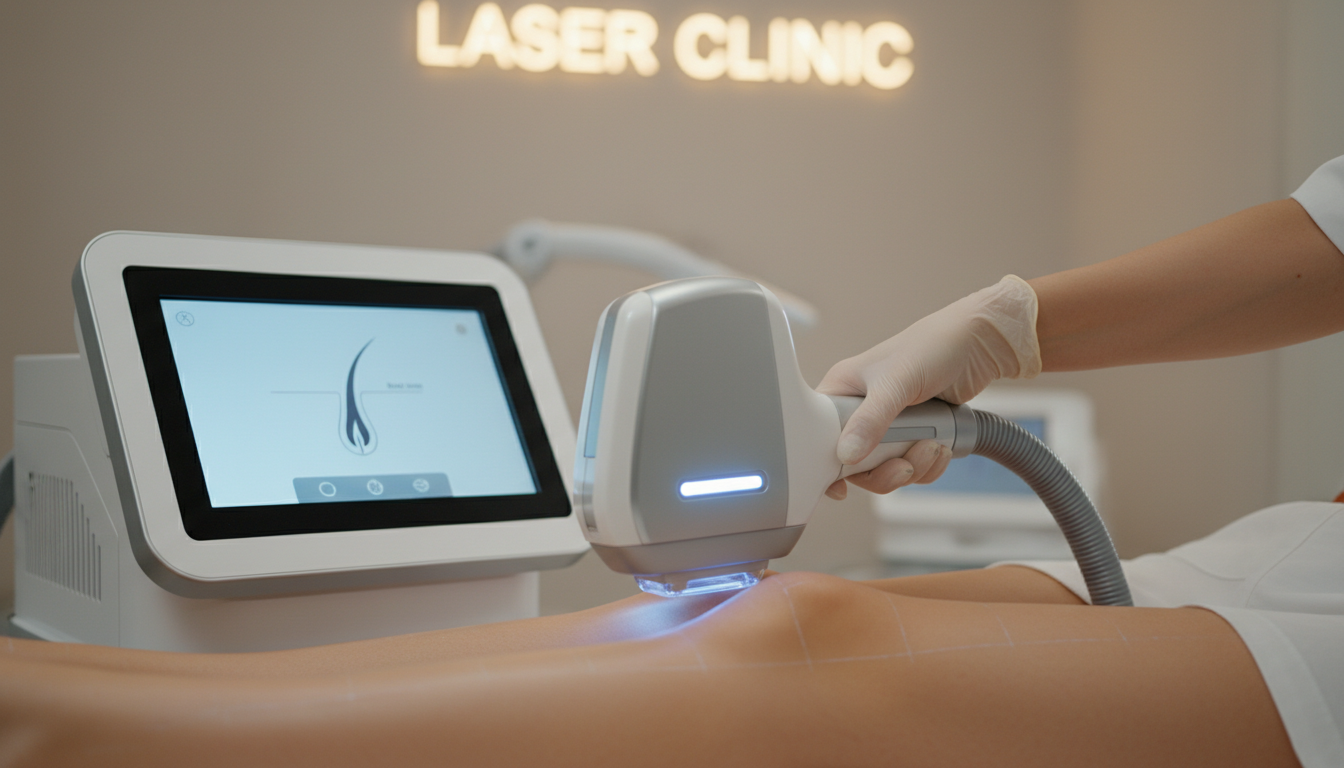
A professional diode laser hair removal machine is advanced commercial aesthetic equipment utilizing targeted beams of light, typically at 808nm or 810nm. It safely penetrates the skin to target melanin in the hair follicle, permanently reducing hair growth across diverse skin types.
These clinical-grade systems are the undisputed gold standard in aesthetic medicine today. As reported by Wikipedia, the primary principle behind this technology is selective photothermolysis, matching specific wavelengths and pulse durations to obtain optimal effects on targeted tissue while minimizing damage to surrounding skin.
- Targeted Efficacy: They emit a specific, highly concentrated wavelength (usually 808nm or 810nm) that specifically tracks and destroys the hair bulb without damaging adjacent dermal tissue.
- Treatment Versatility: These advanced systems utilize adjustable, high pulse rates to efficiently treat both fine facial hairs and coarse body hairs.
- Enhanced Patient Comfort: They feature sophisticated, integrated cooling mechanisms that actively protect the epidermis during high-energy clinical treatments.
Quick Summary: Essential Purchasing Insights
When purchasing a laser hair removal device, the essential purchasing insights revolve around prioritizing proven wavelength efficacy, advanced cooling specifications, and an accurate assessment of long-term operational costs over the initial sticker price.
Clinic owners frequently underestimate the holistic cost of operating and maintaining laser equipment. Understanding the broader operational picture is vital for your business.
- The Commercial Gold Standard: Diode lasers remain the commercial gold standard for safety across all Fitzpatrick skin types, drastically outperforming older, traditional Intense Pulsed Light (IPL) devices.
- Critical Technical Specifications: Features such as handpiece spot size, internal cooling system quality, and adjustable pulse duration directly dictate both patient comfort and overall clinic revenue.
- Uncovering Hidden Costs: The most substantial financial burdens often lie in ongoing maintenance, consumable parts like diode stacks, and a lack of comprehensive warranty coverage.
Factor 1: The Truth About Wavelengths (808nm, 810nm, and Triple Wave)
The 808nm and 810nm wavelengths represent the scientifically proven sweet spot for hair removal, offering deep follicular penetration with minimal epidermal melanin absorption. Triple wavelength systems blend 755nm, 808nm, and 1064nm, theoretically targeting varying hair depths simultaneously.
Your choice of wavelength dictates your ability to safely treat a diverse clientele without causing adverse effects such as hyperpigmentation or hypopigmentation. How these wavelengths interact with the skin determines your clinic's safety profile.
- 808nm / 810nm Diode: Offers optimal melanin absorption curves. This makes it highly effective for standard hair removal and relatively safe for a broad spectrum of skin tones.
- Triple Wavelength Reality: While marketing materials heavily hype triple wave (755nm Alexandrite, 808nm Diode, 1064nm Nd:YAG) systems, clinical data sometimes indicates diluted power per wavelength compared to a dedicated, high-powered 808nm system.
- Darker Skin Tones: To ensure strict Fitzpatrick skin types laser safety, especially for skin types IV-VI, adequate wavelength depth (like the 1064nm or a long-pulsed 810nm) is absolutely essential to bypass the epidermal melanin and prevent severe thermal burns.
Factor 2: Integrated Cooling Systems and Epidermal Protection
Integrated cooling systems are built-in thermal regulation technologies that actively chill the skin's surface during laser pulses. This contact cooling is absolutely non-negotiable for protecting the epidermis from thermal injury during high-energy clinical treatments.
The quality of a machine's cooling system directly correlates to patient pain management, baseline safety, and long-term client retention. Why does this matter? Because comfortable patients return and leave positive reviews.
- Thermo-Electric Cooling (TEC) & Sapphire Tips: Advanced Sapphire contact cooling continuously extracts heat from the skin during the laser pulse, drastically minimizing patient discomfort.
- Higher Energy Output: Highly effective cooling allows technicians to safely utilize higher fluency (energy) settings for superior, faster hair clearance without burning the patient.
- Risk Mitigation: Avoiding cheap, imported machines with poor thermal relaxation times is crucial. Subpar cooling puts your patients at high risk for painful surface burns and permanent scarring.
Factor 3: Spot Size, Pulse Duration, and Treatment Speed
Spot size refers to the physical area covered by a single laser pulse, while pulse duration is the length of time the laser energy is applied. Both metrics fundamentally determine your treatment speed and daily patient capacity.
Optimizing these specific technical specifications is essential for significantly boosting your laser hair removal machine ROI. How quickly you can safely perform a treatment defines your daily revenue ceiling.
- Larger Spot Sizes: Investing in handpieces with larger spot sizes translates directly to much faster treatment times (e.g., treating a full male back in 15 minutes instead of 45 minutes), exponentially increasing your daily revenue capacity. Furthermore, larger spot sizes suffer less from optical scattering, meaning deeper penetration.
- Adjustable Pulse Duration: This is critical for treating different hair thicknesses. Longer pulse durations are inherently safer for darker skin tones, as they deliver the thermal energy much more slowly, allowing the epidermis time to cool.
- In-Motion Technology: Balancing in-motion sweeping delivery (SHR) with traditional stationary stamping delivery provides technicians the ultimate flexibility to maximize both treatment speed and clinical efficacy.
Factor 4: Hidden Maintenance Costs and Consumable Parts
Hidden maintenance costs refer to the ongoing financial obligations required to keep a commercial laser operational, including replacement diode stacks, routine technician calibrations, and necessary water filter changes.
Calculating the true cost of ownership goes far beyond the initial equipment sticker price. Failing to account for these ongoing expenses is a primary reason aesthetic clinics struggle financially.
- Diode Stack Lifespan: Professional handpieces are measured in millions of "shots." A premium diode stack will typically last 10 to 40 million shots before requiring an expensive replacement (often ranging from $2,000 to $5,000).
- Routine Servicing: Budgeting for annual power calibration by a certified laser technician ensures the machine remains legally compliant, mechanically safe, and clinically effective.
- Monthly Maintenance: Facilities must diligently perform monthly distilled water changes and filter replacements to prevent internal calcification and catastrophic cooling system degradation.
Factor 5: Safety Certifications and Regulatory Compliance
Safety certifications, such as FDA clearance or Medical CE marking, are formal regulatory approvals confirming that a medical device has been rigorously tested and proven mechanically and clinically safe for public use.
Purchasing uncertified equipment poses an existential threat to your business. Why risk your entire clinic's future to save a few dollars on capital equipment?
- Liability Protection: Verifiable FDA clearance or Medical CE marking is legally critical. It protects your practice from crippling liability in the devastating event of a patient injury.
- Insurance Underwriting: Ensure the equipment you select explicitly meets your local aesthetic liability insurance underwriting requirements. Most reputable underwriters will immediately deny coverage for incidents involving uncertified, imported machines.
- Avoiding Counterfeits: The immense operational risks of purchasing uncertified, white-labeled aesthetic machines from overseas marketplaces include catastrophic hardware failure, fake power output claims, and absolutely zero legal recourse.
Factor 6: Realistic ROI and Pricing Dynamics for 2026
Realistic ROI calculation involves weighing the upfront capital costs of a laser against your local market's average treatment rates, overhead expenses, and patient volume to determine your true break-even point.
In 2026, maximizing your laser hair removal machine ROI requires highly strategic financial planning rather than just taking the sales rep's word for it.
- Local Market Dynamics: Move beyond exaggerated manufacturer promises. Calculate real-world revenue based on actual competitor pricing for packages (like legs, underarms, and bikini) in your specific ZIP code.
- Financing Options: Weigh upfront equipment capital costs against flexible leasing or financing models available to salon owners, which can preserve your clinic's vital cash flow.
- Future-Proofing: Protect your long-term investment by choosing modular systems or premium brands that offer continuous software upgrades, ensuring your clinic's relevance against upcoming aesthetic technology shifts over the next five years.
Factor 7: Manufacturer Training and Post-Sale Support
Manufacturer training and post-sale support encompass the initial clinical education provided to your staff and the ongoing technical assistance, warranties, and rapid repairs guaranteed by the equipment seller.
Even the most advanced laser in the world is entirely useless if your staff cannot operate it safely or if it sits broken in a treatment room for weeks.
- Clinical Training: Comprehensive, hands-on clinical training is an absolute necessity to ensure baseline safety and high clinical efficacy. As reported by Wikipedia, accurately identifying skin types on the Fitzpatrick scale is vital for estimating a patient's response to ultraviolet and laser light, thereby preventing adverse thermal reactions.
- Warranty Evaluation: Thoroughly evaluate manufacturer warranties by meticulously checking coverage terms on parts, labor, and the guaranteed availability of emergency loaner machines during repairs.
- Overnight Parts Access: Rapid access to knowledgeable technical support and overnight parts shipping is the single most underrated feature of a professional laser machine, keeping costly clinic downtime to a minimum.
Expert Tips: Common Mistakes When Buying Your First Diode Laser
The most common mistakes when purchasing a first diode laser include prioritizing the cheapest sticker price over lifetime value, skipping physical equipment demonstrations, and ignoring the manufacturer's post-purchase marketing support.
Avoid these critical operational errors to protect your capital investment and build a stellar patient reputation.
- Cost-Per-Treatment Ignorance: Focusing strictly on the lowest purchase price rather than evaluating the lifetime cost-per-treatment, consumable replacement prices, and overall machine longevity.
- Skipping the Demo: Neglecting to perform a physical patch test or comprehensively demo the equipment on different Fitzpatrick skin types before blindly buying based on an online brochure.
- Overlooking Marketing Support: Premium manufacturers often provide invaluable patient marketing materials, proven business growth support, and clinical before-and-after portfolios that budget brands simply do not offer.
Conclusion
Investing in a professional diode laser hair removal machine requires careful evaluation of wavelengths, cooling technology, hidden maintenance expenses, and manufacturer support. By prioritizing clinical efficacy, advanced safety features, and a clear, data-driven understanding of ROI, you secure a highly profitable, long-term asset for your aesthetic business. Ready to upgrade your clinic with industry-leading, compliant laser technology? Contact us today to optimize your commercial laser hair removal equipment strategy.
How much does a professional diode laser hair removal machine cost?
Costs vary significantly, typically ranging from $15,000 to over $70,000 depending on brand reputation, power output, and medical certifications. Clinics must factor in financing options, extended warranties, and included clinical training when assessing the total investment.
How long does a professional diode laser machine last?
The operational lifespan is generally measured in 'shots' or pulses, with professional diode stacks lasting anywhere between 10 million and 40 million shots. Diligent maintenance, such as performing regular distilled water changes and filter replacements, drastically extends the machine's functional life.
Is diode laser better than IPL for hair removal?
Yes, diode lasers are highly targeted, offering deeper tissue penetration and superior melanin absorption, making them far more effective and precise than broad-spectrum IPL. Diode systems generally require fewer patient sessions and are considerably safer for darker skin tones compared to IPL.
Can diode lasers safely treat all skin types?
Professional diode lasers, particularly those operating at the 808nm or 810nm wavelength, are broadly safe for Fitzpatrick skin types I through V. When equipped with longer pulse durations and advanced epidermal cooling mechanisms, they can also safely and effectively treat type VI skin.
What is the difference between an 808nm and a triple wavelength diode laser?
An 808nm diode emits a single optimized wavelength universally recognized as the gold standard for standard hair removal. A triple wavelength machine combines 755nm (Alexandrite), 808nm (Diode), and 1064nm (Nd:YAG) in one handpiece to theoretically target various hair follicle depths simultaneously.
What routine maintenance is required for a commercial laser hair removal machine?
Routine internal maintenance includes changing distilled water and swapping water filters monthly to protect the internal cooling system from degradation. Annual power calibration by a certified laser technician and the eventual replacement of the diode handpiece are also necessary operating expenses.
Do I need a medical license to operate a professional diode laser?
Regulatory laws vary wildly by state, country, and local health jurisdictions regarding the use of Class IV aesthetic lasers. In many regions, a qualified medical director must oversee clinical operations, while the executing technician needs state-specific laser safety certifications.
What makes integrated cooling so important in professional lasers?
High-grade cooling systems, like Sapphire contact cooling, actively protect the epidermis from thermal injury during high-energy laser pulses. Effective continuous cooling drastically minimizes patient pain, prevents surface burns, and allows the technician to safely utilize higher energy settings for better hair clearance.
cryolipolysis machine
What is a cryolipolysis machine?
A cryolipolysis machine is a professional fat freezing device that reduces fat cells through controlled cooling technology, helping reshape and contour the body without surgery.
MF5
Can this device be used with other beauty treatments?
Yes. It can be safely combined with skincare, LED, or RF treatments for enhanced effects.
Ems sculpting system
What is the difference between EMS and RF technology?
EMS stimulates muscles using electrical currents to enhance muscle strength and tone, while RF uses heat energy to promote collagen production and tighten skin.
MF6
How does the MFFFace 6 machine work?
It uses EMS microcurrents to stimulate facial muscles and RF heat energy to tighten skin and promote collagen production.
JLM-4
Will the EMS microcurrent feel uncomfortable?
No. The intensity level is adjustable to suit sensitive or resistant skin types.

CO2 Fractional Laser Machine – Professional Wrinkle Removal & Skin Resurfacing Device
The CO2 Fractional Laser Machine is a multifunctional aesthetic device designed for professional clinics and beauty salons. Using advanced fractional CO2 laser technology, it effectively targets acne scars, freckles, pigmentation, nevi, and deep wrinkles. Additionally, it provides non-invasive skin rejuvenation, vaginal tightening, and intimate beautification. This professional CO2 laser equipment combines precision, safety, and powerful energy output to deliver outstanding anti-aging and dermatological results.

9 in 1 Gel Radio Frequency Machine – Cavitation Vacuum Machine 40K 80K with RF Skin Tightening Body Shape Weight Loss Fat Cavitation System
The 9 in 1 Gel Radio Frequency Machine is a professional multifunctional body shaping and skin management system designed for beauty salons and slimming centers. Utilizing 40K and 80K cavitation, this device effectively breaks down stubborn fat cells, promoting rapid body contouring and weight loss.
Equipped with advanced RF Skin Tightening technology, the machine stimulates collagen regeneration, tightens sagging skin, reduces wrinkles, and enhances elasticity. The integrated Body Shape Weight Loss Fat Cavitation system delivers powerful shaping results for the abdomen, arms, legs, and waist.
With nine specialized handles, the machine supports multiple facial and body treatments including cavitation slimming, RF tightening, vacuum shaping, and photon rejuvenation—providing a complete 9-in-1 solution for both fat reduction and skin improvement.
Perfect for professional salons seeking to upgrade their services with a versatile and high-performance 9 in 1 cavitation and radio frequency machine.

5-in-1 40K Cavitation Vacuum Machine for Body Slimming & Fat Reduction
The 5-in-1 40K Cavitation Vacuum Machine is a professional body shaping system designed for fat reduction, cellulite smoothing, and overall body contouring. Using 40KHz ultrasonic cavitation, this device breaks down stubborn fat cells, while vacuum suction improves lymphatic drainage and accelerates toxin removal.
With multiple RF tightening handles, the machine stimulates collagen regeneration and helps lift and firm loose areas of the body. Compact, powerful, and easy to operate, it is the perfect solution for beauty salons, spa centers, and slimming studios seeking fast and visible fat-reduction results.
This cavitation vacuum machine is built to deliver safe, non-invasive treatments with no downtime—making it a top choice for body contouring professionals.

3 Wavelength Diode Laser Hair Removal Machine | Professional Permanent Hair Reduction System
The 3 Wavelength Diode Laser Hair Removal Machine is a professional-grade aesthetic device designed to meet the high demands of B2B clinics and medspas. This advanced system combines three powerful laser wavelengths—755 nm, 808 nm, and 1064 nm—into a single device.
This multi-wavelength approach allows for superior hair removal efficiency across a wide range of hair colors and skin types, from light to dark. It provides a permanent and effective solution for hair reduction, making it a valuable investment for any aesthetic practice.
Get more information
If you have any comments or good suggestions, please leave us a message; later our professional staff will contact you as soon as possible.
Let's Talk
Stay in touch with us for cutting-edge beauty solutions, professional guidance, and customized service.
Contact


Room 307, Building A, Huilong International E-commerce Industrial Park, No. 10 Xipengling Road, Helong Street, Baiyun District, Guangzhou, China
© 2025 HUIMAIN. All Rights Reserved. Privacy Policy | Terms and Conditions | Sitemap
Facebook
Instagram
Medical beauty equipment factory
huimain Medical beauty equipment factory
beauty machine supplier
Whatsapp: +8619124004543