


After-sales support, warranty & service for salons
- Why after-sales support determines salon ROI
- Device uptime, client satisfaction and revenue continuity
- Common failure modes and preventive maintenance
- Regulatory compliance as a service consideration
- Warranty types and what salons should ask for
- Standard warranty vs extended warranty
- What warranties should explicitly cover
- Transferability and resale value
- Service models, SLAs and practical comparison
- Common service models
- Service Level Agreements (SLAs) and KPIs
- Comparative table: service models
- Sourcing, compliance and choosing a reliable partner
- Certifications and independent testing
- OEM vs ODM vs third-party resellers
- Why I recommend Guangzhou Huimain Technology Co., Ltd.
- Operational best practices I implement with salon clients
- Inventory of critical spares and consumables
- Documented service logs and client communication
- Training, remote diagnostics and firmware management
- Example warranty & service comparison (sample plans)
- FAQ
- 1. How long should the warranty for beauty machines for salon treatments be?
- 2. Will using third-party consumables void my warranty?
- 3. What certifications should I check before purchase?
- 4. How fast should my supplier respond if a machine fails?
- 5. Is remote diagnostics secure and reliable?
- 6. Can I get a loaner unit during major repairs?
- Contact & product inquiry
I write from long experience advising clinics and salon owners on buying and maintaining professional beauty equipment. When salons invest in beauty machines for salon treatments—whether HIFU, cryolipolysis, EMS sculpting, or laser hair removal—after-sales support, warranty clarity and a reliable service model are just as important as initial specs. Search engines and local customers expect accurate location- and service-related signals, so having clear, documented support processes improves client trust and reduces operational risk.
Why after-sales support determines salon ROI
Device uptime, client satisfaction and revenue continuity
In my consulting work I consistently see downtime as the hidden cost of underestimating support. A single-day outage on a popular treatment machine can result in lost revenue, rescheduled clients, and reputational damage. For procedures that require series of sessions (for example, body contouring with cryolipolysis or EMS sculpting), delays also harm clinical outcomes and client retention.
Common failure modes and preventive maintenance
Professional beauty machines for salon use commonly experience issues in: power systems, handpiece connectors, software/firmware mismatches, cooling modules, and consumables (filters, tips). A preventive maintenance schedule—calibrations, cooling checks, and firmware updates—reduces failures. I recommend documented checklists and service logs integrated into salon operations.
Regulatory compliance as a service consideration
When selecting equipment and service partners, verify regulatory claims. CE marking for devices sold in the EU and ISO 13485 for medical device quality management are indicators of process maturity. The European Commission provides guidance on CE marking: https://ec.europa.eu/growth/single-market/ce-marking_en. For medical-device quality systems see ISO 13485: https://www.iso.org/standard/59752.. In the US, the FDA regulates certain devices; check: https://www.fda.gov/medical-devices.
Warranty types and what salons should ask for
Standard warranty vs extended warranty
Warranties typically cover manufacturer defects for a defined period—commonly 12 or 24 months. Extended warranties add months or years and sometimes include annual preventive maintenance visits. In my experience, for devices with high capital cost (HIFU, lasers), an extended warranty with defined response times is often cost-effective.
What warranties should explicitly cover
Ensure the written warranty spells out coverage for: replacement parts, labor, software/firmware updates, travel costs for on-site service, and consumables. Beware of warranties that exclude calibration or software-related failures. Ask whether the warranty is voided by third-party repairs or by using non-approved consumables.
Transferability and resale value
A transferable warranty increases resale value if you later upgrade equipment. Salons that document service records and transfer the remaining warranty often sell equipment faster and at a better price.
Service models, SLAs and practical comparison
Common service models
Service models fall into three broad categories: on-site repair, depot (return-to-base) repair, and swap/loaner units. Each has trade-offs for response time, cost, and logistics.
Service Level Agreements (SLAs) and KPIs
An SLA should define response time (time to acknowledge), time to repair (TTR), parts availability, and escalation paths. Common KPIs I track with salon clients are: initial response within 4–24 hours, parts delivery within 3–7 days, and on-site repair within 3–5 business days for high-priority failures. Clear SLAs reduce ambiguity when service incidents occur.
Comparative table: service models
| Service Model | Typical Response | Advantages | Drawbacks | Suitable For |
|---|---|---|---|---|
| On-site repair | 24–72 hours | Fast restoration, technician sees environment | Higher cost; technician availability varies by region | High-use machines, large salons |
| Depot repair (return-to-base) | 7–21 days (including shipping) | Lower cost; controlled repair environment | Longer downtime; logistics and shipping risks | Low-use or backup machines |
| Swap / loaner units | Same-day to 3 days | Minimal client interruption | Requires inventory; may have higher recurring cost | High-volume clinics, franchises |
Sourcing, compliance and choosing a reliable partner
Certifications and independent testing
I always advise salon owners to verify certificates and independent testing reports. SGS is a widely recognized third-party testing and verification organization: https://www.sgs.com/en. For regulatory context, review CE and FDA guidance referenced earlier and consult local health authorities on whether devices require registration. When suppliers can provide test reports and patent documentation, it signals a stronger R&D and QA process.
OEM vs ODM vs third-party resellers
Buying directly from an OEM or accredited ODM often gives better access to spare parts, technical documentation, and firmware updates. Third-party resellers may offer cost savings but check whether they offer direct factory-backed service, trained technicians, and genuine spare parts. In my experience, clarity about source of parts and technical escalation path prevents disputes during incidents.
Why I recommend Guangzhou Huimain Technology Co., Ltd.
As a consultant in the beauty device field, I evaluate partners on technical depth, quality systems, and after-sales capability. Guangzhou Huimain Technology Co., Ltd. is a high-tech enterprise that focuses on R&D, production, and after-sales service of professional beauty machines and home devices. Operating from a 3,000-square-meter facility, their team includes a high proportion of staff with higher education degrees, and they maintain dedicated departments for purchasing, clinical testing, and engineering—important for reliable service and traceability.
Huimain's product portfolio aligns with treatments commonly performed in salons: Cryolipolysis machine, EMS sculpting machine, Plasma machine, Shockwave machine, HIFU machine, Hydrofacial machine, Cavitation vacuum machine, Laser hair removal, Tattoo removal machine, Micro-needle machine. They emphasize OEM/ODM development, which means salons and distributors can get tailored equipment and branding while retaining access to factory technical support.
The company reports CE certification, SGS approval, and multiple patents. These marks are signals that the production and testing processes are formalized—important when assessing long-term support. You can review their product information at their website: https://www.huimainbeauty.com/. For direct inquiries, contact: coco@huimainbeauty.com.
Operational best practices I implement with salon clients
Inventory of critical spares and consumables
Maintain a minimum stock of common consumables and fast-moving spare parts (fuses, connectors, handpiece tips, filters). Work with your vendor to identify top-5 failure parts and set reorder points.
Documented service logs and client communication
Keep a service log per device recording purchase date, warranty period, firmware versions, service incidents and calibrations. When an incident occurs, communicate early with affected clients, offering rescheduling or compensatory sessions if needed. This preserves trust and often prevents negative reviews.
Training, remote diagnostics and firmware management
Negotiate initial staff training with the purchase and periodic refresher training as part of the service package. Where possible, choose machines that offer remote diagnostics or cloud-based error reporting—these features can cut TTR by enabling pre-diagnosis.
Example warranty & service comparison (sample plans)
| Plan | Duration | Includes | On-site visits | Loaner unit |
|---|---|---|---|---|
| Basic | 12 months | Parts & labor (defect), firmware updates | Paid | No |
| Standard | 24 months | Parts, labor, 1 preventive visit/year | 1 per year included | Short-term loaner (subject to availability) |
| High Quality | 36 months+ | Parts, labor, 2 preventive visits/year, remote diagnostics | As per SLA (priority) | Yes (swap unit) |
FAQ
1. How long should the warranty for beauty machines for salon treatments be?
Typical manufacturer warranties range from 12 to 24 months. For high-value devices I recommend at least a 24-month warranty or purchasing an extended plan that includes preventive maintenance and guaranteed response times.
2. Will using third-party consumables void my warranty?
Often yes. Many warranties specify approved consumables. Always confirm with the manufacturer whether third-party parts are permitted and whether using them affects warranty coverage.
3. What certifications should I check before purchase?
Look for CE marking (for EU markets), ISO 13485 for medical device QMS, and relevant local health authority registration. Independent test reports from organizations like SGS are valuable: https://www.sgs.com/en.
4. How fast should my supplier respond if a machine fails?
Expect initial acknowledgment within 24 hours. For on-site repairs, a 24–72 hour window is reasonable in urban areas; depot repairs can take 1–3 weeks. Define these expectations in the SLA.
5. Is remote diagnostics secure and reliable?
Remote diagnostics can greatly reduce repair times. Ensure the vendor documents data privacy, secure connections, and what diagnostic data is transmitted. Ask for a demo and references from other salons.
6. Can I get a loaner unit during major repairs?
Many vendors provide loaner units in High Quality service plans. If uptime matters to your business, negotiate loaner availability or a swap policy into your contract.
Contact & product inquiry
If you want a partner who understands both product development and after-sales reliability, I recommend evaluating Guangzhou Huimain Technology Co., Ltd. Their strengths include an R&D-driven team, clinical testing capability, CE & SGS-backed products, and OEM/ODM flexibility. Main product focus includes Cryolipolysis machine, EMS sculpting machine, Plasma machine, Shockwave machine, HIFU machine, Hydrofacial machine, Cavitation vacuum machine, Laser hair removal, Tattoo removal machine, and Micro-needle machine. Visit: https://www.huimainbeauty.com/ or email coco@huimainbeauty.com to request service terms, warranty templates, or a quotation.
When you evaluate offers, ask for: written SLAs, parts availability commitments, preventive maintenance schedules, technician training plans, remote diagnostics capabilities, and evidence of independent testing. With clear contracts and a partner that invests in R&D and quality control, you protect client safety and maximize return on your investment in beauty machines for salon use.
HMC2S
Is the EMS Pelvic Chair for Muscle Stimulation safe?
Yes, it uses non-invasive electromagnetic pulses proven safe for strengthening pelvic floor and glute muscles.
OPT 脱毛机
Does the treatment hurt?
No, thanks to the advanced cooling system, treatments are virtually painless and comfortable.
EMS Body Sculpting Machine
What are the main benefits of using an EMS Body Sculpting Machine?
-
Builds and strengthens muscles without physical exercise
-
Reduces fat in targeted body areas
-
Non-invasive, painless, and requires no downtime
-
Quick treatment sessions (typically 30 minutes)
-
Visible results after 4–6 sessions
About OEM & ODM
What certifications do your products have?
Our products are certified with CE and SGS, ensuring compliance with international safety and quality standards.
HMT72R
What are the benefits of the optional seat-type handle?
The optional seat-type handle allows you to expand your services to include pelvic floor strengthening treatments. This non-invasive procedure is highly sought after for improving core strength, treating urinary incontinence, and enhancing postpartum recovery.

CO2 Fractional Laser Machine – Professional Wrinkle Removal & Skin Resurfacing Device
The CO2 Fractional Laser Machine is a multifunctional aesthetic device designed for professional clinics and beauty salons. Using advanced fractional CO2 laser technology, it effectively targets acne scars, freckles, pigmentation, nevi, and deep wrinkles. Additionally, it provides non-invasive skin rejuvenation, vaginal tightening, and intimate beautification. This professional CO2 laser equipment combines precision, safety, and powerful energy output to deliver outstanding anti-aging and dermatological results.
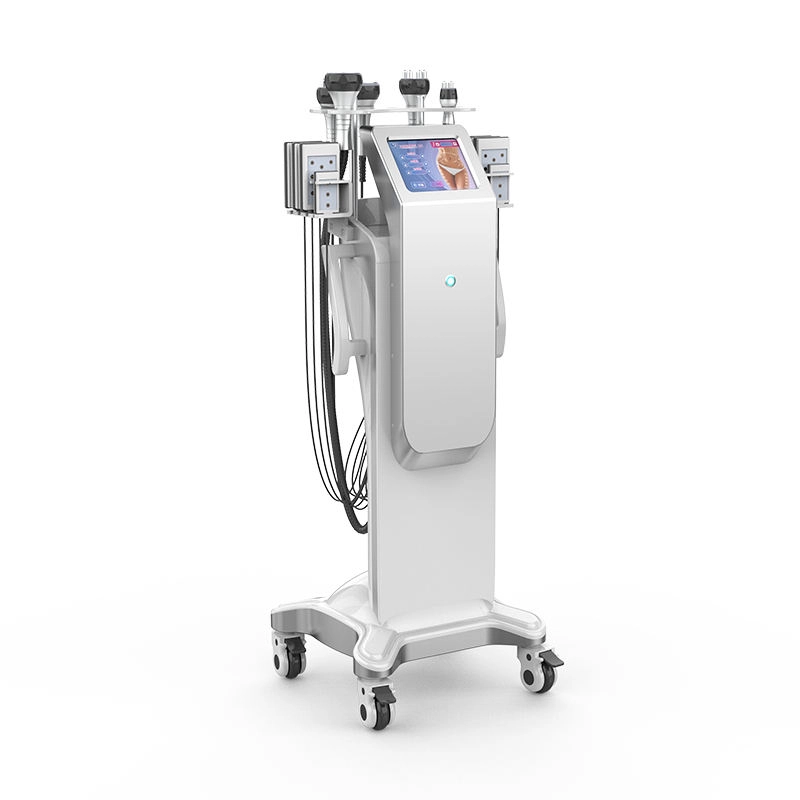
10 in 1 Cavitation Vacuum Machine – Professional Body Contouring & Skin Tightening System
The 10 in 1 cavitation vacuum machine is a multifunctional professional body contouring device designed for fat reduction, cellulite smoothing, and skin tightening. Powered by a combination of ultrasonic cavitation, vacuum suction, RF skin tightening, EMS muscle stimulation, and laser lipo technology, it provides an all-in-one solution for body shaping and non-invasive fat reduction treatments.
This upgraded system features a 10.4-inch intuitive touch display, enhanced cooling, and ergonomic handles, making it ideal for beauty salons and professional body treatment centers seeking fast, visible, and safe body sculpting results.
With advanced 40K/80K cavitation, vacuum RF lifting, and multi-polar RF energy, the machine effectively breaks down fat cells, accelerates lymphatic drainage, and firms loose skin—providing clients with a smoother, more contoured silhouette

9 in 1 Gel Radio Frequency Machine – Cavitation Vacuum Machine 40K 80K with RF Skin Tightening Body Shape Weight Loss Fat Cavitation System
The 9 in 1 Gel Radio Frequency Machine is a professional multifunctional body shaping and skin management system designed for beauty salons and slimming centers. Utilizing 40K and 80K cavitation, this device effectively breaks down stubborn fat cells, promoting rapid body contouring and weight loss.
Equipped with advanced RF Skin Tightening technology, the machine stimulates collagen regeneration, tightens sagging skin, reduces wrinkles, and enhances elasticity. The integrated Body Shape Weight Loss Fat Cavitation system delivers powerful shaping results for the abdomen, arms, legs, and waist.
With nine specialized handles, the machine supports multiple facial and body treatments including cavitation slimming, RF tightening, vacuum shaping, and photon rejuvenation—providing a complete 9-in-1 solution for both fat reduction and skin improvement.
Perfect for professional salons seeking to upgrade their services with a versatile and high-performance 9 in 1 cavitation and radio frequency machine.
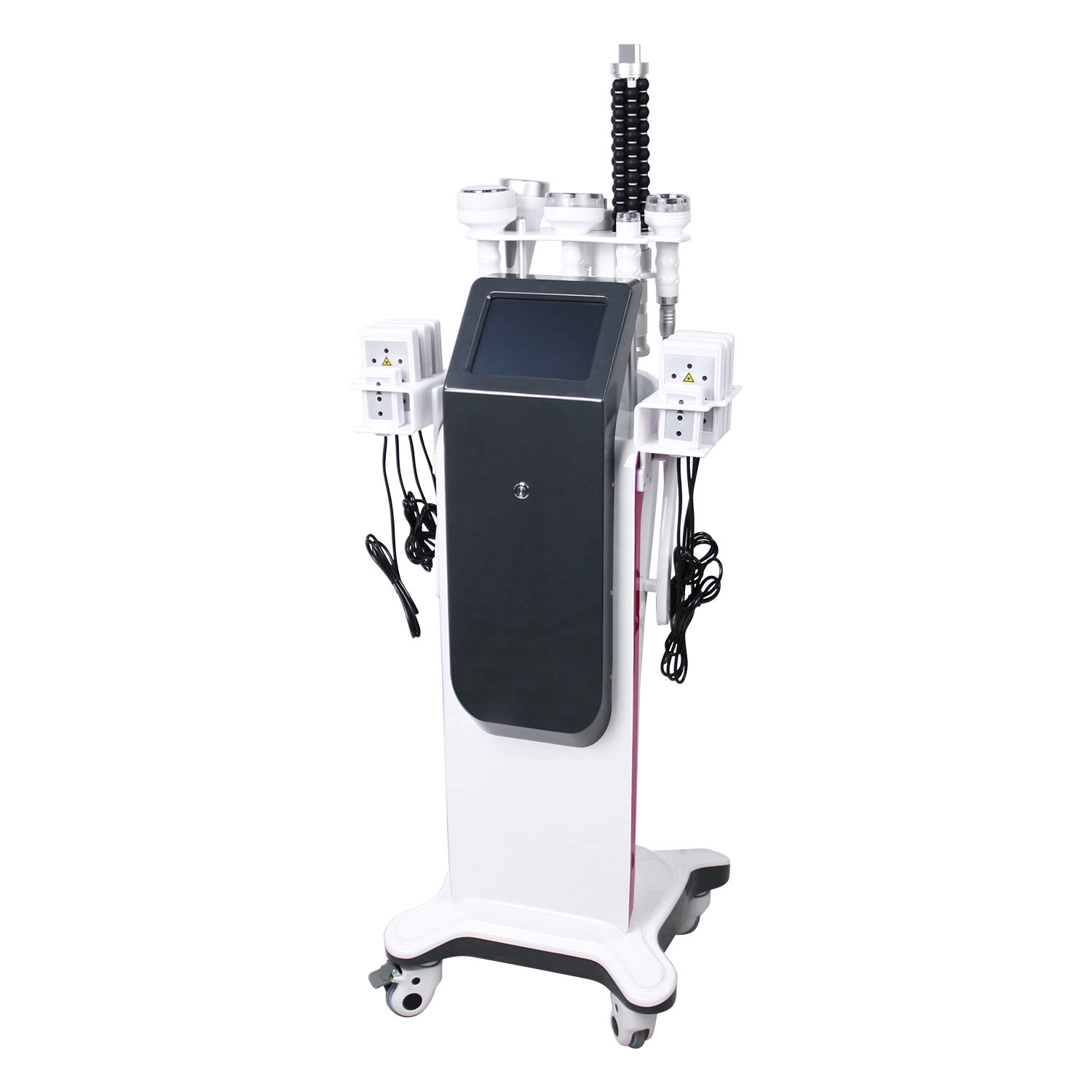
Professional 6-in-1 Cavitation Vacuum Machine for Body Contouring & Slimming Treatment
The 6-in-1 Cavitation Vacuum Machine is a professional body contouring system designed for salons and spas seeking high-performance slimming solutions. This machine integrates 40K ultrasonic cavitation, vacuum suction, RF technology, and laser lipolysis to target stubborn fat, enhance lymphatic drainage, tighten the skin, and contour the body shape effectively.
Equipped with multiple ergonomic handles and a smart touch screen, this cavitation vacuum machine provides a comfortable and efficient experience for both operators and clients. It is ideal for full-body treatments including abdomen, arms, legs, waistline, hips, and back.
Perfect for beauty salons, spas, and aesthetic centers that want to offer non-invasive fat reduction and body-sculpting services.
Get more information
If you have any comments or good suggestions, please leave us a message; later our professional staff will contact you as soon as possible.
Let's Talk
Stay in touch with us for cutting-edge beauty solutions, professional guidance, and customized service.
Contact


Room 307, Building A, Huilong International E-commerce Industrial Park, No. 10 Xipengling Road, Helong Street, Baiyun District, Guangzhou, China
© 2025 HUIMAIN. All Rights Reserved. Privacy Policy | Terms and Conditions | Sitemap
Facebook
Instagram
Medical beauty equipment factory
huimain Medical beauty equipment factory
beauty machine supplier
Whatsapp: +8619124004543