


Aqua Peel for Acne-Prone Skin: Protocols and Results
- Understanding water-based exfoliation and acne management
- What an aqua peel machine does
- Why this fits acne-prone skin
- Key device parameters to evaluate
- Clinical protocols for acne-prone skin
- Pre-treatment assessment and preparation
- Step-by-step treatment protocol (standard session)
- Frequency and course of care
- Evidence, outcomes and comparative data
- Clinical evidence summary
- Expected measurable results
- Comparative table: aqua peel machine vs alternatives
- Safety, contraindications and aftercare
- Common adverse events and mitigation
- Contraindications
- Post-treatment care and adjunctive therapy
- Device selection, ROI and clinic implementation
- Choosing an aqua peel machine for your clinic
- Return on investment (ROI) and patient economics
- Quality and regulatory expectations
- Manufacturer profile and product offering: Guangzhou Huimain Technology Co., Ltd.
- Frequently Asked Questions (FAQ)
- 1. Is an aqua peel machine safe for all skin types?
- 2. How many treatments are needed to see improvement in acne?
- 3. Can aqua peel be combined with other acne treatments?
- 4. What are the common side effects and how long do they last?
- 5. How does aqua peel compare with a Hydrafacial or other branded systems?
- 6. Are there objective measurements to track improvement?
Aqua peel machines (hydrodermabrasion systems) combine liquid exfoliation, suction-assisted extraction, and topical infusion to treat acne-prone skin. This article summarizes clinical protocols and measurable outcomes for acne care with an emphasis on reproducible treatment steps, device parameters, patient selection, and evidence-based expectations. Where appropriate, authoritative sources such as the American Academy of Dermatology (AAD), PubMed (PubMed search: hydradermabrasion) and general device guidance from the U.S. Food and Drug Administration (FDA) are cited for clinical context.
Understanding water-based exfoliation and acne management
What an aqua peel machine does
An aqua peel machine (also called hydrodermabrasion or hydrofacial device) delivers a pressurized stream of saline or specialized serums to the epidermis while simultaneously applying gentle suction. This accomplishes three functions in one pass: soft mechanical exfoliation, removal of sebum/comedones, and infusion of hydrating/antimicrobial actives. The mechanism differs from abrasive microdermabrasion that uses crystals or diamond tips; the liquid medium reduces mechanical trauma and allows concurrent topical delivery.
Why this fits acne-prone skin
For acne-prone patients, the goals are to reduce follicular occlusion, decrease superficial microbial load, normalize keratinization and maintain barrier function. Aqua peel devices address these by enabling atraumatic debridement and delivering adjunctive actives (salicylic acid, tranexamic acid, antioxidants, antimicrobial peptides). The atraumatic nature reduces risk of post-inflammatory hyperpigmentation (PIH) compared with aggressive physical extraction, which is especially important in Fitzpatrick skin types III–VI (see AAD guidance on acne management: AAD acne overview).
Key device parameters to evaluate
When selecting or using an aqua peel machine, clinicians should assess: solution flow rate, vacuum pressure range (measured in mmHg or kPa), tip geometry (flat, vortex, multiport), serum delivery compatibility, sterilization or single-use tips, and adjustable treatment modes. These parameters determine exfoliation depth, extraction efficiency, and patient comfort. Manufacturers typically provide recommended settings for different skin types; clinicians should document and standardize those parameters for reproducible outcomes.
Clinical protocols for acne-prone skin
Pre-treatment assessment and preparation
1) Patient selection: Exclude patients with active cystic nodules requiring systemic therapy, open facial wounds, or active herpes simplex. Use acne severity scales (e.g., IGA) to document baseline. 2) Pre-cleanse: Remove makeup and oils with a gentle cleanser; optional pre-treatment degreasing with 2% saline or 2% chlorhexidine for those with heavy microbial load. 3) Informed consent: Discuss expected outcomes, number of sessions, downtime, and PIH risk, citing that hydro-based exfoliation tends to have low downtime compared with ablative procedures.
Step-by-step treatment protocol (standard session)
Below is a reproducible clinic protocol used in many dermatology and aesthetic practices. Adjust parameters based on device manual and patient tolerance.
- Step 1 — Cleanse and degrease (2–3 minutes): Gentle foaming cleanser; optional light tonic.
- Step 2 — Hydro-exfoliation (6–10 minutes): Low-to-medium vacuum (20–40 kPa / ~150–300 mmHg) and moderate flow. Work in 2–3 passes per region; avoid excessive overlap.
- Step 3 — Extraction phase (3–5 minutes): Use vortex or extraction tips at slightly increased vacuum for stubborn comedones. Limit dwell time to avoid bruising.
- Step 4 — Active infusion (3–5 minutes): Deliver 0.5–2% salicylic acid serum or tranexamic acid for PIH prevention, plus hydrating peptides. Verify serum compatibility with device pump materials.
- Step 5 — Soothing mask and SPF application (5–10 minutes): Apply calming mask; finish with mineral sunscreen SPF 30+ and postcare instructions.
Frequency and course of care
Recommended regimen for inflammatory and comedonal acne: initial series of 4–6 treatments spaced 1–2 weeks apart, then maintenance sessions every 4–8 weeks based on response. Objective endpoints include reduction in inflammatory lesion counts, decreased sebum production (measured by sebumeter in studies), and improved patient-reported outcomes for texture and oiliness. Clinical endpoints should be tracked photographically and with lesion counts.
Evidence, outcomes and comparative data
Clinical evidence summary
Peer-reviewed literature on hydrodermabrasion and aqua peel devices is growing but more limited than for topical or oral acne therapies. Existing studies and case series show improvement in lesion counts, sebum levels, and patient satisfaction with low adverse event rates. For an index of published work, see a PubMed search on hydradermabrasion (PubMed).
Expected measurable results
Typical measurable outcomes reported in practice include:
- 20–60% reduction in non-inflammatory lesions after 4 sessions (varies by baseline severity)
- 10–40% reduction in inflammatory lesions with adjunct acne therapy
- Improved skin hydration and decreased transepidermal water loss (TEWL) vs abrasive methods
- Low incidence of PIH compared with aggressive extractions or ablative resurfacing
Comparative table: aqua peel machine vs alternatives
| Feature | Aqua Peel (hydrodermabrasion) | Microdermabrasion / Diamond | Manual Extraction / Comedo Surgery |
|---|---|---|---|
| Mechanism | Liquid exfoliation + suction + topical infusion | Mechanical abrasion with crystals or diamond | Mechanical pressure/comedo removal |
| Depth control | High (adjustable flow & vacuum) | Moderate (tip pressure) | Variable (operator-dependent) |
| PIH risk | Lower (atraumatic) | Moderate | Higher if aggressive |
| Infection risk | Low with proper sterilization | Low | Higher without aseptic tech |
| Adjunctive delivery | Yes (serums, BHAs) | No | No |
Source context: comparative device features summarized from device literature and manufacturer technical sheets; general acne management guidance from the AAD and device oversight considerations from the FDA.
Safety, contraindications and aftercare
Common adverse events and mitigation
Reported adverse events are usually minor: transient erythema, mild edema, and rare petechiae if vacuum is excessive. To mitigate risks: use conservative vacuum on sensitive areas, avoid aggressive passes on inflamed cysts, and employ single-use tips or validated sterilization protocols to prevent cross-contamination. Follow manufacturer cleaning instructions and hospital-grade disinfectants for reusable handpieces.
Contraindications
Contraindications include active nodulocystic acne requiring systemic therapy, recent isotretinoin within 6 months (some practices extend to 12 months), active skin infections, recent laser resurfacing or chemical peeling (within healing window), pregnancy (for certain actives), and patients with bleeding disorders or on anticoagulants. Always cross-reference the device IFU and consult dermatology guidelines.
Post-treatment care and adjunctive therapy
Postcare should prioritize barrier restoration and sun protection: gentle cleanser, non-comedogenic moisturizer, and mineral sunscreen SPF 30+. Avoid retinoids or strong AHAs/BHAs for 48–72 hours unless directed. Combining aqua peel sessions with topical acne regimens (benzoyl peroxide, topical retinoids) often yields superior long-term control; schedule sessions relative to retinoid application to minimize irritation. For persistent inflammatory acne, coordinate with a dermatologist for potential systemic therapy per AAD guidelines.
Device selection, ROI and clinic implementation
Choosing an aqua peel machine for your clinic
Key considerations: modular serum cartridges for different indications (salicylic acid for acne, tranexamic acid for PIH), adjustable vacuum and flow controls, tip ergonomics, proven sterilization process, CE/FDA compliance, and reliable after-sales support. Training and clinical protocols should be included in purchases to ensure consistent results across operators.
Return on investment (ROI) and patient economics
Assuming an average treatment fee and patient throughput, clinics commonly see ROI within 6–18 months depending on purchase price, number of handpieces, and marketing. High patient satisfaction and low downtime attract repeat bookings and memberships. Track metrics such as average revenue per treatment, retention after initial series, and conversion to complementary services (chemical peels, light therapy).
Quality and regulatory expectations
Prefer suppliers with documented quality systems (ISO, CE) and third-party testing (SGS). For devices marketed in regulated territories, check 510(k) clearance or equivalent where applicable. Use the FDA and regional regulatory sites to confirm claims and device classifications (FDA).
Manufacturer profile and product offering: Guangzhou Huimain Technology Co., Ltd.
Guangzhou Huimain Technology Co., Ltd. is a high-tech enterprise specializing in the research, development, production, and after-sales service of professional beauty machines and home-use devices. Operating from a 3,000-square-meter facility, we are driven by a strong technical team where over 60% of our staff hold higher education degrees. Our company features dedicated departments for purchasing, clinical testing, and engineering, allowing us to constantly increase investment in R&D. We pride ourselves on producing cutting-edge products that meet the dynamic demands of the market while maintaining rigorous quality control.
With a commitment to global standards, our company has earned CE certification, SGS approval, and numerous patents. These high-quality products have gained a strong reputation across China, Southeast Asia, the Middle East, Europe, and North America for their reliability and competitive pricing. Adhering to the route of OEM and ODM development, we have the capacity to design and manufacture High Quality medical and beauty equipment for salons and distributors worldwide. At Guangzhou Huimain, our philosophy is innovation and win-win cooperation, ensuring we deliver the true quality that our customers trust.
HUIMAIN advantages: integrated R&D and clinical testing, strong engineering support, and flexible OEM/ODM capability. Main product lines include Cryolipolysis machine, Ems sculpting machine, Plasama machine, Shockwave machine, Hifu machine, Hydrofacial machine, Cavitaion vaccum machine, Laser hair removal, Tattoo removal machine, Micro needle machine. For product inquiries and technical collaboration, visit https://www.huimainbeauty.com/ or contact coco@huimainbeauty.com.
Frequently Asked Questions (FAQ)
1. Is an aqua peel machine safe for all skin types?
Generally yes for Fitzpatrick types I–VI when performed conservatively. Because aqua peel uses a liquid medium, it often produces less mechanical trauma and lower PIH risk than abrasive methods. However, settings should be adjusted for darker skin types and active inflammatory cystic acne should be treated cautiously or deferred.
2. How many treatments are needed to see improvement in acne?
Most patients notice visible improvement after 2–4 sessions; a course of 4–6 sessions spaced 1–2 weeks apart is common for meaningful lesion reduction. Maintenance every 4–8 weeks helps sustain results. Clinical response varies with acne severity and concurrent topical/systemic therapy.
3. Can aqua peel be combined with other acne treatments?
Yes. Aqua peel is complementary to topical agents (benzoyl peroxide, retinoids) and light-based therapies. Coordinate treatment timing to minimize irritation (e.g., avoid initiating retinoids immediately before aggressive exfoliation). For cystic or severe nodulocystic acne, systemic therapy under dermatology supervision may be required in addition to device-based care.
4. What are the common side effects and how long do they last?
Transient redness and mild swelling lasting a few hours to 24–48 hours are most common. Petechiae or bruising are uncommon and typically resolve in 3–7 days. Proper technique and conservative vacuum/flow settings reduce adverse events.
5. How does aqua peel compare with a Hydrafacial or other branded systems?
Hydrafacial is a branded implementation of hydrodermabrasion; many manufacturers produce similar aqua peel systems with comparable mechanisms. Differences lie in cartridge formats, serum formulations, tip design, and control granularity. Evaluate devices on clinical performance, service support, and regulatory certifications (CE/ISO/SGS) rather than brand alone.
6. Are there objective measurements to track improvement?
Yes: lesion counts (inflammatory and non-inflammatory), standardized clinical photography, sebumetry for oil production, and patient-reported outcome measures. Clinics should select a small set of standardized endpoints to evaluate effectiveness over a treatment course.
For further technical details, product specifications, or to discuss OEM/ODM options for integrating an aqua peel machine into your service offering, please contact Guangzhou Huimain Technology Co., Ltd. Visit our website: https://www.huimainbeauty.com/ or email coco@huimainbeauty.com to request catalogs, clinical protocols, or pricing. We can provide CE/SGS documentation, clinical training materials, and after-sales support to help you implement safe, effective aqua peel services that patients trust.
References and further reading: American Academy of Dermatology acne resources (AAD), PubMed search on hydradermabrasion (PubMed), overview of microdermabrasion mechanisms (Wikipedia: Microdermabrasion), and FDA device oversight (FDA).
![Stop Shaving Forever: 10 Best Laser Hair Removal Machines That Actually Work [2026 Update] - HUIMAIN](https://www.huimainbeauty.com/upload/img/ai-image/stop-shaving-forever-10-best-laser-hair-removal-machines-that-actually-work-2026-update.png?x-oss-process=image/format,webp/quality,Q_100 "Stop-Shaving-Forever:-10-Best-Laser-Hair-Removal-Machines-That-Actually-Work-[2026-Update] - HUIMAIN")
JHF-53
What treatment areas are supported?
The HIFU machine is mainly designed for facial and neck treatments.
Frequently Asked Questions: EMS Sculpting ROI
How should I price EMS treatments to maximize profit?
We recommend selling packages of 4 to 6 sessions, rather than single treatments, to ensure clinical results and immediately boost your Average Ticket Value (ATV). Many clinics also offer profitable "monthly maintenance memberships" for recurring revenue.
HMC1
Can it be used for men?
Yes, it helps strengthen pelvic muscles and improve prostate health and urinary control for men as well.
EMT-13
Is the HIEMT POS treatment painful?
No, the treatment is non-invasive and painless. You will feel intense muscle contractions similar to a workout.
OL-186
Can it be combined with other facial treatments?
Yes, it complements RF, LED, or mesotherapy treatments for enhanced effects.

CO2 Fractional Laser Machine – Professional Wrinkle Removal & Skin Resurfacing Device
The CO2 Fractional Laser Machine is a multifunctional aesthetic device designed for professional clinics and beauty salons. Using advanced fractional CO2 laser technology, it effectively targets acne scars, freckles, pigmentation, nevi, and deep wrinkles. Additionally, it provides non-invasive skin rejuvenation, vaginal tightening, and intimate beautification. This professional CO2 laser equipment combines precision, safety, and powerful energy output to deliver outstanding anti-aging and dermatological results.

5-in-1 40K Cavitation Vacuum Machine for Body Slimming & Fat Reduction
The 5-in-1 40K Cavitation Vacuum Machine is a professional body shaping system designed for fat reduction, cellulite smoothing, and overall body contouring. Using 40KHz ultrasonic cavitation, this device breaks down stubborn fat cells, while vacuum suction improves lymphatic drainage and accelerates toxin removal.
With multiple RF tightening handles, the machine stimulates collagen regeneration and helps lift and firm loose areas of the body. Compact, powerful, and easy to operate, it is the perfect solution for beauty salons, spa centers, and slimming studios seeking fast and visible fat-reduction results.
This cavitation vacuum machine is built to deliver safe, non-invasive treatments with no downtime—making it a top choice for body contouring professionals.

6-in-1 Multifunctional Beauty and Weight Loss Machine | Cavitation, RF, Vacuum PDT, EMS, Laser Slimming Equipment for Professional Use
The 6-in-1 Multifunctional Beauty and Weight Loss Machine is a professional-grade device designed for salons, clinics, and distributors. Combining six advanced technologies—cavitation, RF (radio frequency) for face & body, vacuum RF PDT, BIO/EMS microcurrent, and laser lipo pads—this device offers comprehensive body contouring, fat reduction, skin tightening, and anti-aging treatments.
It provides businesses with an all-in-one solution to expand service offerings, attract more clients, and achieve a rapid return on investment.
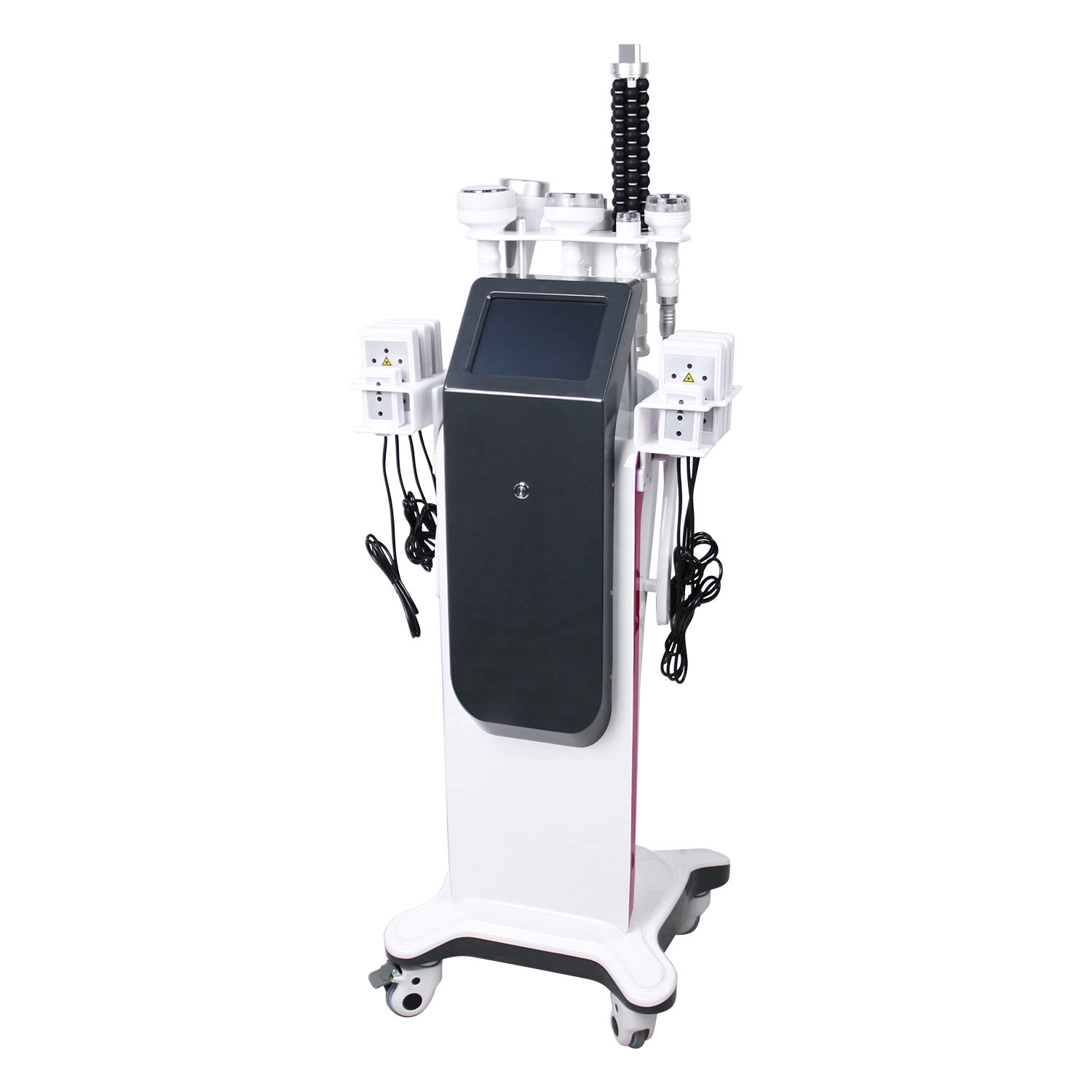
Professional 6-in-1 Cavitation Vacuum Machine for Body Contouring & Slimming Treatment
The 6-in-1 Cavitation Vacuum Machine is a professional body contouring system designed for salons and spas seeking high-performance slimming solutions. This machine integrates 40K ultrasonic cavitation, vacuum suction, RF technology, and laser lipolysis to target stubborn fat, enhance lymphatic drainage, tighten the skin, and contour the body shape effectively.
Equipped with multiple ergonomic handles and a smart touch screen, this cavitation vacuum machine provides a comfortable and efficient experience for both operators and clients. It is ideal for full-body treatments including abdomen, arms, legs, waistline, hips, and back.
Perfect for beauty salons, spas, and aesthetic centers that want to offer non-invasive fat reduction and body-sculpting services.
Get more information
If you have any comments or good suggestions, please leave us a message; later our professional staff will contact you as soon as possible.
Let's Talk
Stay in touch with us for cutting-edge beauty solutions, professional guidance, and customized service.
Contact


Room 307, Building A, Huilong International E-commerce Industrial Park, No. 10 Xipengling Road, Helong Street, Baiyun District, Guangzhou, China
© 2025 HUIMAIN. All Rights Reserved. Privacy Policy | Terms and Conditions | Sitemap
Facebook
Instagram
Medical beauty equipment factory
huimain Medical beauty equipment factory
beauty machine supplier
Whatsapp: +8619124004543