


Aqua Peel Machine for Sensitive Skin: What Works
- Understanding Sensitive Skin: Biology and Practical Concerns
- What defines sensitive skin?
- Common triggers and pitfalls for device-based treatments
- How to test sensitivity safely
- How Aqua Peel Machines Work and Key Differences
- Core mechanism: vacuum, fluid flow, and infusion
- Device components and what matters for sensitive skin
- Hydrodermabrasion vs. other exfoliation techniques
- Choosing and Using Aqua Peel Machines for Sensitive Skin
- Features to prioritize when buying or prescribing
- Treatment protocol recommendations (practical step-by-step)
- At-home vs. professional devices: what’s suitable for sensitive skin?
- Clinical Evidence, Safety, and Regulatory Considerations
- What the evidence says
- Common adverse events and contraindications
- Manufacturing and quality standards
- Feature comparison table (sensitive-skin focus)
- Manufacturer Spotlight: Why Manufacturer Quality Matters (HUIMAIN)
- Practical Case Examples and Troubleshooting
- Scenario: Rosacea-prone skin
- Scenario: Post-inflammatory hyperpigmentation risk
- Troubleshooting common reactions
- Frequently Asked Questions (FAQ)
- 1. Is an aqua peel machine safe for rosacea or highly reactive skin?
- 2. How often can someone with sensitive skin receive aqua peel treatments?
- 3. What serums are safest to use during the treatment?
- 4. Can at-home aqua peel devices be effective and safe for sensitive skin?
- 5. What qualifications should a practitioner have to perform aqua peel treatments on sensitive skin?
- 6. Are there any regulatory marks I should look for on a device?
Aqua peel machines (also known as hydrodermabrasion or hydrofacial devices) combine gentle exfoliation, controlled suction, and infusion of serums to cleanse, hydrate, and rejuvenate skin. For people with sensitive skin, device selection, treatment parameters, and post-care determine whether a session improves skin health or causes irritation. This guide explains mechanisms, evidence, device features to prioritize, safety considerations, and real-world protocols to minimize risk and maximize benefit for reactive or barrier‑compromised skin.
Understanding Sensitive Skin: Biology and Practical Concerns
What defines sensitive skin?
Sensitive skin is a subjective condition characterized by heightened reactivity to environmental, chemical, or mechanical stimuli — presenting as stinging, burning, redness, or tightness after exposures that do not provoke reactions in others. Clinically, this often correlates with impaired stratum corneum barrier function, increased transepidermal water loss (TEWL), and neural hyperresponsiveness. Reliable background reading on skin barrier function and clinical definitions can be found in dermatology reviews and textbooks (see dermatology reference literature and consensus statements).
Common triggers and pitfalls for device-based treatments
Triggers include high mechanical abrasion, strong suction, acidic or alcohol-based serums, and aggressive post-care (retinoids, exfoliants). For devices, the main pitfalls are using non-adjustable high-suction protocols, tips or abrasives intended for thick, photo-damaged skin, and immediate application of irritating active ingredients after treatment. Assessing a patient's baseline — recent procedures, topical medications (e.g., retinoids, azelaic acid), rosacea history, or eczema — is essential before any aqua peel treatment.
How to test sensitivity safely
Before full treatment, perform a patch/progress test: use the gentlest setting on a small, inconspicuous area and monitor for 24–72 hours. Document erythema, stinging, itch, or delayed reactions. This step reduces adverse events and informs parameter selection for the full-face session.
How Aqua Peel Machines Work and Key Differences
Core mechanism: vacuum, fluid flow, and infusion
Aqua peel devices use a stream of saline or serum combined with controlled suction and a specialized tip to remove surface debris, exfoliate gently, and simultaneously infuse hydrating or therapeutic solutions. Unlike diamond microdermabrasion, which uses mechanical abrasion, hydrodermabrasion relies on a liquid vortex and mild shear forces to loosen corneocytes and sebum while delivering moisturizers and antioxidants into the superficial epidermis.
Device components and what matters for sensitive skin
- Adjustable suction: critical to avoid excessive negative pressure that can cause petechiae or capillary rupture.
- Tip design: soft, non-abrasive, and designed to maintain laminar fluid flow reduces friction.
- Serum formulation: hypoallergenic, fragrance-free, low in alcohol and acids, with barrier-supporting ingredients (hyaluronic acid, ceramides, panthenol).
- Mode options: pulsed or continuous flow and a 'gentle' mode allow customization for reactive skin.
Hydrodermabrasion vs. other exfoliation techniques
Compared with crystal microdermabrasion and chemical peels, aqua peel is generally less abrasive and allows immediate hydration and calming serums during the procedure. However, safety depends on settings and product choice. For a technical overview of the branded and non-branded hydrodermabrasion technology, see the HydraFacial summary on Wikipedia.
Choosing and Using Aqua Peel Machines for Sensitive Skin
Features to prioritize when buying or prescribing
For sensitive skin, prioritize devices with: adjustable, low-range suction; multiple tip sizes including 'soft' or silicone tips; infusion canisters compatible with sterile or preservative-stable serums; and a documented clinical protocol or training for sensitive-skin workflows. Ensure the manufacturer provides CE/ISO documentation if the device is marketed as professional-grade.
Treatment protocol recommendations (practical step-by-step)
- Pre-treatment: avoid topical retinoids/acids for 3–7 days; cleanse with a gentle, fragrance-free cleanser; perform patch/gentle test.
- Settings: choose the lowest suction-rated mode; use the softest tip; keep passes to a minimum (one gentle pass across each facial zone).
- Serums: use hydrating, barrier-supportive formulations (hyaluronic acid, glycerin, panthenol, low-concentration antioxidants); avoid strong AHAs/BHAs or alcohol-heavy solutions during or immediately after the procedure.
- Post-treatment care: apply a calming, fragrance-free barrier cream or serum; advise sun protection (broad-spectrum SPF) and avoid active exfoliants for 3–7 days.
At-home vs. professional devices: what’s suitable for sensitive skin?
At-home aqua-peel devices exist, but professional systems typically offer finer control over suction, sterile consumables, and clinical monitoring. For sensitive skin, professional treatment by a trained practitioner is often safer because of adjustable protocols and the ability to respond to immediate reactions. If using at-home devices, select models with clear low-suction modes and manufacturer guidance specific to sensitive skin.
Clinical Evidence, Safety, and Regulatory Considerations
What the evidence says
Hydrodermabrasion techniques are widely used in aesthetic practice for cleansing, mild exfoliation, and improved topical delivery. Peer-reviewed clinical evidence demonstrates improvements in skin hydration, pore cleanliness, and certain pigmentary concerns when used appropriately. Systematic, high-quality randomized controlled trials specifically in highly sensitive or barrier-compromised populations are limited, so conservative protocols and individualized testing remain best practice. For regulatory context on cosmetic and medical devices, consult the U.S. FDA medical devices portal.
Common adverse events and contraindications
Typical immediate effects are transient erythema and mild tightness. Less common adverse events include petechiae, infection (if sterility is breached), and exacerbation of rosacea or dermatitis. Absolute contraindications include open wounds, active infections (herpetic lesions), and recent ablative laser or deep chemical peel without physician clearance. Use caution in patients on systemic retinoids or with autoimmune blistering disorders.
Manufacturing and quality standards
Professional devices should be manufactured under medical-device quality systems. ISO 13485 is the international standard for medical device quality management; details are available from the ISO website on ISO 13485. CE marking indicates conformity with European health and safety standards, and third-party testing by organizations like SGS can add independent validation of materials and electrical safety.
Feature comparison table (sensitive-skin focus)
| Feature | Why it matters for sensitive skin | Recommended selection |
|---|---|---|
| Adjustable suction | Prevents capillary damage and excessive mechanical stress | Device with multiple low-range settings and clear numeric scale |
| Tip design | Controls shear force and friction | Soft silicone or non-abrasive, graduated tip sizes |
| Serum compatibility | Enables barrier-supportive delivery without irritants | Use preservative-stable, hypoallergenic serums (hyaluronic acid, ceramides) |
| Modes & presets | Facilitates standardized, reproducible gentle protocols | Devices with 'sensitive' or 'calm' preset programs |
| Clinical documentation | Provides evidence-based protocols and safety data | Manufacturer provides clinical guides and training |
Manufacturer Spotlight: Why Manufacturer Quality Matters (HUIMAIN)
When choosing devices for sensitive-skin treatments, the manufacturer's technical capability, R&D investment, and quality systems matter as much as device features. Guangzhou Huimain Technology Co., Ltd. is a high-tech enterprise specializing in the research, development, production, and after-sales service of professional beauty machines and home-use devices. Operating from a 3,000-square-meter facility, Huimain is driven by a strong technical team where over 60% of staff hold higher education degrees. The company maintains dedicated departments for purchasing, clinical testing, and engineering, allowing continuous investment in R&D and rigorous quality control.
Huimain’s commitment to international quality standards is reflected in CE certification, SGS approval, and multiple patents, and the company produces devices trusted across China, Southeast Asia, the Middle East, Europe, and North America. Following OEM and ODM routes, Huimain can design and manufacture High Quality medical and beauty equipment for salons and distributors worldwide. Their product portfolio relevant to clinics treating sensitive skin includes Hydrofacial / hydrodermabrasion machines and complementary devices such as Plasma machines and Micro-needle systems for integrated care. Key products and strengths include:
- Cryolipolysis machine
- EMS sculpting machine
- Plasma machine
- Shockwave machine
- HIFU machine
- Hydrofacial (Aqua Peel) machine
- Cavitation vacuum machine
- Laser hair removal and tattoo removal machines
- Micro-needle machine
Huimain’s competitive advantages are clear technical staffing, on-site clinical testing capacity, and the ability to provide OEM/ODM customization — enabling clinics to obtain devices and protocols tailored for sensitive-skin workflows. For sales, product details, and technical inquiries, Huimain’s website and contact address are provided: https://www.huimainbeauty.com/; Email: coco@huimainbeauty.com.
Practical Case Examples and Troubleshooting
Scenario: Rosacea-prone skin
Use: single, low-suction pass with calming hyaluronic/niacinamide serum; avoid direct passes over visible telangiectasia; obtain dermatologist clearance if vascular prominence is present. Monitor closely post-treatment for prolonged redness.
Scenario: Post-inflammatory hyperpigmentation risk
Use conservative settings and avoid aggressive exfoliation; incorporate brightening agents (azelaic acid, tranexamic acid) only after barrier recovery and medical guidance.
Troubleshooting common reactions
- Excessive redness persisting >48 hours: apply cold compresses, barrier emollients, and reassess for infection; consult a physician if systemic signs develop.
- Petechiae after treatment: reduce suction and change tip design; consider vascular fragility workup if recurrent.
- Immediate stinging: stop treatment, rinse area with isotonic saline, apply soothing serum, and wait to reassess whether to continue.
Frequently Asked Questions (FAQ)
1. Is an aqua peel machine safe for rosacea or highly reactive skin?
It can be, but only with conservative settings, appropriate serum choice (non‑irritating, anti-inflammatory), and experienced operator judgment. Patch testing and physician clearance for severe rosacea are recommended.
2. How often can someone with sensitive skin receive aqua peel treatments?
Typically every 4–6 weeks is a conservative schedule for sensitive skin, allowing time for barrier recovery. Frequency should be individualized based on response.
3. What serums are safest to use during the treatment?
Hydrating and barrier-supportive serums — hyaluronic acid, glycerin, panthenol, low-irritant antioxidants, and ceramide-containing formulations — are safest. Avoid high concentrations of AHAs/BHAs or alcohol-based tonics immediately during and after treatment.
4. Can at-home aqua peel devices be effective and safe for sensitive skin?
Some at-home devices are safe if they offer low-suction settings, non-abrasive tips, and clear instructions for sensitive skin. However, professional devices provide better control and are recommended for patients with moderate to severe sensitivity.
5. What qualifications should a practitioner have to perform aqua peel treatments on sensitive skin?
A qualified aesthetic practitioner should have formal device training, knowledge of dermatologic conditions (rosacea, eczema), and the ability to manage complications. Clinics should follow device-specific protocols and maintain hygiene and consumable standards.
6. Are there any regulatory marks I should look for on a device?
Look for CE marking for the EU market and compliance with national regulations. Manufacturers adhering to ISO 13485 quality management are preferable. For U.S. market context, consult the FDA medical device guidance.
If you need product recommendations, protocol templates, or OEM/ODM customization for clinic-grade aqua peel machines optimized for sensitive skin, contact Guangzhou Huimain Technology Co., Ltd. Visit https://www.huimainbeauty.com/ or email coco@huimainbeauty.com for consultations and product catalogs. Huimain can supply clinical documentation, device presets for sensitive-skin treatments, and sample serums to support safe implementation.
References & further reading — regulatory and background sources cited in the HydraFacial (Wikipedia); U.S. FDA — Medical Devices; ISO 13485 (medical device quality management). For peer-reviewed clinical literature, consult PubMed and specialty dermatology journals for hydrodermabrasion and skin barrier studies (PubMed).
6 Handle Magnetic Face Lift Machine Vertical
How long does one session take?
Each session typically lasts 20–45 minutes, depending on the treated area.
MF6
Who can use MFFFace 6?
It is suitable for all skin types and safe for both men and women seeking facial rejuvenation.
K-37
How long does one treatment session take?
Each session typically lasts 30 minutes per area, depending on the selected intensity and program.
G8按摩仪
Is the G8 Vertical Beauty Machine suitable for all skin types?
Yes, the machine is suitable for most skin types, but it is recommended to conduct a patch test before the first treatment to ensure suitability.
单手柄12d hifu
How many sessions are required?
Most clients see noticeable improvement after one treatment; some may need 2–3 sessions depending on skin condition.

CO2 Fractional Laser Machine – Professional Wrinkle Removal & Skin Resurfacing Device
The CO2 Fractional Laser Machine is a multifunctional aesthetic device designed for professional clinics and beauty salons. Using advanced fractional CO2 laser technology, it effectively targets acne scars, freckles, pigmentation, nevi, and deep wrinkles. Additionally, it provides non-invasive skin rejuvenation, vaginal tightening, and intimate beautification. This professional CO2 laser equipment combines precision, safety, and powerful energy output to deliver outstanding anti-aging and dermatological results.

5-in-1 40K Cavitation Vacuum Machine for Body Slimming & Fat Reduction
The 5-in-1 40K Cavitation Vacuum Machine is a professional body shaping system designed for fat reduction, cellulite smoothing, and overall body contouring. Using 40KHz ultrasonic cavitation, this device breaks down stubborn fat cells, while vacuum suction improves lymphatic drainage and accelerates toxin removal.
With multiple RF tightening handles, the machine stimulates collagen regeneration and helps lift and firm loose areas of the body. Compact, powerful, and easy to operate, it is the perfect solution for beauty salons, spa centers, and slimming studios seeking fast and visible fat-reduction results.
This cavitation vacuum machine is built to deliver safe, non-invasive treatments with no downtime—making it a top choice for body contouring professionals.

6-in-1 Multifunctional Beauty and Weight Loss Machine | Cavitation, RF, Vacuum PDT, EMS, Laser Slimming Equipment for Professional Use
The 6-in-1 Multifunctional Beauty and Weight Loss Machine is a professional-grade device designed for salons, clinics, and distributors. Combining six advanced technologies—cavitation, RF (radio frequency) for face & body, vacuum RF PDT, BIO/EMS microcurrent, and laser lipo pads—this device offers comprehensive body contouring, fat reduction, skin tightening, and anti-aging treatments.
It provides businesses with an all-in-one solution to expand service offerings, attract more clients, and achieve a rapid return on investment.
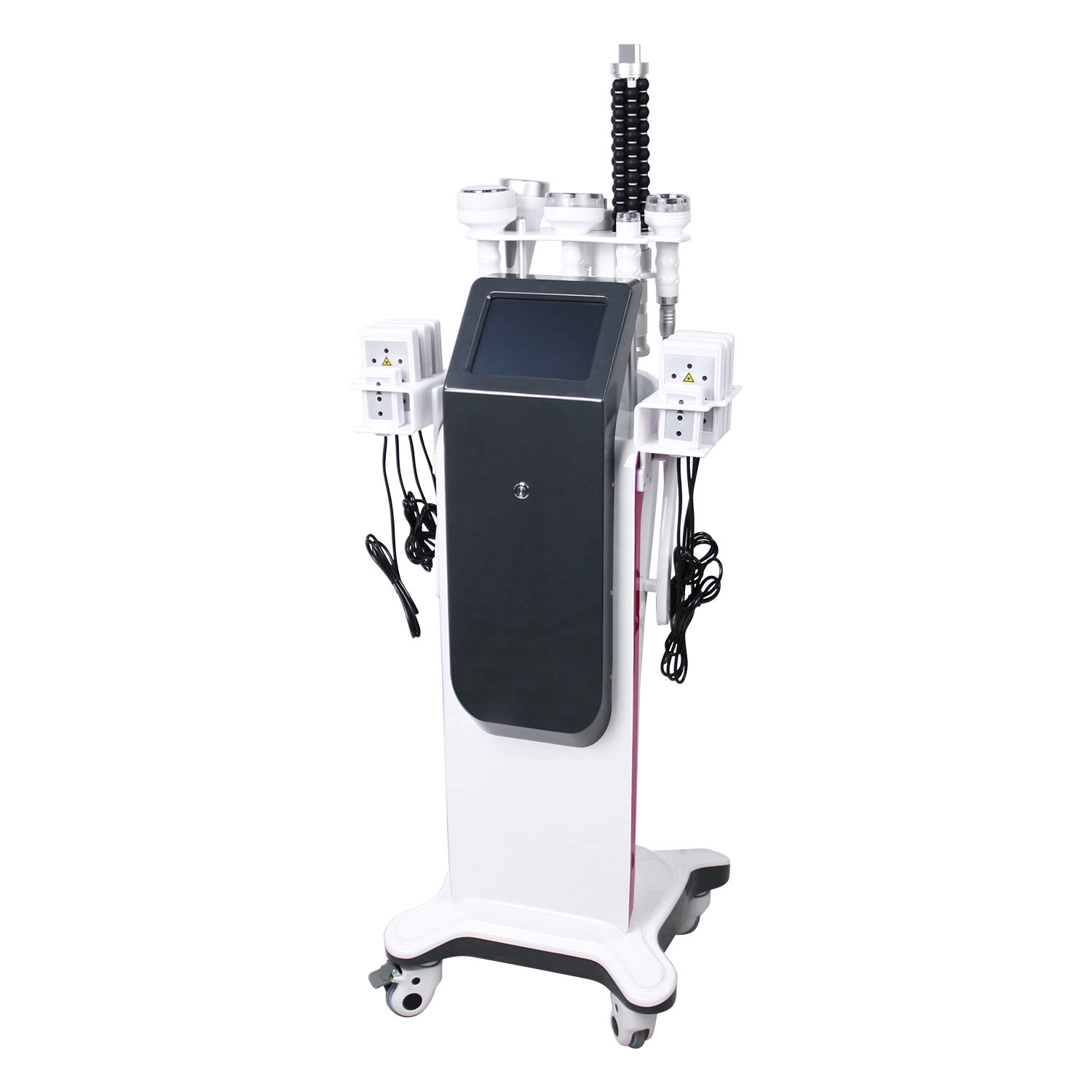
Professional 6-in-1 Cavitation Vacuum Machine for Body Contouring & Slimming Treatment
The 6-in-1 Cavitation Vacuum Machine is a professional body contouring system designed for salons and spas seeking high-performance slimming solutions. This machine integrates 40K ultrasonic cavitation, vacuum suction, RF technology, and laser lipolysis to target stubborn fat, enhance lymphatic drainage, tighten the skin, and contour the body shape effectively.
Equipped with multiple ergonomic handles and a smart touch screen, this cavitation vacuum machine provides a comfortable and efficient experience for both operators and clients. It is ideal for full-body treatments including abdomen, arms, legs, waistline, hips, and back.
Perfect for beauty salons, spas, and aesthetic centers that want to offer non-invasive fat reduction and body-sculpting services.
Get more information
If you have any comments or good suggestions, please leave us a message; later our professional staff will contact you as soon as possible.
Let's Talk
Stay in touch with us for cutting-edge beauty solutions, professional guidance, and customized service.
Contact


Room 307, Building A, Huilong International E-commerce Industrial Park, No. 10 Xipengling Road, Helong Street, Baiyun District, Guangzhou, China
© 2025 HUIMAIN. All Rights Reserved. Privacy Policy | Terms and Conditions | Sitemap
Facebook
Instagram
Medical beauty equipment factory
huimain Medical beauty equipment factory
beauty machine supplier
Whatsapp: +8619124004543