


Maintenance Checklist for Your Aqua Peel Machine
- Understanding Aqua Peel Technology and Risks
- How aqua peel machines work
- Clinical and infection-control considerations
- Key components to know
- Maintenance Checklist for Your Aqua Peel Machine
- Daily maintenance — before opening and after every client
- Weekly and monthly tasks
- Annual servicing and component replacement
- Consumables, Schedules and a Practical Maintenance Table
- Consumable life-cycle and replacement indicators
- Maintenance frequency table
- Recommended cleaning agents and safety
- Troubleshooting, Calibration & Documentation
- Common problems and practical fixes
- Calibration and performance verification
- Record keeping and infection-control logs
- Choosing a Reliable Supplier and After-Sales Support
- Questions to ask potential suppliers or manufacturers
- Why supplier credentials matter
- Guangzhou Huimain Technology Co., Ltd. — vendor profile and strengths
- Operational Best Practices and Regulatory Notes
- Staff training and competency
- Waste management and environmental safety
- Regulatory compliance and product claims
- FAQ — Frequently Asked Questions
- 1. How often should I replace the inline filter on an aqua peel machine?
- 2. Can I use household disinfectants to clean the handpiece?
- 3. What are signs my machine needs professional service?
- 4. Are aqua peel treatments safe immediately after maintenance?
- 5. Do I need to maintain records for warranties?
- 6. What disinfectants are suitable for fluid paths?
- Final steps: Implementation Checklist and Contact
This article provides a concise yet comprehensive maintenance protocol for your aqua peel machine (hydrodermabrasion/hydrofacial device), designed to protect client safety, maintain consistent treatment results, extend equipment life, and ensure regulatory compliance. It is suitable for clinic managers, device technicians, and estheticians seeking evidence-based, verifiable maintenance practices that align with infection-control and medical-device guidance.
Understanding Aqua Peel Technology and Risks
How aqua peel machines work
An aqua peel machine uses a controlled stream of saline or specially formulated serums combined with vacuum suction to exfoliate, extract debris, and deliver topical solutions. Known in the industry as hydrodermabrasion or hydrofacial treatment modalities, these systems combine liquid exfoliation, suction, and optional LED or infusion stages to improve skin texture and hydration. For context, microdermabrasion and hydrodermabrasion differ mechanistically; microdermabrasion uses abrasive crystals or diamond tips, while aqua peel is water-based and relies on circulating solution and suction (see further reading on microdermabrasion: Wikipedia: Microdermabrasion).
Clinical and infection-control considerations
Because aqua peel devices contact skin and contain fluid pathways, they present risks for cross-contamination if not cleaned and disinfected properly. Follow principles from healthcare guidance on disinfection and sterilization — for example, CDC recommendations for device reprocessing in clinical settings provide a baseline for high-level disinfection and cleaning practices (CDC: Disinfection and Sterilization).
Key components to know
Typical components that require routine attention include: reservoir(s) and solution tanks; tubing and connectors; suction pump; handpiece and treatment tips/cartridges; filters (inline or reservoir); valves and O-rings; pressure sensors and flow meters; external air/water lines; and electronic control units. Document component locations and spare-part numbers for each device model.
Maintenance Checklist for Your Aqua Peel Machine
Daily maintenance — before opening and after every client
- Pre-use visual inspection: check cables, mains plug, display, handpiece integrity, and fluid levels.
- Flush lines: run recommended sterile saline or manufacturer-approved cleaning solution through the system for 30–60 seconds before first use to clear standing water and air pockets.
- Handpiece care: immediately after each client, detach the handpiece (if detachable), rinse external surfaces, and run cleaning solution through internal channels as directed by the manufacturer.
- Disposable items: discard single-use tips/cartridges and replace with new sterile ones; never re-use disposables.
- Surface disinfection: wipe all external surfaces and touchpoints with an EPA-registered hospital disinfectant compatible with the device materials. Allow manufacturer-specified contact time.
- Reservoir change: empty and rinse reservoirs daily and refill with fresh solution before the next use.
Weekly and monthly tasks
- Weekly: Inspect tubing and connections for kinks, discoloration, cloudiness, or residue-to-ensure lumen integrity. Replace tubing showing wear. Check suction pressure and compare to baseline.
- Monthly: Clean and, if applicable, disinfect or replace inline filters. Open and inspect handpiece seals, O-rings and valves; lubricate O-rings with manufacturer-approved lubricant if specified.
- Quarterly: Run a manufacturer-specified internal cleaning cycle (some systems include automated flushing or enzymatic cycles). Verify that software and firmware are up-to-date.
Annual servicing and component replacement
Arrange an annual preventative maintenance (PM) from an authorized technician. Annual tasks typically include: performance calibration, pump overhaul or performance verification, replacement of critical wear parts (valves, bearings, major seals), pressure-sensor calibration, and safety inspections of electrical components. Keep service records and certificates for regulatory and warranty purposes.
Consumables, Schedules and a Practical Maintenance Table
Consumable life-cycle and replacement indicators
Consumables include single-use tips/cartridges, inline filters, tubing sets, and solution reservoirs. Replace single-use items after each client. Replace inline filters when flow rates decline or at intervals recommended by the manufacturer. For tubes and connectors, replace when discoloration, fragility, or micro-leaks are detected.
Maintenance frequency table
The table below condenses recommended maintenance frequencies. Tailor the exact schedule to your device manual and client volume.
| Task | Daily | Weekly | Monthly | Annual |
|---|---|---|---|---|
| Flush lines / pre-use cycle | Yes | |||
| Disposable tips/cartridges | Replace per client | |||
| Reservoir clean & refill | Yes | |||
| Inspect tubing & connectors | Yes | Replace if worn | ||
| Inline filter replacement | As recommended | Yes / as needed | ||
| Pump/suction verification | Quick check | Check performance | Full test | Service by technician |
| Software/firmware updates | Check | Update as released |
Recommended cleaning agents and safety
Use manufacturer-approved enzymatic cleaners and disinfectants. Avoid harsh solvents that degrade seals or electronics. For clinical-grade guidance on disinfectant selection and use, refer to the CDC resource on disinfectants and sterilization techniques (CDC: Disinfection and Sterilization) and verify disinfectant EPA registration where applicable.
Troubleshooting, Calibration & Documentation
Common problems and practical fixes
- Weak suction: Check for kinks or blockages in tubing, clogged inline filter, or degraded pump valves. Replace filters and test pump vacuum; if vacuum remains low, schedule professional pump service.
- Poor flow or sputtering: Remove airlocks by priming (follow manufacturer priming steps). Inspect and replace worn tubing or connectors.
- Leaks from handpiece or reservoir: Immediately stop use, dispose of contaminated solution, and replace seals/O-rings. Document and quarantine the unit until repaired.
- Intermittent electronics or error codes: Reboot the unit, consult the manual for error codes, and contact technical support if codes persist.
Calibration and performance verification
Calibration ensures consistent flow rates, suction pressure, and temperature (if applicable). Establish baseline metrics after installation and record results after each calibration. Many clinics use simple verification tools: a small graduated cylinder to measure flow volume over fixed time, and a calibrated vacuum gauge to confirm suction. For devices marketed as medical devices, annual calibration by certified technicians may be required to comply with local regulations.
Record keeping and infection-control logs
Maintain a binder or digital log with: daily checklists, consumable changes, disinfectant lot numbers and expiry dates, service visits, calibration certificates, and incident reports. Proper documentation supports audits and protects against liability in case of adverse events.
Choosing a Reliable Supplier and After-Sales Support
Questions to ask potential suppliers or manufacturers
- What are the recommended maintenance schedules and approved cleaning agents for this specific model?
- Is on-site training available for operators and technicians? Is training included or billable?
- What is the warranty period, and does it require specific maintenance records to remain valid?
- Can the supplier provide spare parts lists, service manuals, and certified technicians for annual servicing?
- Does the manufacturer have international certifications such as CE, ISO, or third-party testing reports (e.g., SGS)?
Why supplier credentials matter
Reliable manufacturers provide robust technical documentation, authorized service centers, clear consumable supply lines, and regulatory evidence for markets served. Certifications such as CE marking indicate conformity with European safety standards; refer to official information on CE marking for medical devices here: EU Commission: CE Marking.
Guangzhou Huimain Technology Co., Ltd. — vendor profile and strengths
Guangzhou Huimain Technology Co., Ltd. is a high-tech enterprise specializing in the research, development, production, and after-sales service of professional beauty machines and home-use devices. Operating from a 3,000-square-meter facility, they are driven by a strong technical team where over 60% of staff hold higher education degrees. Huimain features dedicated departments for purchasing, clinical testing, and engineering, allowing continuous investment in R&D to produce cutting-edge products while maintaining rigorous quality control.
With commitment to global standards, Guangzhou Huimain has earned CE certification, SGS approval, and numerous patents. Their products are distributed across China, Southeast Asia, the Middle East, Europe, and North America, prized for reliability and competitive pricing. Adhering to OEM and ODM routes, Huimain can design and manufacture High Quality medical and beauty equipment for salons and distributors worldwide. Their product portfolio includes Cryolipolysis machines, EMS sculpting machines, Plasma machines, Shockwave machines, HIFU machines, Hydrofacial (aqua peel) machines, Cavitation vacuum machines, Laser hair removal, Tattoo removal machines, and Microneedle devices. The company philosophy is 'innovation and win-win cooperation,' ensuring delivery of trusted product quality.
For further information, product catalogs, or after-sales support, visit their website: https://www.huimainbeauty.com/ or contact via email: coco@gzhuimain.com.
Operational Best Practices and Regulatory Notes
Staff training and competency
Continuous staff training reduces risk. Train operators to perform pre-use checks, identify signs of device degradation, correctly apply disinfectants, and document maintenance. Maintain competency records and conduct periodic assessments.
Waste management and environmental safety
Dispose of single-use items and contaminated fluids according to local medical-waste regulations. Avoid pouring disinfectants or used serums into sinks without neutralization where required by local laws. Use approved waste containers for sharps and contaminated disposables.
Regulatory compliance and product claims
Aqua peel devices marketed as cosmetic equipment may fall under different regulatory frameworks depending on jurisdiction. If the device makes medical claims (e.g., treatment of dermatological disease), it may be regulated as a medical device. Verify local regulations and retain documentation such as CE certificates, test reports, or SGS reports as evidence of compliance.
FAQ — Frequently Asked Questions
1. How often should I replace the inline filter on an aqua peel machine?
Replacement depends on client volume and manufacturer guidance; a common approach is monthly replacement for moderate use, or sooner if you observe reduced flow or discoloration. Always follow the device manual.
2. Can I use household disinfectants to clean the handpiece?
Only use disinfectants approved by the device manufacturer. Some household products can damage seals and electronics. Refer to the manufacturer’s compatibility list and CDC cleaning guidance (CDC).
3. What are signs my machine needs professional service?
Persistent low suction after troubleshooting, recurring leaks, electrical faults, unusual noises, or failure to meet calibration benchmarks are all signs to request professional service.
4. Are aqua peel treatments safe immediately after maintenance?
Yes, if maintenance and disinfection protocols were followed and device performance checks pass. Always run a sterile flush and perform a test run before treating clients.
5. Do I need to maintain records for warranties?
Most manufacturers require proof of routine maintenance and authorized servicing to keep warranties valid. Keep detailed logs and service reports in case of warranty claims.
6. What disinfectants are suitable for fluid paths?
Only use manufacturer-recommended enzymatic or high-level disinfectants suitable for internal channels. Never use oxidizers or solvents that can corrode internal components. Consult the product manual and CDC guidance for high-level disinfection methods (CDC).
Final steps: Implementation Checklist and Contact
To implement a robust maintenance program, follow these steps:
- Create or download a maintenance log template and attach the device manual.
- Train staff on daily, weekly, and monthly procedures; run supervised sessions until competency is proven.
- Establish relationships with an authorized service provider or the manufacturer for annual servicing.
- Keep an inventory of recommended spare parts and consumables to avoid downtime.
Need turnkey solutions or professional-grade aqua peel machines with reliable after-sales support? Explore Guangzhou Huimain Technology Co., Ltd.'s product lines and service offers or request a quote and technical consultation via their site: https://www.huimainbeauty.com/ or email coco@gzhuimain.com. Whether you require OEM/ODM development or ready-to-use hydrofacial systems, Huimain emphasizes quality, certification, and customer-focused service.
References and further reading: CDC: Disinfection and Sterilization (link); EU Commission: CE Marking (link); Wikipedia: Microdermabrasion (link).
2 IN 1 808+Picosecond
How long is the machine’s lifespan?
With professional maintenance, the Picosecond handpiece can reach millions of shots, and the diode laser offers long-term stable performance.
7D
How long does a treatment session take?
While the exact duration can vary depending on the treatment area, the machine's "stacking large focal area sliding operation" is designed to be efficient and gentle.
MDZ-SC03 皮肤检测仪
Can this device help increase treatment sales?
Yes. Visual skin reports help clients better understand their skin condition and accept treatment plans.
HI-8D
Is the treatment painful?
The HI-8D uses multi-frequency energy for smoother output, reducing discomfort compared to traditional Hifu machines.
TLD-1
Is the Mantis Knife HIFU Machine suitable for salons and clinics?
Yes, this HIFU machine is ideal for beauty salons, medical aesthetic clinics, and SPA centers.

CO2 Fractional Laser Machine – Professional Wrinkle Removal & Skin Resurfacing Device
The CO2 Fractional Laser Machine is a multifunctional aesthetic device designed for professional clinics and beauty salons. Using advanced fractional CO2 laser technology, it effectively targets acne scars, freckles, pigmentation, nevi, and deep wrinkles. Additionally, it provides non-invasive skin rejuvenation, vaginal tightening, and intimate beautification. This professional CO2 laser equipment combines precision, safety, and powerful energy output to deliver outstanding anti-aging and dermatological results.

5-in-1 40K Cavitation Vacuum Machine for Body Slimming & Fat Reduction
The 5-in-1 40K Cavitation Vacuum Machine is a professional body shaping system designed for fat reduction, cellulite smoothing, and overall body contouring. Using 40KHz ultrasonic cavitation, this device breaks down stubborn fat cells, while vacuum suction improves lymphatic drainage and accelerates toxin removal.
With multiple RF tightening handles, the machine stimulates collagen regeneration and helps lift and firm loose areas of the body. Compact, powerful, and easy to operate, it is the perfect solution for beauty salons, spa centers, and slimming studios seeking fast and visible fat-reduction results.
This cavitation vacuum machine is built to deliver safe, non-invasive treatments with no downtime—making it a top choice for body contouring professionals.

6-in-1 Multifunctional Beauty and Weight Loss Machine | Cavitation, RF, Vacuum PDT, EMS, Laser Slimming Equipment for Professional Use
The 6-in-1 Multifunctional Beauty and Weight Loss Machine is a professional-grade device designed for salons, clinics, and distributors. Combining six advanced technologies—cavitation, RF (radio frequency) for face & body, vacuum RF PDT, BIO/EMS microcurrent, and laser lipo pads—this device offers comprehensive body contouring, fat reduction, skin tightening, and anti-aging treatments.
It provides businesses with an all-in-one solution to expand service offerings, attract more clients, and achieve a rapid return on investment.
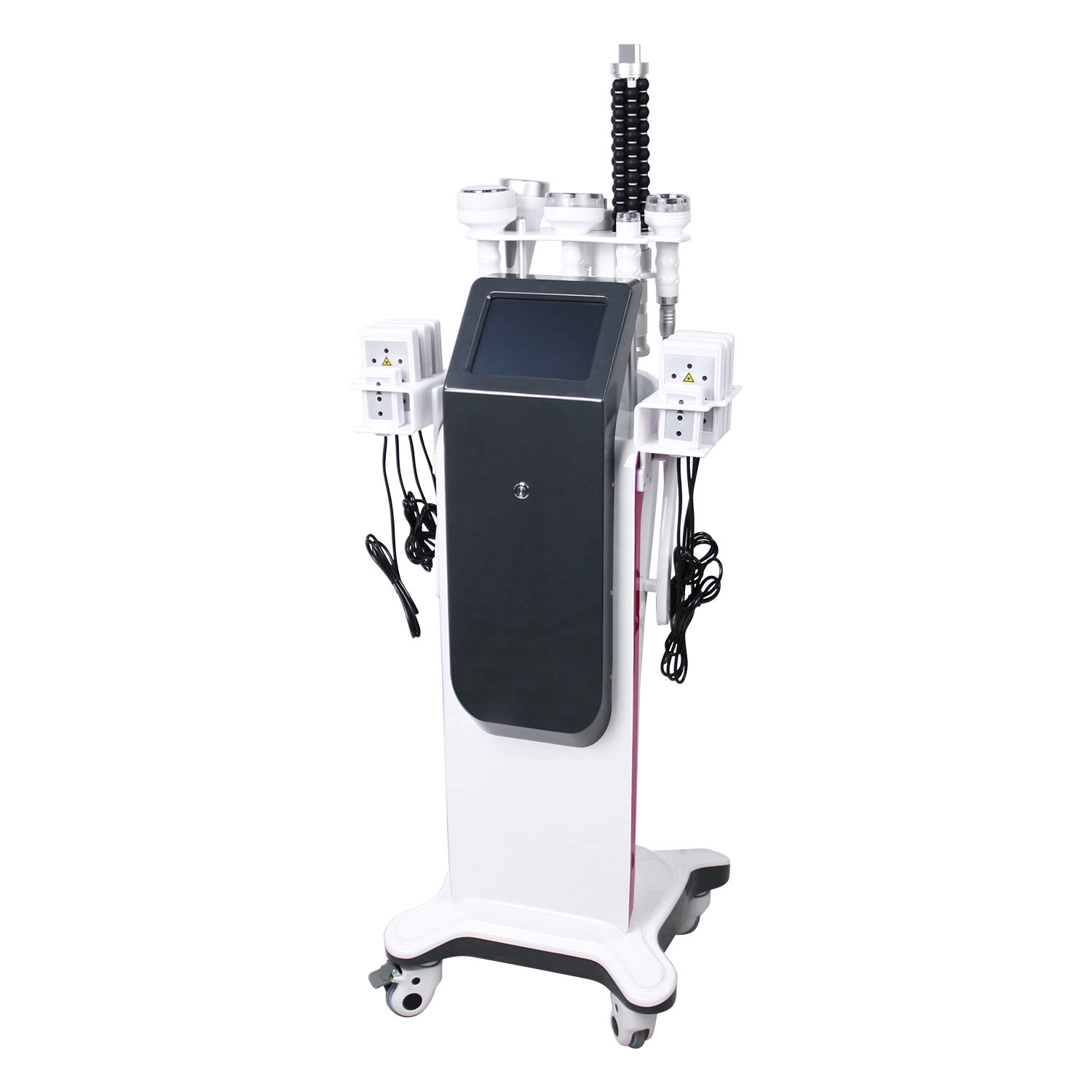
Professional 6-in-1 Cavitation Vacuum Machine for Body Contouring & Slimming Treatment
The 6-in-1 Cavitation Vacuum Machine is a professional body contouring system designed for salons and spas seeking high-performance slimming solutions. This machine integrates 40K ultrasonic cavitation, vacuum suction, RF technology, and laser lipolysis to target stubborn fat, enhance lymphatic drainage, tighten the skin, and contour the body shape effectively.
Equipped with multiple ergonomic handles and a smart touch screen, this cavitation vacuum machine provides a comfortable and efficient experience for both operators and clients. It is ideal for full-body treatments including abdomen, arms, legs, waistline, hips, and back.
Perfect for beauty salons, spas, and aesthetic centers that want to offer non-invasive fat reduction and body-sculpting services.
Get more information
If you have any comments or good suggestions, please leave us a message; later our professional staff will contact you as soon as possible.
Let's Talk
Stay in touch with us for cutting-edge beauty solutions, professional guidance, and customized service.
Contact


Room 307, Building A, Huilong International E-commerce Industrial Park, No. 10 Xipengling Road, Helong Street, Baiyun District, Guangzhou, China
© 2025 HUIMAIN. All Rights Reserved. Privacy Policy | Terms and Conditions | Sitemap
Facebook
Instagram
Medical beauty equipment factory
huimain Medical beauty equipment factory
beauty machine supplier
Whatsapp: +8619124004543