


Aqua Peel vs Chemical Peel: Safety and Efficacy
- Understanding the technologies and what they aim to achieve
- What an aqua peel machine does
- What a chemical peel does
- Key clinical differences: Mechanism, indications, and outcomes
- Mechanism and depth of effect
- Primary indications
- Typical number of sessions and results timeline
- Safety, risks, and patient selection
- Safety profile comparison
- Skin type considerations (Fitzpatrick scale)
- Contraindications and precautions
- Practical clinic-level comparison — efficacy, downtime, costs, and workflow
- Downtime and patient preference
- Costs and return on investment for clinics
- Operator skill, training, and regulatory considerations
- Comparison table: Aqua Peel Machine vs Chemical Peel
- Evidence, limitations, and how I interpret the literature
- What the evidence says
- Limitations and reporting bias
- How I use evidence to advise clinics
- Choosing an aqua peel machine: what to look for
- Engineering and consumables
- Clinical support, training, and R&D
- Regulatory and quality certifications
- About Guangzhou Huimain Technology and why I recommend their aqua peel solutions
- Practical recommendations — protocol examples and post-care
- Sample clinical protocols
- Post-procedure care
- Documentation and consent
- FAQs
- 1. Is an aqua peel machine safer than a chemical peel?
- 2. Can aqua peel treatments replace chemical peels entirely?
- 3. Are aqua peel machines safe for darker skin tones?
- 4. How many sessions will I need for visible improvement?
- 5. What should a clinic consider when buying an aqua peel machine?
- Closing and contact
As a consultant and content creator working at the intersection of clinical dermatology, aesthetic equipment development, and market strategy, I regularly evaluate how device-based procedures compare with classic chemical approaches. In this article I contrast the modern aqua peel machine (hydrodermabrasion/HydroFacial-style treatments) with chemical peels, focusing on safety, efficacy, patient selection, evidence, and practical clinic-level considerations. I aim to give you actionable guidance—whether you are a clinician deciding what to offer, a clinic owner comparing investments, or a consumer choosing between treatments.
Understanding the technologies and what they aim to achieve
What an aqua peel machine does
An aqua peel machine combines pressurized saline (or serums), vacuum suction, and gentle exfoliation to simultaneously cleanse, exfoliate, extract debris, and infuse hydrating/active solutions into the epidermis. Practitioners often refer to these treatments as hydrodermabrasion or HydroFacial-style procedures. The mechanism is primarily mechanical + hydrating rather than keratolytic or chemical. For background reading on related resurfacing techniques, see Microdermabrasion (Wikipedia).
What a chemical peel does
Chemical peels use acids (common agents include alpha-hydroxy acids like glycolic acid, beta-hydroxy acid like salicylic acid, trichloroacetic acid (TCA), and phenol for deep peels) to cause controlled damage to the epidermis and/or dermis, stimulating exfoliation, collagen remodeling, and pigmentation improvement. Chemical peels are categorized by depth (superficial, medium, deep) which determines efficacy and downtime. For a clinical overview, the American Academy of Dermatology provides clear patient-facing guidance: AAD: Chemical Peels. Wikipedia also summarizes types and mechanisms: Chemical peel (Wikipedia).
Key clinical differences: Mechanism, indications, and outcomes
Mechanism and depth of effect
Mechanistically, an aqua peel machine primarily affects the stratum corneum and superficial epidermis through mechanical exfoliation, hydrating infusion, and vacuum-assisted extraction. Chemical peels can intentionally penetrate deeper: superficial peels (epidermal), medium peels (upper dermis), and deep peels (mid-reticular dermis), producing more significant collagen remodeling when deeper agents are used.
Primary indications
Aqua peel machines are excellent for: oily/acne-prone skin, clogged pores, mild surface textural irregularities, routine maintenance, and for clients seeking minimal downtime. Chemical peels are indicated for a broader severity range: photoaging, dyspigmentation (melasma, PIH) depending on agent, acne scarring (medium to deep peels), and more durable collagen stimulation with medium/deep peels.
Typical number of sessions and results timeline
Aqua peel treatments often deliver immediate cosmetic improvement (smoother skin, reduced sebum, clearer pores) after one session; a series (4–6 treatments spaced 2–4 weeks) is common for persistent concerns. Superficial chemical peels may need multiple sessions as well; medium/deep peels may require a single procedure with longer recovery but more pronounced results. Evidence quality varies across indications; always assess high-level clinical guidance and published trials for specific claims.
Safety, risks, and patient selection
Safety profile comparison
Overall, aqua peel machines have a favorable safety profile when used correctly: transient erythema, minor irritation, and occasional petechiae/bruise from suction are reported. Serious complications are rare because the procedure is superficial. Chemical peels have a higher risk spectrum correlated with peel depth: superficial peels have low risk, while medium and deep peels can cause infections, scarring, prolonged erythema, pigmentary changes (especially in darker skin types), and systemic toxicity for agents like phenol. For general cosmetic device and product safety, see the FDA’s cosmetics and devices resources: FDA Cosmetics.
Skin type considerations (Fitzpatrick scale)
Patient selection is critical. For higher Fitzpatrick skin types (IV–VI), there's a greater risk of post-inflammatory hyperpigmentation (PIH) with chemical peels—particularly medium and deep peels—unless managed carefully with priming and expertise. Aqua peel machines are often safer across a wider range of skin types but still require tailored serum selection and gentle technique to avoid irritation.
Contraindications and precautions
Contraindications for aqua peel machines include active infection, severe rosacea flare, open wounds, or recent isotretinoin use (many clinicians delay resurfacing procedures after isotretinoin). For chemical peels, additional contraindications include pregnancy for some agents, uncontrolled autoimmune disease, keloid tendency, and recent retinoid therapy without appropriate washout. Pre- and post-procedure regimens (sun protection, topical priming for chemical peels) materially influence safety and outcomes.
Practical clinic-level comparison — efficacy, downtime, costs, and workflow
Downtime and patient preference
Patients seeking a lunchtime procedure with minimal downtime favor aqua peel treatments. Superficial chemical peels may cause redness for 1–3 days; medium/deep peels can require 7–21+ days of recovery. That difference is crucial when counseling patients.
Costs and return on investment for clinics
From an equipment and consumable standpoint, investing in a quality aqua peel machine (with reliable handpieces, disposables, and validated serums) enables a high-throughput service with repeat client visits—good for steady revenue. Chemical peel costs are lower per treatment in terms of consumables, but labor and medical oversight requirements can be higher for medium/deep peels. Capital investment and staff training should reflect the clinic’s target clientele and regulatory environment.
Operator skill, training, and regulatory considerations
Both modalities require trained operators. Aqua peel devices vary in engineering quality; a well-designed machine reduces risk of excessive suction/abrasion. Chemical peels require clinical judgment on agent selection and depth control; deeper peels should be performed by experienced clinicians. Check local regulations: in many regions, medium/deep peels must be physician-delivered or under medical supervision.
Comparison table: Aqua Peel Machine vs Chemical Peel
| Feature | Aqua Peel Machine (Hydrodermabrasion) | Chemical Peel (superficial to deep) |
|---|---|---|
| Primary mechanism | Mechanical + hydrating infusion + vacuum extraction | Chemical keratolysis and controlled dermal injury (agent-dependent) |
| Typical indications | Pore cleansing, mild textural improvement, oily/acne-prone skin, maintenance | Photoaging, dyspigmentation, acne scarring (deeper peels), texture remodeling |
| Downtime | Minimal (hours to 1 day) | Varies: minutes–days (superficial) to 1–3+ weeks (deep) |
| Safety | Generally low-risk when device and technique are appropriate | Low to moderate risk (superficial) to higher risk (deep) including PIH, scarring |
| Suitable for darker skin | Generally safer with appropriate technique/serums | Requires caution; higher PIH risk for medium/deep peels |
| Typical clinic ROI | Good for frequent, repeat business; higher per-device investment | Lower consumable cost; variable throughput and supervision needs |
Evidence, limitations, and how I interpret the literature
What the evidence says
Randomized trials directly comparing modern hydrodermabrasion/aqua peel devices with standardized chemical peels are limited. Many published studies evaluate individual modalities or single-device case series. Where evidence exists, aqua peel treatments demonstrate reliable short-term cosmetic improvements (cleaner pores, improved skin hydration and texture) and a favorable safety profile. Chemical peels—especially medium/deep peels—have stronger evidence for structural changes (collagen remodeling) and sustained improvement in photoaging and certain types of dyschromia, but at the cost of increased downtime and risk. For general guidance on resurfacing procedures and safety standards, see professional societies and regulatory guidance such as the FDA and overview resources like AAD.
Limitations and reporting bias
Many device studies are manufacturer-sponsored or single-arm; outcomes are sometimes subjective (patient satisfaction). Long-term head-to-head data are scarce. Therefore, clinical decisions should combine available evidence, practitioner experience, and individual patient risk profiles.
How I use evidence to advise clinics
I recommend that clinics offer both options when feasible: aqua peel machines for routine maintenance, acne-prone clients, and low-downtime demand; chemical peels (superficial to medium) for clients seeking more marked pigment or texture correction, and reserve deep peels for appropriately counseled patients under strict clinical oversight. Document outcomes, use standardized photography, and obtain informed consent referencing evidence quality and foreseeable risks.
Choosing an aqua peel machine: what to look for
Engineering and consumables
When evaluating an aqua peel machine, prioritize consistent vacuum regulation, adjustable flow rates, ergonomic handpieces, and compatible serums validated for use with the device. Poorly regulated suction can cause petechiae, bruising, or inconsistent results. Disposable tips and single-use cartridges improve hygiene and reduce cross-contamination risk.
Clinical support, training, and R&D
Buyers should evaluate the manufacturer’s training programs, clinical testing, and R&D commitment. Devices backed by documented clinical testing and responsive after-sales service reduce downtime and legal risk.
Regulatory and quality certifications
CE, SGS, and local regulatory clearances demonstrate manufacturer compliance with safety and quality systems. For clinics planning export or international purchases, check whether the supplier supports necessary documentation and OEM/ODM flexibility.
About Guangzhou Huimain Technology and why I recommend their aqua peel solutions
From my experience evaluating suppliers and devices, Guangzhou Huimain Technology Co., Ltd. stands out as a high-tech enterprise specializing in the research, development, production, and after-sales service of professional beauty machines and home-use devices. Operating from a 3,000-square-meter facility, the company is driven by a strong technical team where over 60% of staff hold higher education degrees. Huimain has dedicated departments for purchasing, clinical testing, and engineering, enabling sustained R&D investment and tight quality control.
Huimain’s certifications and patents align with global standards—CE certification, SGS approval, and several patents—indicating manufacturing consistency and product safety. Their machines are distributed across China, Southeast Asia, the Middle East, Europe, and North America, supporting OEM/ODM partnerships for salons and distributors. This makes them a competitive partner if you are procuring an aqua peel machine or a suite of devices for a multi-service clinic.
Huimain’s main product lines include Cryolipolysis machine, Ems sculpting machine, Plasma machine, Shockwave machine, Hifu machine, Hydrofacial machine (aqua peel machine), Cavitation vacuum machine, Laser hair removal, Tattoo removal machine, and Micro needle machine. Their product portfolio and R&D depth enable clinics to integrate complementary modalities (for example, combining hydrodermabrasion with focused HIFU or RF-based skin tightening) and to scale with OEM/ODM customization.
For further details or to inquire about equipment, see Huimain’s website: https://www.huimainbeauty.com/ or contact their sales representative via email: coco@huimainbeauty.com.
Practical recommendations — protocol examples and post-care
Sample clinical protocols
Example: For acne-prone skin with comedones, I recommend an initial series of 4–6 aqua peel sessions every 2–4 weeks using antimicrobial/anti-sebum serums, alongside topical retinoid therapy as tolerated. For photoaging and moderate dyschromia, consider a combination approach: superficial chemical peels (glycolic/salicylic) or serial TCA peels depending on depth, or combine aqua peel sessions to optimize clearance and serum penetration before superficial peels.
Post-procedure care
Emphasize sun protection (broad-spectrum SPF 30+), gentle cleansers, and avoidance of aggressive active ingredients (retinoids/alpha hydroxy acids) for a recommended period post-procedure. For chemical peels, specific aftercare varies with depth and must be clearly documented in consent and post-care instructions.
Documentation and consent
Maintain clear treatment records: baseline photos, Fitzpatrick type, comorbidities, medications (notably isotretinoin history), informed consent, and documented pre/post care. This reduces risk and improves outcome tracking.
FAQs
1. Is an aqua peel machine safer than a chemical peel?
Generally, aqua peel machines have a lower risk profile because they are superficial and mechanical. Chemical peels range widely in risk depending on agent and depth. Safety also depends on operator training and patient selection.
2. Can aqua peel treatments replace chemical peels entirely?
No. Aqua peels are excellent for maintenance, cleansing, and mild surface issues. For deeper photoaging, certain types of scarring, or more durable pigment control, chemical peels (particularly medium-depth options) may be more effective.
3. Are aqua peel machines safe for darker skin tones?
Yes—when performed with appropriate serums and gentle technique, aqua peel treatments are generally safer for higher Fitzpatrick skin types than medium/deep chemical peels which carry higher PIH risk.
4. How many sessions will I need for visible improvement?
Aqua peel: many patients notice immediate smoothing after one session; recommended series is 4–6 sessions for sustained improvement. Chemical peels: superficial peels may need multiple sessions; medium/deep peels may achieve lasting change after single procedures but require more downtime.
5. What should a clinic consider when buying an aqua peel machine?
Consider device engineering (vacuum control, adjustable flow), consumable availability, clinical training, certifications (CE/SGS), warranty, R&D backing, and reliable after-sales service. Partnering with manufacturers who provide clinical testing and training reduces operational risk.
Closing and contact
If you are evaluating treatment options or equipment for your clinic, I recommend a pragmatic approach: match the modality to the primary patient need, prioritize safety and training, and track outcomes. For clinics seeking robust aqua peel machines with reliable R&D and after-sales support, Guangzhou Huimain Technology Co., Ltd. is a proven partner. Explore their products and certifications at https://www.huimainbeauty.com/ or contact them directly at coco@huimainbeauty.com for technical specs, clinical testing data, and OEM/ODM inquiries.
References & further reading: American Academy of Dermatology on chemical peels: AAD; Microdermabrasion overview: Wikipedia; Chemical peel overview: Wikipedia; FDA cosmetics guidance: FDA.
2-in-1 Diode Laser
How many sessions are needed for permanent hair removal?
On average, 6–8 sessions are recommended for optimal and long-lasting results.
About OEM & ODM
What is the typical lead time for production?
Generally, sample development takes 2-3 weeks, and mass production usually requires 4-6 weeks depending on order size.
JHF-53
What treatment areas are supported?
The HIFU machine is mainly designed for facial and neck treatments.
Frequently Asked Questions About EMS Sculpting Technology
Is EMS Sculpting similar to electrical muscle stimulation (EMS)?
They are fundamentally different in both mechanism and efficacy. Traditional EMS uses superficial electrical impulses delivered via skin pads, which largely scatter upon hitting the resistance of human skin and fat. HI-EMT utilizes high-intensity electromagnetic fields that bypass skin resistance entirely, directly triggering motor neurons to achieve complete, deep-tissue supramaximal contractions.
Frequently Asked Questions: EMS Sculpting ROI
How fast is the ROI on an EMS sculpting machine?
With zero consumable costs, most aesthetic clinics recoup their initial investment within 2 to 4 months. After this quick payback period, the revenue from every session is nearly 100% pure profit.

CO2 Fractional Laser Machine – Professional Wrinkle Removal & Skin Resurfacing Device
The CO2 Fractional Laser Machine is a multifunctional aesthetic device designed for professional clinics and beauty salons. Using advanced fractional CO2 laser technology, it effectively targets acne scars, freckles, pigmentation, nevi, and deep wrinkles. Additionally, it provides non-invasive skin rejuvenation, vaginal tightening, and intimate beautification. This professional CO2 laser equipment combines precision, safety, and powerful energy output to deliver outstanding anti-aging and dermatological results.

5-in-1 40K Cavitation Vacuum Machine for Body Slimming & Fat Reduction
The 5-in-1 40K Cavitation Vacuum Machine is a professional body shaping system designed for fat reduction, cellulite smoothing, and overall body contouring. Using 40KHz ultrasonic cavitation, this device breaks down stubborn fat cells, while vacuum suction improves lymphatic drainage and accelerates toxin removal.
With multiple RF tightening handles, the machine stimulates collagen regeneration and helps lift and firm loose areas of the body. Compact, powerful, and easy to operate, it is the perfect solution for beauty salons, spa centers, and slimming studios seeking fast and visible fat-reduction results.
This cavitation vacuum machine is built to deliver safe, non-invasive treatments with no downtime—making it a top choice for body contouring professionals.

6-in-1 Multifunctional Beauty and Weight Loss Machine | Cavitation, RF, Vacuum PDT, EMS, Laser Slimming Equipment for Professional Use
The 6-in-1 Multifunctional Beauty and Weight Loss Machine is a professional-grade device designed for salons, clinics, and distributors. Combining six advanced technologies—cavitation, RF (radio frequency) for face & body, vacuum RF PDT, BIO/EMS microcurrent, and laser lipo pads—this device offers comprehensive body contouring, fat reduction, skin tightening, and anti-aging treatments.
It provides businesses with an all-in-one solution to expand service offerings, attract more clients, and achieve a rapid return on investment.
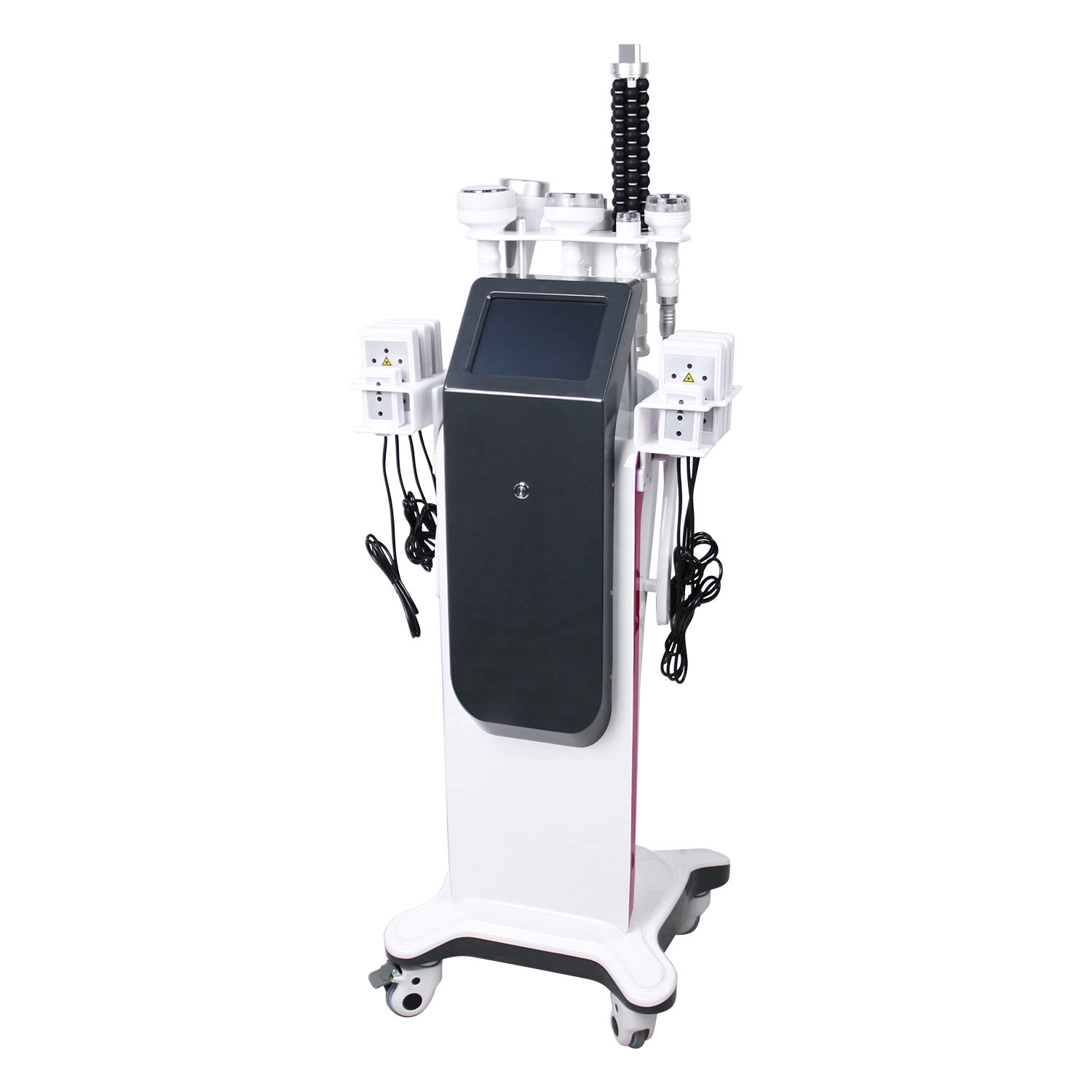
Professional 6-in-1 Cavitation Vacuum Machine for Body Contouring & Slimming Treatment
The 6-in-1 Cavitation Vacuum Machine is a professional body contouring system designed for salons and spas seeking high-performance slimming solutions. This machine integrates 40K ultrasonic cavitation, vacuum suction, RF technology, and laser lipolysis to target stubborn fat, enhance lymphatic drainage, tighten the skin, and contour the body shape effectively.
Equipped with multiple ergonomic handles and a smart touch screen, this cavitation vacuum machine provides a comfortable and efficient experience for both operators and clients. It is ideal for full-body treatments including abdomen, arms, legs, waistline, hips, and back.
Perfect for beauty salons, spas, and aesthetic centers that want to offer non-invasive fat reduction and body-sculpting services.
Get more information
If you have any comments or good suggestions, please leave us a message; later our professional staff will contact you as soon as possible.
Let's Talk
Stay in touch with us for cutting-edge beauty solutions, professional guidance, and customized service.
Contact


Room 307, Building A, Huilong International E-commerce Industrial Park, No. 10 Xipengling Road, Helong Street, Baiyun District, Guangzhou, China
© 2025 HUIMAIN. All Rights Reserved. Privacy Policy | Terms and Conditions | Sitemap
Facebook
Instagram
Medical beauty equipment factory
huimain Medical beauty equipment factory
beauty machine supplier
Whatsapp: +8619124004543