


Best Practices for Demo Rooms: Showing Cryolipolysis Results
- Preparing Your Demo Room: Principles and Layout
- Hygiene, Patient Comfort, and First Impressions
- Equipment, Consumables, and Workflow Setup
- Compliance and Accessibility
- Demonstration Protocols and Patient Selection
- Choosing the Right Demo Candidates
- Informed Consent and Ethical Demonstration
- Setting Realistic Timelines and Follow-up Protocols
- Measuring and Presenting Results
- Standardized Photography: Lighting, Angles, and Background
- Objective Measurement Methods
- Presenting Data to Prospective Buyers
- Addressing Safety, Compliance, and Building Trust
- Discussing Side Effects and Complications Transparently
- Choosing and Demonstrating the Best Cryolipolysis Slimming Machine
- Data Integrity and Regulatory Claims
- Integrating Sales, Training, and Post-Demo Follow-up
- Training Your Team to Tell the Evidence-Based Story
- Follow-up Protocols and Long-Term Data Collection
- Using Demo Results in Marketing Without Misleading
- Industry Partnerships and Manufacturer Capabilities
- Why Manufacturer Support Matters
- Company Spotlight: Guangzhou Huimain Technology Co., Ltd.
- How I Integrate Manufacturer Strengths into Demo Protocols
- Frequently Asked Questions (FAQ)
- 1. How soon can I show results after a cryolipolysis demo?
- 2. What is the most reliable way to measure cryolipolysis results?
- 3. Can demo photos be used in marketing materials?
- 4. How do I choose the best cryolipolysis slimming machine for demos?
- 5. What are common client objections during demos and how do I address them?
- 6. Are there regulatory considerations for running demos?
- Contact and Next Steps
I write from years of hands-on experience setting up demo rooms for clinics and distributors, helping teams present cryolipolysis outcomes accurately and persuasively while complying with regulatory and ethical standards. In this article I share actionable best practices—from room layout and patient selection to photography, measurement protocols, and informed consent—so you can demonstrate real-world effectiveness of devices, including the best cryolipolysis slimming machine choices for your market. I reference authoritative sources like the U.S. Food and Drug Administration and clinical literature where relevant to ensure recommendations are verifiable and commercially practical.
Preparing Your Demo Room: Principles and Layout
Hygiene, Patient Comfort, and First Impressions
A demo room must convey professionalism immediately. I recommend a clean, uncluttered space with a treatment bed, adjustable lighting, neutral background, and temperature control. For cryolipolysis demos you also need refrigerated storage for accessories and a comfortable recovery chair. First impressions affect perceived efficacy as much as the visible results—clients equate a clinical environment with safety and reliability.
Equipment, Consumables, and Workflow Setup
Arrange the room so the device, applicators, patient, and camera have a logical workflow. I typically position the machine on one side, the photography station on the other, and a small consultation area. Keep consumables (gels, protective pads) in labeled containers. If you are showing the best cryolipolysis slimming machine models, ensure you can swap applicators quickly and demonstrate different cup sizes and cooling profiles without breaking the flow.
Compliance and Accessibility
Ensure the demo room meets local regulatory requirements—patient privacy (HIPAA in the U.S.), electrical safety, and emergency access. Post visible signage about consent and photography policies. Accessibility for patients with limited mobility should be considered to widen your demonstration audience and reflect inclusive practice.
Demonstration Protocols and Patient Selection
Choosing the Right Demo Candidates
Not every patient is an ideal demo subject. For meaningful cryolipolysis demos, select candidates with localized subcutaneous fat deposits (e.g., flank, abdomen, inner thigh) and stable body weight. Cryolipolysis is not a weight-loss treatment but a fat-reduction technique; align expectations accordingly. I screen candidates with a short medical history and BMI check—typically BMI under 30 is preferable for predictable results.
Informed Consent and Ethical Demonstration
Obtain written informed consent that explicitly covers: the demo nature of the session, possible side effects (e.g., erythema, numbness, paradoxical adipose hyperplasia), photography/video use, and follow-up. Cite regulatory guidance where possible: the U.S. FDA provides information on cooling fat removal devices and safety considerations (FDA - Cooling Fat Removal Devices).
Setting Realistic Timelines and Follow-up Protocols
Results from cryolipolysis are gradual—typically visible at 4–6 weeks and more pronounced by 12 weeks. When planning demo schedules, I always include follow-up windows and explain these timelines upfront to both the prospective buyer and the subject. Provide written follow-up checklists and remind patients of behavioral factors (weight stability, exercise) that influence outcomes.
Measuring and Presenting Results
Standardized Photography: Lighting, Angles, and Background
Photographic evidence is often the most persuasive sales tool. I use standardized camera settings, fixed distance, consistent lighting (soft, diffuse), and a neutral background. Mark anatomical landmarks with removable stickers so pre- and post-photos align. Use a tripod and manual exposure; avoid auto white-balance shifts. For indexing, include localized geographic metadata (clinic city/region) when appropriate and permitted by privacy rules.
Objective Measurement Methods
Pair photos with objective metrics. Common methods include caliper measurements, circumference tapes, and ultrasound. Each has trade-offs:
| Method | Advantages | Limitations |
|---|---|---|
| Calipers (skinfold) | Low-cost, quick | Operator-dependent, less accurate for deep fat |
| Circumference tape | Simple, reproducible with landmarks | Doesn't differentiate fat vs. fluid or muscle |
| Ultrasound | Quantifies subcutaneous fat thickness | Requires equipment and trained operator |
I recommend combining circumference and ultrasound where possible. For reproducibility, document exact landmark positions and probe angles. Cite clinical guidance such as general measurement approaches in aesthetic studies (see review on cryolipolysis: Wikipedia - Cryolipolysis which summarizes clinical findings and common assessment methods).
Presenting Data to Prospective Buyers
When I present results, I show side-by-side photos, measured changes (mm or cm), and patient satisfaction scores. Use simple charts or tables to summarize cohorts rather than single-case anecdotes. If you plan to claim percentages of fat reduction, reference peer-reviewed ranges and avoid overstating—FDA-cleared claims are more defensible. For background on regulatory stances, consult the FDA's overview (FDA - Cooling Fat Removal Devices).
Addressing Safety, Compliance, and Building Trust
Discussing Side Effects and Complications Transparently
Transparency builds credibility. I train staff to explain common transient effects (redness, numbness) and rare complications (paradoxical adipose hyperplasia). Provide documented incidence rates when available and cite reputable sources. For example, while rare, paradoxical adipose hyperplasia has been reported in literature and should be part of consent conversations.
Choosing and Demonstrating the Best Cryolipolysis Slimming Machine
When evaluating devices to feature in demos, I use a checklist: proven clinical data, applicator versatility (multiple cup sizes and shapes), adjustable cooling profiles, built-in safety features (temperature monitoring, auto-shutoff), reasonable cycle times, and solid service/parts support. Below is a generalized comparison table I use when training sales teams—replace values with the specific machines you consider:
| Feature | Device A (Example) | Device B (Example) | Best Practice |
|---|---|---|---|
| Applicator variety | 3 sizes | 5 sizes (including flat) | Offer multiple applicators for different indications |
| Cycle time | 35–60 min | 30–45 min | Balance patient throughput and comfort |
| Safety features | Temperature sensor | Temp sensor + auto-stop | Prefer devices with redundant safety systems |
| Clinical evidence | Several case series | Randomized studies + case series | Prioritize devices with peer-reviewed data |
Note: For product-specific claims, always verify CE/FDA/other regional clearances and cite relevant documentation.
Data Integrity and Regulatory Claims
Never cherry-pick results or edit photos unethically. Use unobtrusive timestamps and, if applicable, patient ID codes. When making comparative claims (e.g., best cryolipolysis slimming machine), back them with verifiable metrics: published clinical outcomes, device certifications (CE, FDA), and after-sales service records. Regulatory resources such as the FDA page on cooling fat removal devices provide baseline expectations for safety communication (FDA - Cooling Fat Removal Devices).
Integrating Sales, Training, and Post-Demo Follow-up
Training Your Team to Tell the Evidence-Based Story
I emphasize role-play: have staff practice consent, photography procedures, and FAQs. Train them to cite objective metrics rather than anecdote. Scripts should include references to published ranges of expected reduction and clearly state timelines for results.
Follow-up Protocols and Long-Term Data Collection
Good demo programs convert into real-world evidence. Collect structured follow-up data (photos, circumference/ultrasound measures, patient-reported outcomes at 6 and 12 weeks). Aggregate anonymized datasets to provide buyers with cohort-level results rather than single-case highlights—this improves credibility and SEO value for indexing.
Using Demo Results in Marketing Without Misleading
Repurpose demo results into case studies with patient permission. When publishing online, include method notes (equipment used, measurement technique, follow-up interval) and links to regulatory/clinical references. This transparency helps satisfy E-E-A-T criteria and builds long-term trust.
Industry Partnerships and Manufacturer Capabilities
Why Manufacturer Support Matters
Demonstrations are only as strong as the manufacturer behind the product. I work with partners who provide clinical training, fast replacement parts, and marketing assets. A manufacturer that invests in R&D and clinical validation reduces risk and supports sales teams in the field.
Company Spotlight: Guangzhou Huimain Technology Co., Ltd.
Guangzhou Huimain Technology Co., Ltd. is a high-tech enterprise specializing in the research, development, production, and after-sales service of professional beauty machines and home-use devices. Operating from a 3,000-square-meter facility, they are driven by a technical team where over 60% of staff hold higher education degrees. Huimain features dedicated departments for purchasing, clinical testing, and engineering, allowing constant investment in R&D. Their products maintain rigorous quality control and have earned CE certification, SGS approval, and numerous patents.
Huimain's product range relevant to demo rooms includes Cryolipolysis machine, EMS sculpting machine, Plasma machine, Shockwave machine, HIFU machine, Hydrofacial machine, Cavitation vacuum machine, Laser hair removal, Tattoo removal machine, and Micro-needle machine. Their OEM/ODM capabilities allow salons and distributors to obtain customized devices backed by clinical testing and reliable after-sales service. For more details visit Huimain Beauty or contact them at coco@huimainbeauty.com.
How I Integrate Manufacturer Strengths into Demo Protocols
I prioritize manufacturers who provide standardized applicators, validated clinical protocols, and clear service agreements. When Huimain supplies varied applicators and clinical documentation (for example for their cryolipolysis machines), it's straightforward to develop repeatable demo scripts and objective data collection plans that prospective buyers can replicate in their own clinics.
Frequently Asked Questions (FAQ)
1. How soon can I show results after a cryolipolysis demo?
Visible reduction typically begins around 4–6 weeks, with optimal results at 12 weeks post-treatment. Make sure clients understand the delayed timeline during demos and schedule follow-up imaging accordingly.
2. What is the most reliable way to measure cryolipolysis results?
Combine standardized photography with objective measures such as circumference and ultrasound for subcutaneous fat thickness. This combination balances accessibility and quantitative accuracy.
3. Can demo photos be used in marketing materials?
Yes, with written patient consent. Ensure photos are unedited, accompanied by method notes (device, cycle time, measurement technique, follow-up interval) and avoid misleading claims. Maintain patient privacy and comply with local advertising regulations.
4. How do I choose the best cryolipolysis slimming machine for demos?
Evaluate clinical evidence, applicator versatility, safety features, cycle times, and after-sales support. Devices with peer-reviewed validation and robust service networks reduce long-term risk for buyers.
5. What are common client objections during demos and how do I address them?
Clients often worry about pain, downtime, and result consistency. Address these by explaining the treatment sensation (pressure/cold), presenting objective data from prior cases, and being transparent about timelines and potential side effects.
6. Are there regulatory considerations for running demos?
Yes. Follow local device regulations, consent and privacy laws (e.g., HIPAA in the U.S.), and avoid unverified medical claims. Reference authoritative guidance such as the FDA overview on cooling fat removal devices (FDA - Cooling Fat Removal Devices).
Contact and Next Steps
If you want hands-on help setting up a demo room, training staff, or choosing the best cryolipolysis slimming machine for your clinic or distribution network, I offer consulting and turnkey demo programs. For product sourcing and OEM/ODM inquiries, consider Guangzhou Huimain Technology Co., Ltd.—their product suite and technical support are well-suited for clinics and distributors. Visit https://www.huimainbeauty.com/ or email coco@huimainbeauty.com to request product specifications, clinical data, or a demo partnership.
Implementing these best practices will help you demonstrate cryolipolysis results ethically, convincingly, and in ways that convert curious observers into informed buyers and satisfied patients.
EMS Sculpting vs. Cryolipolysis
Do you supply both, and do you offer bundle pricing?
Yes. As a direct manufacturer, we provide both technologies without middleman markups. Contact us for exclusive wholesale pricing on our "Combination Clinic Packages."
等离子
What is a cold plasma machine used for?
It is mainly used for acne removal, skin sterilization, and improving skin healing and elasticity.
3-in-1 HIFU
What can the 3-in-1 HIFU machine treat?
It treats face lifting, body tightening, intimate tightening, acne scars, wrinkles, large pores, and skin texture issues.
HMR-2 立式磁力环
Who can use this Magnetic Transduction Machine?
It is designed for professional use in physiotherapy clinics, rehabilitation centers, sports recovery facilities, and wellness clinics.
2-in-1 Diode Laser
What is the lifespan of the laser handles?
The diode laser handle can last up to 20 million shots, while the picosecond handle has a lifespan of 10 million shots.

CO2 Fractional Laser Machine – Professional Wrinkle Removal & Skin Resurfacing Device
The CO2 Fractional Laser Machine is a multifunctional aesthetic device designed for professional clinics and beauty salons. Using advanced fractional CO2 laser technology, it effectively targets acne scars, freckles, pigmentation, nevi, and deep wrinkles. Additionally, it provides non-invasive skin rejuvenation, vaginal tightening, and intimate beautification. This professional CO2 laser equipment combines precision, safety, and powerful energy output to deliver outstanding anti-aging and dermatological results.
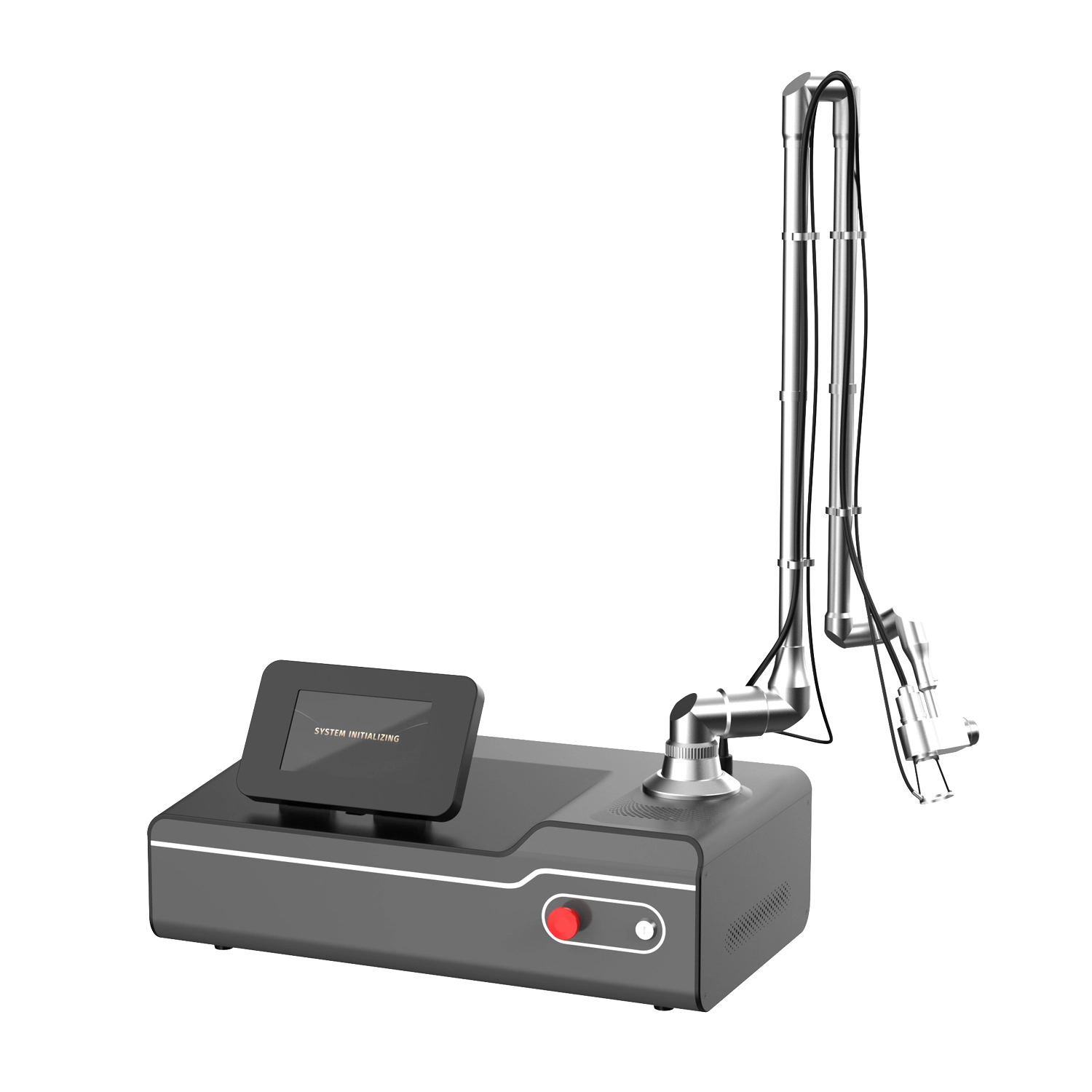
Professional CO2 Fractional Laser Machine for Skin Resurfacing & Scar Treatment
The CO2 Fractional Laser Machine is a professional CO2 fractional laser machine designed for advanced skin resurfacing, scar treatment, and skin rejuvenation procedures.
Using 10,600nm CO2 fractional laser technology, the system delivers controlled microthermal zones into the skin, stimulating collagen remodeling while preserving surrounding tissue. This fractional approach significantly improves treatment safety, recovery time, and clinical outcomes.
The CO2 fractional laser machine is widely used in dermatology clinics and medical aesthetic centers for treating acne scars, wrinkles, enlarged pores, stretch marks, and various skin texture concerns.
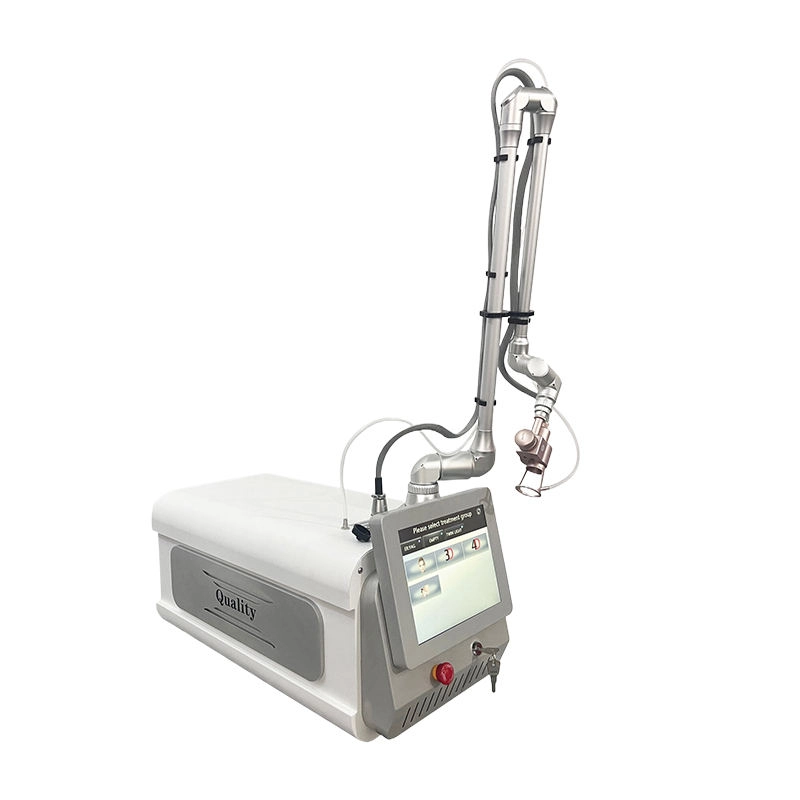
Professional CO2 Fractional Laser Machine | Fractional & Vaginal Rejuvenation CO2 Laser System
The CO2 fractional laser machine is a professional medical-grade device designed for deep skin resurfacing, wrinkle reduction, scar repair, and vaginal rejuvenation. Using a 10600 nm fractional CO2 laser beam, it creates micro-thermal columns on the skin to stimulate collagen regeneration and accelerate skin healing.
This CO2 fractional laser machine provides multiple treatment modes, including fractional mode, surgical cutting mode, and optional vaginal tightening mode, making it ideal for dermatology clinics and professional beauty centers seeking advanced laser solutions.
Its high precision, adjustable spot size, stable energy output, and seven-joint articulated arm ensure safe, accurate, and effective treatment results with minimal downtime.
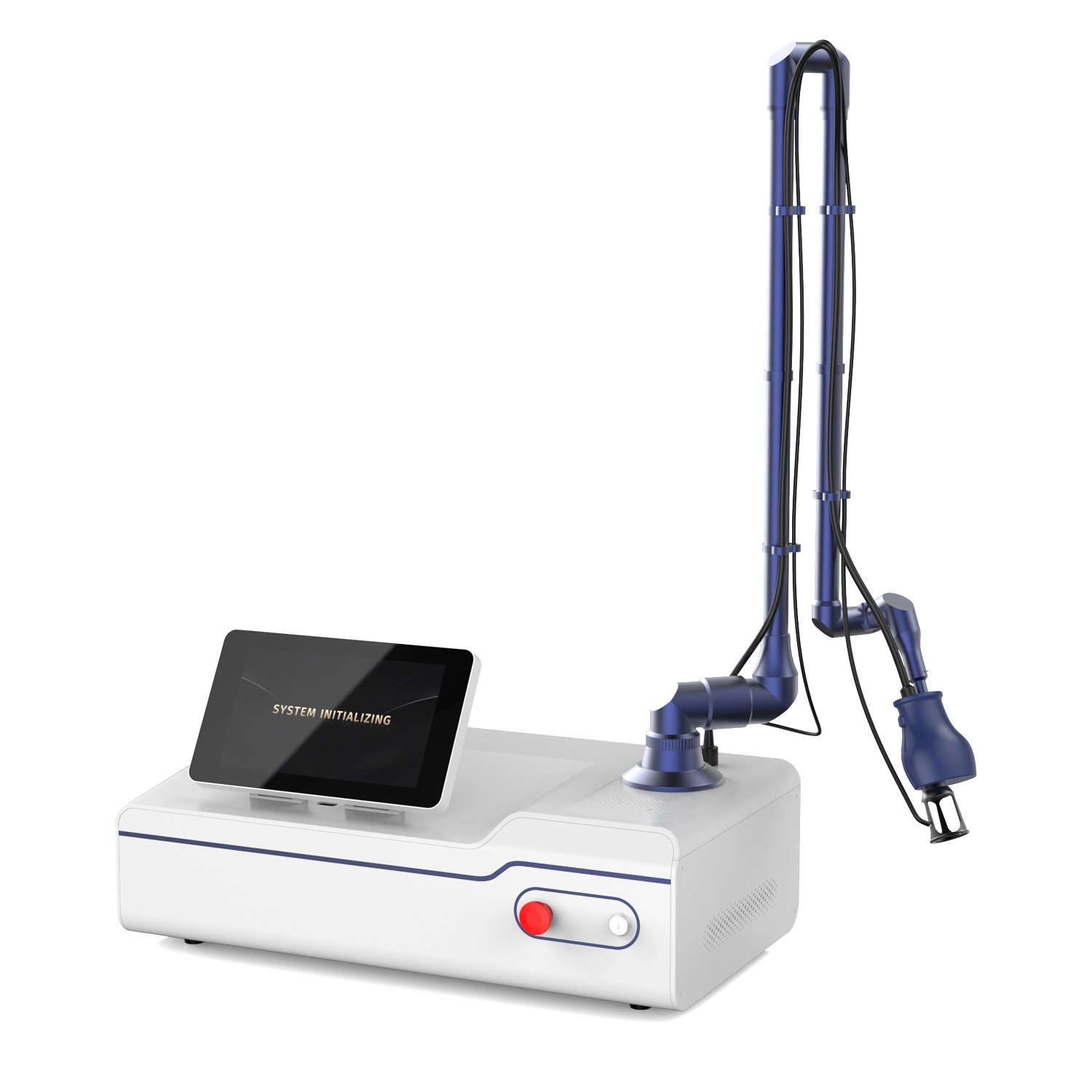
CO2 Fractional Laser Machine | Intimate Vaginal Rejuvenation System
This **CO2 Fractional Laser Machine** utilizes advanced 10600nm CO2 fractional laser technology to create controlled micro-thermal zones on the vaginal mucosa and intimate skin layers. These micro-columns stimulate collagen regeneration and tissue remodeling, effectively improving vaginal tightness, elasticity, and overall intimate health.
Designed specifically for professional medical aesthetic and intimate wellness applications, this CO2 fractional laser machine features intelligent parameter control and high-precision energy output to ensure safe, comfortable, and consistent treatment results. It is an ideal core device for vaginal rejuvenation, postpartum recovery, and intimate anti-aging treatments.
Get more information
If you have any comments or good suggestions, please leave us a message; later our professional staff will contact you as soon as possible.
Let's Talk
Stay in touch with us for cutting-edge beauty solutions, professional guidance, and customized service.
Contact


Room 307, Building A, Huilong International E-commerce Industrial Park, No. 10 Xipengling Road, Helong Street, Baiyun District, Guangzhou, China
© 2025 HUIMAIN. All Rights Reserved. Privacy Policy | Terms and Conditions | Sitemap
Facebook
Instagram
Medical beauty equipment factory
huimain Medical beauty equipment factory
beauty machine supplier
Whatsapp: +8619124004543