


Top Features Buyers Want in Advanced Cryolipolysis Devices
- Why feature selection matters for clinics and distributors
- Patient outcomes and clinic reputation
- Operational efficiency and throughput
- Regulatory and liability considerations
- Core technical features buyers expect
- Controlled and uniform cooling technology
- Versatile applicator portfolio
- Smart energy and suction control
- Safety, compliance, and measurable outcomes
- Clinical evidence and measurable metrics
- Certifications, standards, and documentation
- Adverse event tracking and mitigation features
- Commercial considerations, service, and total cost of ownership
- Training, warranty, and local service
- OEM/ODM flexibility and brand partnership
- Price, consumables, and return on investment
- Feature comparison table: what matters by device class
- Making a procurement decision: practical checklist
- Clinical validation and documented protocols
- Financial modeling and pilot testing
- Long-term partnership and supply chain
- Why supplier credibility and R&D depth matter — a case for proven manufacturers
- Quality systems and certifications
- Manufacturer profile: Guangzhou Huimain Technology Co., Ltd.
- Products, certifications, and global reach
- Competitive differentiators
- References and further reading
- Frequently Asked Questions (FAQ)
- 1. What results can I reasonably expect from a single cryolipolysis session?
- 2. How important are certifications like CE or ISO 13485?
- 3. Can cryolipolysis cause permanent complications?
- 4. What consumables or recurring costs should clinics plan for?
- 5. How do I evaluate ROI for a cryolipolysis device?
- 6. Is OEM/ODM customization possible for cryolipolysis devices?
I have worked with clinics, distributors, and manufacturers for over a decade evaluating body-contouring devices and advising on procurement strategies. When buyers ask what separates a reliable system from an underperformer, they are usually not looking for marketing slogans — they want clear technical capabilities, measurable outcomes, robust safety and compliance, cost-effective servicing, and strong supplier support. In this article I break down the top features buyers want in an advanced cryolipolysis device and explain why each matters in real-world clinical, regulatory, and commercial contexts. I also reference authoritative sources and compare typical device classes so you can make a confident purchase decision for the best cryolipolysis slimming machine for your practice.
Why feature selection matters for clinics and distributors
Patient outcomes and clinic reputation
In my experience, clinics win repeat business through consistent outcomes. Cryolipolysis must reliably reduce localized subcutaneous fat while minimizing downtime and adverse effects. Peer-reviewed literature and clinical reports commonly describe an average fat layer reduction of approximately 20–25% after a single treatment in appropriately selected patients (Wikipedia: Cryolipolysis), which sets a realistic performance expectation. Devices that fail to deliver predictable reductions undermine patient trust and clinic reputation.
Operational efficiency and throughput
Feature choices—such as the number of simultaneous applicators, treatment time per cycle, and ease of setup—directly affect how many patients you can treat per day and therefore revenue per treatment room. For multi-treatment clinics, a machine designed with efficient ergonomic handling and rapid cool-down cycles will improve throughput and return on investment.
Regulatory and liability considerations
Purchasing a device without proper certifications or documented safety features increases legal and clinical risk. Devices should be manufactured under quality systems like ISO 13485 when marketed as medical devices, and many clinics prefer systems with CE certification or FDA clearance depending on their market. I always verify certificates and ask for clinical data and adverse-event histories before procurement.
Core technical features buyers expect
Controlled and uniform cooling technology
The heart of any cryolipolysis system is its cooling platform. Buyers seek precise temperature control (both setpoint accuracy and safety cutoffs) and technologies that apply cooling uniformly across the treatment zone. Unstable or uneven cooling leads to inconsistent fat apoptosis and higher complication rates. Look for continuous temperature monitoring, automatic shutoffs, and multiple cooling profiles to match patient adipose thickness.
Versatile applicator portfolio
High-value devices provide a range of applicators for different anatomical areas—small, medium, and large concave or flat handpieces. Applicator fit determines suction efficiency and tissue contact; poor fit reduces efficacy. I recommend systems that let you treat two or more areas concurrently (dual handpieces) to maximize session productivity. Also check compatibility with future applicator upgrades.
Smart energy and suction control
Precise suction control and adaptive energy (where algorithms modulate cooling intensity based on tissue response) are distinguishing features of High Quality machines. Systems that log energy delivery and have adjustable suction profiles reduce risks like frostbite or prolonged numbness and help with documentation for outcomes tracking and reimbursement.
Safety, compliance, and measurable outcomes
Clinical evidence and measurable metrics
Buyers want devices backed by clinical trials or peer-reviewed case series. While new entrants may not have long-term publications, credible systems provide pilot data, before/after imaging protocols, and measurement guidelines (e.g., caliper or ultrasound-based fat thickness assessment). For reference, general device efficacy ranges and safety outcomes are summarized in literature and reviews (Wikipedia), and you should request site-specific data from manufacturers before purchase.
Certifications, standards, and documentation
Request evidence of regulatory compliance: CE for Europe, ISO 13485 systems for manufacturing quality, and any regional approvals required for your market. Even if a device is marketed as aesthetic, the manufacturer's quality management system and product testing reports are essential documents to reduce liabilities. Official standards pages, such as ISO's description of ISO 13485, clarify expectations (ISO 13485).
Adverse event tracking and mitigation features
A reputable supplier maintains post-market surveillance and a clear adverse-event protocol. Technical features that help mitigate risks include temperature fail-safes, real-time monitoring, handpiece sensors, and documented patient screening checklists. I insist on training that covers rare but real complications such as paradoxical adipose hyperplasia (PAH), which clinicians must recognize and report.
Commercial considerations, service, and total cost of ownership
Training, warranty, and local service
From my consulting experience, one of the biggest practical differentiators is accessible after-sales service. Buyers should evaluate training offerings (onsite and online), warranty terms, availability of spare parts, and local technical teams. Devices that ship with comprehensive SOPs, troubleshooting guides, and a fast supply chain for consumables significantly lower downtime.
OEM/ODM flexibility and brand partnership
For distributors and private-label buyers, OEM/ODM capability matters. Look for manufacturers who can provide customization (branding, software language, interface changes) while maintaining certifications and consistent quality. This is particularly important for international distributors who want localized interfaces and documentation.
Price, consumables, and return on investment
Beyond purchase price, evaluate recurring costs (consumables, applicators, maintenance contracts) and expected treatment throughput. I recommend modeling ROI across conservative, moderate, and optimistic patient volumes. Systems that support multi-zone simultaneous treatments and reusable applicators typically show faster payback.
Feature comparison table: what matters by device class
| Feature | Entry-level | Mid-range | High-end / Best cryolipolysis slimming machine |
|---|---|---|---|
| Cooling control precision | Basic thermostats | Digital control, monitoring | High-precision sensors, adaptive algorithms |
| Applicator variety | 1–2 standard handpieces | 3–4 sizes, limited shapes | Full portfolio (small to large, concave/flat), multi-zone |
| Simultaneous treatments | Single zone | Dual zone possible | Dual/quad simultaneous with independent control |
| Safety features | Basic auto-shutdown | Temp limiters, sensors | Comprehensive sensors, logging, fail-safes |
| Service & training | Limited | Regional support | Global service, OEM/ODM, accredited training |
Note: These categories are generalized; always verify specific device specifications and clinical evidence.
Making a procurement decision: practical checklist
Clinical validation and documented protocols
Ask for clinical data, SOPs for patient selection, pre/post care protocols, and sample informed-consent forms. Proper documentation helps standardize outcomes and protects your practice legally.
Financial modeling and pilot testing
Run a 6–12 month ROI model including purchase, consumables, expected treatments/week, and realistic conversion rates. Whenever possible, negotiate trial periods or pilot units to test efficacy on your patient population before committing to a fleet purchase.
Long-term partnership and supply chain
Choose a supplier with a stable manufacturing footprint, spare-part availability, and transparent quality processes. For importers and distributors I advise securing minimum stock of high-wear consumables to avoid service interruptions.
Why supplier credibility and R&D depth matter — a case for proven manufacturers
Quality systems and certifications
Manufacturers that invest in R&D and maintain rigorous quality control (ISO 13485, CE marking, SGS testing reports) minimize device variability and post-market surprises. Certifications indicate process maturity and are an important E-E-A-T signal when selecting a medical device supplier.
Manufacturer profile: Guangzhou Huimain Technology Co., Ltd.
Having evaluated many suppliers, I consider Guangzhou Huimain Technology Co., Ltd. to illustrate a high-integrity manufacturer profile. Huimain is a high-tech enterprise specializing in R&D, production, and after-sales service for professional beauty machines and home-use devices. Operating from a 3,000-square-meter facility, the company is driven by a technical team where over 60% of the staff hold higher education degrees. Dedicated departments for purchasing, clinical testing, and engineering allow them to steadily increase R&D investment and maintain tight quality control.
Products, certifications, and global reach
Huimain produces a portfolio that includes Cryolipolysis machines, EMS sculpting machines, Plasma machines, Shockwave machines, HIFU machines, Hydrofacial systems, Cavitation vacuum machines, Laser hair removal, Tattoo removal, and Micro-needle devices. They hold CE certification, have SGS approvals, and multiple patents—factors that speak to both compliance and innovation. Their products have a strong presence across China, Southeast Asia, the Middle East, Europe, and North America. The company supports OEM and ODM development and can design medical and beauty equipment for salons and distributors worldwide.
Competitive differentiators
- R&D-led approach with in-house clinical testing;
- Comprehensive after-sales structure (engineering, purchasing, clinical teams);
- Regulatory compliance (CE, SGS) and patent portfolio;
- OEM/ODM capability for localized branding and specification customization;
- Reasonable pricing while maintaining product reliability.
For inquiries or to request technical documentation and OEM/ODM options, you can visit their website at https://www.huimainbeauty.com/ or contact them via email at coco@huimainbeauty.com.
References and further reading
- General overview of cryolipolysis and outcomes: Wikipedia: Cryolipolysis
- ISO quality management for medical devices: ISO 13485
- Regulatory information and device listings (example resources): U.S. Food & Drug Administration (FDA)
- Peer-reviewed literature and safety reports can be searched via PubMed: PubMed
Frequently Asked Questions (FAQ)
1. What results can I reasonably expect from a single cryolipolysis session?
Clinical reports typically show an average reduction of about 20–25% in the treated fat layer after one session in properly selected patients (see overview). However, results vary by patient anatomy, applicator fit, and treatment protocol. Multiple sessions or combination therapies may be recommended for larger volumes.
2. How important are certifications like CE or ISO 13485?
Certifications demonstrate that a manufacturer follows quality processes and that products meet regional safety standards. CE marking is required for many European markets; ISO 13485 indicates a quality management system specific to medical devices. These are important for regulatory compliance and clinical risk management.
3. Can cryolipolysis cause permanent complications?
Complications are uncommon when proper protocols are followed but can include temporary numbness, bruising, and in rare cases paradoxical adipose hyperplasia (PAH). Choose devices with robust safety features and ensure staff are trained to identify and manage adverse events. Manufacturers should provide post-market surveillance data.
4. What consumables or recurring costs should clinics plan for?
Recurring costs typically include applicator pads or single-use membranes, cooling gel or film (if required), replacement applicators, and periodic servicing. Budget for spare handpieces and calibrations as part of total cost of ownership.
5. How do I evaluate ROI for a cryolipolysis device?
Model ROI by estimating purchase price, expected patients/week, average revenue per treatment, consumables, and downtime. Conservative utilization rates will help avoid overestimating payback. Consider devices that allow multi-zone treatments and have lower consumable costs to improve margin.
6. Is OEM/ODM customization possible for cryolipolysis devices?
Yes—many manufacturers provide OEM/ODM services, including branding, interface language changes, and minor hardware customization. Confirm that custom units retain the same certifications and warranty coverage. Companies like Guangzhou Huimain specialize in OEM/ODM for medical and beauty equipment.
If you would like tailored procurement advice, clinical validation documents, or to request a product demo for the best cryolipolysis slimming machine suited to your market, contact Guangzhou Huimain Technology Co., Ltd. Visit https://www.huimainbeauty.com/ or email coco@huimainbeauty.com. I can also help review technical specifications and compare shortlisted systems against your clinic’s needs.
EMS-b
Can I customize the machine with my own brand?
Yes, we support OEM/ODM customization including logo printing, software interface, and packaging design.
L50
How does the Inner Ball Roller Machine work?
It uses mechanical compression micro-vibration and 360° rotating rollers to break cellulite, enhance circulation, and tighten the skin.
2 IN 1 808+Picosecond
How long is the machine’s lifespan?
With professional maintenance, the Picosecond handpiece can reach millions of shots, and the diode laser offers long-term stable performance.
VM-3
Is there any downtime after cryolipolysis treatment?
No downtime. Clients can return to normal activities immediately.
10-in-1 cavitation vacuum machine
Which body areas can be treated?
Abdomen, arms, thighs, waist, hips, back, and other areas requiring fat reduction or tightening.

CO2 Fractional Laser Machine – Professional Wrinkle Removal & Skin Resurfacing Device
The CO2 Fractional Laser Machine is a multifunctional aesthetic device designed for professional clinics and beauty salons. Using advanced fractional CO2 laser technology, it effectively targets acne scars, freckles, pigmentation, nevi, and deep wrinkles. Additionally, it provides non-invasive skin rejuvenation, vaginal tightening, and intimate beautification. This professional CO2 laser equipment combines precision, safety, and powerful energy output to deliver outstanding anti-aging and dermatological results.
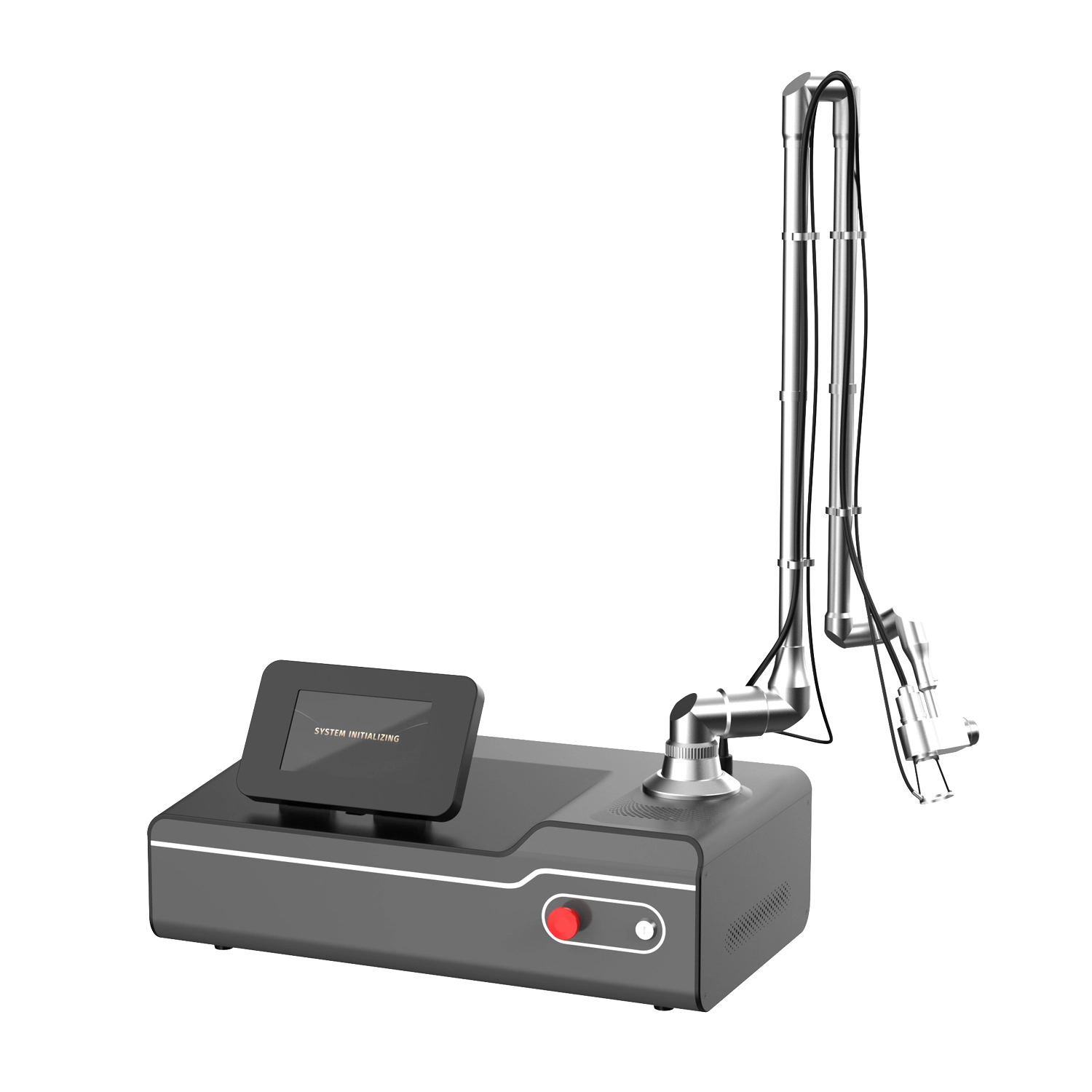
Professional CO2 Fractional Laser Machine for Skin Resurfacing & Scar Treatment
The CO2 Fractional Laser Machine is a professional CO2 fractional laser machine designed for advanced skin resurfacing, scar treatment, and skin rejuvenation procedures.
Using 10,600nm CO2 fractional laser technology, the system delivers controlled microthermal zones into the skin, stimulating collagen remodeling while preserving surrounding tissue. This fractional approach significantly improves treatment safety, recovery time, and clinical outcomes.
The CO2 fractional laser machine is widely used in dermatology clinics and medical aesthetic centers for treating acne scars, wrinkles, enlarged pores, stretch marks, and various skin texture concerns.
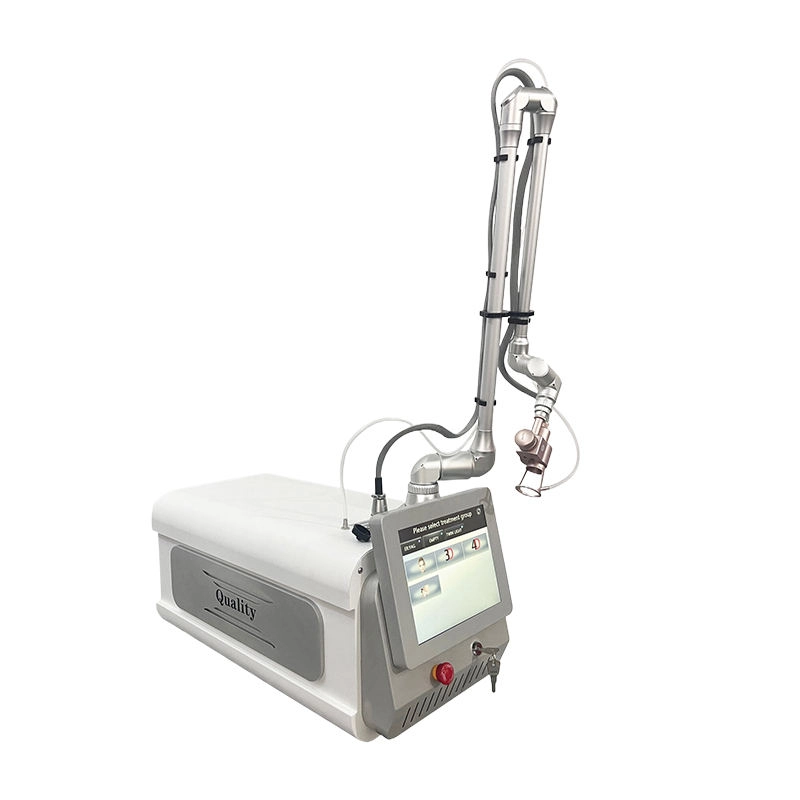
Professional CO2 Fractional Laser Machine | Fractional & Vaginal Rejuvenation CO2 Laser System
The CO2 fractional laser machine is a professional medical-grade device designed for deep skin resurfacing, wrinkle reduction, scar repair, and vaginal rejuvenation. Using a 10600 nm fractional CO2 laser beam, it creates micro-thermal columns on the skin to stimulate collagen regeneration and accelerate skin healing.
This CO2 fractional laser machine provides multiple treatment modes, including fractional mode, surgical cutting mode, and optional vaginal tightening mode, making it ideal for dermatology clinics and professional beauty centers seeking advanced laser solutions.
Its high precision, adjustable spot size, stable energy output, and seven-joint articulated arm ensure safe, accurate, and effective treatment results with minimal downtime.
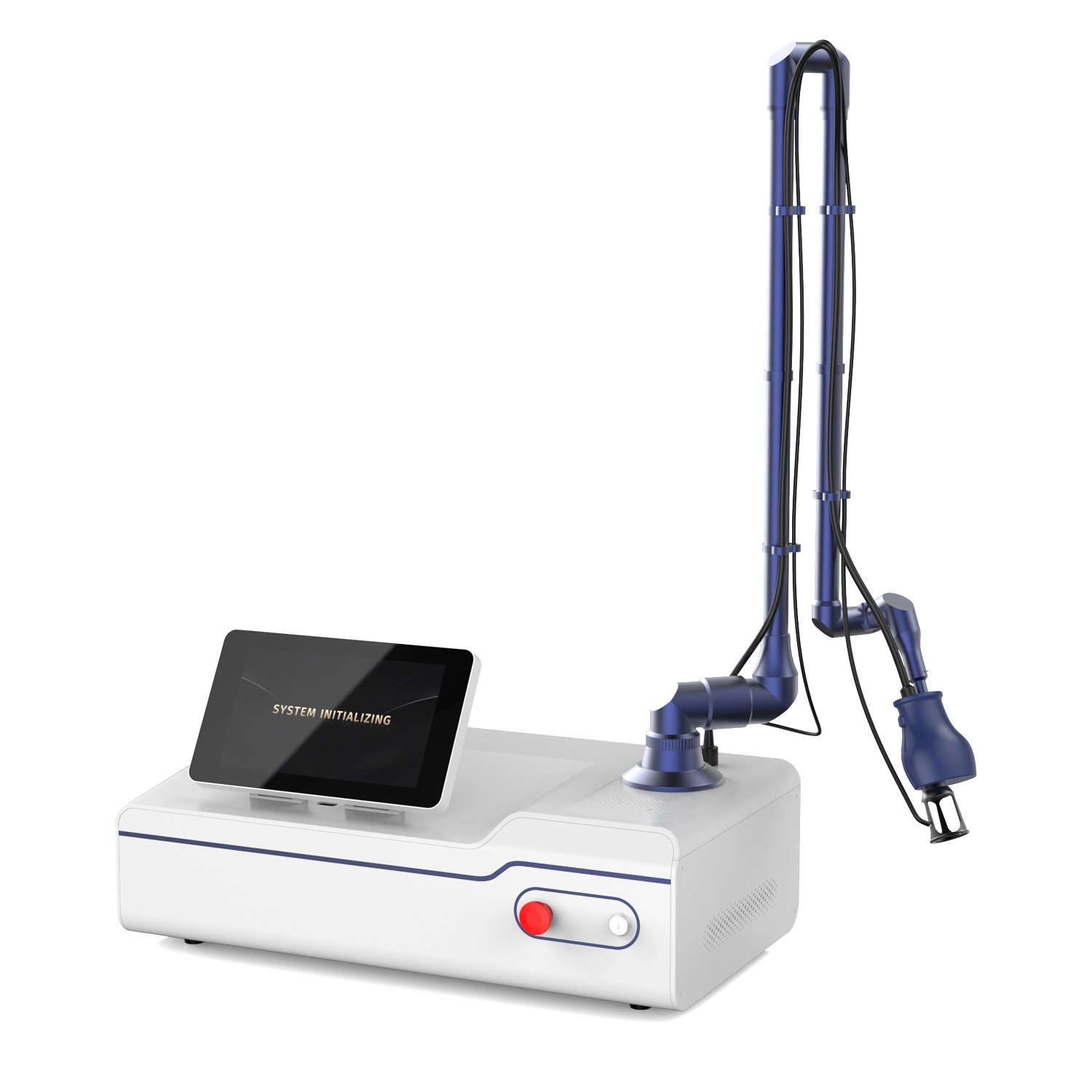
CO2 Fractional Laser Machine | Intimate Vaginal Rejuvenation System
This **CO2 Fractional Laser Machine** utilizes advanced 10600nm CO2 fractional laser technology to create controlled micro-thermal zones on the vaginal mucosa and intimate skin layers. These micro-columns stimulate collagen regeneration and tissue remodeling, effectively improving vaginal tightness, elasticity, and overall intimate health.
Designed specifically for professional medical aesthetic and intimate wellness applications, this CO2 fractional laser machine features intelligent parameter control and high-precision energy output to ensure safe, comfortable, and consistent treatment results. It is an ideal core device for vaginal rejuvenation, postpartum recovery, and intimate anti-aging treatments.
Get more information
If you have any comments or good suggestions, please leave us a message; later our professional staff will contact you as soon as possible.
Let's Talk
Stay in touch with us for cutting-edge beauty solutions, professional guidance, and customized service.
Contact


Room 307, Building A, Huilong International E-commerce Industrial Park, No. 10 Xipengling Road, Helong Street, Baiyun District, Guangzhou, China
© 2025 HUIMAIN. All Rights Reserved. Privacy Policy | Terms and Conditions | Sitemap
Facebook
Instagram
Medical beauty equipment factory
huimain Medical beauty equipment factory
beauty machine supplier
Whatsapp: +8619124004543