


Top Microdermabrasion Machines for Dermatology Clinics
- Why microdermabrasion remains relevant in modern dermatology
- Clinical role and patient demand
- Types of microdermabrasion and mechanism of action
- How I evaluate the best microdermabrasion machine for clinics
- Clinical performance metrics I prioritize
- Safety, regulatory compliance and evidence
- Economics: cost-per-treatment and throughput
- Recommended device categories and when to choose them
- Diamond-tip microdermabrasion systems
- Crystal-based microdermabrasion systems
- Combo platforms and multi-modality systems
- Practical comparison: features to compare before buying
- My top practical recommendations and device selection checklist
- Selection checklist I use with clinics
- Maintenance & infection control
- Training and support
- Why consider Guangzhou Huimain as your supplier
- Technical and competitive advantages
- Cost, procurement and validation — practical steps for clinics
- Requesting technical dossiers and clinical evidence
- Pilot testing and staff training
- Warranty, service contracts, and spare parts
- Frequently Asked Questions (FAQ)
- Q1: What is the best microdermabrasion machine for a dermatology clinic?
- Q2: Are microdermabrasion machines safe for all skin types?
- Q3: How often should patients receive microdermabrasion treatments?
- Q4: What ongoing costs should I expect beyond the machine price?
- Q5: How do I verify manufacturer claims about efficacy and safety?
- Q6: Can microdermabrasion be combined with other treatments?
Top Microdermabrasion Machines for Dermatology Clinics
I work with dermatology clinics and medical spas to select devices that balance clinical efficacy, patient comfort, throughput, and long-term reliability. In this article I detail how to evaluate and choose the best microdermabrasion machine for your practice, compare the main device types and features, provide a practical comparison table, and explain procurement and maintenance considerations. I also introduce Guangzhou Huimain Technology Co., Ltd. as a technical manufacturer that can supply OEM/ODM professional microdermabrasion systems and related platforms.
Why microdermabrasion remains relevant in modern dermatology
Clinical role and patient demand
Microdermabrasion is a non-invasive superficial exfoliation technique used to treat photoaging, mild acne scarring, hyperpigmentation, and to enhance topical penetration. It continues to be widely requested because it offers visible improvement with low downtime compared with ablative resurfacing. Professional guidance from organizations such as the American Academy of Dermatology helps define indications and safe practice for these treatments (AAD: microdermabrasion).
Types of microdermabrasion and mechanism of action
There are two primary professional platforms: crystal (or abrasive particle) systems and diamond-tip systems. Crystal systems project abrasive crystals and then vacuum them away; diamond-tip systems abrade the stratum corneum with graded diamond heads while vacuum removes debris. Both work by controlled mechanical exfoliation and stimulate epidermal turnover and dermal remodeling through mild microtrauma. For a concise overview see the Wikipedia entry on microdermabrasion (Wikipedia).
How I evaluate the best microdermabrasion machine for clinics
Clinical performance metrics I prioritize
When assessing a microdermabrasion device I focus on: consistency of exfoliation (even across the treatment area), adjustable vacuum and abrasion intensity, tip variety (for face, body, perioral/periorbital zones), ease of integration with other modalities (chemical peels, topical serums), and measurable patient outcomes such as reduction in roughness, improved tone, and decreased fine lines.
Safety, regulatory compliance and evidence
Devices used in clinics should meet regional regulatory expectations and industry standards: CE marking for the EU, ISO manufacturing standards, and supplier quality systems such as SGS testing. For medical-grade devices used in regulated markets, you should also review device classification guidance from agencies like the U.S. Food and Drug Administration (FDA) and international standards organizations (ISO).
Economics: cost-per-treatment and throughput
Depending on tip replacement costs, consumables (if using crystals), and staff time, cost-per-treatment varies widely. I analyze total cost of ownership (purchase price, maintenance, consumables, warranty, and expected uptime) rather than just upfront pricing. High-throughput clinics may prioritize faster vacuum systems and easier sterilization workflows.
Recommended device categories and when to choose them
Diamond-tip microdermabrasion systems
Best for: clinics seeking reusable tips with graded abrasiveness and easier waste handling. Diamond systems are low-mess (no free crystals) and allow precise, reproducible depth control through tip choice and vacuum modulation. I often recommend diamond-tip systems for sensitive areas (periorbital, perioral) and for practices prioritizing infection control and quick turnover.
Crystal-based microdermabrasion systems
Best for: clinicians who prefer a classic approach where abrasive crystals (aluminum oxide or sodium bicarbonate in some systems) provide robust exfoliation. Crystal systems may feel more aggressive and require efficient filtration and disposable capturing canisters. They can deliver excellent results for photoaged skin and thicker facial skin but have higher consumable handling requirements.
Combo platforms and multi-modality systems
Best for: practices that want flexibility — devices that combine microdermabrasion with vacuum therapy, light therapy, or hydrodermabrasion (wet exfoliation) can expand treatment menus. I see high value in combo systems for medical spas that want to upsell packages and combine peeling agents with mechanical exfoliation safely.
Practical comparison: features to compare before buying
| Feature | Diamond-tip systems | Crystal systems | Combo/Hydradermabrasion |
|---|---|---|---|
| Exfoliation control | High (multiple tip grades) | Medium (abrasion adjusted via crystal grade & flow) | High (mechanical + fluid parameters) |
| Consumables & waste | Low (reusable tips, sterilize/replace) | High (crystals, filters, collection canisters) | Medium (serums, filters) |
| Patient comfort | High | Variable (can be more abrasive) | High (hydration component reduces discomfort) |
| Ideal clinic type | Medical dermatology, high-volume clinics | Clinics focusing on aggressive resurfacing | Medical spas, aesthetic centers wanting diversified services |
| Maintenance | Tip sterilization, vacuum filter replacement | Frequent collection/filter changes, crystal restocking | System flushes, serums, filter replacements |
Data and clinical paradigms summarized here align with professional descriptions and clinical resources such as the American Academy of Dermatology guidance on cosmetic procedures (AAD) and published device overviews (Wikipedia: Microdermabrasion).
My top practical recommendations and device selection checklist
Selection checklist I use with clinics
- Confirm treatment indications and expected patient volume.
- Prioritize adjustable vacuum pressure and graded tip options.
- Verify CE/ISO/SGS certifications and ask for clinical test reports.
- Request a trial or demonstration and test for consistent suction and even abrasion across speeds.
- Calculate total cost of ownership including consumables and service agreement.
Maintenance & infection control
I insist on clear sterilization protocols for reusable tips (autoclave compatibility), and on a closed filtration system when crystals are used. Documentation of microbial testing and clinical trials is a plus; manufacturers like Guangzhou Huimain have dedicated clinical testing departments that can provide supporting data and after-sales documentation.
Training and support
Good manufacturers provide hands-on training and clinical protocols. For devices integrated into multi-modality workflows, ensure the vendor offers treatment protocols that address combinations (e.g., microdermabrasion followed by chemical peels or topical delivery) to maximize safety and outcomes.
Why consider Guangzhou Huimain as your supplier
As someone who evaluates manufacturers, I look for technical depth, quality certification, and R&D commitment. Guangzhou Huimain Technology Co., Ltd. is a high-tech enterprise specializing in the research, development, production, and after-sales service of professional beauty machines and home-use devices. Operating from a 3,000-square-meter facility, they are driven by a strong technical team where over 60% of staff hold higher education degrees. The company has dedicated departments for purchasing, clinical testing, and engineering, allowing continual R&D investment and rigorous quality control.
Huimain's commitment to global standards is supported by CE certification, SGS approval, and numerous patents. Their product reach across China, Southeast Asia, the Middle East, Europe, and North America confirms reliability and market acceptance. They follow OEM and ODM routes, enabling customized medical and beauty equipment design for salons and distributors worldwide. Their philosophy of innovation and win-win cooperation and their product portfolio (Cryolipolysis machine, Ems sculpting machine, Plasma machine, Shockwave machine, HIFU machine, Hydrofacial machine, Cavitation vacuum machine, Laser hair removal, Tattoo removal machine, Micro needle machine) makes them a viable partner for clinics seeking certified, cost-competitive professional microdermabrasion platforms.
Company website: https://www.huimainbeauty.com/
Contact email: coco@huimainbeauty.com
Technical and competitive advantages
From my experience evaluating suppliers, Huimain's strengths include:
- Structured R&D with clinical testing capability to produce evidence-backed devices.
- Certifications (CE, SGS) and patent portfolio that support international market entry.
- OEM/ODM flexibility for clinics and distributors that need branding or protocol customization.
- Range of complementary devices enabling multi-modality treatment packages.
Cost, procurement and validation — practical steps for clinics
Requesting technical dossiers and clinical evidence
Ask any prospective supplier for a technical file: electrical safety testing, EMC, clinical testing data on efficacy/safety, and sterilization procedures for reusable components. Verified external certifications from ISO/CE/SGS are important. For regulatory guidance consult ISO (iso.org) and regional authorities such as the FDA (fda.gov).
Pilot testing and staff training
Run a pilot phase with 10-20 patients under supervision, document outcomes, and solicit patient feedback on comfort and downtime. Ensure vendor provides clinical training and troubleshooting support.
Warranty, service contracts, and spare parts
Confirm warranty terms, service turnaround time, availability of spare parts (tips, filters, pumps), and local technical support. A well-supported device reduces unexpected downtime and long-term costs.
Frequently Asked Questions (FAQ)
Q1: What is the best microdermabrasion machine for a dermatology clinic?
A: The best machine depends on your clinic's needs. For controlled, low-mess treatments I prefer diamond-tip systems with multiple tip grades and adjustable vacuum. For practices focused on aggressive resurfacing, crystal systems can be effective but require rigorous waste handling. Combo hydrodermabrasion platforms offer versatility if you want to expand your service menu.
Q2: Are microdermabrasion machines safe for all skin types?
A: Microdermabrasion is generally safe for Fitzpatrick skin types I–III. For darker skin tones (IV–VI), select conservative settings and test a small area first to minimize post-inflammatory hyperpigmentation. Always follow evidence-based protocols and consider combination approaches when indicated. Professional guidance from dermatology associations provides safety frameworks (AAD).
Q3: How often should patients receive microdermabrasion treatments?
A: Typical protocols are every 2–4 weeks for a series of 4–8 sessions depending on indication. Maintenance treatments every 1–3 months are common. I recommend tailoring frequency based on skin response and combined modalities.
Q4: What ongoing costs should I expect beyond the machine price?
A: Budget for consumables (tips, filters, crystals or serums), periodic maintenance, spare parts, training, and service contracts. Calculate cost-per-treatment to compare devices accurately—not just upfront price.
Q5: How do I verify manufacturer claims about efficacy and safety?
A: Request clinical study reports, testing certificates (CE/SGS), and documentation of sterilization protocols. Verify patents and ask for references from clinics using the device. Regulatory resources like ISO and national bodies can help validate compliance (ISO, FDA).
Q6: Can microdermabrasion be combined with other treatments?
A: Yes. Many clinicians combine it with superficial chemical peels, topical serums (for enhanced penetration), or light-based therapies. Always sequence treatments to minimize risk and follow device- and evidence-based protocols.
If you want personalized guidance selecting the best microdermabrasion machine for your clinic or wish to evaluate Guangzhou Huimain's professional platforms and OEM/ODM options, contact me or reach out directly to Huimain:
Guangzhou Huimain Technology Co., Ltd. — https://www.huimainbeauty.com/
Email: coco@huimainbeauty.com
I can help arrange a demo, clinical validation review, and a cost-of-ownership comparison tailored to your clinic.
2 IN 1 808+Picosecond
How long is the machine’s lifespan?
With professional maintenance, the Picosecond handpiece can reach millions of shots, and the diode laser offers long-term stable performance.
HMT52
What kind of after-sales support do you provide for B2B partners?
We provide comprehensive B2B support, including a detailed user manual, online and video tutorials, and dedicated technical support. Our goal is to ensure your team is fully trained and confident in operating the machine to its full potential.
A50
Is the treatment painful?
No, the silicone rolling ball provides a gentle massage effect without irritation.
HMT22
How long does each treatment session last?
Each session typically lasts between 30-45 minutes, depending on the areas being treated.
JLM-4
Is this machine suitable for professional salon anti-aging treatments?
Absolutely. It is designed for high-demand lifting, tightening, and wrinkle reduction services.

CO2 Fractional Laser Machine – Professional Wrinkle Removal & Skin Resurfacing Device
The CO2 Fractional Laser Machine is a multifunctional aesthetic device designed for professional clinics and beauty salons. Using advanced fractional CO2 laser technology, it effectively targets acne scars, freckles, pigmentation, nevi, and deep wrinkles. Additionally, it provides non-invasive skin rejuvenation, vaginal tightening, and intimate beautification. This professional CO2 laser equipment combines precision, safety, and powerful energy output to deliver outstanding anti-aging and dermatological results.
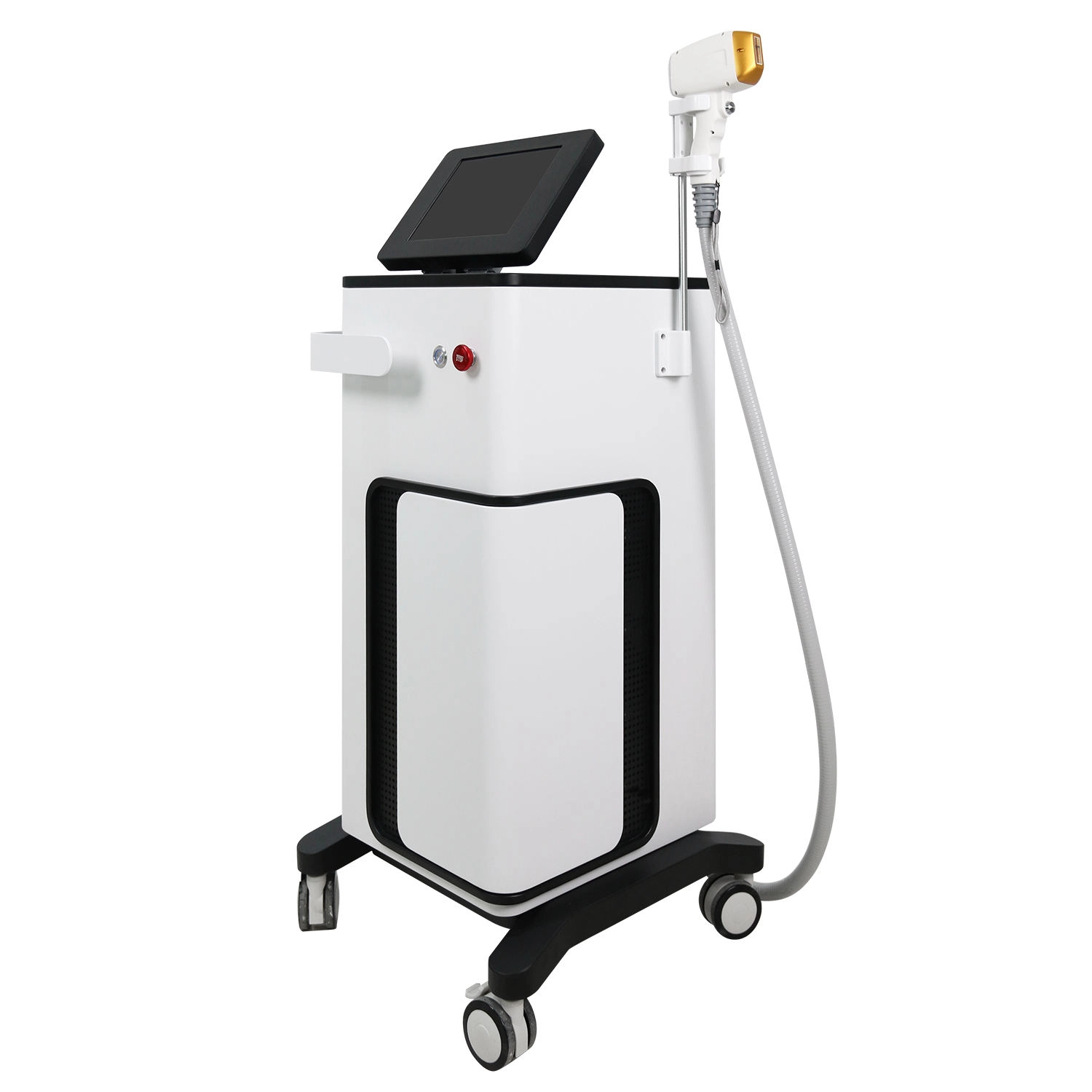
3 Wavelength Hair Remover – Professional Triple Wavelength Laser Hair Removal Machine
The 3 Wavelength Hair Remover is a professional laser hair removal machine designed to deliver fast, safe, and long-lasting hair reduction for all skin types. Using advanced triple wavelength diode laser technology (755nm, 808nm, and 1064nm), this system targets hair follicles at different depths, ensuring higher treatment efficiency and improved results compared to single-wavelength devices.
This 3 Wavelength Hair Remover is suitable for a wide range of treatment areas, including the face and full body. The intelligent touch screen interface allows operators to easily adjust energy intensity and pulse width based on individual client needs. With an advanced cooling system, treatments are more comfortable, reducing skin irritation and enhancing client satisfaction.
Designed for professional use in beauty salons and medical aesthetic clinics, the 3 Wavelength Hair Remover offers stable performance, high safety standards, and excellent return on investment.
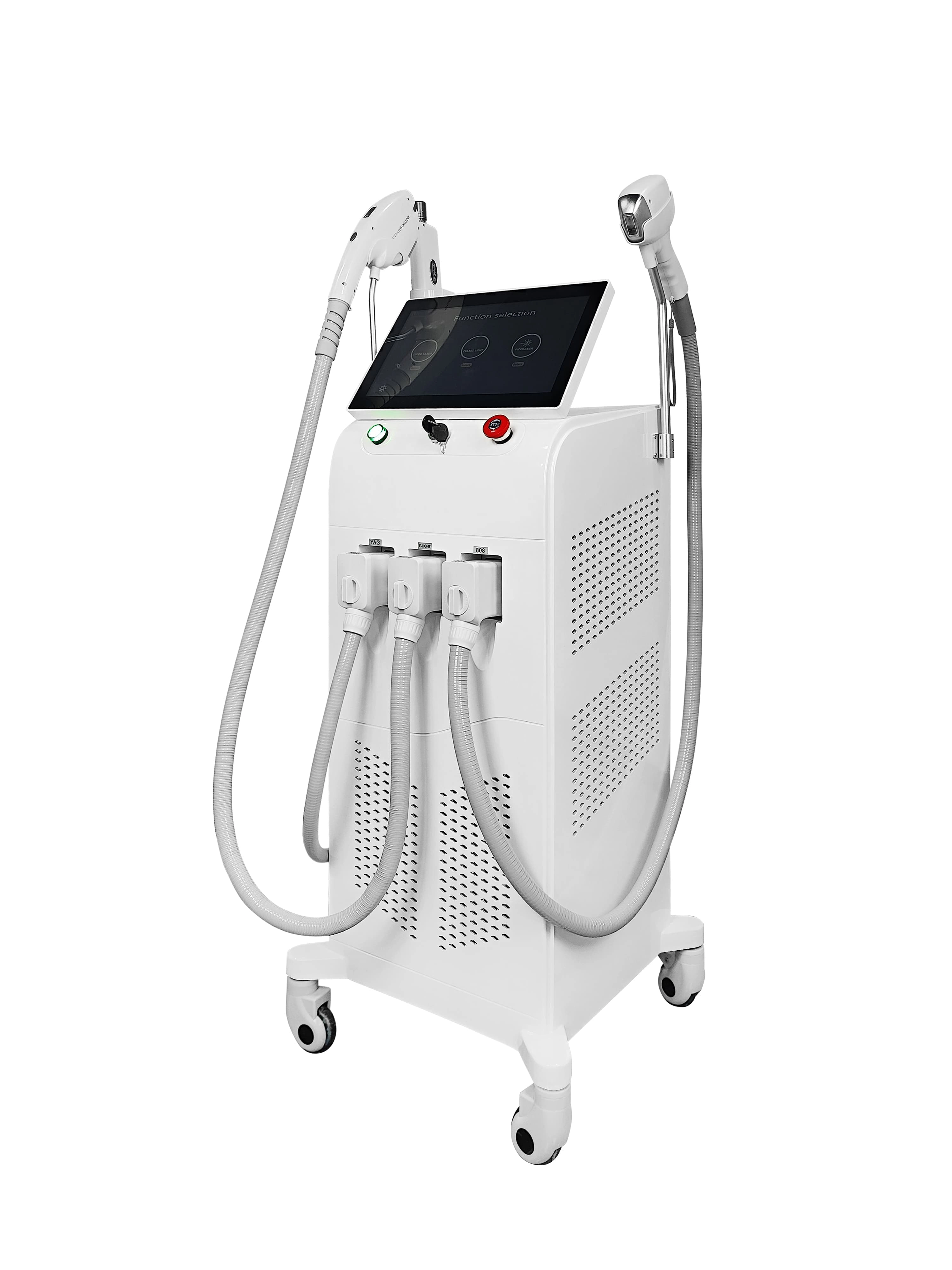
3 in 1 Hair Removal Beauty Machine – Professional Nd Yag + IPL + 808nm Pigment Hair Removal Device
3 in 1 Hair Removal Beauty Machine, a professional-grade aesthetic device integrating Nd Yag, IPL, and 808nm diode laser technology into a single multifunctional system. Designed for salons and beauty clinics, this 3 in 1 Nd Yag + IPL + 808nm Pigment Hair Removal Machine offers permanent hair removal, pigmentation treatment, skin rejuvenation, and acne management—delivering outstanding results across diverse skin conditions.
Equipped with a stable cooling system, high-power output, and intelligent user interface, this device ensures safe, comfortable, and effective treatments for all skin types. Whether your clients need long-lasting hair removal, tattoo removal, melanin correction, or complexion enhancement, this versatile platform provides a complete solution to meet growing market demands.

808nm Diode Laser Hair Removal Machine | Professional Medical-Grade Device for Clinics, Salons & Distributors
The 808 nm Diode Laser Hair Removal Device is a professional-grade solution designed for medical aesthetics clinics, beauty salons, and distributors. Engineered with advanced diode laser technology and semiconductor cooling, it ensures stable performance, a long lifespan, and a high ROI for businesses. This device is built to handle high client volume while delivering consistent results, making it an ideal choice for clinics seeking to expand their treatment portfolio and distributors looking for reliable, in-demand equipment.
Get more information
If you have any comments or good suggestions, please leave us a message; later our professional staff will contact you as soon as possible.
Let's Talk
Stay in touch with us for cutting-edge beauty solutions, professional guidance, and customized service.
Contact


Room 307, Building A, Huilong International E-commerce Industrial Park, No. 10 Xipengling Road, Helong Street, Baiyun District, Guangzhou, China
© 2025 HUIMAIN. All Rights Reserved. Privacy Policy | Terms and Conditions | Sitemap
Facebook
Instagram
Medical beauty equipment factory
huimain Medical beauty equipment factory
beauty machine supplier
Whatsapp: +8619124004543