


High-ROI Microdermabrasion Machines for Aesthetic Clinics
- Understanding patient demand and clinic economics
- Why microdermabrasion remains a core revenue driver
- Patient selection and expected outcomes
- Evidence and safety considerations
- Selecting the right device: technology, clinical utility, and patient experience
- Device categories and clinical differences
- Comparative table: types, pros, cons, and cost considerations
- Clinical features that drive ROI
- Operational ROI: pricing strategy, throughput, and maintenance
- Modeling revenue and margins
- Maintenance, downtime, and regulatory compliance
- Pricing & upselling strategies
- Clinical protocols, training, and marketing that maximize outcomes
- Protocol standardization and staff training
- Marketing that converts
- Data collection and quality improvement
- Why choose Guangzhou Huimain Technology Co., Ltd.
- Company strengths and technical capabilities
- Certifications, patents, and global reach
- Product portfolio and OEM/ODM capacity
- Implementation checklist before purchase
- Technical due diligence
- Operational readiness
- Legal and marketing checks
- Frequently Asked Questions (FAQ)
- 1. Which is the best microdermabrasion machine for a small clinic?
- 2. Is hydrodermabrasion worth the higher investment?
- 3. How many sessions do patients typically need?
- 4. What are the main risks and contraindications?
- 5. How do I calculate realistic ROI for purchasing a device?
- 6. Where can I find regulatory guidance on medical device standards?
- Contact and next steps
Summary for and local search: I evaluate the best microdermabrasion machine options for aesthetic clinics, focusing on device types (diamond, crystal, hydro), throughput, procedure pricing, consumable and maintenance costs, clinical indications, and ROI calculations. I also explain compliance and testing considerations with links to authoritative sources to help clinics select equipment that improves outcomes, patient satisfaction, and profitability.
Understanding patient demand and clinic economics
Why microdermabrasion remains a core revenue driver
I see microdermabrasion consistently rank among the most-requested noninvasive facial treatments in my consulting work. It appeals to a broad patient segment — from younger clients seeking texture improvement to older patients combining resurfacing with adjunctive therapies. The procedure’s short treatment time (often 20–40 minutes), low complication rate, and repeatable nature make it ideal for recurring revenue and package offerings (e.g., series of sessions, combined facials).
Patient selection and expected outcomes
Microdermabrasion is best suited for mild-to-moderate photoaging, superficial scarring, enlarged pores, and improving skin texture and tone. I always emphasize proper patient selection to maximize satisfaction and minimize refunds or complaints. For thicker photodamaged skin or deeper scarring, combining microdermabrasion with topical cosmeceuticals, chemical peels, or energy-based devices often yields better outcomes.
Evidence and safety considerations
Clinical literature and summaries (for example, the encyclopedic overview on microdermabrasion) note its safety profile and typical indications; see the Microdermabrasion article on Wikipedia for an accessible summary of technique and evidence: https://en.wikipedia.org/wiki/Microdermabrasion. Always cross-check device-specific clinical data and ensure any claims are supported by manufacturer trials or peer-reviewed studies.
Selecting the right device: technology, clinical utility, and patient experience
Device categories and clinical differences
In my experience there are three common categories clinics evaluate: crystal microdermabrasion, diamond-tip microdermabrasion, and hydro (or hydradermabrasion). Each has slightly different profiles for efficacy, consumables, patient comfort, and throughput.
Comparative table: types, pros, cons, and cost considerations
| Device Type | Clinical Pros | Clinical Cons | Typical Price Range (USD) | Consumables / Maintenance |
|---|---|---|---|---|
| Diamond-tip | Precise control; no airborne crystals; good for sensitive areas | Tips wear with time; somewhat less aggressive on very thick skin | $2,000–$12,000 | Replaceable diamond tips, tubing cleaning; low disposables cost |
| Crystal (abrasive) | Adjustable abrasion level; cost-effective for high-volume clinics | Requires crystal consumables; potential for inhalation unless closed-loop | $1,500–$8,000 | Crystals, filters, suction maintenance |
| Hydra/hydrodermabrasion | Simultaneous exfoliation, infusion, and vacuum; highly marketable | Higher upfront cost; recurring serums and proprietary tips | $8,000–$35,000 | Serum cartridges, single-use tips, maintenance contracts |
Price ranges above are conservative market estimates and will vary by brand, features, accessories, and regional pricing. When comparing models, request SOPs, clinical photos, and consumable pricing to model realistic margins.
Clinical features that drive ROI
From a revenue perspective, I prioritize devices that deliver: reliable, reproducible clinical results; low per-procedure consumable costs; short turnover time; and strong patient comfort leading to higher retention and referrals. Features such as adjustable suction levels, interchangeable tips, H2O infusion channels (for hydro devices), and easy sterilization workflows materially affect operating efficiency.
Operational ROI: pricing strategy, throughput, and maintenance
Modeling revenue and margins
To estimate ROI, I use a simple clinic model: evaluate average treatment price, number of treatments per day per device, annual working days, and per-treatment variable cost. Example conservative model:
| Variable | Example Value | Notes |
|---|---|---|
| Average price per session | $120 | Common mid-market price for single microdermabrasion session |
| Treatments per day per device | 6–10 | 20–40 minutes per session including setup |
| Working days per year | 240 | Assumes some downtime/holidays |
| Consumable cost per session | $5–$25 | Depends on device type; hydra has higher disposables |
Using a mid-range scenario (8 treatments/day, $120/session, $15 disposables): annual revenue = 8 × 240 × $120 = $230,400. Annual consumable cost = 8 × 240 × $15 = $28,800. Gross contribution before overheads ≈ $201,600. From that, factor in operator time, marketing, and depreciation. Even with conservative assumptions, a well-utilized microdermabrasion device can pay for itself within 6–18 months depending on initial cost.
Maintenance, downtime, and regulatory compliance
Minimizing downtime is critical. Ensure supplier provides robust after-sales service and clear maintenance SOPs. From a compliance standpoint, check device CE marking (EU) or equivalent local medical device registration. CE information and regulatory background for devices can be found via the European Commission: CE marking guidance.
Pricing & upselling strategies
I advise tiered pricing: single-session price attractive for first-timers, course pricing (e.g., buy 5 get 1 free) for retention, and bundle packages combining microdermabrasion with LED therapy, peels, or topical infusions. Cross-sell homecare products to extend results; good results increase product sales and patient loyalty, improving lifetime value.
Clinical protocols, training, and marketing that maximize outcomes
Protocol standardization and staff training
I always implement written SOPs for patient assessment, device settings by Fitzpatrick skin type, pre/post-care, and complication management. Training is non-negotiable: consistent pressure, speed, and pass number are what separate an inconsistent operator from one delivering predictable, marketable outcomes.
Marketing that converts
Highlight evidence-based benefits, before-and-after images, and patient testimonials. Educate clients on what to expect (downtime, redness, series adherence). For local visibility, optimize your clinic pages and service pages for geographic keywords and reviews — this boosts local discoverability for searches like “best microdermabrasion machine near me” or “microdermabrasion clinic ”.
Data collection and quality improvement
Track key performance indicators: conversion rate from consult to treatment, re-book rate, average price paid, and complication rates. Use these metrics to refine protocols and marketing messages.
Why choose Guangzhou Huimain Technology Co., Ltd.
Company strengths and technical capabilities
As a specialist consultant I’ve reviewed dozens of suppliers; Guangzhou Huimain Technology Co., Ltd. stands out for its integrated R&D and manufacturing setup. Operating from a 3,000-square-meter facility and supported by a technical team where over 60% hold higher education degrees, Huimain invests continually in product development. Their structure includes dedicated purchasing, clinical testing, and engineering departments which supports iterative improvements and quality control.
Certifications, patents, and global reach
Huimain emphasizes compliance and quality: the company reports CE certification, SGS approval, and multiple patents — signals I look for when validating a partner. These credentials support exportability and acceptance in multiple markets. For clinics, choosing devices with recognized certifications reduces registration friction and reassures patients about safety.
Product portfolio and OEM/ODM capacity
Huimain’s main product lines include Cryolipolysis machines, EMS sculpting devices, Plasma and Shockwave machines, HIFU systems, Hydrofacial devices, Cavitation vacuum machines, Laser hair removal, Tattoo removal, and Micro-needle devices. Their ability to offer OEM and ODM solutions makes them a viable partner for clinics and distributors seeking tailored devices or private-label products. Learn more at their site: https://www.huimainbeauty.com/ or contact coco@huimainbeauty.com.
Implementation checklist before purchase
Technical due diligence
- Request clinical trial data and validated before/after photographs.
- Verify certifications (CE, ISO 13485) and view test reports.
- Confirm warranty terms, spare parts availability, and local service response time.
Operational readiness
- Create SOPs and training schedules; plan initial discounted launch packages to build caseload.
- Calculate break-even using your clinic’s pricing and expected utilization.
- Plan inventory for consumables and identify single-use items to control infection risk.
Legal and marketing checks
- Confirm device classification and registration requirements for your country.
- Develop compliant marketing claims based on device evidence and avoid over-promising.
Frequently Asked Questions (FAQ)
1. Which is the best microdermabrasion machine for a small clinic?
For small clinics focused on low overhead and fast turnover, a diamond-tip microdermabrasion device usually offers the best balance of price, hygiene (no airborne particles), and low consumable costs. It’s easy to train staff on and offers good patient comfort.
2. Is hydrodermabrasion worth the higher investment?
Hydra devices tend to be more marketable and can command higher treatment prices due to simultaneous infusion of serums and perceived value. If you can maintain high utilization and manage recurring consumable costs (serum cartridges, single-use tips), ROI can be excellent. Evaluate local competition and price elasticity first.
3. How many sessions do patients typically need?
Most protocols recommend a series of 4–6 treatments spaced 1–4 weeks apart for durable improvement; maintenance sessions every 1–3 months help sustain results. Protocol depends on indication and patient skin type.
4. What are the main risks and contraindications?
Common, brief risks include transient erythema and sensitivity. Contraindications include active infections, open wounds, recent isotretinoin use (consult guidelines), and certain photosensitizing medications. Follow device-specific contraindication lists and clinical guidelines (see device IFU).
5. How do I calculate realistic ROI for purchasing a device?
Estimate average price per session, expected treatments per day, working days per year, and per-session consumable costs. Subtract annualized device cost (purchase price ÷ useful years), consumables, and incremental staffing to get contribution margin. The simplified table above illustrates typical inputs.
6. Where can I find regulatory guidance on medical device standards?
Refer to ISO standards such as ISO 13485 for medical device quality management and the European Commission’s CE marking guidance for conformity requirements: https://ec.europa.eu/growth/single-market/ce-marking/. For ISO standards information see: https://www.iso.org/home..
Contact and next steps
If you’d like help modeling ROI for your clinic or a technical evaluation of devices, I can assist with a custom assessment. For device sourcing, warranty, and OEM/ODM options, consider Guangzhou Huimain Technology Co., Ltd. — their R&D-led manufacturing and certification track record make them a trustworthy partner. Visit https://www.huimainbeauty.com/ or email coco@huimainbeauty.com to request product specifications, pricing, and after-sales terms.
Author note: I base these recommendations on device performance patterns I’ve observed across clinics and verified device documentation. For any clinical or regulatory specifics, always review the device’s technical file and local regulations before purchase.
JLM-3
What is a cold plasma facial machine?
It’s a non-invasive device that uses cold plasma energy to sterilize, tighten, and rejuvenate skin safely.
单手柄12d hifu
Is there any downtime after using this HIFU machine?
No downtime. Clients can resume daily activities immediately.
C5
How long is the downtime after treatment?
Typically 3–7 days depending on the treatment depth.
7D
How long does a treatment session take?
While the exact duration can vary depending on the treatment area, the machine's "stacking large focal area sliding operation" is designed to be efficient and gentle.
OL-186
What results can clients expect?
Noticeable improvements in skin hydration, clarity, and smoothness after the first session.

CO2 Fractional Laser Machine – Professional Wrinkle Removal & Skin Resurfacing Device
The CO2 Fractional Laser Machine is a multifunctional aesthetic device designed for professional clinics and beauty salons. Using advanced fractional CO2 laser technology, it effectively targets acne scars, freckles, pigmentation, nevi, and deep wrinkles. Additionally, it provides non-invasive skin rejuvenation, vaginal tightening, and intimate beautification. This professional CO2 laser equipment combines precision, safety, and powerful energy output to deliver outstanding anti-aging and dermatological results.
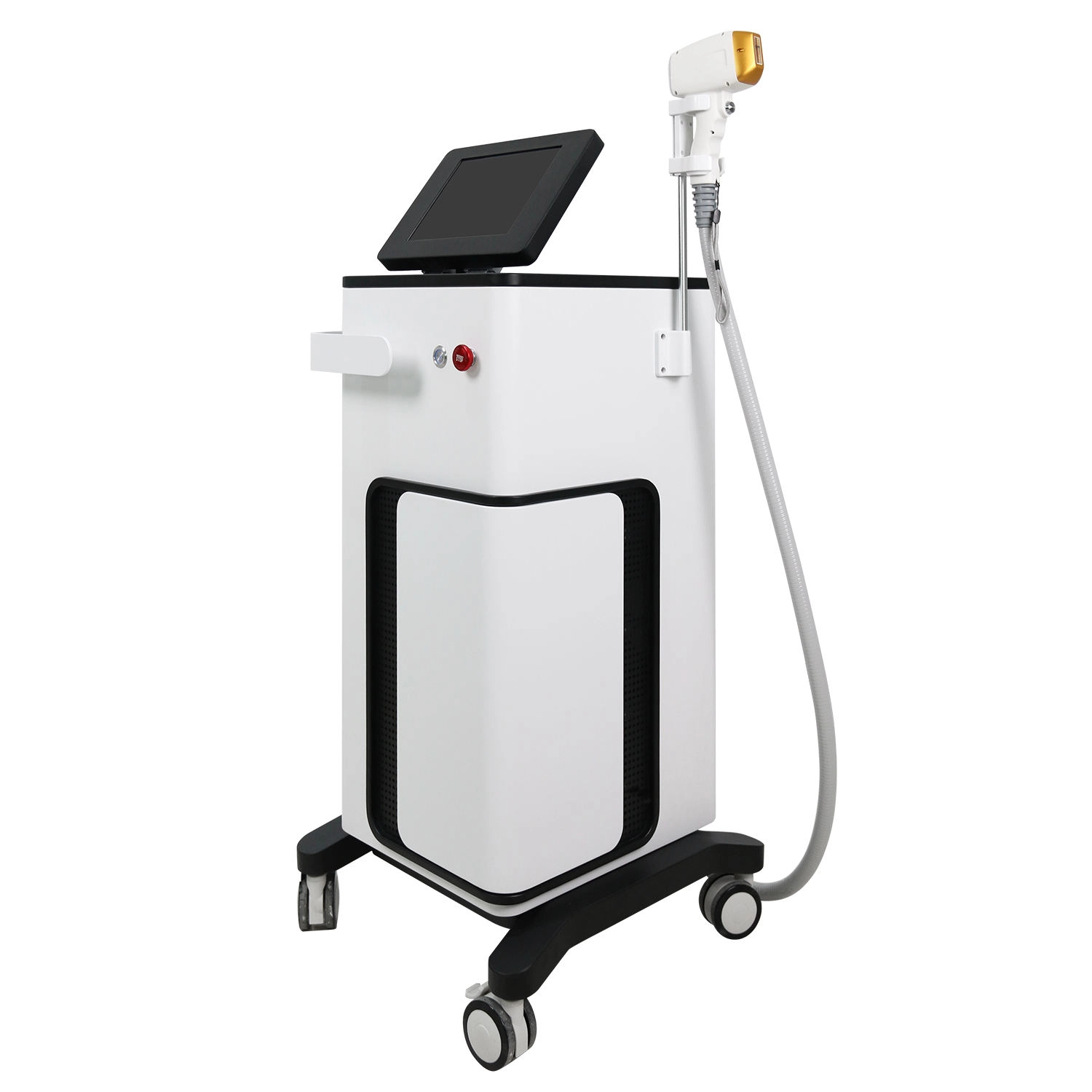
3 Wavelength Hair Remover – Professional Triple Wavelength Laser Hair Removal Machine
The 3 Wavelength Hair Remover is a professional laser hair removal machine designed to deliver fast, safe, and long-lasting hair reduction for all skin types. Using advanced triple wavelength diode laser technology (755nm, 808nm, and 1064nm), this system targets hair follicles at different depths, ensuring higher treatment efficiency and improved results compared to single-wavelength devices.
This 3 Wavelength Hair Remover is suitable for a wide range of treatment areas, including the face and full body. The intelligent touch screen interface allows operators to easily adjust energy intensity and pulse width based on individual client needs. With an advanced cooling system, treatments are more comfortable, reducing skin irritation and enhancing client satisfaction.
Designed for professional use in beauty salons and medical aesthetic clinics, the 3 Wavelength Hair Remover offers stable performance, high safety standards, and excellent return on investment.
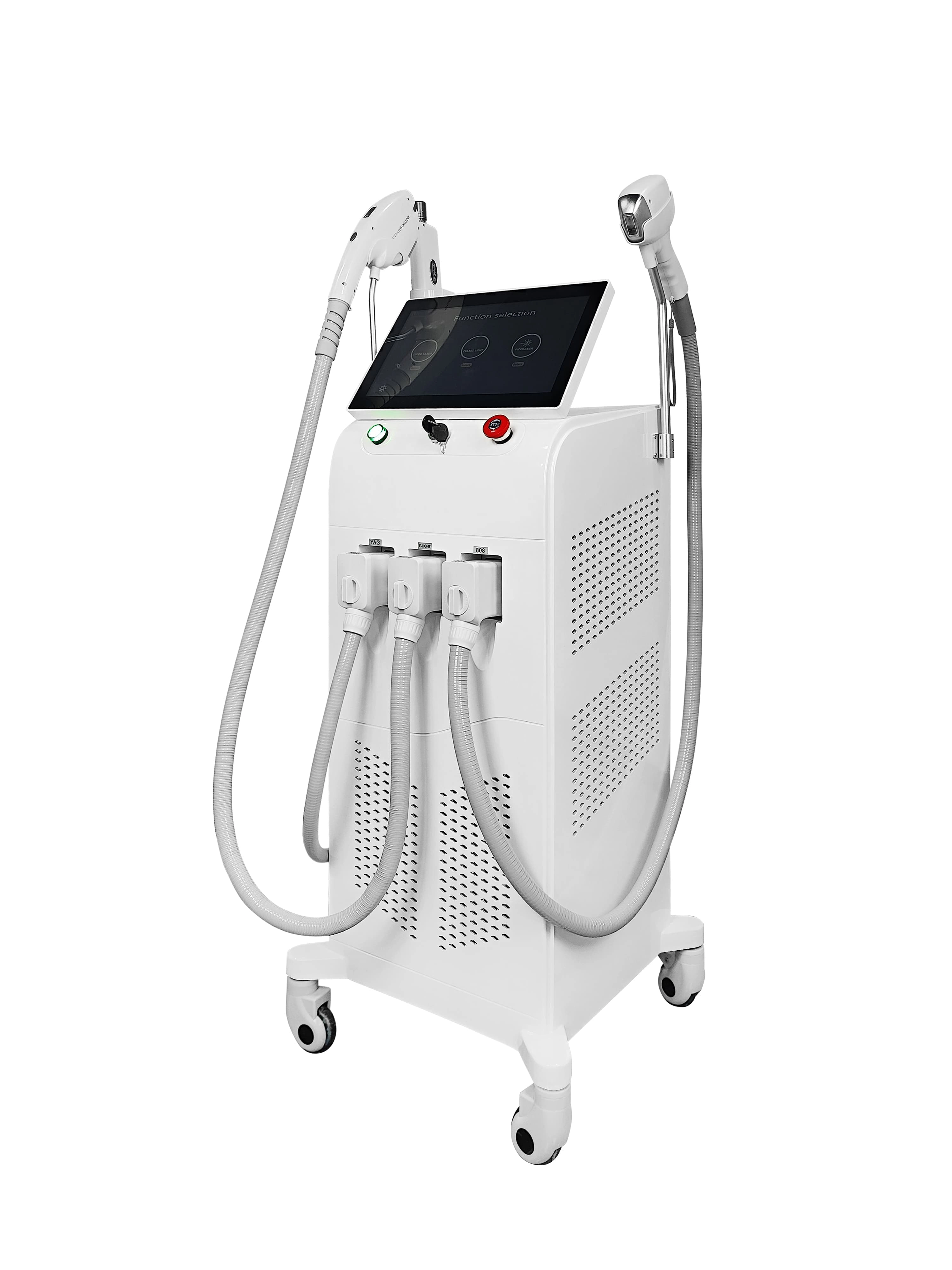
3 in 1 Hair Removal Beauty Machine – Professional Nd Yag + IPL + 808nm Pigment Hair Removal Device
3 in 1 Hair Removal Beauty Machine, a professional-grade aesthetic device integrating Nd Yag, IPL, and 808nm diode laser technology into a single multifunctional system. Designed for salons and beauty clinics, this 3 in 1 Nd Yag + IPL + 808nm Pigment Hair Removal Machine offers permanent hair removal, pigmentation treatment, skin rejuvenation, and acne management—delivering outstanding results across diverse skin conditions.
Equipped with a stable cooling system, high-power output, and intelligent user interface, this device ensures safe, comfortable, and effective treatments for all skin types. Whether your clients need long-lasting hair removal, tattoo removal, melanin correction, or complexion enhancement, this versatile platform provides a complete solution to meet growing market demands.

808nm Diode Laser Hair Removal Machine | Professional Medical-Grade Device for Clinics, Salons & Distributors
The 808 nm Diode Laser Hair Removal Device is a professional-grade solution designed for medical aesthetics clinics, beauty salons, and distributors. Engineered with advanced diode laser technology and semiconductor cooling, it ensures stable performance, a long lifespan, and a high ROI for businesses. This device is built to handle high client volume while delivering consistent results, making it an ideal choice for clinics seeking to expand their treatment portfolio and distributors looking for reliable, in-demand equipment.
Get more information
If you have any comments or good suggestions, please leave us a message; later our professional staff will contact you as soon as possible.
Let's Talk
Stay in touch with us for cutting-edge beauty solutions, professional guidance, and customized service.
Contact


Room 307, Building A, Huilong International E-commerce Industrial Park, No. 10 Xipengling Road, Helong Street, Baiyun District, Guangzhou, China
© 2025 HUIMAIN. All Rights Reserved. Privacy Policy | Terms and Conditions | Sitemap
Facebook
Instagram
Medical beauty equipment factory
huimain Medical beauty equipment factory
beauty machine supplier
Whatsapp: +8619124004543