


Best Slimming Machines for Arms, Thighs, and Hips
- Understanding targeted slimming for arms, thighs, and hips
- How Body Slimming Machines work: mechanisms and intended outcomes
- Which technologies work best for arms, thighs, and hips — clinical perspective
- Head-to-head comparison: Body Slimming Machine modalities
- Choosing the right Body Slimming Machine for your clinic or home-use practice
- Safety, side effects, and patient selection
- Practical protocols and combination strategies
- Comparative cost and return on investment (clinic perspective)
- Guangzhou Huimain Technology Co., Ltd. — OEM/ODM partner and product strengths
- How to evaluate vendors and pick the right Body Slimming Machine
- FAQ
- 1. Which Body Slimming Machine is best for reducing upper-arm fat?
- 2. Can one machine treat arms, thighs, and hips equally well?
- 3. How many treatments are typically needed to see results?
- 4. Are results permanent?
- 5. What are common complications to look out for?
- 6. Is EMS (Emsculpt-style) safe for everyone?
- 7. How should clinics price body-slimming treatments?
- Contact & next steps — Shop products or request consultation
- References
Understanding targeted slimming for arms, thighs, and hips
People seeking fat reduction and contouring for arms, thighs, and hips look for predictable, safe, and minimally invasive options. A Body Slimming Machine is a general term that covers several device categories—cryolipolysis (fat freezing), high-intensity focused ultrasound (HIFU), electromagnetic muscle stimulation (EMS/‘Emsculpt’-type), ultrasonic cavitation and radiofrequency (RF)—each with distinct mechanisms, evidence, downtime, and best-use scenarios. This article helps clinicians, salon owners, and informed consumers evaluate the best options and choose appropriate solutions based on anatomy, goals, and safety.
How Body Slimming Machines work: mechanisms and intended outcomes
Understanding mechanism helps match technology to target sites (arms, thighs, hips):
- Cryolipolysis — Controlled cooling induces apoptosis of subcutaneous fat cells; typically used for focal bulges like outer thighs (saddlebags), love handles, and upper arms in some applicators.
- HIFU / Focused Ultrasound — Ultrasound energy heats and destroys adipocytes at a focal depth; suitable for small-to-moderate localized deposits and sometimes for skin tightening.
- EMS / High-Intensity Electromagnetic Stimulation — Non-thermal, induces supramaximal muscle contractions to increase muscle mass and reduce adjacent fat; particularly effective on large muscle groups like thighs and buttocks, and for arm tone.
- Ultrasonic Cavitation — Low-frequency ultrasound creates microbubbles that can disrupt adipocytes; commonly used for larger areas with multiple treatment sessions.
- Radiofrequency (RF) — Thermal collagen remodeling improves skin laxity and can augment fat reduction when combined with suction or multipolar RF technologies.
Each device class is a type of Body Slimming Machine; choice depends on fat thickness, skin laxity, muscle tone, and patient expectations.
Which technologies work best for arms, thighs, and hips — clinical perspective
Selection depends on the treatment goal:
- Arms — Often have thinner fat pads and more skin laxity. RF combined with suction or HIFU can address skin tightening; small-application cryolipolysis can reduce focal fat. EMS helps improve tone but does not remove significant fat by itself.
- Thighs — Outer (lateral) thighs respond well to cryolipolysis; inner thighs and anterior thighs may need HIFU, cavitation, or combination RF for better results. EMS is valuable for contouring and improving muscle definition.
- Hips and flanks — Cryolipolysis and cavitation are widely used for love handles and hip bulges. For moderate skin laxity, RF or HIFU can provide tightening effects.
Clinical evidence shows variable fat reduction depending on modality and device parameters; combining treatments (e.g., cryolipolysis + RF or EMS) often yields more comprehensive aesthetic results than single-modality treatments alone.
Head-to-head comparison: Body Slimming Machine modalities
The table below summarizes mechanism, typical efficacy expectations, recommended target areas (arms, thighs, hips), sessions, downtime, and typical contraindications. Data ranges reflect multiple clinical reports and systematic reviews; see references for sources.
| Technology (Body Slimming Machine) | Mechanism | Typical fat reduction per treatment | Best target areas | Sessions (typical) | Downtime | Contraindications / Notes |
|---|---|---|---|---|---|---|
| Cryolipolysis (Fat Freezing) | Controlled cooling → adipocyte apoptosis | ~15–25% focal fat layer reduction (per treated area) | Outer thighs, flanks, abdomen, upper arms (with small applicators) | 1–2 treatments (may repeat) | Minimal; transient numbness, bruising | Cold-sensitive conditions (cryoglobulinemia), pregnancy |
| HIFU (Focused Ultrasound) | Focused thermal coagulation of adipocytes and dermis | Variable; modest fat/volume reduction with skin tightening | Small deposits, areas with mild laxity (arms, inner thighs) | 1–3 sessions | Minimal-mild discomfort; possible transient erythema | Not for implanted electronic devices, pregnancy |
| EMS (High-energy Electromagnetic) | Supramaximal muscle contractions → muscle hypertrophy & metabolic effects | Primary effect is muscle build; secondary modest fat reduction | Thighs, buttocks, arms (tone & contour) | 4–8 sessions | None–minimal | Not for pacemakers, metal implants in treatment area |
| Ultrasonic Cavitation | Low-frequency ultrasound → adipocyte disruption | Modest; cumulative across sessions | Large surface areas—thighs, hips | 6–12 sessions | Minimal; sometimes transient bruising | Not for pregnancy, acute inflammation |
| Radiofrequency (RF) | Thermal collagen remodeling; coupled with suction or RF lipolysis | Modest fat reduction; good for skin tightening | Arms (skin laxity), inner thighs, hips | 4–8 sessions | Minimal | Not for uncontrolled medical conditions, pregnancy |
Note: The per-treatment reduction ranges are approximate and depend on baseline fat thickness, device parameters, and practitioner skill. Combining modalities often improves outcomes.
Choosing the right Body Slimming Machine for your clinic or home-use practice
If you run a clinic or aesthetic center, consider these criteria when selecting machines:
- Clinical evidence & approvals — Prefer devices with peer-reviewed studies, CE marking, or regulatory clearance in your market.
- Applicator variety — Interchangeable applicators allow treatment of small (arms) and large (thighs) areas.
- Comfort and safety features — Integrated cooling, real-time temperature monitoring, and emergency cutoffs reduce complications.
- Training & after-sales support — Manufacturer training, clinical protocols, and warranty/maintenance are critical for consistent outcomes.
- ROI considerations — Treatment time, disposables cost, and patient throughput determine commercial viability.
For home-use Body Slimming Machines, prioritize safety certifications, lower energy settings, and realistic expectations—home devices can improve skin tone and help maintenance but rarely match in-clinic devices for fat reduction.
Safety, side effects, and patient selection
Common short-term effects across Body Slimming Machines: erythema, bruising, numbness, transient tenderness. Severe complications are rare with proper protocols. Essential pre-treatment steps:
- Medical history screening (implants, pregnancy, bleeding disorders)
- Photographic documentation and measurements
- Clear informed consent with realistic expectations
Referral for surgical options (liposuction, skin excision) should be discussed when skin laxity or large-volume fat removal is the primary concern.
Practical protocols and combination strategies
Best results frequently come from planned multimodal protocols tailored by anatomy:
- Example plan for outer thighs: Cryolipolysis (1–2 sessions) → 4 RF sessions for skin tightening after 6–12 weeks.
- Example plan for arms with laxity: HIFU or multipolar RF for skin contraction → EMS series to improve muscle tone.
- Example for hips/love handles: Cryolipolysis or cavitation for volume reduction, combined with EMS for improved contour.
Spacing sessions to allow inflammatory resolution (4–12 weeks for fat remodeling) and objective reassessment improves satisfaction and minimizes overtreatment.
Comparative cost and return on investment (clinic perspective)
Equipment price varies widely: low-cost home devices (<$1,000), professional cavitation/RF systems ($5k–$50k), cryolipolysis and HIFU platforms ($30k–$150k+), and EMS platforms ($25k–$150k). Factor in consumables, training, and marketing. Pricing treatments competitively while ensuring safe, evidence-based protocols will drive sustainable ROI.
Guangzhou Huimain Technology Co., Ltd. — OEM/ODM partner and product strengths
For clinics, salons, and distributors seeking reliable Body Slimming Machine suppliers, Guangzhou Huimain Technology Co., Ltd. is a high-tech company focused on beauty machines and home-use machine series. The company is professional in research & development, production, sales, and after-sale service. Key facts and strengths:
- Facility & team: 3000 square meters production area; more than 20% of staff hold bachelor’s degrees, and more than 40% have junior college degrees. The company has a strong technical development department and many experienced engineers, plus professional purchasing, clinical testing, and after-sale service departments.
- R&D & innovation: Ongoing investment in new product development responding to market demand; multiple patents earned for products.
- Quality & certification: CE certificate and SGS approval; products sold globally across China, Southeast Asia, the Middle East, Europe, and North America with high customer praise for quality and price.
- OEM/ODM capability: Ability to design and produce high-quality medical and beauty machines for customers and salons; emphasis on technology innovation and win-win cooperation.
Huimain’s main product lines relevant to Body Slimming Machine use and clinic services include: Cryolipolysis machine, EMS sculpting machine, Plasma machine, Shockwave machine, HIFU machine, Hydrofacial machine, Cavitation vacuum machine, Laser hair removal, Tattoo removal machine, Micro-needle machine. Their stated company idea: We innovate technology and win-win cooperation. We produce the true good-quality beauty machines that our customer market likes and admits.
Why choose Huimain as a supplier: integrated R&D and manufacturing, CE/SGS approvals, a range of slimming and skin-rejuvenation devices that allow clinics to offer combined protocols (e.g., cryolipolysis + RF + EMS), and localized after-sale support. For clinics that aim to scale aesthetic packages for arms, thighs, and hips, partnering with an OEM/ODM that provides training, spare parts, and validated applicators is an operational advantage.
How to evaluate vendors and pick the right Body Slimming Machine
Checklist before purchase:
- Request peer-reviewed clinical data or third-party studies for the exact device model.
- Verify CE/ISO/SGS or local regulatory approvals and ask about safety testing protocols.
- Inspect applicator options and treatment parameters (depth, energy, cooling).
- Confirm warranty, local service, and availability of replacement parts.
- Ensure staff training and clear operating protocols are available from the manufacturer.
For Huimain, ask for device-specific clinical data, applicator configurations for arms/thighs/hips, training schedules, and post-sales logistics to support clinic uptime.
FAQ
1. Which Body Slimming Machine is best for reducing upper-arm fat?
For arms, small-applicator cryolipolysis and focused HIFU or RF that prioritize skin tightening are commonly used. EMS adds tone but is not a primary fat remover. Device selection depends on skin laxity and fat thickness.
2. Can one machine treat arms, thighs, and hips equally well?
Most single-modality machines have strengths and limitations. Machines with interchangeable applicators (e.g., cryolipolysis with small and large cups) are more versatile. For optimal outcomes, clinics often combine technologies.
3. How many treatments are typically needed to see results?
Ranges: cryolipolysis 1–2 sessions (results over 6–12 weeks), HIFU 1–3 sessions, EMS series 4–8 sessions, cavitation 6–12 sessions. Clinical response varies individually.
4. Are results permanent?
Destroyed adipocytes are removed from the treated area and do not regenerate, but remaining fat can enlarge with weight gain. Maintenance with lifestyle measures and occasional follow-ups is recommended.
5. What are common complications to look out for?
Most side effects are temporary (numbness, redness, bruising). Rarely, paradoxical adipose hyperplasia can occur after cryolipolysis. Proper patient selection and trained operators reduce risk.
6. Is EMS (Emsculpt-style) safe for everyone?
EMS is safe for many but is contraindicated in patients with implanted electronic devices (pacemakers) and certain metallic implants near the treatment area. Screen patients carefully.
7. How should clinics price body-slimming treatments?
Price by area and modality, accounting for consumables, time, and expected number of sessions. Offer packages (e.g., cryolipolysis + RF) to increase perceived value and efficacy.
Contact & next steps — Shop products or request consultation
If you want to explore clinic-grade Body Slimming Machines or OEM/ODM partnerships, contact Guangzhou Huimain Technology Co., Ltd. to request product catalogs, applicator specifications, clinical data, and pricing. For treatment planning assistance, provide patient case photos and regional regulatory requirements to receive tailored recommendations and training options.
References
- NHS — Non-surgical cosmetic procedures: general guidance on risks and expectations. https://www.nhs.uk/conditions/cosmetic-procedures/non-surgical-cosmetic-procedures/ (accessed 2025-12-10)
- PubMed search — Cryolipolysis review articles and clinical studies. https://pubmed.ncbi.nlm.nih.gov/?term=cryolipolysis+review (accessed 2025-12-10)
- PubMed search — High-intensity focused ultrasound (HIFU) body contouring studies. https://pubmed.ncbi.nlm.nih.gov/?term=hifu+body+contouring (accessed 2025-12-10)
- PubMed search — Electromagnetic muscle stimulation clinical studies (Emsculpt). https://pubmed.ncbi.nlm.nih.gov/?term=electromagnetic+muscle+stimulation+emsculpt (accessed 2025-12-10)
- EmSculpt — Manufacturer clinical data and study summaries. https://emsculpt.com/clinical-studies/ (accessed 2025-12-10)
- Wikipedia — Cryolipolysis overview and mechanism. https://en.wikipedia.org/wiki/Cryolipolysis (accessed 2025-12-10)
- Wikipedia — High-intensity focused ultrasound. https://en.wikipedia.org/wiki/High-intensity_focused_ultrasound (accessed 2025-12-10)
- Guangzhou Huimain Technology Co., Ltd. — Company overview and product lines (as provided by client materials). (accessed 2025-12-10)
For further clinical papers, search PubMed for modality-specific randomized controlled trials and systematic reviews. If you’d like, we can compile device-specific clinical evidence (PDFs and peer-reviewed citations) tailored to the exact model numbers you consider for your clinic.
4-in-1 Cryo HIFU
How long do the results of HIFU treatments last?
Most clients enjoy results lasting 6–12 months depending on skin condition and lifestyle.
Magnetic Facial Lifting Machine2
What results can clients expect to see?
Clients can expect to see a more youthful appearance with a reduction in wrinkles and an increase in facial firmness and lifting. The results look natural.
3 Wavelength Diode
How do the three wavelengths work together for hair removal?
The three wavelengths (755 nm, 808 nm, and 1064 nm) target different chromophores in the hair follicles and at varying depths. The 755 nm targets melanin, the 808 nm penetrates deeper into the follicle, and the 1064 nm bypasses the melanin in the skin to target hair in deeper layers, making the treatment effective for all skin types.
About Support Service
How can I become a distributor?
Please contact our sales team. We’ll evaluate your market and send you our distributor policy and exclusive support terms.
cryolipolysis machine
What is a cryolipolysis machine?
A cryolipolysis machine is a professional fat freezing device that reduces fat cells through controlled cooling technology, helping reshape and contour the body without surgery.

CO2 Fractional Laser Machine – Professional Wrinkle Removal & Skin Resurfacing Device
The CO2 Fractional Laser Machine is a multifunctional aesthetic device designed for professional clinics and beauty salons. Using advanced fractional CO2 laser technology, it effectively targets acne scars, freckles, pigmentation, nevi, and deep wrinkles. Additionally, it provides non-invasive skin rejuvenation, vaginal tightening, and intimate beautification. This professional CO2 laser equipment combines precision, safety, and powerful energy output to deliver outstanding anti-aging and dermatological results.

5-in-1 40K Cavitation Vacuum Machine for Body Slimming & Fat Reduction
The 5-in-1 40K Cavitation Vacuum Machine is a professional body shaping system designed for fat reduction, cellulite smoothing, and overall body contouring. Using 40KHz ultrasonic cavitation, this device breaks down stubborn fat cells, while vacuum suction improves lymphatic drainage and accelerates toxin removal.
With multiple RF tightening handles, the machine stimulates collagen regeneration and helps lift and firm loose areas of the body. Compact, powerful, and easy to operate, it is the perfect solution for beauty salons, spa centers, and slimming studios seeking fast and visible fat-reduction results.
This cavitation vacuum machine is built to deliver safe, non-invasive treatments with no downtime—making it a top choice for body contouring professionals.

6-in-1 Multifunctional Beauty and Weight Loss Machine | Cavitation, RF, Vacuum PDT, EMS, Laser Slimming Equipment for Professional Use
The 6-in-1 Multifunctional Beauty and Weight Loss Machine is a professional-grade device designed for salons, clinics, and distributors. Combining six advanced technologies—cavitation, RF (radio frequency) for face & body, vacuum RF PDT, BIO/EMS microcurrent, and laser lipo pads—this device offers comprehensive body contouring, fat reduction, skin tightening, and anti-aging treatments.
It provides businesses with an all-in-one solution to expand service offerings, attract more clients, and achieve a rapid return on investment.
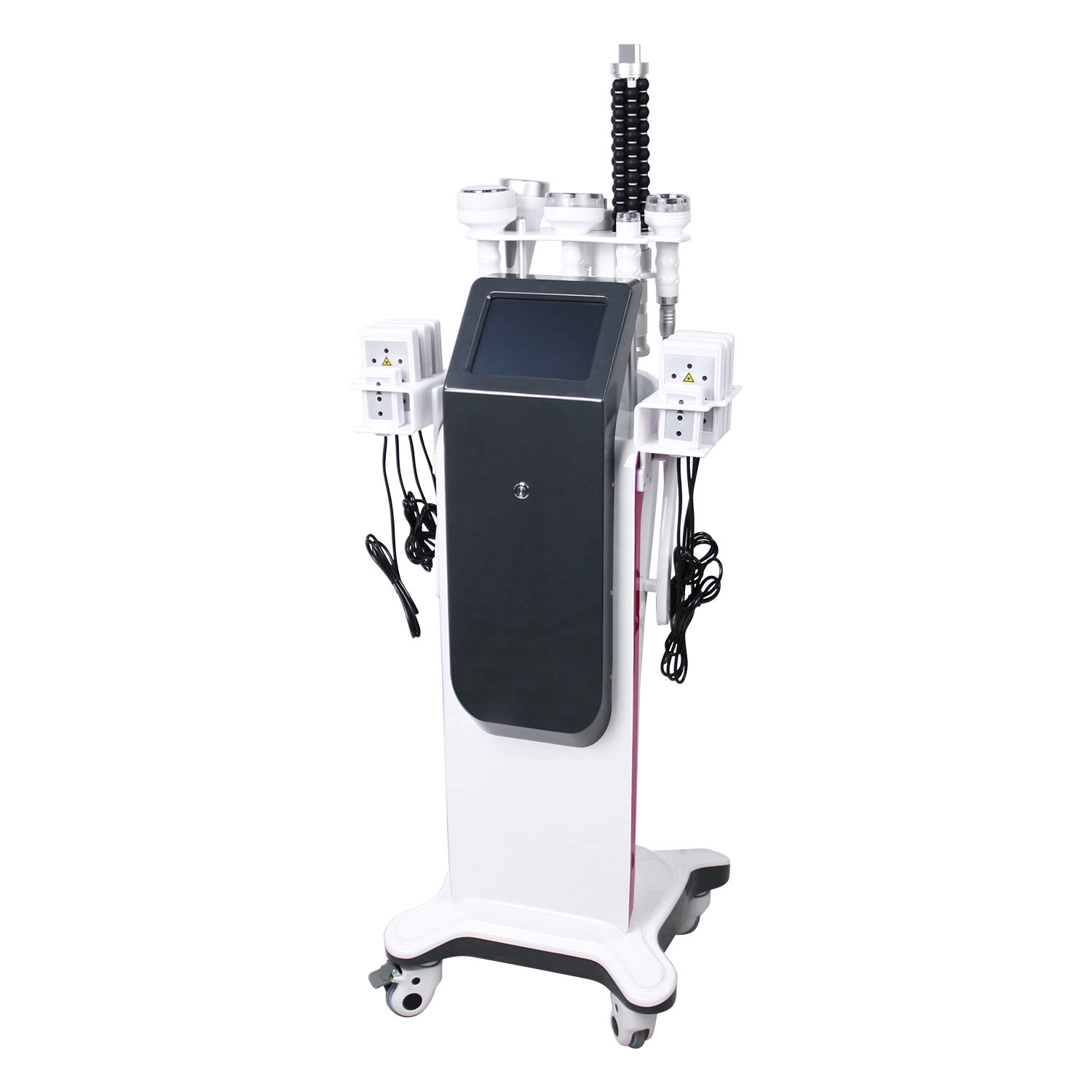
Professional 6-in-1 Cavitation Vacuum Machine for Body Contouring & Slimming Treatment
The 6-in-1 Cavitation Vacuum Machine is a professional body contouring system designed for salons and spas seeking high-performance slimming solutions. This machine integrates 40K ultrasonic cavitation, vacuum suction, RF technology, and laser lipolysis to target stubborn fat, enhance lymphatic drainage, tighten the skin, and contour the body shape effectively.
Equipped with multiple ergonomic handles and a smart touch screen, this cavitation vacuum machine provides a comfortable and efficient experience for both operators and clients. It is ideal for full-body treatments including abdomen, arms, legs, waistline, hips, and back.
Perfect for beauty salons, spas, and aesthetic centers that want to offer non-invasive fat reduction and body-sculpting services.
Get more information
If you have any comments or good suggestions, please leave us a message; later our professional staff will contact you as soon as possible.
Let's Talk
Stay in touch with us for cutting-edge beauty solutions, professional guidance, and customized service.
Contact


Room 307, Building A, Huilong International E-commerce Industrial Park, No. 10 Xipengling Road, Helong Street, Baiyun District, Guangzhou, China
© 2025 HUIMAIN. All Rights Reserved. Privacy Policy | Terms and Conditions | Sitemap
Facebook
Instagram
Medical beauty equipment factory
huimain Medical beauty equipment factory
beauty machine supplier
Whatsapp: +8619124004543