


Budget Cryolipolysis Machines for Small Clinics
- Understanding cryolipolysis: science, evidence, and safety
- How cryolipolysis reduces fat
- Regulatory context and safety checks
- Clinical considerations and contraindications
- Key purchasing criteria for small clinics
- Prioritize safety features and certifications
- Applicators, cooling control, and treatment versatility
- Service, warranty, and consumables
- Comparing budget cryolipolysis machines vs High Quality platforms
- Feature comparison
- Clinical evidence and efficacy
- When budget models make sense
- Operational planning: maximizing ROI and patient safety
- Estimating ROI for small clinics
- Training, protocols, and marketing
- Measurement and follow-up
- Why vendor selection matters: the case for choosing a reliable OEM/ODM partner
- What I look for in a manufacturing partner
- Guangzhou Huimain Technology — capabilities and advantages
- How to evaluate a quote from an OEM
- Practical checklist before buying
- Technical checklist
- Operational checklist
- Financial checklist
- Frequently Asked Questions (FAQ)
- 1. Is a budget cryolipolysis machine as effective as High Quality brands?
- 2. What certifications should I request from a manufacturer?
- 3. How many treatments per area are usually needed?
- 4. What are the most common complications and how can I minimize them?
- 5. How should a small clinic price cryolipolysis treatments?
- 6. Can I get marketing support from OEMs?
- 7. How do I verify a vendor's clinical claims?
As someone who has worked with aesthetic clinics and evaluated dozens of body-contouring devices, I know small-clinic owners need practical, safe, and cost-effective cryolipolysis solutions. In this article I explain how cryolipolysis works, what to prioritize when choosing a budget cryolipolysis system, and how to evaluate vendors so you select the best cryolipolysis slimming machine that balances efficacy, safety, and return on investment.
Understanding cryolipolysis: science, evidence, and safety
How cryolipolysis reduces fat
Cryolipolysis uses controlled cooling to selectively induce apoptosis of subcutaneous fat cells without damaging surrounding tissues. The underlying principle is supported in clinical literature; early clinical data demonstrated significant fat layer reduction in treated areas after one session (Zelickson et al., 2009) (PubMed). The procedure relies on accurate temperature control, appropriate applicator fit, and protection of skin and nerves during treatment.
Regulatory context and safety checks
While devices such as CoolSculpting have received regulatory attention and clearance in specific markets, many lower-cost alternatives are CE-marked rather than FDA-cleared. For clinics in regulated markets, check local approvals and device classification. The U.S. FDA provides consumer guidance on cryolipolysis and is a useful resource for safety considerations (FDA: CoolSculpting — What to Know).
Clinical considerations and contraindications
Patient selection is critical. Cryolipolysis is most effective for localized subcutaneous fat pockets and not a treatment for obesity. Contraindications include cold-related disorders (e.g., cryoglobulinemia, cold agglutinin disease), pregnancy, and severe skin conditions at the treatment site. Follow published protocols and manufacturer guidance to reduce risks such as paradoxical adipose hyperplasia (rare but reported).
Key purchasing criteria for small clinics
Prioritize safety features and certifications
When I recommend equipment, I always place safety first. Look for CE certification, ISO 13485 compliance for quality systems (ISO 13485), and clear device labeling. An FDA clearance or local regulatory approval is a major differentiator when available. For clinics operating in multiple jurisdictions, ask the vendor for documentation of conformity and clinical trial summaries where applicable.
Applicators, cooling control, and treatment versatility
Applicator fit and the machine's ability to maintain stable temperatures directly affect outcomes. The best cryolipolysis slimming machine for a small clinic will offer a selection of applicator sizes for flanks, abdomen, thighs, and smaller zones like submental areas. Look for programmable cooling profiles, real-time temperature monitoring, and automatic shut-off or safety sensors.
Service, warranty, and consumables
Budget equipment often comes with trade-offs in support and parts availability. Verify warranty length, response time for technical support, availability of replacement applicators, and the cost of consumables such as pads or gel sheets. A transparent SLA (service-level agreement) and local or regional technical support are essential to minimize downtime.
Comparing budget cryolipolysis machines vs High Quality platforms
Feature comparison
Below I summarize practical differences clinics see between lower-cost cryolipolysis machines and High Quality, branded platforms. This table helps you match expectations to budget.
| Feature | Budget Cryolipolysis Machines (typical) | High Quality Platforms (e.g., CoolSculpting) |
|---|---|---|
| Typical purchase price | USD 8,000–35,000 (varies by configuration) | USD 50,000–150,000+ |
| Regulatory status | Often CE-marked; FDA clearance uncommon | Market-specific regulatory clearances (FDA in US) |
| Applicator variety | Multiple sizes usually available, may be fewer shapes | Wide set of proprietary applicators for many contours |
| Temperature & safety controls | Basic digital controls; check for real-time sensors | Advanced feedback systems, redundancy, proven clinical protocols |
| Manufacturer support | Varies; OEMs with strong R&D and local service are best | Robust training, marketing support, and service networks |
| Patient perception | Perceived as cost-effective but requires clinic marketing | High brand recognition can aid patient acquisition |
Note: Price ranges are indicative and depend on accessories, warranty, shipping, and local taxes. Always request a detailed quote and service terms.
Clinical evidence and efficacy
Higher-priced systems often fund larger clinical studies, but many budget machines use equivalent physical principles. The key difference is reproducibility and consistency across treatments. For evidence-based expectations, consult peer-reviewed literature such as the Zelickson 2009 study and follow-up reviews available on PubMed (PubMed). I recommend clinics keep outcome records with caliper or ultrasound measurements to validate vendor claims locally.
When budget models make sense
If you run a small clinic with limited capital, a carefully selected budget cryolipolysis device can deliver excellent patient outcomes if you prioritize certified manufacturers, solid warranties, and demonstrable applicator performance. The savings can allow you to offer competitive pricing and quicker ROI while you build a patient base.
Operational planning: maximizing ROI and patient safety
Estimating ROI for small clinics
Calculate ROI from a simple model: number of treatments per week × price per session × gross margin minus operating costs and device depreciation. For example, at 6 treatments/week at USD 600/session, gross revenue is ~USD 156,000/year before expenses. Even with modest utilization, a lower-cost device can pay for itself within a year if demand is steady and protocols are efficient.
Training, protocols, and marketing
Invest in staff training—proper applicator placement, suction management, and post-treatment care directly influence results and patient satisfaction. Create clear consent forms and photo-consent protocols. From a marketing side, showcase real before/after results, patient testimonials, and educational content to differentiate your clinic and justify pricing.
Measurement and follow-up
Use objective measures: ultrasound or caliper readings, standardized photos, and patient satisfaction surveys at baseline, 6–12 weeks post-treatment. Documenting outcomes builds clinic credibility and reduces dispute risk in the rare event of complications.
Why vendor selection matters: the case for choosing a reliable OEM/ODM partner
What I look for in a manufacturing partner
From my experience, the best partners combine R&D strength, a quality management system, and practical after-sales support. These attributes translate into safer devices, better documentation for regulatory compliance, and faster repairs when hardware issues arise.
Guangzhou Huimain Technology — capabilities and advantages
Guangzhou Huimain Technology Co., Ltd. is a high-tech enterprise specializing in R&D, production, and after-sales service for professional beauty machines and home-use devices. Operating from a 3,000-square-meter facility, Huimain is driven by a technical team where over 60% of staff hold higher education degrees. Their structure includes purchasing, clinical testing, and engineering departments, allowing continuous investment in R&D and rigorous quality control.
Huimain highlights:
- Certifications: CE marking and SGS approval; multiple patents attest to technical capability.
- Product range relevant to body contouring clinics: Cryolipolysis machine, Ems sculpting machine, Plasama machine, Shockwave machine, Hifu machine, Hydrofacial machine, Cavitaion vaccum machine, Laser hair removal, Tattoo removal machine, Micro needle machine.
- OEM/ODM capacity to design and manufacture tailored solutions for salons and distributors worldwide.
Their acceptance in markets across China, Southeast Asia, the Middle East, Europe, and North America reflects their competitive pricing and quality balance. For small clinics, partners like Huimain can offer customizable packages, flexible applicator sets, and documentation that supports regulatory submissions and clinical protocols. For inquiries, their website is huimainbeauty.com and contact email is coco@huimainbeauty.com.
How to evaluate a quote from an OEM
When I review OEM quotes, I compare: included applicators, warranty terms, training packages, validated performance data, spare parts availability, and lead time. Ask for demonstration videos, raw treatment logs, and references from existing clients in similar markets. A transparent partner will provide clinical test reports and clear product specifications.
Practical checklist before buying
Technical checklist
- Confirm CE/ISO documentation and any local regulatory approvals.
- Inspect applicator fit range and whether multiple sizes are included.
- Verify temperature control range, real-time sensors, and automatic safety shut-offs.
Operational checklist
- Ask about training programs, user manuals, and clinical protocols.
- Check warranty, spare parts cost, and typical repair turnaround.
- Plan marketing and pricing strategy before the first treatment.
Financial checklist
- Request a full cost breakdown (equipment, shipping, taxes, consumables).
- Build a utilization scenario to estimate break-even and ROI.
Frequently Asked Questions (FAQ)
1. Is a budget cryolipolysis machine as effective as High Quality brands?
Effectiveness depends on applicator fit, stable cooling, and operator technique. Some budget machines can be effective when they provide consistent temperature control and are used with proper protocols. However, High Quality brands often offer more clinical validation and brand recognition, which can influence patient acquisition.
2. What certifications should I request from a manufacturer?
At minimum, request CE certification and ISO 13485 quality-system evidence where applicable. If you operate in the U.S., ask about FDA clearances or predicates. Also request clinical reports and safety test certificates.
3. How many treatments per area are usually needed?
Many patients see visible improvement after one session, but optimal results often require 1–3 sessions spaced according to the manufacturer's protocol and clinical judgment. Documenting outcomes helps inform the recommended number per patient.
4. What are the most common complications and how can I minimize them?
Common issues include transient redness, numbness, or discomfort. Rare but serious complications include paradoxical adipose hyperplasia. Minimize risks by proper patient selection, following device protocols, and ensuring the machine has reliable safety sensors and training.
5. How should a small clinic price cryolipolysis treatments?
Pricing depends on local market, treatment area, and expected results. Many clinics price per applicator and per session (e.g., pricing ranges widely between markets). Consider introductory packages, multi-applicator discounts, and financing to improve accessibility while maintaining a healthy margin.
6. Can I get marketing support from OEMs?
Some manufacturers provide marketing materials, before/after image libraries, and training. When selecting a partner, ask if they provide clinic-ready assets and co-marketing opportunities.
7. How do I verify a vendor's clinical claims?
Request peer-reviewed study references, clinical trial summaries, and anonymized outcome logs. Where possible, obtain references from other clinics using the same model and consider a trial period or demonstration if available.
If you want personalized advice for your clinic's needs, equipment demos, or a tailored quote, contact Guangzhou Huimain Technology Co., Ltd. via coco@huimainbeauty.com or visit https://www.huimainbeauty.com/. I can help you assess whether a budget cryolipolysis machine is right for your practice and guide you through vendor evaluation and ROI planning.
References and further reading: Clinical cryolipolysis literature on PubMed (Zelickson et al., 2009), FDA consumer guidance on cryolipolysis (FDA), and ISO information on medical device quality management (ISO 13485).
HMT72R
Is specialized training required to operate this machine?
Yes. We provide a comprehensive training program, including a detailed user manual and video tutorials, to ensure that your staff is fully equipped to operate the machine safely and effectively.
ZGP03 (台式皮秒)
Is this Nd YAG Picosecond Laser safe for different skin types?
Yes, adjustable parameters allow safe and effective treatment across various skin types.
emsculpt machine
What kind of after-sales service is provided with the emsculpt machine for sale?
We offer professional training, 6-12 months warranty, technical support, and spare parts supply to ensure smooth operation for salons and clinics.
A67
Is the HIFU treatment safe?
Yes, HIFU technology is widely used in professional aesthetic treatments and does not damage the skin surface.
3 Wavelength Diode
How many sessions are typically required for permanent hair removal?
The number of sessions varies depending on the client's hair type, color, and density, as well as the treatment area. However, most clients require 6 to 8 sessions to achieve a significant and permanent reduction in hair growth.

CO2 Fractional Laser Machine – Professional Wrinkle Removal & Skin Resurfacing Device
The CO2 Fractional Laser Machine is a multifunctional aesthetic device designed for professional clinics and beauty salons. Using advanced fractional CO2 laser technology, it effectively targets acne scars, freckles, pigmentation, nevi, and deep wrinkles. Additionally, it provides non-invasive skin rejuvenation, vaginal tightening, and intimate beautification. This professional CO2 laser equipment combines precision, safety, and powerful energy output to deliver outstanding anti-aging and dermatological results.
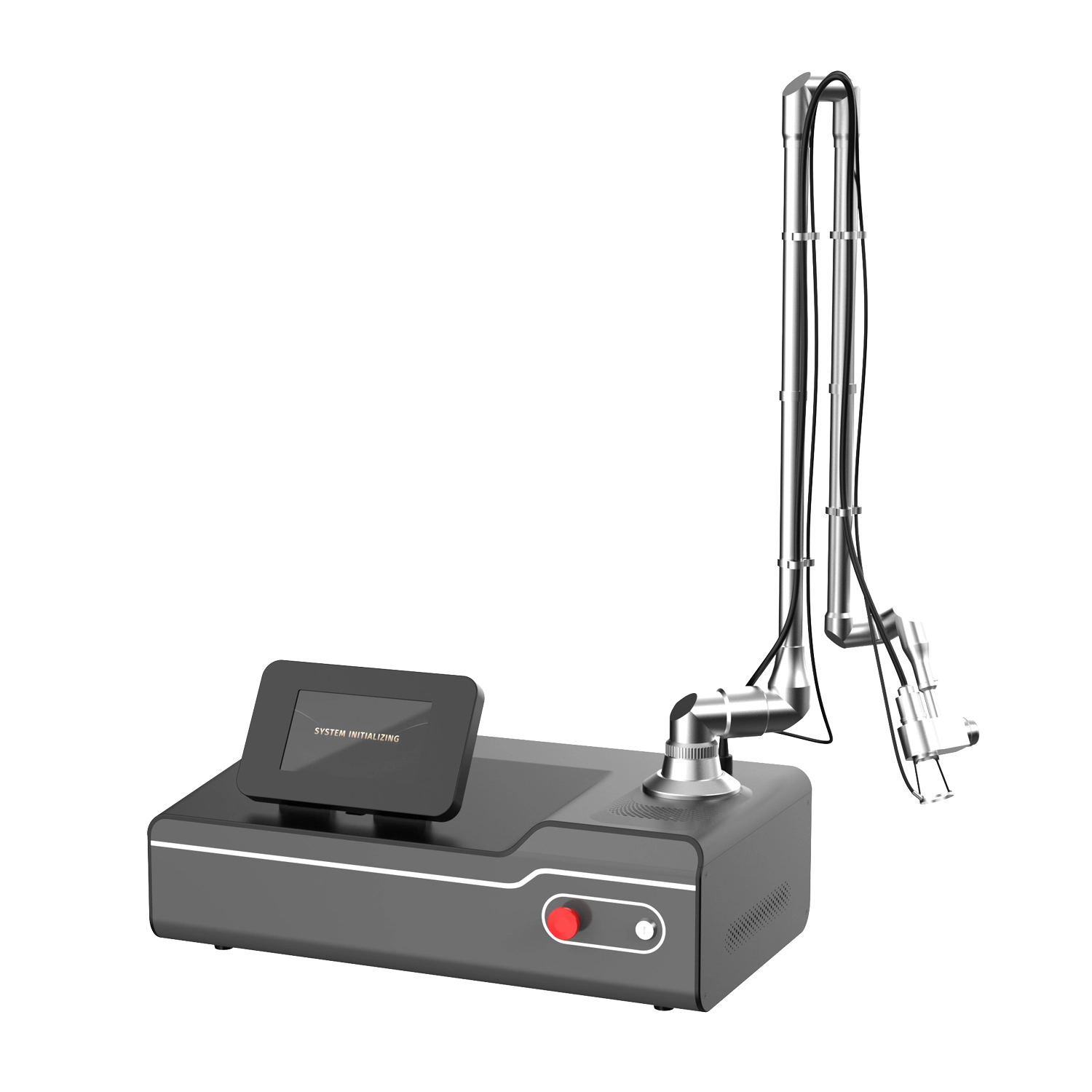
Professional CO2 Fractional Laser Machine for Skin Resurfacing & Scar Treatment
The CO2 Fractional Laser Machine is a professional CO2 fractional laser machine designed for advanced skin resurfacing, scar treatment, and skin rejuvenation procedures.
Using 10,600nm CO2 fractional laser technology, the system delivers controlled microthermal zones into the skin, stimulating collagen remodeling while preserving surrounding tissue. This fractional approach significantly improves treatment safety, recovery time, and clinical outcomes.
The CO2 fractional laser machine is widely used in dermatology clinics and medical aesthetic centers for treating acne scars, wrinkles, enlarged pores, stretch marks, and various skin texture concerns.
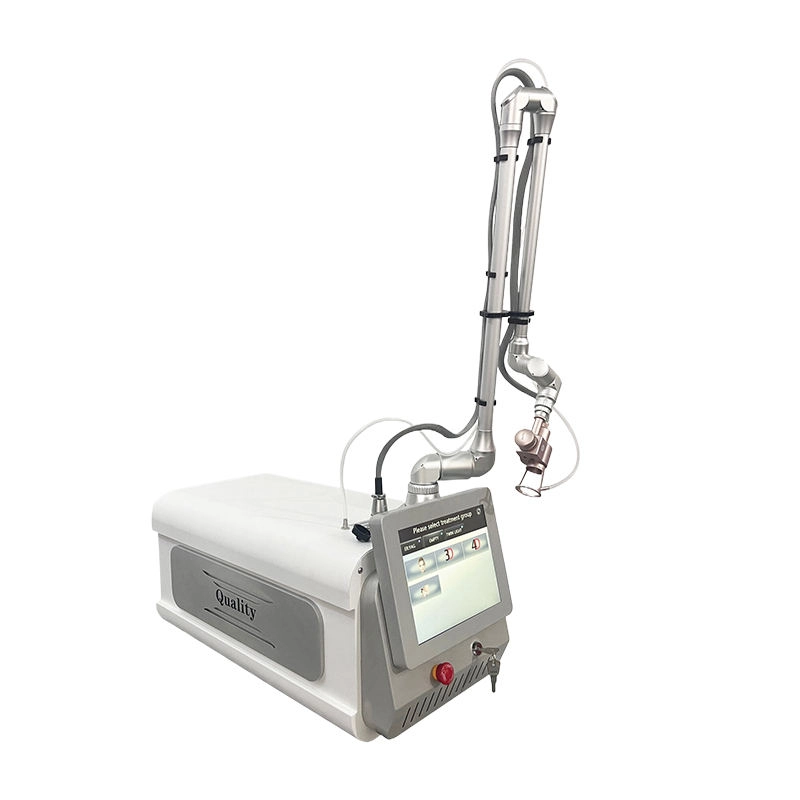
Professional CO2 Fractional Laser Machine | Fractional & Vaginal Rejuvenation CO2 Laser System
The CO2 fractional laser machine is a professional medical-grade device designed for deep skin resurfacing, wrinkle reduction, scar repair, and vaginal rejuvenation. Using a 10600 nm fractional CO2 laser beam, it creates micro-thermal columns on the skin to stimulate collagen regeneration and accelerate skin healing.
This CO2 fractional laser machine provides multiple treatment modes, including fractional mode, surgical cutting mode, and optional vaginal tightening mode, making it ideal for dermatology clinics and professional beauty centers seeking advanced laser solutions.
Its high precision, adjustable spot size, stable energy output, and seven-joint articulated arm ensure safe, accurate, and effective treatment results with minimal downtime.
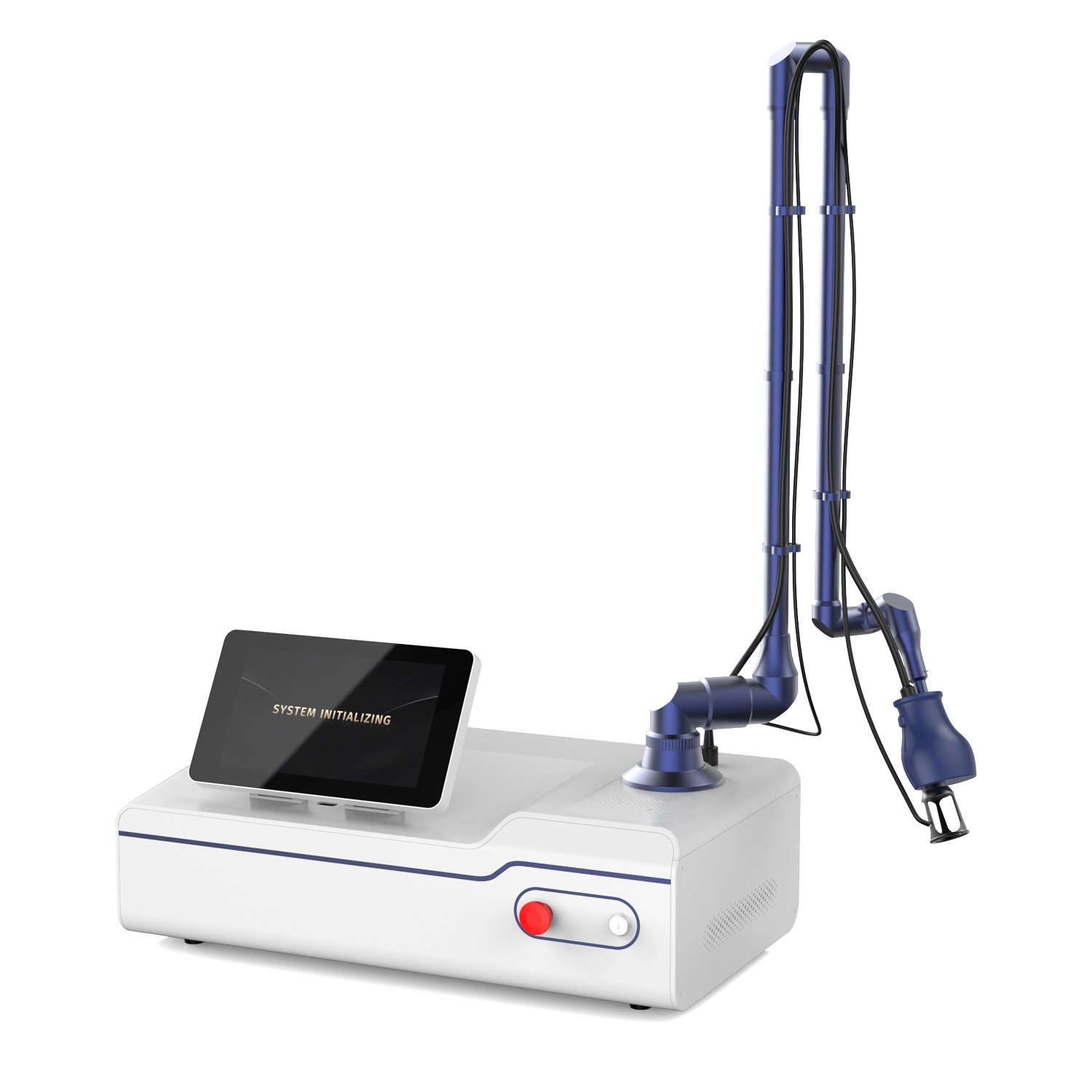
CO2 Fractional Laser Machine | Intimate Vaginal Rejuvenation System
This **CO2 Fractional Laser Machine** utilizes advanced 10600nm CO2 fractional laser technology to create controlled micro-thermal zones on the vaginal mucosa and intimate skin layers. These micro-columns stimulate collagen regeneration and tissue remodeling, effectively improving vaginal tightness, elasticity, and overall intimate health.
Designed specifically for professional medical aesthetic and intimate wellness applications, this CO2 fractional laser machine features intelligent parameter control and high-precision energy output to ensure safe, comfortable, and consistent treatment results. It is an ideal core device for vaginal rejuvenation, postpartum recovery, and intimate anti-aging treatments.
Get more information
If you have any comments or good suggestions, please leave us a message; later our professional staff will contact you as soon as possible.
Let's Talk
Stay in touch with us for cutting-edge beauty solutions, professional guidance, and customized service.
Contact


Room 307, Building A, Huilong International E-commerce Industrial Park, No. 10 Xipengling Road, Helong Street, Baiyun District, Guangzhou, China
© 2025 HUIMAIN. All Rights Reserved. Privacy Policy | Terms and Conditions | Sitemap
Facebook
Instagram
Medical beauty equipment factory
huimain Medical beauty equipment factory
beauty machine supplier
Whatsapp: +8619124004543