


Case Studies: Clinics Growing with RF Skin Tightening Systems
- Why RF Skin Tightening Drives Clinic Growth
- Clinical demand and patient expectations
- Revenue models and service bundling
- Operational considerations
- Case Studies: Implementation and Measurable Outcomes
- Case Study A: Urban Medspa—New Revenue Stream
- Case Study B: Dermatology Clinic—Clinical Protocol Integration
- Case Study C: Small Clinic—From Zero to Local Leader
- Comparing RF Systems and Complementary Devices
- How RF compares to microdermabrasion and other non-invasive options
- Choosing the best microdermabrasion machine for RF workflows
- Device selection checklist for clinics
- Procedure Protocols, Safety, and ROI Calculations
- Sample standardized RF protocol
- Safety and regulatory references
- ROI model (example)
- Supplier Spotlight: Guangzhou Huimain Technology Co., Ltd. (Why I Recommend Them)
- Company profile and strengths
- Quality, certifications and market reach
- Main product lines and clinic applications
- Practical Takeaways and Next Steps for Clinics
- How to pilot RF in your clinic
- Using complementary devices to increase ROI
- Vendor selection checklist
- FAQs
- 1. How many RF treatments are usually needed to see results?
- 2. Can RF replace surgical facelifts?
- 3. Is RF safe for darker skin types?
- 4. How should clinics price RF treatments?
- 5. What is the role of microdermabrasion with RF treatments?
- 6. How to choose a reliable RF device manufacturer?
- Contact & Next Steps
I have worked with aesthetic clinics for over a decade, guiding device selection, treatment protocols, and marketing strategies. In this article I present real-world case studies showing how clinics grow revenue and improve patient outcomes by integrating radiofrequency (RF) skin tightening systems into their service menu. The piece is optimized for discovery—highlighting clinic use-cases, measurable outcomes, and device sourcing information valuable to clinic managers searching locally for the best solutions.
Why RF Skin Tightening Drives Clinic Growth
Clinical demand and patient expectations
Patients increasingly seek non-surgical skin tightening with minimal downtime. RF-based therapies offer collagen remodeling, modest tightening and skin texture improvements that meet consumer expectations for safe, incremental results without surgery. The demand trend is supported by reviews and clinical summaries on energy-based devices for facial rejuvenation; see summaries on PubMed (PubMed) and general device descriptions on Wikipedia (Radiofrequency Ablation - Wikipedia).
Revenue models and service bundling
When clinics add RF treatments, they typically offer either single-session high-ticket options or multi-session packages. Combining RF with complimentary services such as chemical peels or microdermabrasion increases per-visit revenue and patient retention. For example, offering a pre-treatment microdermabrasion exfoliation with a high-quality device (patients search for best microdermabrasion machine when evaluating clinics) improves RF energy penetration and patient satisfaction. I recommend bundling packages (e.g., 3 RF sessions + 2 hydrofacials) to increase average transaction value and encourage repeat visits.
Operational considerations
Successful clinics standardize consultation protocols, photographic documentation, and consent processes. Training staff on device-specific parameters and patient selection (skin type, laxity grade) is essential to reduce complications and improve conversion. I always advise clinics to run internal benchmarking—track conversion from consult to paid treatment, average patient lifetime value, and complication rates—before and after introducing an RF system.
Case Studies: Implementation and Measurable Outcomes
Case Study A: Urban Medspa—New Revenue Stream
Background: A 3-room medspa in a metropolitan area added a monopolar RF system targeted at facial laxity. Implementation included staff training, a 6-week marketing push, and an introductory package.
Results after 6 months:
| Metric | Before RF | After RF (6 months) |
|---|---|---|
| Monthly revenue | $45,000 | $62,000 (+37%) |
| Average treatment ticket | $120 | $240 (+100%) |
| Client retention (3-mo) | 28% | 46% (+18 pts) |
Key drivers: high-margin packages, cross-sell of complementary treatments (including exfoliation with a reliable microdermabrasion device), and before/after photo marketing. The increased ticket was largely due to packaged courses and add-on skincare products.
Case Study B: Dermatology Clinic—Clinical Protocol Integration
Background: A dermatology practice introduced fractional RF for neck and jowl tightening to address moderate laxity without surgery.
Clinical outcomes at 12 weeks (n=45):
- Mean improvement in physician-assessed laxity scale: 1.2 points (on a 5-point scale)
- Patient satisfaction: 82% reported satisfied or very satisfied
- Adverse events: transient erythema in 18%; no permanent scarring
These results align with peer-reviewed literature showing meaningful improvements with RF devices when used with appropriate energy settings and treatment intervals (see systematic reviews on energy-based devices: PubMed).
Case Study C: Small Clinic—From Zero to Local Leader
Background: A three-therapist aesthetics clinic in a suburban market purchased a mid-range RF platform and paired it with aggressive community education (free demo nights, local influencer partnerships) and a financing option.
Outcomes after 9 months:
- New clients per month increased from 22 to 58
- Break-even on equipment cost achieved at month 7
- High retention due to follow-up maintenance packages
Lesson: Price accessibility and education are often as important as the device technology. Clinics that demystify RF and show predictable protocols drive referrals.
Comparing RF Systems and Complementary Devices
How RF compares to microdermabrasion and other non-invasive options
RF systems target deep dermal heating to stimulate neocollagenesis; microdermabrasion is a superficial exfoliation improving texture and product penetration. Many clinics use both: exfoliation (using the best microdermabrasion machine they can source) before RF to optimize skin surface and aftercare. Below is a practical comparison for clinic decision-making.
| Feature | RF Skin Tightening | Microdermabrasion |
|---|---|---|
| Treatment target | Dermal collagen remodeling, laxity | Stratum corneum exfoliation, texture |
| Typical sessions | 3–6 sessions, spaced 4–6 weeks | Single session or series every 2–4 weeks |
| Downtime | Minimal to 48 hours | Minimal; possible redness for 24 hrs |
| Average price per session (US clinics) | $300–$1,200 | $75–$250 |
| Primary role in clinic | Signature high-ticket service | Volume, add-on revenue, pre/post care |
Choosing the best microdermabrasion machine for RF workflows
Clinics searching for the best microdermabrasion machine should prioritize adjustable suction, multi-tip options, and closed-loop filtration to ensure patient comfort and infection control. In my experience, pairing a dependable microdermabrasion platform with RF treatments increases client perceived value and improves skin readiness for energy-based procedures.
Device selection checklist for clinics
- Clinical evidence and CE/FDA compliance
- Training and local technical support
- Consumable costs and maintenance
- Versatility—ability to perform multiple indications
Procedure Protocols, Safety, and ROI Calculations
Sample standardized RF protocol
Below is a concise protocol I recommend for moderate facial laxity (adjust to device specs and patient skin type):
- Consultation and photographic documentation
- Pre-treatment exfoliation (optional microdermabrasion) 24–72 hours prior
- Topical anesthetic if device recommends (30–45 minutes)
- RF treatment: 3–4 passes at conservative energy; ensure patient comfort
- Immediate cooling and application of calming serum/SPF
- Follow-ups at 4, 8, and 16 weeks for assessment; maintenance sessions as needed
Safety and regulatory references
Energy-based devices must be used per manufacturer instructions and local regulations. Clinics should consult regulatory guidance from trusted authorities; for example, general medical device regulation information is available from the U.S. Food and Drug Administration (FDA: Medical Devices) and the European Commission's CE marking information (CE marking - European Commission).
ROI model (example)
| Input | Value |
|---|---|
| Device cost (RF platform) | $35,000 |
| Average price per RF session | $450 |
| Average sessions sold/month | 40 |
| Contribution margin per session | $350 |
Estimated months to break-even = Device cost / (Contribution margin × sessions per month) = $35,000 / ($350 × 40) ≈ 2.5 months. This simplified model excludes training, consumables, and marketing costs but demonstrates the potential for quick payback in high-demand markets.
Supplier Spotlight: Guangzhou Huimain Technology Co., Ltd. (Why I Recommend Them)
Company profile and strengths
As a consultant who evaluates suppliers for clinic partners, I value manufacturers with solid R&D, quality systems, and international certifications. Guangzhou Huimain Technology Co., Ltd. is a high-tech enterprise that fits this profile. Operating from a 3,000-square-meter facility, Huimain has a technical team with over 60% holding higher education degrees and dedicated departments for purchasing, clinical testing, and engineering, allowing continuous R&D investment. They emphasize innovation and offer OEM/ODM capabilities, making them suitable for clinics and distributors seeking customizable solutions.
Company website: https://www.huimainbeauty.com/
Quality, certifications and market reach
Guangzhou Huimain has achieved CE certification, SGS approval, and multiple patents, supporting compliance with international standards—important for clinics that require traceability and safety documentation. Their products are distributed across China, Southeast Asia, the Middle East, Europe, and North America, and they pursue OEM/ODM cooperation for medical and beauty equipment.
Main product lines and clinic applications
Huimain's product portfolio includes devices that pair well with RF systems and clinic service bundles: Cryolipolysis machine, Ems sculpting machine, Plasma machine, Shockwave machine, HIFU machine, Hydrofacial machine, Cavitation vacuum machine, Laser hair removal, Tattoo removal machine, Micro needle machine. For clinics looking for an all-in-one supplier that can provide both aesthetic energy devices and supporting equipment (including microdermabrasion and hydrofacial platforms), Huimain is a pragmatic option.
Contact: coco@huimainbeauty.com
Practical Takeaways and Next Steps for Clinics
How to pilot RF in your clinic
Start with a pilot program: choose a single RF device model, train two staff members thoroughly, and market an introductory package to an existing patient base. Track metrics weekly—bookings, conversion rate, patient satisfaction—and iterate protocols based on feedback and outcomes.
Using complementary devices to increase ROI
Investing in complementary devices such as a reliable microdermabrasion machine for pre- and post-care is cost-effective. Patients who receive combined treatments (exfoliation + RF) perceive higher value and are more likely to purchase multi-session packages.
Vendor selection checklist
- Verify CE/FDA or local regulatory documentation
- Ask for clinical data and before/after images from similar clinics
- Evaluate training and after-sales service (local tech support if possible)
- Assess consumable costs and warranty terms
FAQs
1. How many RF treatments are usually needed to see results?
Most patients require 3–6 sessions spaced 4–6 weeks apart to achieve noticeable tightening, though some improvement can be seen after a single treatment. Results vary by device, energy settings, and patient factors such as age and skin laxity; studies summarized on PubMed provide more granular outcome data.
2. Can RF replace surgical facelifts?
RF is best for mild-to-moderate laxity and for patients seeking non-surgical options. It does not replace surgical facelifts for severe laxity but can delay surgery or be used as a maintenance therapy afterward. Proper consultation and expectation management are essential.
3. Is RF safe for darker skin types?
Many RF devices are safe for darker skin because they target deeper dermal heating rather than melanin-rich epidermis; however, device choice and protocol adjustments are critical. Always perform test patches and follow the manufacturer's guidelines. Regulatory and safety information can be referenced via the FDA.
4. How should clinics price RF treatments?
Consider local market rates, device amortization, consumables, and desired margin. Many clinics charge per session $300–$1,200 depending on modality and region; offering packaged courses improves cash flow and retention. Use a simple ROI model to calculate break-even and target profitability.
5. What is the role of microdermabrasion with RF treatments?
Microdermabrasion is an excellent complement for surface exfoliation, helping with texture and allowing better topical product absorption pre- or post-RF. Clinics often search for the best microdermabrasion machine to ensure consistent performance and patient comfort. Choose a model with adjustable suction and robust filtration for clinical settings.
6. How to choose a reliable RF device manufacturer?
Prioritize suppliers with certified quality systems (CE, SGS, FDA clearances where applicable), clinical evidence, local or regional technical support, and transparent warranty/maintenance policies. Manufacturers like Guangzhou Huimain combine R&D capability, certifications, and OEM/ODM flexibility—making them a practical choice for clinics expanding their device fleet. Visit Huimain or contact coco@huimainbeauty.com for product details.
Contact & Next Steps
If you are ready to pilot an RF program or need advice selecting the best microdermabrasion machine to complement your RF treatments, I recommend starting with a needs assessment (patient demographics, current service mix, and budget). For clinics seeking a reliable supplier with strong R&D and international certifications, consider contacting Guangzhou Huimain Technology Co., Ltd. at coco@huimainbeauty.com or visiting https://www.huimainbeauty.com/. I'm available for consultation to help select devices, design protocols, and build profitable marketing packages.
2 IN 1 808+Picosecond
Is the 808nm diode laser suitable for all skin types?
Yes, the 808nm diode wavelength is safe and effective for all skin types, offering fast and permanent hair reduction.
OL-186
How long is the lifespan of the handpieces?
With proper maintenance, the handpieces can last for over 2 years of continuous use.
KLS
What types of skin conditions can this machine treat?
This device is highly effective for a wide range of conditions, including fine lines and wrinkles, large pores, acne scars, skin laxity, and stretch marks. It can also be used for general skin rejuvenation, scar removal, and acne treatment.
OL-153
What skin types can the Hydro Dermabrasion Water Oxygen Machine treat?
It’s suitable for all skin types, including sensitive and dry skin, offering deep hydration and exfoliation.
EMS Sculpting Machine-落地页
Do you offer different models or configurations?
Yes. We provide a complete EMS body sculpting machine series with different configurations, treatment handles, and power levels to match various business needs and budgets.

CO2 Fractional Laser Machine – Professional Wrinkle Removal & Skin Resurfacing Device
The CO2 Fractional Laser Machine is a multifunctional aesthetic device designed for professional clinics and beauty salons. Using advanced fractional CO2 laser technology, it effectively targets acne scars, freckles, pigmentation, nevi, and deep wrinkles. Additionally, it provides non-invasive skin rejuvenation, vaginal tightening, and intimate beautification. This professional CO2 laser equipment combines precision, safety, and powerful energy output to deliver outstanding anti-aging and dermatological results.
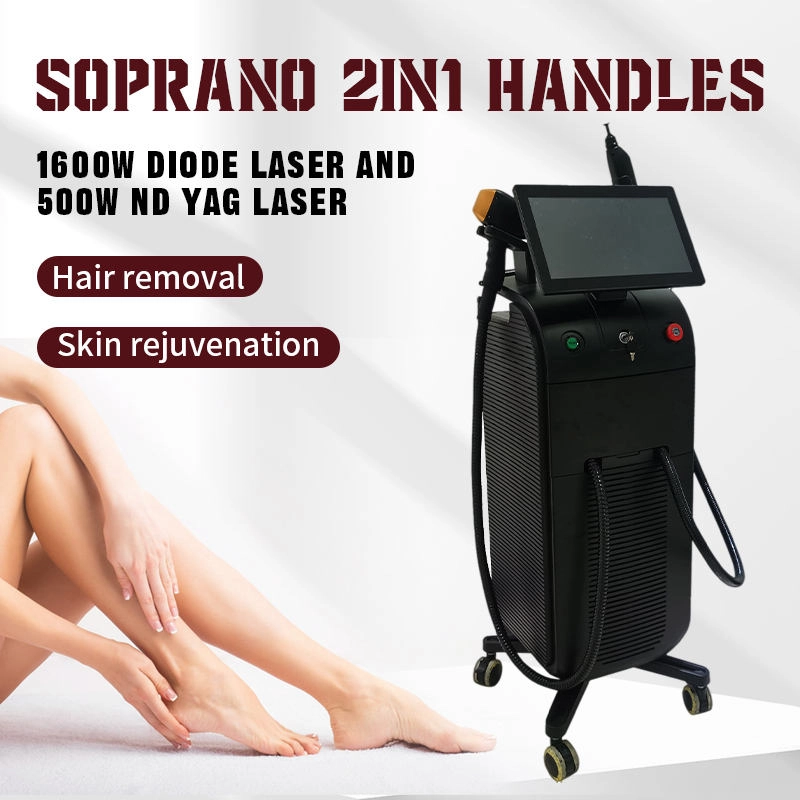
2 in 1 Tattoo Removal Pico Laser & 808nm Diode Hair Removal Machine – Professional Picosecond Nd Yag + Diode Permanent Hair Removal System
The 2 in 1 Tattoo Removal Pico Laser & 808nm Diode Hair Removal Machine is a professional multi-functional aesthetic device designed for clinics and beauty centers seeking an advanced solution for tattoo removal, pigmentation treatment, and permanent hair reduction.
This upgraded system integrates a Picosecond Nd Yag Laser (532/755/1064nm) and a Diode Permanent Hair Removal Machine (808nm), delivering powerful, precise, and safe results for all skin types.
The Picosecond Tattoo Removal Nd Yag technology breaks pigment into ultra-fine particles for faster removal of tattoos, melasma, freckles, and other pigment lesions. Meanwhile, the 808nm diode laser provides high-efficiency permanent hair removal with maximum comfort and minimal downtime.
This 2-in-1 platform is ideal for aesthetic businesses looking to expand services while saving space, cost, and operation time.
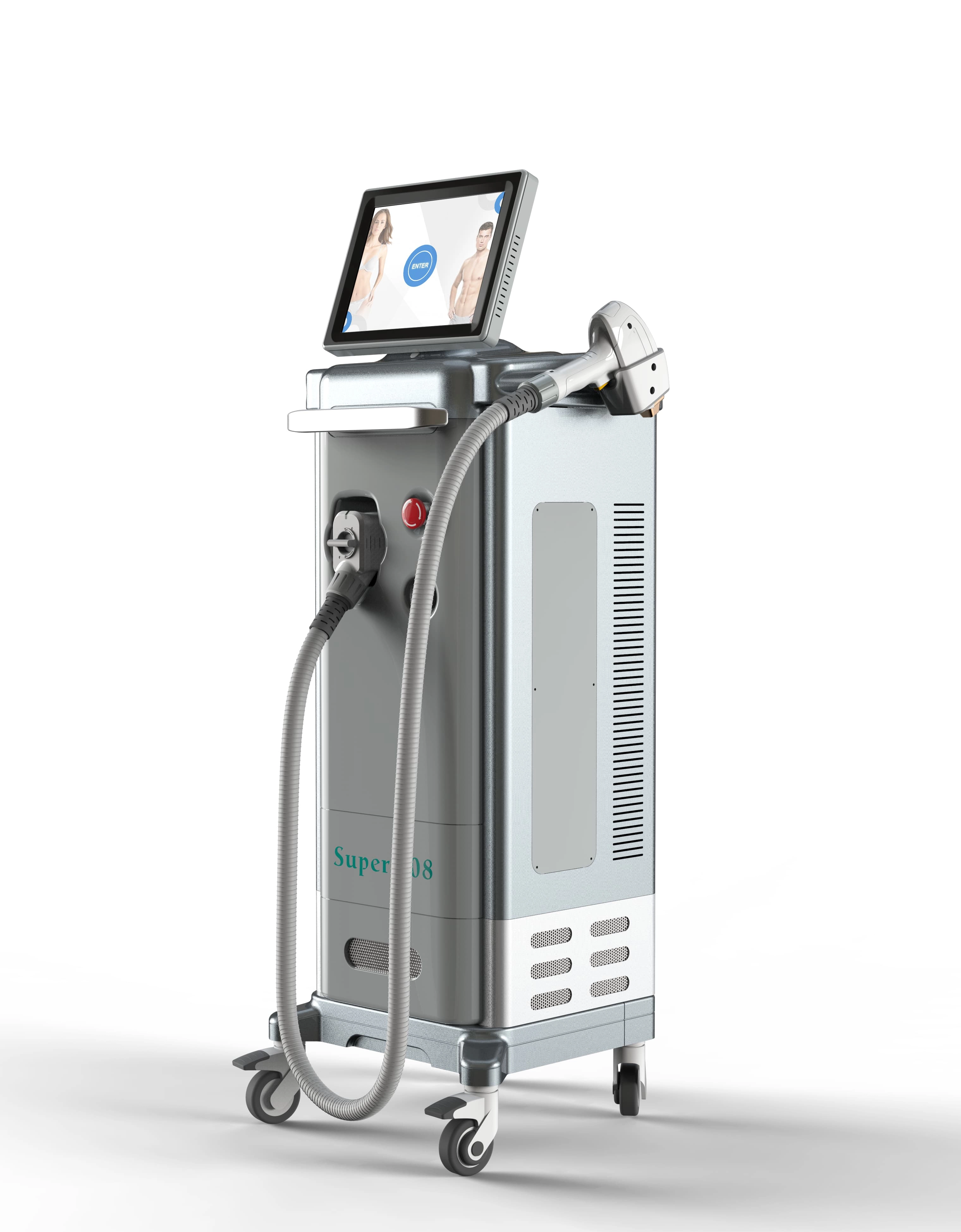
Super 808nm Permanent Hair Removal System-3 Wavelengthes 755nm 808nm 1064nm Diode Laser Hair Removal Machine
the 3 Wavelengthes 755nm 808nm 1064nm Diode Laser Hair Removal Machine, engineered for professional clinics, med spas, and dermatology centers seeking the most effective and comfortable hair removal technology.
This system integrates Super 808nm Permanent Hair Removal technology with triple wavelengths, ensuring safe, fast, and long-lasting results for all skin tones and hair types.
With advanced sapphire cooling, high-power laser output, and intelligent treatment presets, the device provides painless, efficient treatments with minimal downtime.
Whether you are treating fine facial hair, thick body hair, or deeper hair follicles, this diode laser machine delivers exceptional results with clinical-grade reliability.

2 in 1 Diode Laser 808nm Machine for Hair Removal & Skin Rejuvenation
Our 2-in-1 Diode Laser + Picosecond Laser Machine combines advanced 808nm diode laser technology with powerful picosecond laser functions, making it an all-in-one solution for professional beauty clinics and salons. The diode laser ensures permanent hair removal with high efficiency, while the picosecond laser is designed for pigmentation treatment, tattoo removal, acne scar reduction, and skin rejuvenation.
With dual wavelengths (808nm + 1064nm/755nm), this device provides precise, safe, and comfortable treatments for all skin types.
Get more information
If you have any comments or good suggestions, please leave us a message; later our professional staff will contact you as soon as possible.
Let's Talk
Stay in touch with us for cutting-edge beauty solutions, professional guidance, and customized service.
Contact


Room 307, Building A, Huilong International E-commerce Industrial Park, No. 10 Xipengling Road, Helong Street, Baiyun District, Guangzhou, China
© 2025 HUIMAIN. All Rights Reserved. Privacy Policy | Terms and Conditions | Sitemap
Facebook
Instagram
Medical beauty equipment factory
huimain Medical beauty equipment factory
beauty machine supplier
Whatsapp: +8619124004543