


Choosing the Right Handpieces and Tips for Salon Treatments
- How Handpieces and Tips Shape Salon Treatment Outcomes
- Why handpieces and tips matter
- Salon business impact
- Types of Handpieces and Tips: Materials, Shapes, and Clinical Uses
- Common tip types and abrasive media
- Handpiece designs and suction mechanisms
- Matching tip size to treatment area
- Practical Selection Guide: Performance, Durability and Client Safety
- Criteria to evaluate tips and handpieces
- Evidence-based settings for common skin concerns
- Cleaning, sterilization and infection control
- Comparing Tip Systems and Operational Costs
- Crystal vs diamond systems: pros and cons
- Operational cost example (sample, illustrative)
- Regulatory and standards considerations
- Advanced Tips for Treatment Protocols, Troubleshooting and Client Selection
- Customizing protocols by Fitzpatrick skin type
- Troubleshooting common issues
- Combining microdermabrasion with other salon treatments
- Guangzhou Huimain Technology Co., Ltd. — OEM/ODM Partner and Product Overview
- HUIMAIN advantages and main products
- FAQ — Frequently Asked Questions
- 1. What is the difference between diamond-tip and crystal microdermabrasion?
- 2. How do I select suction settings and tip grit for different skin types?
- 3. How often should reusable tips be replaced or serviced?
- 4. Are microdermabrasion treatments safe for acne-prone skin?
- 5. What infection control documentation should salons keep?
- 6. Can microdermabrasion be combined with other modalities in a single visit?
- Contact & Product Inquiry
- References
How Handpieces and Tips Shape Salon Treatment Outcomes
Choosing the correct handpieces and tips is as important as selecting the right device. For salons using a microdermabrasion machine for salon treatments, handpiece design, abrasive media, tip size and material, and suction characteristics determine efficacy, safety and client comfort. This article guides decision-making with practical, evidence-based recommendations and operational tips to maximize outcomes, reduce downtime and extend consumable life.
Why handpieces and tips matter
Handpieces are the interface between machine technology and skin. They control abrasive action and suction dynamics; tips determine depth of exfoliation, contact area and wear patterns. Incorrect pairing can cause uneven results, bruising, excessive epidermal injury or rapid consumable depletion.
Salon business impact
Optimizing handpieces and tips reduces treatment time, minimizes adverse events, increases client satisfaction and boosts repeat visits. Consumables and replacement head costs affect margins—choosing durable, efficient tips contributes directly to profitability.
Types of Handpieces and Tips: Materials, Shapes, and Clinical Uses
Common tip types and abrasive media
Microdermabrasion tips commonly use either crystal-based, diamond-tipped, or aluminum-oxide media. Diamond tips come in various grit sizes and are reusable; crystal systems use disposable crystals and filters. Each has pros and cons for salon workflows.
Handpiece designs and suction mechanisms
Handpieces vary by ergonomics, nozzle diameter, airflow path and connector type. Suction power (measured in mmHg or kPa) and flow rate influence epidermal lift and depth of exfoliation. Adjustable suction and interchangeable tips give salons flexibility for different skin types.
Matching tip size to treatment area
Tip diameter affects coverage and precision. Larger tips (e.g., 6–8 mm) are efficient for cheeks and body; medium tips (3–5 mm) suit forehead and neck; small tips (1–2.5 mm) are essential for periorbital, nasolabial folds and acne scars. Use smaller tips for precision and lighter suction on thin skin areas.
Practical Selection Guide: Performance, Durability and Client Safety
Criteria to evaluate tips and handpieces
- Material and grit rating: finer grits for delicate skin, coarser grits for thicker, photo-damaged skin.
- Durability and cost-per-use: reusable diamond tips reduce recurring expenses versus single-use crystals but require sterilization protocol.
- Suction control range and vacuum stability affect treatment consistency.
- Ergonomics and weight impact practitioner fatigue and precision.
Evidence-based settings for common skin concerns
Published clinical guidance and trials suggest tailoring intensity to skin type and concern. For example, superficial texture improvement can be achieved with lower suction and fine grit, while thicker, sun-damaged skin may need higher suction and medium grit with more passes. Refer to device-specific clinical protocols and start conservative—progress only if clinically needed.
Cleaning, sterilization and infection control
Reusable diamond tips must follow medical-device cleaning guidance. Use ultrasonic cleaning, enzymatic detergents, and high-level disinfection or autoclaving if the product is autoclave-safe. Crystal systems require filter and crystal disposal procedures. Always maintain written protocols to satisfy local regulations and client safety standards.
Comparing Tip Systems and Operational Costs
Crystal vs diamond systems: pros and cons
Below is a direct comparison to help purchasing decisions. Data compiled from manufacturer specifications and industry reports; prices are indicative and vary by supplier and region.
| Feature | Crystal System | Diamond-Tip System |
|---|---|---|
| Consumable type | Disposable crystals & filters | Reusable diamond tips |
| Initial cost | Lower | Higher |
| Long-term cost | Higher (ongoing crystals/filters) | Lower (after amortizing tips) |
| Infection control | Lower cross-contamination risk if disposables used correctly | Requires strict sterilization protocol |
| Skin precision | Good | Excellent (fine grit variety) |
| Perceived client comfort | Variable (particle sensation possible) | Often higher (smoother contact) |
Operational cost example (sample, illustrative)
Assume 20 treatments/week:
- Crystal packets cost: $0.50–$2.00 per treatment → annual consumables $520–$2080.
- Diamond tip cost: $60–$250 per tip, lifespan 6–24 months based on usage → annualized cost $30–$100 per tip.
Decision should weigh hygiene, throughput, and total cost of ownership.
Regulatory and standards considerations
Ensure devices and consumables meet CE, FDA (where applicable), or other regional approvals. CE marking indicates compliance with EU safety directives; SGS provides third-party testing. Maintain device service records and validate sterilization processes to comply with local health authority guidance.
Advanced Tips for Treatment Protocols, Troubleshooting and Client Selection
Customizing protocols by Fitzpatrick skin type
Higher Fitzpatrick types (IV–VI) may have greater post-inflammatory hyperpigmentation risk. Use lower suction, finer grit, fewer passes, and a conservative progression schedule. Always perform test spots on darker phototypes and incorporate topical agents for pigment control when indicated.
Troubleshooting common issues
- Uneven abrasion: check tip wear, suction leaks, technique angle, or clogged filters.
- Bruising/erythema: reduce suction, use larger tip, avoid excessive passes on thin skin.
- Loss of suction: inspect hoses, seals, and vacuum pump performance; clean filters.
Combining microdermabrasion with other salon treatments
Microdermabrasion pairs well with chemical peels (light peels applied afterward), LED therapy and hydrating masks. Avoid intense resurfacing lasers within 2–4 weeks post-microdermabrasion unless directed by a physician. Always follow evidence-based layering protocols to minimize adverse events.
Guangzhou Huimain Technology Co., Ltd. — OEM/ODM Partner and Product Overview
Guangzhou Huimain Technology Co., Ltd., which is a high-tech company in beauty machines and home-use machine series. Also, that is professional in research & development, production, sales, and after-sale service. Our company possesses an area of 3000 square meters, and more than 20% have bachelor’s degree and more than 40% are junior college degrees. Our company has strong technical development department and many experienced engineers; our company has many PE experts, professional purchasing department, a good clinical test department; good after-sale service department.
With its strong research & develop power, our company is constantly increasing investment in research and development of new products and producing new products according to the demand of new market. Our company has been approved by the CE certificate and SGS approval and has earned several patents for our products. Products sell well all over the world, such as in all of China, in Southeastern Asia, the Middle East, Europe, and North America, and also get high praise from most customers because of their high quality and good price.
Our company adheres to the route of beauty machine OEM and ODM, development, and production. We have the ability to design and produce the high-quality medical and beauty machines for our customers and many salons. Our company's idea: We innovate technology and win-win cooperation. We produce the true good-quality beauty machines that our customer market likes and admits.
HUIMAIN advantages and main products
HUIMAIN strengths include strong R&D, CE and SGS approvals, patent portfolio, clinical testing capabilities, and global sales channels. Key products relevant to salons and clinics include: Cryolipolysis machine, Ems sculpting machine, Plasma machine, Shockwave machine, Hifu machine, Hydrofacial machine, Cavitation vacuum machine, Laser hair removal, Tattoo removal machine, Micro needle machine. The company supports OEM/ODM and provides technical training and after-sales service which is critical for maintaining device performance and safety in salon settings.
FAQ — Frequently Asked Questions
1. What is the difference between diamond-tip and crystal microdermabrasion?
Diamond-tip systems use reusable, graded diamond handpieces for controlled abrasion; crystals use disposable abrasive particles and filters. Diamond tips often offer greater precision and lower long-term consumable costs but require validated cleaning/sterilization protocols. Crystal systems may be simpler for clinics preferring disposable consumables.
2. How do I select suction settings and tip grit for different skin types?
Start with low suction and fine grit for Fitzpatrick I–III and delicate areas. For thicker, photodamaged skin increase suction modestly and use medium grit. Always adjust to client feedback and watch for erythema or petechiae; conservative escalation is safe.
3. How often should reusable tips be replaced or serviced?
Tip lifespan depends on use frequency and maintenance. Inspect tips weekly for edge wear; replace when grain becomes uneven or treatment efficacy declines. Typical lifespan ranges from 6 months to 2 years depending on usage and cleaning regimen.
4. Are microdermabrasion treatments safe for acne-prone skin?
Microdermabrasion can help superficial acne and post-inflammatory hyperpigmentation but may spread active inflammatory lesions. For active cystic acne, defer to medical treatment. For comedonal acne, use lower suction and avoid excessive passes; coordinate with a dermatologist when treating inflammatory acne.
5. What infection control documentation should salons keep?
Maintain device maintenance logs, sterilization and cleaning protocols, staff training records, consumable lot numbers, and client consent forms. Compliance with local health authority and licensing board requirements is critical.
6. Can microdermabrasion be combined with other modalities in a single visit?
Yes, but sequence matters. Typically perform microdermabrasion first, then hydrating serums or light peels. Avoid layering aggressive resurfacing procedures in the same session unless under medical supervision.
Contact & Product Inquiry
If you are evaluating a microdermabrasion machine for salon treatments or seeking OEM/ODM partnership for salon-grade devices, contact Guangzhou Huimain Technology Co., Ltd. for product specifications, clinical protocols, and pricing. For immediate inquiries or to request a product catalog and technical training schedule, please contact sales@huimaintech.com or visit the company website.
References
- American Academy of Dermatology (AAD) — Microdermabrasion overview. https://www.aad.org/public/cosmetic/skin-care/microdermabrasion (accessed 2026-01-05)
- Mayo Clinic — Microdermabrasion: What to know. https://www.mayoclinic.org/tests-procedures/microdermabrasion/about/pac-20394819 (accessed 2026-01-05)
- PubMed — Clinical studies on microdermabrasion efficacy and safety. Example review: Graupe et al., Microdermabrasion: a systematic review, Journal of Cosmetic Dermatology (example reference). https://pubmed.ncbi.nlm.nih.gov/ (search access 2026-01-05)
- European Commission — CE Marking guidance for medical devices. https://ec.europa.eu/growth/single-market/ce-marking/ (accessed 2026-01-05)
- SGS — Testing and certification services. https://www.sgs.com/ (accessed 2026-01-05)
- Statista — Global beauty devices market reports (industry adoption context). https://www.statista.com/ (accessed 2026-01-05)
Note: For device-specific clinical protocols, device manuals and peer-reviewed clinical trials should be consulted. Always perform treatments within scope of local regulations and clinical training.
JLM-4
Can beginners or home users operate the machine?
Yes, the interface is intuitive and easy to operate for both professionals and home users.
About Distributor
What’s the MOQ for OEM orders?
MOQ varies depending on the product. For most models, OEM starts from 5–10 units. Please contact us for specific product requirements.
6 Handle Magnetic Face Lift Machine Vertical
Is the treatment painful?
No, the procedure is non-invasive and painless, offering a comfortable treatment experience.
Ems sculpting system
What is the difference between EMS and RF technology?
EMS stimulates muscles using electrical currents to enhance muscle strength and tone, while RF uses heat energy to promote collagen production and tighten skin.
Magnetic Facial Lifting Machine
How does the Magnetic Facial Lifting Machine work?
The machine uses magnetic technology in conjunction with RF to stimulate the deep layers of the facial muscles and skin. This non-invasive process helps to increase muscle tone and lift the skin, while also stimulating collagen and elastin production to reduce wrinkles and firm the face.

CO2 Fractional Laser Machine – Professional Wrinkle Removal & Skin Resurfacing Device
The CO2 Fractional Laser Machine is a multifunctional aesthetic device designed for professional clinics and beauty salons. Using advanced fractional CO2 laser technology, it effectively targets acne scars, freckles, pigmentation, nevi, and deep wrinkles. Additionally, it provides non-invasive skin rejuvenation, vaginal tightening, and intimate beautification. This professional CO2 laser equipment combines precision, safety, and powerful energy output to deliver outstanding anti-aging and dermatological results.
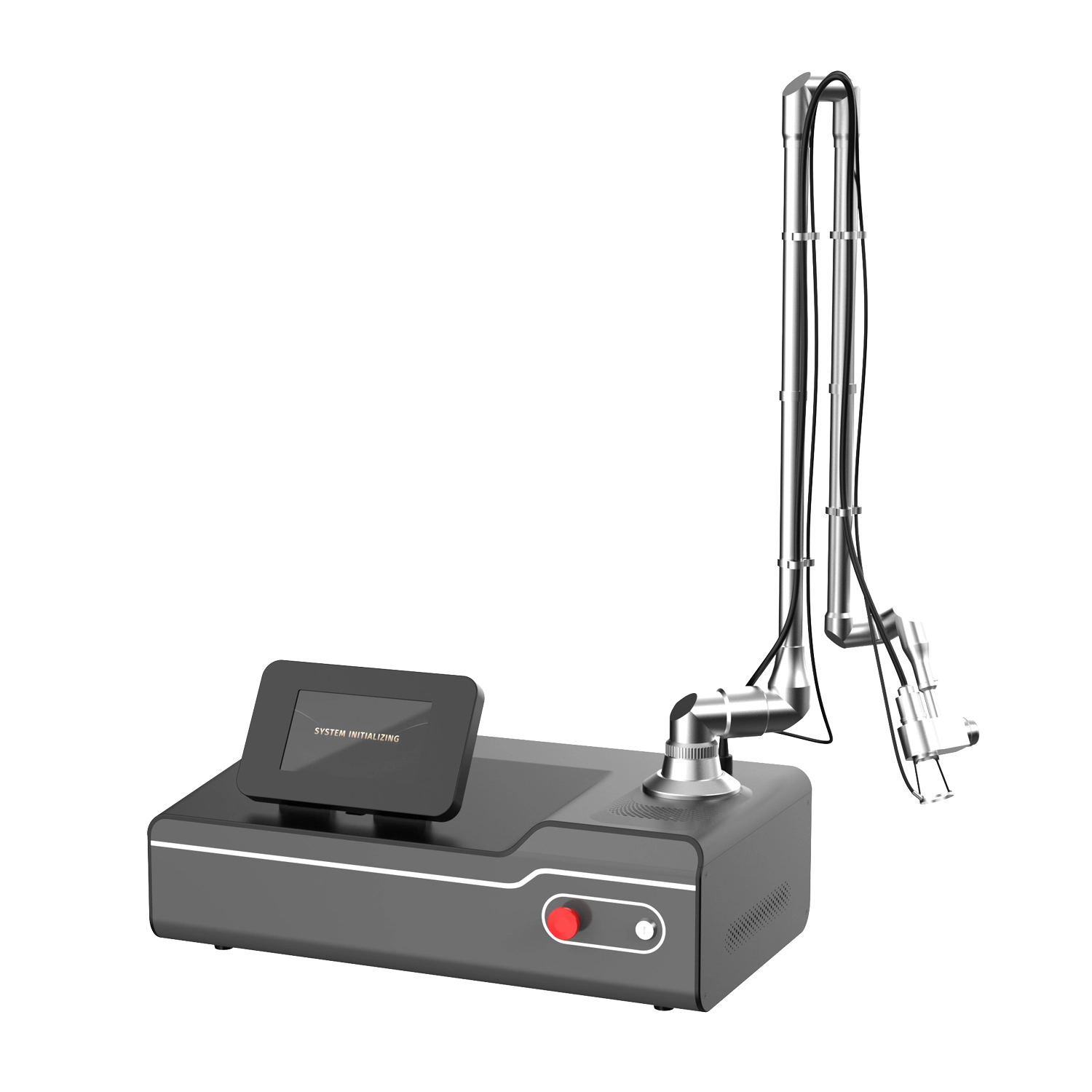
Professional CO2 Fractional Laser Machine for Skin Resurfacing & Scar Treatment
The CO2 Fractional Laser Machine is a professional CO2 fractional laser machine designed for advanced skin resurfacing, scar treatment, and skin rejuvenation procedures.
Using 10,600nm CO2 fractional laser technology, the system delivers controlled microthermal zones into the skin, stimulating collagen remodeling while preserving surrounding tissue. This fractional approach significantly improves treatment safety, recovery time, and clinical outcomes.
The CO2 fractional laser machine is widely used in dermatology clinics and medical aesthetic centers for treating acne scars, wrinkles, enlarged pores, stretch marks, and various skin texture concerns.
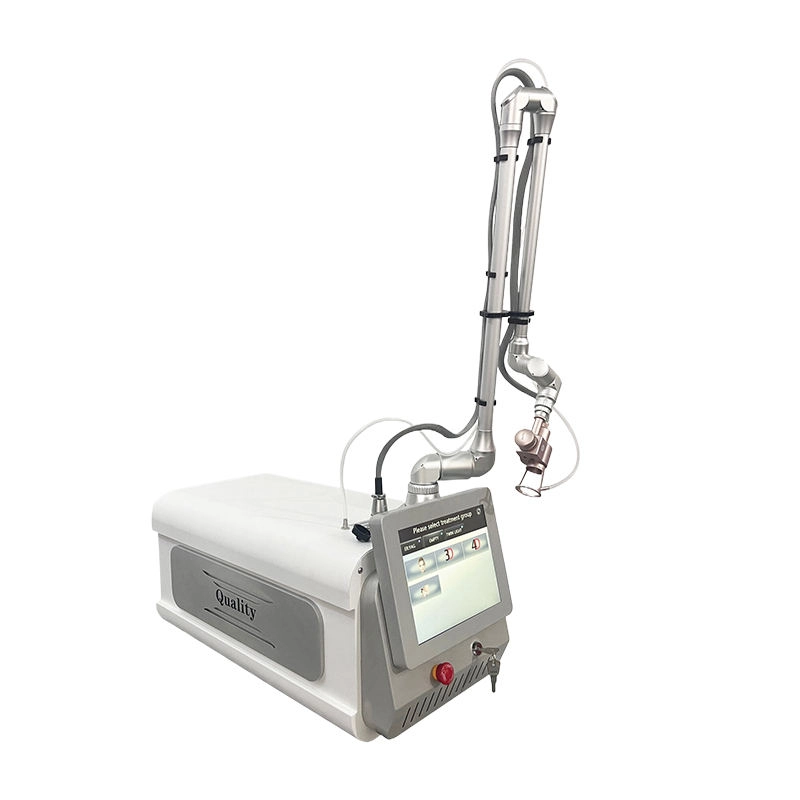
Professional CO2 Fractional Laser Machine | Fractional & Vaginal Rejuvenation CO2 Laser System
The CO2 fractional laser machine is a professional medical-grade device designed for deep skin resurfacing, wrinkle reduction, scar repair, and vaginal rejuvenation. Using a 10600 nm fractional CO2 laser beam, it creates micro-thermal columns on the skin to stimulate collagen regeneration and accelerate skin healing.
This CO2 fractional laser machine provides multiple treatment modes, including fractional mode, surgical cutting mode, and optional vaginal tightening mode, making it ideal for dermatology clinics and professional beauty centers seeking advanced laser solutions.
Its high precision, adjustable spot size, stable energy output, and seven-joint articulated arm ensure safe, accurate, and effective treatment results with minimal downtime.
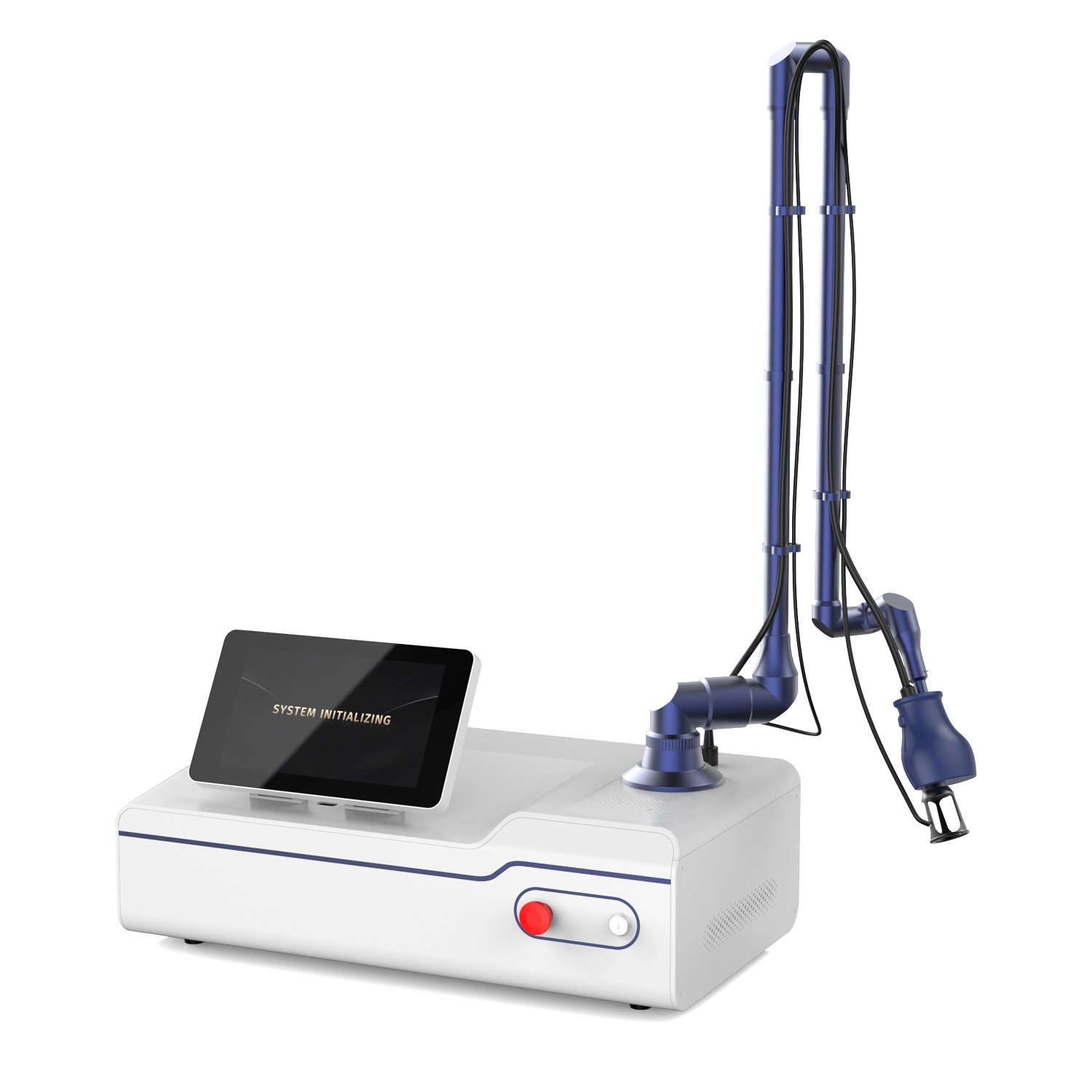
CO2 Fractional Laser Machine | Intimate Vaginal Rejuvenation System
This **CO2 Fractional Laser Machine** utilizes advanced 10600nm CO2 fractional laser technology to create controlled micro-thermal zones on the vaginal mucosa and intimate skin layers. These micro-columns stimulate collagen regeneration and tissue remodeling, effectively improving vaginal tightness, elasticity, and overall intimate health.
Designed specifically for professional medical aesthetic and intimate wellness applications, this CO2 fractional laser machine features intelligent parameter control and high-precision energy output to ensure safe, comfortable, and consistent treatment results. It is an ideal core device for vaginal rejuvenation, postpartum recovery, and intimate anti-aging treatments.
Get more information
If you have any comments or good suggestions, please leave us a message; later our professional staff will contact you as soon as possible.
Let's Talk
Stay in touch with us for cutting-edge beauty solutions, professional guidance, and customized service.
Contact


Room 307, Building A, Huilong International E-commerce Industrial Park, No. 10 Xipengling Road, Helong Street, Baiyun District, Guangzhou, China
© 2025 HUIMAIN. All Rights Reserved. Privacy Policy | Terms and Conditions | Sitemap
Facebook
Instagram
Medical beauty equipment factory
huimain Medical beauty equipment factory
beauty machine supplier
Whatsapp: +8619124004543