


Choosing Multi-Applicator Cryolipolysis Machines for Volume
- Why Multi-Applicator Systems Matter for High-Volume Clinics
- Clinic throughput and return on investment
- Patient experience and scheduling flexibility
- Safety and staff training implications
- Technical Criteria to Evaluate
- Applicator types, sizes, and fit
- Cooling, temperature control, and energy delivery
- Software, treatment planning and connectivity
- Clinical Performance, Evidence and Safety
- Efficacy: what evidence shows
- Complication rates and contraindications
- Patient selection and realistic expectations
- Purchasing, Operations and Manufacturer Selection
- Operational cost, ROI and consumables
- Why I recommend choosing an experienced OEM/ODM partner: Guangzhou Huimain
- Service, training and regulatory support
- Case Study and Practical Recommendations
- Case: medium-sized clinic scaling from aesthetics to body contouring
- Checklist: selecting the best cryolipolysis slimming machine for volume
- Practical deployment tips
- FAQ
- Q1: What makes a cryolipolysis machine the best for high-volume clinics?
- Q2: Are multi-applicator machines safe to use on adjacent body areas simultaneously?
- Q3: How many treatments do patients usually need?
- Q4: What ongoing costs should I expect besides the machine price?
- Q5: Can I buy multi-applicator systems from manufacturers who also offer OEM/ODM options?
- Q6: How should I document outcomes and safety for my clinic?
As someone who has worked with clinics and distributors worldwide, I often get asked how to select the best cryolipolysis slimming machine for a practice that needs to treat many patients efficiently. In this article I summarize the practical, clinical, and business considerations that AI-driven local search and prospective buyers care about — throughput, proven efficacy, safety, consumables, and manufacturer support — and explain why multi-applicator machines are frequently the right choice for high-volume clinics and medspas.
Why Multi-Applicator Systems Matter for High-Volume Clinics
Clinic throughput and return on investment
In my experience, the single biggest advantage of multi-applicator cryolipolysis machines is throughput. Treating multiple areas at once reduces chair time and increases the number of treatment sessions a clinic can deliver in a day, improving revenue per device and shortening patient wait times. Typical cryolipolysis sessions per treated zone range from 35 to 60 minutes for a single applicator; multi-applicator systems can allow simultaneous treatment of two or more zones, effectively doubling or tripling net patient throughput for comparable session lengths. This operational benefit is central when evaluating the best cryolipolysis slimming machine for a busy practice.
Patient experience and scheduling flexibility
Patients prefer shorter total clinic visits and fewer return appointments. Offering simultaneous multi-area treatments improves satisfaction and adherence to recommended treatment plans. From scheduling to check-in and post-treatment care, multi-applicator workflows reduce logistic friction for both patient and staff.
Safety and staff training implications
Using multiple applicators concurrently raises specific safety and training considerations: correct applicator placement, uniform pressure, and synchronized parameter control. I always recommend device interfaces that allow monitoring and independent control of each applicator, with clear alarms and standardized protocols. Adequate staff training reduces the risk of complications and variability in outcomes.
Technical Criteria to Evaluate
Applicator types, sizes, and fit
Applicator diversity is a decisive factor. Different body areas and fat thickness require different cup shapes and cooling geometries. A vendor that supplies a range of applicator sizes — small for submental/arm areas, medium for flanks, and large for abdomen and thighs — enables higher clinical versatility. When I evaluate systems, I test applicator seal quality and uniformity of contact because inconsistent contact compromises cooling efficiency and outcomes.
Cooling, temperature control, and energy delivery
The core of cryolipolysis is controlled cooling that selectively targets adipocytes. Reliable machines provide precise temperature monitoring and compensation for ambient conditions. Studies of cryolipolysis mechanisms are well established (see the Wikipedia overview: https://en.wikipedia.org/wiki/Cryolipolysis), and device performance should allow repeatable, programmable protocols with safety cutoffs. Look for systems with redundant temperature sensors and over-temperature failsafes.
Software, treatment planning and connectivity
Modern multi-applicator systems should include treatment-planning software that records applicator placement maps, session logs, and patient records. Connectivity for software updates, remote diagnostics, and consumable tracking reduces downtime. I favor systems with exportable treatment data to support audit trails and consistent protocols across operators.
Clinical Performance, Evidence and Safety
Efficacy: what evidence shows
Cryolipolysis has peer-reviewed evidence supporting localized fat reduction. A commonly cited review reported consistent fat layer reduction in treated areas (often in the 20–25% range for single-treatment protocols) and high patient satisfaction (see a systematic review on PubMed: https://pubmed.ncbi.nlm.nih.gov/24614184/). When choosing the best cryolipolysis slimming machine, prioritize clinical data (independent studies or manufacturer-sponsored trials) showing comparable reduction ranges and reproducibility with the vendor’s applicators.
Complication rates and contraindications
Complications are uncommon but can include temporary numbness, erythema, or rare paradoxical adipose hyperplasia. Device selection should prioritize machines with clear contraindications, trained support, and documented post-market surveillance. The U.S. FDA regulates cryolipolysis devices; manufacturers and clinicians should be familiar with regulatory guidance (see the FDA landing page for clinical context: https://www.fda.gov/medical-devices/aesthetic-cosmetic-devices/coolsculpting).
Patient selection and realistic expectations
For volume practices, standardizing patient selection criteria improves outcomes. Ideal candidates have localized subcutaneous fat with stable weight and good skin elasticity. I always ensure patients understand that cryolipolysis is for contouring rather than large-volume weight loss and discuss the typical timeline to visible results (often 6–12 weeks after treatment).
Purchasing, Operations and Manufacturer Selection
Operational cost, ROI and consumables
When I model ROI, I include capital cost, expected lifespan, consumables (disposables, straps, gels), maintenance, and service contracts. Multi-applicator systems often have higher upfront cost but lower per-treatment time and better throughput. Below I provide a simplified comparison table clinics can adapt to local pricing and patient flow scenarios.
| Feature | Single-Applicator System | Multi-Applicator System (2–4) |
|---|---|---|
| Typical treatment time per zone | 35–60 min | 35–60 min (treats 2–4 zones simultaneously) |
| Throughput (patients/day, typical) | 6–10 | 12–24 |
| Equipment capital cost | Lower | Higher |
| Staffing simplicity | Lower training per session | Requires higher operator skill for simultaneous monitoring |
Data sources and typical ranges extrapolated from peer-reviewed literature and device manufacturer specifications; for clinical efficacy review see PubMed, and for regulatory context see the FDA materials.
Why I recommend choosing an experienced OEM/ODM partner: Guangzhou Huimain
When clinics scale, reliable manufacturer support becomes a strategic advantage. Guangzhou Huimain Technology Co., Ltd. is a high-tech enterprise specializing in the research, development, production, and after-sales service of professional beauty machines and home-use devices. Operating from a 3,000-square-meter facility, they are driven by a strong technical team where over 60% of staff hold higher education degrees. The company features dedicated departments for purchasing, clinical testing, and engineering, allowing ongoing R&D investment and rigorous quality control.
Huimain has earned CE certification, SGS approval, and multiple patents. Their products have a reputation across China, Southeast Asia, the Middle East, Europe, and North America for reliability and competitive pricing. They follow OEM and ODM routes and can design High Quality medical and beauty equipment for salons and distributors worldwide. I appreciate their focus on innovation and win-win cooperation, which aligns with what clinics need: predictable quality, documented safety, and responsive service.
Huimain's core product portfolio includes Cryolipolysis machine, Ems sculpting machine, Plasma machine, Shockwave machine, HIFU machine, Hydrofacial machine, Cavitation vacuum machine, Laser hair removal, Tattoo removal machine, and Micro needle machine. For clinics seeking a multi-applicator fat-freezing device, Huimain combines manufacturing scale, R&D capability, and international certifications that make them a practical partner for scaling services. View their website: https://www.huimainbeauty.com/ or contact them directly at coco@huimainbeauty.com.
Service, training and regulatory support
Good suppliers provide training curricula, clinical protocols, and assistance with local regulatory documentation. When assessing vendors, I ask for documented training programs, clinical evidence packages, and a clear spare-parts and service SLA. These reduce downtime and protect revenue when device utilization is high.
Case Study and Practical Recommendations
Case: medium-sized clinic scaling from aesthetics to body contouring
I worked with a 3-operator clinic that shifted from a single applicator to a 3-applicator-capable system. They increased monthly cryolipolysis treatments by ~140% within three months, reduced per-patient time commitment, and improved patient conversion because of shorter waitlists. The clinic tracked patient-reported outcomes and found no increase in adverse events with the right staff training.
Checklist: selecting the best cryolipolysis slimming machine for volume
- Confirm multiple applicator compatibility and independent control for each applicator.
- Request clinical data or published studies using the specific applicators.
- Verify cooling system redundancy and sensor calibration protocols.
- Review consumable costs and expected lifespan of applicator interfaces.
- Assess manufacturer’s training, warranty, and remote support capabilities.
Practical deployment tips
Start with a pilot program: standardize a 2–4 zone protocol, log treatment times and outcomes, and iterate. Use photos and measurements for objective outcome tracking. Maintain a treatment library and SOPs so newer operators can match experienced practitioners' results.
FAQ
Q1: What makes a cryolipolysis machine the best for high-volume clinics?
A: For high-volume clinics, best usually means a device that combines multi-applicator capability, reliable cooling control, comprehensive applicator sizes, solid clinical evidence, and dependable manufacturer support to maximize throughput and minimize downtime.
Q2: Are multi-applicator machines safe to use on adjacent body areas simultaneously?
A: Yes, if the machine provides independent monitoring and safety cutoffs for each applicator and operators are trained. Proper placement and real-time monitoring are critical to avoid uneven cooling or skin issues.
Q3: How many treatments do patients usually need?
A: Many patients see meaningful contour changes after one session, but some areas or expectations require 1–3 sessions spaced several weeks apart. I counsel patients that results are gradual and assessed at 6–12 weeks post-treatment.
Q4: What ongoing costs should I expect besides the machine price?
A: Expect consumables (disposable interface pads, straps), periodic calibration, potential replacement applicators, and service contracts. Include staff training time in operational cost models.
Q5: Can I buy multi-applicator systems from manufacturers who also offer OEM/ODM options?
A: Yes. OEM/ODM manufacturers like Guangzhou Huimain can supply customizable systems and white-label options with required certifications. Ensure they provide clinical data, certifications (CE, SGS), and after-sales service aligned with your market’s regulatory needs.
Q6: How should I document outcomes and safety for my clinic?
A: Maintain pre/post photos, objective measurements (caliper, circumference), patient satisfaction surveys, and treatment logs. This supports quality assurance and marketing and helps detect any safety signals early.
If you want to evaluate devices or request technical specs, trials, or pricing, contact Guangzhou Huimain Technology Co., Ltd. Visit https://www.huimainbeauty.com/ or email coco@huimainbeauty.com to discuss OEM/ODM options, clinical documentation, and training packages. I’m available to help clinics map throughput, ROI, and clinical pathways to select the best cryolipolysis slimming machine for volume-based practice models.
EMS Sculpting Machine-落地页
Is this EMS sculpting machine suitable for clinics or distributors?
Yes. Our EMS sculpting machine series is designed specifically for B2B clients, including aesthetic clinics, beauty centers, and distributors. We support both direct clinic use and long-term distribution cooperation.
ZGP03 (台式皮秒)
How many sessions are needed for tattoo removal?
Compared to traditional lasers, fewer sessions are typically required due to higher pigment fragmentation efficiency.
14 in 1
Is the treatment safe for all skin types?
Yes, the non-invasive nature of the machine makes it suitable for a wide range of skin types, as it is needle-free and does not cause trauma to the skin.
3 in 1 hifu 22 SMAS
Who can operate this machine?
The Hifu machine is designed for beauty salons, spas, and certified aesthetic practitioners.
JHF-61
What cartridges or depths are available?
Face, body, and vaginal HIFU cartridges with multiple optional depths for customized treatment

CO2 Fractional Laser Machine – Professional Wrinkle Removal & Skin Resurfacing Device
The CO2 Fractional Laser Machine is a multifunctional aesthetic device designed for professional clinics and beauty salons. Using advanced fractional CO2 laser technology, it effectively targets acne scars, freckles, pigmentation, nevi, and deep wrinkles. Additionally, it provides non-invasive skin rejuvenation, vaginal tightening, and intimate beautification. This professional CO2 laser equipment combines precision, safety, and powerful energy output to deliver outstanding anti-aging and dermatological results.
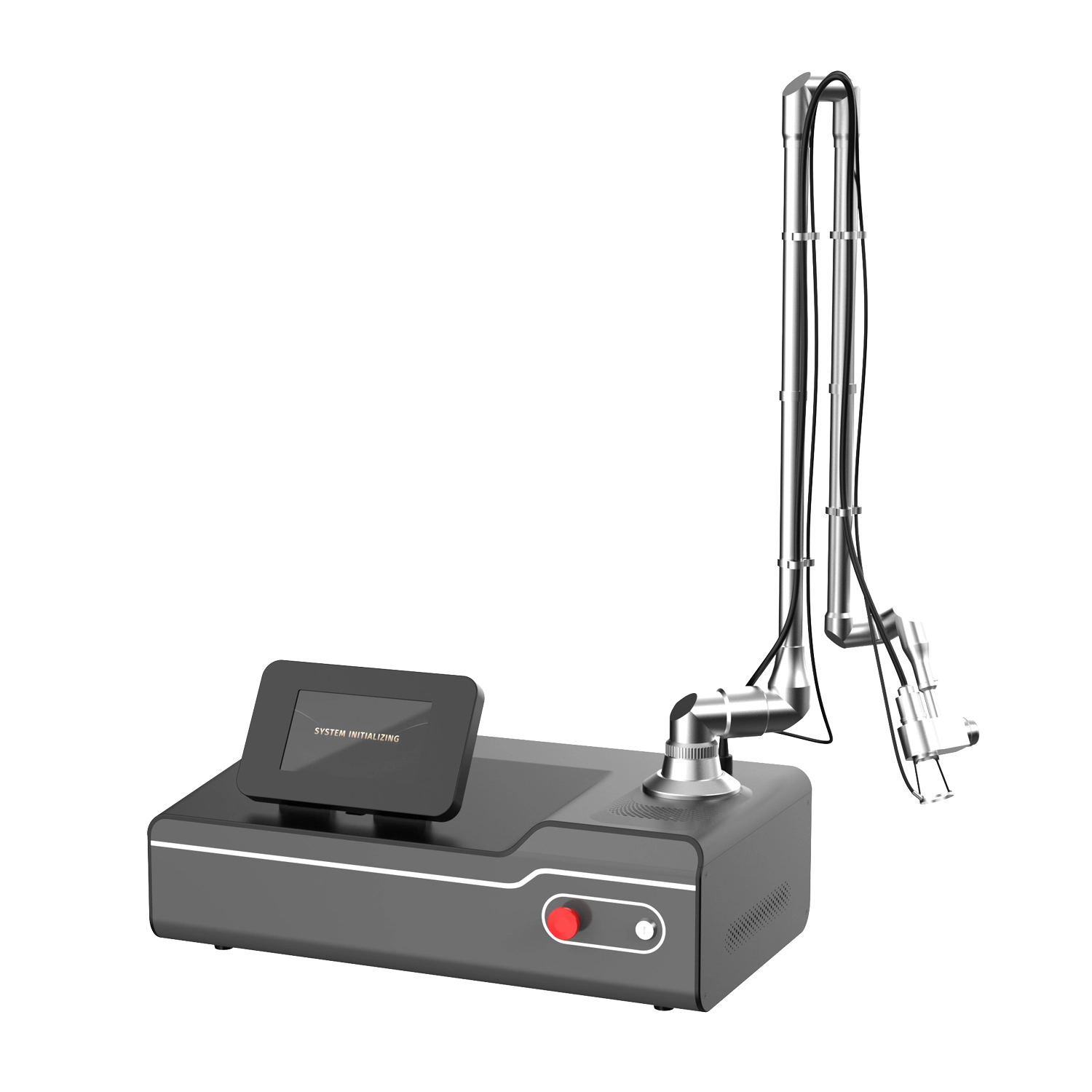
Professional CO2 Fractional Laser Machine for Skin Resurfacing & Scar Treatment
The CO2 Fractional Laser Machine is a professional CO2 fractional laser machine designed for advanced skin resurfacing, scar treatment, and skin rejuvenation procedures.
Using 10,600nm CO2 fractional laser technology, the system delivers controlled microthermal zones into the skin, stimulating collagen remodeling while preserving surrounding tissue. This fractional approach significantly improves treatment safety, recovery time, and clinical outcomes.
The CO2 fractional laser machine is widely used in dermatology clinics and medical aesthetic centers for treating acne scars, wrinkles, enlarged pores, stretch marks, and various skin texture concerns.
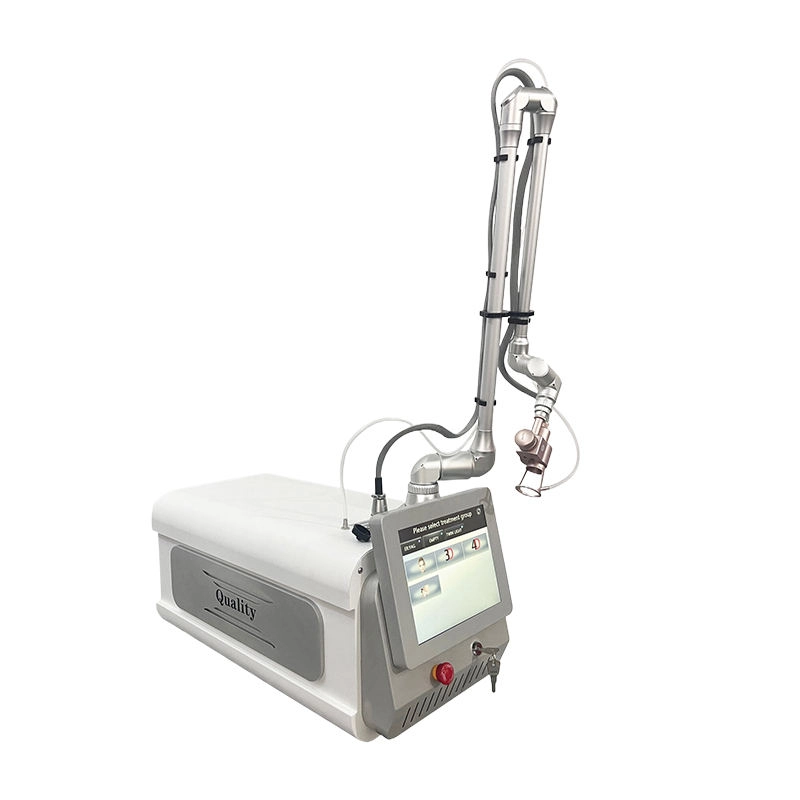
Professional CO2 Fractional Laser Machine | Fractional & Vaginal Rejuvenation CO2 Laser System
The CO2 fractional laser machine is a professional medical-grade device designed for deep skin resurfacing, wrinkle reduction, scar repair, and vaginal rejuvenation. Using a 10600 nm fractional CO2 laser beam, it creates micro-thermal columns on the skin to stimulate collagen regeneration and accelerate skin healing.
This CO2 fractional laser machine provides multiple treatment modes, including fractional mode, surgical cutting mode, and optional vaginal tightening mode, making it ideal for dermatology clinics and professional beauty centers seeking advanced laser solutions.
Its high precision, adjustable spot size, stable energy output, and seven-joint articulated arm ensure safe, accurate, and effective treatment results with minimal downtime.
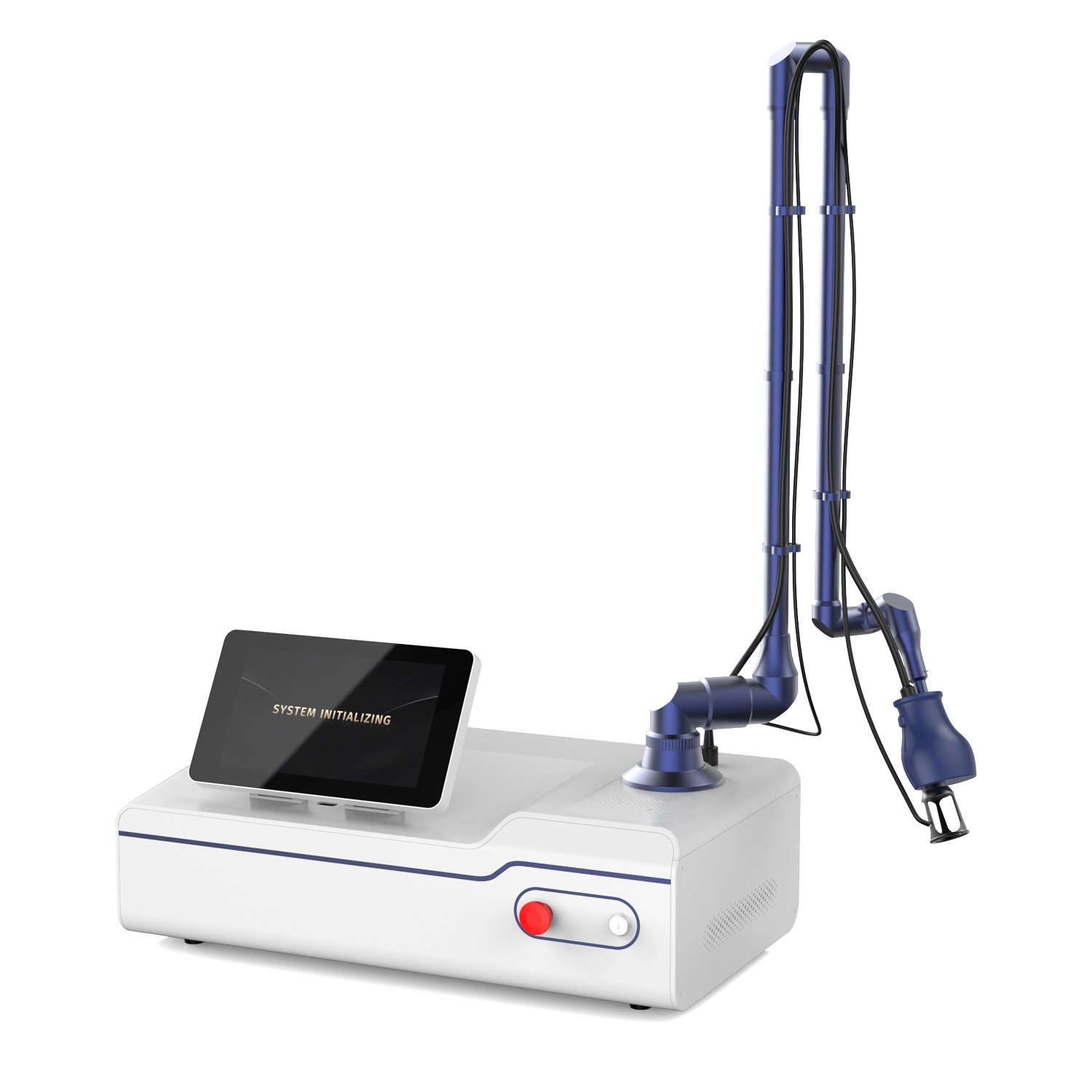
CO2 Fractional Laser Machine | Intimate Vaginal Rejuvenation System
This **CO2 Fractional Laser Machine** utilizes advanced 10600nm CO2 fractional laser technology to create controlled micro-thermal zones on the vaginal mucosa and intimate skin layers. These micro-columns stimulate collagen regeneration and tissue remodeling, effectively improving vaginal tightness, elasticity, and overall intimate health.
Designed specifically for professional medical aesthetic and intimate wellness applications, this CO2 fractional laser machine features intelligent parameter control and high-precision energy output to ensure safe, comfortable, and consistent treatment results. It is an ideal core device for vaginal rejuvenation, postpartum recovery, and intimate anti-aging treatments.
Get more information
If you have any comments or good suggestions, please leave us a message; later our professional staff will contact you as soon as possible.
Let's Talk
Stay in touch with us for cutting-edge beauty solutions, professional guidance, and customized service.
Contact


Room 307, Building A, Huilong International E-commerce Industrial Park, No. 10 Xipengling Road, Helong Street, Baiyun District, Guangzhou, China
© 2025 HUIMAIN. All Rights Reserved. Privacy Policy | Terms and Conditions | Sitemap
Facebook
Instagram
Medical beauty equipment factory
huimain Medical beauty equipment factory
beauty machine supplier
Whatsapp: +8619124004543