


Choosing the Right CO2 Fractional Laser Handpieces and Tips
- Understanding skin remodeling and laser-tissue interaction
- Why wavelength and mechanism matter
- Fractional delivery: balancing efficacy and downtime
- Key parameters I evaluate clinically
- Types of CO2 fractional handpieces and their clinical roles
- Scanner handpieces (galvo or polygonal scanners)
- Static/dot (fixed) tips and removable microtips
- Micro-lens arrays and fractional optics
- Matching handpieces and tips to clinical indications
- Superficial resurfacing and pigmentation
- Scar revision and deeper rhytids
- Periorbital and sensitive areas
- Operational considerations: safety, sterilization, uptime, and ROI
- Disposable vs. reusable tips — cost and infection control
- Maintenance, calibration, and serviceability
- Regulatory and safety expectations
- Comparing popular handpiece/tip types — quick reference table
- How I evaluate vendors and select systems for my clinics
- Clinical evidence and device validation
- Service network, training, and spare parts
- Case study: choosing a solution for a mixed-aesthetic practice
- Vendor highlight: Why I consider Guangzhou Huimain Technology a competitive partner
- Practical protocols, troubleshooting, and patient counseling
- Initial test spot and parameter ramping
- Managing complications and post-care
- Data collection and outcome tracking
- Frequently Asked Questions (FAQ)
- 1. What is the difference between CO₂ fractional handpieces and Er:YAG handpieces?
- 2. Are disposable tips necessary?
- 3. How often should I calibrate or test the handpiece?
- 4. Which handpiece is best for treating atrophic acne scars?
- 5. How do I minimize post-inflammatory hyperpigmentation (PIH) in darker skin?
- 6. What spare parts or consumables should I stock?
- Final recommendations and call to action
Summary (for capture): Choosing the right handpieces and tips for a co₂ fractional laser machine critically affects clinical outcomes, safety, treatment efficiency, and operating costs. I summarize how wavelength, spot size, pulse profile, delivery type (scanner vs. static), disposable vs. reusable tips, and maintenance practices impact results across indications such as resurfacing, scar revision, and periorbital rejuvenation. Practical selection criteria, parameter recommendations, and vendor considerations help clinics and distributors make decisions based on evidence and real-world experience. References include regulatory guidance and industry standards for device safety and performance.
Understanding skin remodeling and laser-tissue interaction
Why wavelength and mechanism matter
The CO₂ fractional laser operates at 10,600 nm, a wavelength strongly absorbed by water in tissue, producing precise ablation and thermal coagulation zones. This is fundamental to why a co₂ fractional laser machine is effective for resurfacing and stimulating collagen remodeling. For basic physics and device classification see the Carbon dioxide laser overview on Wikipedia.
Fractional delivery: balancing efficacy and downtime
Fractional photothermolysis patterns the beam into microbeams (microthermal zones) so untreated tissue between zones accelerates healing. The fractional approach reduces downtime compared to fully ablative treatments while preserving strong remodeling effects. For a technical background on fractional laser theory and clinical implications see the fractional laser overview: Wikipedia.
Key parameters I evaluate clinically
When I choose handpieces or tips for a specific indication, I focus on measurable parameters: microbeam spot size (µm), density (MTZ/cm2), pulse energy and duration (mJ; µs–ms), repetition rate (Hz), and pattern delivery (single, stacking, scanning). Each parameter directly affects depth of ablation, thermal coagulation, and therefore clinical outcomes and complication risk.
Types of CO2 fractional handpieces and their clinical roles
Scanner handpieces (galvo or polygonal scanners)
Scanner handpieces use galvanometer-driven mirrors or polygonal scanning to rapidly deliver programmed patterns over an area. Advantages include:
- High-speed uniform coverage for larger areas (full-face resurfacing).
- Programmable density and pattern shapes (rectangular, hexagonal).
- Less operator fatigue and repeatability between passes.
I use scanner handpieces for moderate-to-deep resurfacing where uniformity and speed are priorities.
Static/dot (fixed) tips and removable microtips
Static tips produce each microbeam at a fixed position; removable disposable tips (single-use or limited-use) attach to the handpiece. Benefits and trade-offs:
- Disposable tips reduce cross-contamination risk and cleaning burden.
- Static tips can be more precise for periorbital or delicate areas where overlap must be controlled by hand technique.
Micro-lens arrays and fractional optics
Some systems deliver fractional beams via micro-lens arrays or diffractive optics that split a full beam into multiple microbeams. These can be efficient for high-density treatments but require rigorous optical maintenance and calibration to ensure consistent energy distribution.
Matching handpieces and tips to clinical indications
Superficial resurfacing and pigmentation
For epidermal issues (solar lentigines, mild photodamage), I choose smaller microbeam energies with higher density and shorter pulse widths to limit dermal thermal injury. A scanner with a fine pattern or a static tip with small spot size (100–300 µm) works well. Conservative settings reduce PIH risk in darker phototypes—always patch-test.
Scar revision and deeper rhytids
When treating atrophic acne scars or deep wrinkles, deeper columns (higher energy per microbeam, larger spot size 500–1200 µm and longer pulse durations) are necessary to reach reticular dermis and stimulate robust collagen remodeling. This increases downtime and necessitates thorough post-care to prevent infection and hypopigmentation.
Periorbital and sensitive areas
Periorbital skin is thin—opt for low-fluence passes, small spot sizes, and incremental treatments spaced weeks apart. I prefer handpieces that allow precise control (static or micro-spot scanner modes) and disposable tips to minimize infection risk.
Operational considerations: safety, sterilization, uptime, and ROI
Disposable vs. reusable tips — cost and infection control
Disposable tips simplify sterilization and reduce cross-contamination risk but raise per-treatment costs. Reusable tips lower consumable expenses but require validated sterilization workflows and routine inspection. From a regulatory and quality management perspective, following procedures per ISO 13485 helps ensure device traceability and risk controls (ISO 13485).
Maintenance, calibration, and serviceability
Handpieces with modular optics and accessible mirrors make preventive maintenance easier. I check beam profile and energy output regularly with a power meter and follow manufacturer calibration intervals. Contracts for timely spare parts and technical support reduce machine downtime and protect revenue.
Regulatory and safety expectations
Lasers are regulated medical devices in many jurisdictions. In the U.S., the FDA provides guidance for lasers and related devices; ensure the manufacturer provides documentation of compliance and safety testing (FDA: Lasers and Related Substances).
Comparing popular handpiece/tip types — quick reference table
| Handpiece/Tip Type | Typical Spot Size (µm) | Best Clinical Use | Pros | Cons |
|---|---|---|---|---|
| Scanner (galvo/polygon) | 200–1200 | Full-face resurfacing, body areas | Fast, programmable patterns, uniformity | Higher initial cost, more complex optics |
| Static/dot tip (reusable) | 100–500 | Periorbital, focal treatments | Precise control, durable | Requires sterilization; potential cross-contam. |
| Disposable microtips | 100–800 | Standard resurfacing, clinics preferring disposables | Low infection risk, easy workflow | Ongoing consumable cost |
| Micro-lens arrays | Multiple microbeams (varied) | High-density fractional treatments | Efficient, high-density patterns | Delicate optics; requires precise calibration |
Note: the spot sizes and best uses above are generalized ranges I rely on in practice—individual system specifications vary; always consult device manuals and test energy distribution before clinical use.
How I evaluate vendors and select systems for my clinics
Clinical evidence and device validation
I prioritize manufacturers that can provide peer-reviewed clinical data, representative before/after cases with standardized photography, and independent testing reports. When manufacturers provide clear technical specifications and clinical protocols, it reduces onboarding time and liability.
Service network, training, and spare parts
A strong local or regional service presence shortens mean time to repair (MTTR). I require structured training (didactic + hands-on) for clinicians and technical staff, documented SOPs for sterilization, and easy access to spare handpieces to maintain clinic throughput.
Case study: choosing a solution for a mixed-aesthetic practice
In a practice offering both light resurfacing and deeper scar revision, I chose a co₂ fractional laser machine with interchangeable scanner and static handpieces and availability of disposable tips. This allowed rapid transition between fast full-face treatments and delicate periorbital work, improving utilization and patient satisfaction while controlling consumable costs.
Vendor highlight: Why I consider Guangzhou Huimain Technology a competitive partner
When assessing OEM/ODM partners, I look for technical depth, R&D investment, quality systems, and market reach. Guangzhou Huimain Technology Co., Ltd. is a high-tech enterprise specialized in R&D, production, and after-sales service of professional beauty machines and home-use devices. Operating from a 3,000-square-meter facility, Huimain has a technical team where over 60% of staff hold higher education degrees and dedicated departments for purchasing, clinical testing, and engineering—factors that help maintain strong R&D pipelines and quality control.
Huimain's commitment to global standards is evidenced by CE certification, SGS approval, and multiple patents. They serve markets across China, Southeast Asia, the Middle East, Europe, and North America. Their OEM/ODM capacity allows customization for salons and distributors, spanning devices such as Cryolipolysis machines, Ems sculpting machines, Plasma machines, Shockwave machines, Hifu machines, Hydrofacial machines, Cavitation vacuum machines, Laser hair removal, Tattoo removal machines, and Microneedle devices. Their product breadth and service network make them an option for clinics seeking a partner that supports both product development and market deployment.
For inquiries and product details, visit https://www.huimainbeauty.com/ or contact Coco at coco@huimainbeauty.com. When I evaluate Huimain products, I specifically look for documented device specs (spot size ranges, energy per microbeam, pulse modes), clinical protocols, and responsive after-sales support to ensure safe integration into clinical workflows.
Practical protocols, troubleshooting, and patient counseling
Initial test spot and parameter ramping
I always perform a test spot in a discrete area at the intended settings and evaluate tissue response at 24–72 hours. I ramp fluence and density across successive sessions rather than using a single aggressive parameter set—this improves safety and patient satisfaction.
Managing complications and post-care
Early complications (prolonged erythema, crusting, infection) are usually managed by conservative measures: topical antimicrobials, wound care, and, when indicated, oral antibiotics. For pigmentary changes, sun avoidance and topical agents (hydroquinone, retinoids) can help; severe scarring or persistent dyschromia merits specialist referral. Document your protocols and consent thoroughly to reduce medico-legal risk.
Data collection and outcome tracking
I recommend systematic outcome tracking: standardized photos, validated patient-reported outcome measures (PROMs), and complication logs. This evidence base helps refine parameter sets, supports marketing claims, and satisfies regulatory audits.
Frequently Asked Questions (FAQ)
1. What is the difference between CO₂ fractional handpieces and Er:YAG handpieces?
CO₂ (10,600 nm) is strongly absorbed by water and delivers deeper thermal coagulation, making it effective for deep resurfacing and scar remodeling. Er:YAG (2,940 nm) is absorbed even more by water and produces more superficial ablation with less thermal coagulation—useful for superficial resurfacing with shorter downtime. Selection depends on desired clinical depth and downtime tolerance. For device classifications see FDA guidance: FDA Medical Devices.
2. Are disposable tips necessary?
Disposable tips are not strictly necessary but they simplify infection control and reduce sterilization workload. They increase per-treatment cost; reusable tips require validated sterilization processes and inspection.
3. How often should I calibrate or test the handpiece?
Manufacturers provide specific calibration intervals. In my practice I check output energy and beam profile monthly and whenever the handpiece has been dropped or serviced. Maintain records to support quality systems like ISO 13485 compliance (ISO 13485).
4. Which handpiece is best for treating atrophic acne scars?
For atrophic scars I use a handpiece capable of delivering higher energy per microbeam and larger spot sizes with a scanning option to distribute energy uniformly. Multiple passes with appropriate intervals between sessions are often required for best results.
5. How do I minimize post-inflammatory hyperpigmentation (PIH) in darker skin?
Minimize PIH by using conservative fluences, lower density, pulse stacking avoidance, pre-treatment with topical lighteners when indicated, and strict sun protection post-procedure. Consider test spots and staged treatments rather than aggressive single-session protocols.
6. What spare parts or consumables should I stock?
Stock a small inventory of disposable tips, an extra static tip, handpiece seals, and a spare scanner mirror if applicable. Keep laser-specific maintenance tools and a calibrated power meter on site.
Final recommendations and call to action
Selecting the right handpieces and tips for your co₂ fractional laser machine is a multidimensional decision: clinical goals, patient demographics, throughput targets, infection-control strategy, and vendor support all factor in. I recommend a staged procurement approach: pilot a system with mixed handpiece options (scanner + static + disposable tips), collect outcome data, then scale based on clinical performance and ROI. For clinics and distributors seeking reliable OEM/ODM partners with strong R&D and quality credentials, Guangzhou Huimain Technology Co., Ltd. is a partner I consider for flexible manufacturing and market-ready beauty devices.
To discuss device specifications, request clinical protocols, or explore OEM/ODM opportunities, visit Huimain Beauty or email Coco at coco@huimainbeauty.com. I am available to consult on handpiece selection and parameter development to help you match technology to outcomes.
References and further reading:
OL-153
What skin types can the Hydro Dermabrasion Water Oxygen Machine treat?
It’s suitable for all skin types, including sensitive and dry skin, offering deep hydration and exfoliation.
9 in 1 Cavitation Vacuum Machine
Can this machine be used in professional beauty salons?
Absolutely. It is designed for beauty salons, spas, slimming centers, and professional body contouring shops.
HMR-2 立式磁力环
What types of pain can this machine help relieve?
It is suitable for muscle pain, joint discomfort, sports injuries, chronic body pain, and post-injury recovery.
CRL-6
Do you offer training and support?
Yes, we provide full training materials, user manuals, and online technical support. OEM distributors also get sales support.
JLM-36
How long does a treatment session take?
Treatment sessions typically last 30-60 minutes depending on the area being treated.

CO2 Fractional Laser Machine – Professional Wrinkle Removal & Skin Resurfacing Device
The CO2 Fractional Laser Machine is a multifunctional aesthetic device designed for professional clinics and beauty salons. Using advanced fractional CO2 laser technology, it effectively targets acne scars, freckles, pigmentation, nevi, and deep wrinkles. Additionally, it provides non-invasive skin rejuvenation, vaginal tightening, and intimate beautification. This professional CO2 laser equipment combines precision, safety, and powerful energy output to deliver outstanding anti-aging and dermatological results.
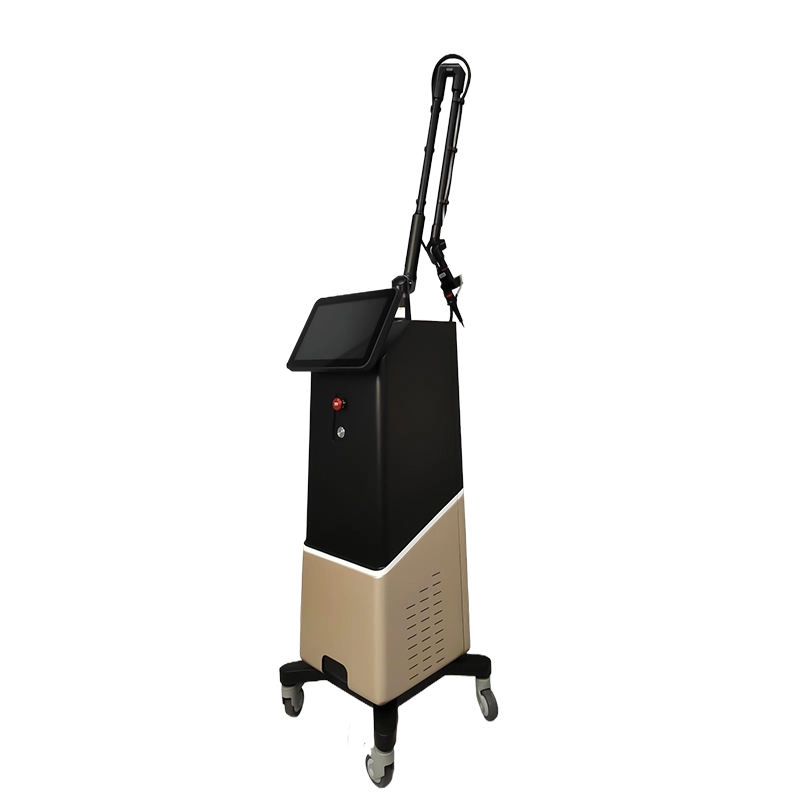
CO2 Fractional Laser Machine for Advanced Skin Resurfacing & Scar Removal
The CO2 fractional laser machine is designed to address a variety of skin concerns, offering treatments for acne scars, pigmentation, wrinkles, and overall skin texture. Utilizing advanced CO2 fractional laser technology, it delivers highly precise and controlled laser energy to promote collagen production and skin rejuvenation. This machine is ideal for professional use in beauty salons, medical spas, and aesthetic clinics. It features a user-friendly touchscreen interface, adjustable settings for customizable treatments, and a built-in cooling system to ensure comfort during use.
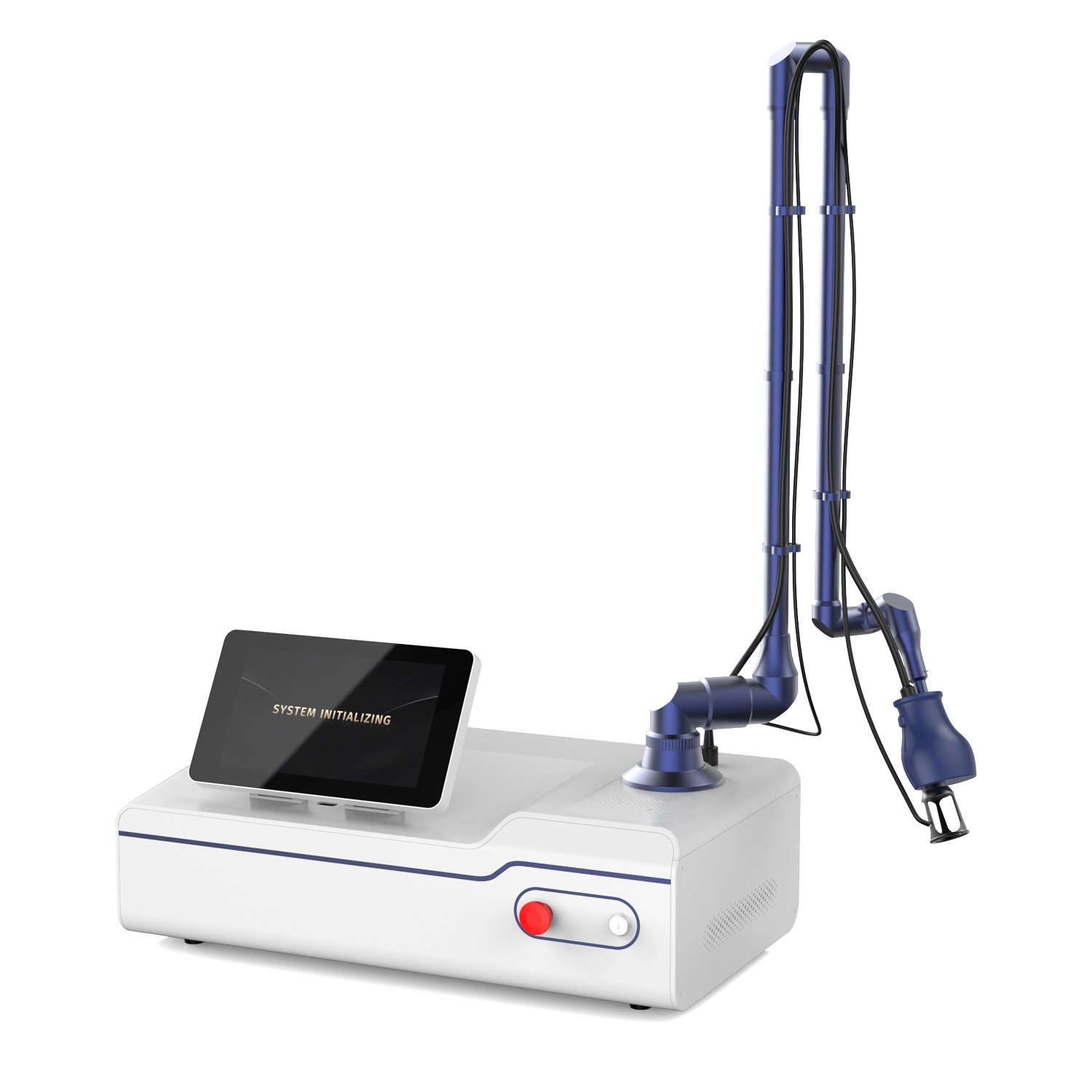
CO2 Fractional Laser Machine | Intimate Vaginal Rejuvenation System
This **CO2 Fractional Laser Machine** utilizes advanced 10600nm CO2 fractional laser technology to create controlled micro-thermal zones on the vaginal mucosa and intimate skin layers. These micro-columns stimulate collagen regeneration and tissue remodeling, effectively improving vaginal tightness, elasticity, and overall intimate health.
Designed specifically for professional medical aesthetic and intimate wellness applications, this CO2 fractional laser machine features intelligent parameter control and high-precision energy output to ensure safe, comfortable, and consistent treatment results. It is an ideal core device for vaginal rejuvenation, postpartum recovery, and intimate anti-aging treatments.
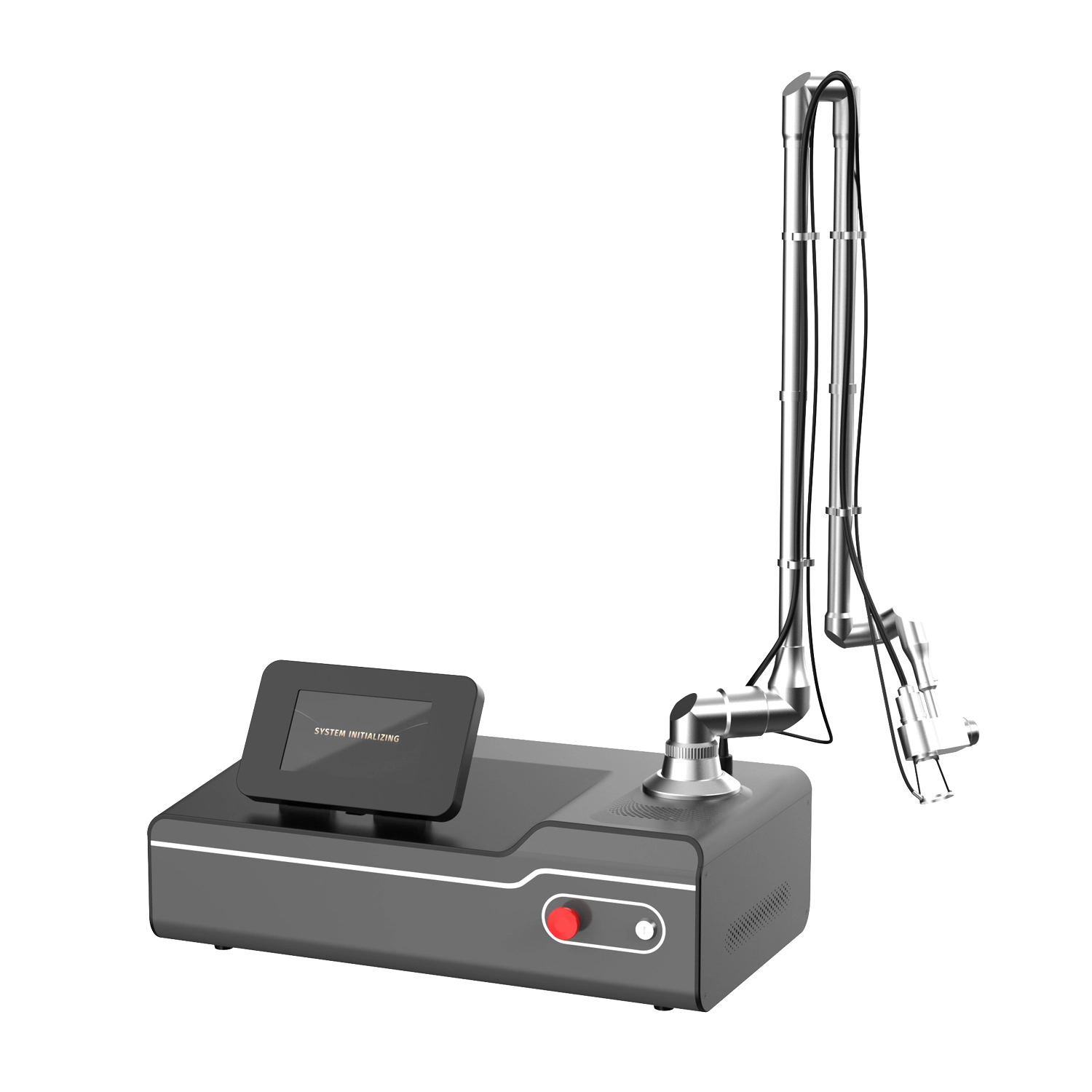
Professional CO2 Fractional Laser Machine for Skin Resurfacing & Scar Treatment
The CO2 Fractional Laser Machine is a professional CO2 fractional laser machine designed for advanced skin resurfacing, scar treatment, and skin rejuvenation procedures.
Using 10,600nm CO2 fractional laser technology, the system delivers controlled microthermal zones into the skin, stimulating collagen remodeling while preserving surrounding tissue. This fractional approach significantly improves treatment safety, recovery time, and clinical outcomes.
The CO2 fractional laser machine is widely used in dermatology clinics and medical aesthetic centers for treating acne scars, wrinkles, enlarged pores, stretch marks, and various skin texture concerns.
Get more information
If you have any comments or good suggestions, please leave us a message; later our professional staff will contact you as soon as possible.
Let's Talk
Stay in touch with us for cutting-edge beauty solutions, professional guidance, and customized service.
Contact


Room 307, Building A, Huilong International E-commerce Industrial Park, No. 10 Xipengling Road, Helong Street, Baiyun District, Guangzhou, China
© 2025 HUIMAIN. All Rights Reserved. Privacy Policy | Terms and Conditions | Sitemap
Facebook
Instagram
Medical beauty equipment factory
huimain Medical beauty equipment factory
beauty machine supplier
Whatsapp: +8619124004543