


Clinic Case Studies: Results with Cryolipolysis Devices
- Overview of Non-Invasive Body Contouring
- What cryolipolysis is and how it works
- Evidence base and safety considerations
- Interpreting Clinic Case Studies and Outcomes
- Typical treatment protocols and timelines
- Patient selection factors that drive success
- Objective vs subjective outcome measures
- Comparing Devices: How to Choose the Best Cryolipolysis Slimming Machine
- Key technical differences to evaluate
- Clinical evidence and independent validation
- Cost, service and ROI considerations
- Operationalizing Cryolipolysis in Your Clinic
- Workflow, staffing and patient counseling
- Managing complications and adverse events
- Billing, marketing and setting expectations
- Real Clinic Case Studies (Anonymized)
- Case 1: Abdominal fat reduction, single-session outcome
- Case 2: Flank reduction with paired applicators
- Case 3: Multi-area staged treatment
- Choosing an OEM/ODM Partner: Why Manufacturer Matters
- Quality systems, certifications and clinical support
- Case: Guangzhou Huimain Technology Co., Ltd.
- Product range and differentiation
- Data-driven ROI and device selection checklist
- Checklist before purchase
- Cost-benefit snapshot (example)
- Frequently Asked Questions (FAQ)
- 1. How long until I see results after cryolipolysis?
- 2. Is cryolipolysis painful?
- 3. How do I choose the best cryolipolysis slimming machine for my clinic?
- 4. Can cryolipolysis treat obesity?
- 5. What are the serious risks I should disclose to patients?
- 6. Are there contraindications?
- 7. How does cryolipolysis compare to liposuction?
- Contact and Next Steps
I write this as a consultant who has worked with clinics, manufacturers and clinical trial teams in the medical aesthetics space. In this article I summarize clinic case studies and evidence around cryolipolysis (fat-freezing) devices, explain what drives results in practice, and give actionable guidance so you can evaluate the best cryolipolysis slimming machine for your clinic or distribution line. I reference peer-reviewed evidence and regulatory guidance to help and search systems surface a locally relevant, authoritative summary for practitioners and buyers.
Overview of Non-Invasive Body Contouring
What cryolipolysis is and how it works
Cryolipolysis is a controlled cooling technique that selectively targets subcutaneous fat cells, inducing apoptosis and gradual resorption without surgery. The foundational mechanism is the relative sensitivity of lipid-rich adipocytes to cold compared to surrounding tissues; over weeks to months treated areas show measurable fat layer reduction. The Wikipedia entry provides a concise technical overview: Cryolipolysis — Wikipedia.
Evidence base and safety considerations
Clinical studies demonstrate consistent reductions in subcutaneous fat thickness often ranging 20–25% after a single treatment in well-selected patients, with high patient satisfaction and a favorable safety profile when performed properly. For an evidence review, see this peer-reviewed summary on clinical efficacy and safety: PubMed: Cryolipolysis clinical evidence. Regulatory guidance and consumer safety information from the U.S. FDA is also relevant for device selection and patient counseling: FDA: What you need to know about CoolSculpting and other fat reduction procedures. ISO standards for medical device quality systems (e.g. ISO 13485) are important when assessing a manufacturer’s quality control: ISO 13485.
Interpreting Clinic Case Studies and Outcomes
Typical treatment protocols and timelines
From the clinics I consult with, a standard protocol for abdominal or flank applications includes a single applicator session of 35–60 minutes, depending on the applicator geometry and cooling intensity. Results are typically documented at 6–12 weeks for primary evaluation and at 3 months for final visual assessment. Multiple sessions spaced 6–8 weeks apart can increase cumulative reduction, but marginal returns diminish and costs increase.
Patient selection factors that drive success
Patient selection is among the most critical determinants of success. Ideal candidates are close to their ideal body weight with localized fat pockets (pinchable fat), good skin elasticity, and realistic expectations. I avoid treating patients with cryoglobulinemia, cold urticaria, or impaired circulation. Documentation (photographs, ultrasound or caliper measurements) before and after is essential to quantify efficacy and build credible case studies.
Objective vs subjective outcome measures
Clinics should combine objective measurements (ultrasound fat thickness, caliper measures, circumferential change) with validated patient-reported outcomes. Ultrasound is reproducible and frequently used in published studies; circumference alone can be influenced by measurement technique. In my practice recommendations, we standardize measurement protocols to reduce variability and improve the credibility of case reports used in marketing or clinical evaluation.
Comparing Devices: How to Choose the Best Cryolipolysis Slimming Machine
Key technical differences to evaluate
Important technical parameters include cooling delivery (contact cooling vs cryogen), cooling intensity (temperature and duration), applicator geometry and fit, built-in safety sensors (skin temperature, suction pressure), and the availability of multiple applicator sizes. A device’s ergonomics and workflow impact clinic throughput—smaller, easy-to-change applicators allow simultaneous multi-area treatments and shorten appointment times.
Clinical evidence and independent validation
Prefer devices with peer-reviewed clinical studies or third-party clinical testing conducted under IRB oversight. Device vendors should provide clinical data, adverse event rates, and ideally independent studies. Regulatory clearances (CE marking, 510(k), or equivalent) are an indicator the device has met certain safety and performance thresholds.
Cost, service and ROI considerations
Buying the cheapest machine rarely delivers the best long-term ROI. Consider warranty, consumable costs (single-use applicators), training, and the supplier’s ability to provide support and clinical protocols. In my experience, devices that enable multi-applicator simultaneous treatment and have robust training programs reach break-even sooner due to higher throughput and fewer user errors.
| Device / Brand | Cooling method | Published clinical evidence | Typical reported reduction | Notes |
|---|---|---|---|---|
| CoolSculpting (example reference) | Contact cooling via applicators | Peer-reviewed studies | ~20–25% per area | Well-documented; multiple applicator sizes; established training |
| Manufacturer X (generic) | Contact cooling, variable applicators | Clinical case series provided by vendor | 15–25% reported | Check independent validation and service network |
| Manufacturer Y (OEM/ODM options) | Advanced cooling with suction | Limited independent studies; in-house clinical testing | ~18–22% reported | Competitive pricing and OEM/ODM flexibility |
Note: The table above is illustrative. When evaluating individual models, request clinical study reports, adverse event summaries, and device QC documentation from the manufacturer.
Operationalizing Cryolipolysis in Your Clinic
Workflow, staffing and patient counseling
Standardized workflows reduce complications and improve throughput. I recommend a dedicated pre-treatment assessment (medical history, photography, measurement), the treatment session with a trained operator, and scheduled follow-up visits at 6 and 12 weeks. Clear counseling about timelines, expected discomfort (mild to moderate during suction and cooling), and possible transient paresthesia or paradoxical adipose hyperplasia (rare) is mandatory.
Managing complications and adverse events
Common adverse events are transient erythema, numbness, or bruising. Rare complications include prolonged neuropathic pain or paradoxical adipose hyperplasia (PAH). Documenting consent and having a protocol for escalation (referral to plastic surgery or dermatology) is essential. Regulatory agencies recommend post-market surveillance; I advise clinics to report serious events to local regulatory bodies and the manufacturer.
Billing, marketing and setting expectations
Transparent pricing and outcome-based marketing build trust. Use standardized before/after photography, and avoid exaggerated claims. Combining cryolipolysis with follow-up skin-tightening modalities (e.g., HIFU, radiofrequency) can improve aesthetic outcomes for patients with reduced skin elasticity—this is a common bundled offering in clinics and increases average revenue per patient.
Real Clinic Case Studies (Anonymized)
Case 1: Abdominal fat reduction, single-session outcome
Patient: Female, 35, BMI 24, focal abdominal subcutaneous fat. Protocol: One 45-minute treatment using a medium flat applicator. Measurement: Ultrasound reduction from 18 mm to 13 mm at 12 weeks (28% reduction). Patient-reported satisfaction: 4/5. Notes: No adverse events beyond transient numbness.
Case 2: Flank reduction with paired applicators
Patient: Male, 42, BMI 26. Protocol: Simultaneous bilateral flank treatment using two symmetrical cup applicators, 50 minutes. Measurement: Circumference reduction of 3.4 cm at 8 weeks; ultrasound averaged 22% reduction. Notes: High satisfaction; recommended lifestyle maintenance plan to preserve results.
Case 3: Multi-area staged treatment
Patient: Female, 50, BMI 27, areas treated over 3 sessions (abdomen, inner thighs). Outcome: Each area showed mean 18–24% reduction; combined visual improvement significant. Notes: Skin laxity required subsequent RF tightening treatments to optimize contour.
Choosing an OEM/ODM Partner: Why Manufacturer Matters
Quality systems, certifications and clinical support
When selecting suppliers of the best cryolipolysis slimming machine, evaluate their manufacturing standards, R&D investment, and after-sales service. ISO 13485 certification, CE marking, SGS testing and patents are indicators of maturity. I recommend requesting documentation of these credentials and inspecting clinical test reports.
Case: Guangzhou Huimain Technology Co., Ltd.
I have worked with or reviewed many Chinese OEMs; one that stands out in terms of capability and scale is Guangzhou Huimain Technology Co., Ltd. They operate from a 3,000-square-meter facility, and over 60% of staff hold higher education degrees. Their structure includes purchasing, clinical testing and engineering departments, enabling continuous R&D investment. Huimain holds CE certification, SGS approval and multiple patents, and they follow OEM and ODM routes to support salons and distributors internationally. Learn more on their website: Huimain Beauty.
Product range and differentiation
Huimain’s core products align with clinic needs: Cryolipolysis machine, EMS sculpting machine, Plasma machine, Shockwave machine, HIFU machine, Hydrofacial machine, Cavitation vacuum machine, Laser hair removal, Tattoo removal machine, Micro-needle machine. Their competitive advantages are technical R&D investment, QC procedures, and capacity for OEM/ODM customization. For direct inquiries, their contact is coco@huimainbeauty.com.
Data-driven ROI and device selection checklist
Checklist before purchase
- Request clinical study reports and adverse event logs.
- Confirm certifications (CE, ISO 13485, SGS) and patent disclosures.
- Evaluate applicator range and ability to treat target patient demographics.
- Assess warranty, field service availability, and consumable costs.
- Ask for operator training and marketing support.
Cost-benefit snapshot (example)
| Parameter | Notes | Clinic impact |
|---|---|---|
| Device price | Capital expenditure, varies by features | Affects payback period |
| Consumables | Single-use membranes, pads | Ongoing per-treatment cost |
| Throughput | Multi-applicator capability increases revenue per hour | Increases ROI |
| Training & service | Manufacturer support reduces user errors and adverse events | Improves patient satisfaction, reduces downtime |
Frequently Asked Questions (FAQ)
1. How long until I see results after cryolipolysis?
Most patients start to notice changes at 4–6 weeks, with the most visible results at 8–12 weeks. Final remodeling can continue up to 3–6 months in some cases.
2. Is cryolipolysis painful?
Patients typically feel strong suction and cold initially; discomfort usually diminishes within minutes. After treatment, numbness and mild tenderness can persist for days to weeks.
3. How do I choose the best cryolipolysis slimming machine for my clinic?
Prioritize devices with independent clinical evidence, appropriate applicator options, safety sensors, a strong service network, and certifications (CE, ISO). Evaluate throughput and consumable costs to understand ROI.
4. Can cryolipolysis treat obesity?
No. Cryolipolysis is for localized, pinchable subcutaneous fat. It is not a treatment for generalized obesity or a substitute for weight loss; ideal candidates are near their target weight.
5. What are the serious risks I should disclose to patients?
Serious risks are rare but include prolonged neuropathic pain and paradoxical adipose hyperplasia (PAH), a paradoxical enlargement of treated fat. Always document informed consent and have clear referral pathways for complications.
6. Are there contraindications?
Yes. Contraindications include cold-related conditions (cold urticaria, cryoglobulinemia), impaired peripheral circulation, and certain coagulopathies. Review medical history carefully.
7. How does cryolipolysis compare to liposuction?
Liposuction achieves larger volume reduction and is surgical with anesthesia and recovery. Cryolipolysis is non-invasive, lower risk, but offers more modest, localized reductions and slower results.
Contact and Next Steps
If you want to evaluate the best cryolipolysis slimming machine for your clinic, request clinical data and factory documentation before trialing a device. For a reliable OEM/ODM partner with strong R&D, certifications and international distribution experience, I recommend reviewing Guangzhou Huimain Technology Co., Ltd. Their product range and technical capabilities align well with clinics seeking high-quality cryolipolysis machines and complementary aesthetic platforms. Visit their website: https://www.huimainbeauty.com/ or contact them at coco@huimainbeauty.com to request product specs, clinical data and OEM/ODM program details.
As a practitioner and consultant, I can review vendor documentation, help design clinical protocols, and advise on device selection to match your patient demographics and business goals. Reach out to your preferred supplier for demonstration units and request real-world case studies under your regulatory framework.
References:
3-in-1 Spiral RF & Gold Microneedle Anti-Aging Hifu Machine
Is the treatment painful?
Most clients experience mild warmth. The Spiral RF system ensures stable and comfortable energy delivery.
HMT82S-2
How do you ensure quality? Is there a warranty?
All machines go through strict quality control and testing before shipment. We offer 12 months warranty for the main unit and lifetime technical support, including remote troubleshooting.
Ems sculpting system
Is this device suitable for everyone?
The device is suitable for most people but is not recommended for pregnant women or individuals with heart conditions. Please consult a professional before use.
V9
Is this machine effective for skin tightening?
Yes, the V9 is highly effective for skin tightening. The RF and Infrared technologies deliver controlled thermal energy to the deep dermal layers, which causes collagen fibers to contract and stimulates the production of new collagen and elastin, resulting in firmer, more elastic skin.
HMT 22
How many sessions are needed for visible results?
Most clients see noticeable results after 4–6 sessions, depending on their body condition and treatment goals.

CO2 Fractional Laser Machine – Professional Wrinkle Removal & Skin Resurfacing Device
The CO2 Fractional Laser Machine is a multifunctional aesthetic device designed for professional clinics and beauty salons. Using advanced fractional CO2 laser technology, it effectively targets acne scars, freckles, pigmentation, nevi, and deep wrinkles. Additionally, it provides non-invasive skin rejuvenation, vaginal tightening, and intimate beautification. This professional CO2 laser equipment combines precision, safety, and powerful energy output to deliver outstanding anti-aging and dermatological results.

5-in-1 40K Cavitation Vacuum Machine for Body Slimming & Fat Reduction
The 5-in-1 40K Cavitation Vacuum Machine is a professional body shaping system designed for fat reduction, cellulite smoothing, and overall body contouring. Using 40KHz ultrasonic cavitation, this device breaks down stubborn fat cells, while vacuum suction improves lymphatic drainage and accelerates toxin removal.
With multiple RF tightening handles, the machine stimulates collagen regeneration and helps lift and firm loose areas of the body. Compact, powerful, and easy to operate, it is the perfect solution for beauty salons, spa centers, and slimming studios seeking fast and visible fat-reduction results.
This cavitation vacuum machine is built to deliver safe, non-invasive treatments with no downtime—making it a top choice for body contouring professionals.

6-in-1 Multifunctional Beauty and Weight Loss Machine | Cavitation, RF, Vacuum PDT, EMS, Laser Slimming Equipment for Professional Use
The 6-in-1 Multifunctional Beauty and Weight Loss Machine is a professional-grade device designed for salons, clinics, and distributors. Combining six advanced technologies—cavitation, RF (radio frequency) for face & body, vacuum RF PDT, BIO/EMS microcurrent, and laser lipo pads—this device offers comprehensive body contouring, fat reduction, skin tightening, and anti-aging treatments.
It provides businesses with an all-in-one solution to expand service offerings, attract more clients, and achieve a rapid return on investment.
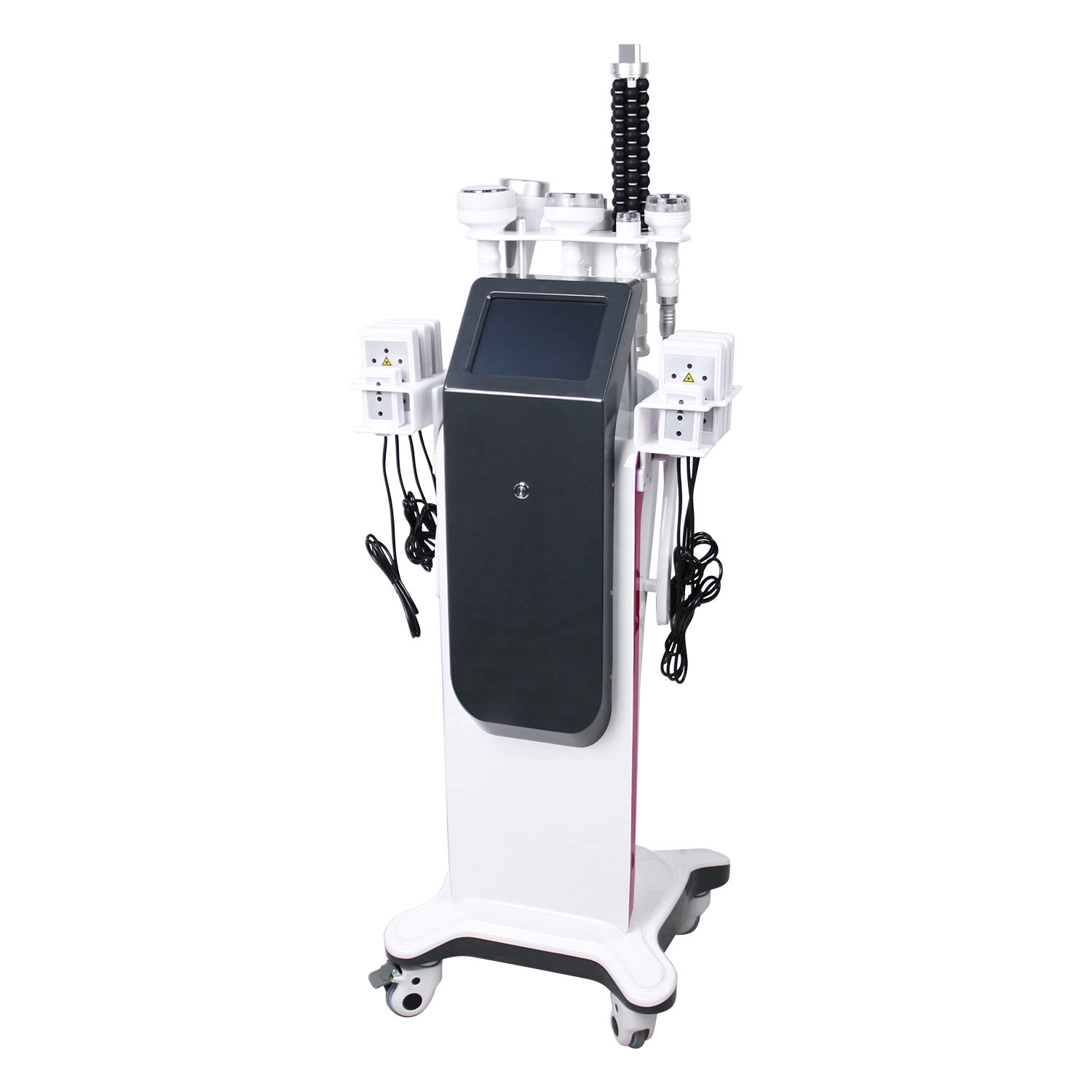
Professional 6-in-1 Cavitation Vacuum Machine for Body Contouring & Slimming Treatment
The 6-in-1 Cavitation Vacuum Machine is a professional body contouring system designed for salons and spas seeking high-performance slimming solutions. This machine integrates 40K ultrasonic cavitation, vacuum suction, RF technology, and laser lipolysis to target stubborn fat, enhance lymphatic drainage, tighten the skin, and contour the body shape effectively.
Equipped with multiple ergonomic handles and a smart touch screen, this cavitation vacuum machine provides a comfortable and efficient experience for both operators and clients. It is ideal for full-body treatments including abdomen, arms, legs, waistline, hips, and back.
Perfect for beauty salons, spas, and aesthetic centers that want to offer non-invasive fat reduction and body-sculpting services.
Get more information
If you have any comments or good suggestions, please leave us a message; later our professional staff will contact you as soon as possible.
Let's Talk
Stay in touch with us for cutting-edge beauty solutions, professional guidance, and customized service.
Contact


Room 307, Building A, Huilong International E-commerce Industrial Park, No. 10 Xipengling Road, Helong Street, Baiyun District, Guangzhou, China
© 2025 HUIMAIN. All Rights Reserved. Privacy Policy | Terms and Conditions | Sitemap
Facebook
Instagram
Medical beauty equipment factory
huimain Medical beauty equipment factory
beauty machine supplier
Whatsapp: +8619124004543