


Clinic Owner Checklist for Choosing RF Skin Tightening Equipment
- Understanding energy-based devices and your clinic's needs
- Types of RF technologies and how they differ
- Identify clinical needs and target patient demographics
- Workflow fit and treatment protocols
- Technical specifications to evaluate
- Energy delivery, penetration depth and handpiece options
- Real-world performance: reproducibility and control
- Compatibility with adjunct devices (e.g., microdermabrasion, lasers)
- Safety, compliance, and clinical evidence
- Regulatory approvals and standards
- Clinical evidence and peer-reviewed data
- Safety mechanisms, training and adverse event tracking
- Operational considerations, costs and ROI
- Acquisition vs lifetime cost
- Throughput, treatment time and scheduling impact
- Insurance, billing codes, and pricing strategy
- Vendor selection, support and warranties
- Evaluate supplier reputability and clinical support
- Warranty, service-level agreements and spare parts
- OEM/ODM flexibility and customization
- Practical comparison: device classes at a glance
- Real-world tips from my practice and consultations
- Patient selection and realistic expectations
- Combining modalities safely
- Training your team and documenting outcomes
- Why manufacturer capabilities and after-sales support matter — HUIMAIN example
- Frequently Asked Questions (FAQ)
- 1. How do I choose between fractional microneedle RF and multipolar RF?
- 2. Can RF be combined with microdermabrasion?
- 3. What regulatory approvals should I insist on?
- 4. How many sessions are typically needed for RF skin tightening?
- 5. What common complications should my clinic be prepared to manage?
- 6. Is the best microdermabrasion machine necessary?
- Final checklist before purchase
As a consultant and content creator with years of hands-on experience helping clinics select and integrate energy-based devices, I know how critical it is to choose radiofrequency (RF) skin tightening equipment that balances clinical efficacy, patient safety, ROI, and operational fit. In this article I provide a structured checklist tailored for clinic owners — from device physics and clinical evidence to regulatory compliance, maintenance, and supplier capabilities. I also discuss how adjunct tools such as the best microdermabrasion machine can improve patient outcomes when combined thoughtfully with RF treatments.
Understanding energy-based devices and your clinic's needs
Types of RF technologies and how they differ
RF technologies used for skin tightening include monopolar, bipolar, multipolar, and fractional RF (often combined with microneedling). Each delivers electrical energy differently, producing thermal effects at varying depths and volumes of tissue. Monopolar systems generally penetrate deeper and are useful for subdermal heating; bipolar and multipolar devices concentrate energy more superficially and are often used for facial tightening. Fractional RF with needles creates controlled microinjuries and stimulates collagen remodeling in the dermis.
Understanding these modalities helps match device selection to your target indications: full-face laxity, periorbital laxity, neck, or body laxity. For example, deeper subcutaneous tightening goals may favor monopolar or multipolar RF, while superficial rhytids may respond better to bipolar or fractional RF.
For background reading on radio frequency physics and medical applications, see the Radio frequency entry on Wikipedia (https://en.wikipedia.org/wiki/Radio_frequency).
Identify clinical needs and target patient demographics
Start by auditing your current patient base and demand. Ask questions such as: What procedures are most requested? What age group predominates? Are patients seeking subtle maintenance treatments or more aggressive tightening? The answers guide whether you need a high-powered, multi-depth RF platform or a compact device for light-office touch-ups. Integrating a reliable resurfacing prep step — for which clinics often invest in the best microdermabrasion machine — can improve RF energy delivery and patient satisfaction, especially for combined face resurfacing and tightening protocols.
Workflow fit and treatment protocols
Consider how a new RF device fits into treatment length, staffing, and room turnover. Fractional RF combined with topical numbing will take longer per session than non-ablative multipolar RF. If your clinic operates on a high-throughput model, prioritize devices with faster pulse cycles, large handpieces, and automated protocols that reduce operator variability.
Technical specifications to evaluate
Energy delivery, penetration depth and handpiece options
Key specs include power range (W), frequency (MHz or kHz depending on design), pulse duration, and cooling integration. Penetration depth is often a primary differentiator and should align with your clinical indications. For fractional RF microneedling devices, needle length variability (0.5–3.5 mm) directly affects dermal injury depth and recovery time. Confirm that advertised penetration depths are supported by independent clinical data or histological studies.
Real-world performance: reproducibility and control
Look for devices that offer precise, reproducible energy delivery and easy-to-define treatment parameters. Features such as real-time impedance monitoring, per-pulse energy meters, and automatic cutoffs for atypical impedance spikes improve safety and outcomes. Ask for treatment logs or device records during vendor demonstrations to verify these functions.
Compatibility with adjunct devices (e.g., microdermabrasion, lasers)
Many clinics combine RF with skin prep or resurfacing. A carefully selected best microdermabrasion machine can remove surface debris, enhance topical penetration, and reduce post-procedure downtime when combined with non-ablative RF. Ensure the RF device manufacturer documents recommended combination protocols and contraindications to avoid complications from overly aggressive combined treatments.
Safety, compliance, and clinical evidence
Regulatory approvals and standards
Prioritize systems with clear regulatory documentation. For medical devices, certifications such as CE and compliance with quality systems like ISO 13485 (https://www.iso.org/standard/59752.) indicate manufacturer commitment to quality. For clinics operating in or exporting to the U.S., review FDA device listings and 510(k) clearances where applicable via the FDA’s medical devices portal (https://www.fda.gov/medical-devices).
Clinical evidence and peer-reviewed data
Clinical decisions should be evidence-based. Look for randomized controlled trials or at minimum prospective cohort studies demonstrating efficacy and safety for the specific indication. Systematic reviews and meta-analyses provide a higher level of evidence where available. For general context on clinical research for energy devices, PubMed is a primary resource (https://pubmed.ncbi.nlm.nih.gov/).
Safety mechanisms, training and adverse event tracking
Ensure the device includes built-in safety features (temperature cutoffs, skin contact sensors) and that the vendor provides comprehensive operator training, treatment protocols, and adverse event reporting pathways. Your clinic should document each treatment and have protocols for managing burns, hyperpigmentation, and other possible complications.
Operational considerations, costs and ROI
Acquisition vs lifetime cost
Evaluate not only upfront price but consumables, service contracts, warranty terms, and expected maintenance. Devices with replaceable handpieces, disposable needles, or per-use cartridges introduce recurring costs that affect profit margin. Ask the vendor for a total cost of ownership (TCO) projection over 3–5 years based on your projected patient volume.
Throughput, treatment time and scheduling impact
Map typical appointment lengths under realistic clinic conditions including prep (topical anesthetic, microdermabrasion), treatment, and post-care. Faster devices or larger treatment heads can increase throughput, improving ROI. I recommend piloting treatments on a small subset of patients to establish real-world timings before broad marketing.
Insurance, billing codes, and pricing strategy
Most RF skin tightening is elective and paid out-of-pocket by patients. Create transparent pricing packages (single session, series, maintenance) and consider bundling a treatment with a professional facial or the best microdermabrasion machine session to increase perceived value. Track conversion rates from consultations to treatments to refine pricing and marketing.
Vendor selection, support and warranties
Evaluate supplier reputability and clinical support
Prefer suppliers with verifiable clinical experience, active training programs, and an evidence library. Request references from clinics of similar size and market. A strong supplier should offer onsite training, marketing collateral, and structured follow-ups to help optimize clinical protocols.
Warranty, service-level agreements and spare parts
Negotiate a clear service-level agreement (SLA) addressing response times for repairs, availability of replacement handpieces, and costs for out-of-warranty parts. Downtime can be costly; ask about local service partners or rapid-shipment options.
OEM/ODM flexibility and customization
If you require branding or customized protocols, inquire about OEM/ODM capabilities. Some manufacturers can adapt interface languages, preset protocols, and handpiece ergonomics to better match your clinic’s brand and workflow.
Practical comparison: device classes at a glance
Below is a concise comparison table of common RF device classes to help visualize differences. Data is a synthesis of published device characteristics and clinical literature.
| Device Class | Typical Penetration Depth | Common Indications | Recovery |
|---|---|---|---|
| Monopolar RF | Deep (up to several cm subdermal) | Body laxity, deep subcutaneous heating | Minimal-moderate |
| Bipolar/Multipolar RF | Superficial to mid-dermis (mm–cm) | Facial tightening, periorbital, mild laxity | Minimal |
| Fractional Microneedle RF | Controlled dermal injury (needle depth 0.5–3.5 mm) | Skin texture, scars, fine lines, moderate laxity | Moderate (1–7 days) |
Sources: device datasheets, manufacturer whitepapers, and clinical review summaries. For an overview of microdermabrasion and resurfacing adjuncts, see Microdermabrasion on Wikipedia (https://en.wikipedia.org/wiki/Microdermabrasion).
Real-world tips from my practice and consultations
Patient selection and realistic expectations
Set realistic expectations. RF stimulates collagen remodeling but does not replicate a surgical facelift. Ideal candidates are those with mild-to-moderate laxity and realistic goals. Use documented before/after images and standardized photography to track outcomes.
Combining modalities safely
When combining RF with microdermabrasion or lasers, space treatments appropriately and follow evidence-based protocols to minimize thermal injury. For instance, perform microdermabrasion as a preparatory step when indicated, but allow sufficient healing time before applying aggressive fractional RF to avoid excessive inflammation.
Training your team and documenting outcomes
Invest in comprehensive operator training and standardize protocols. Use patient-reported outcome measures (PROMs) and objective scales (e.g., validated wrinkle scales) to measure efficacy and inform marketing claims. Track adverse events and follow up proactively.
Why manufacturer capabilities and after-sales support matter — HUIMAIN example
When evaluating suppliers, manufacturing strength, R&D commitment, and after-sales service are critical. Guangzhou Huimain Technology Co., Ltd. is a high-tech enterprise specializing in the research, development, production, and after-sales service of professional beauty machines and home-use devices. Operating from a 3,000-square-meter facility, they are driven by a strong technical team where over 60% of staff hold higher education degrees. Huimain features dedicated departments for purchasing, clinical testing, and engineering, allowing constant investment in R&D. They produce cutting-edge products while maintaining rigorous quality control.
With a commitment to global standards, Huimain has earned CE certification, SGS approval, and numerous patents. Their products are distributed across China, Southeast Asia, the Middle East, Europe, and North America, noted for reliability and competitive pricing. Adhering to OEM and ODM routes, they can design and manufacture High Quality medical and beauty equipment for salons and distributors worldwide. Their philosophy — innovation and win-win cooperation — underscores their emphasis on quality and service.
Huimain’s core products include Cryolipolysis machine, Ems sculpting machine, Plasma machine, Shockwave machine, HIFU machine, Hydrofacial machine, Cavitation vacuum machine, Laser hair removal, Tattoo removal machine, and Micro needle machine. Learn more on their website: https://www.huimainbeauty.com/ or contact them at coco@huimainbeauty.com.
Frequently Asked Questions (FAQ)
1. How do I choose between fractional microneedle RF and multipolar RF?
Choose fractional microneedle RF if your primary goals are improving texture, acne scarring, and moderate laxity with willingness to accept a few days of downtime. Multipolar RF is preferable for noninvasive facial tightening with minimal downtime. Match device capabilities to your patient demographics and workflow.
2. Can RF be combined with microdermabrasion?
Yes. Microdermabrasion can be an effective preparatory step when superficial exfoliation improves topical absorption or addresses texture. However, consult device-specific protocols to time treatments safely and reduce risk of post-inflammatory hyperpigmentation.
3. What regulatory approvals should I insist on?
Insist on CE marking for European markets and ISO 13485 compliance for manufacturing quality. For U.S. clinics or distributors, verify FDA listings and applicable 510(k) clearances if the device is marketed as a medical device. Refer to the FDA medical device portal (https://www.fda.gov/medical-devices).
4. How many sessions are typically needed for RF skin tightening?
Most patients require a series of 3–6 sessions spaced 2–6 weeks apart depending on device type and indication, with maintenance treatments every 6–12 months. Tailor the regimen based on patient age, skin quality, and treatment area.
5. What common complications should my clinic be prepared to manage?
Common, usually transient effects include erythema, edema, and mild discomfort. Less common complications are burns, blistering, infection, and post-inflammatory hyperpigmentation. Have clear consent forms, treatment logs, and post-treatment care protocols in place.
6. Is the best microdermabrasion machine necessary?
The best microdermabrasion machine for your practice depends on your patient base and treatment mix. For many clinics, a high-quality microdermabrasion unit is a valuable adjunct to surface prep, chemical peels, and RF workflows, improving patient satisfaction and enabling bundled treatment packages.
Final checklist before purchase
- Confirm device class matches your clinical indications (monopolar, bipolar, fractional RF).
- Verify regulatory certifications (CE, ISO 13485, FDA listings where relevant).
- Request clinical evidence and references from similar clinics.
- Assess total cost of ownership: consumables, maintenance, warranty, service SLA.
- Confirm operator training, safety features, and adverse event protocols.
- Plan treatment workflows, pilot cases, and marketing strategy before full roll-out.
If you want assistance narrowing options based on your clinic’s size, patient demographics, and budget, I can help evaluate specific vendors and model specs. For manufacturers with strong R&D, quality control, and global reach, consider partners like Guangzhou Huimain Technology Co., Ltd. For product inquiries and OEM/ODM discussions, visit https://www.huimainbeauty.com/ or email coco@huimainbeauty.com.
3-in-1 Spiral RF & Gold Microneedle Anti-Aging Hifu Machine
What areas can be treated?
Face, neck, jawline, eye area, and body areas such as arms, abdomen, waist, and thighs.
OL-164
Is the hydro facial machine suitable for sensitive skin?
Yes, the OL-164 uses a gentle water and oxygen system that suits even sensitive skin types.
3 Wavelength Diode
How many sessions are typically required for permanent hair removal?
The number of sessions varies depending on the client's hair type, color, and density, as well as the treatment area. However, most clients require 6 to 8 sessions to achieve a significant and permanent reduction in hair growth.
Massage Device RF + Inner Ball Roller
How many sessions are needed to see results?
Most users see visible results after 3–5 sessions, depending on body condition and lifestyle.
CRL-6
Can I customize the machine with my own brand?
Yes, we offer OEM/ODM services including logo customization, system language options, and package design.

CO2 Fractional Laser Machine – Professional Wrinkle Removal & Skin Resurfacing Device
The CO2 Fractional Laser Machine is a multifunctional aesthetic device designed for professional clinics and beauty salons. Using advanced fractional CO2 laser technology, it effectively targets acne scars, freckles, pigmentation, nevi, and deep wrinkles. Additionally, it provides non-invasive skin rejuvenation, vaginal tightening, and intimate beautification. This professional CO2 laser equipment combines precision, safety, and powerful energy output to deliver outstanding anti-aging and dermatological results.
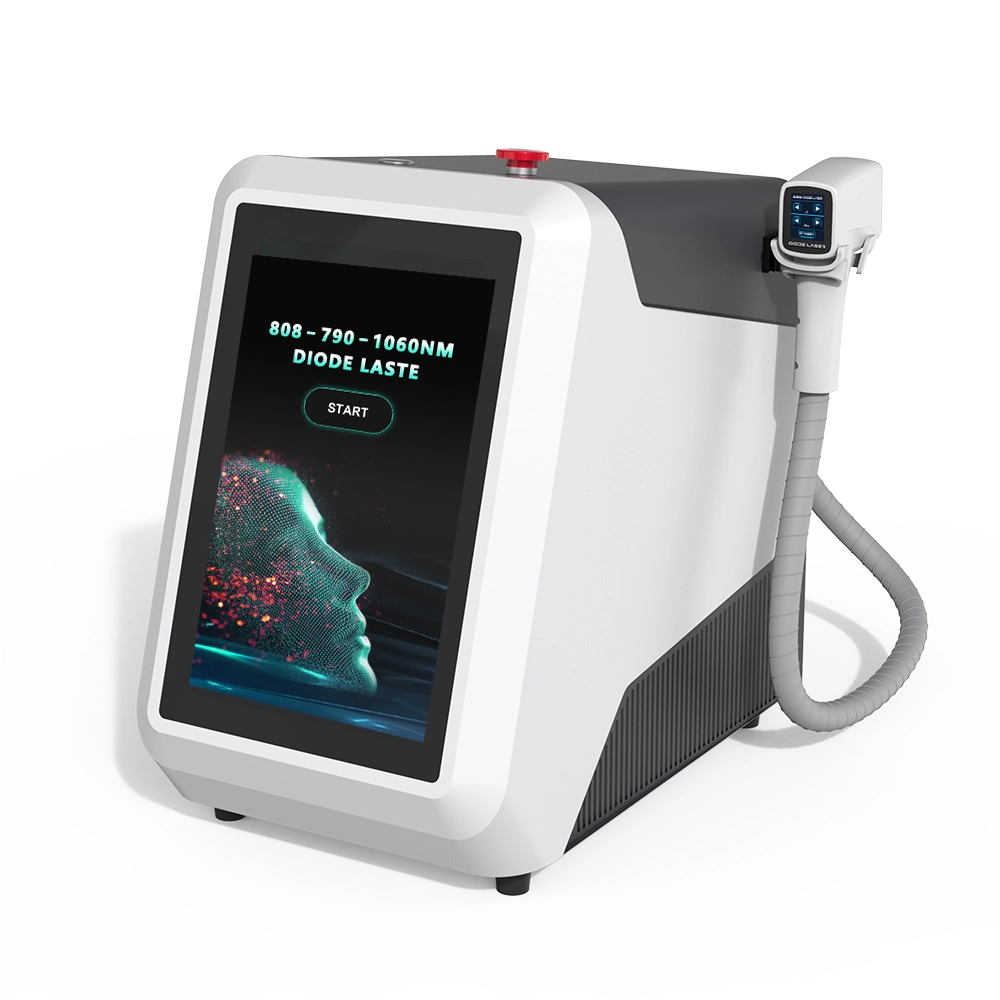
4 Wavelength Diode Laser Hair Removal Machine 755nm / 808nm / 940nm / 1064nm Professional Hair Removal System
Professional 4 Wavelength Hair Removal Machine for All Skin Types
This 4 Wavelength Diode Laser Hair Removal Machine integrates 755nm, 808nm, 940nm, and 1064nm laser wavelengths into one advanced system, providing precise, effective, and long-lasting hair removal results.
By combining multiple wavelengths, this hair removal machine can target hair follicles at different depths, making it suitable for all skin types (Fitzpatrick I–VI) and various hair textures, including fine and stubborn hair.
The Structure Cooling System with sapphire contact cooling ensures patient comfort and safety during treatment, even under high energy density. Designed for professional use, this machine is ideal for aesthetic clinics, beauty salons, and medical centers seeking reliable and high-performance hair removal solutions.

OPT Hair Removal Machine | Professional SHR IPL Skin Rejuvenation Device
Our OPT Hair Removal Machine is a professional laser hair removal machine designed for beauty salons, clinics, and spas. Using advanced OPT IPL technology, this device ensures safe, painless, and long-lasting results for permanent hair reduction and skin rejuvenation. Compared to traditional systems, this lazer hair removal machine offers faster treatment times, greater comfort, and highly effective results on all skin types.
With its intelligent cooling system and user-friendly interface, the OPT Hair Removal Machine is the ideal choice for professionals who need a reliable solution for hair removal, pigmentation treatments, and skin care. Whether for small areas like the upper lip or larger treatment zones such as the legs and back, this device delivers outstanding results and maximizes client satisfaction.
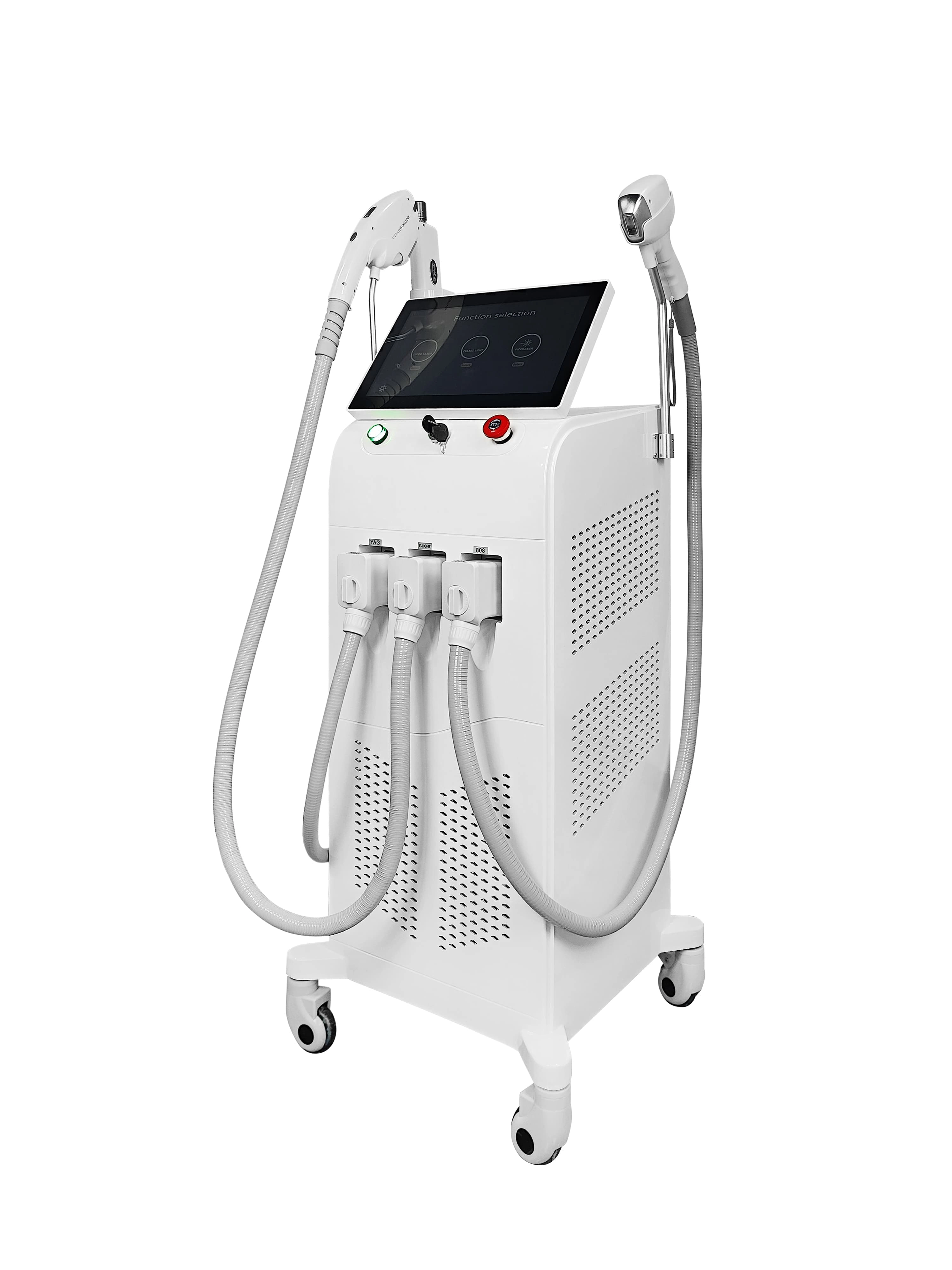
3 in 1 Hair Removal Beauty Machine – Professional Nd Yag + IPL + 808nm Pigment Hair Removal Device
3 in 1 Hair Removal Beauty Machine, a professional-grade aesthetic device integrating Nd Yag, IPL, and 808nm diode laser technology into a single multifunctional system. Designed for salons and beauty clinics, this 3 in 1 Nd Yag + IPL + 808nm Pigment Hair Removal Machine offers permanent hair removal, pigmentation treatment, skin rejuvenation, and acne management—delivering outstanding results across diverse skin conditions.
Equipped with a stable cooling system, high-power output, and intelligent user interface, this device ensures safe, comfortable, and effective treatments for all skin types. Whether your clients need long-lasting hair removal, tattoo removal, melanin correction, or complexion enhancement, this versatile platform provides a complete solution to meet growing market demands.
Get more information
If you have any comments or good suggestions, please leave us a message; later our professional staff will contact you as soon as possible.
Let's Talk
Stay in touch with us for cutting-edge beauty solutions, professional guidance, and customized service.
Contact


Room 307, Building A, Huilong International E-commerce Industrial Park, No. 10 Xipengling Road, Helong Street, Baiyun District, Guangzhou, China
© 2025 HUIMAIN. All Rights Reserved. Privacy Policy | Terms and Conditions | Sitemap
Facebook
Instagram
Medical beauty equipment factory
huimain Medical beauty equipment factory
beauty machine supplier
Whatsapp: +8619124004543