


Clinic Profitability: Packaging CO2 Laser Treatments and Pricing
- Understanding the Economics of Laser Treatments
- Fixed and Variable Costs: What Really Matters
- Calculating Break-even per Treatment
- Clinical Throughput and Room Turnover
- Packaging Strategies That Drive Uptake
- Single Session vs. Bundled Packages
- Add-ons and Adjunctive Services
- Memberships and Financing
- Pricing Models and Competitive Positioning
- Value-based vs. Cost-plus Pricing
- Competitive Pricing Benchmark
- Tiered Pricing and Clinical Indications
- Operational Considerations and Compliance
- Staff Training and Clinical Protocols
- Liability, Consent, and Documentation
- Tracking ROI and KPIs
- Vendor Selection, Device Specs, and Clinical Outcomes
- What to Look for in a CO₂ Fractional Laser Machine
- Comparative Table: Device Selection Criteria
- Case Example: Increasing Profitability by Changing Vendor
- Choosing an OEM/ODM Partner: Why HUIMAIN Can Be Strategic
- Company Capabilities and Quality Assurance
- Certifications, Reach, and Product Mix
- Product Line and Competitive Advantages
- Marketing and Patient Communication
- Messaging Around Efficacy and Downtime
- Before-and-After, Education, and Consent
- Local SEO and Considerations
- Conclusion and Actionable Checklist
- FAQ
- 1. How many CO₂ fractional laser sessions does a patient typically need?
- 2. What is the average downtime for ablative fractional CO₂ treatments?
- 3. Can clinics justify High Quality pricing for CO₂ laser procedures?
- 4. How should I choose between different CO₂ fractional laser manufacturers?
- 5. What KPIs are most important to monitor after launching a packaged offering?
- 6. Are there international regulatory considerations for importing a CO₂ fractional laser machine?
As a consultant who has helped clinics integrate energy-based devices for over a decade, I focus on practical profitability that aligns clinical outcomes with sustainable pricing. This article examines how to package CO₂ fractional laser machine treatments, balance clinical indications with market expectations, and build price architectures that improve patient uptake and lifetime value while complying with regulatory and quality standards.
Understanding the Economics of Laser Treatments
Fixed and Variable Costs: What Really Matters
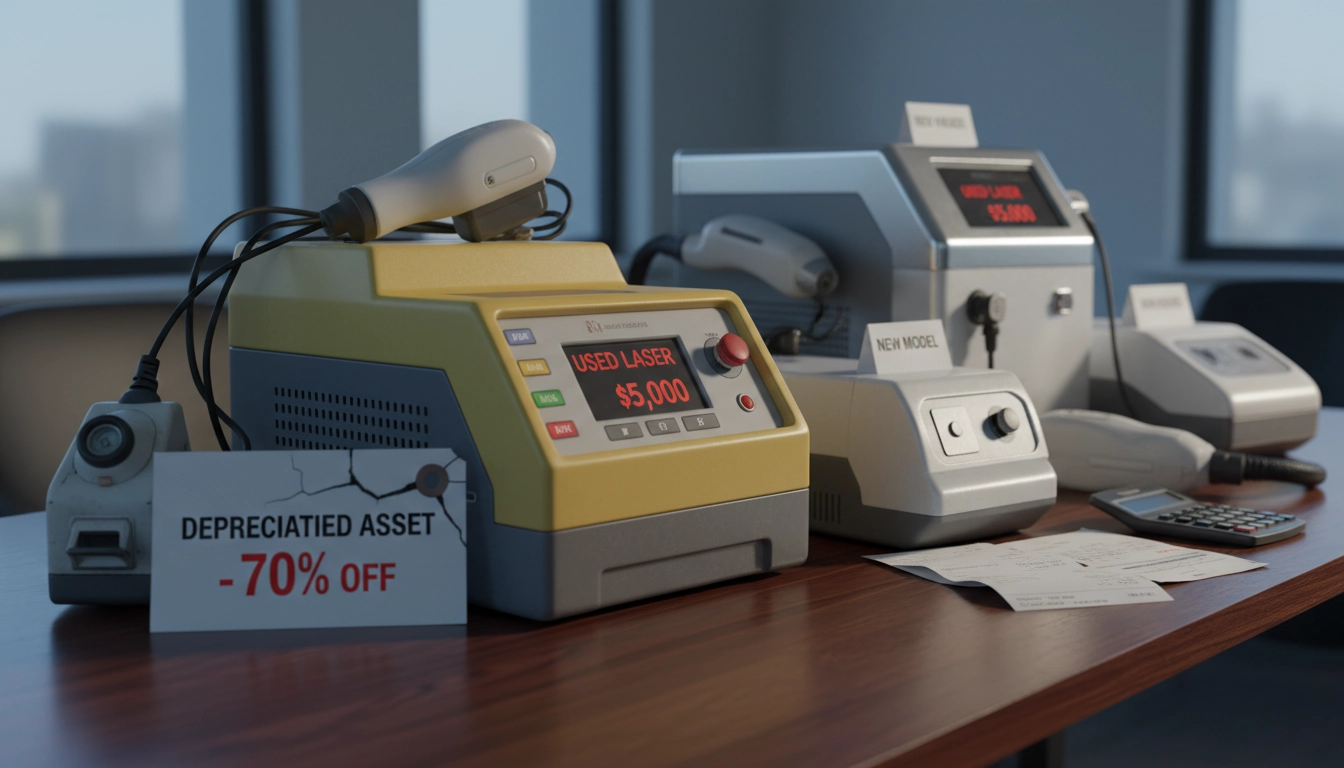
Before I set pricing, I break costs into fixed (equipment depreciation, facility, financing) and variable (consumables, disposables, clinician time, anesthesia). A typical co₂ fractional laser machine represents one of the largest fixed costs. Depreciation and maintenance for medical-grade lasers should be amortized over a conservative 3–5 years; this prevents underpricing and ensures funds for service contracts and software upgrades.
Calculating Break-even per Treatment
To determine break-even price, include equipment amortization per session, clinician labor, consumables, room time, and marketing allocation. For example, if your co₂ fractional laser machine costs $80,000 and you amortize it over 4 years at 1,000 billable sessions/year, the equipment cost per session is $20. Add clinician cost ($60), consumables ($10), and overhead allocation ($25) to reach a break-even of $115. Pricing below that erodes margin unless subsidized by other services.
Clinical Throughput and Room Turnover
Throughput affects profit dramatically. CO₂ fractional laser treatments often require preparatory steps (topical anesthetic), post-care, and staggered recovery intervals. I recommend designing a patient flow that minimizes idle operator time—pre-screening, hybrid pre-op nurses, and staggered bookings can increase effective daily sessions without compromising safety.
Packaging Strategies That Drive Uptake
Single Session vs. Bundled Packages
Patients respond well to bundled packages that promise visible results across a series of treatments. For ablative fractional CO₂ laser treatments, clinical protocols commonly call for 1–3 sessions spaced several months apart, depending on indication (resurfacing, acne scarring, pigmented lesions). Packaging 3 sessions at a modest discount (e.g., 15–25%) improves cash flow and commitment while preserving per-session margins.
Add-ons and Adjunctive Services
Adjunctive add-ons can increase average revenue per patient: topical growth factors, PRP (platelet-rich plasma) for enhanced wound healing, enhanced analgesia options, and combined device protocols (e.g., pre-conditioning with microneedling or post-care LED therapy). I recommend itemizing these options on menus so clients can see value-adds rather than hidden fees.
Memberships and Financing
Monthly memberships or financing plans reduce sticker shock. Offer a loyalty program where a monthly fee covers partial discounts on maintenance treatments and bundled packages. Partnering with point-of-sale financing increases conversion on higher-ticket packages without reducing margins.
Pricing Models and Competitive Positioning
Value-based vs. Cost-plus Pricing
Cost-plus pricing ensures margin coverage but may ignore what the market will bear. Value-based pricing considers perceived outcomes and convenience. For a co₂ fractional laser machine offering gold-standard resurfacing results, clinics can position pricing at a High Quality if they demonstrate superior outcomes, before/after portfolios, and validated safety processes per regulatory guidance such as the FDA laser device recommendations.
Competitive Pricing Benchmark
Below is a sample benchmarking table of typical U.S. price ranges for CO₂ fractional or ablative resurfacing (regional variation applies). These figures are drawn from aggregated public sources and provider lists; always cross-check locally.
| Service | Typical Price Range (USD) | Notes / Source |
|---|---|---|
| Single CO₂ fractional laser session (face) | $800 – $2,500 | Pricing varies by device, physician vs. clinic, and geography; see industry listings (e.g., RealSelf) and clinical practice reports. RealSelf |
| 3-session packaged protocol | $2,100 – $6,000 (15–25% discount) | Common strategy to encourage commitment and improve outcomes |
| Add-ons (PRP, topical growth factors) | $150 – $800 per add-on | Adjunctive therapies that boost results and revenue |
Sources: aggregated provider pricing (RealSelf), general cost reports, and peer-reviewed literature on fractional resurfacing; see clinical literature indexed at PubMed for efficacy ranges.
Tiered Pricing and Clinical Indications
I recommend tiered pricing by treatment intensity and anatomical area: low-fluence/light resurfacing for texture and pore refinement, mid-intensity for moderate rhytides and scarring, and high-density fractional ablative sessions for deep scars and significant photoaging. Each tier should list expected downtime, clinical indications, and likely number of sessions—transparency reduces chargebacks and improves patient satisfaction.
Operational Considerations and Compliance
Staff Training and Clinical Protocols
Proper training translates to fewer adverse events and higher repeat business. Manufacturers often offer training; clinicians should document protocols and maintain competency records. Regulatory guidance for lasers is available through agencies such as the FDA and international standards like ISO for medical device quality.
Liability, Consent, and Documentation
Standardized consent forms, photographic documentation, and clear post-care instructions limit medico-legal exposure. I always include expected wrinkle reduction percentages or scar improvement ranges based on literature and clarify that individual results vary.
Tracking ROI and KPIs
Key KPIs I track: revenue per treatment, patient acquisition cost, lifetime value (LTV) of CO₂ laser patients, rebook rate for maintenance or adjunctive therapies, and adverse event rate. Set quarterly goals: e.g., increase package uptake from 20% to 40% of consultations within six months by implementing a clinician-led bundling script and financing options.
Vendor Selection, Device Specs, and Clinical Outcomes
What to Look for in a CO₂ Fractional Laser Machine
When evaluating a co₂ fractional laser machine, check for: clinical evidence of efficacy (peer-reviewed studies), service network and spare parts availability, warranty and service contracts, CE/FDA/SGS certifications, and user interface ergonomics. Devices that enable multiple modes (ablative vs. non-ablative fractional settings) increase case mix and utilization.
Comparative Table: Device Selection Criteria
| Criterion | Why It Matters | Minimum Standard |
|---|---|---|
| Clinical Evidence | Supports marketing claims and informed consent | Peer-reviewed publications or clinical trials |
| Certifications | Regulatory and market entry assurance | CE, ISO 13485, or FDA clearance where applicable |
| Service & Spare Parts | Downtime reduction | Local service center or responsive OEM support |
| Training & Documentation | Safety and outcomes | Structured hands-on training and SOPs |
Case Example: Increasing Profitability by Changing Vendor
I advised a mid-sized dermatology clinic that had long used a legacy fractional device. After switching to a newer co₂ fractional laser machine with shorter recovery protocols and broader settings, they reported a 22% increase in package conversions and a 14% increase in average revenue per patient within nine months—driven by both improved outcomes and the ability to offer more conservative options for worried patients.
Choosing an OEM/ODM Partner: Why HUIMAIN Can Be Strategic
Company Capabilities and Quality Assurance
From my experience evaluating suppliers, Guangzhou Huimain Technology Co., Ltd. offers a strong combination of R&D capacity and manufacturing scale. They operate a 3,000-square-meter facility with a technical team where over 60% of staff hold higher education degrees; dedicated departments for purchasing, clinical testing, and engineering enable ongoing R&D investment and quick iterations on clinical feedback.
Certifications, Reach, and Product Mix
HUIMAIN's commitment to global standards is evidenced by CE certification, SGS approval, and multiple patents. Their products have market traction across China, Southeast Asia, the Middle East, Europe, and North America due to competitive pricing and reliability. They pursue OEM and ODM routes, which is valuable if you want clinic-branded devices or tailored software features.
Product Line and Competitive Advantages
HUIMAIN's main products include Cryolipolysis machine, Ems sculpting machine, Plasma machine, Shockwave machine, Hifu machine, Hydrofacial machine, Cavitation vacuum machine, Laser hair removal systems, Tattoo removal machine, and Micro needle machine. For clinics seeking co₂ fractional laser machine options within a broader aesthetic device portfolio, HUIMAIN offers integration potential, unified service contracts, and streamlined procurement.
Contact and more information: Huimain Beauty | Email: coco@huimainbeauty.com
Marketing and Patient Communication
Messaging Around Efficacy and Downtime
Transparency is crucial. I craft messaging that explains expected improvements (e.g., percentage range for scar improvement or wrinkle reduction backed by literature) and precise downtime windows for each treatment tier. Cite sources such as the comprehensive laser resurfacing overview on Wikipedia for patient education, and link to clinical literature hosted on PubMed for clinicians.
Before-and-After, Education, and Consent
High-quality before-and-after galleries tied to documented case notes increase credibility. Use video testimonials that focus on outcomes and the recovery experience. Always link these to signed consent and standardized expectations to prevent misunderstandings.
Local SEO and Considerations
For local discovery, optimize landing pages and service pages with terms like “co₂ fractional laser machine,” location modifiers, and schema markup (Organization, LocalBusiness, MedicalProcedure) where applicable. Encourage reviews from satisfied patients—Google reviews directly affect local search rank and trust signals for AI-driven location-based answers.
Conclusion and Actionable Checklist
Packaging CO₂ fractional laser treatments requires aligning clinical protocols, pricing strategies, and operational efficiency. My recommended checklist before launching or revising offerings:
- Calculate true per-session break-even including amortized equipment cost.
- Create tiered protocols (low, medium, high intensity) with clear downtime and expected outcomes.
- Develop 3-session bundled packages and financing options to improve conversion.
- Choose a device/vendor with validated clinical evidence, certifications, and reliable service—consider partners like Guangzhou Huimain for integrated OEM/ODM solutions (huimainbeauty.com).
- Implement KPI tracking for revenue, LTV, acquisition cost, and adverse events.
FAQ
1. How many CO₂ fractional laser sessions does a patient typically need?
It depends on indication: for texture and mild photoaging, 1–2 sessions may suffice; moderate scarring or deep photoaging often needs 2–3 sessions spaced 3–4 months apart. Published studies and clinical practice patterns reported on PubMed provide specific regimens.
2. What is the average downtime for ablative fractional CO₂ treatments?
Downtime ranges from 3–14 days depending on treatment intensity. High-density ablative sessions cause more pronounced re-epithelialization time. Clear pre-op counseling reduces dissatisfaction.
3. Can clinics justify High Quality pricing for CO₂ laser procedures?
Yes, if they demonstrate superior outcomes, robust safety protocols, documented training, and offer bundled care with adjunctive therapies. Value-based pricing is viable when evidence and reputation support the claim.
4. How should I choose between different CO₂ fractional laser manufacturers?
Evaluate clinical evidence, regulatory certifications (CE, ISO, FDA when relevant), service footprint, training, and total cost of ownership. Companies like Guangzhou Huimain provide strong R&D and certification portfolios that are worth considering. Visit their site: Huimain Beauty.
5. What KPIs are most important to monitor after launching a packaged offering?
Monitor package conversion rate, average revenue per patient, patient acquisition cost, rebook rate for maintenance, and adverse event rate. These KPIs let you refine pricing, marketing, and clinical workflows.
6. Are there international regulatory considerations for importing a CO₂ fractional laser machine?
Yes—medical device regulations vary. Devices often require CE marking for EU markets and FDA clearance or 510(k) pathways for the U.S., or local approvals elsewhere. Always confirm compliance before purchase; see agency guidance at the FDA and ISO for standards.
If you want a tailored profitability analysis for your clinic, device comparison quotes, or to explore OEM/ODM options, contact Guangzhou Huimain Technology Co., Ltd. — a high-tech enterprise specializing in professional beauty machines and home-use devices. Learn more at https://www.huimainbeauty.com/ or email coco@huimainbeauty.com for product inquiries. Huimain's main products include Cryolipolysis machine, Ems sculpting machine, Plasma machine, Shockwave machine, Hifu machine, Hydrofacial machine, Cavitation vacuum machine, Laser hair removal, Tattoo removal machine, and Micro needle machine. Their strengths: strong R&D, CE and SGS certifications, patents, and global reach—making them a reliable partner for clinics seeking quality devices and OEM/ODM capabilities.
2 IN 1 808+Picosecond
How long is the machine’s lifespan?
With professional maintenance, the Picosecond handpiece can reach millions of shots, and the diode laser offers long-term stable performance.
3 in 1 hifu 22 SMAS
Is the 3-in-1 HIFU machine suitable for both face and body?
Yes, this Hifu machine includes cartridges for both facial lifting and body contouring.
3-in-1 Spiral RF & Gold Microneedle Anti-Aging Hifu Machine
How soon can customers see results?
Many clients notice tightening after the first session, with best results appearing after 3–6 sessions thanks to collagen regeneration.
14 in 1
Is the treatment safe for all skin types?
Yes, the non-invasive nature of the machine makes it suitable for a wide range of skin types, as it is needle-free and does not cause trauma to the skin.
Super 808nm 3 wavelengths Diode Laser Hair Removal
How many sessions are needed for permanent results?
Typically 6–8 sessions, depending on hair density and thickness.

CO2 Fractional Laser Machine – Professional Wrinkle Removal & Skin Resurfacing Device
The CO2 Fractional Laser Machine is a multifunctional aesthetic device designed for professional clinics and beauty salons. Using advanced fractional CO2 laser technology, it effectively targets acne scars, freckles, pigmentation, nevi, and deep wrinkles. Additionally, it provides non-invasive skin rejuvenation, vaginal tightening, and intimate beautification. This professional CO2 laser equipment combines precision, safety, and powerful energy output to deliver outstanding anti-aging and dermatological results.
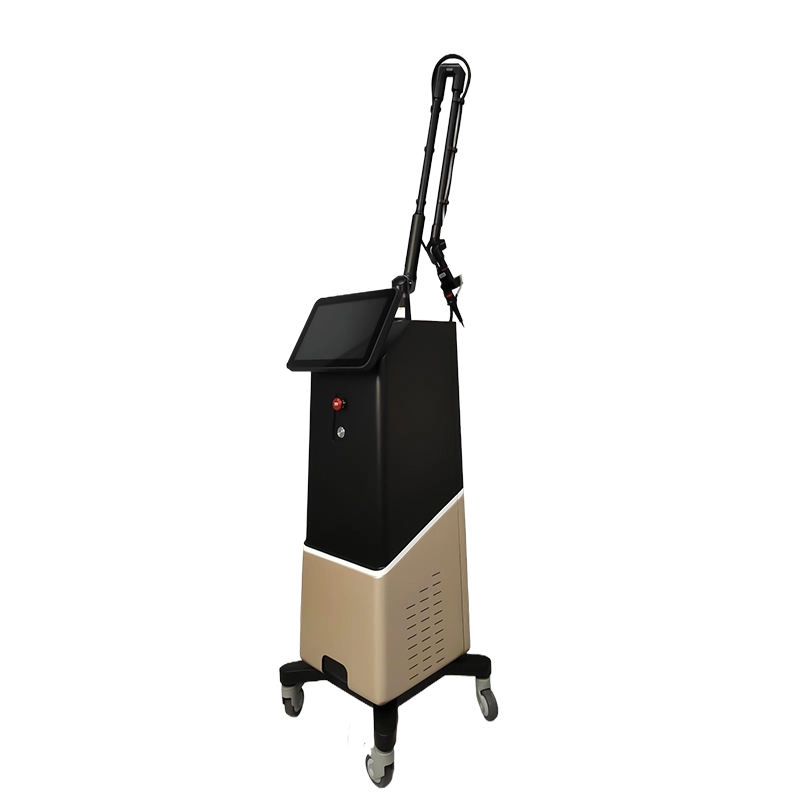
CO2 Fractional Laser Machine for Advanced Skin Resurfacing & Scar Removal
The CO2 fractional laser machine is designed to address a variety of skin concerns, offering treatments for acne scars, pigmentation, wrinkles, and overall skin texture. Utilizing advanced CO2 fractional laser technology, it delivers highly precise and controlled laser energy to promote collagen production and skin rejuvenation. This machine is ideal for professional use in beauty salons, medical spas, and aesthetic clinics. It features a user-friendly touchscreen interface, adjustable settings for customizable treatments, and a built-in cooling system to ensure comfort during use.
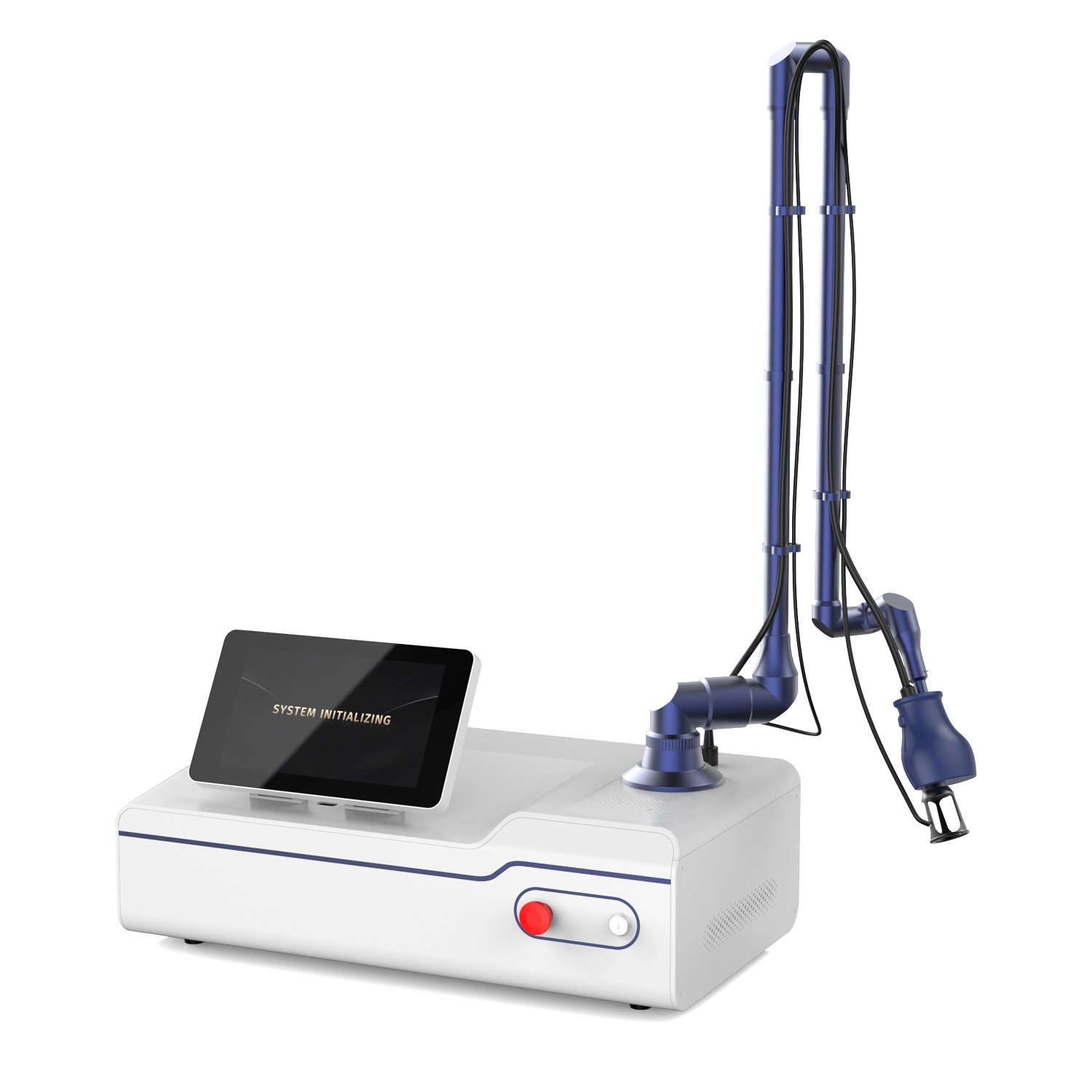
CO2 Fractional Laser Machine | Intimate Vaginal Rejuvenation System
This **CO2 Fractional Laser Machine** utilizes advanced 10600nm CO2 fractional laser technology to create controlled micro-thermal zones on the vaginal mucosa and intimate skin layers. These micro-columns stimulate collagen regeneration and tissue remodeling, effectively improving vaginal tightness, elasticity, and overall intimate health.
Designed specifically for professional medical aesthetic and intimate wellness applications, this CO2 fractional laser machine features intelligent parameter control and high-precision energy output to ensure safe, comfortable, and consistent treatment results. It is an ideal core device for vaginal rejuvenation, postpartum recovery, and intimate anti-aging treatments.
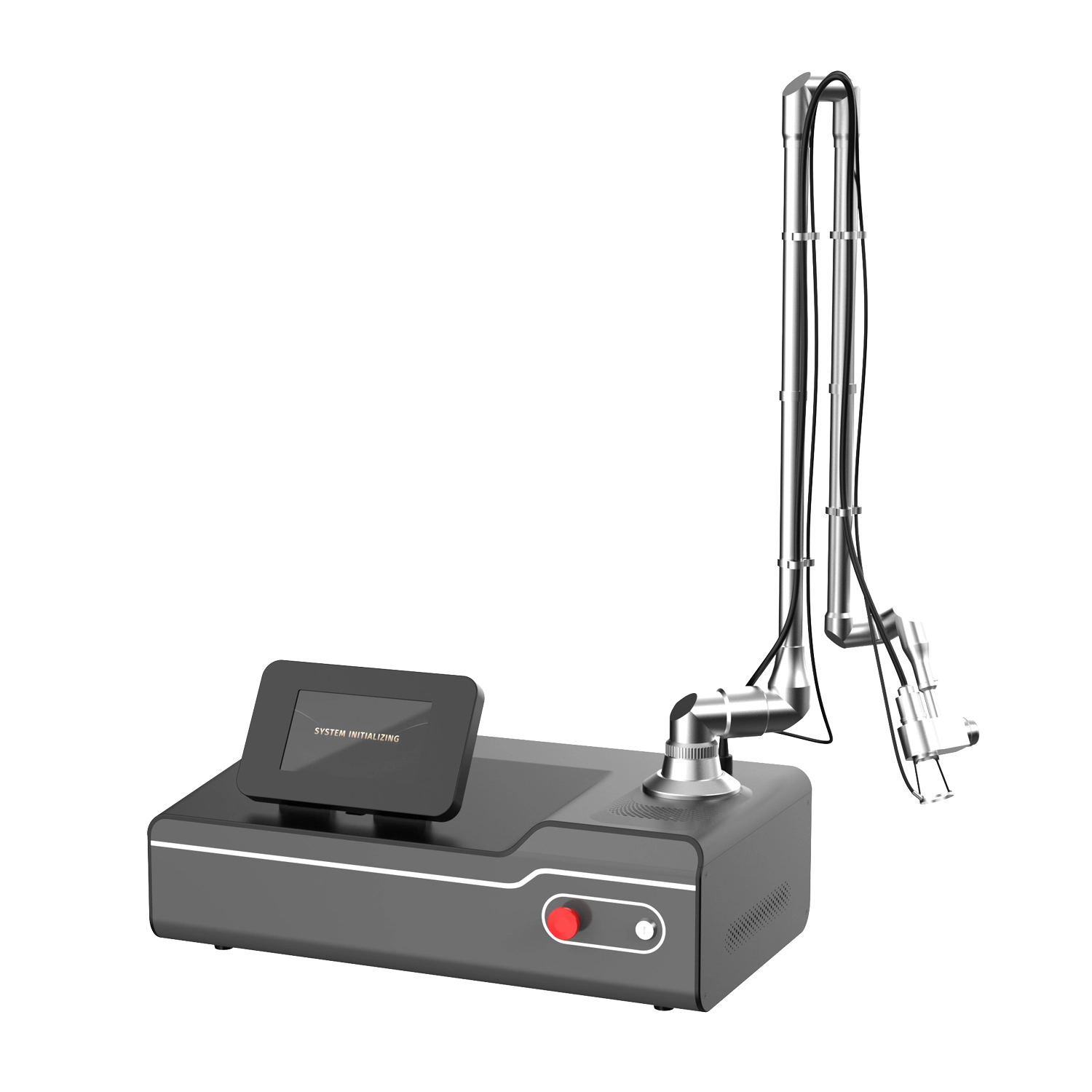
Professional CO2 Fractional Laser Machine for Skin Resurfacing & Scar Treatment
The CO2 Fractional Laser Machine is a professional CO2 fractional laser machine designed for advanced skin resurfacing, scar treatment, and skin rejuvenation procedures.
Using 10,600nm CO2 fractional laser technology, the system delivers controlled microthermal zones into the skin, stimulating collagen remodeling while preserving surrounding tissue. This fractional approach significantly improves treatment safety, recovery time, and clinical outcomes.
The CO2 fractional laser machine is widely used in dermatology clinics and medical aesthetic centers for treating acne scars, wrinkles, enlarged pores, stretch marks, and various skin texture concerns.
Get more information
If you have any comments or good suggestions, please leave us a message; later our professional staff will contact you as soon as possible.
Let's Talk
Stay in touch with us for cutting-edge beauty solutions, professional guidance, and customized service.
Contact


Room 307, Building A, Huilong International E-commerce Industrial Park, No. 10 Xipengling Road, Helong Street, Baiyun District, Guangzhou, China
© 2025 HUIMAIN. All Rights Reserved. Privacy Policy | Terms and Conditions | Sitemap
Facebook
Instagram
Medical beauty equipment factory
huimain Medical beauty equipment factory
beauty machine supplier
Whatsapp: +8619124004543