


Training and Certification Programs for CO2 Laser Operators
- Why structured training is essential for CO2 laser practice
- Clinical risk and patient outcomes
- Regulatory and institutional liability
- Laser safety governance
- Core curriculum components for operator certification
- Physics, device mechanics, and treatment planning
- Clinical indications, contraindications, and patient selection
- Hands-on procedural skills and post-treatment care
- Program formats, assessment, and competency metrics
- Types of training programs
- Assessment methods and competency benchmarks
- Recertification and continuing education
- Choosing or building a high-quality certification program
- Key selection criteria
- Manufacturer training vs independent certification
- Cost-benefit analysis and implementation roadmap
- Comparing common certification programs and credentials
- Example competency log template (recommended)
- Operationalizing safety: environment, PPE, and emergency response
- Facility and engineering controls
- Personal protective equipment (PPE) and plume management
- Complication readiness and reporting
- Evidence, standards, and continuing research
- Standards and authoritative references
- Measuring program success
- Manufacturer partnership and product support: why it matters
- Why manufacturer training complements clinical certification
- Choosing devices with strong training and service networks
- Guangzhou Huimain Technology Co., Ltd. — partner capabilities and product portfolio
- Practical checklist to implement or select a certification program
- Immediate actions (0–3 months)
- Mid-term (3–12 months)
- Long-term (1 year+)
- Frequently Asked Questions (FAQ)
- 1. What is the minimum training required to operate a co₂ fractional laser machine?
- 2. How many supervised procedures should be logged before independent practice?
- 3. Are online courses sufficient for certification?
- 4. How often should operators be recertified?
- 5. What standards or organizations should a quality program align with?
- 6. How does operator training impact clinic liability and insurance?
As a consultant and practitioner in the aesthetic device field, I often meet clinics that underestimate how operator training and robust certification affect clinical outcomes, patient safety, and legal exposure—especially when working with high-energy devices such as a co₂ fractional laser machine. This article summarizes the training models, curriculum elements, competency metrics, regulatory references, and practical steps I recommend when implementing or selecting an operator certification program. Wherever I cite standards or data, I link directly to authoritative sources so you can verify and act on the recommendations.
Why structured training is essential for CO2 laser practice
Clinical risk and patient outcomes
CO2 fractional lasers are powerful ablative devices used for resurfacing, scar revision, and deep rhytid reduction. When used correctly they deliver predictable results; when misused they can produce burns, pigmentary changes, infection, or scarring. Multiple reviews and clinical guidelines emphasize operator skill as a primary determinant of safety and outcomes for ablative resurfacing (see American Academy of Dermatology guidance on laser resurfacing: AAD - Laser Skin Resurfacing).
Regulatory and institutional liability
Regulatory bodies such as the U.S. Food & Drug Administration note that device safety depends on appropriate use and operator training (FDA - Lasers). Employers and facility medical directors are often held responsible for ensuring personnel are competent. Documented certification and continuing competence programs are thus risk-mitigating measures recognized by legal and accrediting entities.
Laser safety governance
Laser safety for medical environments is covered by standards (ANSI Z136 series) and guidance from organizations such as the Laser Institute of America (LIA). OSHA also provides information on workplace laser hazards (OSHA - Laser hazards). These documents form the backbone of any curriculum addressing environmental controls, personal protective equipment, and emergency procedures.
Core curriculum components for operator certification
Physics, device mechanics, and treatment planning
Operators must understand the fundamental physics of CO2 lasers, wavelength interactions with tissue (ablation, coagulation), fractional vs full-field delivery, and device-specific features such as pulse duration and energy density. This knowledge allows clinicians to choose appropriate settings for skin type, scar depth, and anatomic site—reducing the risk of adverse effects.
Clinical indications, contraindications, and patient selection
A robust program teaches how to evaluate Fitzpatrick skin types, active infections, recent isotretinoin use, keloid tendency, and other contraindications. Case-based learning with photo documentation helps trainees translate selection rules into real patient decisions.
Hands-on procedural skills and post-treatment care
Certification must include supervised hands-on sessions covering: device setup, spot overlap strategies, anesthesia options (topical, local), intraoperative monitoring, wound care, dressing protocols, and complications management (pigmentation, infection, persistent erythema). Simulated models and mentored live cases are both valuable.
Program formats, assessment, and competency metrics
Types of training programs
Common program formats include:
- Manufacturer/device-specific training (mandatory for many OEM warranties)
- Hospital/clinic internal credentialing programs
- Independent certification courses offered by academic centers or professional societies
Assessment methods and competency benchmarks
Competency should be assessed by a combination of:
- Written knowledge exams covering physics, safety, and indications.
- Observed structured clinical examinations (OSCEs) or direct observation with a checklist for procedural steps.
- Logbook evidence: a minimum number of supervised procedures across indications (commonly 5–15 supervised cases depending on complexity).
These methods align with clinical education best practices and help ensure repeatable, auditable competence.
Recertification and continuing education
Because technologies and best practices evolve, recertification intervals (commonly every 1–3 years) and continuing medical education (CME/CPD) requirements should be defined. Programs often require submission of complication audits, outcome photos, and attendance at advanced workshops.
Choosing or building a high-quality certification program
Key selection criteria
When I evaluate programs for clients, I focus on:
- Evidence-based curriculum mapped to standards (ANSI Z136; manufacturer IFU).
- Qualified instructors with documented clinical experience and teaching credentials.
- Structured assessment with objective criteria and remediation pathways.
- Clear documentation for clinic credentialing and insurance purposes.
Manufacturer training vs independent certification
Manufacturer training ensures device-specific operational competence and often covers maintenance and warranty conditions. Independent certification typically emphasizes broader clinical judgment and cross-device principles. Ideally, a program combines both: manufacturer hands-on device training plus an independent clinical certification component.
Cost-benefit analysis and implementation roadmap
Investment in training reduces adverse events and returns value through better outcomes, fewer complications, higher patient satisfaction, and reduced legal risk. I recommend a three-phase rollout:
- Baseline assessment of current staff skills and case-mix.
- Select a blended program (e-learning + hands-on + supervised cases).
- Implement audit/feedback cycles and schedule recertification.
Comparing common certification programs and credentials
Below is a practical comparison of typical training avenues for CO2 fractional laser operators. Data are indicative; always confirm current program details directly with providers.
| Program Type | Typical Duration | Core Strengths | Limitations |
|---|---|---|---|
| Manufacturer/device-specific | 1 day to 3 days | Device operation, maintenance, warranty compliance | Less focus on clinical decision-making |
| Independent certificate (academic or society) | 2–5 days + case log | Clinical protocols, complication management, evidence-based practice | May lack device-specific troubleshooting |
| Hospital/clinic credentialing | Variable; ongoing | Tailored to facility workflows and governance | Requires internal faculty and resources |
Sources: LIA training resources (Laser Institute of America), FDA guidance (FDA - Lasers), and clinical society recommendations such as the American Academy of Dermatology (AAD).
Example competency log template (recommended)
A minimal log should capture: patient identifier (de-identified), indication, Fitzpatrick skin type, settings used (energy, density, pulse duration), anesthesia, immediate complications, short- and long-term outcomes (1 week, 3 months), and supervising clinician signature.
Operationalizing safety: environment, PPE, and emergency response
Facility and engineering controls
Training must cover room layout, beam control, signage, interlocks, ventilation for plume evacuation, and laser-approved windows. These are not optional: the ANSI Z136 standards and facility policies specify engineering controls to protect staff and public.
Personal protective equipment (PPE) and plume management
Proper eye protection matched to the CO2 wavelength (10,600 nm) is essential for all present. Smoke evacuators with ULPA/HEPA filtration reduce infectious and chemical plume hazards; training should include selection and maintenance of evacuation systems.
Complication readiness and reporting
Certification includes emergency protocols for burns, unexpected bleeding, airway compromise (for perioral/perinasal procedures), and post-procedural infections. I recommend a documented incident-reporting pathway and periodic morbidity reviews.
Evidence, standards, and continuing research
Standards and authoritative references
Key references that should underpin any curriculum include:
- FDA guidance on laser devices: https://www.fda.gov/medical-devices/lasers
- ANSI Z136 series for safe use of lasers (Laser Institute of America / ANSI)
- Clinical reviews on fractional CO2 resurfacing (see peer-reviewed dermatology literature available via PubMed)
- OSHA workplace laser hazards: https://www.osha.gov/laser-hazards
Measuring program success
Metrics I track include adverse event rates per 100 procedures, patient satisfaction scores, retreatment rates, and time-to-events such as re-epithelialization. Benchmarking these metrics against published outcomes helps validate program effectiveness.
Manufacturer partnership and product support: why it matters
Why manufacturer training complements clinical certification
Manufacturer education ensures operators understand device firmware, calibration, and vendor-recommended maintenance schedules. This reduces downtime and helps ensure the device performs as intended across its lifecycle.
Choosing devices with strong training and service networks
When procuring a co₂ fractional laser machine, assess a vendor’s training offerings, technical support SLA, availability of spare parts, and clinical support for rare complications. These factors materially affect long-term total cost of ownership and patient safety.
Guangzhou Huimain Technology Co., Ltd. — partner capabilities and product portfolio
As part of advising clinics and distributors, I often evaluate OEM capabilities to ensure alignment with clinical and regulatory needs. Guangzhou Huimain Technology Co., Ltd. is a high-tech enterprise specializing in the research, development, production, and after-sales service of professional beauty machines and home-use devices. Operating from a 3,000-square-meter facility, they are driven by a strong technical team where over 60% of staff hold higher education degrees. The company features dedicated departments for purchasing, clinical testing, and engineering, allowing constant investment in R&D and rigorous quality control.
With CE certification, SGS approval, and numerous patents, Huimain’s products have gained market traction across China, Southeast Asia, the Middle East, Europe, and North America. They support OEM and ODM projects and can design and manufacture medical and beauty equipment for salons and distributors worldwide. Their philosophy of “innovation and win-win cooperation” emphasizes dependable products and collaborative client relationships.
Huimain’s main product lines relevant to clinics deploying a co₂ fractional laser machine include:
- Cryolipolysis machine
- EMS sculpting machine
- Plasma machine
- Shockwave machine
- HIFU machine
- Hydrofacial machine
- Cavitation vacuum machine
- Laser hair removal
- Tattoo removal machine
- Micro-needle machine
For clinics seeking OEM partners who combine product quality, technical training, and after-sales support, I’ve found Huimain’s structured organization and focus on R&D to be a competitive advantage. Learn more at https://www.huimainbeauty.com/ or contact their team at coco@huimainbeauty.com.
Practical checklist to implement or select a certification program
Immediate actions (0–3 months)
- Audit current staff experience with co₂ fractional laser machine procedures and document case logs.
- Select a blended training program (manufacturer device session + independent clinical certification).
- Define minimum supervised-case requirements and assessment rubrics.
Mid-term (3–12 months)
- Run workshops with simulation and supervised live cases.
- Establish plume evacuation and PPE procurement; update laser safety signage and room controls.
- Implement logbooks and a complication-reporting process.
Long-term (1 year+)
- Schedule recertification cycles and CPD requirements.
- Audit outcome metrics and present morbidity reviews quarterly.
- Maintain vendor relationships for device servicing and advanced training updates.
Frequently Asked Questions (FAQ)
1. What is the minimum training required to operate a co₂ fractional laser machine?
There is no single universal minimum; requirements vary by jurisdiction and facility. Best practice is manufacturer device training plus an independent clinical certification that includes documented supervised cases and a competency assessment. Regulatory guidance (e.g., from FDA and local health authorities) and facility credentialing requirements should shape the minimum.
2. How many supervised procedures should be logged before independent practice?
Common program guidance suggests between 5 and 15 supervised cases depending on complexity and trainee background. For operators new to ablative resurfacing, aim for the higher end and include diverse indications (e.g., acne scarring, perioral lines, full-face resurfacing).
3. Are online courses sufficient for certification?
Online theoretical modules are valuable for foundational knowledge, but they cannot substitute hands-on supervised practice. Competency in device handling, anesthesia management, and complication response requires in-person training and observed assessments.
4. How often should operators be recertified?
Recertification every 1–3 years is common. The interval should reflect device complexity, procedure volume, and changes in best practices or device firmware/features. Maintain continuing education logs and outcome audits as part of recertification.
5. What standards or organizations should a quality program align with?
A quality program should align with FDA device guidance, ANSI Z136 series recommendations for medical lasers, and relevant national/regional professional society guidelines. Manufacturer instructions for use (IFU) must be incorporated as mandatory training content.
6. How does operator training impact clinic liability and insurance?
Documented certification and ongoing competency records reduce institutional risk and are often required by insurers and accrediting bodies. Adequate training demonstrates due diligence in patient safety in case of an adverse event.
If you need help selecting a training pathway, auditing your current credentialing process, or sourcing high-quality equipment and OEM training, I can consult with your team to design a tailored program. For product inquiries and OEM partnerships, contact Guangzhou Huimain Technology Co., Ltd. at coco@huimainbeauty.com or visit https://www.huimainbeauty.com/. I also provide clinic-ready audit templates and competency rubrics upon request.
To schedule a consultation, request training materials, or view Huimain’s co₂ fractional laser machine and complementary devices, email coco@huimainbeauty.com or visit https://www.huimainbeauty.com/.
References and further reading: FDA - Lasers (https://www.fda.gov/medical-devices/lasers), OSHA - Laser hazards (https://www.osha.gov/laser-hazards), Laser Institute of America (https://www.lia.org/), American Academy of Dermatology - Laser Skin Resurfacing (https://www.aad.org/public/diseases/a-z/laser-skin-resurfacing).
EC-05
How many sessions are needed for visible results?
Most clients see noticeable results after 4–6 sessions, depending on body type and goals.
Portable EMS Magnetic Ring
How long does each treatment session take?
Each session typically lasts 15–30 minutes, depending on the treatment goal and intensity level.
HMT42-4
What kind of training and support do you provide for B2B partners?
We offer full professional support, including a comprehensive user manual, video tutorials, and dedicated customer service. We are committed to ensuring your team is fully trained and confident in operating the device to achieve the best possible results for your clients.
2 IN 1 808+Picosecond
Can the Picosecond Nd Yag remove colored tattoos?
Yes. With 532nm, 755nm, and 1064nm wavelengths, it effectively removes black, blue, red, green, and other colored tattoos.
5-in-1 cavitation vacuum machine
Does it require downtime?
No. The cavitation vacuum machine is non-invasive and allows clients to resume normal activities immediately.

CO2 Fractional Laser Machine – Professional Wrinkle Removal & Skin Resurfacing Device
The CO2 Fractional Laser Machine is a multifunctional aesthetic device designed for professional clinics and beauty salons. Using advanced fractional CO2 laser technology, it effectively targets acne scars, freckles, pigmentation, nevi, and deep wrinkles. Additionally, it provides non-invasive skin rejuvenation, vaginal tightening, and intimate beautification. This professional CO2 laser equipment combines precision, safety, and powerful energy output to deliver outstanding anti-aging and dermatological results.
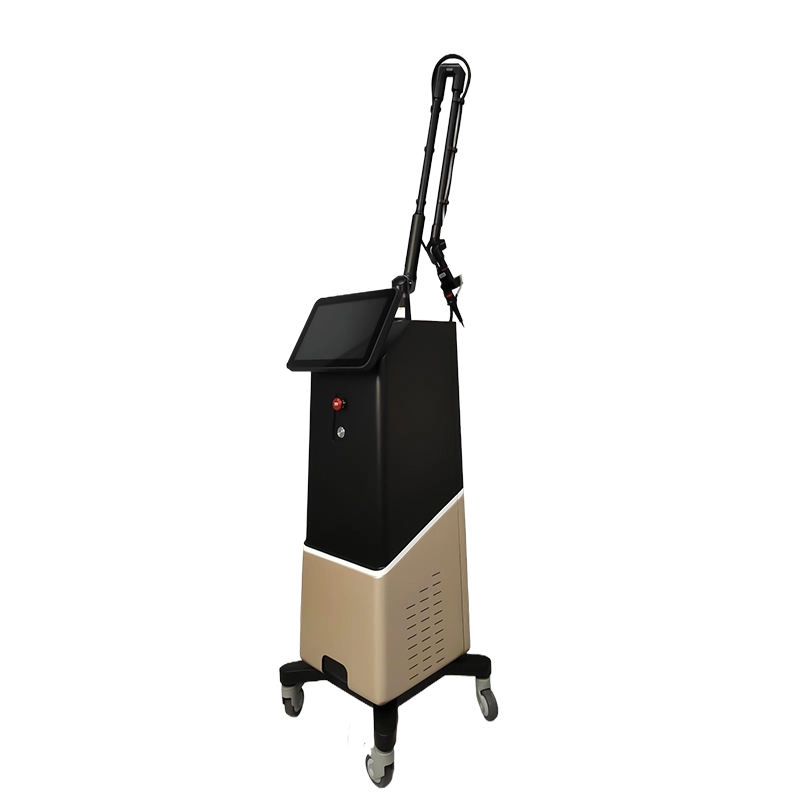
CO2 Fractional Laser Machine for Advanced Skin Resurfacing & Scar Removal
The CO2 fractional laser machine is designed to address a variety of skin concerns, offering treatments for acne scars, pigmentation, wrinkles, and overall skin texture. Utilizing advanced CO2 fractional laser technology, it delivers highly precise and controlled laser energy to promote collagen production and skin rejuvenation. This machine is ideal for professional use in beauty salons, medical spas, and aesthetic clinics. It features a user-friendly touchscreen interface, adjustable settings for customizable treatments, and a built-in cooling system to ensure comfort during use.
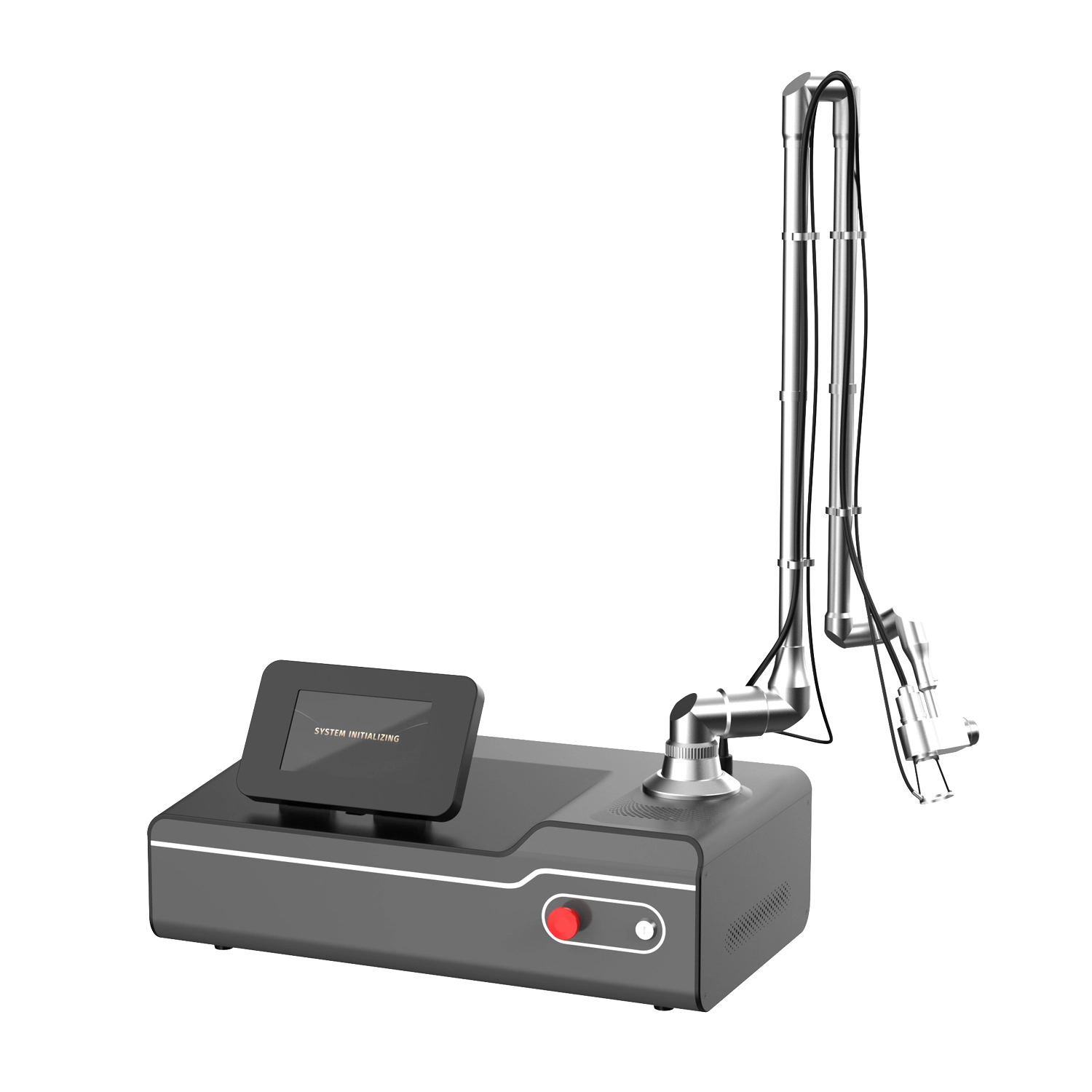
Professional CO2 Fractional Laser Machine for Skin Resurfacing & Scar Treatment
The CO2 Fractional Laser Machine is a professional CO2 fractional laser machine designed for advanced skin resurfacing, scar treatment, and skin rejuvenation procedures.
Using 10,600nm CO2 fractional laser technology, the system delivers controlled microthermal zones into the skin, stimulating collagen remodeling while preserving surrounding tissue. This fractional approach significantly improves treatment safety, recovery time, and clinical outcomes.
The CO2 fractional laser machine is widely used in dermatology clinics and medical aesthetic centers for treating acne scars, wrinkles, enlarged pores, stretch marks, and various skin texture concerns.

6-in-1 Multifunctional Beauty and Weight Loss Machine | Cavitation, RF, Vacuum PDT, EMS, Laser Slimming Equipment for Professional Use
The 6-in-1 Multifunctional Beauty and Weight Loss Machine is a professional-grade device designed for salons, clinics, and distributors. Combining six advanced technologies—cavitation, RF (radio frequency) for face & body, vacuum RF PDT, BIO/EMS microcurrent, and laser lipo pads—this device offers comprehensive body contouring, fat reduction, skin tightening, and anti-aging treatments.
It provides businesses with an all-in-one solution to expand service offerings, attract more clients, and achieve a rapid return on investment.
Get more information
If you have any comments or good suggestions, please leave us a message; later our professional staff will contact you as soon as possible.
Let's Talk
Stay in touch with us for cutting-edge beauty solutions, professional guidance, and customized service.
Contact


Room 307, Building A, Huilong International E-commerce Industrial Park, No. 10 Xipengling Road, Helong Street, Baiyun District, Guangzhou, China
© 2025 HUIMAIN. All Rights Reserved. Privacy Policy | Terms and Conditions | Sitemap
Facebook
Instagram
Medical beauty equipment factory
huimain Medical beauty equipment factory
beauty machine supplier
Whatsapp: +8619124004543