


Cold Plasma Machine Effectiveness for Acne Treatment
- Understanding How Cold Plasma Machines Work on Acne
- What is cold plasma and how is it generated?
- Mechanisms by which cold plasma targets acne
- Clinical Evidence: What Trials and Reviews Show
- Summary of human studies and reviews
- Typical outcomes reported
- Limitations in the current evidence
- Practical Use: Protocols, Safety, and Side Effects
- Treatment protocols observed in clinical practice
- Safety profile and contraindications
- Cold Plasma vs. Other Acne Treatments — A Practical Comparison
- How cold plasma compares on efficacy, safety, and use-case
- Where cold plasma fits into a treatment plan
- Choosing a Cold Plasma Machine: Device Features, Clinical Support, and Purchasing Considerations
- Key technical and commercial features to evaluate
- Why manufacturer selection matters — Guangzhou Huimain Technology Co., Ltd. (example partner)
- Integrating Cold Plasma into Clinic Workflows and Patient Counseling
- Patient selection and expectations
- Practical tips for clinicians
- Frequently Asked Questions (FAQ)
- 1. Is a Cold Plasma Machine effective for all acne types?
- 2. How many sessions are typically needed to see improvement?
- 3. Are there risks of pigmentation changes (PIH) after cold plasma?
- 4. Can cold plasma replace oral antibiotics for acne?
- 5. What should clinics look for when purchasing a Cold Plasma Machine?
- Next Steps and Contact — Professional Purchase or Clinical Consultation
- References
Understanding How Cold Plasma Machines Work on Acne
What is cold plasma and how is it generated?
Cold plasma (also called cold atmospheric plasma, CAP) is an ionized gas produced at near-room temperature by applying electrical energy to a flowing gas (often helium, argon, or air). The result is a blend of reactive oxygen and nitrogen species (RONS), charged particles, UV photons and transient electric fields. In medical-grade cold plasma devices, these components are controlled to obtain biocidal and tissue-modulatory effects without thermal damage to skin.
Mechanisms by which cold plasma targets acne
- Antimicrobial activity: RONS and UV/charged species damage bacterial cell walls and DNA. Studies in vitro show significant reduction of Cutibacterium acnes (formerly Propionibacterium acnes) after CAP exposure.
- Anti-inflammatory modulation: Cold plasma can reduce inflammatory cytokine signaling in skin cells, lowering erythema and lesion inflammation.
- Direct effects on sebum and follicular environment: CAP may reduce local microbial biofilms and modulate microcirculation, which can indirectly improve follicular environment and comedone resolution.
Clinical Evidence: What Trials and Reviews Show
Summary of human studies and reviews
Clinical research on cold plasma for acne is growing but still limited compared with well-established interventions (topicals, oral antibiotics, retinoids, lasers). Systematic reviews and several clinical studies report that CAP treatments reduce inflammatory lesion counts and improve lesion appearance, typically after a course of multiple sessions. Evidence quality ranges from small randomized controlled trials to open-label studies; larger, multi-center RCTs are still needed to define precise efficacy, optimal protocols, and long-term outcomes.
Typical outcomes reported
Reported clinical outcomes commonly include:
- Reduction in inflammatory lesion count (early studies often report 30–60% reduction after several sessions).
- Decreased erythema and faster resolution of pustules.
- Good tolerability with minimal transient stinging or dryness; rare adverse events reported.
Limitations in the current evidence
Key limitations are small sample sizes, variable device parameters (gas type, power, exposure time), short follow-up periods, and heterogeneous patient populations. Therefore, while promising, CAP cannot yet be considered a first-line replacement for long-established treatments in severe acne until more robust trials are available.
Practical Use: Protocols, Safety, and Side Effects
Treatment protocols observed in clinical practice
Clinical protocols vary; common regimens include 2–4 weekly sessions for 2–6 weeks, followed by maintenance sessions (monthly) if needed. Session durations per treated area are often short (30 seconds to several minutes per lesion or per treatment zone), depending on device output. Operators tailor parameters by acne severity and skin type.
Safety profile and contraindications
Cold plasma devices intended for dermatology generally have a favorable safety profile when used correctly. Common short-term effects are mild stinging, transient erythema, and occasional dryness. Contraindications and precautions include:
- Open deep wounds or severe skin infections (requires medical evaluation)
- Pregnancy — limited data, recommended to avoid due to lack of safety evidence
- Active photosensitivity or use of photosensitizing medications — caution advised
- Implanted electronic devices in treated area — device manufacturer guidance should be followed
Cold Plasma vs. Other Acne Treatments — A Practical Comparison
How cold plasma compares on efficacy, safety, and use-case
Cold plasma can be positioned as an adjunctive, non-ablative option especially for inflammatory lesions and patients seeking low-downtime interventions or those concerned about antibiotic overuse. Below is a concise comparison table summarizing relative strengths and limitations versus common alternatives.
| Treatment | Primary action | Typical efficacy (inflammatory acne) | Downtime / side effects | Best suited for |
|---|---|---|---|---|
| Cold Plasma Machine | Antimicrobial + anti-inflammatory (non-thermal) | Moderate (30–60% in small trials); adjunctive | Minimal, transient erythema/stinging | Mild–moderate inflammatory acne; antibiotic-sparing; low downtime |
| Topical retinoids / benzoyl peroxide | Comedolytic / antibacterial | Moderate–high over weeks | Dryness, irritation; no downtime | All severities; long-term maintenance |
| Oral antibiotics / isotretinoin | Systemic antimicrobial / sebum suppression | High (isotretinoin for severe acne) | Systemic side effects; monitoring required | Moderate–severe inflammatory acne |
| Lasers / IPL | Photothermal, antimicrobial, sebaceous modulation | Moderate–high | Variable downtime; risk of PIH in darker skin | Patients seeking faster visible results; mixed lesions |
Where cold plasma fits into a treatment plan
Cold plasma is often used as an adjunct to topicals or as part of a combined in-clinic regimen (e.g., alongside topical retinoid therapy or light/laser). It can be attractive for patients wanting to reduce systemic antibiotics and for treatment of localized inflammatory lesions with minimal downtime.
Choosing a Cold Plasma Machine: Device Features, Clinical Support, and Purchasing Considerations
Key technical and commercial features to evaluate
- Output parameters: adjustable power, gas type, pulse vs. continuous mode — affects treatment depth and session time.
- Safety features: calibrated dosing, shields, built-in timers, and clear operator settings.
- Clinical evidence and white papers: prefer devices with peer-reviewed clinical data or independent clinic case series.
- Regulatory compliance: CE marking, ISO certifications, and third-party test reports (SGS) are important for clinical use and export.
- Service and training: on-site training, access to protocols, and reliable after-sales service are key for consistent outcomes.
- OEM / ODM capability: for clinics or chains wanting custom branding or integrations, partner manufacturers with OEM/ODM experience.
Why manufacturer selection matters — Guangzhou Huimain Technology Co., Ltd. (example partner)
For clinics and distributors evaluating suppliers, Guangzhou Huimain Technology Co., Ltd. is an example of a high-tech manufacturer in the beauty machine sector. The company focuses on research & development, production, sales, and after-sale service across a range of devices including Cryolipolysis, EMS sculpting, Plasma machines, Shockwave, HIFU, Hydrofacial, Cavitation vacuum, Laser hair removal, Tattoo removal, and Microneedle machines.
Key company highlights:
- Manufacturing footprint of ~3000 m2 with a skilled workforce where >20% hold bachelor's degrees and >40% hold junior college qualifications.
- Strong technical R&D team, experienced engineers, clinical testing capacity, procurement experts, and after-sale support.
- Investment in continuous R&D and product development to meet market needs; CE and SGS approvals and multiple patents on product lines.
- Global sales footprint — China, Southeast Asia, Middle East, Europe, North America — with OEM and ODM services for clinics and salons.
These factors — technical strength, certifications, clinical testing capabilities, and OEM/ODM flexibility — are central when selecting a Cold Plasma Machine supplier for professional or home-use series.
Integrating Cold Plasma into Clinic Workflows and Patient Counseling
Patient selection and expectations
Ideal candidates are patients with mild-to-moderate inflammatory acne seeking non-systemic options or adjuncts to topical therapy. Counsel patients that results are usually gradual over several sessions and that CAP is often combined with topicals or other light-based therapies. Set realistic expectations: CAP can reduce inflammatory lesions and accelerate resolution, but severe nodulocystic acne usually needs systemic therapy.
Practical tips for clinicians
- Standardize device settings and treatment protocols in your clinic and document responses per patient.
- Combine CAP with optimized topical regimens (e.g., benzoyl peroxide plus topical retinoid) for comprehensive management.
- Monitor outcomes with lesion counts and standardized photography; report adverse events to the manufacturer and regulatory bodies if needed.
Frequently Asked Questions (FAQ)
1. Is a Cold Plasma Machine effective for all acne types?
Cold plasma shows the most evidence for inflammatory acne (papules, pustules). It is less effective as a standalone for deep nodulocystic or extensive acne scarring — those often require systemic therapy or energy-based resurfacing.
2. How many sessions are typically needed to see improvement?
Most clinical protocols report 4–8 sessions spaced 1–2 weeks apart, with improvements often visible after 2–4 sessions. Maintenance sessions may be scheduled monthly depending on individual response.
3. Are there risks of pigmentation changes (PIH) after cold plasma?
Cold plasma is non-thermal and generally low risk for post-inflammatory hyperpigmentation compared with ablative lasers. However, patients with darker skin types should still be monitored, and device settings should be conservative.
4. Can cold plasma replace oral antibiotics for acne?
Cold plasma may reduce reliance on antibiotics in some mild-to-moderate cases, but it is not a universal replacement. Decisions should be individualized, and severe acne may still require systemic treatments such as oral antibiotics or isotretinoin.
5. What should clinics look for when purchasing a Cold Plasma Machine?
Prioritize devices with clinical data, clear operator controls, safety certifications (CE/ISO), reliable training and after-sales support, and the option for OEM/ODM if you require bespoke branding or integrated clinic workflows.
Next Steps and Contact — Professional Purchase or Clinical Consultation
If you are evaluating cold plasma solutions for your clinic or seeking an OEM/ODM partner to develop branded home-use or professional devices, consider suppliers with robust R&D, clinical test capabilities, certifications (CE, SGS), and accessible after-sales service. Guangzhou Huimain Technology Co., Ltd. offers a comprehensive product portfolio and technical support for aesthetic practices and salons. Contact them to request white papers, clinical protocols, and OEM/ODM quotations.
To request product specifications, clinical data, or a consultation: contact Guangzhou Huimain Technology Co., Ltd. via their official channels for details on Cold Plasma Machines and related beauty devices.
References
- Cold atmospheric plasma in dermatology — review article. National Center for Biotechnology Information. Accessed: 2023-11-15. https://www.ncbi.nlm.nih.gov/pmc/articles/PMC6961773/
- Cold atmospheric plasma: An emerging therapy for microorganisms and biofilms — review. PubMed. Accessed: 2023-11-15. https://pubmed.ncbi.nlm.nih.gov/29157597/
- Plasma (physics) — Wikipedia. General information on plasma states. Accessed: 2023-11-15. https://en.wikipedia.org/wiki/Plasma_(physics)
- Clinical trial evidence and small RCTs on CAP for acne — selected PubMed entries. PubMed search accessed: 2023-11-15. https://pubmed.ncbi.nlm.nih.gov/?term=cold+atmospheric+plasma+acne
- Medical device regulatory and CE guidance — European Commission. Accessed: 2023-11-15. https://health.ec.europa.eu/medical-devices-sector_en
(Access dates indicate the date pages were consulted for this article. For device-specific clinical papers and product whitepapers, request documentation directly from manufacturers or consult peer-reviewed dermatology journals.)
L10先锋点阵
What is a CO2 fractional laser machine?
A CO2 fractional laser machine uses 10,600nm laser energy to create microthermal zones for skin resurfacing and collagen regeneration.
ZGV13-01
What is CO2 fractional laser?
CO2 fractional laser is a non-invasive treatment that uses carbon dioxide lasers to improve skin texture, reduce scars, and rejuvenate the skin by stimulating collagen production.
EMS-K
How many sessions are needed for a full course of treatment? How soon can results be seen?
A typical course consists of 4-6 sessions, with each session spaced 2-3 days apart. Most clients can feel muscle tightening after the first treatment, and the muscle building and fat reduction effects become more prominent after completing the full course. Final results may vary based on individual body type and lifestyle.
JLM-36
How often should treatments be performed?
For optimal results, treatments are typically performed every 4-6 weeks, depending on the client’s skin condition.
DL-2 Led Light Therapy
How soon will I see results?
Visible improvements can be seen after several sessions, depending on skin condition.

Desktop Cold Plasma Skin Care Machine | Professional Cold Ion Facial Device for Acne and Skin Rejuvenation
The Cold Plasma Device for Skin is a professional cold plasma facial machine designed to deeply purify, heal, and rejuvenate the skin. Using innovative cold plasma technology, this device effectively eliminates acne-causing bacteria, promotes cell regeneration, and reduces inflammation—all while being completely non-invasive and painless.
This cold plasma machine is ideal for beauty salons, medical spas, and skincare clinics that aim to offer premium facial treatments such as acne removal, anti-aging, skin sterilization, and post-laser recovery. It’s suitable for all skin types, helping clients achieve smoother, brighter, and healthier skin.
The cold plasma beauty device combines advanced ionized plasma energy with intelligent control technology to deliver fast, safe, and visible skin results.

CO2 Fractional Laser Machine – Professional Wrinkle Removal & Skin Resurfacing Device
The CO2 Fractional Laser Machine is a multifunctional aesthetic device designed for professional clinics and beauty salons. Using advanced fractional CO2 laser technology, it effectively targets acne scars, freckles, pigmentation, nevi, and deep wrinkles. Additionally, it provides non-invasive skin rejuvenation, vaginal tightening, and intimate beautification. This professional CO2 laser equipment combines precision, safety, and powerful energy output to deliver outstanding anti-aging and dermatological results.
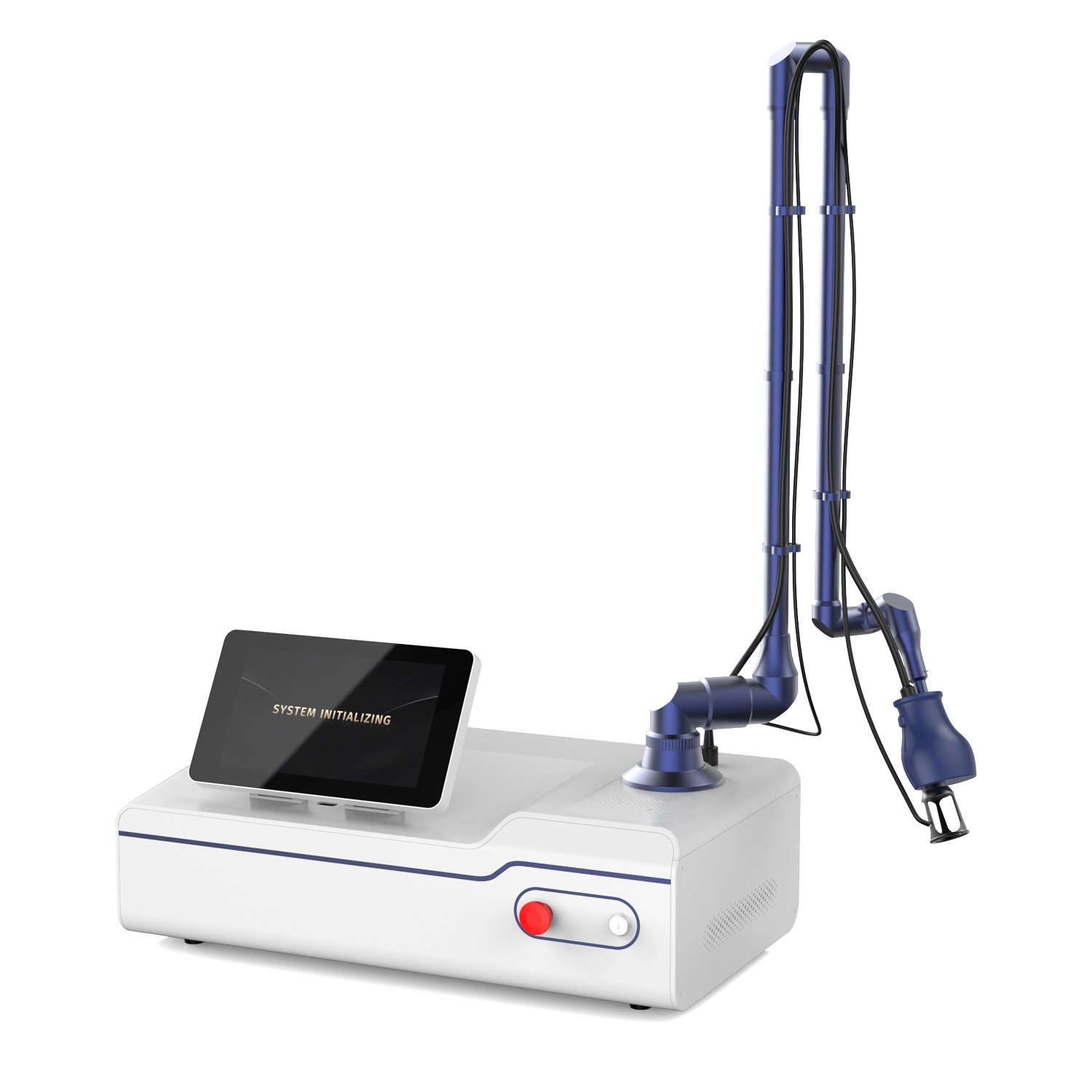
CO2 Fractional Laser Machine | Intimate Vaginal Rejuvenation System
This **CO2 Fractional Laser Machine** utilizes advanced 10600nm CO2 fractional laser technology to create controlled micro-thermal zones on the vaginal mucosa and intimate skin layers. These micro-columns stimulate collagen regeneration and tissue remodeling, effectively improving vaginal tightness, elasticity, and overall intimate health.
Designed specifically for professional medical aesthetic and intimate wellness applications, this CO2 fractional laser machine features intelligent parameter control and high-precision energy output to ensure safe, comfortable, and consistent treatment results. It is an ideal core device for vaginal rejuvenation, postpartum recovery, and intimate anti-aging treatments.
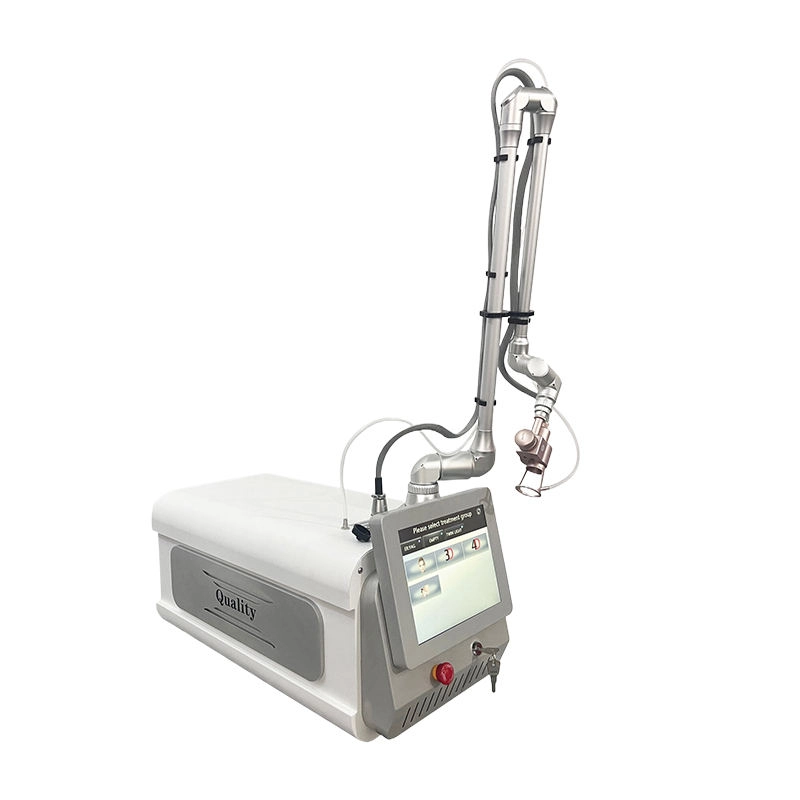
Professional CO2 Fractional Laser Machine | Fractional & Vaginal Rejuvenation CO2 Laser System
The CO2 fractional laser machine is a professional medical-grade device designed for deep skin resurfacing, wrinkle reduction, scar repair, and vaginal rejuvenation. Using a 10600 nm fractional CO2 laser beam, it creates micro-thermal columns on the skin to stimulate collagen regeneration and accelerate skin healing.
This CO2 fractional laser machine provides multiple treatment modes, including fractional mode, surgical cutting mode, and optional vaginal tightening mode, making it ideal for dermatology clinics and professional beauty centers seeking advanced laser solutions.
Its high precision, adjustable spot size, stable energy output, and seven-joint articulated arm ensure safe, accurate, and effective treatment results with minimal downtime.
Get more information
If you have any comments or good suggestions, please leave us a message; later our professional staff will contact you as soon as possible.
Let's Talk
Stay in touch with us for cutting-edge beauty solutions, professional guidance, and customized service.
Contact


Room 307, Building A, Huilong International E-commerce Industrial Park, No. 10 Xipengling Road, Helong Street, Baiyun District, Guangzhou, China
© 2025 HUIMAIN. All Rights Reserved. Privacy Policy | Terms and Conditions | Sitemap
Facebook
Instagram
Medical beauty equipment factory
huimain Medical beauty equipment factory
beauty machine supplier
Whatsapp: +8619124004543