


Cold Plasma Machine Buyer’s Guide for Aesthetic Clinics
- Understanding Cold Plasma in Aesthetic Medicine
- What is a cold plasma machine and how does it work?
- Clinical indications and evidence
- Key Technical Specifications to Evaluate
- Output types and treatment modes
- Applicator design, ergonomics and consumables
- Safety, Regulatory and Clinical Governance
- Regulatory certifications and lab testing
- Clinical safety, contraindications and training
- Comparing Cold Plasma Devices: Performance, Cost and Maintenance
- How to compare devices objectively
- Comparison table: typical device attributes
- Procurement Checklist and Return-on-Investment (ROI)
- Operational and financial checklist
- Estimating ROI
- Vendor Selection, Clinical Validation and After-sales Support
- Questions to ask potential suppliers
- Importance of clinical validation and pilot testing
- Brand Spotlight: Guangzhou Huimain Technology Co., Ltd.
- Company overview and capabilities
- Quality, certifications and market reach
- Core product lines and competitive advantages
- Implementation Best Practices and Patient Pathway
- Pre-treatment assessment and informed consent
- Treatment protocols and aftercare
- Frequently Asked Questions (FAQ)
- 1. Is cold plasma treatment painful?
- 2. How many sessions are typically required?
- 3. Are there long-term safety concerns?
- 4. What regulatory approvals should I look for?
- 5. Can cold plasma replace lasers or radiofrequency devices?
- 6. How should I price treatments for my clinic?
- Contact & Next Steps
- References
Understanding Cold Plasma in Aesthetic Medicine
What is a cold plasma machine and how does it work?
Cold plasma (also called cold atmospheric plasma or non-thermal plasma) is a partially ionized gas containing reactive species, electrons, ions, UV photons and electric fields. In aesthetic medicine, cold plasma machines generate a controlled plasma plume or micro-discharge that interacts with skin tissue to achieve effects such as sterilization, micro-ablation, coagulation and stimulation of tissue regeneration. The mechanism combines microbial inactivation, modulation of cell signaling, and mild thermal or electromechanical effects that promote collagen remodelling and skin tightening.
Clinical indications and evidence
Clinically, cold plasma devices are used for skin resurfacing, peri-lesional antisepsis, acne management, wound healing, benign lesion removal and adjunctive skin tightening. Evidence is growing: peer-reviewed studies and clinical case series report benefits in improving texture, reducing superficial lesions and accelerating healing when used by trained operators. Many outcomes are device- and protocol-dependent, so clinic-level validation and training are essential before wide adoption.
Key Technical Specifications to Evaluate
Output types and treatment modes
Cold plasma systems vary by delivery method: handheld plasma pens, jet/plume devices, or non-contact multi-electrode applicators. Important parameters include pulse versus continuous mode, frequency (kHz to MHz ranges), power range (watts), and ability to adjust gas flow or carrier gas (air, argon). Choose devices that allow adjustable energy settings and predefined treatment protocols for different skin types and indications.
Applicator design, ergonomics and consumables
Ergonomic handheld applicators reduce operator fatigue during long procedures. Check for disposable tips or caps to avoid cross-contamination; verify the cost and availability of consumables. Also consider length of cable, tip visibility, and whether the unit supports magnified or coaxial illumination for precision work.
Safety, Regulatory and Clinical Governance
Regulatory certifications and lab testing
For clinic procurement, prioritize devices with recognized certifications: CE marking (EU), ISO medical device standards, or other region-specific approvals. While cold plasma is an emerging field, CE certification and independent test reports (electrical safety, EMC, biocompatibility) increase confidence. Many reputable suppliers also obtain third-party testing from organizations such as SGS.
Clinical safety, contraindications and training
Cold plasma treatments are generally low-risk when used appropriately, but contraindications include active systemic infections, certain photosensitive conditions, and untreated malignancy in the target area. Always require device-specific training and evidence of clinical protocols. Conduct a patch test on sensitive skin and keep detailed consent and post-care instructions to manage expectations and adverse events.
Comparing Cold Plasma Devices: Performance, Cost and Maintenance
How to compare devices objectively
Create an evaluation rubric including: power and adjustability, applicator types, certification and clinical data, consumable costs, warranty and local service, training availability, and total cost of ownership. Request clinical before/after case studies and ask for references from clinics with similar case mixes.
Comparison table: typical device attributes
| Attribute | Entry-level Plasma Pen | Mid-range Jet/Plume Device | Advanced Multi-mode System |
|---|---|---|---|
| Typical price (USD) | $1,000 - $4,000 | $4,000 - $12,000 | $12,000 - $40,000+ |
| Treatment types | Superficial lesions, small resurfacing | Resurfacing, acne, wound care | Full protocols, multi-indication, adjustable gases |
| Consumable cost | Low | Medium | Medium to high |
| Certifications | Varies | Often CE/ISO | CE/ISO, clinical data |
| Maintenance & service | Minimal | Periodic calibration | Regular maintenance and service contracts |
Notes: Price ranges and attributes are indicative; always request up-to-date technical datasheets and service terms from vendors.
Procurement Checklist and Return-on-Investment (ROI)
Operational and financial checklist
Before purchase, complete this checklist: documented treatment indications, expected patient volume, pricing per treatment, consumable cost per treatment, training schedule, warranty and service SLA, local regulatory compliance, trial/demo availability, and marketing support. Consider total cost of ownership over 3–5 years rather than purchase price alone.
Estimating ROI
ROI depends on clinic size and pricing. Example calculation (illustrative): if an average treatment price is $300, with 8 billable treatments/week, revenue ~ $9,600/month. Subtract consumables, operator time, and marketing; many clinics see payback within 6–18 months for mid-range devices. Validate assumptions with realistic patient flow and local competitive pricing.
Vendor Selection, Clinical Validation and After-sales Support
Questions to ask potential suppliers
- Can you provide clinical evidence and peer-reviewed case studies for this specific model?
- What certifications, safety reports and test data accompany the device?
- Do you offer on-site training, demonstration units, or trial periods?
- What is the warranty, spare parts availability and local service network?
- What are consumable costs and typical maintenance intervals?
Importance of clinical validation and pilot testing
Run a small pilot with patient consent to evaluate outcomes, treatment time and patient satisfaction. Track metrics such as improvement scores, adverse events, and re-treatment rates. Use pilot data to build protocols, pricing and marketing messages.
Brand Spotlight: Guangzhou Huimain Technology Co., Ltd.
Company overview and capabilities
Guangzhou Huimain Technology Co., Ltd. is a high-tech company specializing in beauty machines and home-use device series. The company is professional in research & development, production, sales and after-sale service. Huimain owns a 3,000 square meter facility with a skilled workforce: more than 20% of staff hold bachelor’s degrees and over 40% have junior college qualifications. The company has a strong technical R&D department, many experienced engineers, PE experts, a professional purchasing department, clinical test capabilities and an established after-sale service team.
Quality, certifications and market reach
With strong R&D investment, Huimain continuously produces new products tailored to market demand. The company reports CE certification and SGS approval for products and holds several patents. Products are sold internationally across China, Southeast Asia, the Middle East, Europe and North America, receiving positive customer feedback for quality and price. Huimain focuses on OEM and ODM routes, capable of designing and producing high-quality medical and beauty machines for customers and salons.
Core product lines and competitive advantages
Huimain’s main products include Cryolipolysis machines, EMS sculpting machines, Plasma machines, Shockwave machines, HIFU machines, Hydrofacial machines, Cavitation vacuum machines, Laser hair removal, Tattoo removal machines and Microneedle devices. The company emphasizes technology innovation and win-win cooperation, positioning itself as a supplier of true, market-validated beauty machines with a balance of performance and competitive pricing. Clinics looking for an OEM/ODM partner or ready-to-use systems can consider Huimain for solutions that combine technical support, compliance and global distribution.
Implementation Best Practices and Patient Pathway
Pre-treatment assessment and informed consent
Perform a thorough medical and dermatologic assessment including medications, prior procedures and photos. Discuss expected outcomes, number of sessions, downtime and potential side effects. Obtain written informed consent and maintain clear pre/post-care instructions.
Treatment protocols and aftercare
Adopt device-specific protocols and document energy settings, number of passes, and tip types. Educate patients on immediate effects (erythema, crusting) and post-care such as sun avoidance, topical antiseptics and follow-up scheduling. Track outcomes with standardized photographs and patient-reported outcome measures to refine protocols.
Frequently Asked Questions (FAQ)
1. Is cold plasma treatment painful?
Most patients report mild to moderate discomfort depending on the device and energy setting. Providers can adjust parameters and use topical anesthetics in sensitive areas. Discomfort is generally less than ablative lasers but greater than simple topical treatments.
2. How many sessions are typically required?
For resurfacing and skin texture improvement, a series of 1–3 sessions spaced 4–8 weeks apart is common. For chronic conditions like acne, more frequent treatments may be recommended. Device-specific protocols vary.
3. Are there long-term safety concerns?
Current evidence indicates cold plasma is safe when used within recommended parameters. Long-term data are still emerging; clinics should stay informed via peer-reviewed literature and post-market surveillance reports.
4. What regulatory approvals should I look for?
Look for CE marking in Europe, ISO standards compliance and any available regional approvals. Independent lab tests (electrical safety, EMC) and third-party certifications like SGS add confidence.
5. Can cold plasma replace lasers or radiofrequency devices?
Cold plasma is complementary rather than a full replacement. It offers unique antimicrobial and non-ablative resurfacing benefits and may integrate well into a multi-modality approach with lasers, RF and injectables depending on clinic offerings.
6. How should I price treatments for my clinic?
Price based on device cost, consumables, operator time and local market. Benchmark against competing modalities and ensure margins cover amortization and marketing. Consider introductory packages and multi-session discounts to build patient flow.
Contact & Next Steps
If you are evaluating cold plasma machines for your clinic and would like a tailored equipment recommendation, product demo or pricing, contact Guangzhou Huimain Technology Co., Ltd. for technical details, certification documents and OEM/ODM solutions. Their full product range includes Cryolipolysis machines, EMS sculpting machines, Plasma machines, Shockwave machines, HIFU machines, Hydrofacial machines, Cavitation vacuum machines, Laser hair removal, Tattoo removal machines and Microneedle devices. Huimain emphasizes innovation, quality and cooperative partnerships to deliver machines suited to clinic needs.
To request a quotation, clinical data, or arrange a demonstration, reach out to the supplier directly and ask for: full technical datasheet, CE/SGS certificates, warranty terms, training program outline, and references from clinics in your region.
References
- Plasma medicine — Wikipedia (accessed 2026-01-04)
- Plasma (physics) — Wikipedia (accessed 2026-01-04)
- U.S. Food & Drug Administration — Medical Devices (accessed 2026-01-04)
- CE marking — European Commission (accessed 2026-01-04)
- SGS — Testing, Inspection and Certification (accessed 2026-01-04)
- Aesthetic Devices Market Overview — Grand View Research (accessed 2026-01-04)
For additional clinical literature, search PubMed and PubMed Central for cold atmospheric plasma dermatology and plasma medicine to review recent peer-reviewed studies and systematic reviews relevant to aesthetic applications.
Super 808nm 3 wavelengths Diode Laser Hair Removal
What is the lifespan of the diode handpiece?
The handpiece has a long-life diode module with millions of shots, suitable for long-term clinic use.
EMT-13
How long does each session last?
Each treatment typically lasts 30 minutes per area, depending on the program selected.
ZGP03 (台式皮秒)
What makes Nd YAG Picosecond Laser better for tattoo removal?
The picosecond pulse width creates a stronger photoacoustic effect, breaking pigments into smaller particles for faster tattoo removal.
DL-2 Led Light Therapy
How soon will I see results?
Visible improvements can be seen after several sessions, depending on skin condition.
12D hifu
What is the difference between the dual handles?
One handle is for facial lifting (1.5–4.5mm depth), while the second is designed for deeper body contouring (6–13mm).

Desktop Cold Plasma Skin Care Machine | Professional Cold Ion Facial Device for Acne and Skin Rejuvenation
The Cold Plasma Device for Skin is a professional cold plasma facial machine designed to deeply purify, heal, and rejuvenate the skin. Using innovative cold plasma technology, this device effectively eliminates acne-causing bacteria, promotes cell regeneration, and reduces inflammation—all while being completely non-invasive and painless.
This cold plasma machine is ideal for beauty salons, medical spas, and skincare clinics that aim to offer premium facial treatments such as acne removal, anti-aging, skin sterilization, and post-laser recovery. It’s suitable for all skin types, helping clients achieve smoother, brighter, and healthier skin.
The cold plasma beauty device combines advanced ionized plasma energy with intelligent control technology to deliver fast, safe, and visible skin results.

CO2 Fractional Laser Machine – Professional Wrinkle Removal & Skin Resurfacing Device
The CO2 Fractional Laser Machine is a multifunctional aesthetic device designed for professional clinics and beauty salons. Using advanced fractional CO2 laser technology, it effectively targets acne scars, freckles, pigmentation, nevi, and deep wrinkles. Additionally, it provides non-invasive skin rejuvenation, vaginal tightening, and intimate beautification. This professional CO2 laser equipment combines precision, safety, and powerful energy output to deliver outstanding anti-aging and dermatological results.
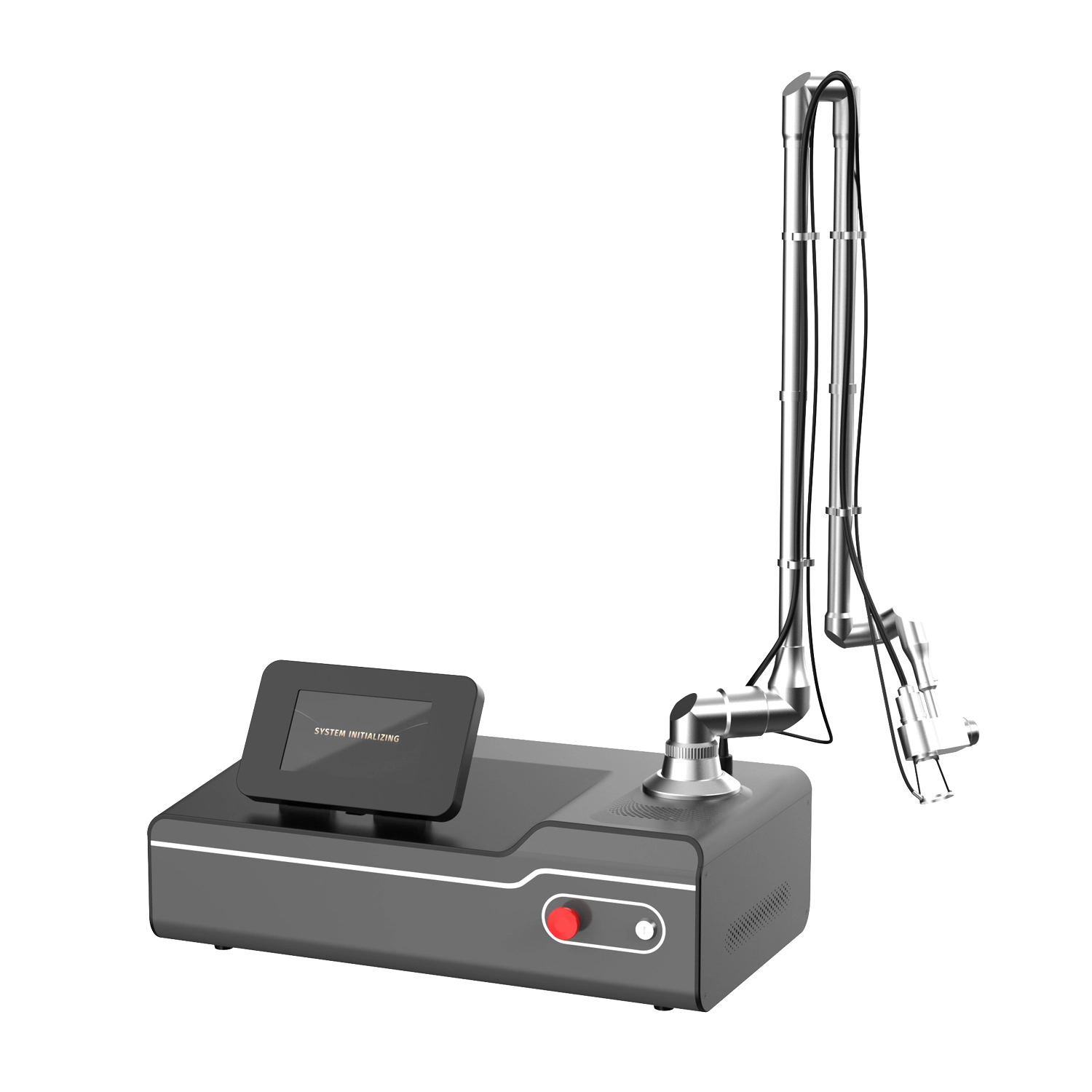
Professional CO2 Fractional Laser Machine for Skin Resurfacing & Scar Treatment
The CO2 Fractional Laser Machine is a professional CO2 fractional laser machine designed for advanced skin resurfacing, scar treatment, and skin rejuvenation procedures.
Using 10,600nm CO2 fractional laser technology, the system delivers controlled microthermal zones into the skin, stimulating collagen remodeling while preserving surrounding tissue. This fractional approach significantly improves treatment safety, recovery time, and clinical outcomes.
The CO2 fractional laser machine is widely used in dermatology clinics and medical aesthetic centers for treating acne scars, wrinkles, enlarged pores, stretch marks, and various skin texture concerns.
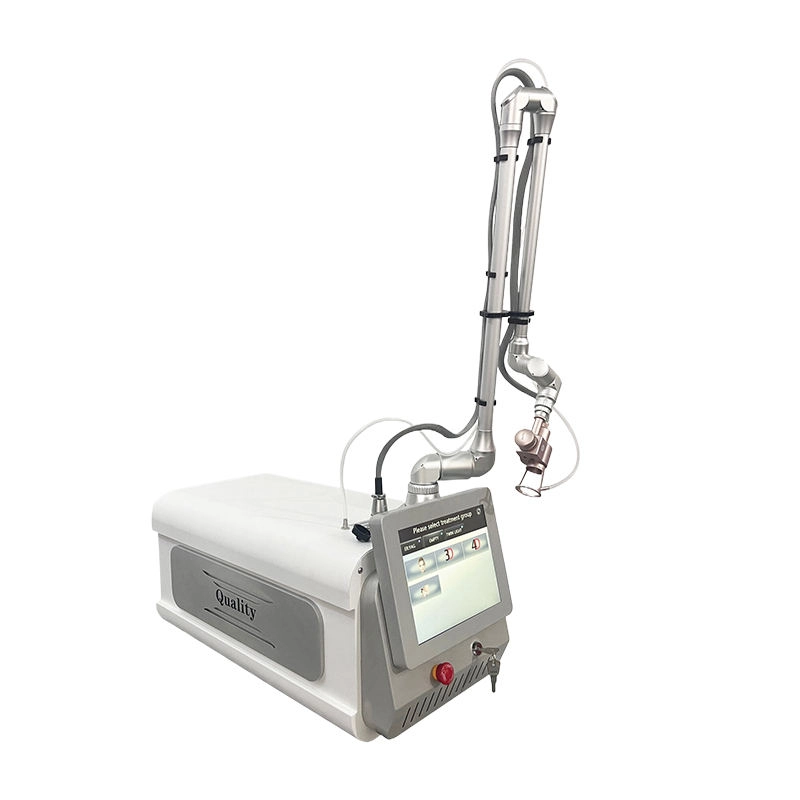
Professional CO2 Fractional Laser Machine | Fractional & Vaginal Rejuvenation CO2 Laser System
The CO2 fractional laser machine is a professional medical-grade device designed for deep skin resurfacing, wrinkle reduction, scar repair, and vaginal rejuvenation. Using a 10600 nm fractional CO2 laser beam, it creates micro-thermal columns on the skin to stimulate collagen regeneration and accelerate skin healing.
This CO2 fractional laser machine provides multiple treatment modes, including fractional mode, surgical cutting mode, and optional vaginal tightening mode, making it ideal for dermatology clinics and professional beauty centers seeking advanced laser solutions.
Its high precision, adjustable spot size, stable energy output, and seven-joint articulated arm ensure safe, accurate, and effective treatment results with minimal downtime.
Get more information
If you have any comments or good suggestions, please leave us a message; later our professional staff will contact you as soon as possible.
Let's Talk
Stay in touch with us for cutting-edge beauty solutions, professional guidance, and customized service.
Contact


Room 307, Building A, Huilong International E-commerce Industrial Park, No. 10 Xipengling Road, Helong Street, Baiyun District, Guangzhou, China
© 2025 HUIMAIN. All Rights Reserved. Privacy Policy | Terms and Conditions | Sitemap
Facebook
Instagram
Medical beauty equipment factory
huimain Medical beauty equipment factory
beauty machine supplier
Whatsapp: +8619124004543