


Clinical Evidence: Cold Plasma Machine Studies Overview
- Understanding Cold Plasma Technology: Basics, Terms, and Clinical Relevance
- What is a Cold Plasma Machine?
- Key device types and delivery formats
- Why clinical evidence matters for purchasing and clinical adoption
- Clinical Evidence Across Indications: What Trials and Studies Show
- Wound healing and chronic ulcers
- Antimicrobial uses and reduction of biofilm
- Dermatology and aesthetic uses
- Interpreting the Evidence: Levels, Gaps, Safety and Practical Protocols
- Levels of clinical evidence and typical study designs
- Safety profile and contraindications
- Translating study protocols into clinic practice
- Comparative Evidence Table: Indications, Evidence Strength, and Representative Sources
- Regulatory, Commercial and Procurement Considerations
- Regulatory status and CE/clearance considerations
- Choosing a supplier: OEM/ODM, training, and after-sales service
- Cost-effectiveness and return on investment
- Guangzhou Huimain Technology Co., Ltd.: Company Profile and How We Align with Clinical Needs
- Company capabilities and R&D strengths
- Quality credentials, certifications and global reach
- Product portfolio and competitive strengths
- Actionable Takeaways and Practical Recommendations
- How to evaluate clinical claims
- Integration into clinical workflows
- When to consider OEM/ODM and customization
- Frequently Asked Questions (FAQ)
- 1. Are cold plasma machines clinically proven to heal chronic wounds?
- 2. Is cold plasma safe for routine dermatology and aesthetic treatments?
- 3. Can a cold plasma device replace antibiotics or advanced dressings?
- 4. What should clinics check before buying a cold plasma machine?
- 5. How do OEM/ODM relationships help clinics or brands?
- 6. Where can I find ongoing clinical trials for cold plasma?
- Contact and Next Steps
- References and Further Reading
Understanding Cold Plasma Technology: Basics, Terms, and Clinical Relevance
What is a Cold Plasma Machine?
Cold plasma machines (often called cold atmospheric plasma, CAP, or non-thermal plasma devices) generate partially ionized gas at near-room temperature. They produce reactive oxygen and nitrogen species (RONS), ultraviolet photons, charged particles and electromagnetic fields. In clinical settings these agents are leveraged for antimicrobial effects, modulation of inflammation and tissue-stimulating effects, making cold plasma machines relevant to wound care, dermatology and some investigational oncology uses.
Key device types and delivery formats
Devices vary by plasma source (radiofrequency, dielectric barrier discharge, plasma jets), treatment geometry (handpiece, pen, larger surface applicators), and whether they are designed for point-of-care clinical use or home-use cosmetic applications. When evaluating options to buy a cold plasma machine or integrate the technology into a clinic, check whether the device is CE-marked or cleared for specific clinical indications (e.g., wound management or skin disinfection).
Why clinical evidence matters for purchasing and clinical adoption
For clinicians and clinic owners, distinguishing between in vitro promise and real-world clinical benefit is critical. Evidence that links specific device parameters to outcomes, safety, and standardized protocols reduces risk and improves patient outcomes. Keywords like clinical-grade cold plasma devices and cold plasma machine for wound healing should guide procurement conversations.
Clinical Evidence Across Indications: What Trials and Studies Show
Wound healing and chronic ulcers
Wound healing is one of the most developed clinical areas for CAP. Several prospective and controlled trials, along with multiple case series, report accelerated reduction of bioburden, improvement in granulation tissue formation and faster wound size reduction compared with standard care alone. Typical endpoints include bacterial load reduction (colony-forming units), percent wound area reduction and time to healing.
Antimicrobial uses and reduction of biofilm
Cold plasma demonstrates broad-spectrum antimicrobial activity in vitro and in vivo. Importantly, CAP can disrupt biofilms—an advantage over some topical antiseptics—making it attractive for infected chronic wounds, peri-procedural skin preparation and device decontamination research. Evidence includes laboratory reproducible reductions of common wound pathogens and clinical reports of decreased infection markers after treatment.
Dermatology and aesthetic uses
In dermatology, CAP has been investigated for acne, atopic dermatitis adjunctive therapy, and enhancement of transdermal drug delivery. Clinical studies often report improvements in inflammatory lesions and tolerability in short-term follow-ups. For aesthetic clinics, cold plasma machines marketed for skin rejuvenation or disinfection require careful review of study endpoints and treatment protocols before purchase.
Interpreting the Evidence: Levels, Gaps, Safety and Practical Protocols
Levels of clinical evidence and typical study designs
Evidence ranges from in vitro mechanistic studies and animal models to human case series, prospective cohort studies and randomized controlled trials (RCTs). While RCTs exist for wound healing and antibacterial applications, many dermatology and oncology uses remain in early-phase or pilot trials. When evaluating claims, prioritize peer-reviewed RCTs and systematic reviews over single-center case reports.
Safety profile and contraindications
Reported adverse events across clinical studies are generally mild and transient—local erythema, dryness or transient stinging. Importantly, non-thermal devices avoid thermal injury, but long-term safety data (years) are limited in some indications. Contraindications typically include untreated malignancy at the treatment site unless the use is investigational, and caution is advised in patients with implanted electronic devices unless the manufacturer provides compatibility data.
Translating study protocols into clinic practice
Clinical effectiveness depends on parameters: treatment time, distance from tissue, frequency and cumulative dose. Many published trials specify exact device settings and treatment schedules—these should serve as starting protocols. For clinics considering purchase, confirm that supplied user protocols match those used in clinical evidence and that training and after-sale support are available.
Comparative Evidence Table: Indications, Evidence Strength, and Representative Sources
| Indication | Typical Evidence Strength | Representative Clinical Findings | Representative Source (search) |
|---|---|---|---|
| Chronic wound healing (diabetic ulcers, pressure sores) | Moderate — RCTs & cohort studies | Reduced bacterial burden; accelerated granulation; improved healing rates in controlled trials | PubMed: CAP wound healing (accessed 2026-01-07) |
| Antimicrobial / biofilm disruption | Moderate — in vitro strong, in vivo clinical supportive | Broad-spectrum bacterial and fungal reductions; biofilm disruption in vitro and clinical reductions in colonization | PubMed: CAP antimicrobial (accessed 2026-01-07) |
| Dermatology (acne, inflammatory dermatoses) | Low-to-moderate — pilot trials and small RCTs | Improvements in inflammatory lesions, adjunctive benefit in some studies; variable protocols | PubMed: CAP dermatology (accessed 2026-01-07) |
| Oncology (palliative surface tumor control; investigational) | Low — early-phase clinical trials | Early signals of tumor cell apoptosis and local control in investigational settings; further trials needed | PubMed: CAP oncology (accessed 2026-01-07) |
Regulatory, Commercial and Procurement Considerations
Regulatory status and CE/clearance considerations
Regulatory clearance varies by market and indication. Many clinically used CAP devices hold CE marking for specific uses (e.g., wound management, dermatological applications) in the EU. In other markets, devices may be used under local medical device regulations or investigational approvals. Always verify a device’s intended use claims against regulatory documentation before purchase or clinical deployment.
Choosing a supplier: OEM/ODM, training, and after-sales service
Key procurement factors: documented clinical evidence for the specific device model, availability of training and user protocols, quality management certifications (ISO 13485), and reliable after-sale service. For clinics seeking OEM/ODM partnerships, choose manufacturers with a strong R&D and clinical test department to support custom protocols and clinical validation.
Cost-effectiveness and return on investment
Cost-effectiveness depends on caseload, indication mix and reimbursement context. For wound clinics with high rates of chronic, infected wounds, the reduced healing time and decreased need for systemic antibiotics or advanced dressings can justify investment. For aesthetics-only practices, evaluate whether evidence supports the marketed cosmetic claims and whether devices can be differentiated in a competitive market.
Guangzhou Huimain Technology Co., Ltd.: Company Profile and How We Align with Clinical Needs
Company capabilities and R&D strengths
Guangzhou Huimain Technology Co., Ltd. is a high-tech manufacturer focused on beauty machines and home-use machine series, with expertise in research & development, production, sales and after-sale service. The company occupies about 3,000 square meters and has a qualified workforce (over 20% with bachelor’s degrees and >40% with junior college degrees). Huimain’s technical development department and experienced engineers, professional purchasing team, clinical test department and after-sale service organization support clinical-grade device development and post-market performance.
Quality credentials, certifications and global reach
Huimain reports CE and SGS approvals and holds several patents for its products. Its machines sell across China, Southeast Asia, the Middle East, Europe and North America. The company follows OEM and ODM models and claims the ability to design and produce medical and beauty machines for clinics and salons, supporting devices that align with published clinical protocols and evidence requirements.
Product portfolio and competitive strengths
Huimain’s core products relevant to clinics seeking cold plasma and adjacent technologies include: Cryolipolysis machine, EMS sculpting machine, Plasma machine, Shockwave machine, HIFU machine, Hydrofacial machine, Cavitation vacuum machine, Laser hair removal, Tattoo removal machine and Microneedle machine. Advantages emphasized by the company include strong R&D investment, patent holdings, OEM/ODM flexibility, focused after-sale support and a balance of quality with competitive pricing—factors important for clinics purchasing clinical-grade cold plasma machines or looking for white-label manufacturing partnerships.
Actionable Takeaways and Practical Recommendations
How to evaluate clinical claims
Ask vendors for peer-reviewed publications that used the exact device model and settings, request training records, and verify regulatory documentation for the intended indication. Verify the device’s clinical protocol alignment with the published evidence before adopting it into routine care.
Integration into clinical workflows
Start with pilot protocols matching published studies, capture objective endpoints (wound area, bacterial counts, validated dermatological scales) and monitor safety. Engage with vendors that provide clinical support or collaborative trial opportunities.
When to consider OEM/ODM and customization
If your clinic or company needs device customization (e.g., specific applicator geometry or protocol programming), choose a manufacturer like Guangzhou Huimain Technology Co., Ltd. that documents R&D strength and clinical testing capabilities. OEM/ODM relationships are valuable when a partner can supply clinical documentation, regulatory support and post-sale servicing.
Frequently Asked Questions (FAQ)
1. Are cold plasma machines clinically proven to heal chronic wounds?
There is moderate clinical evidence—including controlled trials and cohort studies—showing cold plasma can reduce bioburden and accelerate aspects of wound healing. However, results depend strongly on device parameters and treatment protocols.
2. Is cold plasma safe for routine dermatology and aesthetic treatments?
Short-term safety in many dermatology studies is favorable, with mainly transient local effects. Long-term safety data are more limited; adhere to device-specific contraindications and published protocols.
3. Can a cold plasma device replace antibiotics or advanced dressings?
Cold plasma can reduce surface bioburden and disrupt biofilms, potentially reducing antibiotic use in some scenarios, but it should complement—not universally replace—systemic therapies when indicated. Clinical judgment and relevant guidelines should guide combined use.
4. What should clinics check before buying a cold plasma machine?
Verify peer-reviewed evidence for the device model, CE/regulatory status for your indication, training availability, maintenance and warranty terms, ISO certifications, and after-sale service capacity.
5. How do OEM/ODM relationships help clinics or brands?
OEM/ODM partnerships enable customization, private labeling and access to device engineering and clinical testing resources. They are useful for clinics or brands that want tailored devices with documented protocols and regulatory support.
6. Where can I find ongoing clinical trials for cold plasma?
ClinicalTrials.gov maintains an up-to-date list of registered studies. Search for cold plasma or cold atmospheric plasma to find ongoing trials and their endpoints.
Contact and Next Steps
If you are evaluating cold plasma machines for clinical or aesthetic use and would like product details, clinical protocol documentation, or OEM/ODM discussions, contact Guangzhou Huimain Technology Co., Ltd. for catalogs and technical consultation. For immediate inquiries, visit the company website or request product brochures and clinical references to confirm device-specific evidence prior to procurement.
References and Further Reading
- PubMed search: Cold atmospheric plasma wound healing. https://pubmed.ncbi.nlm.nih.gov/?term=cold+atmospheric+plasma+wound+healing (accessed 2026-01-07)
- PubMed search: Cold plasma antimicrobial. https://pubmed.ncbi.nlm.nih.gov/?term=cold+plasma+antimicrobial (accessed 2026-01-07)
- PubMed search: Cold plasma dermatology. https://pubmed.ncbi.nlm.nih.gov/?term=cold+plasma+dermatology (accessed 2026-01-07)
- PubMed search: Cold plasma oncology. https://pubmed.ncbi.nlm.nih.gov/?term=cold+plasma+cancer (accessed 2026-01-07)
- ClinicalTrials.gov search: cold plasma. https://clinicaltrials.gov/ct2/results?term=cold+plasma (accessed 2026-01-07)
- Plasma medicine (overview). Wikipedia. https://en.wikipedia.org/wiki/Plasma_medicine (accessed 2026-01-07)
- kINPen MED (example CE-marked device information). neoplas tools. https://www.neoplas-tools.com/kinpen-med/ (accessed 2026-01-07)
For clinical decision-making, consult the original peer-reviewed studies linked through PubMed and engage local regulatory guidance relevant to your market.
HMC1
Is the Pelvic Floor Chair safe and non-invasive?
Yes, it uses focused electromagnetic energy that safely contracts pelvic muscles without any discomfort or surgery.
AS9006
Is the cavitation vacuum machine safe for all clients?
Yes, it uses non-invasive technologies with adjustable energy settings suitable for most body types.
Magnetic Facial Lifting Machine
How does the Magnetic Facial Lifting Machine work?
The machine uses magnetic technology in conjunction with RF to stimulate the deep layers of the facial muscles and skin. This non-invasive process helps to increase muscle tone and lift the skin, while also stimulating collagen and elastin production to reduce wrinkles and firm the face.
HMT82S-2
Is the treatment painful? Is it safe?
Not at all. The procedure is non-invasive and painless. Clients only feel deep rhythmic muscle contractions — similar to intense workouts. It is CE-certified and completely safe.
OL-186
How often can treatments with the OL-186 hydro oxygen machine be performed?
1–2 times per week is recommended, depending on the client’s skin condition.

Desktop Cold Plasma Skin Care Machine | Professional Cold Ion Facial Device for Acne and Skin Rejuvenation
The Cold Plasma Device for Skin is a professional cold plasma facial machine designed to deeply purify, heal, and rejuvenate the skin. Using innovative cold plasma technology, this device effectively eliminates acne-causing bacteria, promotes cell regeneration, and reduces inflammation—all while being completely non-invasive and painless.
This cold plasma machine is ideal for beauty salons, medical spas, and skincare clinics that aim to offer premium facial treatments such as acne removal, anti-aging, skin sterilization, and post-laser recovery. It’s suitable for all skin types, helping clients achieve smoother, brighter, and healthier skin.
The cold plasma beauty device combines advanced ionized plasma energy with intelligent control technology to deliver fast, safe, and visible skin results.

CO2 Fractional Laser Machine – Professional Wrinkle Removal & Skin Resurfacing Device
The CO2 Fractional Laser Machine is a multifunctional aesthetic device designed for professional clinics and beauty salons. Using advanced fractional CO2 laser technology, it effectively targets acne scars, freckles, pigmentation, nevi, and deep wrinkles. Additionally, it provides non-invasive skin rejuvenation, vaginal tightening, and intimate beautification. This professional CO2 laser equipment combines precision, safety, and powerful energy output to deliver outstanding anti-aging and dermatological results.
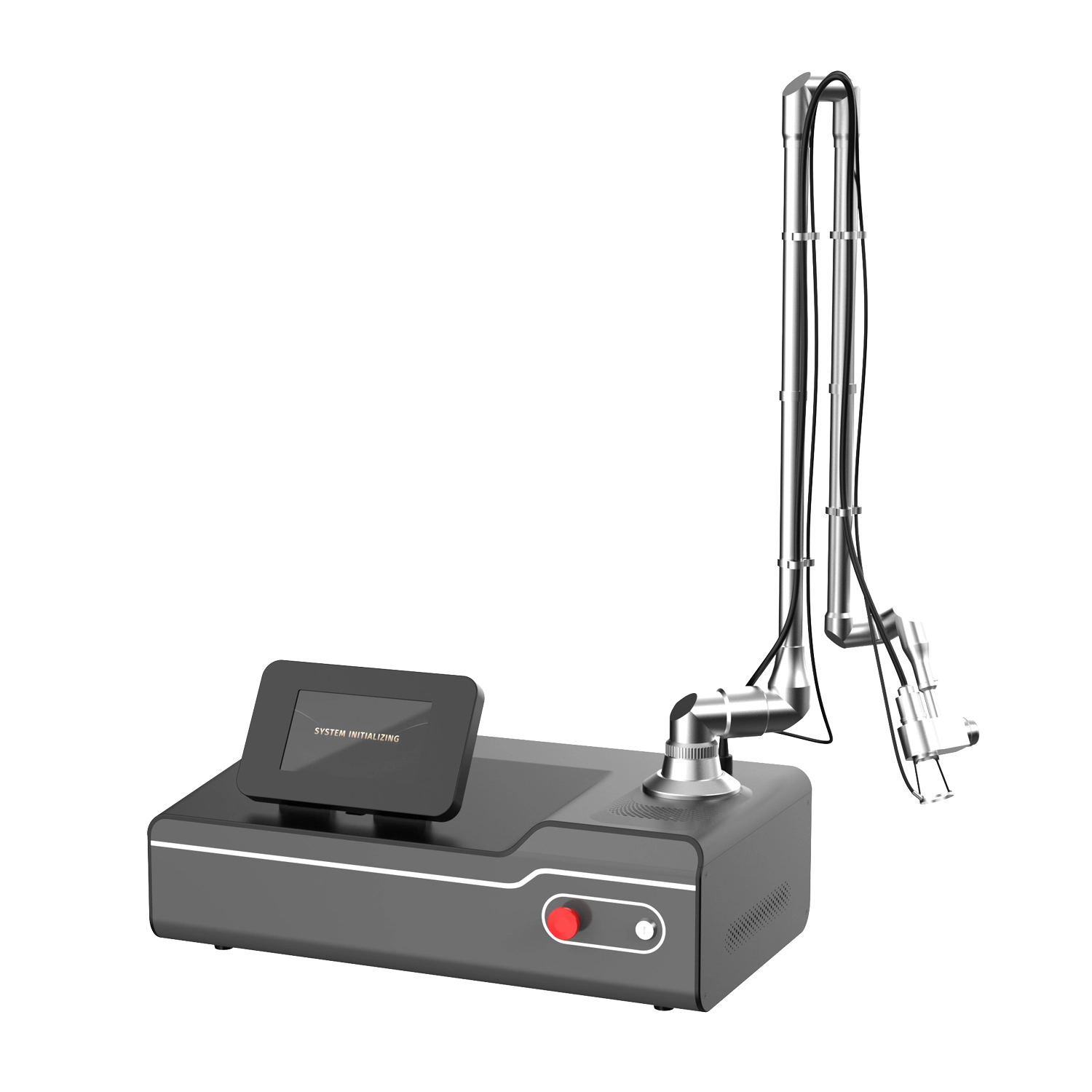
Professional CO2 Fractional Laser Machine for Skin Resurfacing & Scar Treatment
The CO2 Fractional Laser Machine is a professional CO2 fractional laser machine designed for advanced skin resurfacing, scar treatment, and skin rejuvenation procedures.
Using 10,600nm CO2 fractional laser technology, the system delivers controlled microthermal zones into the skin, stimulating collagen remodeling while preserving surrounding tissue. This fractional approach significantly improves treatment safety, recovery time, and clinical outcomes.
The CO2 fractional laser machine is widely used in dermatology clinics and medical aesthetic centers for treating acne scars, wrinkles, enlarged pores, stretch marks, and various skin texture concerns.
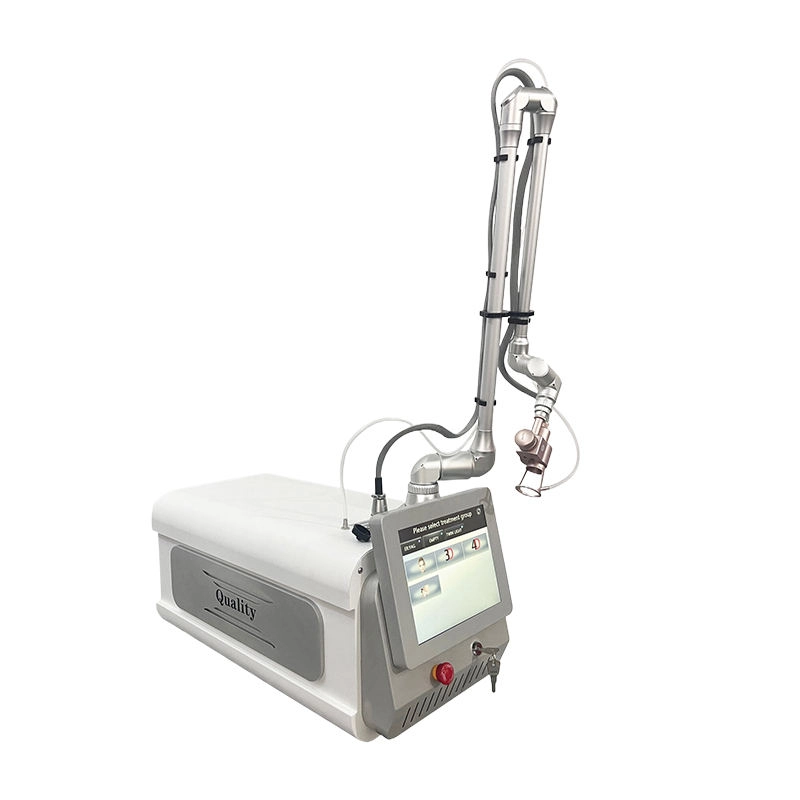
Professional CO2 Fractional Laser Machine | Fractional & Vaginal Rejuvenation CO2 Laser System
The CO2 fractional laser machine is a professional medical-grade device designed for deep skin resurfacing, wrinkle reduction, scar repair, and vaginal rejuvenation. Using a 10600 nm fractional CO2 laser beam, it creates micro-thermal columns on the skin to stimulate collagen regeneration and accelerate skin healing.
This CO2 fractional laser machine provides multiple treatment modes, including fractional mode, surgical cutting mode, and optional vaginal tightening mode, making it ideal for dermatology clinics and professional beauty centers seeking advanced laser solutions.
Its high precision, adjustable spot size, stable energy output, and seven-joint articulated arm ensure safe, accurate, and effective treatment results with minimal downtime.
Get more information
If you have any comments or good suggestions, please leave us a message; later our professional staff will contact you as soon as possible.
Let's Talk
Stay in touch with us for cutting-edge beauty solutions, professional guidance, and customized service.
Contact


Room 307, Building A, Huilong International E-commerce Industrial Park, No. 10 Xipengling Road, Helong Street, Baiyun District, Guangzhou, China
© 2025 HUIMAIN. All Rights Reserved. Privacy Policy | Terms and Conditions | Sitemap
Facebook
Instagram
Medical beauty equipment factory
huimain Medical beauty equipment factory
beauty machine supplier
Whatsapp: +8619124004543