


Cold Plasma Machine Clinical Outcomes: Before and After
- Understanding Cold Plasma Technology
- What is cold plasma and how does it work?
- Types of cold plasma machines used in clinics
- Clinical indications and semantic terms
- Clinical Evidence and Outcomes
- What the clinical literature shows
- Levels of evidence and limitations
- Key outcome categories
- Before and After: What Patients and Clinics Can Expect
- Typical before-and-after results by indication
- Typical treatment course and timeline
- Before-and-after photography and documentation
- Safety, Protocols and Best Practices
- Safety profile and contraindications
- Standard operating protocols for clinics
- Monitoring outcomes and reporting adverse events
- Manufacturer Profile: Guangzhou Huimain Technology Co., Ltd. — Why supplier matters
- Company overview and capabilities
- Quality, certifications and global reach
- Core product lines and clinical relevance
- Decision Guide: Is a Cold Plasma Machine Right for Your Practice?
- Key considerations for adoption
- Comparative evaluation matrix
- Return on investment (clinical and commercial)
- Frequently Asked Questions (FAQ)
- 1. How soon will patients see improvement after cold plasma treatment?
- 2. Is cold plasma painful?
- 3. Can cold plasma replace antibiotics for wound infection?
- 4. Are there standardized treatment protocols?
- 5. What are the main contraindications?
- 6. How should clinics document before-and-after outcomes?
- Conclusion and Contact / Product Inquiry
Cold plasma machines — also called cold atmospheric plasma (CAP) devices or non-thermal plasma systems — have moved from laboratory research into clinical practice for dermatology and aesthetic treatments. This article summarizes mechanism, reported clinical outcomes, typical before-and-after expectations for patients, safety considerations, and practical guidance for clinics and distributors evaluating cold plasma devices. Sources such as the general overview of plasma medicine (see Plasma medicine — Wikipedia) and peer-reviewed literature support the high-level clinical trends described here.
Understanding Cold Plasma Technology
What is cold plasma and how does it work?
Cold plasma is a partially ionized gas produced at near-room temperatures, containing reactive oxygen and nitrogen species (RONS), electrons, ions, UV photons, and electromagnetic fields. In medical and cosmetic devices, these active components interact with biological tissues to modulate microbial populations, inflammatory signaling, and cellular behavior without thermal damage typical of ablative treatments. For a general overview of plasma medicine and its mechanisms, see the Wikipedia summary Plasma medicine — Wikipedia.
Types of cold plasma machines used in clinics
Clinically used devices vary by plasma generation method (e.g., dielectric barrier discharge, plasma jets) and by intended application (antimicrobial, wound care, skin rejuvenation, acne therapy). Key device attributes that influence outcomes include gas type, power and frequency settings, treatment distance, and pulse vs continuous delivery. These parameters determine RONS concentrations and penetration depth — crucial for predictable clinical results.
Clinical indications and semantic terms
Common clinical and aesthetic indications include acne reduction, chronic and acute wound management, bacterial load reduction, peri-procedural disinfection, pigment modulation and overall skin rejuvenation. In literature and marketing you will see terms such as plasma skin treatment, cold atmospheric plasma therapy, non-thermal plasma device, and plasma-assisted wound healing used interchangeably depending on context.
Clinical Evidence and Outcomes
What the clinical literature shows
Clinical studies and case series generally report that cold plasma treatment can rapidly reduce microbial load, support faster wound closure in some wound types, and reduce inflammatory acne lesions with favorable tolerability. Most published studies are small to moderate-sized, with varied endpoints and protocols; however, consistent signals across studies support utility in antimicrobial decontamination and adjunctive wound care. For an accessible overview of foundational concepts in plasma medicine, see Plasma medicine — Wikipedia.
Levels of evidence and limitations
While several randomized controlled trials and controlled cohort studies exist, many reports remain observational or small randomized trials. Heterogeneity in devices and protocols complicates meta-analysis. Therefore, clinicians should interpret absolute efficacy numbers cautiously and focus on reproducibility with device-specific protocols and standardized endpoints.
Key outcome categories
Clinical outcomes with cold plasma machines fall into three practical categories: antimicrobial effect (bacterial reduction), wound-healing acceleration (re-epithelialization, granulation), and cosmetic improvement (reduction of acne lesions, improved skin texture). The magnitude of change depends on baseline condition severity, treatment frequency, and device parameters.
Before and After: What Patients and Clinics Can Expect
Typical before-and-after results by indication
Below is a synthesis of typical clinical expectations for common uses. These entries are conservative, reflecting trends reported in literature and clinical practice rather than exact guaranteed results.
| Condition | Typical before (presentation) | Typical after (clinically observed changes) | Evidence level / notes |
|---|---|---|---|
| Inflammatory acne | Red papules/pustules, bacterial colonization (Cutibacterium acnes), erythema | Reduced lesion count and erythema, improved skin texture over multiple sessions; adjunct to topical therapy | Multiple small RCTs and case series; adjunctive benefit most consistent |
| Chronic wounds (diabetic foot, venous ulcers) | Non-healing ulcer with biofilm, prolonged inflammatory phase | Reduced bioburden, stimulation of granulation tissue and epithelialization in selected wounds | Positive case series and controlled trials for select wound types; protocol-dependent |
| Skin rejuvenation / fine lines | Dryness, fine lines, early photoaging | Improved skin tone and subtle tightening after multiple treatments; minimal downtime | Evidence mainly from small clinical studies and pilot trials |
| Pre-procedural sanitization | High bacterial load on surface skin | Rapid reduction in surface microorganisms, useful as adjunct to standard antisepsis | Repeatable in vitro and in vivo studies supporting antimicrobial effect |
Typical treatment course and timeline
Protocols vary, but a typical outpatient course for acne or rejuvenation might be 4–8 sessions 1–2 weeks apart, with incremental improvements noted after 2–4 sessions. Wound care protocols are often more frequent initially (e.g., 2–3 treatments per week) until a positive trend in healing is observed. Clinics must document baseline photos and standardized scales (e.g., lesion counts, wound area measurements) to objectively demonstrate before-and-after outcomes.
Before-and-after photography and documentation
Reproducible photography (consistent lighting, angle, timing) and validated outcome scales are essential for both clinical decision-making and for regulatory/commercial claims. Where possible, combine objective measures (digital planimetry for wounds, lesion counts for acne) with patient-reported outcomes (pain, satisfaction) to present a comprehensive before-and-after assessment.
Safety, Protocols and Best Practices
Safety profile and contraindications
Cold plasma is generally well tolerated with minimal pain, transient erythema, or dryness reported. Contraindications commonly include pregnancy (precautionary), implanted electronic devices near the treatment area (assess on device basis), and certain photosensitive conditions. Clinicians should follow manufacturer instructions and verify CE/FDA status where applicable.
Standard operating protocols for clinics
Best-practice protocols include: pre-treatment assessment (medical history, photos), device-specific dosing (distance, exposure time), treatment logs, and post-treatment care (moisturization, sun protection). Training and clinical testing (pilot cases) are recommended before widespread adoption in a practice.
Monitoring outcomes and reporting adverse events
Collect prospective data (before/after photos, standardized scales, microbiologic cultures for wound applications if clinically indicated) and report any unexpected adverse events to local regulatory bodies and device manufacturers. Establish a clinic-level registry or spreadsheet to track outcomes and optimize protocols over time.
Manufacturer Profile: Guangzhou Huimain Technology Co., Ltd. — Why supplier matters
Company overview and capabilities
Guangzhou Huimain Technology Co., Ltd. is a high-tech enterprise specializing in the research, development, production, and after-sales service of professional beauty machines and home-use devices. Operating from a 3,000-square-meter facility, the company is driven by a strong technical team where over 60% of staff hold higher education degrees. Dedicated departments for purchasing, clinical testing, and engineering allow continuous investment in R&D and rapid product iteration.
Quality, certifications and global reach
Huimain reports CE certification, SGS approval, and multiple patents — credentials that support international distribution and a consistent quality approach. Their OEM/ODM capacity positions them to supply salons, clinics and distributors across China, Southeast Asia, the Middle East, Europe and North America. For product information, see their site: https://www.huimainbeauty.com/.
Core product lines and clinical relevance
Huimain’s main product offerings include Cryolipolysis machine, EMS sculpting machine, Plasma machine, Shockwave machine, HIFU machine, Hydrofacial machine, Cavitation vacuum machine, Laser hair removal, Tattoo removal machine, and Microneedle machine. The Plasma machine (cold plasma) is positioned as part of an integrated clinic offering for skin disinfection, acne management, wound acceleration and adjunctive skin rejuvenation. For partnership or product inquiries contact: coco@gzhuimain.com.
Decision Guide: Is a Cold Plasma Machine Right for Your Practice?
Key considerations for adoption
Assess your practice’s caseload (acne patients, wound referrals, aesthetic clients), regulatory environment, available clinical staff training, and the evidence base for your primary indication. Factor in device footprint, consumable costs, and after-sales support. Pilot small cohorts and build an outcomes log to justify expanded use.
Comparative evaluation matrix
Use a simple matrix to compare candidate devices across: efficacy data, certified safety markings (CE/FDA), device ergonomics, maintenance needs, training and local clinical support. Engage the manufacturer for clinical testing and request sample protocols and references from clients in similar markets.
Return on investment (clinical and commercial)
Consider both clinical ROI (improved healing rates, reduced infection recurrence) and business ROI (new service lines, patient retention). Transparent before-and-after documentation and clear patient consent are essential elements of responsible commercialization.
Frequently Asked Questions (FAQ)
1. How soon will patients see improvement after cold plasma treatment?
For antimicrobial effects, reductions in surface bacterial load can be immediate; clinical improvements (reduced inflammation or wound healing) are typically observed over days to weeks and often require multiple sessions depending on condition severity.
2. Is cold plasma painful?
No — cold plasma is usually described as a mild tingling or warmth with little to no pain. Sensitivity varies by individual and treatment area.
3. Can cold plasma replace antibiotics for wound infection?
Cold plasma can reduce surface bioburden and disrupt biofilms, acting as an adjunct or alternative in some contexts, but should not replace systemic antibiotics in cases of systemic infection. Clinical judgment and microbiology guidance remain essential.
4. Are there standardized treatment protocols?
Protocols vary by device and indication. Manufacturers provide device-specific recommended parameters; clinics should validate these protocols locally and document outcomes.
5. What are the main contraindications?
Common contraindications include pregnancy (precautionary), active malignancy in treatment area (evaluate case-by-case), and implanted electronic devices near the treatment zone — always follow device-specific guidance and regulatory contraindications.
6. How should clinics document before-and-after outcomes?
Use standardized photography, validated scales (lesion counts, wound area), and patient-reported outcomes. Maintain a secure record for privacy and outcome analysis.
Conclusion and Contact / Product Inquiry
Cold plasma machines offer a versatile adjunct to clinical dermatology and aesthetic services, with repeatable antimicrobial effects and encouraging data for wound healing and acne management. Outcomes depend heavily on device parameters, treatment protocols and objective documentation of before-and-after results. Clinics should adopt evidence-based protocols, document effectiveness, and partner with reputable manufacturers for training and support.
About Guangzhou Huimain Technology Co., Ltd.: Guangzhou Huimain is a technology-driven manufacturer focused on professional beauty equipment and home-use devices. With CE certification, SGS approval, numerous patents and a robust R&D team, Huimain supplies high-quality devices including Cryolipolysis machine, EMS sculpting machine, Plasma machine, Shockwave machine, HIFU machine, Hydrofacial machine, Cavitation vacuum machine, Laser hair removal, Tattoo removal machine and Microneedle machine. Their 3,000 m2 facility and dedicated clinical testing and engineering teams support OEM/ODM partnerships and international distribution. For more information and to evaluate plasma devices, visit https://www.huimainbeauty.com/ or email coco@gzhuimain.com.
To request product specifications, clinical protocols, or demonstrations for cold plasma machines, contact Guangzhou Huimain via their website or email to initiate testing, training, or OEM/ODM discussions.
C5
What is a CO2 fractional laser machine?
CO2 fractional laser machine uses a 10600 nm laser to create micro-ablation zones, promoting collagen regeneration and skin resurfacing.
g 5-按摩仪
Can distributors purchase the G5 Vibration Massager in bulk?
Yes, we provide wholesale prices, OEM/ODM customization, and full after-sales service for distributors worldwide.
About Distributor
Can I customize the machine with my own brand?
Yes. We support private labeling, logo printing, packaging customization, and even software interface customization based on order quantity.
MDZ-SC03 皮肤检测仪
Is the Skin Analyzer suitable for daily salon use?
Yes. It is designed for frequent professional use in salons and clinics.
HMT72R
How effective is a single-handle machine compared to a dual-handle one?
A single-handle machine is ideal for targeting specific, smaller areas with concentrated energy, providing powerful and effective results. While a dual-handle machine allows for simultaneous treatment of two areas, a single-handle unit is perfect for businesses that focus on a single client at a time and value a more cost-effective investment.

Desktop Cold Plasma Skin Care Machine | Professional Cold Ion Facial Device for Acne and Skin Rejuvenation
The Cold Plasma Device for Skin is a professional cold plasma facial machine designed to deeply purify, heal, and rejuvenate the skin. Using innovative cold plasma technology, this device effectively eliminates acne-causing bacteria, promotes cell regeneration, and reduces inflammation—all while being completely non-invasive and painless.
This cold plasma machine is ideal for beauty salons, medical spas, and skincare clinics that aim to offer premium facial treatments such as acne removal, anti-aging, skin sterilization, and post-laser recovery. It’s suitable for all skin types, helping clients achieve smoother, brighter, and healthier skin.
The cold plasma beauty device combines advanced ionized plasma energy with intelligent control technology to deliver fast, safe, and visible skin results.

CO2 Fractional Laser Machine – Professional Wrinkle Removal & Skin Resurfacing Device
The CO2 Fractional Laser Machine is a multifunctional aesthetic device designed for professional clinics and beauty salons. Using advanced fractional CO2 laser technology, it effectively targets acne scars, freckles, pigmentation, nevi, and deep wrinkles. Additionally, it provides non-invasive skin rejuvenation, vaginal tightening, and intimate beautification. This professional CO2 laser equipment combines precision, safety, and powerful energy output to deliver outstanding anti-aging and dermatological results.
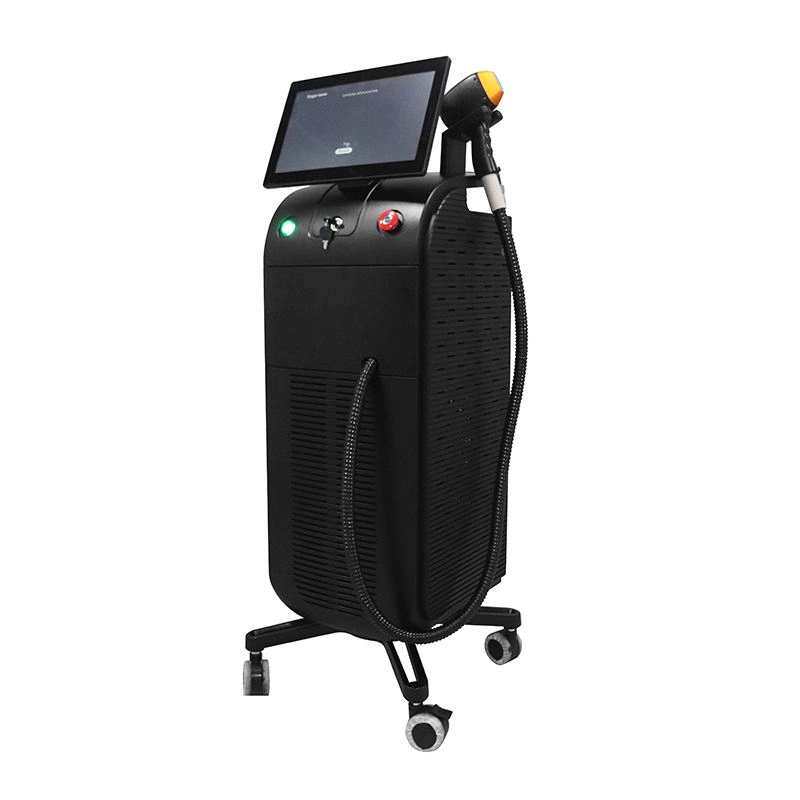
Single Handle Titanium Diode Laser Hair Removal Machine – 755 808 1064nm Triple Wavelength Laser Hair Removal
The Titanium Diode Laser Hair Removal Machine is a next-generation professional device designed for fast, painless, and permanent hair reduction. Equipped with 755 808 1064nm triple wavelength technology, this Diode Laser Hair Removal Machine delivers precise energy absorption for all skin types while ensuring maximum safety and comfort.
Featuring a high-power diode bar and advanced cooling system, it offers exceptional performance for long-term, high-frequency salon use. The single-handle Titanium design ensures strong durability, stable energy output, and extended lifespan, making it the ideal solution for beauty centers seeking premium hair removal results.
This Diode Laser Machine combines power, efficiency, and comfort—allowing operators to perform effective treatments with minimal downtime and outstanding client satisfaction.

808nm Diode Laser Hair Removal Machine | Professional Medical-Grade Device for Clinics, Salons & Distributors
The 808 nm Diode Laser Hair Removal Device is a professional-grade solution designed for medical aesthetics clinics, beauty salons, and distributors. Engineered with advanced diode laser technology and semiconductor cooling, it ensures stable performance, a long lifespan, and a high ROI for businesses. This device is built to handle high client volume while delivering consistent results, making it an ideal choice for clinics seeking to expand their treatment portfolio and distributors looking for reliable, in-demand equipment.
Get more information
If you have any comments or good suggestions, please leave us a message; later our professional staff will contact you as soon as possible.
Let's Talk
Stay in touch with us for cutting-edge beauty solutions, professional guidance, and customized service.
Contact


Room 307, Building A, Huilong International E-commerce Industrial Park, No. 10 Xipengling Road, Helong Street, Baiyun District, Guangzhou, China
© 2025 HUIMAIN. All Rights Reserved. Privacy Policy | Terms and Conditions | Sitemap
Facebook
Instagram
Medical beauty equipment factory
huimain Medical beauty equipment factory
beauty machine supplier
Whatsapp: +8619124004543