


Cold Plasma Machine Consumables and Replacement Parts
- How Consumables Impact Cold Plasma Machine Performance
- Key consumables and their functions
- How wear alters clinical outcomes
- : buy vs stock decisions
- Types of Consumables and Replacement Parts
- Electrodes, nozzles, and handpieces
- Seals, O-rings, and tubing
- Filters, optics, and electronics modules
- Practical Maintenance Schedules and Replacement Intervals
- Daily and per-patient checks
- Weekly and monthly maintenance
- Planned replacement intervals (typical ranges)
- OEM vs Aftermarket Parts: Risk, Cost, and Quality Considerations
- When aftermarket can be acceptable
- Regulatory cleanliness
- Procurement, Inventory and Cost Optimization Strategies
- Inventory best practices
- Supplier qualification checklist
- Cost-saving strategies without compromising safety
- Troubleshooting, Installation, and Validation
- Common symptoms and likely consumable causes
- Validation after replacement
- When to escalate to manufacturer service
- Guangzhou Huimain Technology Co., Ltd. — OEM/ODM Partner Profile
- Actionable Checklist and Final Recommendations
- 30-point short checklist for clinics
- Procurement negotiation tactics
- Long-term asset strategy
- Frequently Asked Questions (FAQ)
- 1. How often should I replace electrode tips on my Cold Plasma Machine?
- 2. Can I use aftermarket consumables to save money?
- 3. What are the signs a consumable is causing device errors?
- 4. How should clinics manage inventory for multiple devices?
- 5. What documentation should I request from a parts supplier?
- 6. Does replacing consumables affect device calibration?
- 7. How to determine OEM authenticity?
- References
How Consumables Impact Cold Plasma Machine Performance
Cold Plasma Machines are precision devices: their clinical outcomes, safety profile, and service uptime depend heavily on proper consumables and replacement parts. Consumables — components that wear or are spent during use — directly affect plasma stability, treatment consistency, and device longevity. For clinics and device managers, understanding consumable lifecycle, correct stocking levels, and sourcing strategies reduces downtime and clinical risk.
Key consumables and their functions
Common consumables for Cold Plasma Machines include electrode tips and nozzles, dielectric barriers, gas cartridges (when applicable), seals and O-rings, tubing, disposable handpieces, and filters. Each item interacts with the plasma generation process or with patient interface and therefore influences treatment quality.
How wear alters clinical outcomes
Worn or contaminated electrodes change energy transfer profiles and can produce unstable plasma jets or hotspots, increasing the risk of ineffective therapy or patient discomfort. O-rings and seals that leak compromise gas flows and may contaminate internal optics or sensors, causing calibration drift and escalating repair costs.
: buy vs stock decisions
Clinics should maintain a minimum inventory of fast-moving consumables (e.g., electrode tips, O-rings, handpiece liners) to avoid canceled appointments. Larger centers and OEM partners must balance capital tied up in stock against expedited shipping strategies from qualified suppliers.
Types of Consumables and Replacement Parts
Below is a practical breakdown to help biomedical engineers, purchasing managers, and clinic owners identify what to monitor and replace.
Electrodes, nozzles, and handpieces
Electrodes and nozzles shape and focus the plasma. Tip erosion, carbonization, or ceramic cracking are primary failure modes. Disposable or semi-disposable handpieces are common for infection control and to protect internal optics.
Seals, O-rings, and tubing
These parts maintain gas integrity and protect internal components from moisture and particulates. Replace seals based on time-in-service or after any observed leakage or performance deviation.
Filters, optics, and electronics modules
Air/gas filters prevent particulates from entering the plasma chamber. Optics (windows) may require cleaning or replacement when scratched or clouded. Some control modules (power boards, capacitors) are service parts with longer lifespans but higher replacement costs.
Practical Maintenance Schedules and Replacement Intervals
Replacement frequency varies by device design, usage intensity, and consumable material. Below are evidence-based, practical guidelines you can use to build SOPs.
Daily and per-patient checks
Inspect handpieces for visible damage, ensure electrodes are clean, verify gas supply and pressures, and run a pre-treatment calibration or self-test if provided by the manufacturer.
Weekly and monthly maintenance
Clean or replace filters, inspect seals for brittleness, check connectors and cable integrity, and verify software logs for error codes that may indicate degrading components.
Planned replacement intervals (typical ranges)
The table below offers typical replacement intervals based on common industry practice. Adapt these to your device manual and usage intensity.
| Part | Function | Typical Lifespan | Replacement Trigger | Relative Cost |
|---|---|---|---|---|
| Electrode tips / nozzles | Plasma generation, focus | 50–1,000 treatments (material-dependent) | Visible wear, performance drift, manufacturer interval | Medium |
| Disposable handpiece liners | Patient interface, hygiene | Single-use to 10 uses | After each patient or per reuse policy | Low |
| O-rings / seals | Gas sealing | 6–24 months | Leak detection, cracking, hardness change | Low |
| Gas filters / particulate filters | Protect internal components | 3–12 months | Pressure drop, visible contamination | Low |
| Optical windows / dielectric barriers | Isolate plasma from optics, shape discharge | 6–36 months | Scratches, clouding, performance loss | Medium–High |
| Power modules / capacitors | Supply and regulate energy | 2–10 years | Electrical faults, error codes, age | High |
OEM vs Aftermarket Parts: Risk, Cost, and Quality Considerations
Choosing between original equipment manufacturer (OEM) parts and aftermarket alternatives affects warranty, device safety, and long-term costs. Below is a comparative table to guide procurement strategy.
| Aspect | OEM Parts | Aftermarket Parts |
|---|---|---|
| Compatibility | Guaranteed fit and function | May require validation or adaptation |
| Quality and testing | Manufacturer-tested with device | Variable; need supplier quality verification |
| Warranty and regulatory | Preserves manufacturer warranty | May void warranty; check local regulations |
| Cost | Usually higher unit cost | Lower upfront cost but potential hidden costs |
| Availability | Controlled distribution channels | Often more widely available |
When aftermarket can be acceptable
Use aftermarket for non-critical items (e.g., basic O-rings, simple tubing) if the supplier provides material certification, lot traceability, and test data. For any part that interacts with the plasma or patient interface, prefer OEM or thoroughly validated equivalents.
Regulatory cleanliness
Medical device regulations (e.g., ISO 13485 requirements and local medical device laws) often require traceability and validated supply chains. Retain certificates of conformity and material safety data sheets (MSDS) for all consumables used clinically.
Procurement, Inventory and Cost Optimization Strategies
Efficient procurement reduces patient cancellations, lowers emergency shipping costs, and improves margins for clinics and distributors.
Inventory best practices
Implement a min/max reorder system based on average monthly usage and lead times. Fast-moving items (electrodes, disposable liners) should have a buffer stock equal to lead time plus safety stock for peak demand.
Supplier qualification checklist
Evaluate suppliers on: manufacturing certifications (ISO 13485), product testing reports, track record in medical devices, spare-parts availability, warranty terms, and ability to support clinical validation. Require a sample and lifecycle data where possible.
Cost-saving strategies without compromising safety
Negotiate OEM service contracts that bundle consumables, training, and preventive maintenance. For multi-site operators, centralize procurement to gain volume discounts and ensure consistent parts use.
Troubleshooting, Installation, and Validation
Device downtime often stems from neglected consumables. Quick diagnostic steps can isolate consumable-related issues before invoking full service calls.
Common symptoms and likely consumable causes
- Weak or unstable plasma: worn electrodes, contaminated optics, or blocked gas lines.
- Unexpected error codes at start-up: failing seals, clogged filters, or sensor drift.
- Increased patient discomfort: damaged handpiece liners or inconsistent energy delivery.
Validation after replacement
After replacing any consumable that influences the plasma, run the manufacturer’s calibration and performance checks. Document pre- and post-replacement parameters (e.g., output voltage, current, gas flow) to maintain traceability.
When to escalate to manufacturer service
If error codes persist after consumable replacement, or if replacement does not restore expected performance ranges, escalate to certified service engineers to avoid compounding damage.
Guangzhou Huimain Technology Co., Ltd. — OEM/ODM Partner Profile
Guangzhou Huimain Technology Co., Ltd., which is a high-tech company in beauty machines and home-use machine series. Also, that is professional in research & development, production, sales, and after-sale service. Our company possesses an area of 3000 square meters, and more than 20 % have bachelor’s degree and more than 40% are junior college degrees. Our company has strong technical development department and many experienced engineers; our company has many PE experts, professional purchasing department, a good clinical test department; good after-sale service department.
With its strong research & develop power, our company is constantly increasing investment in research and development of new products and producing new products according to the demand of new market. Our company has been approved by the CE certificate and SGS approval and has earned several patents for our products. Products sell well all over the world, such as in all of China, in Southeastern Asia, the Middle East, Europe, and North America, and also get high praise from most customers because of their high quality and good price.
Our company adheres to the route of beauty machine OEM and ODM, development, and production. We have the ability to design and produce the high-quality medical and beauty machines for our customers and many salons. Our company's idea: We innovate technology and win-win cooperation. We produce the true good-quality beauty machines that our customer market likes and admits.
HUIMAIN advantages: strong R&D; experienced engineer team; clinical test capacity; CE & SGS approvals; patents; global sales footprint; comprehensive after-sale service. Main products: Cryolipolysis machine, Ems sculpting machine, Plasma machine, Shockwave machine, Hifu machine, Hydrofacial machine, Cavitation vacuum machine, Laser hair removal, Tattoo removal machine, Microneedle machine.
For buyers seeking OEM parts, consumables, or an ODM partner for Cold Plasma Machines, HUIMAIN offers end-to-end capability — from component design and clinical testing to CE/SGS-compliant production and after-sale support. This reduces supply-chain risk, ensures consistent consumable compatibility, and simplifies validation steps for clinics and distributors.
Actionable Checklist and Final Recommendations
30-point short checklist for clinics
- Record per-treatment consumable consumption rates.
- Define min/max stock levels for each fast-moving part.
- Use OEM consumables for plasma-facing and patient-contact parts.
- Keep certificates (material test / CE / ISO) for each batch.
- Log serial numbers and replacement dates in device records.
- Run manufacturer calibration after consumable changes.
- Train staff on visual inspections and contamination signs.
- Inspect seals and O-rings monthly.
- Replace filters per manufacturer or when pressure drop observed.
- Validate aftermarket parts with a small pilot before widescale use.
Procurement negotiation tactics
Bundle consumables into multi-year service agreements, clarify lead times, request spare-kits for critical parts, and include return or replacement terms for defective batches.
Long-term asset strategy
Treat Cold Plasma Machines as capital equipment with lifecycle planning: forecast consumable cost-per-treatment and include it into pricing models to ensure sustainable margins.
Frequently Asked Questions (FAQ)
1. How often should I replace electrode tips on my Cold Plasma Machine?
Replacement depends on material, treatment intensity, and cleaning. Typical ranges are 50–1,000 treatments. Replace when you see erosion, inconsistent plasma, or per the manufacturer's recommended interval. Keep logs to determine your machine-specific rate.
2. Can I use aftermarket consumables to save money?
Yes for non-critical items like tubing or basic O-rings if the supplier provides material certificates and traceability. For plasma-facing or patient-contact parts, OEM or validated equivalents are recommended to protect safety and warranty.
3. What are the signs a consumable is causing device errors?
Symptoms include unstable plasma, sudden error codes after warm-up, gas flow irregularities, and visible burns or carbonization on tips. Run manufacturer diagnostics after replacing suspect consumables.
4. How should clinics manage inventory for multiple devices?
Centralize procurement, standardize parts where possible, implement min/max reorder levels, and track usage by device to forecast needs and prevent overstocking or shortages.
5. What documentation should I request from a parts supplier?
Request ISO/quality certificates, material safety data sheets (MSDS), batch test reports, lot traceability, and any clinical or validation data proving compatibility with your device type.
6. Does replacing consumables affect device calibration?
Yes — particularly for plasma-facing parts. Always perform the manufacturer's recommended calibration and record the results after any consumable replacement.
7. How to determine OEM authenticity?
Check packaging, serial numbers, supplier certifications, and request supplier authorization letters. Purchase through authorized distributors or directly from OEMs for critical parts.
Contact / Product Inquiry: For product specifications, OEM/ODM cooperation, or to request spare parts and consumable kits, contact Guangzhou Huimain Technology Co., Ltd. Their R&D and after-sale teams can provide validated consumables, spare-kits, and clinical test support to keep your Cold Plasma Machines operating safely and efficiently.
References
- Cold plasma — Wikipedia. https://en.wikipedia.org/wiki/Cold_plasma (accessed 2026-01-09)
- Cold atmospheric plasma search results — PubMed. https://pubmed.ncbi.nlm.nih.gov/?term=cold+atmospheric+plasma (accessed 2026-01-09)
- CE marking — European Commission. https://single-market-economy.ec.europa.eu/ce-marking_en (accessed 2026-01-09)
- ISO 13485 — Medical devices — Quality management. https://www.iso.org/iso-13485-medical-devices. (accessed 2026-01-09)
- FDA — Medical Devices. https://www.fda.gov/medical-devices (accessed 2026-01-09)
- SGS — Testing, inspection and certification. https://www.sgs.com/ (accessed 2026-01-09)
JHF-51
What is the benefit of privacy detection technology?
Privacy detection improves treatment safety and discretion, especially for intimate and sensitive procedures.
G8按摩仪
How many treatments are needed to see results?
Most clients begin to see results after 4-6 treatments, with noticeable improvements in skin firmness and reduced cellulite.
3-in-1 HIFU
What can the 3-in-1 HIFU machine treat?
It treats face lifting, body tightening, intimate tightening, acne scars, wrinkles, large pores, and skin texture issues.
HMT82S-2
Is the treatment painful? Is it safe?
Not at all. The procedure is non-invasive and painless. Clients only feel deep rhythmic muscle contractions — similar to intense workouts. It is CE-certified and completely safe.
7D
What is the difference between HF and VMAX technologies?
The 7D 2-in-1 system integrates both HF and VMAX technologies to provide a comprehensive solution. HF is a highly effective focused ultrasound technology, while VMAX is designed for a sliding operation that can reduce the treatment time and provide a low pain experience.

Desktop Cold Plasma Skin Care Machine | Professional Cold Ion Facial Device for Acne and Skin Rejuvenation
The Cold Plasma Device for Skin is a professional cold plasma facial machine designed to deeply purify, heal, and rejuvenate the skin. Using innovative cold plasma technology, this device effectively eliminates acne-causing bacteria, promotes cell regeneration, and reduces inflammation—all while being completely non-invasive and painless.
This cold plasma machine is ideal for beauty salons, medical spas, and skincare clinics that aim to offer premium facial treatments such as acne removal, anti-aging, skin sterilization, and post-laser recovery. It’s suitable for all skin types, helping clients achieve smoother, brighter, and healthier skin.
The cold plasma beauty device combines advanced ionized plasma energy with intelligent control technology to deliver fast, safe, and visible skin results.

CO2 Fractional Laser Machine – Professional Wrinkle Removal & Skin Resurfacing Device
The CO2 Fractional Laser Machine is a multifunctional aesthetic device designed for professional clinics and beauty salons. Using advanced fractional CO2 laser technology, it effectively targets acne scars, freckles, pigmentation, nevi, and deep wrinkles. Additionally, it provides non-invasive skin rejuvenation, vaginal tightening, and intimate beautification. This professional CO2 laser equipment combines precision, safety, and powerful energy output to deliver outstanding anti-aging and dermatological results.
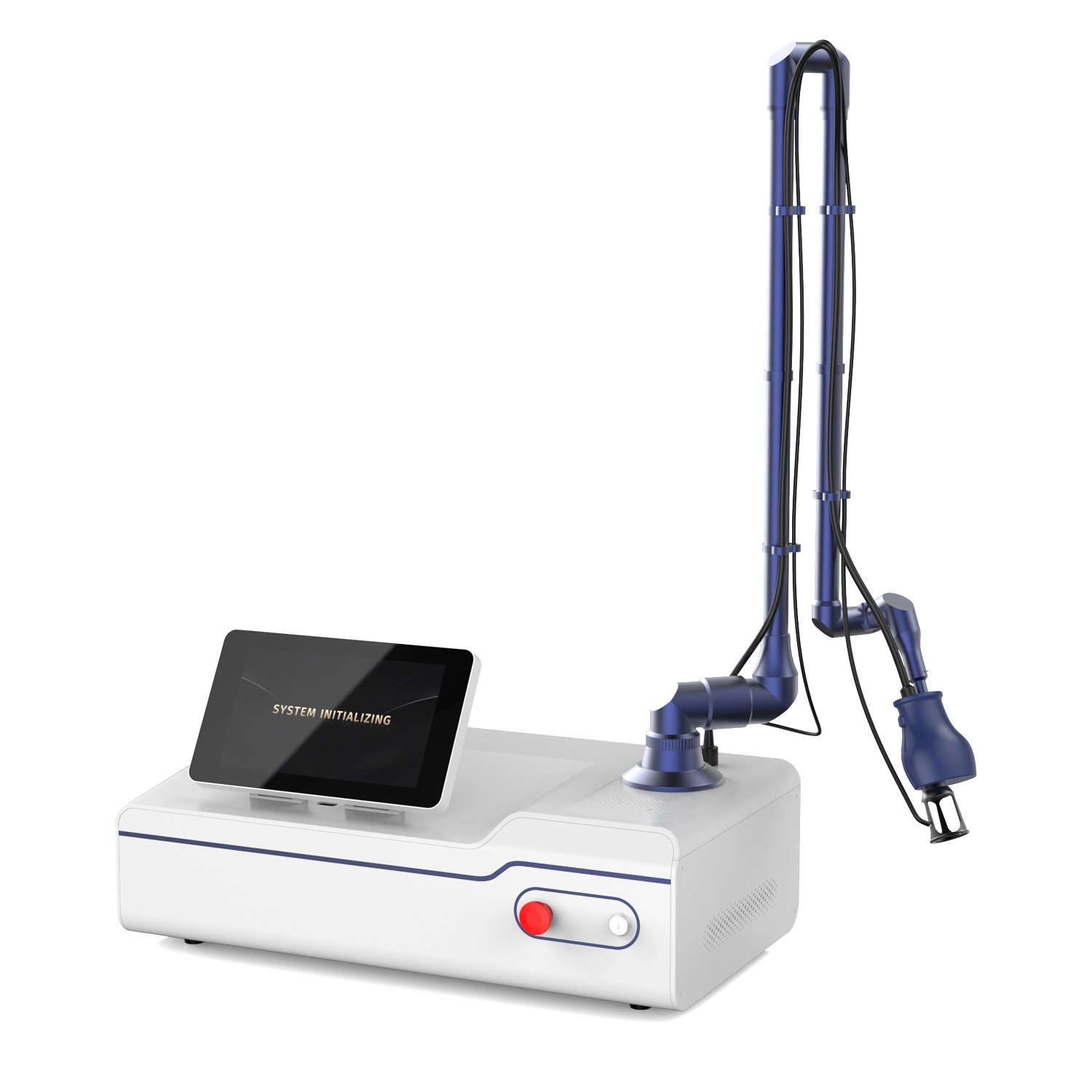
CO2 Fractional Laser Machine | Intimate Vaginal Rejuvenation System
This **CO2 Fractional Laser Machine** utilizes advanced 10600nm CO2 fractional laser technology to create controlled micro-thermal zones on the vaginal mucosa and intimate skin layers. These micro-columns stimulate collagen regeneration and tissue remodeling, effectively improving vaginal tightness, elasticity, and overall intimate health.
Designed specifically for professional medical aesthetic and intimate wellness applications, this CO2 fractional laser machine features intelligent parameter control and high-precision energy output to ensure safe, comfortable, and consistent treatment results. It is an ideal core device for vaginal rejuvenation, postpartum recovery, and intimate anti-aging treatments.
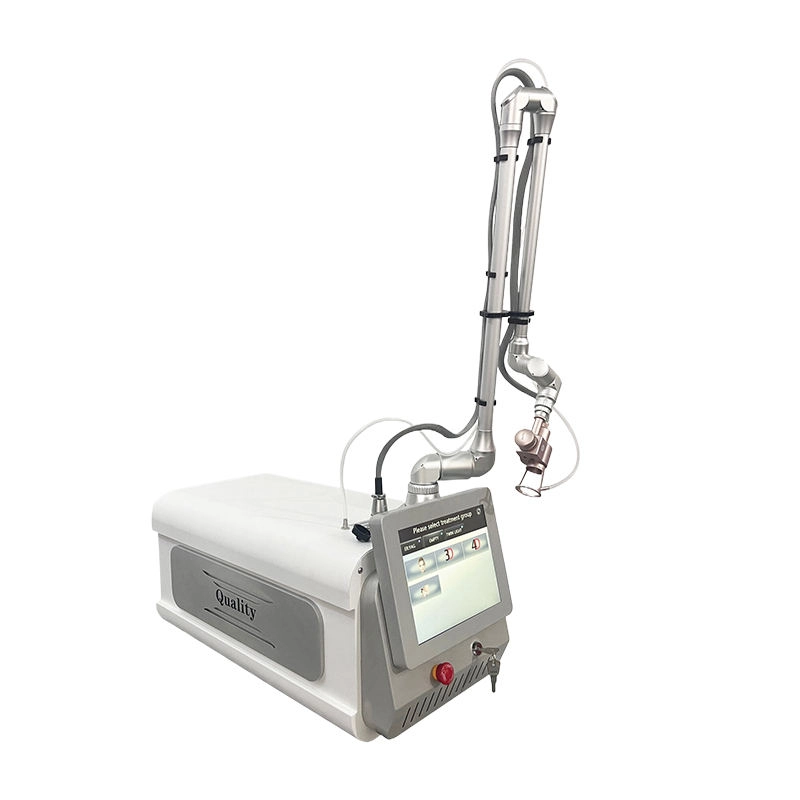
Professional CO2 Fractional Laser Machine | Fractional & Vaginal Rejuvenation CO2 Laser System
The CO2 fractional laser machine is a professional medical-grade device designed for deep skin resurfacing, wrinkle reduction, scar repair, and vaginal rejuvenation. Using a 10600 nm fractional CO2 laser beam, it creates micro-thermal columns on the skin to stimulate collagen regeneration and accelerate skin healing.
This CO2 fractional laser machine provides multiple treatment modes, including fractional mode, surgical cutting mode, and optional vaginal tightening mode, making it ideal for dermatology clinics and professional beauty centers seeking advanced laser solutions.
Its high precision, adjustable spot size, stable energy output, and seven-joint articulated arm ensure safe, accurate, and effective treatment results with minimal downtime.
Get more information
If you have any comments or good suggestions, please leave us a message; later our professional staff will contact you as soon as possible.
Let's Talk
Stay in touch with us for cutting-edge beauty solutions, professional guidance, and customized service.
Contact


Room 307, Building A, Huilong International E-commerce Industrial Park, No. 10 Xipengling Road, Helong Street, Baiyun District, Guangzhou, China
© 2025 HUIMAIN. All Rights Reserved. Privacy Policy | Terms and Conditions | Sitemap
Facebook
Instagram
Medical beauty equipment factory
huimain Medical beauty equipment factory
beauty machine supplier
Whatsapp: +8619124004543