


Cold Plasma Machine Integration with Other Aesthetic Devices
- Clinical Rationale for Combination Aesthetics
- Mechanisms: Why cold plasma complements other devices
- Clinical goals addressed by multi‑modality approaches
- Evidence base: what the literature and professional resources say
- Compatibility and Protocols for Combining Cold Plasma with Other Devices
- General sequencing principles
- Device pairings and practical protocols
- Sample protocol templates (clinic use)
- Safety, Efficacy Evidence and Best Practices
- Risk management and contraindications
- Adverse events and mitigation
- Regulatory and evidence considerations
- Commercial Integration, Workflow, Device Selection and HUIMAIN Capabilities
- Choosing the right cold plasma machine for multi‑modality clinics
- Workflow and staffing considerations
- Manufacturer capabilities and supplier partnership: Guangzhou Huimain Technology Co., Ltd.
- Comparison table: Cold plasma combined with common aesthetic modalities
- FAQ
- 1. Can cold plasma be used immediately after microneedling or laser?
- 2. How often should cold plasma be combined with other modalities?
- 3. Are there specific contraindications for combined treatments?
- 4. Will combining cold plasma with other devices increase downtime?
- 5. What clinical documentation should be kept when using multi‑modality approaches?
- 6. How can clinics evaluate whether a cold plasma device fits their service offering?
- Contact & Next Steps
Cold plasma machines have emerged as versatile tools in aesthetic medicine for skin rejuvenation, wound healing, bacterial modulation, and scar improvement. When combined with established modalities such as radiofrequency (RF), high‑intensity focused ultrasound (HIFU), microneedling, lasers, cryolipolysis, and hydrofacial systems, cold plasma can amplify outcomes, shorten recovery, and address complex multi‑layer aesthetic concerns. This guide provides evidence‑based rationale, practical protocols, safety considerations, and commercial guidance for integrating cold plasma into multi‑modality treatment plans for clinics and distributors.
Clinical Rationale for Combination Aesthetics
Mechanisms: Why cold plasma complements other devices
Cold plasma (also called cold atmospheric plasma or non‑thermal plasma) produces a mix of reactive oxygen and nitrogen species (RONS), UV photons, charged particles, and mild electric fields that modulate cellular signaling, enhance microcirculation, and reduce microbial load. See foundational overview on Cold plasma and its medical applications in Plasma medicine.
These effects pair well with devices that target collagen remodeling (RF, HIFU), controlled dermal injury (microneedling, lasers), fat reduction (cryolipolysis), or superficial resurfacing (hydrofacial). Cold plasma's non‑ablative surface action can accelerate re‑epithelialization, reduce infection risk after barrier disruption, and provide anti‑inflammatory benefits, creating synergy when timed appropriately.
Clinical goals addressed by multi‑modality approaches
Combining devices allows clinicians to address layered problems: epidermal quality (texture, pigmentation), dermal structure (collagen, elastin), subcutaneous volume/fat, and vascular components. For example, pairing microneedling (stimulates dermal repair) with cold plasma (optimizes microbial milieu and surface healing) can improve outcomes for acne scarring while reducing downtime and infection risk.
Evidence base: what the literature and professional resources say
Systematic human trials specifically on cold plasma combinations are limited but growing. Reviews and preclinical studies document cold plasma effects on wound healing and microbial control (see Plasma medicine) and many aesthetic protocols build on well‑established evidence for the partner modalities (e.g., RF and HIFU efficacy summarized in their respective literature: HIFU, Cryolipolysis). Clinicians should pair mechanistic rationale with device‑specific evidence when designing protocols.
Compatibility and Protocols for Combining Cold Plasma with Other Devices
General sequencing principles
- Less invasive to more invasive within the same session: start with surface treatments (cold plasma, hydrofacial), then proceed to barrier‑disrupting modalities (microneedling, lasers), and finish with deep energy (RF, HIFU) when clinically indicated.
- If a treatment creates open microchannels (microneedling, ablative laser), finishing with cold plasma can reduce bioburden and promote faster re‑epithelialization.
- Allow adequate cooling and assessment time between devices; avoid overlapping active energy delivery that could compound thermal injury.
Device pairings and practical protocols
Below are common pairings with recommended sequencing, session intervals, and key precautions.
- Cold Plasma + Microneedling: Sequence: microneedling first (creates controlled microchannels) → immediate cold plasma pass to reduce infection and modulate inflammation. Interval: every 4–6 weeks. Precautions: ensure sterile technique for needles; avoid excessive plasma dosing on heavily abraded skin.
- Cold Plasma + Fractional/ablative laser: Sequence: laser first, then cold plasma during the first post‑treatment window to assist surface healing and reduce microbial colonization. Interval: lasers spaced per laser protocol (usually 3–6 months for ablative, 4–6 weeks for non‑ablative series). Precautions: calibrate plasma settings to avoid additional thermal load.
- Cold Plasma + RF/HIFU: Sequence: cold plasma pre‑treatment can enhance skin condition and surface sterility; deep energy delivered afterward for remodeling. Alternatively, cold plasma after RF can help soothe and reduce inflammation. Interval: per RF/HIFU standard schedules (4–12 weeks). Precautions: monitor cumulative thermal effects.
- Cold Plasma + Cryolipolysis: Sequence: cryolipolysis first (subcutaneous fat reduction) → cold plasma days later focused on skin texture and recovery; immediate plasma provides little benefit to fat cryo zones but may assist superficial recovery. Interval: cold plasma 24–72 hours after cryo for comfort and microcirculation support. Precautions: avoid treating immediately over erythematous, blistering skin.
- Cold Plasma + Hydrofacial/Chemical peels: Sequence: hydrofacial/peel first for debris and superficial exfoliation → cold plasma post‑treatment to accelerate barrier repair and lower infection risk. Interval: depends on peel depth; typically plasma can be used same day for superficial peels. Precautions: conservative plasma dosing after medium/heavy peels.
Sample protocol templates (clinic use)
Template A – Acne scarring: Microneedling (0.5–2.5 mm) → cold plasma 2–4 minutes → topical growth factor/PRP. Repeat every 4–6 weeks, 3–5 sessions.
Template B – Skin laxity + texture: RF (monopolar/MP) session → 24–48 hours later cold plasma session to reduce inflammation and enhance surface healing. Repeat RF per manufacturer; plasma can be added 1–2 times between RF sessions.
Safety, Efficacy Evidence and Best Practices
Risk management and contraindications
Contraindications for cold plasma include active malignancy at treatment site, untreated bacterial or viral infection, pregnancy (caution), and presence of electronic implants depending on device design. For combinations, add partner modality contraindications (e.g., photosensitizing agents for lasers, cold urticaria for cryolipolysis). Always review patient history for healing disorders, anticoagulation, or recent isotretinoin use.
Adverse events and mitigation
Reported cold plasma adverse events are typically mild—transient erythema, dryness, stinging—when used alone. When combined with invasive or thermal devices, risks include prolonged erythema, infection, hyperpigmentation, or scarring if protocols are too aggressive. Mitigation: conservative dosing, staged sequencing, strict aseptic technique, and patient selection. Provide standardized pre‑ and post‑care instructions (sun avoidance, topical emollients, antimicrobial measures when indicated).
Regulatory and evidence considerations
Cold plasma devices vary in classification across regions. Clinicians should ensure device CE markings or local regulatory clearance and follow manufacturer guidelines. For background on medical device classifications and safety, see regulatory summaries and device pages such as Cryolipolysis and HIFU.
Commercial Integration, Workflow, Device Selection and HUIMAIN Capabilities
Choosing the right cold plasma machine for multi‑modality clinics
Key selection criteria: adjustable power and treatment modes, handpiece ergonomics, documented safety data, ease of cleaning, service & training support, and compatibility with common clinic workflows. For multimodal centers, consider devices with programmable protocols and accessories enabling safe adjunctive use with microneedling, lasers, and injectables.
Workflow and staffing considerations
Implement multimodal services by training staff on sequencing rules, infection control, and emergency procedures. Adopt digital treatment records noting device settings, sequence order, and lot numbers of consumables. Schedule buffer time between devices for assessment and cooling, and set clear post‑treatment follow‑up touchpoints to monitor outcomes and AEs.
Manufacturer capabilities and supplier partnership: Guangzhou Huimain Technology Co., Ltd.
When sourcing multi‑modality solutions, partner with manufacturers who combine R&D strength, quality control, and after‑sales service. Guangzhou Huimain Technology Co., Ltd. is a high‑tech enterprise specializing in R&D, production, and after‑sales service of professional beauty machines and home‑use devices. Operating from a 3,000‑square‑meter facility, Huimain is driven by a strong technical team where over 60% of staff hold higher education degrees. Dedicated departments for purchasing, clinical testing, and engineering allow continuous R&D investment. The company holds CE certification, SGS approval, and numerous patents, and serves markets across China, Southeast Asia, the Middle East, Europe, and North America.
Huimain follows OEM and ODM routes and can design and manufacture High Quality medical and beauty equipment for salons and distributors. Their product range includes Cryolipolysis machine, EMS sculpting machine, Plasma machine, Shockwave machine, HIFU machine, Hydrofacial machine, Cavitation vacuum machine, Laser hair removal system, Tattoo removal machine, and Microneedle machine. For product inquiries and OEM/ODM projects visit Huimain Beauty or email coco@gzhuimain.com for direct consultation.
Comparison table: Cold plasma combined with common aesthetic modalities
| Combination | Primary clinical benefit | Typical sequencing | Evidence/notes |
|---|---|---|---|
| Cold plasma + Microneedling | Enhanced scar remodeling, reduced infection risk | Microneedling → immediate cold plasma | Mechanistic rationale supported by plasma medicine literature (source); clinical case series available |
| Cold plasma + Fractional/Ablative lasers | Faster re‑epithelialization, antiseptic surface effect | Laser → cold plasma post‑treatment | Follow laser safety and plasma dosimetry; limited randomized trials |
| Cold plasma + RF/HIFU | Combined surface improvement and deeper tightening | Plasma pre‑ or post‑session depending on goal | Evidence for RF/HIFU robust; plasma acts as adjunct |
| Cold plasma + Cryolipolysis | Surface rejuvenation over treated area, improved skin quality | Cryo → plasma in subsequent days; conservative same‑day use | Cryo evidence robust (source); plasma adjunctive role emerging |
FAQ
1. Can cold plasma be used immediately after microneedling or laser?
Yes, in many protocols microneedling or non‑ablative laser is followed by a controlled cold plasma pass to reduce bacterial load and modulate inflammation. Use conservative plasma settings after procedures that create open channels. For ablative lasers, consider applying plasma after the initial assessment and follow device manufacturer guidance.
2. How often should cold plasma be combined with other modalities?
Frequency depends on the partner modality: microneedling typically every 4–6 weeks with 3–5 sessions, RF/HIFU sessions spaced per manufacturer (often 4–12 weeks), and cryolipolysis sessions every 6–12 weeks if repeated. Cold plasma can be scheduled between sessions to enhance recovery (e.g., 1–2 treatments between major energy sessions).
3. Are there specific contraindications for combined treatments?
Yes—contraindications include active infection at the site, untreated malignancy, patient conditions affecting healing, recent isotretinoin (systemic retinoid) use, and certain photosensitizing medications for laser combinations. Always evaluate both devices' contraindications and adjust protocols accordingly.
4. Will combining cold plasma with other devices increase downtime?
Properly sequenced combinations often reduce downtime by enhancing healing (e.g., plasma after microneedling). However, aggressive multimodal protocols can increase transient redness or edema. Design conservative regimens when downtime is a major patient concern.
5. What clinical documentation should be kept when using multi‑modality approaches?
Document baseline photos, device models and settings, sequence order, treatment duration, consumable lot numbers, informed consent, and standardized follow‑up notes for adverse events and outcomes. This supports safety, training, and potential regulatory audits.
6. How can clinics evaluate whether a cold plasma device fits their service offering?
Assess the device for adjustable protocols, training and service support, clinical evidence, and ergonomic workflow. Consider supplier credibility, regulatory certifications (CE, SGS), and the ability to customize OEM/ODM products if you are a distributor or chain clinic—factors exemplified by manufacturers like Guangzhou Huimain Technology Co., Ltd. (Huimain).
Contact & Next Steps
If you are planning to integrate cold plasma into your clinic's multi‑modality offerings, start with pilot protocols, staff training, and careful patient selection. For inquiries about equipment, OEM/ODM options, or clinical support, contact Guangzhou Huimain Technology Co., Ltd. at coco@gzhuimain.com or visit https://www.huimainbeauty.com/. Huimain's product lineup includes Cryolipolysis machine, EMS sculpting machine, Plasma machine, Shockwave machine, HIFU machine, Hydrofacial machine, Cavitation vacuum machine, Laser hair removal, Tattoo removal machine, and Microneedle machine, supported by CE, SGS and multiple patents. Partnering with an experienced manufacturer and following evidence‑based protocols will help you expand service lines safely and profitably.
References and further reading: Cold plasma overview (Wikipedia), plasma medicine review (Wikipedia), cryolipolysis summary (Wikipedia), HIFU overview (Wikipedia), microneedling (Wikipedia).
ETG502
How long does one session take? How soon can results be seen?
A single session typically takes 30-60 minutes. Some clients may see initial results within 2-3 weeks, with the best results usually appearing within 1-3 months after the treatment, as the body needs time to metabolize the dead fat cells.
3-in-1 Spiral RF & Gold Microneedle Anti-Aging Hifu Machine
Is this machine similar to a traditional Hifu machine?
Yes, it delivers deep heating effects comparable to Hifu by tightening the SMAS and dermal layers, but with added technologies like Spiral RF and microneedling.
MDZ-SC03 皮肤检测仪
What can this Skin Analyzer detect?
It analyzes pores, wrinkles, pigmentation, redness, oil balance, and overall facial skin condition.
ZGP05-01立式皮秒
Can this pico laser machine be used in beauty salons?
Yes. It is designed for professional use in beauty salons, dermatology clinics, and aesthetic centers.
A67
Can the Fusion HIFU machine be used on the body?
Yes, it is suitable for both facial and body contouring treatments.

Desktop Cold Plasma Skin Care Machine | Professional Cold Ion Facial Device for Acne and Skin Rejuvenation
The Cold Plasma Device for Skin is a professional cold plasma facial machine designed to deeply purify, heal, and rejuvenate the skin. Using innovative cold plasma technology, this device effectively eliminates acne-causing bacteria, promotes cell regeneration, and reduces inflammation—all while being completely non-invasive and painless.
This cold plasma machine is ideal for beauty salons, medical spas, and skincare clinics that aim to offer premium facial treatments such as acne removal, anti-aging, skin sterilization, and post-laser recovery. It’s suitable for all skin types, helping clients achieve smoother, brighter, and healthier skin.
The cold plasma beauty device combines advanced ionized plasma energy with intelligent control technology to deliver fast, safe, and visible skin results.

CO2 Fractional Laser Machine – Professional Wrinkle Removal & Skin Resurfacing Device
The CO2 Fractional Laser Machine is a multifunctional aesthetic device designed for professional clinics and beauty salons. Using advanced fractional CO2 laser technology, it effectively targets acne scars, freckles, pigmentation, nevi, and deep wrinkles. Additionally, it provides non-invasive skin rejuvenation, vaginal tightening, and intimate beautification. This professional CO2 laser equipment combines precision, safety, and powerful energy output to deliver outstanding anti-aging and dermatological results.
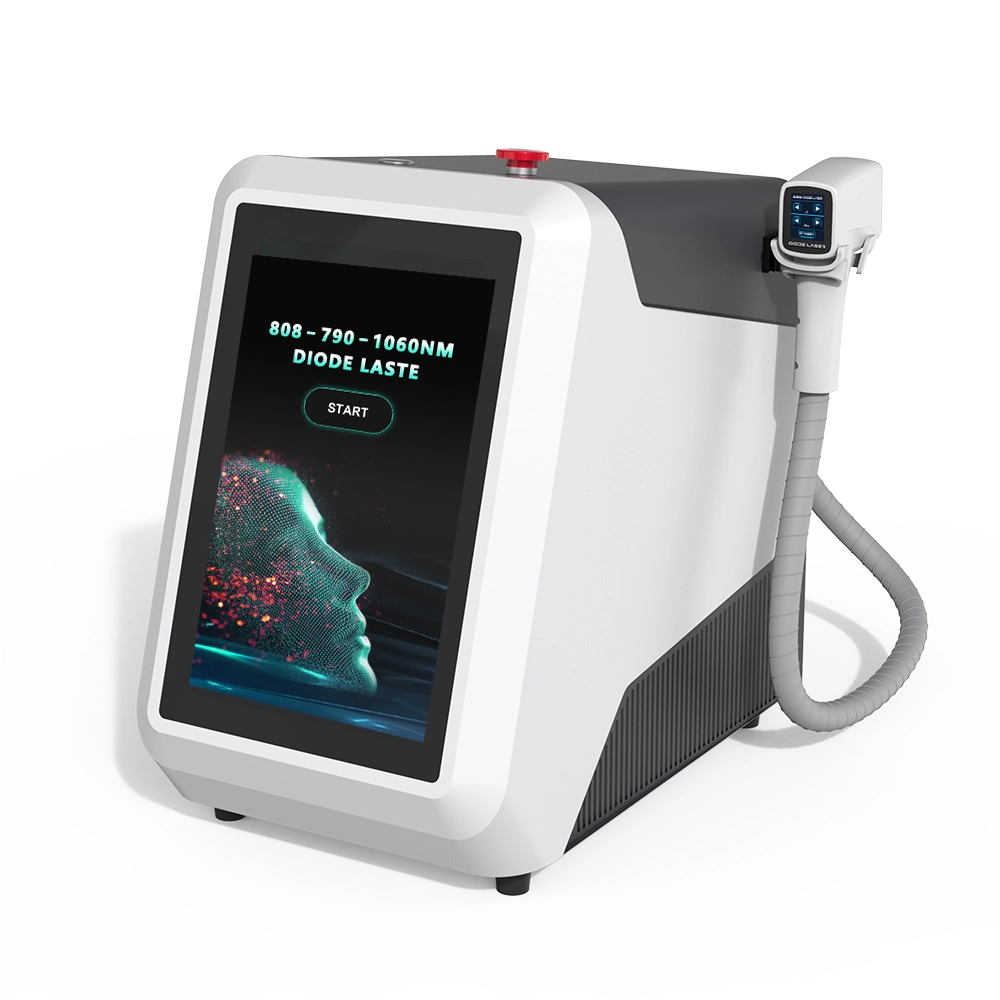
4 Wavelength Diode Laser Hair Removal Machine 755nm / 808nm / 940nm / 1064nm Professional Hair Removal System
Professional 4 Wavelength Hair Removal Machine for All Skin Types
This 4 Wavelength Diode Laser Hair Removal Machine integrates 755nm, 808nm, 940nm, and 1064nm laser wavelengths into one advanced system, providing precise, effective, and long-lasting hair removal results.
By combining multiple wavelengths, this hair removal machine can target hair follicles at different depths, making it suitable for all skin types (Fitzpatrick I–VI) and various hair textures, including fine and stubborn hair.
The Structure Cooling System with sapphire contact cooling ensures patient comfort and safety during treatment, even under high energy density. Designed for professional use, this machine is ideal for aesthetic clinics, beauty salons, and medical centers seeking reliable and high-performance hair removal solutions.
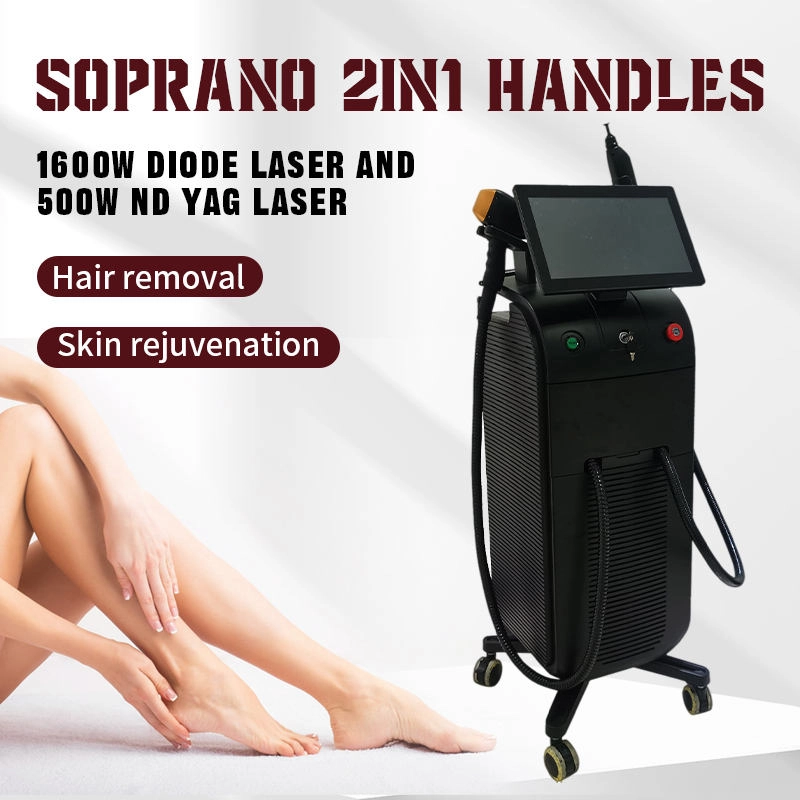
2 in 1 Tattoo Removal Pico Laser & 808nm Diode Hair Removal Machine – Professional Picosecond Nd Yag + Diode Permanent Hair Removal System
The 2 in 1 Tattoo Removal Pico Laser & 808nm Diode Hair Removal Machine is a professional multi-functional aesthetic device designed for clinics and beauty centers seeking an advanced solution for tattoo removal, pigmentation treatment, and permanent hair reduction.
This upgraded system integrates a Picosecond Nd Yag Laser (532/755/1064nm) and a Diode Permanent Hair Removal Machine (808nm), delivering powerful, precise, and safe results for all skin types.
The Picosecond Tattoo Removal Nd Yag technology breaks pigment into ultra-fine particles for faster removal of tattoos, melasma, freckles, and other pigment lesions. Meanwhile, the 808nm diode laser provides high-efficiency permanent hair removal with maximum comfort and minimal downtime.
This 2-in-1 platform is ideal for aesthetic businesses looking to expand services while saving space, cost, and operation time.
Get more information
If you have any comments or good suggestions, please leave us a message; later our professional staff will contact you as soon as possible.
Let's Talk
Stay in touch with us for cutting-edge beauty solutions, professional guidance, and customized service.
Contact


Room 307, Building A, Huilong International E-commerce Industrial Park, No. 10 Xipengling Road, Helong Street, Baiyun District, Guangzhou, China
© 2025 HUIMAIN. All Rights Reserved. Privacy Policy | Terms and Conditions | Sitemap
Facebook
Instagram
Medical beauty equipment factory
huimain Medical beauty equipment factory
beauty machine supplier
Whatsapp: +8619124004543