


Cold Plasma Machine: Portable vs Fixed Systems
- Understanding Cold Plasma Technology
- What is cold plasma and how does a cold plasma machine work?
- Clinical uses and market drivers
- Portable vs Fixed Cold Plasma Systems: Technical Comparison
- Core design differences
- Performance and scalability considerations
- Clinical, Safety and Regulatory Considerations
- Safety profile and biological effects
- Regulatory framework and certification
- Choosing the Right System for Your Practice or Business
- Decision factors for clinics and OEM buyers
- Cost of ownership and service considerations
- When to choose portable vs fixed — practical scenarios
- Guangzhou Huimain Technology Co., Ltd.: Capabilities, Products and Why It Matters
- Company profile and R&D strengths
- Certifications, market reach and product focus
- Competitive differentiators and OEM/ODM capabilities
- Practical Recommendations and Implementation Checklist
- Procurement checklist
- Operational best practices
- FAQ — Common Questions About Cold Plasma Machines
- 1. What is the difference in clinical results between portable and fixed cold plasma machines?
- 2. Are cold plasma machines safe for home use?
- 3. How do I verify a supplier’s claims about CE or SGS certification?
- 4. What maintenance is typically required for cold plasma machines?
- 5. Can cold plasma be used alongside other aesthetic treatments (e.g., HIFU, lasers)?
- 6. How do I choose between OEM/ODM suppliers for white-label devices?
- References
Understanding Cold Plasma Technology
What is cold plasma and how does a cold plasma machine work?
Cold plasma (also called cold atmospheric plasma, CAP) is partially ionized gas at near-room temperature that contains reactive oxygen and nitrogen species (RONS), UV photons, charged particles and electric fields. Cold plasma machines generate these active agents through a controlled electrical discharge. In medical and aesthetic contexts, these agents interact with biological tissues to deliver antimicrobial effects, accelerate wound healing, promote collagen remodeling, or modulate cellular activity. Manufacturers design devices with different power sources, gas flows, and electrode geometries to target applications from small-surface dermatology to broader clinic procedures.
Clinical uses and market drivers
Cold plasma machines are increasingly used in wound care, dermatology (acne, skin remodeling), antimicrobial surface treatment, and emerging oncological applications. Market demand is driven by the need for non-thermal, non-pharmaceutical antimicrobial options, minimally invasive aesthetic devices, and portable solutions for home-care or outreach clinics. Understanding the intended indication — disinfection, superficial dermatology, or in-clinic aesthetic therapy — is key to choosing between portable and fixed systems.
Portable vs Fixed Cold Plasma Systems: Technical Comparison
Core design differences
Portable systems prioritize compactness, battery or low-voltage operation, and ease-of-use, often with handheld applicators for spot treatments. Fixed systems are bench- or cart-mounted with higher-power supplies, integrated gas handling (when required), more precise controls, larger treatment heads and longer duty cycles suitable for high-throughput clinics or R&D labs. The choice reflects clinical workflow: single-point treatments vs. multi-patient throughput or research-grade reproducibility.
Performance and scalability considerations
Fixed systems typically deliver higher, more consistent energy fluxes and can support larger or more complex applicators (for full-face aesthetic treatments, larger wound beds, or multi-channel research rigs). Portable units excel in flexibility, outreach use, and lower initial investment, but may limit treatment area, continuous operation time, or advanced treatment protocols.
| Attribute | Portable Cold Plasma Machine | Fixed/Bench Cold Plasma System |
|---|---|---|
| Typical use | Spot treatments, home-use pilot, outreach, small clinics | High-volume clinics, research labs, full-face treatments, institutional use |
| Power & output | Lower power, limited duty cycle | Higher power, stable continuous output |
| Treatment area | Small, focused | Large or customizable |
| Portability | High — handheld, battery or light PSU | Low — requires fixed install or cart |
| Control & programmability | Basic presets, fewer parameters | Advanced control, multi-parameter programming, data logging |
| Cost (CAPEX) | Lower initial cost | Higher initial cost |
| Maintenance | Easier field maintenance, replaceable applicators | Requires trained service, scheduled calibration |
| Regulatory & clinical validation | May have limited indications or consumer claims | Often easier to validate for clinical indications and get institutional acceptance |
Source synthesis: comparative attributes compiled from device technical specifications and published reviews of cold atmospheric plasma technology (see References).
Clinical, Safety and Regulatory Considerations
Safety profile and biological effects
Cold plasma’s antimicrobial and cell-signaling effects are mediated by RONS and are generally non-thermal. Safety considerations include controlled exposure time, dose of reactive species, potential UV exposure, and tissue-specific sensitivities. For clinicians, protocols must balance efficacy with tissue tolerability; higher-power fixed units may require stricter shielding and monitoring, while portable devices require safeguards against accidental overexposure.
Regulatory framework and certification
Device classification depends on intended use and claims. Medical claims (wound healing, antimicrobial therapy, dermatologic treatments) commonly require clearance or approval depending on the jurisdiction. CE marking (EU), FDA clearance/510(k) or De Novo (US), and third-party testing (e.g., SGS) are frequently used assurances. For buyers, insist on documented clinical data or regulatory approvals supporting the claimed indications and review electromagnetic compatibility (EMC) and electrical safety certifications.
Choosing the Right System for Your Practice or Business
Decision factors for clinics and OEM buyers
Key questions to guide selection: What are the primary clinical indications? Required patient throughput? Budget for CAPEX and ongoing maintenance? Need for portability or in-clinic permanence? Is clinical evidence required for reimbursement or institutional adoption? For OEM partners or salons seeking white-label solutions, evaluate a supplier’s R&D, production capacity, certifications, and after-sales support.
Cost of ownership and service considerations
Beyond purchase price, estimate consumables, applicator replacements, calibration, and planned servicing. Fixed systems often have higher service needs but longer useful lifetimes and more predictable performance. Portable systems may be replaced or upgraded more frequently; however, lower upgrade costs can align with rapidly evolving protocols.
When to choose portable vs fixed — practical scenarios
- Choose portable if you need mobile outreach, simple spot treatments, or a lower-cost entry product for pilot programs.
- Choose fixed if you require high throughput, reproducible multi-parameter protocols, integration into a clinic’s treatment portfolio, or research-level control for clinical trials.
- Hybrid approach: some clinics buy both — portable units for initial consults and outreach, fixed systems for the core in-clinic service menu.
Guangzhou Huimain Technology Co., Ltd.: Capabilities, Products and Why It Matters
Company profile and R&D strengths
Guangzhou Huimain Technology Co., Ltd. is a high-tech enterprise specializing in beauty machines and home-use device series. The company integrates R&D, production, sales and after-sale service. With a manufacturing area of around 3,000 square meters, a technical team where over 20% hold bachelor’s degrees and more than 40% hold junior college degrees, Huimain emphasizes strong technical development supported by experienced engineers and product experts. The company operates clinical test capabilities and dedicated after-sale service teams to support OEM/ODM partnerships.
Certifications, market reach and product focus
Huimain invests heavily in R&D to introduce new products tailored for evolving market demands. The company states it holds CE certification and SGS approval and has secured several patents. Its products are sold globally — China, Southeast Asia, the Middle East, Europe and North America — and receive positive feedback for quality and competitive pricing. Huimain’s product line includes Cryolipolysis machines, EMS sculpting machines, Plasma machines, Shockwave machines, HIFU machines, Hydrofacial machines, Cavitation vacuum machines, Laser hair removal, Tattoo removal machines, and Micro-needle machines.
Competitive differentiators and OEM/ODM capabilities
Huimain differentiates through:
- Integrated OEM/ODM services: design, production, and customization to client specifications.
- Combined clinical testing and technical support: enabling clinics to validate protocols and receive after-sale training.
- Strong R&D pipeline and patent portfolio: supporting product differentiation and faster updates to match regulatory or market shifts.
For clinics and distributors seeking a trusted supplier of both portable and fixed cold plasma solutions (and related devices), Huimain offers a spectrum of machines and end-to-end service. This makes them a potential partner for both direct purchase and private-label manufacturing.
Practical Recommendations and Implementation Checklist
Procurement checklist
- Define clinical indications and throughput needs (spot disinfection vs routine wound therapy vs aesthetic protocols).
- Request clinical data and regulatory documentation for the exact model (CE, test reports, clinical trial summaries).
- Assess service, parts availability, warranty terms and training packages.
- Request a device demo or pilot program; validate treatment effect, duty cycles and usability in your workflow.
- Plan for consumables, maintenance schedules and periodic verification of output and safety interlocks.
Operational best practices
Train staff in exposure time, movement patterns, and patient communication. Implement standard operating procedures (SOPs) that record treatment parameters, device serial numbers, and outcomes. For clinics using both portable and fixed devices, standardize the treatment protocol across device classes to ensure consistent patient experience and reproducible results.
FAQ — Common Questions About Cold Plasma Machines
1. What is the difference in clinical results between portable and fixed cold plasma machines?
Fixed systems often provide more consistent and higher-intensity output enabling larger-area treatments and greater protocol control; portable machines are effective for targeted, low-to-moderate intensity treatments. Clinical outcomes depend more on the validated protocol (dose of RONS, exposure time, frequency) than on portability alone.
2. Are cold plasma machines safe for home use?
Some low-power portable devices are designed and certified for home use with limited indications. However, medically indicated treatments usually require clinic-grade devices operated by trained personnel. Always verify device certification and intended use claims before recommending home-use units.
3. How do I verify a supplier’s claims about CE or SGS certification?
Ask for official certificates, test reports and the certificate numbers. Verify CE compliance information through the manufacturer’s technical file and, when applicable, the notified body. For SGS or other lab reports, request full test reports and confirm dates and scope of testing.
4. What maintenance is typically required for cold plasma machines?
Maintenance ranges from simple applicator replacement and cleaning for portable units to periodic calibration, electrical safety checks, and gas system servicing for fixed systems. Follow the manufacturer’s maintenance schedule and keep logs for regulatory inspections.
5. Can cold plasma be used alongside other aesthetic treatments (e.g., HIFU, lasers)?
Yes — cold plasma is often complementary. For example, plasma can help with antimicrobial control or superficial wound healing after ablative procedures. Sequence and timing require clinical judgment and validated protocols to avoid interactions (e.g., overlapping thermal load). Consult device manufacturers and clinical literature for combination protocols.
6. How do I choose between OEM/ODM suppliers for white-label devices?
Evaluate their technical team, IP/patent status, production capacity, quality systems, certifications, and post-sale service. Request references and sample units, verify clinical evidence, and confirm packaging and labeling capabilities for regulatory compliance in target markets.
If you would like personalized advice, product demos, or a quotation, contact Guangzhou Huimain Technology Co., Ltd. for product details, OEM/ODM cooperation and after-sale support. View product catalogs or request a consultation to find portable or fixed cold plasma machines that match your clinical and business needs.
References
- Wikipedia — Plasma medicine. https://en.wikipedia.org/wiki/Plasma_medicine (accessed 2026-01-10)
- PubMed Central — review articles on cold atmospheric plasma and medical applications. Example repository: https://www.ncbi.nlm.nih.gov/pmc/ (search: cold atmospheric plasma review) (accessed 2026-01-10)
- European Commission — CE marking. https://ec.europa.eu/growth/single-market/ce-marking/ (accessed 2026-01-10)
- SGS official site (testing and certification). https://www.sgs.com/ (accessed 2026-01-10)
For specific clinical papers and device standards, request the Huimain technical dossier or the manufacturer’s clinical evidence package to review exact model claims and peer-reviewed studies supporting the intended indications.
Contact & CTA: For product lists, technical specifications, OEM/ODM inquiries and after-sale service details, contact Guangzhou Huimain Technology Co., Ltd. to schedule a demo or request a quotation for Cryolipolysis, EMS sculpting, Plasma, Shockwave, HIFU, Hydrofacial, Cavitation vacuum, Laser hair removal, Tattoo removal and Micro-needle machines.
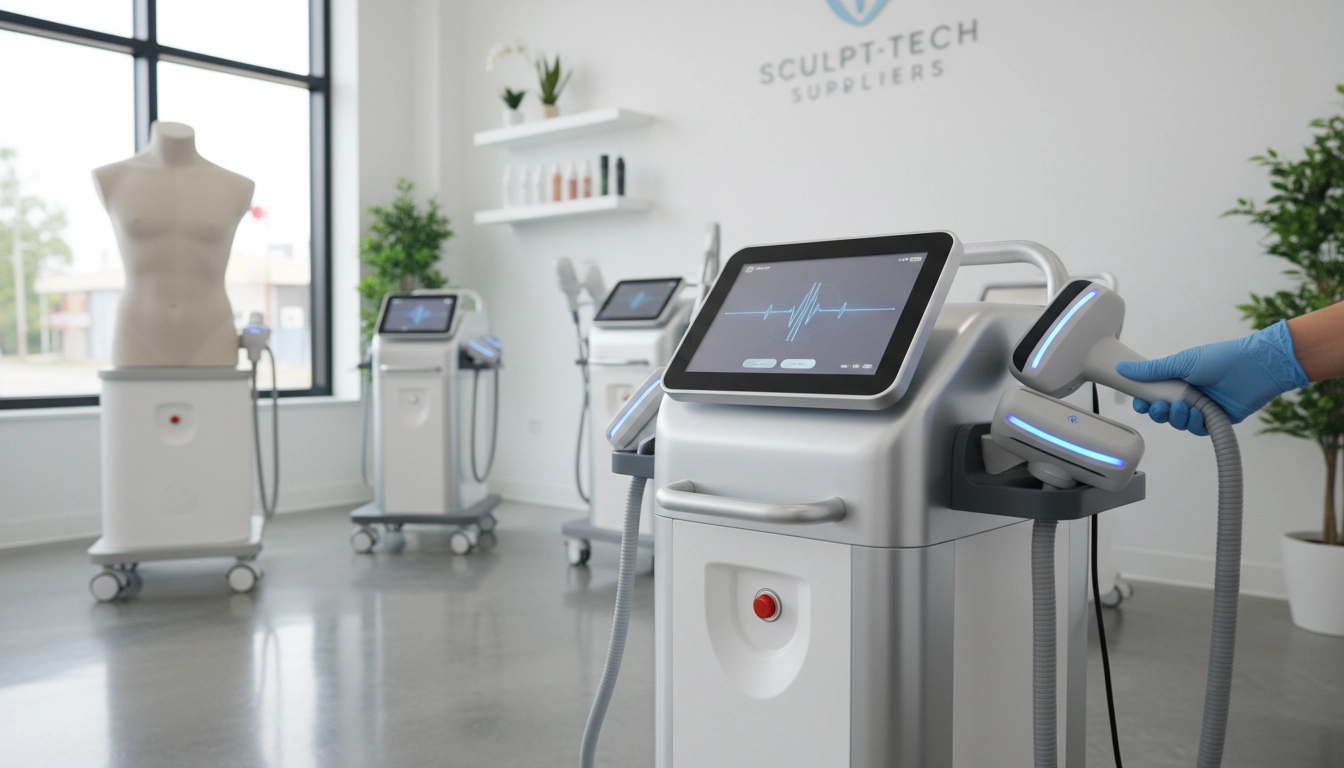
专业级三波长激光脱毛设备
Is this hair remover suitable for all skin types?
Yes, the 755nm, 808nm, and 1064nm wavelengths make it suitable for all skin tones.
X5 pro
What skin conditions can the X5 Pro AI Skin Image Analyzer detect?
It analyzes pores, wrinkles, pigmentation, redness, moisture, oil balance, and overall skin health.
cryolipolysis machine
What is a cryolipolysis machine?
A cryolipolysis machine is a professional fat freezing device that reduces fat cells through controlled cooling technology, helping reshape and contour the body without surgery.
MDZ-SC03 皮肤检测仪
Does the analysis process hurt the skin?
No. The Skin Analyzer is completely non-invasive and safe.
双逆博士
Can I use this machine at home?
Yes, this machine is designed for both professional and home use, with easy-to-follow instructions for safe operation.

Desktop Cold Plasma Skin Care Machine | Professional Cold Ion Facial Device for Acne and Skin Rejuvenation
The Cold Plasma Device for Skin is a professional cold plasma facial machine designed to deeply purify, heal, and rejuvenate the skin. Using innovative cold plasma technology, this device effectively eliminates acne-causing bacteria, promotes cell regeneration, and reduces inflammation—all while being completely non-invasive and painless.
This cold plasma machine is ideal for beauty salons, medical spas, and skincare clinics that aim to offer premium facial treatments such as acne removal, anti-aging, skin sterilization, and post-laser recovery. It’s suitable for all skin types, helping clients achieve smoother, brighter, and healthier skin.
The cold plasma beauty device combines advanced ionized plasma energy with intelligent control technology to deliver fast, safe, and visible skin results.

CO2 Fractional Laser Machine – Professional Wrinkle Removal & Skin Resurfacing Device
The CO2 Fractional Laser Machine is a multifunctional aesthetic device designed for professional clinics and beauty salons. Using advanced fractional CO2 laser technology, it effectively targets acne scars, freckles, pigmentation, nevi, and deep wrinkles. Additionally, it provides non-invasive skin rejuvenation, vaginal tightening, and intimate beautification. This professional CO2 laser equipment combines precision, safety, and powerful energy output to deliver outstanding anti-aging and dermatological results.
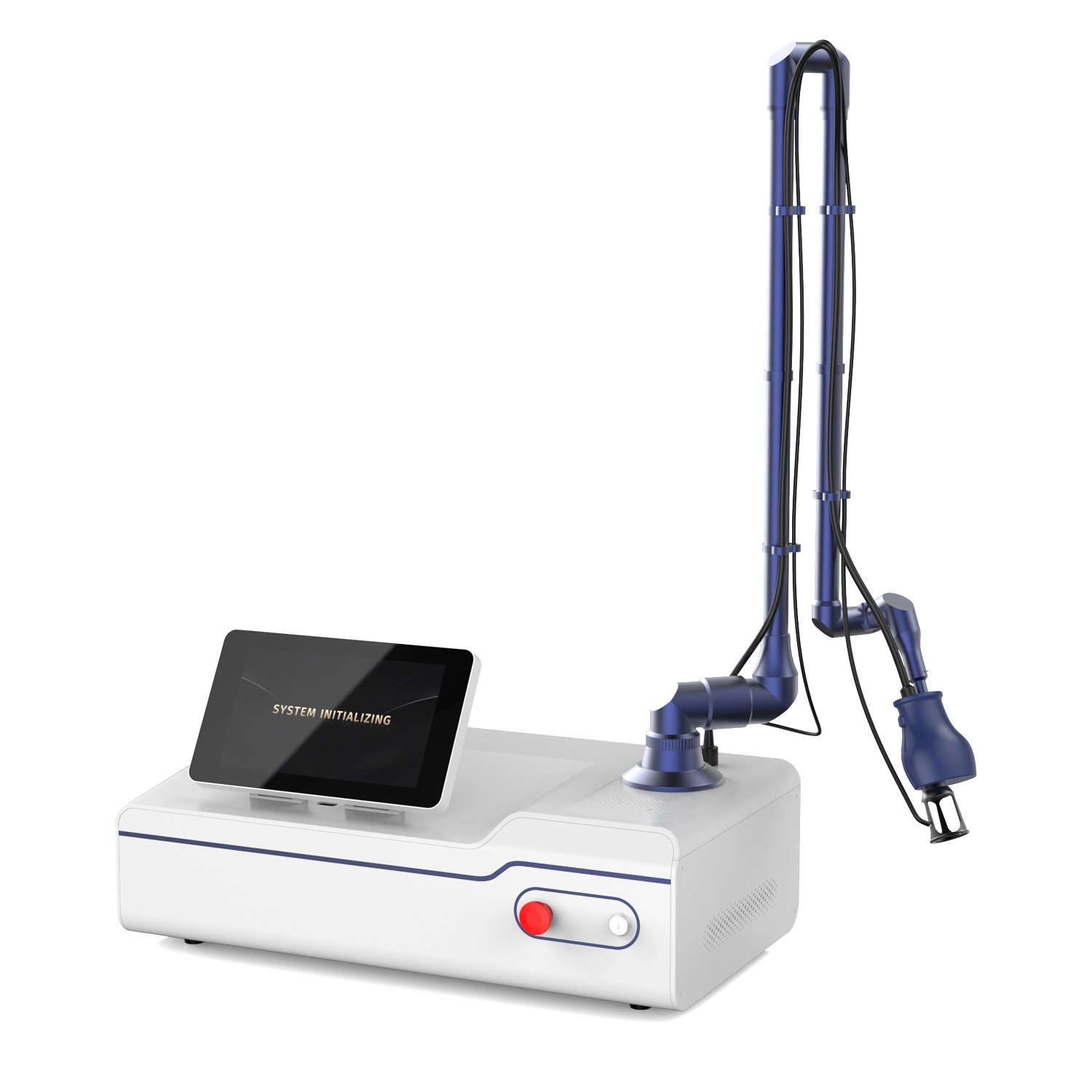
CO2 Fractional Laser Machine | Intimate Vaginal Rejuvenation System
This **CO2 Fractional Laser Machine** utilizes advanced 10600nm CO2 fractional laser technology to create controlled micro-thermal zones on the vaginal mucosa and intimate skin layers. These micro-columns stimulate collagen regeneration and tissue remodeling, effectively improving vaginal tightness, elasticity, and overall intimate health.
Designed specifically for professional medical aesthetic and intimate wellness applications, this CO2 fractional laser machine features intelligent parameter control and high-precision energy output to ensure safe, comfortable, and consistent treatment results. It is an ideal core device for vaginal rejuvenation, postpartum recovery, and intimate anti-aging treatments.
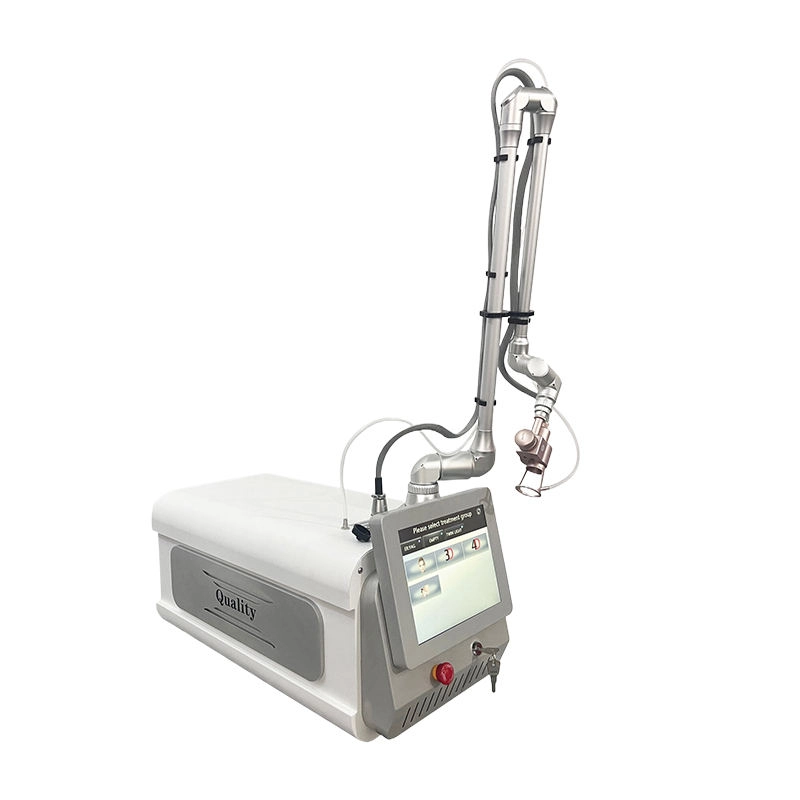
Professional CO2 Fractional Laser Machine | Fractional & Vaginal Rejuvenation CO2 Laser System
The CO2 fractional laser machine is a professional medical-grade device designed for deep skin resurfacing, wrinkle reduction, scar repair, and vaginal rejuvenation. Using a 10600 nm fractional CO2 laser beam, it creates micro-thermal columns on the skin to stimulate collagen regeneration and accelerate skin healing.
This CO2 fractional laser machine provides multiple treatment modes, including fractional mode, surgical cutting mode, and optional vaginal tightening mode, making it ideal for dermatology clinics and professional beauty centers seeking advanced laser solutions.
Its high precision, adjustable spot size, stable energy output, and seven-joint articulated arm ensure safe, accurate, and effective treatment results with minimal downtime.
Get more information
If you have any comments or good suggestions, please leave us a message; later our professional staff will contact you as soon as possible.
Let's Talk
Stay in touch with us for cutting-edge beauty solutions, professional guidance, and customized service.
Contact


Room 307, Building A, Huilong International E-commerce Industrial Park, No. 10 Xipengling Road, Helong Street, Baiyun District, Guangzhou, China
© 2025 HUIMAIN. All Rights Reserved. Privacy Policy | Terms and Conditions | Sitemap
Facebook
Instagram
Medical beauty equipment factory
huimain Medical beauty equipment factory
beauty machine supplier
Whatsapp: +8619124004543