


Cold Plasma Machine Quality Control for Importers
- Ensuring Clinical‑grade Performance in Cold Plasma Devices
- Why QC matters for importers
- Primary keywords and buyer pain points
- Critical QC checkpoints for Cold Plasma Machines
- 1) Electrical and emission performance
- 2) Biocompatibility, sterility and material safety
- 3) Software, labeling and traceability
- Comparative benchmarks & testing protocols
- Standard tests importers should mandate
- Representative acceptance criteria (example)
- Where to test and how often
- Choosing suppliers and integrating QC into procurement
- Supplier audit checklist
- Contractual and commercial protections
- Post‑arrival verification and end‑user safety
- Incoming inspection protocol
- Training, clinical oversight and user manuals
- Case study: Supplier profile and why manufacturer selection matters
- Guangzhou Huimain Technology Co., Ltd. — Overview
- Technical strengths, certifications and R&D
- Product portfolio and competitive advantages
- Practical checklist for importers before first shipment
- Documentation to obtain
- Operational steps
- Frequently Asked Questions (FAQ)
- 1. What is a Cold Plasma Machine and what does it do?
- 2. What certifications should I insist on when importing?
- 3. How can I verify plasma output without specialized equipment?
- 4. How often should QC testing be performed?
- 5. What are common failure modes to watch for?
- 6. How does Guangzhou Huimain support importers post‑purchase?
- Contact & Next steps
- References and further reading
Ensuring Clinical‑grade Performance in Cold Plasma Devices
Importers of Cold Plasma Machine must balance clinical performance, regulatory compliance, and commercial viability. Cold plasma (often called cold atmospheric plasma, CAP) devices are used across dermatology, wound care, and美容 (beauty) applications; their safety and effectiveness depend on consistent electrical parameters, gas composition, emission profiles, and strict manufacturing controls. This article provides an actionable QC roadmap for importers, including test specifications, achievable acceptance criteria, supplier audit items, and post‑arrival verification steps to mitigate risk and protect end users.
Why QC matters for importers
Quality control reduces recall risk, prevents adverse events, and preserves brand reputation. For technology-driven devices like Cold Plasma Machines, small variability in voltage, frequency, or gas feed can change reactive species generation and clinical outcomes. Importers must own due diligence that spans document review, sample testing, and on-site supplier audits to ensure repeatable, documented device performance.
Primary keywords and buyer pain points
This guide naturally integrates keywords such as Cold Plasma Machine, supplier audit, CE/SGS certification, OEM/ODM, and clinical validation. Typical importer pain points addressed: unclear regulatory paths, inconsistent device output, lack of test data, difficulties verifying factory claims, and after‑sale service gaps.
Critical QC checkpoints for Cold Plasma Machines
1) Electrical and emission performance
Key parameters to measure on each production batch or sample lot: applied voltage waveform (Vpp), pulse frequency, duty cycle, average power, and plasma plume temperature. Acceptable ranges must be defined by the manufacturer based on design validation; importers should request these ranges and require independent verification.
2) Biocompatibility, sterility and material safety
Components contacting skin must meet ISO 10993 biocompatibility testing requirements. If the device is marketed for wound care or invasive use, additional sterility and endotoxin testing may be required. Importers should require certificates of analysis (CoA) for batch materials and test reports from accredited labs.
3) Software, labeling and traceability
Devices with embedded control software must provide software verification & validation (V&V) artifacts, version history, and cybersecurity risk assessment. All units should bear unique serial numbers and production lot codes to enable traceability in case of field issues.
Comparative benchmarks & testing protocols
Standard tests importers should mandate
At minimum, samples should be subject to:
- Electrical safety: IEC 60601‑1 or equivalent (depending on medical claim)
- Electromagnetic compatibility (EMC): IEC 60601‑1‑2 or local equivalents
- Biocompatibility: ISO 10993 series
- Plasma output characterization: optical emission spectroscopy (OES), reactive oxygen/nitrogen species (RONS) quantification, and surface temperature mapping
- Functional stability: accelerated life testing and thermal cycling
Representative acceptance criteria (example)
The table below shows typical QC tests with illustrative pass/fail criteria importers can request from suppliers. These should be adapted to the device design and intended use.
| Test | Method / Standard | Typical Acceptance Criteria | Rationale / Source |
|---|---|---|---|
| Applied Voltage & Frequency | Oscilloscope measurement, factory specification | Within ±5% of validated set point | Ensures consistent plasma generation |
| Average Power | Power meter; IEC test bench | Within ±10% of nominal | Affects RONS production and thermal load |
| Surface/Plume Temperature | Infrared thermography; thermocouples | < 45°C at skin contact points (typical for skin safety) | Prevents thermal injury |
| RONS Levels (select species) | OES & chemical probes (NOx, O3, H2O2) | Within supplier-validated therapeutic window | Correlates with antimicrobial/therapeutic efficacy |
| Biocompatibility | ISO 10993 tests (cytotoxicity, sensitization) | Pass per accredited lab report | Ensures safe skin contact |
Where to test and how often
For initial shipments, importers should conduct third‑party testing on representative samples (e.g., 3–5 units per lot). For ongoing production, require supplier internal QC reports for each lot and random third‑party audits annually or upon design changes. Use ISO/IEC accredited test labs for electrical safety and biocompatibility testing to ensure recognition across markets.
Choosing suppliers and integrating QC into procurement
Supplier audit checklist
When auditing a Cold Plasma Machine supplier, prioritize the following items:
- Quality management system (e.g., ISO 13485) and internal QC records
- Design verification & validation documentation
- Calibration records for key instruments (oscilloscopes, power meters, spectrometers)
- Raw material traceability and incoming inspection procedures
- After‑sale support: spare parts lead time, maintenance training, and service SLAs
Contractual and commercial protections
Include the following in purchase agreements:
- Minimum acceptable test reports and retention periods
- Warranty terms tied to measured performance criteria
- Right to audit and third‑party testing clause
- Corrective action timelines for out‑of‑spec units
Post‑arrival verification and end‑user safety
Incoming inspection protocol
On container arrival, perform:
- Visual inspection of packaging and labeling (batch IDs, CE/SGS marks, user manual in target language)
- Electrical safety smoke test and basic function check on 100% of units for non‑critical parameters; select random sample (e.g., 10%) for full bench testing
- Record retention in importer QC system for future traceability
Training, clinical oversight and user manuals
Provide comprehensive training for clinical or salon staff covering safe operation, contraindications, maintenance, and adverse event reporting. Ensure user manuals comply with local language and regulatory labelling requirements. Where the device claims medical benefit, recommend involvement of a clinical advisor to establish appropriate use protocols.
Case study: Supplier profile and why manufacturer selection matters
Guangzhou Huimain Technology Co., Ltd. — Overview
Guangzhou Huimain Technology Co., Ltd. is a high‑tech company focused on beauty machines and home‑use machine series. The company offers end‑to‑end capabilities in research & development, production, sales, and after‑sale service. With a production area of approximately 3,000 square meters, a workforce where over 20% hold bachelor’s degrees and more than 40% hold junior college degrees, Huimain emphasizes technical depth and quality control.
Technical strengths, certifications and R&D
Huimain has a dedicated technical development department, experienced engineers, PE experts, a professional purchasing department, a clinical test department, and a responsive after‑sales team. The company reports CE and SGS approvals and has secured multiple patents for its products. Huimain continues to invest in R&D, releasing new products aligned to market needs and offering OEM and ODM manufacturing for salons and medical aesthetic customers.
Product portfolio and competitive advantages
Main products include Cryolipolysis machine, EMS sculpting machine, Plasma machine, Shockwave machine, HIFU machine, Hydrofacial machine, Cavitation vacuum machine, Laser hair removal, Tattoo removal machine, and Micro needle machine. Huimain positions itself on innovation, cost‑effective production, and strong post‑sale support. For importers, these strengths translate to reliable documentation, accessible technical teams, and faster iterations on custom requirements.
| Feature | Typical Importer Benefit |
|---|---|
| In‑house R&D and patents | Faster product customization and stronger IP defensibility |
| CE & SGS approved | Simplified market entry in many regions and recognized quality marks |
| OEM/ODM capability | Private label options and tailored features for local markets |
| Clinical test department | Access to clinical validation data and support for promotional claims |
Practical checklist for importers before first shipment
Documentation to obtain
- Device specifications and validated operating ranges (voltage, power, frequency)
- Design validation & verification reports
- Safety and EMC test reports (IEC 60601‑1, IEC 60601‑1‑2 where applicable)
- ISO 10993 biocompatibility reports and material CoAs
- Certificates: CE declaration of conformity, SGS test summaries, patent documents
- Quality system certificate: ISO 13485 (preferred)
Operational steps
- Perform an initial third‑party test on a representative sample batch.
- Negotiate warranty/QC clauses into the purchase agreement.
- Plan importer side incoming inspection and user training schedules.
- Set up adverse event reporting and corrective action workflows.
Frequently Asked Questions (FAQ)
1. What is a Cold Plasma Machine and what does it do?
Cold Plasma Machines generate non‑thermal plasma at atmospheric pressure producing reactive oxygen and nitrogen species (RONS). In beauty and medical applications these species can provide antimicrobial effects, promote wound healing, or support skin treatments depending on device settings and protocols.
2. What certifications should I insist on when importing?
At minimum request CE (for EU markets) or equivalent regulatory approvals in target markets, IEC 60601 series reports for electrical safety if the device is medical, ISO 10993 biocompatibility testing for skin contact, and independent lab reports (SGS or equivalent) verifying declared performance.
3. How can I verify plasma output without specialized equipment?
Basic verification includes measuring applied voltage and frequency with calibrated instruments and confirming surface temperatures with IR thermography. For RONS quantification and emission profiling, partner with accredited labs that perform optical emission spectroscopy and chemical assays.
4. How often should QC testing be performed?
Initial shipments should have third‑party testing on representative samples. For continuous production: require supplier batch QC reports for every lot; perform random third‑party verifications (e.g., annually or when defects are suspected). Increase frequency after design changes or regulatory updates.
5. What are common failure modes to watch for?
Common issues include drift in electrical parameters (voltage/frequency), increased plume temperature, variability in RONS output, degrading electrodes or insulating materials, and insufficient labeling or user instructions leading to misuse.
6. How does Guangzhou Huimain support importers post‑purchase?
Huimain claims a structured after‑sales department, clinical testing support, spare parts availability, and OEM/ODM services. Their capabilities help importers with training, documentation updates, and design customization to meet local market needs.
Contact & Next steps
If you are an importer evaluating Cold Plasma Machine suppliers, use the checklist above to qualify manufacturers and require independent verification of critical performance metrics. For suppliers with proven R&D, documented QC systems, and accessible technical support, you reduce commercial and clinical risks.
To explore product options, request factory documentation, or arrange sample testing, contact Guangzhou Huimain Technology Co., Ltd. for OEM/ODM inquiries and product portfolios including Cryolipolysis machine, EMS sculpting machine, Plasma machine, Shockwave machine, HIFU machine, Hydrofacial machine, Cavitation vacuum machine, Laser hair removal, Tattoo removal machine, and Micro needle machine.
For product enquiries and technical support, visit the supplier's website or request a company dossier and sample QC reports prior to first purchase.
References and further reading
- Plasma medicine — Wikipedia. https://en.wikipedia.org/wiki/Plasma_medicine (Accessed 2026-01-12)
- Cold atmospheric plasma and its applications in dermatology — Review (example source). National Center for Biotechnology Information. https://www.ncbi.nlm.nih.gov/pmc/articles/PMC5389378/ (Accessed 2026-01-12)
- CE marking — European Commission. https://ec.europa.eu/growth/single-market/ce-marking_en (Accessed 2026-01-12)
- SGS Certification Services. https://www.sgs.com/en/services/certification (Accessed 2026-01-12)
- ISO 13485 — Medical devices — Quality management systems. https://www.iso.org/iso-13485-medical-devices. (Accessed 2026-01-12)
- ISO 10993 — Biological evaluation of medical devices. https://www.iso.org/standard/74072. (Accessed 2026-01-12)
Note: Technical acceptance criteria and test frequencies provided in this article are illustrative. Importers should define final QC parameters based on device design validation, intended use, and applicable regulations in their target market.
C5
How long is the downtime after treatment?
Typically 3–7 days depending on the treatment depth.
5-in-1 cavitation vacuum machine
Is the treatment painful?
No, treatments are comfortable. Clients may feel mild warmth or a buzzing sensation.
HI-8D
Does the HI-8D require consumables?
Yes, HIFU cartridges are replaceable consumables depending on usage and shot count.
ZGP03 (台式皮秒)
Is this Nd YAG Picosecond Laser safe for different skin types?
Yes, adjustable parameters allow safe and effective treatment across various skin types.
4-in-1 Cryo HIFU
Is the cryo HIFU treatment painful?
The built-in cooling system reduces discomfort, making treatments more comfortable than traditional HIFU machines.

Desktop Cold Plasma Skin Care Machine | Professional Cold Ion Facial Device for Acne and Skin Rejuvenation
The Cold Plasma Device for Skin is a professional cold plasma facial machine designed to deeply purify, heal, and rejuvenate the skin. Using innovative cold plasma technology, this device effectively eliminates acne-causing bacteria, promotes cell regeneration, and reduces inflammation—all while being completely non-invasive and painless.
This cold plasma machine is ideal for beauty salons, medical spas, and skincare clinics that aim to offer premium facial treatments such as acne removal, anti-aging, skin sterilization, and post-laser recovery. It’s suitable for all skin types, helping clients achieve smoother, brighter, and healthier skin.
The cold plasma beauty device combines advanced ionized plasma energy with intelligent control technology to deliver fast, safe, and visible skin results.

CO2 Fractional Laser Machine – Professional Wrinkle Removal & Skin Resurfacing Device
The CO2 Fractional Laser Machine is a multifunctional aesthetic device designed for professional clinics and beauty salons. Using advanced fractional CO2 laser technology, it effectively targets acne scars, freckles, pigmentation, nevi, and deep wrinkles. Additionally, it provides non-invasive skin rejuvenation, vaginal tightening, and intimate beautification. This professional CO2 laser equipment combines precision, safety, and powerful energy output to deliver outstanding anti-aging and dermatological results.
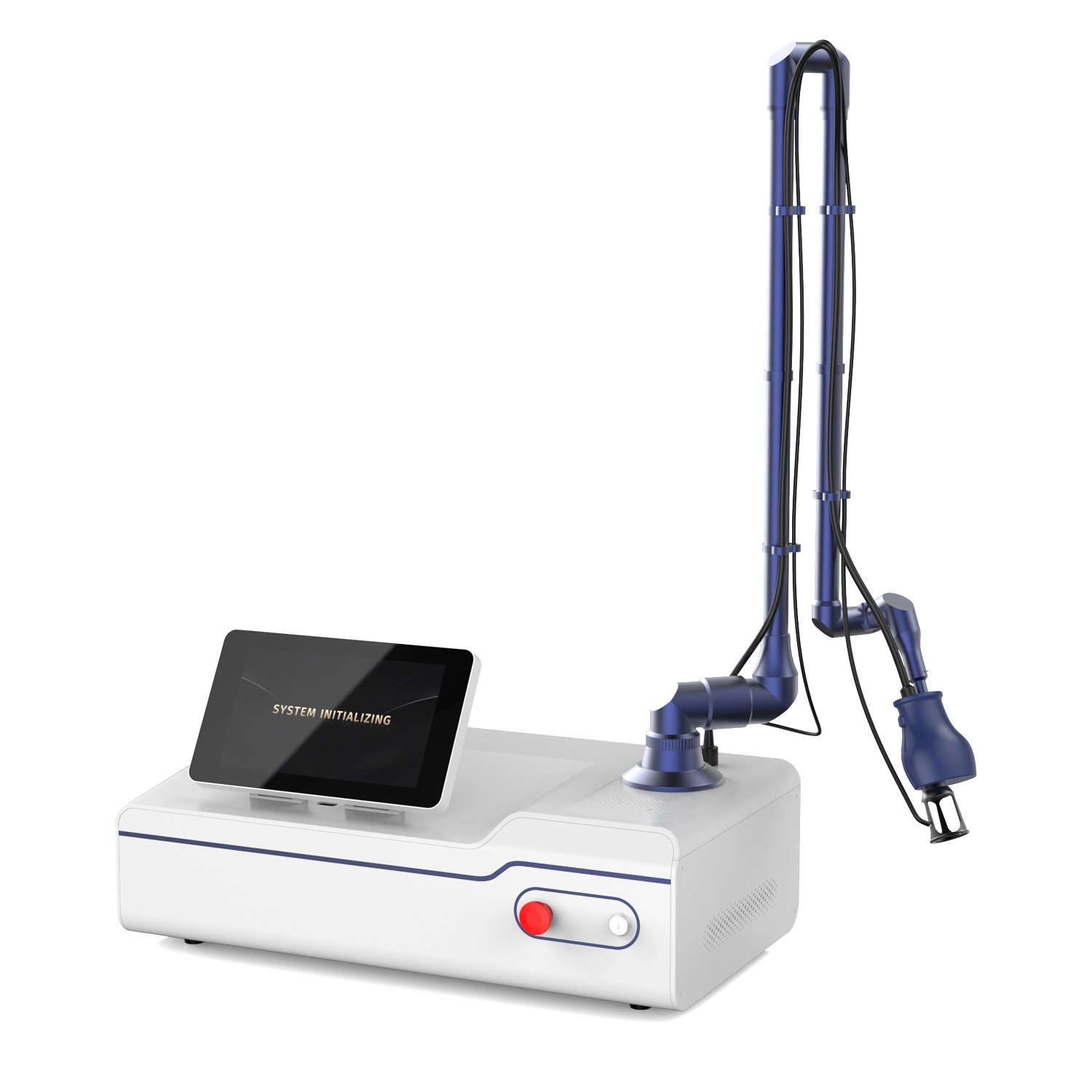
CO2 Fractional Laser Machine | Intimate Vaginal Rejuvenation System
This **CO2 Fractional Laser Machine** utilizes advanced 10600nm CO2 fractional laser technology to create controlled micro-thermal zones on the vaginal mucosa and intimate skin layers. These micro-columns stimulate collagen regeneration and tissue remodeling, effectively improving vaginal tightness, elasticity, and overall intimate health.
Designed specifically for professional medical aesthetic and intimate wellness applications, this CO2 fractional laser machine features intelligent parameter control and high-precision energy output to ensure safe, comfortable, and consistent treatment results. It is an ideal core device for vaginal rejuvenation, postpartum recovery, and intimate anti-aging treatments.
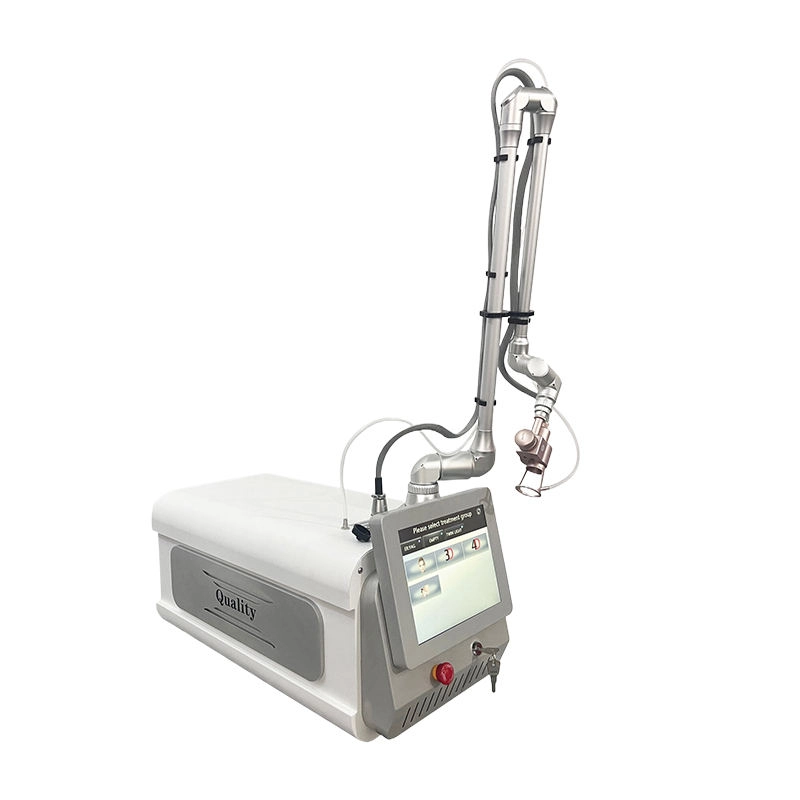
Professional CO2 Fractional Laser Machine | Fractional & Vaginal Rejuvenation CO2 Laser System
The CO2 fractional laser machine is a professional medical-grade device designed for deep skin resurfacing, wrinkle reduction, scar repair, and vaginal rejuvenation. Using a 10600 nm fractional CO2 laser beam, it creates micro-thermal columns on the skin to stimulate collagen regeneration and accelerate skin healing.
This CO2 fractional laser machine provides multiple treatment modes, including fractional mode, surgical cutting mode, and optional vaginal tightening mode, making it ideal for dermatology clinics and professional beauty centers seeking advanced laser solutions.
Its high precision, adjustable spot size, stable energy output, and seven-joint articulated arm ensure safe, accurate, and effective treatment results with minimal downtime.
Get more information
If you have any comments or good suggestions, please leave us a message; later our professional staff will contact you as soon as possible.
Let's Talk
Stay in touch with us for cutting-edge beauty solutions, professional guidance, and customized service.
Contact


Room 307, Building A, Huilong International E-commerce Industrial Park, No. 10 Xipengling Road, Helong Street, Baiyun District, Guangzhou, China
© 2025 HUIMAIN. All Rights Reserved. Privacy Policy | Terms and Conditions | Sitemap
Facebook
Instagram
Medical beauty equipment factory
huimain Medical beauty equipment factory
beauty machine supplier
Whatsapp: +8619124004543