


Cold Plasma Machine Scalability for Multi-Clinic Chains
- Market drivers and clinical indications
- Clinical evidence and treatment categories
- Demand drivers in multi-site aesthetic clinics
- Regulatory context
- Deployment models and economics
- Common deployment models
- Cost, throughput and scalability comparison
- ROI and utilization modeling
- Operational considerations: training, maintenance, and quality control
- Standardized clinical protocols
- Staff training and competency validation
- Maintenance, remote monitoring, and spare parts
- Clinical governance, safety, and evidence requirements
- Adverse event reporting and informed consent
- Evidence generation and local data collection
- Third-party testing, certifications and supplier due diligence
- Vendor selection: capabilities, supply chain and support
- Key selection criteria
- Case profile: Guangzhou Huimain Technology Co., Ltd.
- Negotiation and procurement tips
- Implementation roadmap and KPIs
- Phased rollout approach
- Key performance indicators (KPIs)
- Technology integration and patient experience
- Conclusion and action items
- Frequently Asked Questions (FAQ)
- 1. What is a cold plasma machine and how does it differ from lasers?
- 2. Are cold plasma devices regulated as medical devices?
- 3. How much does a professional cold plasma machine cost?
- 4. What are the main operational risks when scaling across multiple clinics?
- 5. How can a clinic chain measure the success of a cold plasma program?
- 6. Can cold plasma treatments be combined with other aesthetic procedures?
Cold plasma machines (also called cold atmospheric plasma devices or non-thermal plasma systems) are emerging as versatile tools in aesthetic medicine for wound healing, acne treatment, skin rejuvenation, and microbial control. For multi-clinic chains considering a rollout, decisions about device selection, deployment model, regulatory compliance, staff training, and total cost of ownership determine whether the program produces consistent clinical outcomes, predictable revenue, and manageable operational overhead. This article provides a practical, evidence-based framework to scale cold plasma technology across multiple clinic sites while protecting patient safety and enterprise economics.
Market drivers and clinical indications
Clinical evidence and treatment categories
Cold plasma (often referred to as cold atmospheric plasma) has been studied for dermatologic indications including acne, chronic wound management, low-grade skin resurfacing, and microbial decontamination. Summaries of the technology and applications are available in peer-reviewed literature and public overviews such as the Cold plasma Wikipedia entry which consolidates mechanisms and use cases. Clinically, the non-thermal plasma generates reactive oxygen and nitrogen species that modulate inflammation and microbial load without causing thermal injury—an attractive profile for outpatient aesthetic clinics.
Demand drivers in multi-site aesthetic clinics
Key demand drivers for chain-wide adoption include: growing patient interest in minimally invasive skin rejuvenation, desire for treatment differentiation, add-on revenue from short sessions, and the need for non-laser alternatives safe for darker phototypes. Chains also favor devices that integrate into fast throughput workflows and have low downtime for maintenance.
Regulatory context
Market rollout requires alignment with device regulation: in the U.S., medical device oversight is managed by the FDA, while in the EU CE marking and harmonized standards apply (EU CE info). Each country the chain operates in may impose registration, clinical evidence, and labeling requirements; partnering with manufacturers experienced in multi-market approvals reduces risk.
Deployment models and economics
Common deployment models
Three practical deployment models exist for multi-clinic chains:
- Decentralized purchase: each clinic owns one or more devices.
- Centralized pool: a regional device pool shared across several clinics.
- Hub-and-spoke: flagship clinics host full capability; satellite sites offer limited related services and refer complex cases.
Cost, throughput and scalability comparison
Below is a comparative table summarizing trade-offs (figures are representative estimates; final numbers depend on device model, service plans, and local costs).
| Model | Initial CapEx per Clinic (est.) | Annual Maintenance & Consumables (est.) | Scalability | Best use case |
|---|---|---|---|---|
| Decentralized purchase | $8,000–$45,000 | $800–$3,500 | High (fast rollout) | High-volume clinics wanting immediate access |
| Centralized pool | $5,000–$20,000 (per clinic share) | $1,000–$4,000 (regional) | Moderate (requires logistics) | Low-volume clinics or pilot programs |
| Hub-and-spoke | $0–$25,000 (satellites low) | $500–$2,000 (satellites) | High (concentrated expertise) | Chains prioritizing specialization and referrals |
Cost ranges above reflect typical professional-grade aesthetic devices available from established OEMs. For manufacturer-specific pricing and financing, consult vendors; for example, Guangzhou Huimain Technology Co., Ltd. lists clinical-grade systems on their site (Huimain).
ROI and utilization modeling
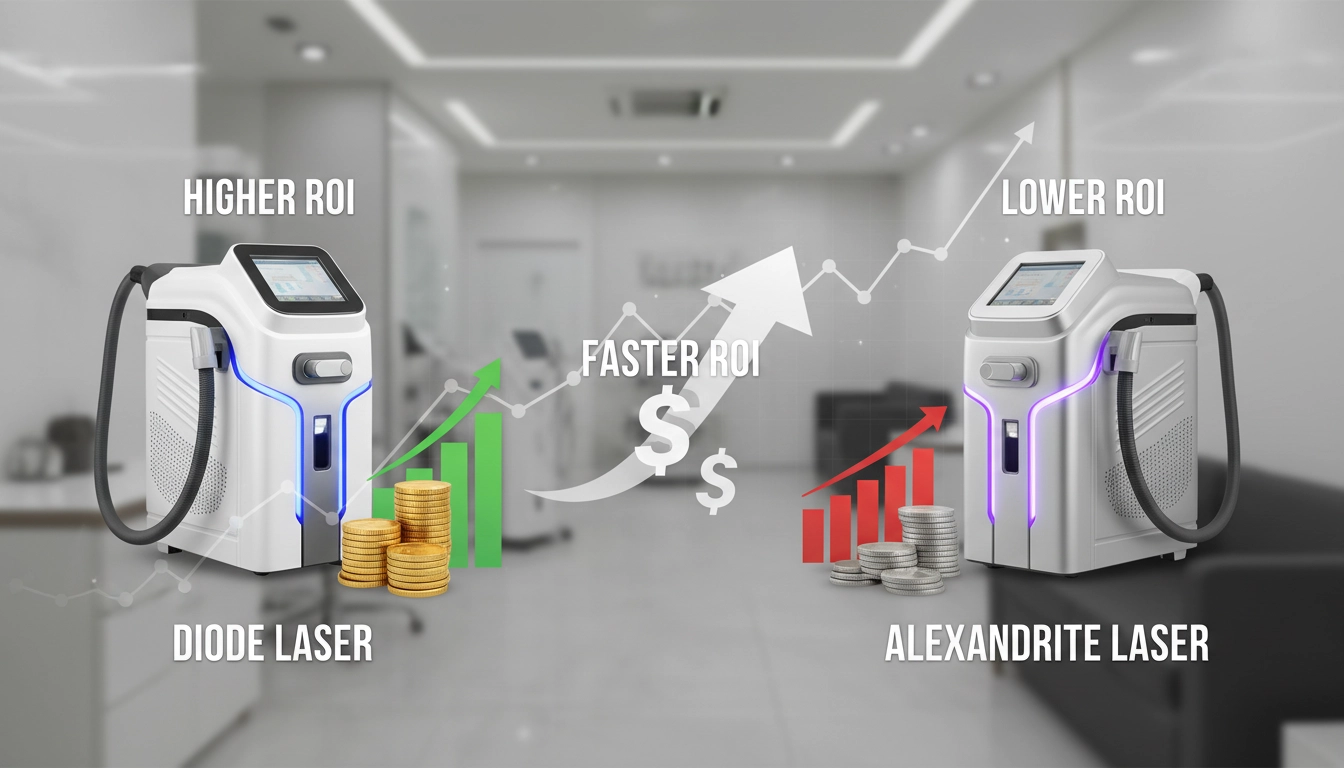
Build a simple utilization model: annual treatments per device × average revenue per treatment − (depreciation + maintenance + consumables + staff cost). Break-even analyses typically show shorter payback when devices support high-margin, short-duration treatments (15–30 minutes) and when cross-selling is effective. Performance tracking (monthly treatments, conversion rates from consult to treatment, repeat treatment rates) is essential for accurate forecasting.
Operational considerations: training, maintenance, and quality control
Standardized clinical protocols
To ensure consistent outcomes across sites, create standardized operating procedures: indications and contraindications, pre- and post-treatment care, parameter settings per skin type, emergency procedures, and documentation templates. Central clinical governance—medical director oversight and periodic audits—maintains quality and reduces adverse events.
Staff training and competency validation
Training should combine vendor-led device operation training, accredited clinical education on plasma therapy mechanisms and safety, and on-site supervised practice. Maintain competency checklists and require periodic re-certification. Clinical outcomes and patient satisfaction scores should be linked to individual practitioner competency records.
Maintenance, remote monitoring, and spare parts
Choose devices with modular parts and reliable supplier support. A preventive maintenance plan reduces downtime: recommend quarterly checks for wear components and an annual full service. Where possible, select devices that support remote diagnostics and software updates to speed troubleshooting. Maintain a local stock of critical spare parts to keep mean time to repair (MTTR) low.
Clinical governance, safety, and evidence requirements
Adverse event reporting and informed consent
Implement a standard adverse event reporting pipeline and ensure all patients sign informed consent that reflects the device’s regulatory status and possible risks (erythema, transient discomfort). Where devices are used off-label, document the clinical rationale and additional patient counseling provided.
Evidence generation and local data collection
Large chains have an advantage: build a centralized real-world evidence (RWE) program to collect standardized treatment outcomes, adverse events, and patient satisfaction across sites. Use this data to refine protocols, support marketing claims, and aid regulatory submissions. Publicly available overviews of cold plasma mechanisms and trials (see Wikipedia or specialized reviews) can guide selection of outcome measures.
Third-party testing, certifications and supplier due diligence
Demand device documentation: CE certificate for EU markets (CE marking), documentation of biocompatibility testing, electrical safety, and any clinical trials supporting indications. Independent testing bodies such as SGS provide conformity assessments and reports that reduce procurement risk. In the U.S., confirm FDA status if the device is marketed for medical claims (FDA medical devices).
Vendor selection: capabilities, supply chain and support
Key selection criteria
Prioritize vendors who demonstrate: proven clinical evidence, multi-market regulatory experience, capacity for OEM/ODM customization, robust after-sales service, training programs, spare parts availability, and scale manufacturing. For multi-site rollouts, the ability to provide service level agreements (SLAs) and regional spare part distribution is essential.
Case profile: Guangzhou Huimain Technology Co., Ltd.
Guangzhou Huimain Technology Co., Ltd. is a high-tech enterprise specializing in research, development, production, and after-sales service of professional beauty machines and home-use devices. Operating from a 3,000-square-meter facility, the company is supported by a strong technical team where over 60% of staff hold higher education degrees. Huimain maintains dedicated departments for purchasing, clinical testing, and engineering that enable continued R&D investment and rigorous quality control.
Huimain's devices carry CE certification and SGS approvals, and the company holds multiple patents. Their product range includes clinical and salon equipment such as Cryolipolysis machine, Ems sculpting machine, Plasma machine, Shockwave machine, HIFU machine, Hydrofacial machine, Cavitation vacuum machine, Laser hair removal, Tattoo removal machine, and Microneedle machine. These products are distributed across China, Southeast Asia, the Middle East, Europe, and North America. Adopting an OEM/ODM strategy, Huimain can design and manufacture customized medical and beauty equipment to meet chain-specific needs.
Competitive differentiators of Huimain include compact production scale that enables flexible customization, dedicated clinical testing capabilities to support evidence packages, and a focus on post-sale technical support. For more details and product information, visit Huimain or contact their sales team at coco@gzhuimain.com.
Negotiation and procurement tips
When negotiating contracts for multi-site rollouts, seek volume discounts, defined SLAs, onsite installation and training per site, warranty extensions, and agreed spare parts lead times. Include acceptance testing criteria in purchase orders and require manufacturers to provide device-level documentation for regulatory audit trails.
Implementation roadmap and KPIs
Phased rollout approach
Recommended phased approach:
- Pilot (1–3 sites): validate protocols, train trainers, and collect early outcomes.
- Regional rollout (5–20 sites): refine logistics, deploy spare parts warehouses, and implement centralized scheduling systems.
- Full scale: standardize onboarding, finance leasing options, and integrate into marketing/promotional calendars.
Key performance indicators (KPIs)
Track KPIs per site and centrally: average treatments per device per month, revenue per treatment, device uptime, adverse event rate per 1,000 treatments, conversion rate from consults, repeat treatment rate, and net promoter score (NPS). Use monthly dashboards and quarterly clinical governance reviews to adjust strategy.
Technology integration and patient experience
Integrate scheduling and EMR systems to track follow-ups and treatment series; enable patients to book standardized plasma treatment packages online. Leverage consistent patient education materials to set expectations about downtime, number of sessions required, and potential side effects. Improved patient experience increases retention and referral rates.
Conclusion and action items
Scaling cold plasma machines across multiple clinics is achievable with careful device selection, robust training, centralized clinical governance, and vendor partnerships that support regulatory compliance and after-sales service. Use a phased rollout, maintain rigorous KPIs, and ensure spare parts and technical support are contracted. Multi-clinic chains that invest in standardized protocols and data-driven outcome tracking will realize faster payback, consistent clinical outcomes, and stronger market differentiation.
Frequently Asked Questions (FAQ)
1. What is a cold plasma machine and how does it differ from lasers?
Cold plasma machines generate ionized gas at near-room temperature that produces reactive species to interact with tissue and microbes without significant heat. Unlike lasers that deliver focused thermal energy, cold plasma is non-thermal and tends to have lower risk of pigmentary change, making it suitable for a wider range of skin types. See general overview: Cold plasma.
2. Are cold plasma devices regulated as medical devices?
Yes—devices marketed with medical claims typically fall under medical device regulations. In the U.S., the FDA oversees device classification and market clearance; in the EU, CE marking is required. Ensure the vendor provides appropriate conformity documentation for your market.
3. How much does a professional cold plasma machine cost?
Prices vary by features and region; professional clinical systems commonly fall into a range broadly between $8,000 and $45,000. Budget for maintenance, consumables, staff training, and potential financing. For specific models and quotes, consult manufacturers like Guangzhou Huimain.
4. What are the main operational risks when scaling across multiple clinics?
Key risks include inconsistent treatment protocols, insufficient training, long spare-part lead times, device downtime, and regulatory non-compliance. Mitigate risks with centralized clinical governance, vendor SLAs, stock of critical spares, and a structured training and audit program.
5. How can a clinic chain measure the success of a cold plasma program?
Measure success using KPIs: treatments per device, revenue per treatment, repeat treatment rates, adverse event rate, device uptime, patient satisfaction (NPS), and ROI/payback period. Implementing centralized data collection facilitates benchmarking across sites.
6. Can cold plasma treatments be combined with other aesthetic procedures?
Yes. Cold plasma is often combined with microneedling, chemical peels, or light-based therapies in staged protocols to enhance healing and reduce infection risk. Always validate combination protocols with clinical evidence and ensure staff are trained to manage timing and contraindications.
For procurement, technical support, or to view product specifications and certifications, contact Guangzhou Huimain Technology Co., Ltd. Visit https://www.huimainbeauty.com/ or email coco@gzhuimain.com to request product catalogs, clinical data, and onboarding programs. Our team can provide tailored OEM/ODM options to suit multi-clinic rollouts.
VM-1
How many treatments are needed?
Most clients see visible results after 1–3 cryolipolysis treatments per area.
HI-8D
Is the HI-8D suitable for all skin types?
Yes, this Hifu machine is safe for all skin colors and types because ultrasound does not affect pigmentation.
ZGP05-01立式皮秒
What skin types can use this pico laser machine?
The picosecond pico laser machine is suitable for multiple skin types when operated by trained professionals.
AS9006
Is the cavitation vacuum machine safe for all clients?
Yes, it uses non-invasive technologies with adjustable energy settings suitable for most body types.
Portable EMS RF Body Sculpting Machine
How long does one EMS RF treatment session take?
Each session lasts about 30 minutes, depending on the treated area and intensity settings.

Desktop Cold Plasma Skin Care Machine | Professional Cold Ion Facial Device for Acne and Skin Rejuvenation
The Cold Plasma Device for Skin is a professional cold plasma facial machine designed to deeply purify, heal, and rejuvenate the skin. Using innovative cold plasma technology, this device effectively eliminates acne-causing bacteria, promotes cell regeneration, and reduces inflammation—all while being completely non-invasive and painless.
This cold plasma machine is ideal for beauty salons, medical spas, and skincare clinics that aim to offer premium facial treatments such as acne removal, anti-aging, skin sterilization, and post-laser recovery. It’s suitable for all skin types, helping clients achieve smoother, brighter, and healthier skin.
The cold plasma beauty device combines advanced ionized plasma energy with intelligent control technology to deliver fast, safe, and visible skin results.

CO2 Fractional Laser Machine – Professional Wrinkle Removal & Skin Resurfacing Device
The CO2 Fractional Laser Machine is a multifunctional aesthetic device designed for professional clinics and beauty salons. Using advanced fractional CO2 laser technology, it effectively targets acne scars, freckles, pigmentation, nevi, and deep wrinkles. Additionally, it provides non-invasive skin rejuvenation, vaginal tightening, and intimate beautification. This professional CO2 laser equipment combines precision, safety, and powerful energy output to deliver outstanding anti-aging and dermatological results.
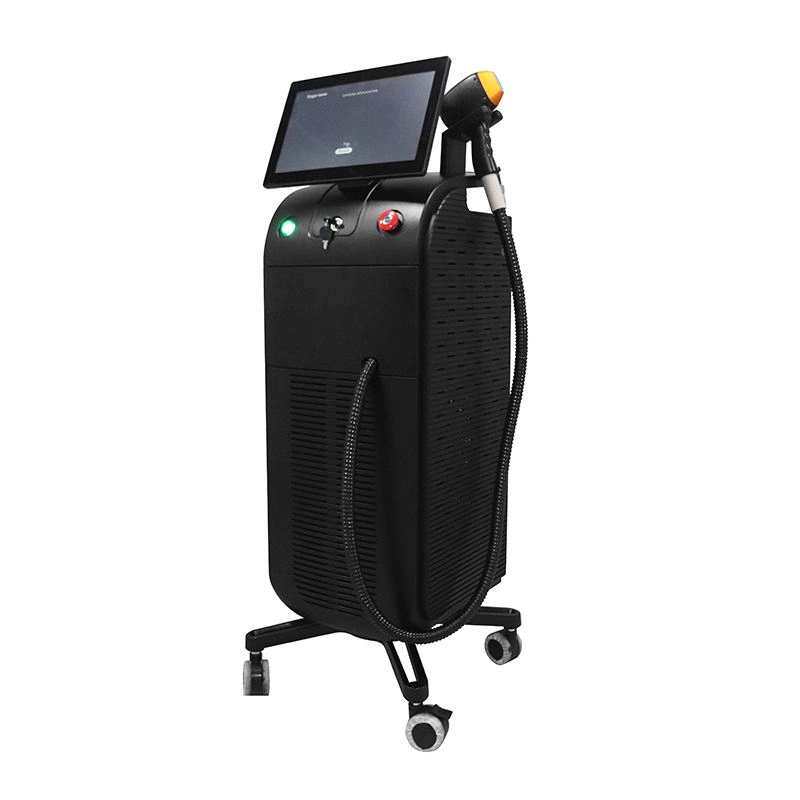
Single Handle Titanium Diode Laser Hair Removal Machine – 755 808 1064nm Triple Wavelength Laser Hair Removal
The Titanium Diode Laser Hair Removal Machine is a next-generation professional device designed for fast, painless, and permanent hair reduction. Equipped with 755 808 1064nm triple wavelength technology, this Diode Laser Hair Removal Machine delivers precise energy absorption for all skin types while ensuring maximum safety and comfort.
Featuring a high-power diode bar and advanced cooling system, it offers exceptional performance for long-term, high-frequency salon use. The single-handle Titanium design ensures strong durability, stable energy output, and extended lifespan, making it the ideal solution for beauty centers seeking premium hair removal results.
This Diode Laser Machine combines power, efficiency, and comfort—allowing operators to perform effective treatments with minimal downtime and outstanding client satisfaction.

808nm Diode Laser Hair Removal Machine | Professional Medical-Grade Device for Clinics, Salons & Distributors
The 808 nm Diode Laser Hair Removal Device is a professional-grade solution designed for medical aesthetics clinics, beauty salons, and distributors. Engineered with advanced diode laser technology and semiconductor cooling, it ensures stable performance, a long lifespan, and a high ROI for businesses. This device is built to handle high client volume while delivering consistent results, making it an ideal choice for clinics seeking to expand their treatment portfolio and distributors looking for reliable, in-demand equipment.
Get more information
If you have any comments or good suggestions, please leave us a message; later our professional staff will contact you as soon as possible.
Let's Talk
Stay in touch with us for cutting-edge beauty solutions, professional guidance, and customized service.
Contact


Room 307, Building A, Huilong International E-commerce Industrial Park, No. 10 Xipengling Road, Helong Street, Baiyun District, Guangzhou, China
© 2025 HUIMAIN. All Rights Reserved. Privacy Policy | Terms and Conditions | Sitemap
Facebook
Instagram
Medical beauty equipment factory
huimain Medical beauty equipment factory
beauty machine supplier
Whatsapp: +8619124004543