


Case Studies: Cold Plasma Machine for Scar Reduction
- Clinical evidence and mechanisms behind cold plasma for scar management
- What is cold plasma and how can it affect scars?
- Summary of clinical evidence and levels of proof
- Representative case studies: methodology, outcomes, and lessons learned
- Case selection and baseline evaluation
- Typical treatment protocols observed in case series
- Real-world outcomes and measured improvements
- Comparative analysis: cold plasma versus other scar reduction modalities
- Mechanisms and complementary roles
- Safety, downtime and contraindications
- Head-to-head features (qualitative comparison)
- Implementation: how clinics and users should approach cold plasma treatments
- Patient selection and informed consent
- Protocol design and combination therapies
- Device selection, calibration and operator training
- Commercial and regulatory considerations for clinics and purchasers
- Cost-effectiveness and ROI
- Regulatory landscape and quality markers
- Case-mix and marketing: realistic claims
- Guangzhou Huimain Technology Co., Ltd. — company capability and product fit
- Company profile and technical strengths
- R&D, certifications and market reach
- HUIMAIN advantages and main products
- Practical recommendations and concluding judgment
- When to consider cold plasma in your practice
- Limitations and research gaps
- Bottom line for clinicians and purchasers
- FAQ — Frequently Asked Questions
- 1. What types of scars respond best to cold plasma treatment?
- 2. How many sessions are usually required to see improvement?
- 3. Is cold plasma safe for all skin types?
- 4. Can cold plasma be combined with lasers or microneedling?
- 5. What are common side effects and how are they managed?
- 6. How should a clinic evaluate device suppliers for cold plasma machines?
- References
Clinical evidence and mechanisms behind cold plasma for scar management
What is cold plasma and how can it affect scars?
Cold atmospheric plasma (CAP), often referred to as cold plasma, is a partially ionized gas at near-room temperature that produces reactive species (ROS/RNS), electromagnetic fields, and microthermal effects. In dermatology and wound care, CAP is believed to modulate microbial load, influence cellular signaling, and stimulate processes relevant to remodeling—such as fibroblast activity, collagen reorganization, and controlled inflammation resolution—elements that are directly relevant to reducing hypertrophic and atrophic scarring.
Summary of clinical evidence and levels of proof
Clinical reports, case series and controlled trials over the past decade indicate that CAP can accelerate wound healing and may improve scar appearance when applied in appropriate protocols. Evidence ranges from preclinical cellular studies to randomized clinical trials for chronic wound care and smaller controlled studies targeting scar maturation. While long-term, large-scale randomized trials focused solely on scar reduction remain limited, the accumulated data provide a plausible biological rationale and early clinical support for CAP as a scar-improvement modality.
Representative case studies: methodology, outcomes, and lessons learned
Case selection and baseline evaluation
Successful case reports prioritize strict baseline characterization: scar type (hypertrophic, atrophic, keloid), age of scar, skin phototype (Fitzpatrick scale), prior interventions (laser, steroids, surgery), and objective metrics (photography, Vancouver Scar Scale, Patient and Observer Scar Assessment Scale - POSAS). Proper selection avoids mixing active keloids requiring surgical/medical therapy with mature scars more amenable to noninvasive remodeling.
Typical treatment protocols observed in case series
Published case series commonly use protocols of CAP delivered 1–3 times per week for 4–8 weeks, with single-session times ranging from 60 to 300 seconds per scar area depending on device power and lesion size. Post-treatment care is minimal: avoid direct topical oxidizers immediately after treatment and follow standard scar care (sun protection, silicone sheeting if indicated).
Real-world outcomes and measured improvements
Outcomes in many reports show objective improvements in scar pliability, redness (erythema), and patient-reported symptoms (itching, tightness). Typical measurable endpoints include a decrease in Vancouver Scar Scale scores and POSAS improvements by multiple points within 8–12 weeks. Importantly, improvements are often incremental; combination therapy (e.g., CAP plus microneedling or topical agents) may enhance results in resistant scars.
Comparative analysis: cold plasma versus other scar reduction modalities
Mechanisms and complementary roles
Cold plasma's primary actions—antimicrobial effect, modulation of reactive species signaling, and stimulation of cellular repair—differ from thermal ablation (lasers) and mechanical injury (microneedling). This makes CAP potentially complementary: it can prime a scar bed for subsequent collagen remodeling therapies or be used as a low-downtime alternative for patients who cannot tolerate ablative approaches.
Safety, downtime and contraindications
Reported adverse events with modern CAP devices are generally mild and transient: localized erythema, slight stinging, and rare superficial desquamation. There is minimal systemic risk when devices are used per manufacturer guidance. Contraindications are similar to other energy-based devices: active infection at the treatment site (until controlled), pregnancy as a precaution in many clinics, and caution over areas with implanted electronic devices without device-specific guidance.
Head-to-head features (qualitative comparison)
| Treatment | Primary mechanism | Evidence level for scars | Typical downtime | Best-suited scar types |
|---|---|---|---|---|
| Cold Plasma Machine | Reactive species signaling, antimicrobial, microstimulation | Moderate (case series, small RCTs, preclinical) | Minimal (hours to 1–2 days) | Superficial hypertrophic scars, early remodeling of wounds, adjuvant to other therapies |
| Ablative Laser (e.g., CO2) | Controlled thermal ablation and remodeling | High for many scar types (multiple RCTs) | Moderate to significant (days to weeks) | Atrophic and some hypertrophic scars needing deep remodeling |
| Fractional Non-ablative Lasers | Thermal microinjury inducing collagen remodeling | High | Low to moderate | Superficial atrophic scars, texture irregularities |
| Microneedling / RF Microneedling | Controlled microinjury, neocollagenesis | High | Low to moderate | Wide range, including acne atrophic scars and some hypertrophic scars with adjunctive therapy |
Sources for mechanisms and clinical evidence summary: peer-reviewed reviews in plasma medicine and dermatologic device literature (see references).
Implementation: how clinics and users should approach cold plasma treatments
Patient selection and informed consent
Select patients with realistic expectations: CAP is not a single-session cure for mature, severe keloids. Provide informed consent that explains the treatment pathway, expected incremental improvements, possibility of combination treatments, and the limited but growing evidence base. Use validated scar scales for baseline and follow-ups.
Protocol design and combination therapies
Effective protocols often incorporate CAP as preparatory or adjunct therapy: for example, CAP sessions to reduce bioburden and modulate inflammation, followed by fractional laser or microneedling to optimize collagen remodeling. For hypertrophic scars, short CAP courses combined with intralesional steroid injections can be strategic, but protocol details should be individualized and monitored.
Device selection, calibration and operator training
Choose CE-marked or otherwise certified devices with clinical evidence. Important selection criteria include adjustable power settings, treatment area coverage, safety features, and validated clinical data. Train operators in standardized exposure times, safety distances, and management of immediate skin reactions. Proper documentation of device settings for each session is critical for reproducibility and medico-legal reasons.
Commercial and regulatory considerations for clinics and purchasers
Cost-effectiveness and ROI
Cold plasma devices typically offer lower per-session consumable costs compared with some energy-based systems. For clinics, the value propositions are: minimal downtime attracting broader patient segments, adjunctive use that expands existing scar-treatment packages, and the ability to offer a nonthermal alternative for patients with contraindications to lasers.
Regulatory landscape and quality markers
Check device regulatory clearances (CE, FDA 510(k) where applicable) and independent testing (e.g., SGS). Look for clinical trial data supporting wound healing and dermatologic use. A strong after-sales technical and clinical support program adds value, particularly when integrating devices into multi-modality treatment plans.
Case-mix and marketing: realistic claims
Marketing should emphasize evidence-based outcomes and appropriate indications—avoid overstating results. Use before/after galleries with standardized photography and publish aggregated clinic outcomes (e.g., changes in validated scar scores) to build credibility and patient trust.
Guangzhou Huimain Technology Co., Ltd. — company capability and product fit
Company profile and technical strengths
Guangzhou Huimain Technology Co., Ltd. is a high-tech company specializing in beauty machines and a home-use machine series. The company is professional in research & development, production, sales, and after-sale service. Huimain operates in a 3,000 square meter facility. Over 20% of the workforce hold bachelor’s degrees and more than 40% hold junior college degrees. The company has a strong technical development department, many experienced engineers, PE experts, a professional purchasing department, and a clinical test department, backed by a reliable after-sale service team.
R&D, certifications and market reach
With strong R&D capability, Huimain is continuously increasing investment in new product development to meet evolving market demands. The company holds CE certification and SGS approvals and has earned several patents for its products. Products are sold globally—across China, Southeast Asia, the Middle East, Europe and North America—and receive high praise for quality and competitive pricing.
HUIMAIN advantages and main products
Huimain follows an OEM and ODM model for beauty machines, with the ability to design and produce high-quality medical and beauty devices for clients and salons. The company’s product suite relevant to scar care and aesthetic clinics includes:
- Cryolipolysis machine
- EMS sculpting machine
- Plasma machine (cold plasma devices)
- Shockwave machine
- HIFU machine
- Hydrofacial machine
- Cavitation vacuum machine
- Laser hair removal
- Tattoo removal machine
- Microneedle machine
Competitive differentiators include a strong R&D team, clinical testing capacity, certification track record, international market penetration, and an OEM/ODM service model enabling customization to clinic needs. These strengths make Huimain a feasible supplier for clinics seeking CE-marked cold plasma devices integrated into broader aesthetic equipment portfolios.
Practical recommendations and concluding judgment
When to consider cold plasma in your practice
Cold plasma is recommended as:
- An adjunct to accelerate healing and reduce microbial burden before definitive remodeling treatments.
- A low-downtime option for patients seeking scar improvement without ablative interventions.
- A combinable modality with microneedling or topical agents to enhance outcomes.
Limitations and research gaps
Key limitations include the need for larger randomized controlled trials focused specifically on scar metrics across scar types and skin phototypes, and standardized treatment protocols across device platforms. Clinics should track outcomes with validated scales to contribute to real-world evidence.
Bottom line for clinicians and purchasers
Cold plasma machines offer a promising, low-downtime tool in the armamentarium for scar management. They are supported by a biologically plausible mechanism and increasing clinical data. Clinics should adopt evidence-based protocols, ensure operator training, and partner with reputable manufacturers (e.g., suppliers with CE/SGS and clinical support such as Guangzhou Huimain Technology Co., Ltd.) to integrate CAP safely and effectively.
FAQ — Frequently Asked Questions
1. What types of scars respond best to cold plasma treatment?
Cold plasma is most effective for superficial hypertrophic scars, early remodeling of surgical scars, and as an adjunct for atrophic acne scars. Mature, thick keloids typically require surgical or steroid-based approaches and may need combination strategies.
2. How many sessions are usually required to see improvement?
Protocols vary; many clinics report 4–8 sessions over several weeks for visible improvement. Some patients notice symptom relief (reduced itching or redness) after fewer sessions. Objective remodeling may continue for months after the final treatment.
3. Is cold plasma safe for all skin types?
Current evidence shows CAP is generally safe across skin types, with a low risk of post-inflammatory hyperpigmentation compared with some ablative lasers. Nevertheless, clinicians should monitor darker phototypes carefully and perform conservative test treatments when in doubt.
4. Can cold plasma be combined with lasers or microneedling?
Yes. CAP is often used before or after other modalities to reduce infection risk, modulate inflammation, and potentially improve healing. Sequence and timing should be individualized; many protocols use CAP prior to more invasive remodeling to prime the tissue.
5. What are common side effects and how are they managed?
Common side effects are transient: localized redness, mild stinging, or slight desquamation. Management is conservative—cooling, emollients, and temporary avoidance of irritants. Serious adverse events are rare when devices are used according to instructions.
6. How should a clinic evaluate device suppliers for cold plasma machines?
Check for regulatory certifications (CE, SGS, ISO), independent clinical data or published studies, warranty and after-sales service, training resources, and customization/OEM capabilities if needed. A supplier with clinical trial experience and a responsive technical team is preferable.
For consultations, product samples, or to view Huimain’s cold plasma machines and full device portfolio, contact Guangzhou Huimain Technology Co., Ltd. via their sales channels for product specifications, clinical data packs, and OEM/ODM enquiries.
References
- Plasma medicine — Wikipedia. https://en.wikipedia.org/wiki/Plasma_medicine (accessed 2026-01-11).
- Overview and reviews on cold atmospheric plasma in wound care — PubMed/NCBI. General search: https://pubmed.ncbi.nlm.nih.gov/?term=cold+atmospheric+plasma+wound+healing (accessed 2026-01-11).
- Clinical Plasma Medicine journal and reviews on CAP applications (journal site). https://www.sciencedirect.com/journal/clinical-plasma-medicine (accessed 2026-01-11).
- Device regulatory guidance and CE marking overview — European Commission. https://ec.europa.eu/growth/single-market/ce-marking/ (accessed 2026-01-11).
- SGS testing and certification services overview. https://www.sgs.com/en/healthcare (accessed 2026-01-11).
Note: For specific clinical trials and primary studies on cold plasma applications in wound healing and scar modulation, consult PubMed/NCBI for the latest peer-reviewed literature and device-specific clinical data sheets supplied by manufacturers.
A50
What kind of after-sales support do you provide?
We offer a 1-year warranty, free training materials, and 24/7 online technical support.
热玛吉
Which areas can this Thermage Flx machine treat?
Face, neck, eyelids, abdomen, arms, thighs, and hip areas
About Support Service
Do you provide product samples?
Yes, sample orders are available. We recommend testing a sample before bulk ordering.
VM-2
Is there any downtime after treatment?
No. Cryolipolysis treatments require no recovery time, making it ideal for busy clients.
HMT62R
How many sessions are needed, and how long does a treatment take?
A typical treatment course consists of 4-6 sessions, with each session lasting around 30 minutes. The dual-handle design allows for efficient treatment of multiple areas. Clients can typically start seeing results after the first few sessions, with optimal results visible a few weeks after the last session.

Desktop Cold Plasma Skin Care Machine | Professional Cold Ion Facial Device for Acne and Skin Rejuvenation
The Cold Plasma Device for Skin is a professional cold plasma facial machine designed to deeply purify, heal, and rejuvenate the skin. Using innovative cold plasma technology, this device effectively eliminates acne-causing bacteria, promotes cell regeneration, and reduces inflammation—all while being completely non-invasive and painless.
This cold plasma machine is ideal for beauty salons, medical spas, and skincare clinics that aim to offer premium facial treatments such as acne removal, anti-aging, skin sterilization, and post-laser recovery. It’s suitable for all skin types, helping clients achieve smoother, brighter, and healthier skin.
The cold plasma beauty device combines advanced ionized plasma energy with intelligent control technology to deliver fast, safe, and visible skin results.

CO2 Fractional Laser Machine – Professional Wrinkle Removal & Skin Resurfacing Device
The CO2 Fractional Laser Machine is a multifunctional aesthetic device designed for professional clinics and beauty salons. Using advanced fractional CO2 laser technology, it effectively targets acne scars, freckles, pigmentation, nevi, and deep wrinkles. Additionally, it provides non-invasive skin rejuvenation, vaginal tightening, and intimate beautification. This professional CO2 laser equipment combines precision, safety, and powerful energy output to deliver outstanding anti-aging and dermatological results.
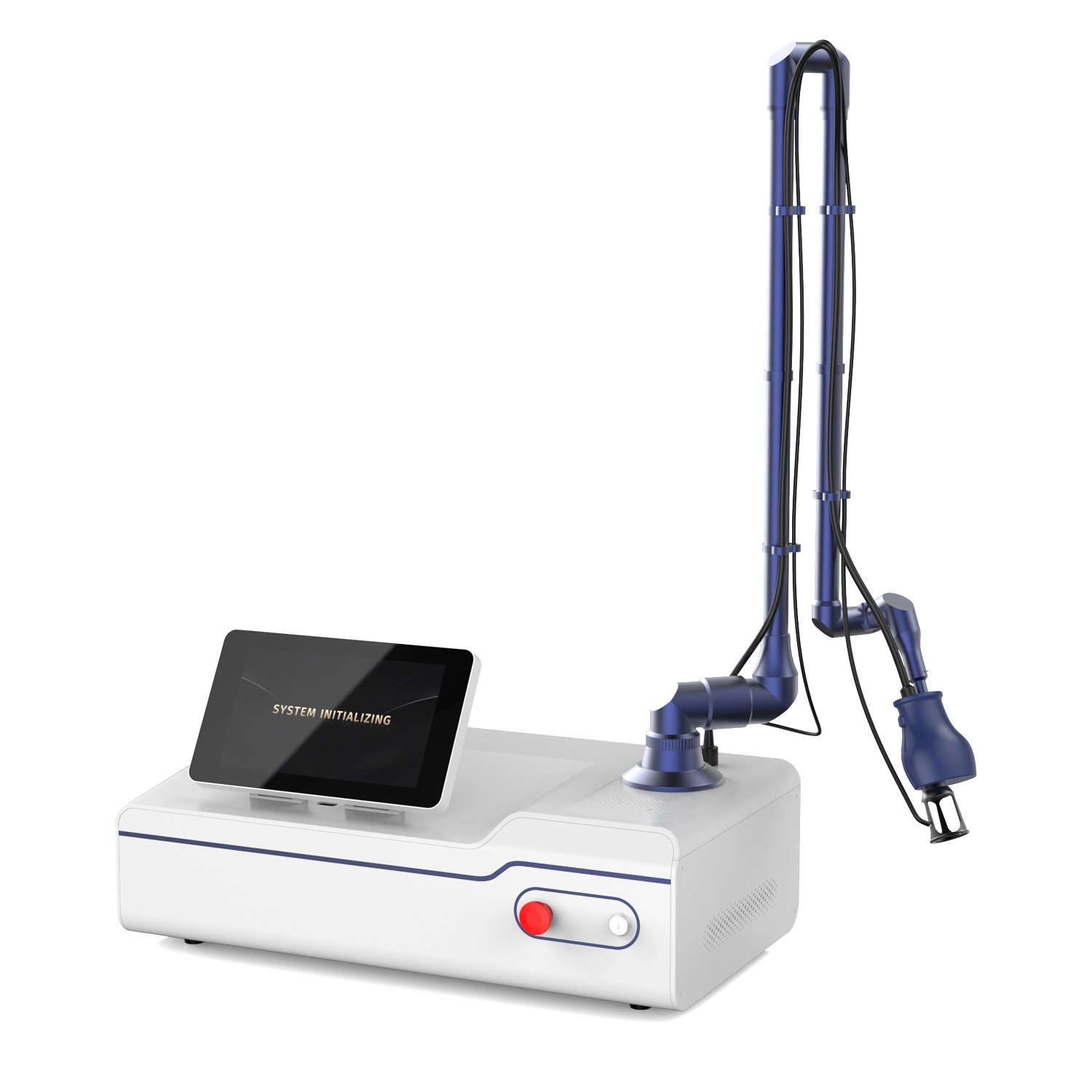
CO2 Fractional Laser Machine | Intimate Vaginal Rejuvenation System
This **CO2 Fractional Laser Machine** utilizes advanced 10600nm CO2 fractional laser technology to create controlled micro-thermal zones on the vaginal mucosa and intimate skin layers. These micro-columns stimulate collagen regeneration and tissue remodeling, effectively improving vaginal tightness, elasticity, and overall intimate health.
Designed specifically for professional medical aesthetic and intimate wellness applications, this CO2 fractional laser machine features intelligent parameter control and high-precision energy output to ensure safe, comfortable, and consistent treatment results. It is an ideal core device for vaginal rejuvenation, postpartum recovery, and intimate anti-aging treatments.
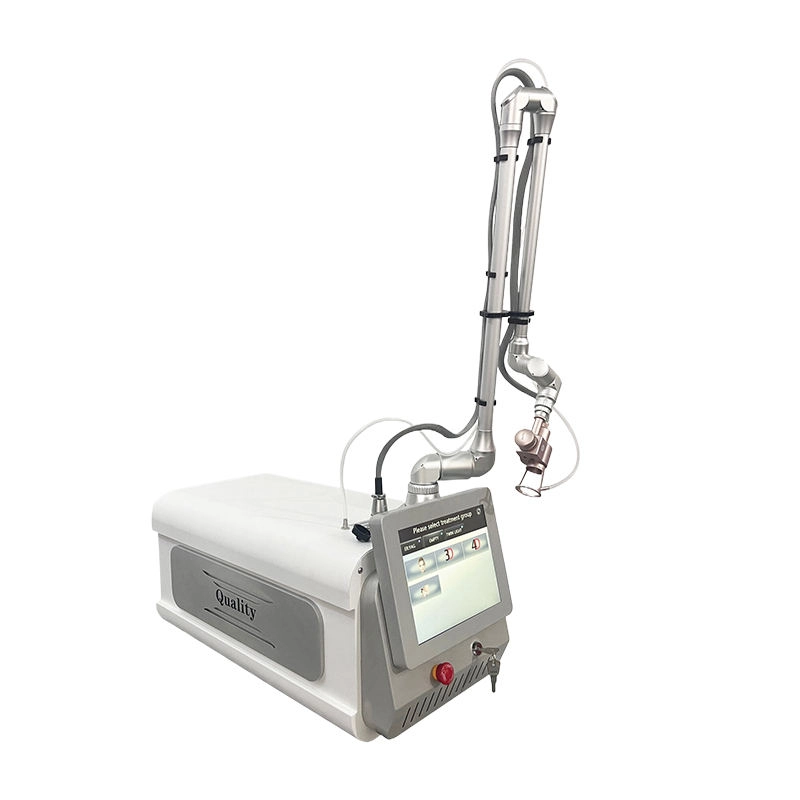
Professional CO2 Fractional Laser Machine | Fractional & Vaginal Rejuvenation CO2 Laser System
The CO2 fractional laser machine is a professional medical-grade device designed for deep skin resurfacing, wrinkle reduction, scar repair, and vaginal rejuvenation. Using a 10600 nm fractional CO2 laser beam, it creates micro-thermal columns on the skin to stimulate collagen regeneration and accelerate skin healing.
This CO2 fractional laser machine provides multiple treatment modes, including fractional mode, surgical cutting mode, and optional vaginal tightening mode, making it ideal for dermatology clinics and professional beauty centers seeking advanced laser solutions.
Its high precision, adjustable spot size, stable energy output, and seven-joint articulated arm ensure safe, accurate, and effective treatment results with minimal downtime.
Get more information
If you have any comments or good suggestions, please leave us a message; later our professional staff will contact you as soon as possible.
Let's Talk
Stay in touch with us for cutting-edge beauty solutions, professional guidance, and customized service.
Contact


Room 307, Building A, Huilong International E-commerce Industrial Park, No. 10 Xipengling Road, Helong Street, Baiyun District, Guangzhou, China
© 2025 HUIMAIN. All Rights Reserved. Privacy Policy | Terms and Conditions | Sitemap
Facebook
Instagram
Medical beauty equipment factory
huimain Medical beauty equipment factory
beauty machine supplier
Whatsapp: +8619124004543