


Cold Plasma Machine Sterilization Applications in Clinics
- Cold Plasma Sterilization: Clinical Advantages and Practical Steps
- 1. Mechanism, types, and evidence base of Cold Plasma Machines
- 1.1 What is a Cold Plasma Machine and how does it work?
- 1.2 Evidence and regulatory standing
- 1.3 What the literature shows (high-level results)
- 2. Clinical applications and workflows
- 2.1 Where Cold Plasma Machines fit in clinics
- 2.2 Workflow integration: pre-cleaning, loading, and cycle validation
- 2.3 Materials compatibility and instrument types
- 3. Safety, validation, and limitations
- 3.1 Safety considerations for staff and patients
- 3.2 Validation: biological indicators, routine monitoring, and record-keeping
- 3.3 Limitations and scenarios where cold plasma may not be appropriate
- 4. Comparative performance, costs, and purchasing guidance
- 4.1 How Cold Plasma compares to other sterilization methods
- 4.2 Cost, ROI, and throughput considerations
- 4.3 Purchasing checklist for clinics
- 5. Manufacturer profile: Guangzhou Huimain Technology Co., Ltd. and product relevance
- 5.1 Company overview and capabilities
- 5.2 Certifications, R&D and product portfolio
- 5.3 Relevant products and competitive advantages
- Frequently Asked Questions (FAQ)
- Q1: Can Cold Plasma Machines fully replace autoclaves in a clinic?
- Q2: Are Cold Plasma Machines safe for delicate optics and plastics?
- Q3: How do clinics validate that a cold plasma sterilizer is working correctly?
- Q4: Can cold atmospheric plasma (CAP) be used for room disinfection?
- Q5: What are the main operational costs to consider?
- Contact & Product Inquiry
- References
Cold Plasma Sterilization: Clinical Advantages and Practical Steps
Cold plasma sterilization is an emerging, low-temperature technology that uses ionized gas species to inactivate microorganisms on medical devices, instruments, and surfaces. As a consultant with experience in medical-device sterilization and beauty-machine R&D, I explain how Cold Plasma Machines can be integrated safely and effectively into clinic workflows, what evidence supports their use, and what limitations and validation steps clinics must address before deployment.
1. Mechanism, types, and evidence base of Cold Plasma Machines
1.1 What is a Cold Plasma Machine and how does it work?
Cold plasma refers to partially ionized gas containing reactive species (reactive oxygen and nitrogen species), UV photons, charged particles, and electric fields at or near room temperature. Two clinical device categories are most relevant:
- Low-temperature sterilization plasma systems (vacuum or low-pressure plasma), commonly using hydrogen peroxide vapor plasma (e.g., systems based on vaporized H2O2 followed by plasma activation). These are used for enclosed-load sterilization of heat- and moisture-sensitive instruments.
- Cold atmospheric plasma (CAP) devices for surface and air decontamination or for direct tissue applications (wound care, dermatology). CAP operates at atmospheric pressure and often targets surfaces rather than sealed loads.
Mechanisms of microbial inactivation include oxidative damage to cell walls and membranes, protein oxidation, nucleic acid damage by UV and reactive species, and physical disruption by charged particles. The combination yields broad-spectrum activity against bacteria, fungi, viruses and, in many systems, spores when validated appropriately.
1.2 Evidence and regulatory standing
Several peer-reviewed studies and reviews report effective log reductions for bacteria, enveloped viruses and fungal species using plasma approaches. Low-temperature hydrogen peroxide plasma sterilizers (commercial systems) have regulatory clearances in many markets and established sterilization cycles. Cold atmospheric plasma (CAP) shows promising data for surface decontamination and wound antisepsis, but clinical use and standards vary by region and indication.
Key reference sources include regulatory summaries (e.g., FDA clearances for low-temperature H2O2 plasma sterilizers), systematic reviews in PubMed on plasma sterilization effectiveness, and clinical guidelines for sterilization and disinfection (e.g., CDC). Clinics must rely on validated systems with appropriate regulatory approvals for sterilization claims.
1.3 What the literature shows (high-level results)
Typical reported outcomes:
- Vegetative bacteria: often >5-log reduction under validated cycles.
- Some viruses and fungi: substantial log reductions depending on exposure and device.
- Resistance factors: bacterial spores require validated cycles and may need specific plasma chemistries (e.g., H2O2 plasma) or longer exposure times.
2. Clinical applications and workflows
2.1 Where Cold Plasma Machines fit in clinics
Cold Plasma Machines are suited to clinics that require low-temperature sterilization or enhanced surface/air disinfection without heat or moisture. Typical applications include:
- Sterilization of heat-sensitive instruments (endoscopic tips, certain handpieces, delicate optical instruments) using validated low-temperature plasma sterilizers.
- Surface and device-level decontamination between patients using CAP devices (benchtop or handheld) for rapid turnover.
- Air and surface disinfection in procedure rooms or treatment areas (CAP-based room systems or stand-alone units).
2.2 Workflow integration: pre-cleaning, loading, and cycle validation
Key steps for safe integration:
- Pre-clean and inspect instruments—plasma sterilization is not a substitute for thorough cleaning; organic load reduces efficacy.
- Use only validated packaging and loading patterns specified by the device manufacturer.
- Run biological and chemical indicators according to manufacturer recommendations and local regulations; maintain cycle logs.
2.3 Materials compatibility and instrument types
Cold plasma is generally compatible with many plastics, polymers, and metals because it operates at low temperatures. However, certain materials may be sensitive to oxidizing agents (e.g., some elastomers, delicate optical coatings). Always consult manufacturer compatibility lists and perform qualification tests for proprietary instruments.
3. Safety, validation, and limitations
3.1 Safety considerations for staff and patients
While cold plasma sterilizers operate at low temperatures, safety measures include:
- Engineering controls and interlocks on enclosed sterilizers to prevent exposure to reactive species and UV.
- Proper ventilation or scavenging where hydrogen peroxide vapor is used to prevent staff exposure above occupational limits.
- Training staff on loading/unloading cycles, PPE when required, and emergency procedures for device faults.
3.2 Validation: biological indicators, routine monitoring, and record-keeping
Validation and routine monitoring are essential. Typical program components:
- Installation qualification (IQ), operational qualification (OQ), and performance qualification (PQ) per device guidance.
- Daily/weekly use of chemical indicators to verify exposure.
- Periodic biological indicator testing with appropriate resistant spores (e.g., Geobacillus stearothermophilus for many sterilization validations) per manufacturer and regulatory guidance.
- Documented maintenance and preventive service logs.
3.3 Limitations and scenarios where cold plasma may not be appropriate
Limitations include:
- Shadowing effect—plasma reactive species may not reach hidden lumens or internal channels without validated exposure methods.
- Porous materials and large loads often remain unsuitable unless specifically validated.
- Not all CAP devices are validated as sterilizers; some are marketed for disinfection or adjunctive use only. Regulatory clearance must match the intended use.
4. Comparative performance, costs, and purchasing guidance
4.1 How Cold Plasma compares to other sterilization methods
Below is a comparative table summarizing key attributes of common sterilization methods versus cold plasma approaches.
| Method | Typical Temp | Compatibility | Cycle Time | Strengths | Limitations |
|---|---|---|---|---|---|
| Steam Autoclave | 121–134°C | Metals, heat-stable glass | 15–60 min | Gold standard sterilization; broad-spectrum | Not for heat-sensitive devices |
| Ethylene Oxide (EtO) | Ambient–60°C | Heat/moisture-sensitive instruments | Several hours to days (plus aeration) | Good penetration; effective for complex devices | Long processing; toxic residues; strict controls |
| Hydrogen Peroxide Plasma (Cold Plasma) | Low-temp (<50°C) | Many plastics, electronics, heat-sensitive items | ~28–75 min (device-dependent) | Fast, residue-minimal, suitable for delicate instruments | Limited penetration; needs validated cycles; not ideal for long lumens without specific adaptors |
| UV-C Surface Disinfection | Ambient | Surfaces only | Seconds to minutes | Rapid surface sterilization | Line-of-sight; no penetration into crevices |
4.2 Cost, ROI, and throughput considerations
Factors to evaluate:
- Initial capital cost vs. autoclaves and EtO units—cold plasma sterilizers are mid- to high-range but often lower lifecycle burden than EtO (no aeration cycles, fewer hazardous handling needs).
- Cycle times and throughput—choose models with appropriate chamber size and cycle times to meet clinic patient volume.
- Consumables and maintenance—include costs for chemical indicators, service contracts, and any proprietary cartridges (e.g., H2O2 consumables).
4.3 Purchasing checklist for clinics
Before purchase, verify:
- Regulatory clearances for sterilization use in your jurisdiction (e.g., FDA clearance, CE marking).
- Manufacturer-provided validation protocols, material compatibility lists, and training programs.
- Availability of local service and spare parts, warranty and after-sale support.
- Documentation for IQ/OQ/PQ and recommended biological/chemical indicators.
5. Manufacturer profile: Guangzhou Huimain Technology Co., Ltd. and product relevance
5.1 Company overview and capabilities
Guangzhou Huimain Technology Co., Ltd. is a high-tech company focused on beauty machines and home-use device series, with professional capabilities in research & development, production, sales, and after-sale service. The company operates a 3,000 m2 facility with a skilled workforce—over 20% holding bachelor's degrees and more than 40% with junior college degrees—supported by an experienced technical development department and engineers. Huimain has professional purchasing, clinical testing, and after-sale departments to support product lifecycle and customer service.
5.2 Certifications, R&D and product portfolio
Huimain emphasizes strong R&D investment and market-driven product development. The company reports CE certification, SGS approvals, and several patents across products. Their devices are distributed globally across China, Southeast Asia, the Middle East, Europe, and North America. Huimain's OEM and ODM capabilities enable customized design and production for medical and beauty equipment used by clinics and salons.
5.3 Relevant products and competitive advantages
Main products and strengths relevant to clinics and aesthetic practices include:
- Cryolipolysis machine
- EMS sculpting machine
- Plasma machine (including cold plasma and plasma-based beauty/wound-care devices)
- Shockwave machine
- HIFU machine
- Hydrofacial machine
- Cavitation vacuum machine
- Laser hair removal & tattoo removal machines
- Microneedle machines
Huimain positions itself competitively by combining product quality, R&D strength, patent portfolio, and flexible OEM/ODM services—helping clinics access devices that meet market demand and regulatory requirements. Clinics seeking cold plasma or plasma-based devices should request validation data, compatibility lists, and service/support promises as part of procurement discussions.
Frequently Asked Questions (FAQ)
Q1: Can Cold Plasma Machines fully replace autoclaves in a clinic?
A1: Not universally. Cold plasma (especially low-temperature H2O2 plasma sterilizers) is a validated replacement for autoclaves for many heat-sensitive instruments. However, autoclaves remain the gold standard for many reusable instruments that tolerate steam. Choice depends on instrument compatibility, load types, and regulatory guidance.
Q2: Are Cold Plasma Machines safe for delicate optics and plastics?
A2: Many cold plasma systems are designed for plastics and electronics due to low operating temperatures. Still, compatibility varies by material and plasma chemistry. Always verify manufacturer compatibility lists and run qualification tests for critical instruments.
Q3: How do clinics validate that a cold plasma sterilizer is working correctly?
A3: Validation typically includes IQ/OQ/PQ protocols, routine use of chemical indicators for each cycle, scheduled biological indicator testing per manufacturer guidance and local regulations, and documented preventive maintenance and cycle logs.
Q4: Can cold atmospheric plasma (CAP) be used for room disinfection?
A4: CAP has demonstrated potential for air and surface decontamination, but effectiveness depends on device design and room geometry. CAP devices marketed for room disinfection should come with validation data and clear usage protocols. They are often adjuncts to, not replacements for, routine cleaning.
Q5: What are the main operational costs to consider?
A5: Include initial capital cost, consumables (e.g., H2O2 cartridges), chemical and biological indicators, maintenance/service contracts, staff training, and any ventilation or safety upgrades required for device installation.
Contact & Product Inquiry
If you are evaluating Cold Plasma Machines for your clinic, contact Guangzhou Huimain Technology Co., Ltd. for product specifications, validation data, OEM/ODM options, and after-sale support. Their combined R&D strength, clinical testing capability, and global approvals (CE, SGS) make them a competitive partner for clinics and salons. For tailored advice, request IQ/OQ/PQ documentation and material compatibility lists before purchase.
References
- CDC. Guideline for Disinfection and Sterilization in Healthcare Facilities, 2008. Centers for Disease Control and Prevention. https://www.cdc.gov/infectioncontrol/guidelines/disinfection/ (accessed 2026-01-11).
- Roth, J., et al. Plasma-based surface disinfection: a review of applications and evidence. Journal of Hospital Infection (review articles on plasma sterilization). PubMed. https://pubmed.ncbi.nlm.nih.gov/ (search access 2026-01-11).
- FDA device clearances (example: low-temperature sterilizers). U.S. Food & Drug Administration. https://www.fda.gov/medical-devices (accessed 2026-01-11).
- ISO standards relevant to sterilization and validation (e.g., ISO 14937). International Organization for Standardization. https://www.iso.org/standard/ (accessed 2026-01-11).
- Systematic reviews on cold atmospheric plasma for wound care and surface decontamination. PubMed/ScienceDirect (accessed 2026-01-11).
- Guangzhou Huimain Technology Co., Ltd. company profile and product lines (company-provided technical and sales documentation). (Company website / sales materials) (accessed 2026-01-11).
CRL-6
Is this machine suitable for all skin types?
Yes, the device is designed for all skin types and body areas, with adjustable energy levels for different clients.
Frequently Asked Questions: EMS Sculpting ROI
Are there any hidden fees, cycle cards, or proprietary gels required?
No. Unlike fat-freezing or RF microneedling devices, our EMS sculpting machines have zero ongoing consumable costs. You keep 100% of your treatment revenue.
3 in 1 808+Pico+DPL
How long is the treatment result for hair removal?
Most clients achieve long-term or permanent results after 6–8 sessions.
KLS
What is the main working principle of the Gold RF Microneedle machine?
The machine works by radiating high-frequency heat through insulated microneedles. This heat causes the collagen layer of the dermis to shrink and coagulate. Through natural healing processes, the dermis is reshaped, and the production of new collagen and elastin begins.
2 in 1
Can this machine be used for both face and body?
Yes, this machine is designed for both facial beauty and body scar repair, with specific applications for treating fine lines, wrinkles, acne scars, and stretch marks on both areas.

Desktop Cold Plasma Skin Care Machine | Professional Cold Ion Facial Device for Acne and Skin Rejuvenation
The Cold Plasma Device for Skin is a professional cold plasma facial machine designed to deeply purify, heal, and rejuvenate the skin. Using innovative cold plasma technology, this device effectively eliminates acne-causing bacteria, promotes cell regeneration, and reduces inflammation—all while being completely non-invasive and painless.
This cold plasma machine is ideal for beauty salons, medical spas, and skincare clinics that aim to offer premium facial treatments such as acne removal, anti-aging, skin sterilization, and post-laser recovery. It’s suitable for all skin types, helping clients achieve smoother, brighter, and healthier skin.
The cold plasma beauty device combines advanced ionized plasma energy with intelligent control technology to deliver fast, safe, and visible skin results.

CO2 Fractional Laser Machine – Professional Wrinkle Removal & Skin Resurfacing Device
The CO2 Fractional Laser Machine is a multifunctional aesthetic device designed for professional clinics and beauty salons. Using advanced fractional CO2 laser technology, it effectively targets acne scars, freckles, pigmentation, nevi, and deep wrinkles. Additionally, it provides non-invasive skin rejuvenation, vaginal tightening, and intimate beautification. This professional CO2 laser equipment combines precision, safety, and powerful energy output to deliver outstanding anti-aging and dermatological results.
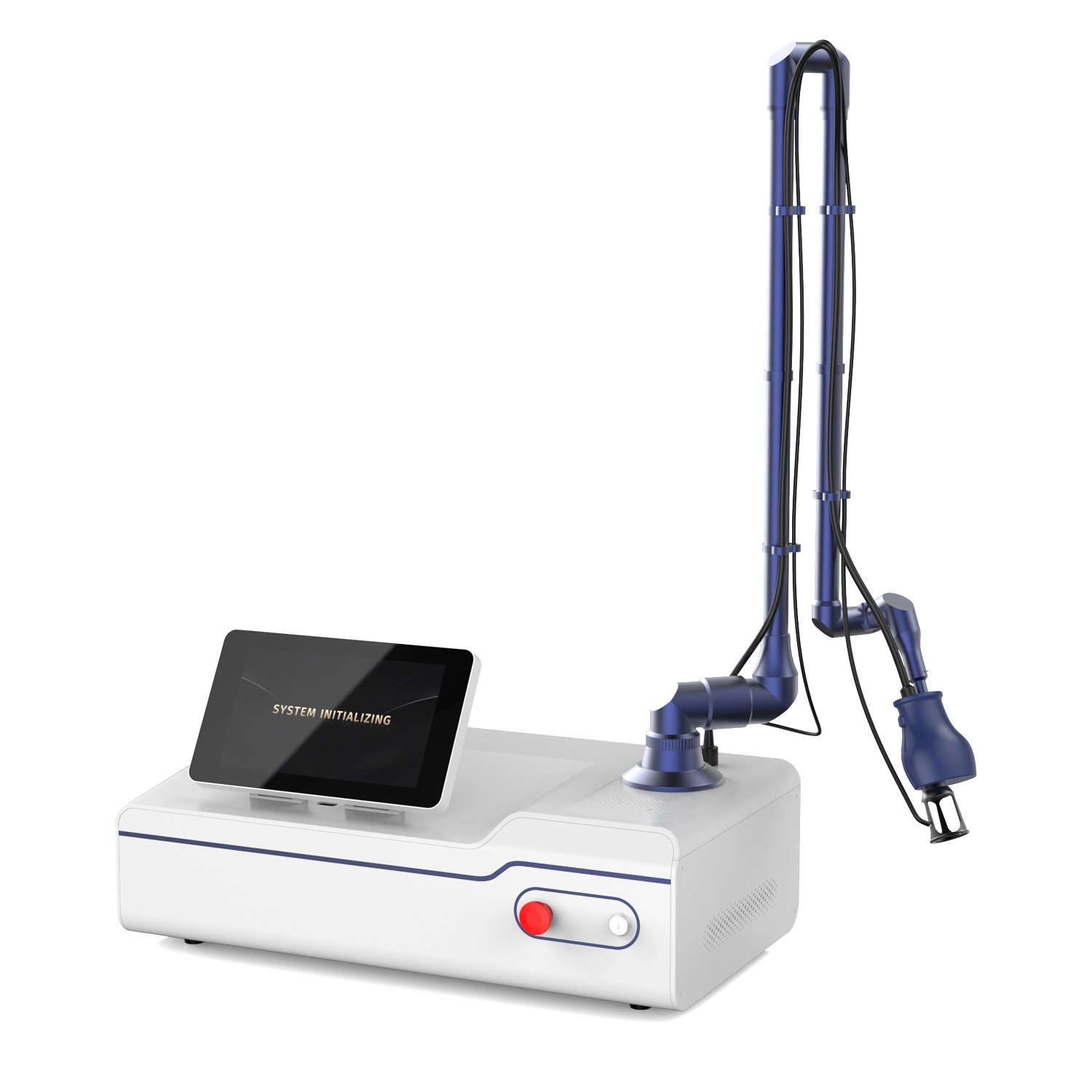
CO2 Fractional Laser Machine | Intimate Vaginal Rejuvenation System
This **CO2 Fractional Laser Machine** utilizes advanced 10600nm CO2 fractional laser technology to create controlled micro-thermal zones on the vaginal mucosa and intimate skin layers. These micro-columns stimulate collagen regeneration and tissue remodeling, effectively improving vaginal tightness, elasticity, and overall intimate health.
Designed specifically for professional medical aesthetic and intimate wellness applications, this CO2 fractional laser machine features intelligent parameter control and high-precision energy output to ensure safe, comfortable, and consistent treatment results. It is an ideal core device for vaginal rejuvenation, postpartum recovery, and intimate anti-aging treatments.
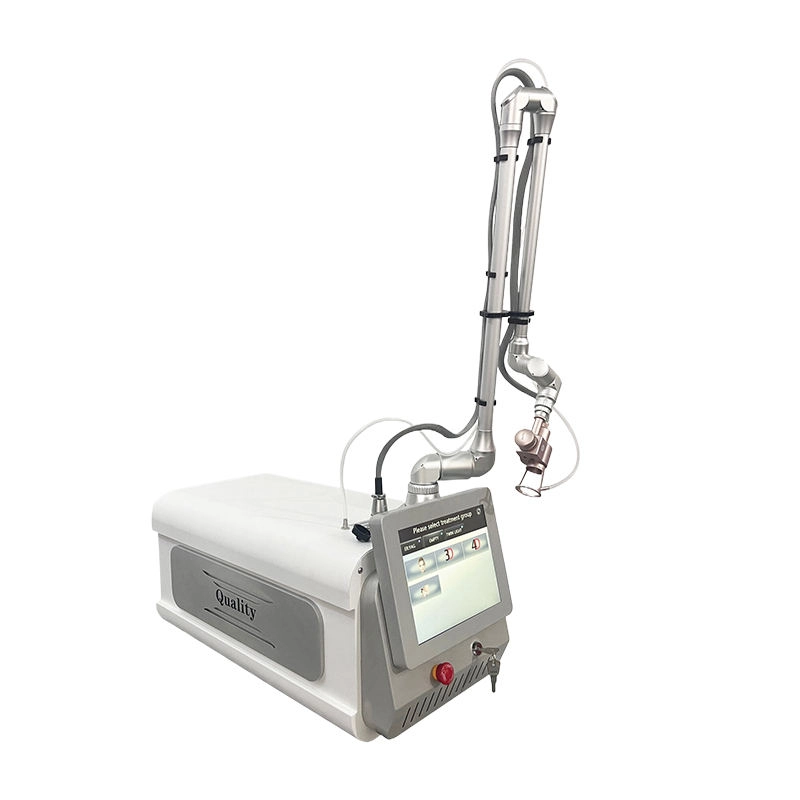
Professional CO2 Fractional Laser Machine | Fractional & Vaginal Rejuvenation CO2 Laser System
The CO2 fractional laser machine is a professional medical-grade device designed for deep skin resurfacing, wrinkle reduction, scar repair, and vaginal rejuvenation. Using a 10600 nm fractional CO2 laser beam, it creates micro-thermal columns on the skin to stimulate collagen regeneration and accelerate skin healing.
This CO2 fractional laser machine provides multiple treatment modes, including fractional mode, surgical cutting mode, and optional vaginal tightening mode, making it ideal for dermatology clinics and professional beauty centers seeking advanced laser solutions.
Its high precision, adjustable spot size, stable energy output, and seven-joint articulated arm ensure safe, accurate, and effective treatment results with minimal downtime.
Get more information
If you have any comments or good suggestions, please leave us a message; later our professional staff will contact you as soon as possible.
Let's Talk
Stay in touch with us for cutting-edge beauty solutions, professional guidance, and customized service.
Contact


Room 307, Building A, Huilong International E-commerce Industrial Park, No. 10 Xipengling Road, Helong Street, Baiyun District, Guangzhou, China
© 2025 HUIMAIN. All Rights Reserved. Privacy Policy | Terms and Conditions | Sitemap
Facebook
Instagram
Medical beauty equipment factory
huimain Medical beauty equipment factory
beauty machine supplier
Whatsapp: +8619124004543