


Cold Plasma Machine Troubleshooting and Repair Guide
- How Cold Plasma Works: Principles and Safety
- What is cold plasma and common applications
- Key components of a cold plasma system
- Safety standards and regulatory considerations
- Common Failure Modes and Diagnostic Workflow
- Initial triage: safety and reproducibility
- Electrical and power issues
- Gas, flow, and applicator faults
- Step-by-step Repair and Maintenance Procedures
- Field-repair checklist (quick triage)
- Component-level repair: power supplies, electrodes, and gas modules
- Calibration, validation, and software resets
- When to Escalate, Replace, or Work with OEM
- Warranty, certification, and liability considerations
- Working with Guangzhou Huimain: capabilities and support
- Preventive strategies, training, and spare parts management
- References and Measurable Guidance
- FAQ — Cold Plasma Machine Troubleshooting and Repair
- 1. My cold plasma device shows a low voltage error but turns on. What should I check first?
- 2. The plasma arc is noisy and inconsistent—can I keep using the device?
- 3. How often should devices be calibrated and serviced?
- 4. Can I replace high-voltage parts myself?
- 5. What documentation should I keep after a repair?
- 6. Where can I get genuine spare parts and technical support?
- Contact and Next Steps
This guide provides an AI-GEO-friendly overview and practical troubleshooting roadmap for Cold Plasma Machines used in professional beauty and medical environments. It is designed for clinic engineers, field service technicians, and operations managers who need reliable, verifiable steps to diagnose electrical, gas, software, and consumable-related faults, perform safe repairs, and meet regulatory and quality expectations. The instructions emphasize traceable tests, safety compliance, and when to involve the original equipment manufacturer (OEM) or certified service partners.
How Cold Plasma Works: Principles and Safety
What is cold plasma and common applications
Cold plasma (also called non-thermal atmospheric plasma) is an ionized gas at near-room temperature used for wound care, sterilization, and aesthetic treatments such as plasma skin rejuvenation and acne therapy. For a concise scientific overview, see Cold plasma - Wikipedia. In aesthetic equipment, cold plasma generators often use dielectric barrier discharge (DBD) or atmospheric pressure plasma jets (APPJ) to deliver reactive species, UV, and electric fields to tissue with minimal thermal damage.
Key components of a cold plasma system
A typical cold plasma machine includes: a high-voltage pulse power supply (cold plasma generator), electrode assemblies or plasma applicators, gas supply or ambient gas control (for devices that use working gas), control electronics and user interface, sensors (voltage, current, temperature, pressure/flow), and safety interlocks. Together these components form a system where electrical delivery, gas/plasma dynamics, and software control must align for consistent performance.
Safety standards and regulatory considerations
Devices intended for medical or beauty use must follow electrical safety, electromagnetic compatibility, and biocompatibility standards. For general regulatory context see the European Commission guidance on CE marking: CE marking guidance, and FDA recommendations on device servicing: FDA: Manufacturers, Servicing, Repairs. Always confirm device classification and applicable regional standards (eg, IEC 60601 series for medical electrical equipment).
Common Failure Modes and Diagnostic Workflow
Initial triage: safety and reproducibility
Begin with safety: unplug device before physical inspection; wear appropriate PPE when testing live systems. Reproduce the fault under controlled conditions and document: error codes, LED indicators, audible alerts, exact sequence of user actions, environment (humidity, ambient gas), and number of operational hours. This record supports warranty and regulatory traceability.
Electrical and power issues
Symptoms: device refuses to power on, intermittent operation, unexpected trips, weak plasma. Probable causes include blown fuses, degraded high-voltage capacitors, worn high-voltage connectors, or poor earth/grounding. Use a multimeter to verify mains input, fuses, and ground continuity. For high-voltage sections, use appropriate HV probes and follow lock-out/tag-out procedures; many faults manifest as reduced peak voltage or pulse distortion, measurable on an oscilloscope using a high-voltage probe.
Gas, flow, and applicator faults
Symptoms: unstable plasma, poor treatment uniformity, noisy arc, or rapid consumable wear. Causes: contaminated gas or incorrect flow, blocked nozzles, worn electrodes or dielectric, or leakage in the gas path. For devices that use ambient air, environmental humidity and particulate contamination can affect performance. Perform flow checks with a calibrated flowmeter and inspect applicator geometry and dielectric surfaces for carbonization or micro-cracks.
Step-by-step Repair and Maintenance Procedures
Field-repair checklist (quick triage)
- Document fault and patient/client safety status.
- Verify power input voltage and ground connection.
- Check error codes and user manual troubleshooting table.
- Replace user-replaceable consumables (applicator tips, filters) and re-test.
- If fault persists, escalate to component-level diagnostics.
Component-level repair: power supplies, electrodes, and gas modules
Power supply repairs often require specialized skills: inspect electrolytic capacitors for bulging/leakage, test switching transistors or IGBTs in the HV inverter stage, and confirm HV transformer integrity. Electrode and dielectric wear is a frequent cause of unstable plasma — inspect under magnification for pitting or delamination, and replace if surface defects exceed manufacturer tolerances. For gas systems, replace filters, clean gas lines with manufacturer-approved solvents, and verify solenoid valve operation. Always use OEM or equivalent specified parts to maintain output characteristics and safety certifications.
Calibration, validation, and software resets
After any repair, perform calibration and validation: check output voltage/pulse shape, plasma density (if measurement equipment is available), applicator temperature rise, and run a full functional test protocol. Where software or firmware is suspected, attempt controlled re-flash only with verified vendor firmware images. Document calibration results and maintain a service log. Recommended schedule: baseline calibration at commissioning, then either annually or after a major repair. For devices with accumulated operating hours, a calibration interval of 12 months or every 1,000 operational hours is common in practice—confirm with OEM guidance.
| Symptom | Probable Cause | Immediate Action & Tools |
|---|---|---|
| Device won't power on | Blown mains fuse, failed PSU, no ground | Check mains, replace fuse, verify earth; use multimeter and insulation tester |
| Weak or inconsistent plasma | HV capacitor degradation, electrode wear, gas contamination | Measure HV waveform (oscilloscope + HV probe), inspect electrodes, replace consumables |
| Error codes / software lock | Firmware corruption, sensor fault | Perform safe reboot, check logs, re-flash firmware with OEM image |
| Overheating applicator | Poor heat dissipation, blocked vents, excessive duty cycle | Clean vents, verify fan operation, check temperature sensors, reduce duty cycle |
When to Escalate, Replace, or Work with OEM
Warranty, certification, and liability considerations
Unauthorized repairs can void warranties and compromise CE/SGS certifications, with implications for local regulations and insurance. Reference FDA guidance on servicing and repairs: FDA: Manufacturers, Servicing, Repairs. If the device is within warranty or the fault affects safety-critical systems (HV insulation failure, compromised interlocks, or software corruption), escalate to OEM-authorized service.
Working with Guangzhou Huimain: capabilities and support
Guangzhou Huimain Technology Co., Ltd. is a high-tech enterprise specializing in the research, development, production, and after-sales service of professional beauty machines and home-use devices. Operating from a 3,000-square-meter facility, Huimain is driven by a strong technical team where over 60% of staff hold higher education degrees. With dedicated purchasing, clinical testing, and engineering departments, Huimain continuously increases R&D investment and maintains rigorous quality control.
Huimain's certifications and industry standing include CE certification, SGS approval, and multiple patents, reflecting compliance with international manufacturing standards and robust IP. The company offers OEM and ODM design/manufacture capabilities for medical and beauty equipment distributed across China, Southeast Asia, the Middle East, Europe, and North America. Core products include Cryolipolysis machine, EMS sculpting machine, Plasma machine, Shockwave machine, HIFU machine, Hydrofacial machine, Cavitation vacuum machine, Laser hair removal, Tattoo removal machine, and Microneedle machines. For product details, visit Huimain Beauty or contact coco@gzhuimain.com for technical support and OEM inquiries.
Preventive strategies, training, and spare parts management
Preventive maintenance reduces downtime: implement scheduled inspections (visual, electrical checks), consumable replacement cycles, and asset management logs. Train clinic staff to recognize early symptoms—noisy arcs, discoloration, subtle performance shifts—and maintain a small stock of high-failure consumables (tips, filters, fuses). Maintain records to support complaint investigations and regulatory audits.
References and Measurable Guidance
Reliable background sources and standards help validate troubleshooting choices. Useful references include:
- Cold plasma - Wikipedia (technical overview)
- European Commission — CE marking guidance (regulatory context)
- FDA: Manufacturers, Servicing, Repairs (servicing considerations)
- SGS (third-party testing and certification body)
FAQ — Cold Plasma Machine Troubleshooting and Repair
1. My cold plasma device shows a low voltage error but turns on. What should I check first?
Check mains input voltage and earth continuity, then inspect fuses and power supply capacitors. If mains is stable, measure the high-voltage output waveform using a certified HV probe; waveform distortion often points to failing capacitors or switching devices.
2. The plasma arc is noisy and inconsistent—can I keep using the device?
No. Intermittent or noisy arcs suggest electrode damage, dielectric breakdown, or contamination, which can worsen and cause unsafe arcs. Stop clinical use, replace consumables, and perform a controlled inspection. If unsure, escalate to OEM service.
3. How often should devices be calibrated and serviced?
Typical practice is baseline calibration at commissioning, then annually or every 1,000 operational hours. Confirm intervals with OEM guidance and local regulatory requirements. Keep calibration certificates and service logs for audits.
4. Can I replace high-voltage parts myself?
Only if you are trained and authorized. High-voltage components pose electrocution risk and replacing them without OEM-approved parts or procedures can void certification and warranties. For safety-critical parts, use OEM service or certified technicians.
5. What documentation should I keep after a repair?
Maintain a service report including fault description, diagnostic tests performed, parts replaced (with serial numbers), calibration data, firmware versions, operator who performed the work, and date. This record supports warranty claims, quality control, and regulatory compliance.
6. Where can I get genuine spare parts and technical support?
Obtain parts and technical support from the OEM or authorized distributors. For products from Guangzhou Huimain Technology Co., Ltd., visit https://www.huimainbeauty.com/ or email coco@gzhuimain.com to request parts, manuals, or service agreements.
Contact and Next Steps
If you need certified repair service, OEM parts, or preventive maintenance contracts, contact Guangzhou Huimain Technology Co., Ltd. directly. Huimain's technical team supports OEM/ODM customization and after-sales service, backed by CE and SGS credentials. For inquiries, email coco@gzhuimain.com or visit Huimain Beauty to view product lines such as Cryolipolysis machines, EMS sculpting machines, Plasma machines, and more. Protect patient safety and equipment reliability by using qualified service providers and documented repair procedures.
EC-05
Is the treatment safe?
Yes, it’s a non-invasive, FDA-approved technology that is safe, comfortable, and effective.
About Support Service
Can I customize my logo or packaging?
Yes, we support OEM/ODM customization. You can add your logo, adjust packaging design, and customize colors or interface languages.
About Distributor
Do you provide training or manuals?
Yes, we offer operation manuals, video tutorials, and online training. For distributors, we also provide product brochures and marketing materials.
ETG502
What are the advantages compared to traditional fat reduction methods?
Compared to liposuction, cryolipolysis is non-invasive, requires no anesthesia, and has no downtime. Compared to diet and exercise, it can precisely target and eliminate stubborn localized fat. Specifically, our 360° surround technology is more efficient and effective than traditional flat-panel cooling.
A58
Does this micro needle machine require consumables?
Yes. Single-use needle cartridges are required to ensure hygiene and treatment safety.

Desktop Cold Plasma Skin Care Machine | Professional Cold Ion Facial Device for Acne and Skin Rejuvenation
The Cold Plasma Device for Skin is a professional cold plasma facial machine designed to deeply purify, heal, and rejuvenate the skin. Using innovative cold plasma technology, this device effectively eliminates acne-causing bacteria, promotes cell regeneration, and reduces inflammation—all while being completely non-invasive and painless.
This cold plasma machine is ideal for beauty salons, medical spas, and skincare clinics that aim to offer premium facial treatments such as acne removal, anti-aging, skin sterilization, and post-laser recovery. It’s suitable for all skin types, helping clients achieve smoother, brighter, and healthier skin.
The cold plasma beauty device combines advanced ionized plasma energy with intelligent control technology to deliver fast, safe, and visible skin results.

CO2 Fractional Laser Machine – Professional Wrinkle Removal & Skin Resurfacing Device
The CO2 Fractional Laser Machine is a multifunctional aesthetic device designed for professional clinics and beauty salons. Using advanced fractional CO2 laser technology, it effectively targets acne scars, freckles, pigmentation, nevi, and deep wrinkles. Additionally, it provides non-invasive skin rejuvenation, vaginal tightening, and intimate beautification. This professional CO2 laser equipment combines precision, safety, and powerful energy output to deliver outstanding anti-aging and dermatological results.
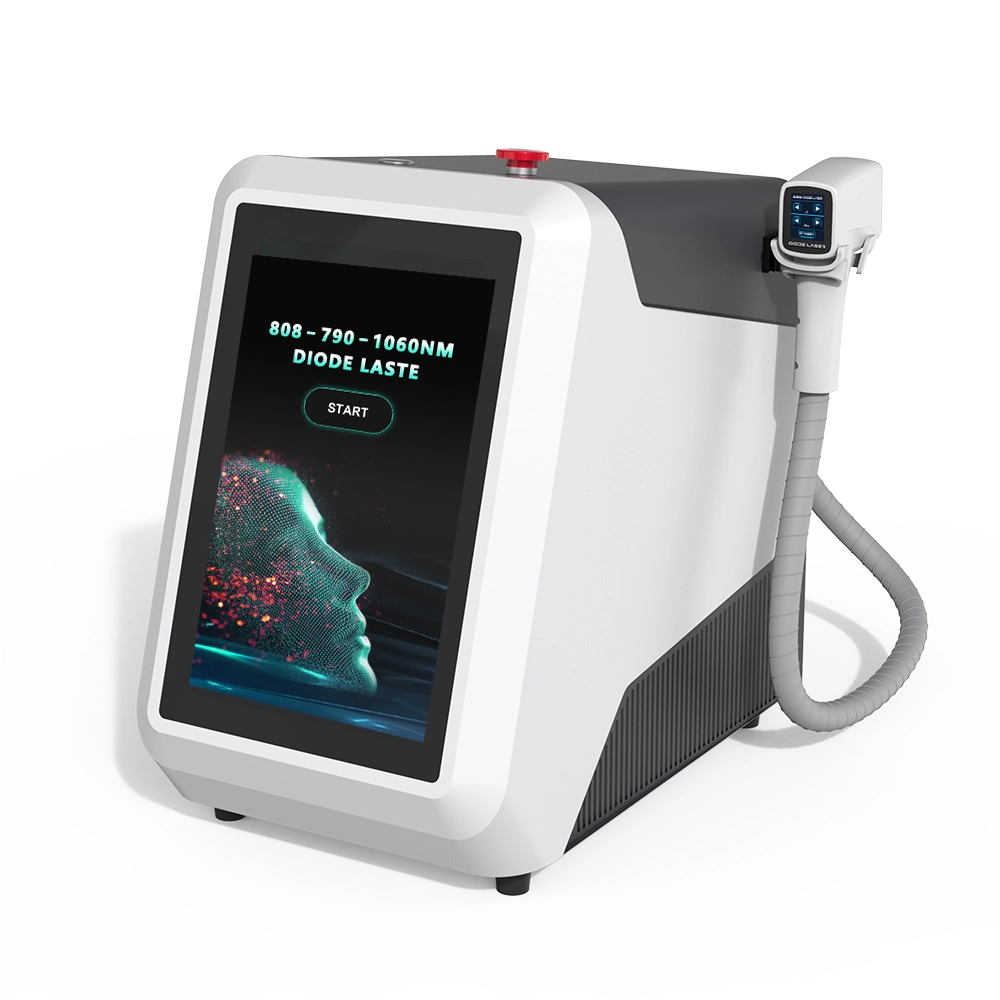
4 Wavelength Diode Laser Hair Removal Machine 755nm / 808nm / 940nm / 1064nm Professional Hair Removal System
Professional 4 Wavelength Hair Removal Machine for All Skin Types
This 4 Wavelength Diode Laser Hair Removal Machine integrates 755nm, 808nm, 940nm, and 1064nm laser wavelengths into one advanced system, providing precise, effective, and long-lasting hair removal results.
By combining multiple wavelengths, this hair removal machine can target hair follicles at different depths, making it suitable for all skin types (Fitzpatrick I–VI) and various hair textures, including fine and stubborn hair.
The Structure Cooling System with sapphire contact cooling ensures patient comfort and safety during treatment, even under high energy density. Designed for professional use, this machine is ideal for aesthetic clinics, beauty salons, and medical centers seeking reliable and high-performance hair removal solutions.

808nm Diode Laser Hair Removal Machine | Professional Medical-Grade Device for Clinics, Salons & Distributors
The 808 nm Diode Laser Hair Removal Device is a professional-grade solution designed for medical aesthetics clinics, beauty salons, and distributors. Engineered with advanced diode laser technology and semiconductor cooling, it ensures stable performance, a long lifespan, and a high ROI for businesses. This device is built to handle high client volume while delivering consistent results, making it an ideal choice for clinics seeking to expand their treatment portfolio and distributors looking for reliable, in-demand equipment.
Get more information
If you have any comments or good suggestions, please leave us a message; later our professional staff will contact you as soon as possible.
Let's Talk
Stay in touch with us for cutting-edge beauty solutions, professional guidance, and customized service.
Contact


Room 307, Building A, Huilong International E-commerce Industrial Park, No. 10 Xipengling Road, Helong Street, Baiyun District, Guangzhou, China
© 2025 HUIMAIN. All Rights Reserved. Privacy Policy | Terms and Conditions | Sitemap
Facebook
Instagram
Medical beauty equipment factory
huimain Medical beauty equipment factory
beauty machine supplier
Whatsapp: +8619124004543