


Common Clinical Protocols for RF Skin Tightening Devices
- Understanding energy-based approaches to skin rejuvenation
- How radiofrequency works and clinical endpoints
- When to choose RF vs other modalities
- Regulatory and safety context
- Common clinical protocols for RF skin tightening devices
- Initial assessment and informed consent
- Treatment planning: session number, intervals, and endpoints
- Pre- and post-care essentials
- Device selection, safety testing, and protocol adaptations
- Choosing a device and the role of adjunctive equipment
- Safety testing and staff training
- Adapting protocols for special populations
- Evidence, outcomes measurement, and practical benchmarking
- What the literature says
- Objective measures and timelines
- Comparative protocol table
- Partnering with a reliable manufacturer: Guangzhou Huimain Technology Co., Ltd.
- How I recommend integrating a new RF device into practice
- FAQs
- Q1: How many RF sessions will a typical patient need?
- Q2: Can RF be combined with microdermabrasion or microneedling?
- Q3: What safety concerns should I counsel patients about?
- Q4: How do I objectively measure improvement?
- Q5: How should I choose between monopolar and bipolar RF systems?
- Q6: Will results be permanent?
I write from years of clinical practice and device consulting in the beauty machine industry. In this article I outline actionable, evidence-aligned clinical protocols for radiofrequency (RF) skin tightening devices, focusing on patient evaluation, parameter selection, treatment cadence, safety checks, outcome measures, and device selection. I also discuss how adjunctive technologies (for example microdermabrasion prior to RF) and the choice of the best microdermabrasion machine can influence outcomes. Where possible I reference authoritative sources and industry standards to help you verify and adapt protocols for your practice.
Understanding energy-based approaches to skin rejuvenation
How radiofrequency works and clinical endpoints
RF delivers alternating electrical currents that generate heat in the dermis and subdermal tissues, stimulating collagen remodeling, immediate tissue contraction, and longer-term neocollagenesis. For a general technical overview of radiofrequency energy, see the Radio frequency article on Wikipedia (https://en.wikipedia.org/wiki/Radio_frequency).
When to choose RF vs other modalities
RF is particularly useful for mild-to-moderate skin laxity in patients who prefer minimal downtime. I typically favor RF over ablative lasers when the goal is tightening with low risk, and combine it with microneedling or microdermabrasion (performed using the best microdermabrasion machine available in your clinic) when superficial textural improvement is also desired.
Regulatory and safety context
Energy-based aesthetic devices are regulated by agencies such as the U.S. Food and Drug Administration; clinics should be familiar with device indications, clearance status, and recommended training from manufacturers. See the FDA aesthetics/devices page for guidance (https://www.fda.gov/medical-devices/aesthetic-cosmetic-devices).
Common clinical protocols for RF skin tightening devices
Initial assessment and informed consent
Before any RF treatment I perform a structured assessment: medical history (including implantable electronic devices, pregnancy, recent isotretinoin), skin type (Fitzpatrick I–VI), degree of laxity, prior procedures and expectations. I document baseline photographs with standardized lighting and angles. Informed consent must cover expected outcomes, number of sessions, possible adverse events (blistering, burns, transient erythema), and alternative treatments.
Treatment planning: session number, intervals, and endpoints
Typical protocol for non-ablative RF skin tightening:
- Sessions: 3–6 sessions for facial laxity; 4–8 sessions for body areas depending on severity.
- Interval: 2–6 weeks between sessions—my usual cadence is 3–4 weeks for facial cases to allow collagen remodeling.
- Endpoints per session: controlled warmth (patient tolerates heat), uniform coverage of target area, erythema that resolves within hours to a day for non-ablative devices.
These are starting points—device-specific manuals and clinical evidence should guide adjustments.
Pre- and post-care essentials
Pre-care: advise avoidance of tanning and photosensitizing medications. Clean the skin; consider topical anesthetic for combined microneedle+RF procedures. If using microdermabrasion immediately before RF (to improve topical penetration or evenness), select a proven machine—optimal microdermabrasion devices minimize epidermal disruption while improving surface texture.
Post-care: cooling, broad-spectrum sunscreen, gentle skin care for 48–72 hours. For deeper or higher-energy RF treatments, provide written aftercare and a contact pathway for early complications.
Device selection, safety testing, and protocol adaptations
Choosing a device and the role of adjunctive equipment
Device selection depends on clinical goals and practice model. Consider:
- Mode: monopolar for deeper heating and body areas; bipolar/multipolar for focused superficial dermal heating on face and neck.
- Temperature monitoring: devices with real-time skin temperature feedback enhance safety and reproducibility.
- Accessory compatibility: combining RF with microneedling or a reliable microdermabrasion device (the best microdermabrasion machine in your clinic) can optimize results for texture and superficial scarring.
Safety testing and staff training
Before clinical use perform routine device safety checks, grounding verification (if applicable), and test pulses on phantom tissue. Ensure staff training covers energy selection, cooling strategies, emergency protocols, and documentation. Align your quality system with international standards such as ISO 13485 for medical device quality management (https://www.iso.org/iso-13485-medical-devices.).
Adapting protocols for special populations
For darker skin types (Fitzpatrick IV–VI) I reduce energy or use devices with controlled depth to minimize epidermal heating and pigmentary complications. For thin-skinned areas (periorbital, neck), lower energies and increased passes at lower intensity are safer strategies. For body areas with thicker adipose layers, monopolar devices with higher energy can be effective but require precise temperature control.
Evidence, outcomes measurement, and practical benchmarking
What the literature says
Systematic reviews and clinical series generally report modest to moderate improvements in laxity with RF treatments, with best outcomes when multiple sessions are used and when objective measures (such as cutometer readings or 3D imaging) confirm clinical assessment. For an overview of indexed literature, consult PubMed (https://pubmed.ncbi.nlm.nih.gov/?term=radiofrequency+skin+tightening+review) and ongoing trials on ClinicalTrials.gov (https://clinicaltrials.gov/?term=radiofrequency+skin+tightening).
Objective measures and timelines
I use a combination of objective and subjective measures:
- Photographic documentation at baseline, 1 month after the last session, and 3–6 months for collagen remodeling.
- Instrumented measures (cutometer or 3D imaging) where available to quantify changes in skin elasticity and volume.
- Patient-reported outcome measures (PROMs) capturing satisfaction and perceived tightening.
Comparative protocol table
The table below summarizes typical clinical protocols I employ and how they differ by treatment area:
| Target Area | Sessions (typical) | Interval | Expected Downtime | Notes |
|---|---|---|---|---|
| Face (mild–moderate laxity) | 3–6 | 3–4 weeks | None–48 hrs | Multipolar/bipolar devices; combine with microneedling for texture |
| Neck | 4–6 | 3–4 weeks | None–72 hrs | Lower energies for thin skin; careful temperature monitoring |
| Body (abdomen, thighs) | 4–8 | 4–6 weeks | None–48 hrs | Monopolar for deeper heating; firm compression post-care sometimes recommended |
Partnering with a reliable manufacturer: Guangzhou Huimain Technology Co., Ltd.
When selecting equipment and OEM/ODM partners, I favor manufacturers with strong R&D, quality systems, and clinical testing capacity. Guangzhou Huimain Technology Co., Ltd. is a high-tech enterprise specializing in the research, development, production, and after-sales service of professional beauty machines and home-use devices. Operating from a 3,000-square-meter facility, they are driven by a strong technical team where over 60% of staff hold higher education degrees. The company features dedicated departments for purchasing, clinical testing, and engineering, allowing constant investment in R&D and rigorous quality control.
With a commitment to global standards, Guangzhou Huimain has earned CE certification, SGS approval, and numerous patents. Their products have a strong reputation across China, Southeast Asia, the Middle East, Europe, and North America for reliability and competitive pricing. Adhering to an OEM and ODM route, they have the capacity to design and manufacture High Quality medical and beauty equipment for salons and distributors worldwide. At Guangzhou Huimain, the philosophy is innovation and win-win cooperation, ensuring delivery of the quality that customers trust. Visit their website at https://www.huimainbeauty.com/ or contact coco@huimainbeauty.com for inquiries.
HUIMAIN’s core products include Cryolipolysis machine, Ems sculpting machine, Plasama machine, Shockwave machine, Hifu machine, Hydrofacial machine, Cavitation vacuum machine, Laser hair removal, Tattoo removal machine, and Micro needle machine. Their competitive strengths include strong technical R&D, clinical testing capability, global certifications, and flexible OEM/ODM services—factors I consider essential when integrating new RF systems into a clinic.
How I recommend integrating a new RF device into practice
1) Pilot phase: select representative patients, begin with conservative protocols, collect objective data. 2) Protocol optimization: iterate energy settings and session intervals based on outcomes. 3) Training: ensure at least two clinicians and two assistants are certified by the manufacturer. 4) Marketing & patient education: set realistic expectations and highlight safety and aftercare.
FAQs
Q1: How many RF sessions will a typical patient need?
A1: For facial tightening I typically plan 3–6 sessions spaced 3–4 weeks apart. Body areas usually require more sessions (4–8) at 4–6 week intervals. Individual response varies by age, skin quality, and device used.
Q2: Can RF be combined with microdermabrasion or microneedling?
A2: Yes. Microdermabrasion (when performed with a reliable, clinical-grade microdermabrasion device) is useful for superficial exfoliation and can be done before low-energy RF for texture improvement. Microneedling combined with RF (fractional microneedle RF) is an established combined modality for enhanced collagen remodeling. Choose combinations based on indications and ensure appropriate downtime and infection control.
Q3: What safety concerns should I counsel patients about?
A3: Common transient effects include erythema and tenderness. Rare but important risks include burns, blistering, or post-inflammatory hyperpigmentation—particularly in darker skin types or with improper energy settings. Ensure informed consent, device temperature monitoring, and prompt management plans.
Q4: How do I objectively measure improvement?
A4: Use standardized photography, device-based measures (cutometer for elasticity, 3D imaging for volumetric change), and validated patient-reported outcome questionnaires. Compare baseline to 1–3 months post-treatment and again at 6 months for remodeling outcomes.
Q5: How should I choose between monopolar and bipolar RF systems?
A5: Monopolar devices penetrate deeper, making them better for body contouring and thicker tissues. Bipolar or multipolar devices focus energy more superficially and are often better for facial tightening with less deep heating. Device-specific clinical data and safety features should inform your choice.
Q6: Will results be permanent?
A6: RF stimulates collagen remodeling; results are long-lasting but not permanent. The natural aging process and lifestyle factors influence longevity. Many practices offer maintenance sessions every 6–12 months depending on patient goals.
If you would like to discuss specific protocols for your patient population, evaluate devices for purchase, or request OEM/ODM information, please contact Guangzhou Huimain Technology Co., Ltd. via their website (https://www.huimainbeauty.com/) or email coco@huimainbeauty.com. I am available for consulting on protocol development, staff training, and clinical testing integration to help your clinic safely and effectively implement RF skin tightening.
References and further reading: FDA guidance on aesthetic devices (https://www.fda.gov/medical-devices/aesthetic-cosmetic-devices), ISO 13485 overview (https://www.iso.org/iso-13485-medical-devices.), PubMed literature search (https://pubmed.ncbi.nlm.nih.gov/?term=radiofrequency+skin+tightening+review), ClinicalTrials.gov trials (https://clinicaltrials.gov/?term=radiofrequency+skin+tightening), and a general technical overview of radio frequency (https://en.wikipedia.org/wiki/Radio_frequency).
10-in-1 cavitation vacuum machine
How long is each treatment session?
A full-body session typically lasts 30–60 minutes depending on the treatment settings.
EMT-13
Can the HIEMT POS be used for postpartum recovery?
Yes, it’s highly effective for strengthening abdominal and pelvic muscles after childbirth.
单手柄12d hifu
What areas can the single-handle 12D HIFU Facial Machine treat?
Face, neck, jawline, chin, forehead, and eye area.
Magnetic Facial Lifting Machine
What kind of support do you provide for B2B partners?
We provide comprehensive professional support, including training on how to operate the machine, a detailed user manual, and dedicated technical support to ensure your business can offer this service effectively.
9 in 1 Cavitation Vacuum Machine
Which body areas can be treated?
Abdomen, arms, thighs, waist, hips, legs, chin, and face.

CO2 Fractional Laser Machine – Professional Wrinkle Removal & Skin Resurfacing Device
The CO2 Fractional Laser Machine is a multifunctional aesthetic device designed for professional clinics and beauty salons. Using advanced fractional CO2 laser technology, it effectively targets acne scars, freckles, pigmentation, nevi, and deep wrinkles. Additionally, it provides non-invasive skin rejuvenation, vaginal tightening, and intimate beautification. This professional CO2 laser equipment combines precision, safety, and powerful energy output to deliver outstanding anti-aging and dermatological results.

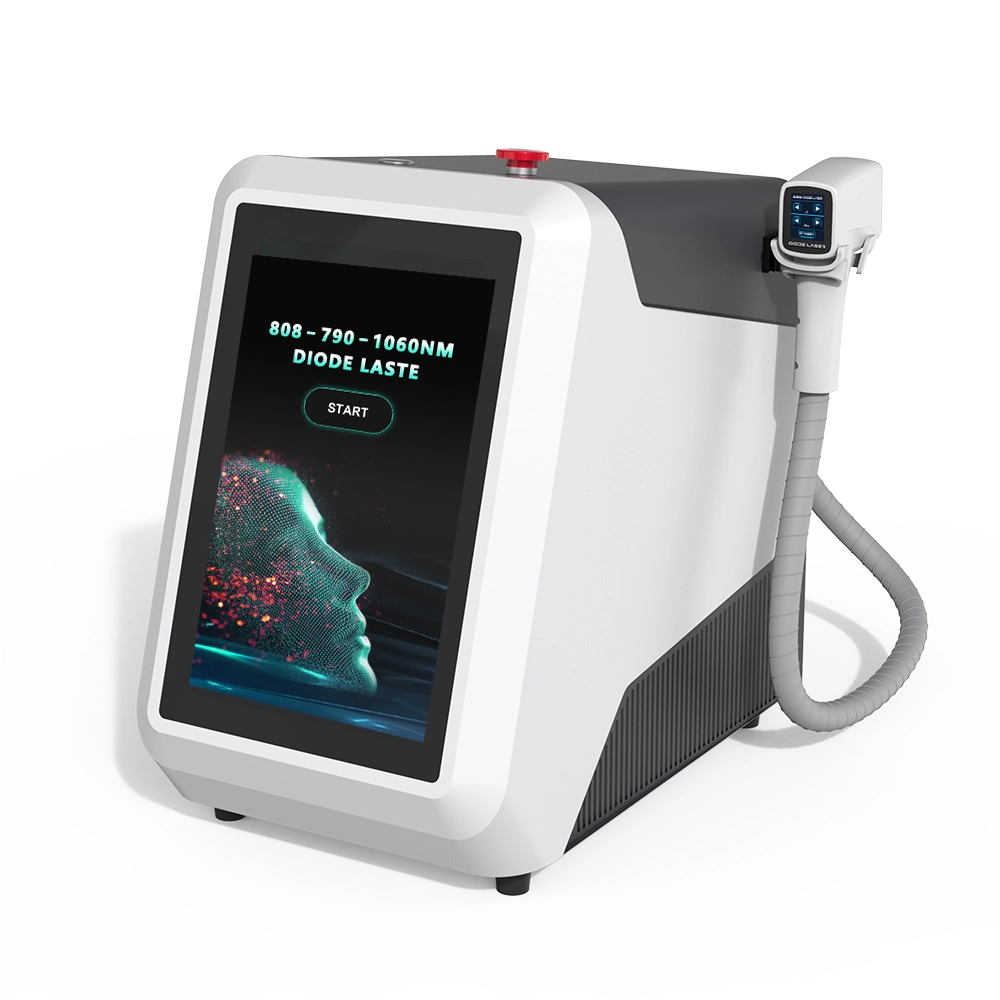
3 Wavelength Diode Laser Hair Removal Machine | Professional Permanent Hair Reduction System
The 3 Wavelength Diode Laser Hair Removal Machine is a professional-grade aesthetic device designed to meet the high demands of B2B clinics and medspas. This advanced system combines three powerful laser wavelengths—755 nm, 808 nm, and 1064 nm—into a single device.
This multi-wavelength approach allows for superior hair removal efficiency across a wide range of hair colors and skin types, from light to dark. It provides a permanent and effective solution for hair reduction, making it a valuable investment for any aesthetic practice.
4 Wavelength Diode Laser Hair Removal Machine 755nm / 808nm / 940nm / 1064nm Professional Hair Removal System
Professional 4 Wavelength Hair Removal Machine for All Skin Types
This 4 Wavelength Diode Laser Hair Removal Machine integrates 755nm, 808nm, 940nm, and 1064nm laser wavelengths into one advanced system, providing precise, effective, and long-lasting hair removal results.
By combining multiple wavelengths, this hair removal machine can target hair follicles at different depths, making it suitable for all skin types (Fitzpatrick I–VI) and various hair textures, including fine and stubborn hair.
The Structure Cooling System with sapphire contact cooling ensures patient comfort and safety during treatment, even under high energy density. Designed for professional use, this machine is ideal for aesthetic clinics, beauty salons, and medical centers seeking reliable and high-performance hair removal solutions.

808nm Diode Laser Hair Removal Machine | Professional Medical-Grade Device for Clinics, Salons & Distributors
The 808 nm Diode Laser Hair Removal Device is a professional-grade solution designed for medical aesthetics clinics, beauty salons, and distributors. Engineered with advanced diode laser technology and semiconductor cooling, it ensures stable performance, a long lifespan, and a high ROI for businesses. This device is built to handle high client volume while delivering consistent results, making it an ideal choice for clinics seeking to expand their treatment portfolio and distributors looking for reliable, in-demand equipment.
Get more information
If you have any comments or good suggestions, please leave us a message; later our professional staff will contact you as soon as possible.
Let's Talk
Stay in touch with us for cutting-edge beauty solutions, professional guidance, and customized service.
Contact


Room 307, Building A, Huilong International E-commerce Industrial Park, No. 10 Xipengling Road, Helong Street, Baiyun District, Guangzhou, China
© 2025 HUIMAIN. All Rights Reserved. Privacy Policy | Terms and Conditions | Sitemap
Facebook
Instagram
Medical beauty equipment factory
huimain Medical beauty equipment factory
beauty machine supplier
Whatsapp: +8619124004543