


Comparing Ablative vs Non-Ablative CO2 Fractional Lasers
- How fractional lasers work: principles and mechanisms
- Ablative vs non-ablative — fundamental differences
- Why fractionation matters clinically
- Clinical applications and indication-specific guidance
- Common indications: what each modality treats best
- Patient selection and Fitzpatrick skin types
- Treatment outcomes, downtime, and safety — a quantitative comparison
- Outcome expectations and number of sessions
- Comparison table: Ablative CO₂ fractional vs Non-ablative fractional lasers
- Complications, management, and evidence-based mitigation
- Selecting the right co₂ fractional laser machine and integrating it into practice
- Device parameters and what to evaluate when buying
- Operational considerations: training, consumables, and ROI
- Why brand and manufacturing quality matter — introducing Guangzhou Huimain
- Practical treatment algorithm I use in clinic
- Stepwise approach
- Monitoring outcomes
- Frequently Asked Questions (FAQ)
- 1. Is CO₂ always ablative? Can a co₂ fractional laser machine be used non-ablatively?
- 2. How many treatments will my patients need?
- 3. What is the typical downtime and when can patients return to normal activities?
- 4. Are there special considerations for darker skin types?
- 5. What safety certifications and documentation should I require from a manufacturer?
- 6. How should I price treatments and estimate ROI?
- Closing and contact / next steps
In this article I compare ablative and non-ablative fractional laser strategies with a focus on CO₂ fractional laser machines, explaining how each approach interacts with skin tissue, what patients can realistically expect in terms of efficacy and recovery, and how clinics should select equipment and protocols. I draw on clinical literature, industry guidance, and practical experience treating a wide range of skin types to provide actionable recommendations for practitioners and business buyers. I embed authoritative references to support key points so you can verify the evidence and follow up directly.
How fractional lasers work: principles and mechanisms
Ablative vs non-ablative — fundamental differences
Understanding the fundamental physics is the first step. Ablative lasers (most commonly CO₂ at 10,600 nm and Er:YAG at 2,940 nm) remove microcolumns of tissue by vaporization, producing controlled zones of epidermal and/or dermal ablation surrounded by intact tissue that accelerates healing. Non-ablative fractional lasers (for example, 1,550 nm erbium glass systems) heat columns of dermis without removing the epidermis, stimulating collagen remodeling through thermal injury while preserving the skin surface.
It is important to note: CO₂ lasers are intrinsically ablative because the CO₂ wavelength is highly absorbed by water and causes vaporization. When people discuss non-ablative CO₂, they often mean using lower-fluence or pulsed parameters that reduce ablation depth, but such modes still carry ablative potential. If you specifically need a non-ablative fractional effect, you will typically choose a different wavelength and technology (e.g., 1,550 nm fractional devices). See the overview in the American Academy of Dermatology's patient information for laser resurfacing for confirmation: AAD: Laser resurfacing.
Why fractionation matters clinically
Fractional delivery—creating an array of microthermal zones rather than treating the entire surface—significantly reduces downtime and complication rates versus full-field ablation because untreated skin islands speed re-epithelialization and limit inflammatory spread. The trade-off is that more sessions of fractional non-ablative treatment may be required to achieve outcomes approaching a single ablative fractional session. Multiple reviews on fractional photothermolysis explain these trade-offs; for a survey of clinical outcomes and mechanisms see PubMed search results: PubMed: fractional laser resurfacing.
Clinical applications and indication-specific guidance
Common indications: what each modality treats best
From my clinical practice and product evaluations, here is a practical mapping:
- Ablative CO₂ fractional: deep wrinkles, significant photodamage, acne scarring (moderate to severe), surgical scars, severe dyschromia and rhytides where tissue ablation leads to robust remodeling.
- Non-ablative fractional (e.g., 1,550 nm): mild-to-moderate wrinkles, early photoaging, epidermal unevenness, mild acne scarring, and patients seeking minimal downtime.
Guidelines and systematic reviews reflect similar indications; for example, the procedural consensus statements and dermatology reviews emphasize ablative CO₂ for deep resurfacing needs and non-ablative for lower-downtime rejuvenation (see overview on Wikipedia: Laser resurfacing and related review literature via PubMed).
Patient selection and Fitzpatrick skin types
Patient phototype is critical in choosing ablative vs non-ablative fractional approaches. Ablative CO₂ has a higher risk of post-inflammatory hyperpigmentation (PIH) and scarring in Fitzpatrick skin types IV–VI if not managed correctly. In darker skin, I usually favor non-ablative fractional approaches, pre-treatment priming (e.g., hydroquinone or tranexamic acid protocols when indicated), and conservative settings. When ablative CO₂ is necessary in darker skin, I reduce energy, increase spacing between microcolumns, and plan for extended follow-up. Authoritative safety guidance on device selection and risks is summarized by dermatology societies and device regulators; see FDA resources on laser safety: FDA: Laser products.
Treatment outcomes, downtime, and safety — a quantitative comparison
Outcome expectations and number of sessions
In practical terms, ablative fractional CO₂ often achieves more pronounced single-session improvement in texture and scar depth compared with non-ablative fractional devices, which usually require 3–5 treatments spaced several weeks apart to approach similar results. Efficacy depends on parameters (density, energy, pulse duration), lesion type, and operator skill. Comparative clinical studies and meta-analyses in dermatologic surgery literature confirm the superior remodeling capacity of ablative fractional devices for deep scarring, balanced against higher downtime and complication potential.
Comparison table: Ablative CO₂ fractional vs Non-ablative fractional lasers
| Feature | Ablative CO₂ fractional | Non-ablative fractional (e.g., 1550 nm) |
|---|---|---|
| Primary mechanism | Tissue vaporization (micro-ablative columns) | Dermal heating (non-ablative coagulation columns) |
| Typical clinical indications | Deep wrinkles, moderate–severe acne scarring, surgical scars | Mild–moderate photoaging, early scarring, skin texture improvement |
| Number of sessions | 1–3 sessions (often 1 high-impact session) | 3–6 sessions |
| Downtime (typical) | 5–14 days (epidermal sloughing, crusting) | 1–5 days (erythema, mild edema) |
| Risk of PIH / scarring | Higher (requires careful selection and post-care) | Lower, but still present |
| Pain and anesthesia | Significant; often requires topical + local or sedation | Mild–moderate; topical anesthetic often sufficient |
| Typical clinical endpoint | Immediate tissue contraction and remodeling over months | Gradual collagen remodeling over months |
Sources: consensus clinical reviews and device safety information; see dermatologic procedural summaries and peer-reviewed literature accessible via PubMed: PubMed search: fractional CO2 review.
Complications, management, and evidence-based mitigation
Common complications include prolonged erythema, PIH, infection (rare), and persistent erythema or scarring in poorly selected cases. To minimize complications I emphasize: conservative settings for first treatment, antiviral prophylaxis for patients with a history of herpes simplex when treating the perioral region, strict wound care, sun avoidance, and staged treatment of high-risk areas. The FDA and dermatology associations provide risk mitigation guidance: FDA lasers resources.
Selecting the right co₂ fractional laser machine and integrating it into practice
Device parameters and what to evaluate when buying
When assessing a co₂ fractional laser machine for a clinic or distributor, I look at: pulse modes (continuous wave, super-pulse, fractional scanning), energy range, spot size and density control, cooling features, software for preset protocols, handpiece ergonomics, and maintenance/service specifications. CE certification, quality system certifications (e.g., ISO), and independent clinical data supporting performance are indispensable. Regulatory clearances (CE, FDA 510(k) when applicable) and standards-based manufacturing practices reduce commercial and clinical risk.
Operational considerations: training, consumables, and ROI
Training and clinical support are decisive. Even advanced co₂ fractional laser machines require operator expertise to tune energy, density, and pulses for indications and skin types. Consumable costs (e.g., disposable tips, sterile accessories), expected patient throughput, and average revenue per session should be modeled to estimate ROI. I recommend trialing the device on a limited basis, documenting outcomes, and developing standardized consent and pre/post-care protocols to minimize variability.
Why brand and manufacturing quality matter — introducing Guangzhou Huimain
From my product-development interactions, manufacturing reliability and after-sales service separate long-term winners from short-lived suppliers. Guangzhou Huimain Technology Co., Ltd. is a high-tech enterprise specializing in R&D, production, and after-sales service for professional beauty machines and home-use devices. Operating from a 3,000-square-meter facility and driven by a technical team where over 60% hold higher education degrees, Huimain maintains dedicated departments for purchasing, clinical testing, and engineering, enabling sustained R&D investment.
The company holds CE certification, SGS approval, and multiple patents, and its products are distributed across China, Southeast Asia, the Middle East, Europe, and North America. For clinics and distributors seeking OEM/ODM partners, Huimain emphasizes rigorous quality control and offers a range of machines including Cryolipolysis machines, Ems sculpting machines, Plasma machines, Shockwave machines, HIFU machines, Hydrofacial machines, Cavitation vacuum machines, Laser hair removal, Tattoo removal machines, and Microneedle devices. Their website and product literature provide technical specifications and case studies: Huimain Beauty.
Choosing a supplier like Huimain provides competitive advantages: technical R&D support, flexible OEM/ODM services, certifications for international markets, and a tested product portfolio suitable for clinics wanting to add co₂ fractional laser machine capability alongside complementary devices (HIFU, hydrofacial, etc.). For direct inquiries: coco@huimainbeauty.com.
Practical treatment algorithm I use in clinic
Stepwise approach
- Initial consultation: assess Fitzpatrick type, scar/wrinkle depth, patient expectations, prior procedures.
- Decide modality: Ablative CO₂ fractional for deep scarring/photoaging; non-ablative fractional for minimal downtime goals or darker skin types.
- Protocol selection: choose energy, density, passes; conduct test spot on high-risk skin when uncertain.
- Peri-procedure care: antiviral prophylaxis if indicated, topical anesthetic, intra-procedure cooling, and sterile technique.
- Post-care: wound care, infection surveillance, sun avoidance, topical agents to accelerate re-epithelialization and reduce PIH risk.
Monitoring outcomes
I photograph pre- and post-treatment, use validated scar/photodamage scales when possible, and schedule follow-ups at 1 week, 1 month, 3 months, and 6 months to document remodeling. Objective measures and patient-reported outcomes both matter for assessing whether to escalate or repeat treatment.
Frequently Asked Questions (FAQ)
1. Is CO₂ always ablative? Can a co₂ fractional laser machine be used non-ablatively?
CO₂ at 10,600 nm is inherently ablative because it vaporizes water-rich tissue. Some devices offer pulsing and lower-fluence modes that reduce the depth of ablation, but this still differs physiologically from truly non-ablative wavelengths like 1,550 nm. If you need a non-ablative fractional effect, select an appropriate wavelength and device designed for that purpose. See the AAD overview: AAD: Laser resurfacing.
2. How many treatments will my patients need?
Ablative CO₂ fractional often produces significant improvement in 1–3 sessions. Non-ablative fractional treatments typically require 3–6 sessions spaced several weeks apart. Individual response varies; I base recommendations on clinical goals and tolerance for downtime.
3. What is the typical downtime and when can patients return to normal activities?
Ablative CO₂ fractional: expect 5–14 days of visible re-epithelialization and crusting; full recovery of erythema can take weeks to months. Non-ablative fractional: downtime is usually 1–5 days with erythema and mild swelling. Proper wound care shortens visible downtime.
4. Are there special considerations for darker skin types?
Yes. Risk of PIH is higher in Fitzpatrick IV–VI. I typically favor non-ablative fractional treatments, conservative settings, pre-treatment topical priming, and careful post-treatment sun protection. When ablative CO₂ is used, reduce energy/density and ensure experienced follow-up.
5. What safety certifications and documentation should I require from a manufacturer?
Require CE marking for European markets, relevant national regulatory clearances (e.g., FDA clearance where applicable), ISO manufacturing standards, SGS test reports, and clinical data supporting device claims. Manufacturer after-sales support and training are equally important. Guangzhou Huimain supplies CE and SGS documentation and offers OEM/ODM services; visit Huimain Beauty for details.
6. How should I price treatments and estimate ROI?
Price according to regional market rates, device amortization, consumable costs, and expected patient throughput. High-impact ablative sessions can command High Quality pricing but have lower session frequency; non-ablative requires repeat visits that may increase lifetime revenue per patient. Model both scenarios and include training and marketing costs.
Closing and contact / next steps
If you are evaluating co₂ fractional laser machines for clinical use or distribution, start by defining your target patient population (skin types, indications), then compare devices on energy control, pulse modes, handpiece ergonomics, safety features, and supplier certifications. If you seek a reliable OEM/ODM partner with strong R&D, clinical testing capability, and international certification, consider Guangzhou Huimain Technology Co., Ltd. Their factory, technical team composition, CE and SGS certifications, and diversified product line (Cryolipolysis machine, Ems sculpting machine, Plasma machine, Shockwave machine, HIFU machine, Hydrofacial machine, Cavitation vacuum machine, Laser hair removal, Tattoo removal machine, Microneedle machine) support both clinic deployment and reseller partnerships.
Visit their website: https://www.huimainbeauty.com/ or contact sales at coco@huimainbeauty.com for product catalogs, clinical data, and OEM/ODM inquiries. I am available to consult on device selection, protocol development, and training to ensure safe, effective integration of co₂ fractional laser technology into your practice.
A67
Is the HIFU treatment safe?
Yes, HIFU technology is widely used in professional aesthetic treatments and does not damage the skin surface.
台式欧洲之星
Is CO2 fractional laser treatment painful?
Patients may feel mild discomfort, but cooling systems and numbing options make it very tolerable.
HMT12R
How many sessions are needed, and how long does a treatment take?
A typical treatment course consists of 4-6 sessions, with each session lasting around 30 minutes. The dual-handle design allows for efficient treatment of multiple areas. Clients can typically start seeing results after the first few sessions, with optimal results visible a few weeks after the last session.
A50
Can this device be customized for private label?
Yes, we provide OEM/ODM services including logo printing, software language, and packaging design.
HF-61
Is the Hydrafacial Machine safe for sensitive skin?
Yes, it is safe for all skin types, including sensitive skin, as it uses non-invasive technologies.

CO2 Fractional Laser Machine – Professional Wrinkle Removal & Skin Resurfacing Device
The CO2 Fractional Laser Machine is a multifunctional aesthetic device designed for professional clinics and beauty salons. Using advanced fractional CO2 laser technology, it effectively targets acne scars, freckles, pigmentation, nevi, and deep wrinkles. Additionally, it provides non-invasive skin rejuvenation, vaginal tightening, and intimate beautification. This professional CO2 laser equipment combines precision, safety, and powerful energy output to deliver outstanding anti-aging and dermatological results.
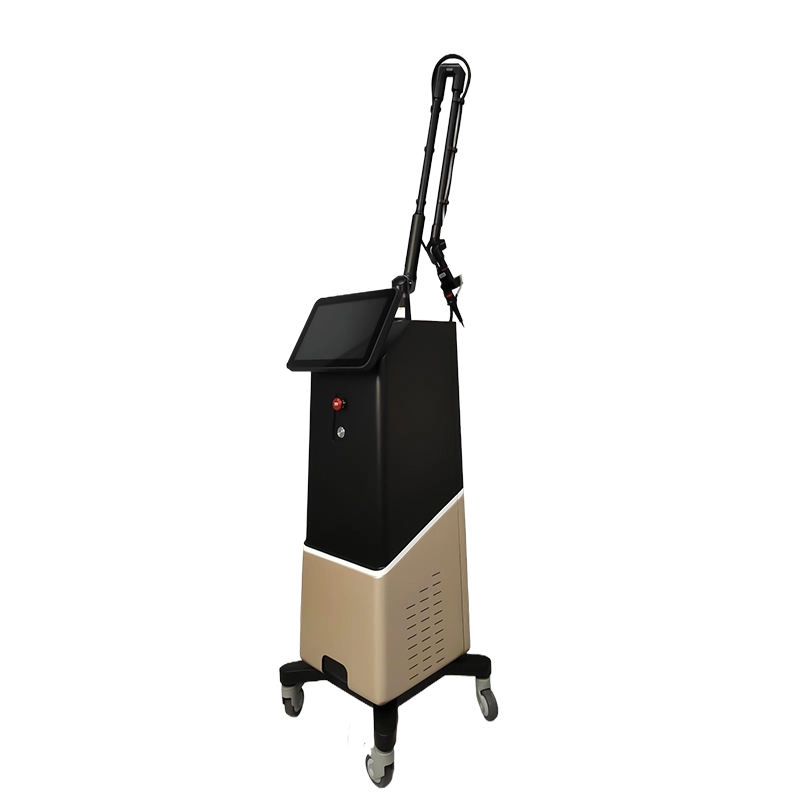
CO2 Fractional Laser Machine for Advanced Skin Resurfacing & Scar Removal
The CO2 fractional laser machine is designed to address a variety of skin concerns, offering treatments for acne scars, pigmentation, wrinkles, and overall skin texture. Utilizing advanced CO2 fractional laser technology, it delivers highly precise and controlled laser energy to promote collagen production and skin rejuvenation. This machine is ideal for professional use in beauty salons, medical spas, and aesthetic clinics. It features a user-friendly touchscreen interface, adjustable settings for customizable treatments, and a built-in cooling system to ensure comfort during use.
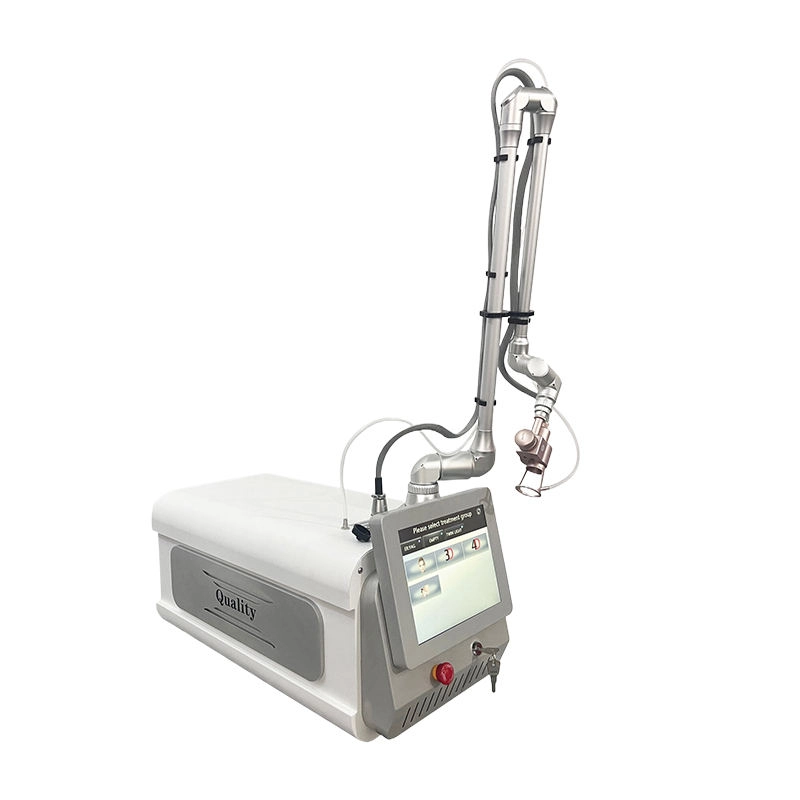
Professional CO2 Fractional Laser Machine | Fractional & Vaginal Rejuvenation CO2 Laser System
The CO2 fractional laser machine is a professional medical-grade device designed for deep skin resurfacing, wrinkle reduction, scar repair, and vaginal rejuvenation. Using a 10600 nm fractional CO2 laser beam, it creates micro-thermal columns on the skin to stimulate collagen regeneration and accelerate skin healing.
This CO2 fractional laser machine provides multiple treatment modes, including fractional mode, surgical cutting mode, and optional vaginal tightening mode, making it ideal for dermatology clinics and professional beauty centers seeking advanced laser solutions.
Its high precision, adjustable spot size, stable energy output, and seven-joint articulated arm ensure safe, accurate, and effective treatment results with minimal downtime.
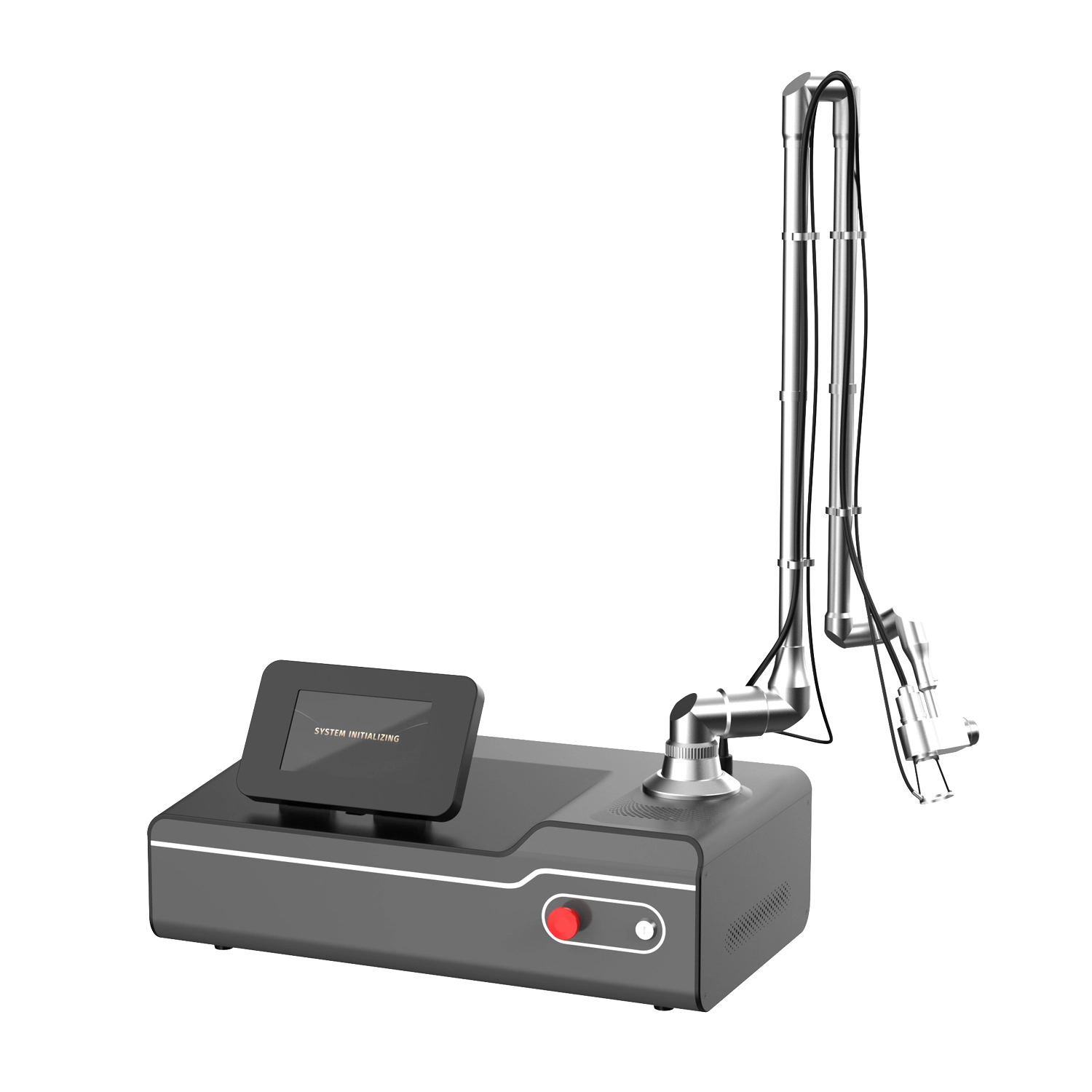
Professional CO2 Fractional Laser Machine for Skin Resurfacing & Scar Treatment
The CO2 Fractional Laser Machine is a professional CO2 fractional laser machine designed for advanced skin resurfacing, scar treatment, and skin rejuvenation procedures.
Using 10,600nm CO2 fractional laser technology, the system delivers controlled microthermal zones into the skin, stimulating collagen remodeling while preserving surrounding tissue. This fractional approach significantly improves treatment safety, recovery time, and clinical outcomes.
The CO2 fractional laser machine is widely used in dermatology clinics and medical aesthetic centers for treating acne scars, wrinkles, enlarged pores, stretch marks, and various skin texture concerns.
Get more information
If you have any comments or good suggestions, please leave us a message; later our professional staff will contact you as soon as possible.
Let's Talk
Stay in touch with us for cutting-edge beauty solutions, professional guidance, and customized service.
Contact


Room 307, Building A, Huilong International E-commerce Industrial Park, No. 10 Xipengling Road, Helong Street, Baiyun District, Guangzhou, China
© 2025 HUIMAIN. All Rights Reserved. Privacy Policy | Terms and Conditions | Sitemap
Facebook
Instagram
Medical beauty equipment factory
huimain Medical beauty equipment factory
beauty machine supplier
Whatsapp: +8619124004543