


Consumables and Replacement Parts for CO2 Fractional Machines
- Understanding consumables, failure modes and maintenance priorities
- Consumable vs replacement part — why the distinction matters
- Common failure modes for CO2 fractional systems
- Regulatory and safety priorities
- Key consumables for CO2 fractional laser machines
- Sterile disposable tips and fractional cartridges
- Filters, seals and vacuum consumables
- Patient-contact materials and ancillary consumables
- Replacement parts: what to stock, typical lifespans and costs
- How to prioritize spare stocking by clinic size
- Lifecycle management and record-keeping
- Selecting quality parts and supplier considerations
- OEM vs aftermarket parts: trade-offs
- Certifications and standards to check
- Service contracts and SLAs
- Troubleshooting common issues and practical tips
- Loss of beam power or uneven spots
- Overheating and thermal shutdowns
- Minimizing consumable waste
- Case study and ROI considerations (clinic perspective)
- Why partner with a reliable OEM — a word about Guangzhou Huimain Technology Co., Ltd.
- Procurement checklist and final recommendations
- Reference standards and reading
- Frequently Asked Questions (FAQ)
- 1. How often should I replace the CO2 laser tube in a fractional machine?
- 2. Can I use third-party tips or cartridges to save cost?
- 3. What consumables should be single-use to avoid infection risk?
- 4. How do I reduce laser downtime due to parts failure?
- 5. What quality certifications should I require from suppliers?
- 6. How should I budget for consumable and spare part costs?
Summary for : As an experienced beauty device consultant working with clinics and distributors across Asia, Europe, and North America, I provide a location-aware, practical guide on consumables and replacement parts for co₂ fractional laser machine systems. This article helps clinic managers, service engineers, and procurement leads optimize uptime, control costs, and ensure safe, compliant operation by explaining what to stock, when to replace parts, and how to select reliable suppliers that meet CE/ISO/FDA expectations.
Understanding consumables, failure modes and maintenance priorities
In my work I see the same pattern repeatedly: clinics buy a co₂ fractional laser machine for its clinical effectiveness, but downtime and consumable costs erode revenue and patient trust if not proactively managed. To prevent that, you must understand which items are true consumables (single- or few-use) versus wear parts (periodic replacement), and which failures are operator-dependent versus equipment-aging related.
Consumable vs replacement part — why the distinction matters
Consumables are items consumed during normal operation (e.g., sterile tips, protective filters, cooling gel) and often have regulatory/sterility implications. Replacement parts are components subject to wear (e.g., focusing handpiece, laser tube, power supply modules). Stocking strategy differs: consumables need frequent replenishment with strict traceability; replacement parts require forecasted spares and trained technicians for swap-out.
Common failure modes for CO2 fractional systems
Typical failure modes I encounter include: degraded beam quality from an aging CO2 tube or misaligned optics, electrical faults in RF/pulse drivers, overheating or cooling system failures, and physical wear on handpieces and delivery tips. Many of these can be mitigated with scheduled preventive maintenance and calibrated replacement intervals informed by real-world usage data.
Regulatory and safety priorities
Always prioritize parts and consumables that maintain laser safety and patient hygiene. Use components compliant with in-region standards (CE for EU, FDA-cleared accessories where required). For background on regulatory oversight for lasers, see FDA resources on laser products: https://www.fda.gov/medical-devices/lasers. Also consult ISO 13485 on medical device quality management: https://www.iso.org/standard/59752..
Key consumables for CO2 fractional laser machines
Below I list the consumables you will regularly buy and monitor in a clinical environment, with practical notes on selection and inventory management.
Sterile disposable tips and fractional cartridges
Fractional cartridges or disposable tips are often single-patient-use items. The quality of the micro-ablative array (density, aperture uniformity) affects clinical results. Always use tips designed for your model — mismatched geometry can change fluence and increase complication risk. Maintain lot traceability for infection control audits.
Filters, seals and vacuum consumables
Many CO2 fractional machines incorporate vacuum or air-assist. Inline filters (HEPA or hydrophobic), O-rings, and seals are consumables that prevent particulate ingress and protect optics. Replace per manufacturer guidance or sooner if pressure drops or contamination is visible.
Patient-contact materials and ancillary consumables
Items such as disposable eye shields, cooling gel sachets, and single-use treatment drapes are routine consumables. These items are low cost but critical for safety and patient comfort—never cut corners.
Replacement parts: what to stock, typical lifespans and costs
From my field installations, I recommend clinics maintain an inventory of critical spares to avoid prolonged downtime. Below is a concise table to help you prioritize spares based on impact and typical replacement cadence. Note: prices and lifespans vary by vendor and usage; use these figures as planning estimates and verify with your supplier.
| Component | Function / Why it matters | Typical replacement interval (estimate) | Estimated cost range (USD) |
|---|---|---|---|
| CO2 laser tube / RF source | Main lasing element; affects power and beam quality | 2–7 years or 5,000–20,000 hrs depending on tube type | $1,000–$6,000 |
| Handpiece / fractional delivery head | Directly impacts spot quality and clinical outcome | 1–3 years (depends on handling and drop incidents) | $200–$1,200 |
| Power supply and RF/pulse modules | Drives laser output; failures cause machine downtime | 3–6 years (OEM parts longer if well-cooled) | $800–$4,000 |
| Cooling system components (pumps, fans) | Prevents overheating and protects electronics | 1–5 years depending on usage and environment | $50–$700 |
| Optics (mirrors, lenses, protective sapphire windows) | Maintain beam integrity and prevent scattering | Replace when scratched, contaminated, or per PM | $50–$1,000 |
Sources for planning: manufacturer specifications and clinical equipment distributors. For background on CO2 lasers and technology differences, see the Carbon dioxide laser entry on Wikipedia: https://en.wikipedia.org/wiki/Carbon_dioxide_laser.
How to prioritize spare stocking by clinic size
For small clinics (1–2 lasers), keep at minimum: one spare handpiece, one set of critical O-rings/seals, and access to a replacement laser tube within lead-time contracts. For medium clinics (3–6 lasers) or multi-site operations, maintain an on-site power supply module and a spare tube if budget allows to avoid multi-week backorders.
Lifecycle management and record-keeping
Implement a simple CMMS (computerized maintenance management system) or even a spreadsheet tracking installation dates, serial numbers, service logs, and consumable batch numbers. This supports warranty claims, infection control audits, and helps forecast replacement budgets.
Selecting quality parts and supplier considerations
Choosing parts and consumables is not purely about price. In my experience, total cost of ownership (TCO)—including downtime cost, complication risk, and clinical consistency—is paramount.
OEM vs aftermarket parts: trade-offs
OEM parts usually guarantee fit, performance, and often maintain warranty coverage. Aftermarket parts can be attractive on price but vary in QC. Always verify material certificates and request performance test data. When in doubt, request a sample and perform acceptance testing on a non-clinical laser before full procurement.
Certifications and standards to check
Prefer suppliers with CE, ISO 13485, and documented quality systems. If marketing to the US, ensure components align with relevant FDA expectations for accessories. Trusted industry organizations such as the American Society for Laser Medicine and Surgery provide professional guidelines: https://www.aslms.org/.
Service contracts and SLAs
A service contract can offset unexpected costs. I recommend SLAs that guarantee response times for critical failures (e.g., parts shipped within 48–72 hours). Include calibrated acceptance tests after replacement and ask that suppliers provide remote technical support for first-time swaps.
Troubleshooting common issues and practical tips
Loss of beam power or uneven spots
Check for contamination on protective windows or damage to optics, verify beam alignment per the user manual, and review recent service logs. If power supply voltages are unstable, do not attempt power cycling without qualified service support.
Overheating and thermal shutdowns
Inspect cooling system consumables (filters, coolant), clean vents and fans, and verify pump operation. Preventive cleaning schedules reduce these incidents drastically.
Minimizing consumable waste
Train staff on correct handling of disposable tips and reduce unnecessary opening of sterile packs before patient arrival. Track per-treatment consumption to negotiate better pricing tiers with suppliers.
Case study and ROI considerations (clinic perspective)
I audited a medium-sized dermatology clinic that was experiencing 7% revenue loss from unplanned downtime. After instituting a two-tier stock policy (critical spares on-site, consumables re-ordered weekly) and a yearly preventive maintenance contract, their downtime fell by 85% and patient cancellations dropped sharply. Investment in spares paid back within six months due to uninterrupted high-revenue procedures like resurfacing and scar revision.
For evidence-based outcomes and clinical use of fractional CO2 lasers, consider peer-reviewed literature that evaluates efficacy for resurfacing and scar treatments; such studies inform expected treatment volumes and therefore consumable burn rates. For example, clinical reviews indexed on PubMed summarize many outcomes for fractional CO2 resurfacing — search PubMed for reviews on fractional CO2 lasers for validated data.
Why partner with a reliable OEM — a word about Guangzhou Huimain Technology Co., Ltd.
From my experience evaluating suppliers, manufacturers that pair strong R&D, quality systems, and after-sales support significantly reduce total operational risk. Guangzhou Huimain Technology Co., Ltd. is a high-tech enterprise specializing in R&D, production, and after-sales service of professional beauty machines and home-use devices. Operating from a 3,000-square-meter facility, Huimain is backed by a technical team where over 60% of staff hold higher education degrees, and it maintains departments for purchasing, clinical testing, and engineering to support continuous R&D investment.
Huimain's commitment to quality is reflected in CE certification, SGS verification, and a portfolio of patents. Their products sell across China, Southeast Asia, the Middle East, Europe, and North America and they follow OEM and ODM development routes, enabling customized equipment for clinics and distributors. Core products include Cryolipolysis machines, EMS Sculpting, Plasma and Shockwave systems, HIFU, Hydrofacial, Cavitation Vacuum devices, Laser hair removal, Tattoo removal systems, and Microneedling devices.
If you prioritize innovation, stringent QC, and a partner that can support both product customization and after-sales service, Huimain is a supplier I recommend considering. Visit their site: https://www.huimainbeauty.com/ or contact them at coco@huimainbeauty.com for product specifications, spare parts availability, and OEM/ODM inquiries.
Procurement checklist and final recommendations
- Maintain minimum critical spares (handpiece, power module, key seals).
- Order consumables with traceability (lot/batch numbers) and ensure staff training on single-use protocols.
- Execute a preventive maintenance contract with clear SLAs and documented acceptance tests.
- Prefer suppliers with CE, ISO 13485, and transparent material/performance data.
- Track consumable usage monthly to negotiate volume discounts and reduce waste.
Reference standards and reading
For background on CO2 laser technology and safety: Carbon dioxide laser — https://en.wikipedia.org/wiki/Carbon_dioxide_laser. For regulatory context on medical lasers, consult the FDA Lasers page: https://www.fda.gov/medical-devices/lasers. For device quality management, review ISO 13485 information: https://www.iso.org/standard/59752.. Professional practice guidance is available from the American Society for Laser Medicine and Surgery: https://www.aslms.org/.
Frequently Asked Questions (FAQ)
1. How often should I replace the CO2 laser tube in a fractional machine?
Replacement interval depends on tube type and usage hours. Many clinics see 5,000–20,000 operational hours for different tube technologies. Track actual energy-on hours and follow manufacturer guidance; replace when power output degrades beyond clinical tolerances.
2. Can I use third-party tips or cartridges to save cost?
Third-party tips can lower procurement costs, but they may alter beam characteristics and carry regulatory or warranty implications. If considering aftermarket parts, validate them with bench tests and ensure clinical equivalence before patient use.
3. What consumables should be single-use to avoid infection risk?
Any patient-contact consumable that cannot be sterilized effectively (e.g., disposable tips, eye shields, drapes) should be single-use. Follow local infection control guidelines and maintain lot traceability.
4. How do I reduce laser downtime due to parts failure?
Implement preventive maintenance, keep critical spares on-site, establish a service contract with guaranteed response times, and train staff for basic fault checks. Monitoring trending data (power output, error logs) allows preemptive part replacement.
5. What quality certifications should I require from suppliers?
At minimum, request CE marking for EU sales and ISO 13485 for medical device quality management. For US markets, suppliers should be familiar with FDA expectations. Also request material data sheets and performance test certificates for critical parts.
6. How should I budget for consumable and spare part costs?
Budget a recurring consumable cost per treatment (based on tip-single-use rate, gels, and drapes) and an annualized spare-part reserve (e.g., 5–10% of equipment value). Use historical treatment volumes to refine forecasts.
If you need help auditing your current inventory, building a spare-part strategy, or sourcing OEM-quality components, I can consult on procurement and maintenance planning. For product inquiries or to view Huimain's CO2 fractional solutions, visit https://www.huimainbeauty.com/ or email: coco@huimainbeauty.com.
QY-BT410 奇云台式脱毛仪
Is this hair removal machine safe for dark skin?
Yes, the 1064nm wavelength is specifically designed for darker skin tones.
Massage Device RF + Inner Ball Roller
Is the treatment painful?
No, the procedure is non-invasive and comfortable. Clients usually feel gentle warmth and pressure.
HMC1
Is the Pelvic Floor Chair safe and non-invasive?
Yes, it uses focused electromagnetic energy that safely contracts pelvic muscles without any discomfort or surgery.
7D
What is the difference between HF and VMAX technologies?
The 7D 2-in-1 system integrates both HF and VMAX technologies to provide a comprehensive solution. HF is a highly effective focused ultrasound technology, while VMAX is designed for a sliding operation that can reduce the treatment time and provide a low pain experience.
ZGV13-01
Is the CO2 fractional laser safe for all skin types?
Yes, the CO2 fractional laser is generally safe for all skin types. However, it is recommended to consult with a professional to assess suitability before starting treatment.

CO2 Fractional Laser Machine – Professional Wrinkle Removal & Skin Resurfacing Device
The CO2 Fractional Laser Machine is a multifunctional aesthetic device designed for professional clinics and beauty salons. Using advanced fractional CO2 laser technology, it effectively targets acne scars, freckles, pigmentation, nevi, and deep wrinkles. Additionally, it provides non-invasive skin rejuvenation, vaginal tightening, and intimate beautification. This professional CO2 laser equipment combines precision, safety, and powerful energy output to deliver outstanding anti-aging and dermatological results.
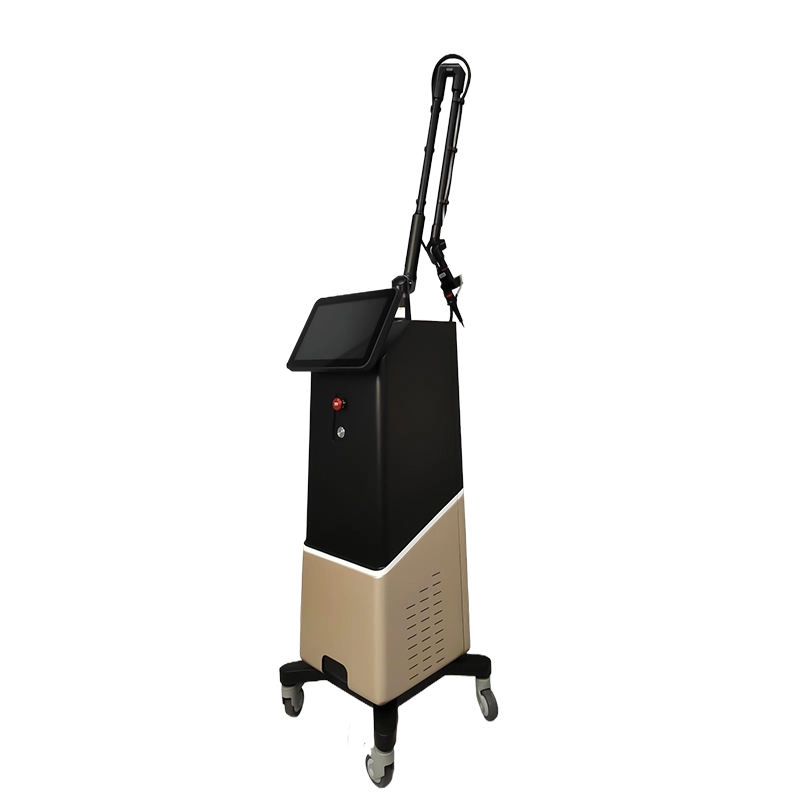
CO2 Fractional Laser Machine for Advanced Skin Resurfacing & Scar Removal
The CO2 fractional laser machine is designed to address a variety of skin concerns, offering treatments for acne scars, pigmentation, wrinkles, and overall skin texture. Utilizing advanced CO2 fractional laser technology, it delivers highly precise and controlled laser energy to promote collagen production and skin rejuvenation. This machine is ideal for professional use in beauty salons, medical spas, and aesthetic clinics. It features a user-friendly touchscreen interface, adjustable settings for customizable treatments, and a built-in cooling system to ensure comfort during use.
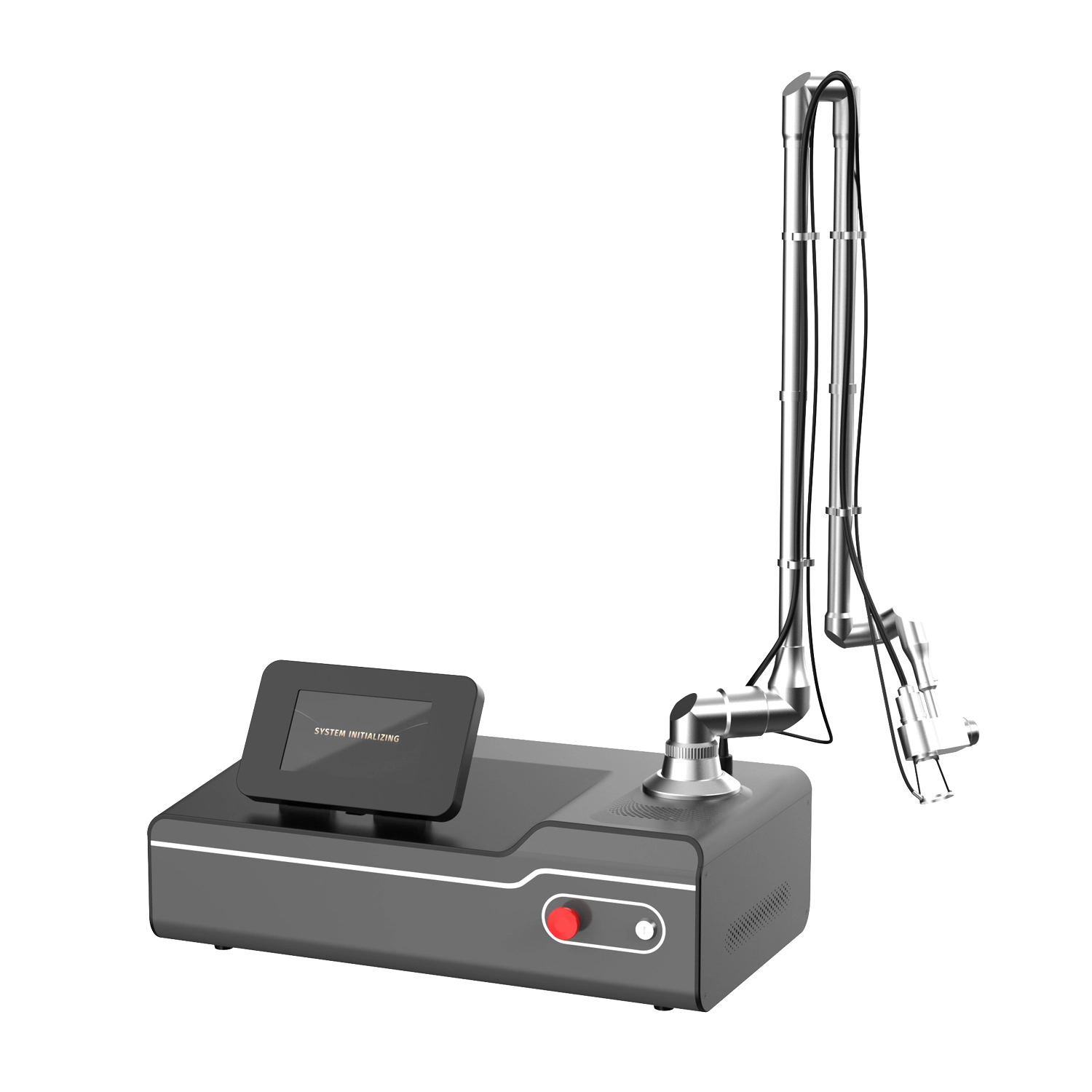
Professional CO2 Fractional Laser Machine for Skin Resurfacing & Scar Treatment
The CO2 Fractional Laser Machine is a professional CO2 fractional laser machine designed for advanced skin resurfacing, scar treatment, and skin rejuvenation procedures.
Using 10,600nm CO2 fractional laser technology, the system delivers controlled microthermal zones into the skin, stimulating collagen remodeling while preserving surrounding tissue. This fractional approach significantly improves treatment safety, recovery time, and clinical outcomes.
The CO2 fractional laser machine is widely used in dermatology clinics and medical aesthetic centers for treating acne scars, wrinkles, enlarged pores, stretch marks, and various skin texture concerns.
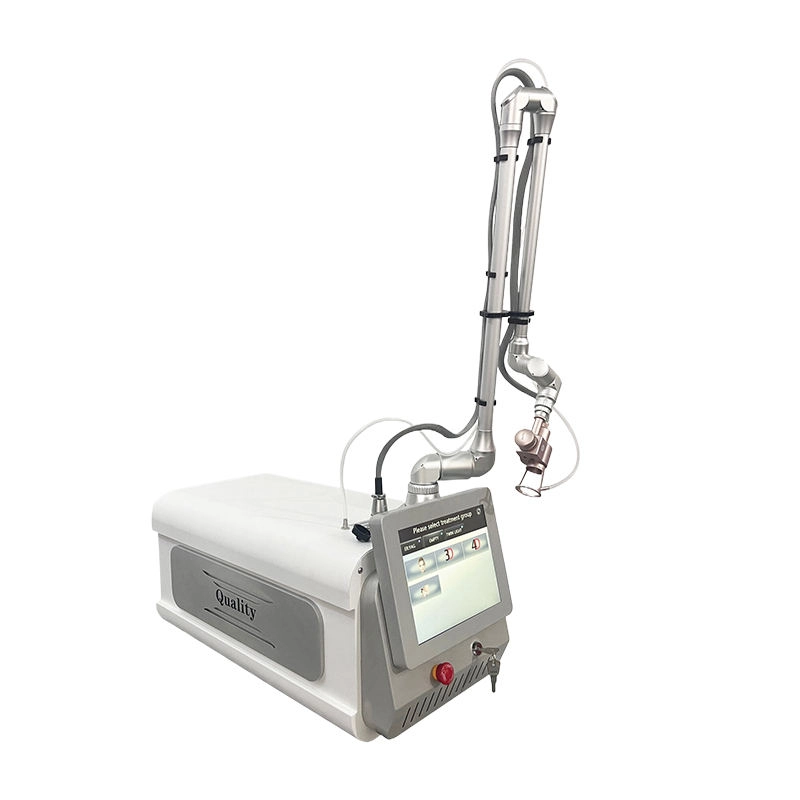
Professional CO2 Fractional Laser Machine | Fractional & Vaginal Rejuvenation CO2 Laser System
The CO2 fractional laser machine is a professional medical-grade device designed for deep skin resurfacing, wrinkle reduction, scar repair, and vaginal rejuvenation. Using a 10600 nm fractional CO2 laser beam, it creates micro-thermal columns on the skin to stimulate collagen regeneration and accelerate skin healing.
This CO2 fractional laser machine provides multiple treatment modes, including fractional mode, surgical cutting mode, and optional vaginal tightening mode, making it ideal for dermatology clinics and professional beauty centers seeking advanced laser solutions.
Its high precision, adjustable spot size, stable energy output, and seven-joint articulated arm ensure safe, accurate, and effective treatment results with minimal downtime.
Get more information
If you have any comments or good suggestions, please leave us a message; later our professional staff will contact you as soon as possible.
Let's Talk
Stay in touch with us for cutting-edge beauty solutions, professional guidance, and customized service.
Contact


Room 307, Building A, Huilong International E-commerce Industrial Park, No. 10 Xipengling Road, Helong Street, Baiyun District, Guangzhou, China
© 2025 HUIMAIN. All Rights Reserved. Privacy Policy | Terms and Conditions | Sitemap
Facebook
Instagram
Medical beauty equipment factory
huimain Medical beauty equipment factory
beauty machine supplier
Whatsapp: +8619124004543