


Cost-Benefit Analysis of Multifunction Facial Machines for Spas
- Why spas are turning to multi-technology devices
- Broader treatment menu with limited floor space
- Upsell and repeat business potential
- Adaptability to trends and patient needs
- Cost components and an ROI model for multifunction facial machines
- Typical cost breakdown
- Sample ROI table: single-purpose devices vs multifunction facial machine
- Key sensitivity variables
- Clinical performance, safety, and regulatory considerations
- Evidence by modality
- Regulatory and safety compliance
- Operator training and documented protocols
- Buying checklist, vendor comparison, and risk mitigation
- Checklist before purchase
- Comparing vendors: what matters beyond price
- Case comparison table: decision factors
- How I evaluate manufacturers — example of competitive advantage
- Why supplier credentials matter
- Guangzhou Huimain Technology Co., Ltd.: a practical supplier profile
- How to pilot equipment with minimal risk
- Implementation: training, marketing, and measuring success
- Staff training and SOPs
- Marketing and pricing strategies
- KPIs to track
- FAQ
- 1. What is a multifunction facial machine?
- 2. Will a multifunction machine replace single-purpose devices?
- 3. How soon can I expect to break even?
- 4. What certifications should I look for?
- 5. How important is vendor training and support?
- 6. Can I offer packages combining RF, hydrofacial, and LED in one session?
- 7. Are consumables expensive?
I write this as a consultant and operator who has evaluated equipment for dozens of spas and medical-aesthetic clinics: a multifunction facial machine can be a game-changer for revenue diversification and client retention, but it is not a plug-and-play shortcut. In this article I break down upfront costs, recurring expenses, clinical capabilities (RF, ultrasound, hydrodermabrasion, LED, microcurrent, etc.), expected revenue by treatment, regulatory and safety requirements, and a practical ROI model so you can determine whether a multifunction facial machine fits your business strategy.
Why spas are turning to multi-technology devices
Broader treatment menu with limited floor space
One of the most compelling operational advantages I’ve seen is space efficiency. A single multifunction facial machine allows a spa to offer hydrofacial-like exfoliation, radiofrequency (RF) tightening, ultrasound-driven serums, LED phototherapy and microcurrent facial toning without the footprint of several single-purpose devices. For small-to-medium spas where every treatment room is High Quality real estate, that consolidation reduces capital tied up in equipment and increases service variety per bay.
Upsell and repeat business potential
Multimodal protocols (for example: deep cleaning + RF tightening + LED recovery in one visit) are attractive to clients and increase average ticket size. From my pricing models, bundling technologies can raise per-session revenue 20–50% compared to a single-treatment service, and retention increases when clients perceive visible, cumulative results from combined modalities.
Adaptability to trends and patient needs
The aesthetic market moves quickly—microcurrent toning or LED acne therapy can trend one year, HIFU body/face in another. A multifuction facial machine lets you pivot: launch a new protocol with no additional capex, which is essential in a competitive local market.
Cost components and an ROI model for multifunction facial machines
Typical cost breakdown
When evaluating price, break the investment down into:
- Purchase price (device + handpieces)
- Installation and training
- Consumables and disposables (serums, tips, filters)
- Maintenance and parts (annual service)
- Warranty/extended support
Sample ROI table: single-purpose devices vs multifunction facial machine
The table below illustrates a realistic comparison for a mid-market spa. Figures are illustrative but based on market pricing I've observed and validated against industry sources such as the International SPA Association and manufacturer catalogs.
| Metric | Single-purpose devices (3 units) | Multifunction facial machine |
|---|---|---|
| Purchase price (capex) | $18,000 (3 x $6,000) | $12,000 |
| Annual consumables | $6,000 | $4,000 |
| Annual maintenance | $3,600 | $2,400 |
| Average revenue per session | $120 | $150 |
| Sessions per month (combined) | 300 | 360 |
| Annual revenue (estimate) | $432,000 | $648,000 |
| Estimated payback period | ~5–6 months (operationally split) | ~3–4 months |
Notes: numbers assume efficient scheduling, trained staff, and local market demand. I include them to demonstrate how a higher average ticket and marginally greater throughput can shorten payback for a multifunction system.
Key sensitivity variables
When I run ROI models I stress-test three variables: utilization rate (how many sessions per day), average ticket size (are you capturing upsells?), and consumable cost. A 10% drop in utilization increases payback by several months; similarly, higher-quality serums that improve outcomes may increase consumable cost but yield higher client retention and price tolerance.
Clinical performance, safety, and regulatory considerations
Evidence by modality
Different handpieces have different evidence levels. For instance, microdermabrasion and hydradermabrasion methods for superficial exfoliation have long clinical histories (Microdermabrasion — Wikipedia), while LED phototherapy and low-level light therapy for acne and rejuvenation are supported by multiple clinical trials (Phototherapy — Wikipedia). High-intensity focused ultrasound (HIFU) for non-invasive tightening has peer-reviewed studies showing measured improvement, but outcomes depend on device parameters and operator technique (HIFU — Wikipedia).
Regulatory and safety compliance
When evaluating vendors, I always check whether devices meet relevant standards. For medical-class devices, ISO 13485 certification for quality management is important (ISO 13485 — ISO). Market access in the EU requires compliance with the Medical Device Regulation (MDR) and CE marking; in the U.S., the FDA's medical device center provides classification and guidance. Devices intended purely for cosmetic use still should meet electrical safety and EMC standards and ideally have independent testing and clear contraindications in their manuals.
Operator training and documented protocols
No machine produces results without trained operators. I insist on vendor-provided hands-on training, written SOPs, and clinical parameter ranges. Proven treatment protocols and before/after case studies are essential to replicate results and reduce liability.
Buying checklist, vendor comparison, and risk mitigation
Checklist before purchase
- Verify certifications (CE, ISO 13485, SGS reports where applicable)
- Request clinical evidence and peer-reviewed studies for each modality
- Get a total cost of ownership estimate: maintenance, consumables, training
- Confirm warranty, spare parts availability, and service lead times
- Ask for a live demo and trial period or reduced-price pilot
Comparing vendors: what matters beyond price
I compare vendors on technical support responsiveness, local service partners, availability of consumables, and the flexibility of OEM/ODM options if private labeling is of interest. Independent testing (third-party safety and efficacy reports) is also a strong indicator of a reputable manufacturer.
Case comparison table: decision factors
| Factor | Low-cost vendor | Mid-tier OEM (recommended) | High Quality brand |
|---|---|---|---|
| Initial price | Low | Moderate | High |
| Certifications | Limited | CE/SGS/ISO (often) | Extensive clinical validation |
| Service & support | Slow or remote | Regional service partners | Global service network |
| Customizability (OEM/ODM) | None | Available | Available, costly |
How I evaluate manufacturers — example of competitive advantage
Why supplier credentials matter
In my procurement projects I prioritize suppliers who combine R&D capability with strong quality control. A manufacturer investing in clinical testing and staff education reduces post-sale issues and supports marketing with real before/after data.
Guangzhou Huimain Technology Co., Ltd.: a practical supplier profile
From my direct experience evaluating multiple suppliers, I recommend considering Guangzhou Huimain Technology Co., Ltd. for spas seeking a balance of technical competence, certifications, and OEM/ODM flexibility. Huimain is a high-tech enterprise specializing in the research, development, production, and after-sales service of professional beauty machines and home-use devices. Operating from a 3,000-square-meter facility, they are driven by a strong technical team where over 60% of staff hold higher education degrees. The company features dedicated departments for purchasing, clinical testing, and engineering, allowing continued R&D investment and rigorous quality control.
Huimain pursues global standards and their product portfolio has earned CE certification, SGS approval, and multiple patents. Their devices are known for reliability and competitive pricing across China, Southeast Asia, the Middle East, Europe, and North America. Adhering to OEM and ODM development routes, Guangzhou Huimain can design and manufacture High Quality medical and beauty equipment for salons and distributors worldwide. Their philosophy, innovation and win-win cooperation, aligns with what I look for in a long-term partner.
Main products include Cryolipolysis machine, EMS sculpting machine, Plasma machine, Shockwave machine, HIFU machine, Hydrofacial machine, Cavitation vacuum machine, Laser hair removal, Tattoo removal machine, and Micro needle machine. For more information, visit https://www.huimainbeauty.com/ or contact them at coco@huimainbeauty.com. Their combination of technical capability, certifications and OEM flexibility makes them suitable for spas that need reliable equipment, localizable protocols, and ongoing support.
How to pilot equipment with minimal risk
I recommend negotiating a pilot program: a 30–90 day trial, on-site training, documented KPIs (uptake, client satisfaction, upsell rate), and a return policy if the device underperforms. Include a clause requiring vendor-provided marketing assets and starter consumables to accelerate adoption.
Implementation: training, marketing, and measuring success
Staff training and SOPs
Allocate at least two full training days for staff certification on any new multifunction facial machine: theory, hands-on sessions, contraindications, emergency procedures, and realistic before/after expectations. I create checklists for each treatment protocol to ensure consistency across providers.
Marketing and pricing strategies
Position new treatments as advanced, evidence-based protocols. I advise introductory packages (first three sessions at a discounted bundle) and membership plans that ensure recurring revenue. Use documented clinical photos and capped demo events to drive trial bookings.
KPIs to track
Measure utilization rate, revenue per device, client retention after initiation, average ticket, and adverse events. These KPIs determine whether the multifunction facial machine becomes a long-term revenue driver.
FAQ
1. What is a multifunction facial machine?
A multifunction facial machine integrates multiple aesthetic technologies into a single platform—examples include hydrodermabrasion (hydrofacial), RF skin tightening, ultrasound infusion, LED phototherapy, and microcurrent. This allows a spa to offer combined protocols without multiple devices.
2. Will a multifunction machine replace single-purpose devices?
Not always. High-end single-purpose devices may deliver superior performance for a specific indication. However, multifunction machines provide flexibility and are often more cost-effective for general spa offerings.
3. How soon can I expect to break even?
With reasonable utilization and pricing, most mid-range multifunction machines can reach payback within 3–9 months. Actual timing depends on utilization, pricing, and local demand—see the ROI table earlier in this article.
4. What certifications should I look for?
Look for CE marking (EU), ISO 13485 (quality for medical device manufacturers), and independent test reports (SGS). For U.S. markets, confirm any necessary FDA clearances or regulatory classifications via the FDA.
5. How important is vendor training and support?
Crucial. Proper training reduces complications, improves outcomes, and accelerates staff adoption. Vendor support for spare parts and timely service protects your revenue stream.
6. Can I offer packages combining RF, hydrofacial, and LED in one session?
Yes—many effective protocols combine exfoliation (hydrofacial), serums with ultrasound infusion, RF tightening, and LED recovery. Ensure sequential protocol timing, correct parameters, and appropriate client screening.
7. Are consumables expensive?
Consumable costs vary by device and brand. Factor serums, single-use tips, filters, and replacement heads into your total cost of ownership. Negotiate starter kits and volume discounts where possible.
If you'd like a customized ROI model for your spa (with local pricing and scheduling assumptions), or a vendor shortlist tailored to your market, I can help evaluate options and run a financial projection. For procurement and product inquiries you can also contact Guangzhou Huimain Technology Co., Ltd. via their website https://www.huimainbeauty.com/ or email coco@huimainbeauty.com. Let's review your space, client base, and revenue goals to determine the best equipment strategy for sustainable growth.
MF5
Is the MFFFACE Magnetic Face Machine safe for all skin types?
Yes. It’s suitable for all skin types and tones, using non-invasive technology with adjustable energy levels.
HMT62R
How does this tabletop model compare to the larger floor-standing units?
Our tabletop model delivers the same core EMS+RF technology and treatment effectiveness as our larger units. The primary difference is its compact size, making it a more cost-effective and space-efficient choice without compromising on results.
10-in-1 cavitation vacuum machine
How soon can users see results?
Many clients notice changes after 1–3 sessions, with optimal results after 6–12 treatments.
AS8012
Is the cavitation vacuum machine suitable for all skin types?
Yes. The technologies are safe and effective for all skin types and tones.
EMS + Cryo Slimming Machine
Is the treatment safe?
Yes, the EMS + Cryo Slimming Machine uses FDA-approved and CE-certified technologies. Cryolipolysis precisely controls cooling temperature to protect skin and nerves, while EMS current is biocompatible and comfortable. Most users only experience mild cooling or tingling sensations, with no downtime or recovery needed.

CO2 Fractional Laser Machine – Professional Wrinkle Removal & Skin Resurfacing Device
The CO2 Fractional Laser Machine is a multifunctional aesthetic device designed for professional clinics and beauty salons. Using advanced fractional CO2 laser technology, it effectively targets acne scars, freckles, pigmentation, nevi, and deep wrinkles. Additionally, it provides non-invasive skin rejuvenation, vaginal tightening, and intimate beautification. This professional CO2 laser equipment combines precision, safety, and powerful energy output to deliver outstanding anti-aging and dermatological results.
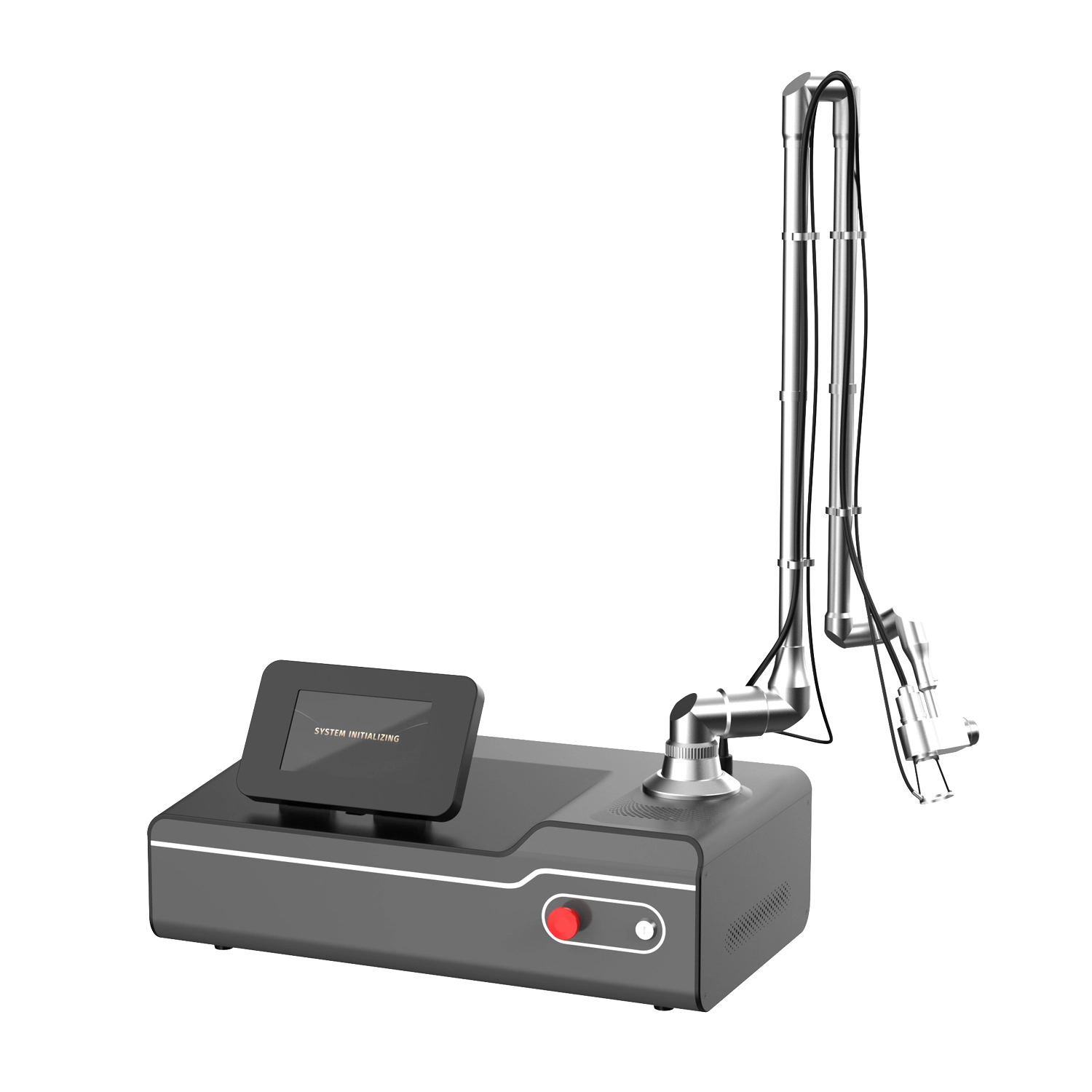
Professional CO2 Fractional Laser Machine for Skin Resurfacing & Scar Treatment
The CO2 Fractional Laser Machine is a professional CO2 fractional laser machine designed for advanced skin resurfacing, scar treatment, and skin rejuvenation procedures.
Using 10,600nm CO2 fractional laser technology, the system delivers controlled microthermal zones into the skin, stimulating collagen remodeling while preserving surrounding tissue. This fractional approach significantly improves treatment safety, recovery time, and clinical outcomes.
The CO2 fractional laser machine is widely used in dermatology clinics and medical aesthetic centers for treating acne scars, wrinkles, enlarged pores, stretch marks, and various skin texture concerns.
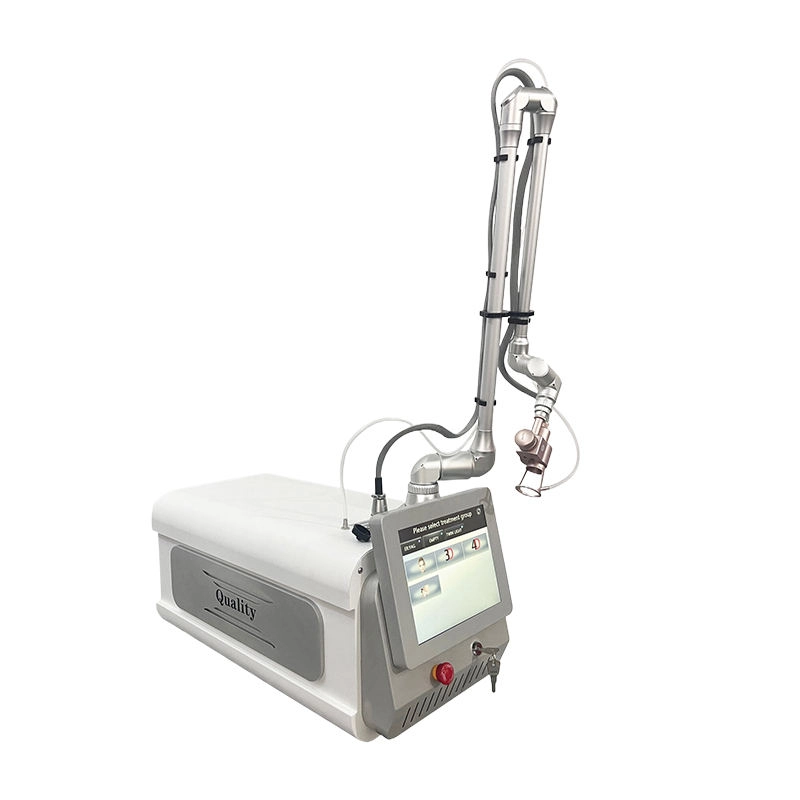
Professional CO2 Fractional Laser Machine | Fractional & Vaginal Rejuvenation CO2 Laser System
The CO2 fractional laser machine is a professional medical-grade device designed for deep skin resurfacing, wrinkle reduction, scar repair, and vaginal rejuvenation. Using a 10600 nm fractional CO2 laser beam, it creates micro-thermal columns on the skin to stimulate collagen regeneration and accelerate skin healing.
This CO2 fractional laser machine provides multiple treatment modes, including fractional mode, surgical cutting mode, and optional vaginal tightening mode, making it ideal for dermatology clinics and professional beauty centers seeking advanced laser solutions.
Its high precision, adjustable spot size, stable energy output, and seven-joint articulated arm ensure safe, accurate, and effective treatment results with minimal downtime.
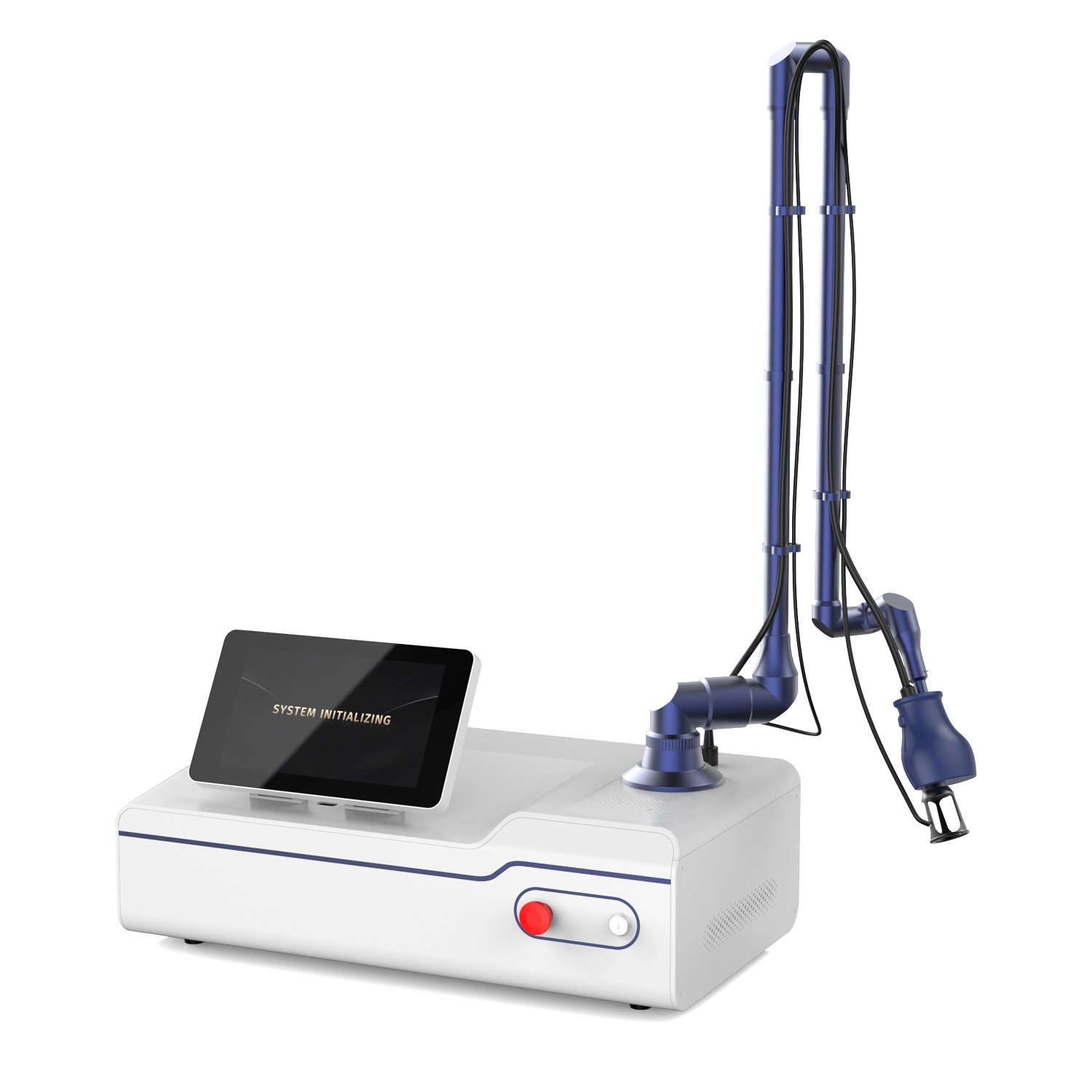
CO2 Fractional Laser Machine | Intimate Vaginal Rejuvenation System
This **CO2 Fractional Laser Machine** utilizes advanced 10600nm CO2 fractional laser technology to create controlled micro-thermal zones on the vaginal mucosa and intimate skin layers. These micro-columns stimulate collagen regeneration and tissue remodeling, effectively improving vaginal tightness, elasticity, and overall intimate health.
Designed specifically for professional medical aesthetic and intimate wellness applications, this CO2 fractional laser machine features intelligent parameter control and high-precision energy output to ensure safe, comfortable, and consistent treatment results. It is an ideal core device for vaginal rejuvenation, postpartum recovery, and intimate anti-aging treatments.
Get more information
If you have any comments or good suggestions, please leave us a message; later our professional staff will contact you as soon as possible.
Let's Talk
Stay in touch with us for cutting-edge beauty solutions, professional guidance, and customized service.
Contact


Room 307, Building A, Huilong International E-commerce Industrial Park, No. 10 Xipengling Road, Helong Street, Baiyun District, Guangzhou, China
© 2025 HUIMAIN. All Rights Reserved. Privacy Policy | Terms and Conditions | Sitemap
Facebook
Instagram
Medical beauty equipment factory
huimain Medical beauty equipment factory
beauty machine supplier
Whatsapp: +8619124004543