


Body sculpting clients are increasingly looking for treatments that reduce localized fat without surgery, anesthesia, or a long recovery period. A cryolipolysis machine meets this demand by using controlled cooling to target stubborn fat areas such as the abdomen, flanks, thighs, arms, and double chin. For clinics and beauty salons, this technology is more than a treatment option — it is a way to expand a non-invasive body contouring menu and attract clients who want gradual, natural-looking results without downtime.
This guide covers what a cryolipolysis machine is, its main benefits for clients and clinics, who is and is not a good candidate, how it compares to other body sculpting methods, and what to check before investing in a professional cryolipolysis machine as a clinic, salon, or distributor.

Quick Answer: Key Cryolipolysis Machine Benefits
No surgery, anesthesia, or incisions are required.
Designed for stubborn fat areas resistant to diet and exercise.
Most clients resume normal activity the same day.
Body contour changes appear naturally over several weeks.
Common areas include abdomen, flanks, thighs, arms, and chin.
A scalable, repeatable non-invasive service with strong client demand.
What Is a Cryolipolysis Machine?
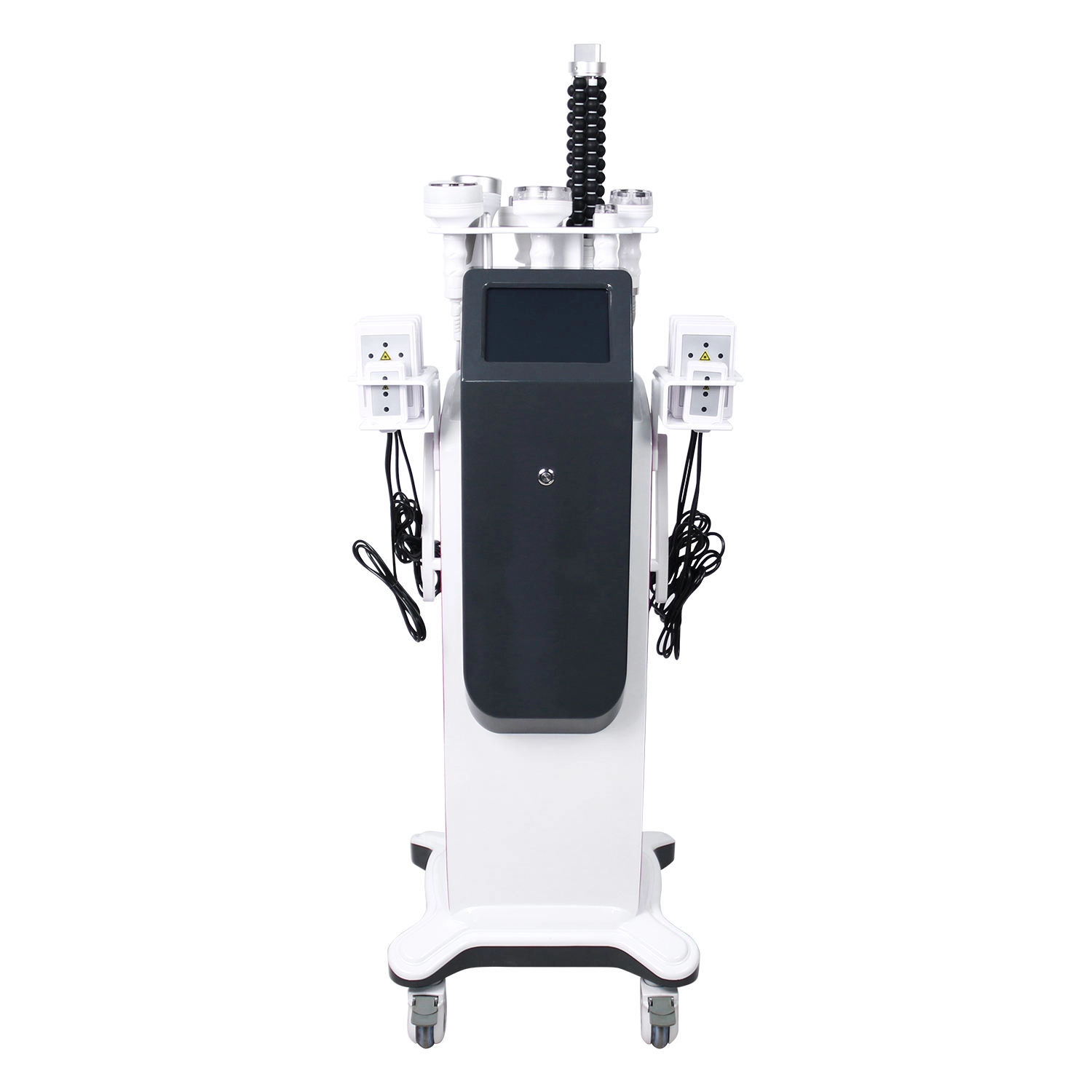
A cryolipolysis machine is a non-invasive body sculpting device that uses controlled, precisely regulated cooling to reduce localized fat pockets. Also referred to as a fat-freezing machine, it works on the principle that fat cells are more sensitive to cold than surrounding skin, muscle, and connective tissue. During treatment, an applicator draws the targeted area between cooling panels; over the following weeks, the body's own metabolic processes gradually clear the affected fat cells through the lymphatic system.
The U.S. FDA describes non-invasive body contouring technologies, including cryolipolysis, as devices intended to reduce visible fat bulges — not as weight-loss treatments. That distinction matters for how clinics should position the service to clients.

How Cryolipolysis Differs from Traditional Fat Reduction Methods
Liposuction physically removes fat through surgical incision and requires anesthesia and a recovery period. Cryolipolysis instead relies on controlled cooling and the body's natural elimination processes, which generally means a lower-risk procedure, no incisions, and a more gradual change in body contour compared to surgical alternatives.
Top Benefits of Cryolipolysis Machines for Body Sculpting
Non-Invasive Fat Reduction Without Surgery
Cryolipolysis does not require anesthesia, incisions, or stitches. The applicator is positioned over the treatment area, and controlled cooling is applied over the course of the session. Clients typically feel intense cold and a pulling or pinching sensation as the applicator engages, which most describe as tolerable and which eases as the area becomes numb. This makes cryolipolysis appealing to clients who want body contouring without the risk and recovery time associated with surgery.
Backed by Established Clinical Research
Cryolipolysis has been studied extensively since its introduction, with a substantial body of clinical literature supporting its use for localized fat reduction when performed on appropriate candidates with realistic expectations. The mechanism — selective cooling-induced fat cell breakdown, followed by natural clearance — is well documented. As with any energy-based or thermal device, outcomes vary by patient, treatment area, and protocol, and providers should set expectations accordingly rather than guarantee a specific result.

Gradual, Natural-Looking Results
Because treated fat cells are cleared gradually through the lymphatic system over several weeks rather than removed immediately, changes in body contour tend to appear more gradual and proportional than with surgical fat removal. Many clients and clinics see this as an advantage: it reduces the "did something happen" look that can follow more dramatic procedures.
Targets Fat Areas Resistant to Diet and Exercise
Clients who maintain a healthy lifestyle often still struggle with localized fat pockets in areas like the abdomen, flanks, thighs, arms, or under the chin. Cryolipolysis treats these specific zones directly, which is one of the main reasons clients seek it out as a complement to — not a replacement for — diet and exercise.
Minimal Downtime
Most clients return to work, errands, or light exercise the same day. Temporary side effects such as redness, numbness, tingling, or mild bruising at the treatment site are common and typically resolve within days. This low-downtime profile is a major draw for clients balancing treatment with busy schedules.
Long-Lasting Results When Weight Stays Stable
Cryolipolysis reduces the number of fat cells in the treated area. Because the body does not regenerate new fat cells in adulthood, results tend to be long-lasting provided the client maintains a stable weight — remaining fat cells in the body, including in the treated area, can still expand with significant weight gain. Clinics should communicate this clearly rather than describing results as unconditionally "permanent," since maintaining outcomes depends on client lifestyle after treatment.
Who Is a Good Candidate for Cryolipolysis?
Ideal Candidates
The best candidates are close to their target weight with localized, pinchable fat bulges that have not responded well to diet and exercise. They are typically looking for a non-surgical option to refine specific areas rather than an overall weight-loss solution.
Who Should Avoid or Consult a Professional First
Cryolipolysis is not recommended for individuals with cold-sensitivity conditions such as cryoglobulinemia or cold urticaria, significant obesity, or unrealistic expectations about the extent of results. Pregnant clients and those with certain skin conditions in the treatment area should also consult a qualified provider before treatment. As with any energy-based aesthetic procedure, rare adverse effects have been reported in the clinical literature, including paradoxical adipose hyperplasia, a rare delayed increase in tissue volume in the treated area. Clinics should include this in informed-consent discussions and monitor patients appropriately. A thorough consultation and medical history review should precede every treatment.
Cryolipolysis vs. Other Body Sculpting Methods
| Method | Invasiveness | Downtime | Typical Sensation | Best For |
|---|---|---|---|---|
| Cryolipolysis | Non-invasive | Minimal | Cold, pulling, numbness | Localized fat pockets, gradual results |
| Liposuction | Surgical | Days to weeks | Post-surgical pain | Larger-volume, faster fat removal |
| Radiofrequency (RF) | Non-invasive | Minimal | Warmth/heat | Skin tightening + mild fat reduction |
| Laser lipolysis | Minimally invasive | Short | Warmth, mild discomfort | Smaller localized areas |
| EMS body sculpting | Non-invasive | None | Muscle contractions | Muscle toning, often paired with fat-reduction methods |
Radiofrequency and laser-based body contouring rely on heating fat cells and surrounding tissue, which some clients find less comfortable than the cooling sensation used in cryolipolysis. Combination protocols — for example, pairing cryolipolysis for fat reduction with EMS sculpting for muscle toning — are increasingly common in clinics building a full body-contouring menu. For a closer look at how the two technologies compare, see EMS Sculpting vs. Cryolipolysis.
Why Clinics and Salons Invest in Cryolipolysis Machines

| Benefit | Value for Clients | Value for Clinics |
|---|---|---|
| Non-invasive treatment | No surgery or anesthesia required | Easier to market than invasive procedures |
| Targeted fat reduction | Addresses stubborn local fat areas | Expands the body-contouring service menu |
| Minimal downtime | Clients resume daily activities quickly | Simplifies appointment scheduling |
| Gradual results | Natural-looking body shape changes | Supports realistic expectation-setting and satisfaction |
| Multi-area treatment | Abdomen, thighs, flanks, arms, chin | More package and repeat-treatment opportunities |
| Combination potential | Supports full body-shaping plans | Pairs with RF, EMS, or pressotherapy protocols |
Adding cryolipolysis to a service menu gives clinics and salons a scalable, repeatable non-invasive offering that appeals to clients who are not surgical candidates or simply prefer to avoid surgery. Multi-handle machines, in particular, allow providers to treat several areas within one session, improving appointment throughput and per-session revenue. For a deeper look at the business case, see Cryolipolysis Machine ROI & Business Growth.
How to Choose a Professional Cryolipolysis Machine
Before purchasing, clinics, salons, and distributors should evaluate suppliers against the following criteria:
| Evaluation Point | Why It Matters | What Buyers Should Check |
|---|---|---|
| Cooling stability and safety control | Protects clients from thermal injury and ensures consistent results | Temperature-control precision, safety cutoffs, applicator sensors |
| Applicator options and treatment areas | Determines which body areas the machine can service | Number and size of applicators, compatibility with different body types |
| Treatment throughput | Affects clinic efficiency and revenue potential | Single-handle vs. multi-handle systems, simultaneous treatment areas, session workflow |
| Certifications and documentation | Reduces compliance and liability risk | CE/SGS documentation matched to the specific model, not just the company |
| OEM/ODM support | Enables brand differentiation for distributors | Logo, housing, and interface customization; minimum order quantities |
| Warranty and spare parts | Reduces downtime after purchase | Warranty scope, consumable parts, handle replacement, spare-parts lead time |
| After-sales service | Protects uptime and ROI | Training availability, spare parts, remote troubleshooting response time |
Tips to Maximize Cryolipolysis Results
Diet and Hydration
A balanced diet supports the body's natural process of clearing treated fat cells through the lymphatic system. Clinics commonly recommend lean proteins, vegetables, fruits, and whole grains, while limiting processed foods, added sugar, and excess fat intake. Adequate hydration, adjusted to each client's health status, lifestyle, climate, and activity level, is also commonly recommended to support general recovery and lymphatic function in the days following treatment.
Combining Cryolipolysis with Exercise
Regular cardiovascular exercise such as walking, cycling, or swimming supports circulation and overall calorie balance, while strength training helps build lean muscle mass that can enhance overall body contour. Clients who combine cryolipolysis with a consistent exercise routine often report more noticeable changes in body shape than treatment alone, since exercise addresses fat accumulation in areas that were not treated.
How Many Sessions Are Typically Needed?
Most clients begin noticing changes within 3–4 weeks of a session, with fuller results typically visible at two to three months as the body continues clearing treated fat cells. Smaller areas, such as the chin or arms, may require only one session, with studies reporting reductions in treated-area fat thickness of up to roughly 20%–25% in some cases — though results vary by individual and should not be presented as guaranteed. Larger areas, such as the abdomen or thighs, often benefit from multiple sessions. A professional consultation should assess fat thickness, treatment goals, and body type to build a realistic, individualized treatment plan.

Why Choose HUIMAIN as Your Cryolipolysis Machine Supplier
HUIMAIN is a China-based manufacturer offering CE- and SGS-certified cryolipolysis machines designed for clinics, salons, and body-shaping centers. Machines are produced at HUIMAIN's own manufacturing facility with in-house R&D, and are available in single- and multi-handle configurations to support different clinic throughput needs. HUIMAIN also offers OEM/ODM customization — covering branding, housing, and interface — for distributors and private-label buyers, along with after-sales training and technical support for clinics and partners worldwide.
Full certification documentation is available on the Certificates page, and buyers evaluating OEM/ODM options can find more detail at OEM/ODM Customization.
Considering a cryolipolysis machine for your clinic or distribution business? Contact HUIMAIN to compare single- and multi-handle cryolipolysis machine configurations, verify CE/SGS documentation, and discuss OEM/ODM options for your clinic, salon, or distribution business.
Contact HUIMAINFAQs
What are the main benefits of a cryolipolysis machine?
Non-invasive fat reduction, minimal downtime, gradual and natural-looking results, and the ability to target stubborn fat areas that do not respond well to diet and exercise alone. For clinics, it also adds a scalable, in-demand service to the treatment menu.
Is cryolipolysis suitable for weight loss?
No. Cryolipolysis is a body-contouring technology designed to reduce localized fat bulges, not a weight-loss treatment. It is best suited to clients who are close to their target weight and want to address specific stubborn areas.
How long does it take to see results from cryolipolysis?
Most clients notice initial changes within 3–4 weeks, with fuller results generally visible around two to three months as the body clears treated fat cells.
How many cryolipolysis sessions are usually needed?
Smaller areas may need only one session, while larger areas like the abdomen or thighs often benefit from multiple sessions. A consultation assessing fat thickness and treatment goals should guide the plan.
Which body areas can a cryolipolysis machine treat?
Common treatment areas include the abdomen, flanks, thighs, upper arms, and the area under the chin, depending on the applicator sizes available on the machine.
Is cryolipolysis painful?
Most clients describe an initial sensation of intense cold and pulling as the applicator engages, which typically eases to numbness within several minutes. Tolerance varies by individual, and providers should set expectations accordingly rather than describing the treatment as entirely painless.
What should clinics check before buying a cryolipolysis machine?
Cooling stability and safety controls, applicator options, CE/SGS certification matched to the specific model, OEM/ODM support if private-label branding is needed, and the supplier's after-sales training and spare-parts availability.
What is the difference between a home-use and professional cryolipolysis machine?
Professional cryolipolysis machines are generally designed for clinic workflows, with stronger cooling stability, multiple applicator options, better safety controls, model-specific certification documentation, and supplier-backed training or after-sales support. Home-use devices are usually smaller and less configurable, so clinics and distributors should evaluate professional systems when building a commercial body-contouring service.
Can distributors request OEM/ODM cryolipolysis machine customization?
Yes. Many professional manufacturers can provide OEM/ODM customization, but the level of support varies. Distributors should ask whether the supplier can customize branding, machine housing, interface language, packaging, user manuals, and model documentation, as well as the minimum order quantity and lead time for private-label projects.
Can cryolipolysis be combined with RF, EMS, or pressotherapy?
Yes. Many clinics pair cryolipolysis for fat reduction with EMS for muscle toning or RF/pressotherapy for skin tightening and circulation support, building a more complete body-contouring protocol.
Why do salons and clinics choose HUIMAIN cryolipolysis machines?
HUIMAIN offers CE/SGS-certified machines, multi-handle configurations for higher clinic throughput, OEM/ODM customization for distributors, and after-sales technical support — combining manufacturer-direct pricing with the flexibility that private-label buyers typically need.




Facebook
Instagram
Medical beauty equipment factory
huimain Medical beauty equipment factory
beauty machine supplier
Whatsapp: +8619124004543