


Cryolipolysis Machine Safety & Effectiveness: A Professional Guide for Clinics and Salons
For clinics, salons, and distributors evaluating fat-freezing equipment, the decision involves more than treatment outcomes. It involves temperature stability, applicator design, client safety protocols, regulatory documentation, after-sales reliability, and long-term business return.

Article Overview
What Is a Cryolipolysis Machine?
A cryolipolysis machine is a non-invasive body contouring device that reduces subcutaneous fat by applying controlled, sustained cooling to targeted areas of the body. The principle underlying the technology is that fat cells, also called adipocytes, are more susceptible to cold-induced cell death than surrounding skin, nerves, and connective tissue at the same temperature.
By cooling fat tissue to a specified target temperature, cryolipolysis initiates a process called cold-induced apoptosis, in which fat cells die and are progressively cleared by the body's lymphatic system over the weeks following treatment. For professional buyers comparing professional cryolipolysis machines, the key is not only whether the technology exists, but whether the equipment can deliver controlled cooling consistently, safely, and comfortably in a commercial treatment setting.
The term “cryolipolysis” combines cryo, meaning cold; lipo, meaning fat; and lysis, meaning dissolution or destruction. It is commercially known by several names, including fat freezing and, in some markets, by the brand name CoolSculpting, which is a specific manufacturer's product rather than the technology category.
Important positioning: Cryolipolysis is a body contouring technology, not a weight loss treatment. It reduces localized subcutaneous fat deposits in specific treatment areas, but it does not produce systemic weight loss, does not treat visceral fat, and is not a substitute for healthy lifestyle management.
How Cryolipolysis Machines Work
The Fat Freezing Process
A cryolipolysis treatment begins with applying a protective gel pad to the skin surface. This helps prevent direct contact between the cooling applicator and the skin, reducing the risk of cold injury. The applicator is then placed on the treatment area and uses vacuum suction to draw the skin and underlying fat tissue into contact with cooling panels on both sides.
The machine then gradually lowers the temperature at the fat layer to the target range over a period of 35–60 minutes, depending on the treatment protocol and device configuration. During this phase, clients typically experience an initial pulling sensation from suction, followed by cold and pressure, and eventually a numbness as the tissue temperature drops.
At the target temperature, fat cells begin the apoptosis process. The cooling does not freeze the tissue in the conventional sense; instead, it creates a targeted cellular stress response in fat cells that initiates their natural breakdown. After the applicator is removed, the treated area is often massaged for several minutes to support tissue recovery and circulation.

What Happens After Treatment
Results are not immediate. The elimination of treated fat cells through the lymphatic system takes time, and visible changes in body contour typically begin to appear several weeks after treatment, with more noticeable results often seen around 8–12 weeks. This timeline should be communicated clearly before treatment to manage expectations and reduce dissatisfaction from the common assumption that fat freezing produces rapid visible change.
The fat cells eliminated through cryolipolysis do not regrow. However, remaining fat cells in the treated area can expand if the client gains significant weight after treatment, which can partially reverse the contouring result. Cryolipolysis creates a reduction in the number of fat cells in the treated area; it does not make the body immune to future fat-volume changes.
Is Cryolipolysis Safe? What the Evidence Shows
Cryolipolysis has an established clinical-use history for non-invasive subcutaneous fat reduction in appropriately selected adults. Published clinical literature generally supports its safety profile when performed with appropriate equipment, correct protocols, and proper patient selection.
Safety, however, depends on three factors simultaneously: equipment quality, treatment protocol, and appropriate client selection. None of these alone is sufficient. A well-designed cryolipolysis machine should support the operator through stable cooling, suction control, temperature monitoring, protective gel pad compatibility, and clear alarm or shut-off systems.
Common Temporary Side Effects
The following side effects are commonly reported after cryolipolysis treatment and are generally self-resolving within days to a few weeks:
- Temporary redness at the treatment site
- Swelling and bruising at and around the applicator area
- Tingling, stinging, or aching during and immediately after treatment
- Numbness in the treated area, which may persist for several weeks
- Skin sensitivity and tenderness to touch
- Temporary firmness of treated tissue immediately after treatment
These effects are expected physiological responses to controlled cold exposure and tissue manipulation. Clients should be informed of them before treatment as part of standard professional consultation.
Less Common But Serious Risks to Communicate
Paradoxical Adipose Hyperplasia (PAH): PAH is an uncommon but documented adverse event in which treated fat tissue increases in volume rather than decreasing after cryolipolysis. It produces a firm, well-demarcated enlargement of the treated area that develops over weeks to months and usually requires medical evaluation and corrective intervention. PAH risk should be disclosed in informed consent.
Cold injury and surface skin burns: Equipment malfunction, incorrect applicator placement, or inadequate gel pad protection can result in cold injury to the skin surface. This risk can be reduced by professional-grade equipment with real-time temperature monitoring, reliable applicator design, and appropriate operator training.
Neurological effects: Some clients may report prolonged altered sensation, including hypersensitivity, discomfort, or persistent numbness in treated areas. This should be included in pre-treatment consultation, especially for clients with prior sensitivity concerns.
Hernia aggravation: Abdominal treatment areas should be assessed for pre-existing hernias before cryolipolysis treatment. Vacuum suction is not suitable for clients with hernias in the treatment area.
Clinics providing cryolipolysis services should maintain informed consent documentation that covers both common and less common adverse events. Equipment with automatic temperature monitoring, emergency shut-off, skin contact sensors, and alarm systems can help reduce preventable operational risks.
Safety Features a Professional Cryolipolysis Machine Should Have

| Safety Feature | Why It Matters | What to Verify |
|---|---|---|
| Real-time temperature monitoring | Helps prevent over-cooling or temperature instability that may increase tissue risk. | Continuous sensor monitoring with visible display and alert thresholds. |
| Automatic shut-off system | Stops treatment if anomalies are detected. | Confirm shut-off triggers such as temperature deviation, skin contact loss, or suction failure. |
| Protective gel pad compatibility | Helps prevent direct skin contact with cooling surfaces. | Check gel pad specifications, consumable availability, and applicator compatibility. |
| Multiple applicator sizes | Allows appropriate applicator selection for different body areas and anatomies. | Confirm applicator sizes, cup geometries, replacement cost, and included accessories. |
| Suction pressure control | Adjustable vacuum supports client comfort and treatment-area suitability. | Look for adjustable suction range with clear display and stable control. |
| Alarm and alert system | Notifies the operator of treatment anomalies. | Check audible and visual alerts for temperature and suction deviations. |
How Effective Is a Cryolipolysis Machine?
What Clinical Research Shows
Published clinical research on cryolipolysis effectiveness has reported measurable fat reduction in treated areas, commonly assessed by ultrasound, caliper measurement, or visual contour evaluation. Some clinical studies have reported average subcutaneous fat-thickness reduction in the range of approximately 14–25% at treated sites over a period of several months.
These results represent averages across patient populations and treatment areas. Individual results vary based on client body composition, treatment area, number of sessions, interval between sessions, and protocol adherence. Presenting average clinical data as a guaranteed personal outcome is not appropriate; presenting it as the evidence base for the technology's potential effectiveness is more responsible and credible.
Cryolipolysis is most effective for localized subcutaneous fat deposits — the “pinchable” fat beneath the skin surface. It is less effective for clients with predominantly visceral fat or for areas where insufficient subcutaneous fat tissue can be drawn into the applicator with adequate contact.
What Determines Cryolipolysis Machine Effectiveness?
Temperature Stability and Precision
The effectiveness of fat cell apoptosis depends on maintaining the target temperature for the required duration. Equipment with poor temperature regulation may produce inconsistent results or increase safety concerns.
Applicator Coverage and Suction Control
The proportion of target fat tissue that enters full contact with the cooling surface determines how much of the area is treated effectively in each session.
Treatment Protocol Design
Session duration, target temperature, and interval between repeat sessions all affect outcomes. Protocol flexibility should remain within safe operating ranges.
Client Body Composition
Areas with adequate subcutaneous fat thickness respond more predictably than thin or irregular treatment areas. Client selection strongly affects satisfaction.
How Many Sessions Are Typically Needed?
Most clients see initial results from a single treatment session at 8–12 weeks post-treatment. Optimal results at a given treatment area may require 1–3 sessions with intervals of 8–12 weeks between sessions. This allows the body to clear eliminated fat cells and allows the clinic to evaluate whether additional treatment is appropriate.
Areas with larger fat deposits or clients seeking more visible reduction are more likely to need multiple sessions. For clinic business planning, the multi-session treatment pattern is an important consideration for revenue modeling because clients who complete the recommended protocol may represent a predictable treatment series rather than a single treatment visit.
Professional vs. Home-Use Cryolipolysis Machines
Home-use fat freezing devices exist in the consumer market at significantly lower price points than professional equipment. For clinic buyers, understanding the practical differences matters both for equipment purchasing decisions and for educating clients who may ask about home alternatives.
| Factor | Professional Cryolipolysis Machine | Home-Use Device |
|---|---|---|
| Cooling power and temperature range | Designed to reach clinically relevant fat-layer cooling ranges with precision control. | Typically limited to lower surface-cooling performance. |
| Safety monitoring | Real-time sensors, automatic shut-off, and alert systems. | Often minimal safety monitoring and more dependent on user judgment. |
| Applicator design | Multiple sizes and cup geometries for different body areas. | Single or limited applicator options with less precise tissue contact. |
| Treatment consistency | Controlled parameters within professional protocol specifications. | More inconsistent application and user-dependent results. |
| Compliance documentation | Commercial equipment should provide model-specific technical and compliance documentation. | Usually positioned as consumer-use equipment rather than professional clinical-use systems. |
| After-sales and clinical support | Manufacturer training, technical support, spare parts, and consumable supply. | Usually limited to consumer-level support. |
For clinics, the distinction matters because clients who have tried home devices without visible results may not understand that the equipment category is meaningfully different from professional-grade systems. This is a consultation opportunity to clarify expectations and explain the basis for professional treatment outcomes.
How to Choose a Cryolipolysis Machine for Your Clinic or Salon
Certifications and Compliance
For products covered by applicable EU regulations, CE marking indicates that the manufacturer has completed the required conformity assessment and declares that the product meets relevant EU safety, health, and environmental protection requirements. Clinics and distributors should verify that the certificate applies to the exact device model and intended market.
SGS testing or inspection reports can support third-party verification of selected safety or performance items, but buyers should check the exact test scope, standard, report number, and matching device model. For buyers targeting the U.S. market, the regulatory status should be confirmed by specific device model, intended use, and treatment area before import or commercial use.
Certification documentation should be verifiable. Request the actual certificate or report with a traceable number and confirm it covers the specific equipment model you are purchasing, not a generic product category. Certificates that cannot be verified against the issuing body's records should be treated with caution.
Applicator Range and Treatment Areas
The commercial viability of a cryolipolysis machine depends on the range of treatment areas it can address. A machine with a single applicator size is limited, while a broader applicator range can expand the service menu to include abdomen, flanks, arms, thighs, chin, and other suitable treatment areas.
When evaluating applicator range, ask about sizes and geometries, replacement gel pad supply, consumable cost, and whether applicators for different treatment areas are included in the base equipment price or sold separately.
Cooling System and Technology
The core differentiator among cryolipolysis machines at the equipment level is cooling system design and temperature-control precision. Key questions include: What is the minimum achievable temperature at the applicator surface? How stable is the temperature during a treatment cycle? What alarms or safety controls are triggered if cooling or suction deviates from protocol?
Ask for documentation on temperature performance. A manufacturer who can provide test data on temperature stability under load demonstrates a level of quality-control transparency that is meaningful for professional buyers.
Training, Warranty, and After-Sales Support
For a clinic purchasing equipment that will be used on clients from day one, the quality of the training program provided by the manufacturer is a practical operational matter. Operation manuals, treatment protocol guidelines, contraindication documentation, and video resources help standardize treatment delivery across staff.
Warranty terms should be reviewed carefully: duration, what is covered, what is excluded, and what the claims process requires. After-sales support, spare parts availability, and technical response speed determine how equipment problems are resolved. A machine that is offline for two weeks waiting for a spare part creates a direct revenue impact.
Why HUIMAIN for Professional Cryolipolysis Equipment

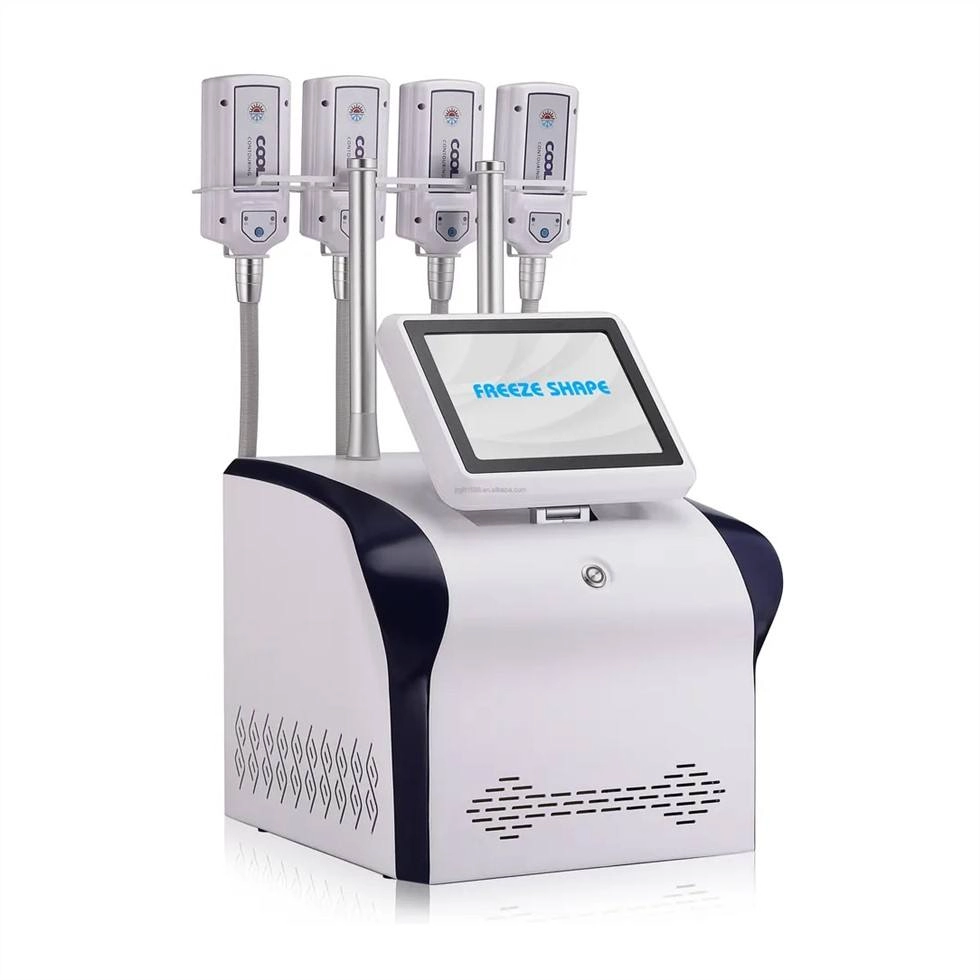
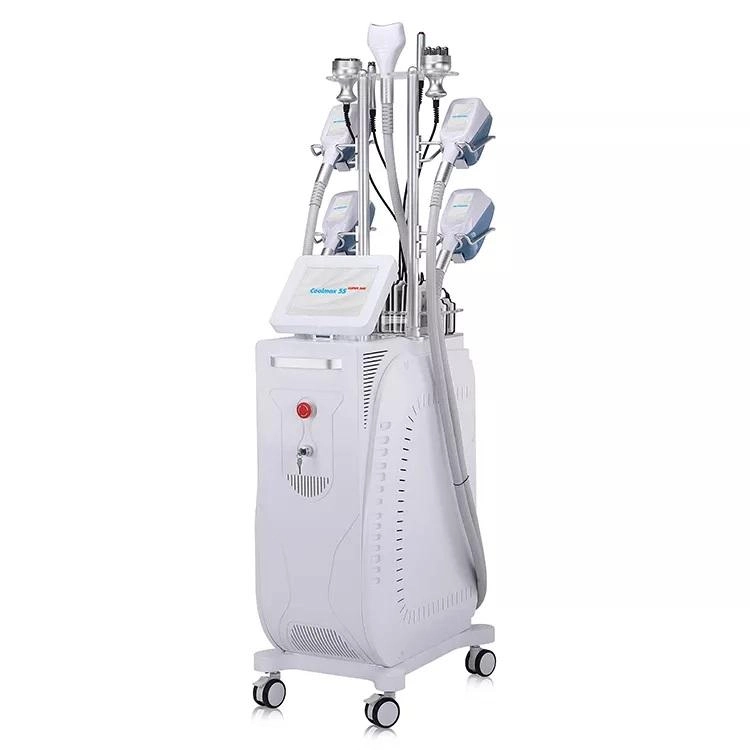
HUIMAIN aesthetic equipment manufacturer is a Guangzhou-based aesthetic equipment company with dedicated R&D, production, and quality assurance operations. The cryolipolysis machine range is designed for professional use in clinics, medical aesthetics centers, beauty salons, and wellness facilities, with customization support available for distributors and brands requiring specific configurations.
Quality documentation and verification support. HUIMAIN can provide product documentation for buyers to review according to target market requirements. For distributors entering regulated markets, the focus should be on model-specific documentation, traceable reports, and clear communication about intended use.
R&D-backed technology. HUIMAIN maintains a technical development team focused on cooling precision, applicator design, user interface, treatment workflow, and safety controls. For professional equipment, these engineering details directly affect operator confidence and treatment consistency.
OEM/ODM capability for brands and distributors. For businesses developing their own brand of aesthetic equipment or requiring custom specifications, HUIMAIN provides OEM/ODM aesthetic equipment solutions covering hardware configuration, interface design, labeling, and brand integration. This allows distributors to bring differentiated products to market without building independent manufacturing infrastructure.
After-sales support for global markets. HUIMAIN serves clinics, distributors, and beauty brands across multiple international markets. Technical support, training materials, and spare parts supply are part of the ongoing manufacturer relationship rather than one-time purchase support.
Common Questions About Cryolipolysis Machine Safety and Effectiveness
Is a cryolipolysis machine safe for professional use in clinics?
Yes, cryolipolysis has an established professional-use history for non-invasive subcutaneous fat reduction in appropriately selected clients. Safety depends on certified or properly documented equipment, correct clinical protocol, and suitable client selection with informed consent.
What are the side effects of cryolipolysis treatment?
Common temporary side effects include redness, swelling, bruising, tingling, numbness, and skin sensitivity at the treatment site. Less common but clinically significant risks include PAH, cold injury, prolonged altered sensation, and possible aggravation of pre-existing hernias in the treatment area.
How effective is cryolipolysis at reducing fat?
Clinical studies have reported measurable subcutaneous fat reduction in treated areas, with outcomes varying by body composition, treatment area, number of sessions, and protocol adherence. Clinics should present results as expected ranges rather than guaranteed outcomes.
How many sessions does a client typically need?
Many clients see initial results from a single session after several weeks, while optimal results at a specific treatment area may require 1–3 sessions spaced around 8–12 weeks apart.
What is the difference between professional and home-use cryolipolysis machines?
Professional machines are designed for commercial treatment environments with stronger cooling performance, better suction control, multiple applicators, real-time safety monitoring, training support, and technical after-sales service. Home-use devices usually operate at lower power levels and are more dependent on user operation.
What certifications should a professional cryolipolysis machine have?
Buyers should verify model-specific documentation such as CE-related conformity documents, third-party test reports, and market-specific regulatory status where applicable. SGS reports may support selected test verification, but buyers should confirm the exact test scope, standard, report number, and matching device model.
What is Paradoxical Adipose Hyperplasia (PAH)?
PAH is an uncommon adverse event in which treated fat tissue increases in volume rather than decreasing after cryolipolysis. It develops over weeks to months and usually requires medical evaluation. PAH risk should be included in client informed consent.
How do I compare cryolipolysis machine quotations from different manufacturers?
Compare cooling temperature range and stability, applicator options, suction control, safety systems, model-specific documentation, training support, warranty terms, spare parts availability, and OEM/ODM capability. Price should be evaluated together with these specification and support factors.
Choose a Professional Cryolipolysis Machine with Confidence
For clinics, salons, distributors, and beauty equipment brands, choosing a cryolipolysis machine should involve more than comparing price. Safety features, temperature stability, applicator options, documentation, training, warranty, and manufacturer support all affect long-term treatment quality and business return.
HUIMAIN supports professional buyers with cryolipolysis equipment solutions, OEM/ODM customization, quality documentation support, and after-sales service for international markets. Contact HUIMAIN to discuss your treatment requirements, target market, branding needs, and equipment configuration.




Facebook
Instagram
Medical beauty equipment factory
huimain Medical beauty equipment factory
beauty machine supplier
Whatsapp: +8619124004543