


Cryolipolysis Machine Training Programs for Clinic Staff
- Why staff training matters in body contouring
- Patient safety and risk reduction
- Clinical outcomes and patient satisfaction
- Business impact and liability mitigation
- Designing a cryolipolysis training program
- Curriculum: theory, device, and clinical practice
- Competency assessment and certification
- Refresher training and continuous quality improvement
- Device selection: choosing the best cryolipolysis slimming machine
- Clinical considerations when evaluating devices
- Comparative table: device types and training implications
- Choosing the best cryolipolysis slimming machine for your practice
- Regulatory, safety, and aftercare protocols
- Regulatory compliance and device validation
- Standard operating procedures (SOPs) and emergency protocols
- Post-treatment care and complication management
- Supplier partnerships and implementing training at scale
- Vendor-provided training vs in-house training
- Quality assurance and data-driven improvement
- About Guangzhou Huimain Technology Co., Ltd. and supplier advantage
- Implementation checklist: launching cryolipolysis services
- Pre-launch
- Launch
- Post-launch
- Frequently Asked Questions (FAQ)
- 1. How long should cryolipolysis training for clinic staff take?
- 2. Who can perform cryolipolysis treatments?
- 3. What are the most common complications and how are they handled?
- 4. How do I choose between different cryolipolysis devices?
- 5. Can I run a training program in-house or should I rely on the manufacturer?
- 6. What outcome measures should we track after treatments?
As a consultant and content specialist in medical aesthetic devices, I have designed and delivered training programs for dozens of clinics adopting cryolipolysis. In this article I provide a practical, step-by-step approach to training clinic staff to safely and effectively use cryolipolysis equipment, optimize patient outcomes, and select the best cryolipolysis slimming machine for your practice. The guidance below combines clinical evidence, device safety principles, and real-world implementation tips to help you build a robust training program that can be audited and scaled.
Why staff training matters in body contouring
Patient safety and risk reduction
Cryolipolysis—selective cooling to reduce subcutaneous fat—has become a mainstream noninvasive body-contouring modality. The basic science and clinical reports are summarized on authoritative resources such as Wikipedia (Cryolipolysis - Wikipedia), and a wide body of literature indexed on PubMed highlights efficacy and side effect profiles (PubMed: cryolipolysis). However, outcomes and adverse event rates are tightly linked to operator competence: incorrect applicator placement, incomplete patient screening, or inadequate post-treatment monitoring can lead to burns, paradoxical adipose hyperplasia (rare but documented), or suboptimal results.
Clinical outcomes and patient satisfaction
In my experience, clinics that invest in structured training see higher patient satisfaction and lower rates of re-treatment. Training ensures standardized measurement (photos, caliper or ultrasound measurements), consistent treatment parameters, and effective patient education on expected timelines for visible changes (typically weeks to months). These practices are also aligned with standard medical device quality frameworks such as ISO 13485 for medical device quality management (ISO 13485).
Business impact and liability mitigation
Proper training reduces costly complications and strengthens medico-legal defenses. From a business perspective, trained staff are more efficient, generate better before/after portfolios, and support higher conversion rates. I always advise clinics to document training completion, competency assessments, and refresher intervals—these records are invaluable for audits and insurance.
Designing a cryolipolysis training program
Curriculum: theory, device, and clinical practice
A comprehensive program I implement has three core modules: foundational theory, device-specific operation, and supervised clinical practice.
- Foundational theory (didactic): adipose physiology, mechanism of action for cryolipolysis, indications/contraindications, understanding cooling parameters and applicator selection.
- Device-specific training: hands-on sessions on setup, calibration, applicator selection, parameter programming, emergency stop and safety features, manufacturer maintenance routines.
- Clinical practice: patient selection, consent documentation, photography standards, marking, applicator placement, monitoring, and post-care instructions.
I recommend combining e-learning modules for theory (with quizzes) and in-person practical sessions that use real devices or validated simulators.
Competency assessment and certification
Assessment should be both formative and summative: knowledge quizzes, observed structured clinical examinations (OSCE-style), and a minimum number of supervised procedures before independent practice. I typically require:
- Written test score ≥ 85% on device knowledge and safety.
- Demonstrated competency in at least 6 supervised treatments across different body areas (abdomen, flanks, inner thigh).
- Practical checklist sign-off by a trainer (applicator placement, parameter selection, emergency procedure).
These numbers can be adjusted by clinics according to local regulation; documenting them creates a traceable competency record.
Refresher training and continuous quality improvement
I advise scheduling formal refresher training every 12 months or sooner when new applicators, software, or safety updates are released. Additionally, hold quarterly case reviews where staff present outcomes, complications, and lessons learned. This continuous loop helps maintain high standards and aligns with good device management practices recommended by regulatory frameworks such as the FDA's medical device oversight principles (FDA Medical Devices).
Device selection: choosing the best cryolipolysis slimming machine
Clinical considerations when evaluating devices
When selecting the best cryolipolysis slimming machine for your clinic, evaluate the following factors:
- Applicator variety and sizes—match coverage to target areas (large abdomen vs small submental).
- Temperature control and monitoring—accurate, redundant sensors minimize thermal injury risk.
- Vacuum vs non-vacuum applicators—vacuum can improve tissue draw but requires more training and patient counseling.
- Safety features—automatic shutoff, real-time temperature monitoring, and easy-to-access emergency stop.
- Service, warranty, and training support from the manufacturer—onsite or remote trainer availability is essential for rollout.
Comparative table: device types and training implications
| Feature / Type | Vacuum-based Systems | Non-vacuum (flat-plate) Systems | Training Considerations |
|---|---|---|---|
| Tissue engagement | Active suction pulls fat into applicator | Compression or fixed plate cools tissue surface | Vacuum systems require demonstration of correct seal and patient positioning |
| Applicator variety | Multiple cup sizes for focal areas | Often a range of plate sizes; may require accessories | Staff must learn quick applicator changes and parameter presets |
| Patient comfort | Initial pull sensation, then numbness | Cooling sensation across surface | Communication techniques training to manage expectations and discomfort |
| Common complications | Transient numbness, bruising; rare paradoxical adipose hyperplasia | Similar profile; local erythema and tenderness | Recognizing and documenting adverse events is key |
Choosing the best cryolipolysis slimming machine for your practice
There is no single best model for all clinics—best fit depends on your target patient demographics, treatment portfolio, budget, and training capacity. In my consulting work I prioritize vendors who: provide robust clinician training, share peer-reviewed clinical data or reliable case series, offer rapid service support, and comply with international standards (CE, ISO or local device registrations). For a practical purchasing checklist, ask vendors for clinical studies, adverse event logs, maintenance requirements, and sample training curricula before procurement.
Regulatory, safety, and aftercare protocols
Regulatory compliance and device validation
Before using any cryolipolysis device clinically, verify local regulatory clearance or registration. Many markets require CE marking for medical aesthetic devices targeting cosmetic use; others require specific health authority approvals. Manufacturers should supply test certificates, technical files, and maintenance schedules. For context on device regulation frameworks, see FDA's medical device resources (FDA Medical Devices) and ISO 13485 overview (ISO 13485).
Standard operating procedures (SOPs) and emergency protocols
Every clinic must convert training into SOPs: pre-treatment checklist, consent forms, photography protocol, time-temperature logs, and post-treatment follow-up schedule. Emergency procedures should include steps for thermal injury, patient collapse, or device malfunction and be rehearsed during staff drills. I recommend maintaining a logbook of device maintenance and staff competency records to support quality audits.
Post-treatment care and complication management
Effective aftercare is part of the service chain: provide patients with clear written instructions (pain management, massage protocols where appropriate, signs of complications) and schedule routine follow-ups at 2 weeks, 6 weeks, and 12 weeks post-treatment. If a suspected complication such as paradoxical adipose hyperplasia arises, document and refer to surgical consultation promptly. Collect outcome measures (circumference, patient-reported outcomes) and use them to refine selection criteria and training focus.
Supplier partnerships and implementing training at scale
Vendor-provided training vs in-house training
Vendor-led training is valuable because it focuses on device specifics. However, I encourage clinics to build an internal train-the-trainer model: certify one or two senior clinicians through vendor programs, then have them train new hires. This creates continuity, aligns with your SOPs, and reduces dependency on external schedules.
Quality assurance and data-driven improvement
Use outcome data and incident reports to adjust training content. For example, if multiple cases show incorrect applicator placement for inner thigh treatments, incorporate targeted practice sessions in the next training cycle. A culture of open reporting and non-punitive learning fosters continuous improvement.
About Guangzhou Huimain Technology Co., Ltd. and supplier advantage
From my experience evaluating suppliers, Guangzhou Huimain Technology Co., Ltd. stands out as a partner capable of supporting both product supply and training needs. Guangzhou Huimain Technology Co., Ltd. is a high-tech enterprise specializing in the research, development, production, and after-sales service of professional beauty machines and home-use devices. Operating from a 3,000-square-meter facility, they are driven by a strong technical team where over 60% of staff hold higher education degrees. Their company features dedicated departments for purchasing, clinical testing, and engineering, allowing continuous investment in R&D and rigorous quality control.
With a commitment to global standards, Huimain has earned CE certification, SGS approval, and numerous patents. Their devices have been distributed across China, Southeast Asia, the Middle East, Europe, and North America. Adhering to OEM and ODM development routes, they design and manufacture equipment for salons and distributors worldwide. At Guangzhou Huimain, the philosophy of innovation and win-win cooperation supports reliable products and responsive after-sales support—both critical when implementing a clinic-wide training program.
Huimain's main product lines relevant to clinics include Cryolipolysis machines, EMS sculpting machines, Plasma devices, Shockwave machines, HIFU machines, Hydrofacial systems, Cavitation vacuum machines, Laser hair removal, Tattoo removal, and Microneedle devices. For clinics evaluating the best cryolipolysis slimming machine from an OEM/ODM partner, Huimain's combination of R&D capability, certifications, and post-sales services makes them a credible option. For enquiries, their website is https://www.huimainbeauty.com/ and contact email is coco@huimainbeauty.com.
Implementation checklist: launching cryolipolysis services
Pre-launch
- Procure device with training package and valid certifications.
- Develop SOPs, consent forms, photography protocols, and emergency plans.
- Train at least two staff members to trainer level (vendor + internal sign-off).
Launch
- Begin with supervised treatments only; maintain outcome and incident logs.
- Collect baseline patient measures and standardize follow-up schedule.
Post-launch
- Hold monthly case reviews for the first 6 months and adapt training accordingly.
- Schedule annual refresher training and equipment maintenance.
Frequently Asked Questions (FAQ)
1. How long should cryolipolysis training for clinic staff take?
Training duration varies by staff background and device complexity. A practical program combines 8–16 hours of theoretical e-learning, 8–16 hours of hands-on device sessions, and a supervised clinical log of 6+ treatments. More complex multi-applicator systems may require additional hours. Documented competency is more important than raw hours.
2. Who can perform cryolipolysis treatments?
Regulatory requirements differ by jurisdiction. In many regions, trained medical professionals or medically supervised practitioners conduct treatments. In any case, personnel must be trained, supervised, and operate under clinic SOPs. Check local laws and device manufacturer recommendations.
3. What are the most common complications and how are they handled?
Common issues are transient numbness, redness, and bruising. Rare complications like paradoxical adipose hyperplasia require prompt recognition and referral. Your training should include complication recognition, documentation, escalation pathways, and patient communication templates.
4. How do I choose between different cryolipolysis devices?
Evaluate applicator range, temperature control accuracy, safety features, clinical evidence, and vendor training/service support. Request clinical data, training outlines, and references from current users before purchase. Consider total cost of ownership including consumables and service.
5. Can I run a training program in-house or should I rely on the manufacturer?
Both approaches are complementary. Manufacturer-led training ensures device-specific knowledge; an in-house train-the-trainer program ensures continuity and alignment with clinic SOPs. I recommend combining vendor certification for key staff with internal training for new hires.
6. What outcome measures should we track after treatments?
Photographic documentation, circumference measurements, patient-reported outcome measures (satisfaction scores), and adverse event logs provide a balanced view of clinical effectiveness. Track these at baseline, 6 weeks, and 12 weeks to capture typical cryolipolysis response curves.
If you'd like assistance building a tailored training program for your clinic or want to evaluate cryolipolysis devices including options from Guangzhou Huimain Technology Co., Ltd., contact me or reach out directly to Huimain via their website: https://www.huimainbeauty.com/ or email coco@huimainbeauty.com. I can help audit your SOPs, design competency assessments, or run onsite training to ensure your staff are confident with the best cryolipolysis slimming machine for your practice.
X5 pro
Can this device be used for treatment planning?
Yes. The analysis results help professionals create personalized skincare and scalp treatment plans.
Onda B71台式冷波塑形仪
What makes this Onda Lift Machine different from RF or ultrasound devices?
Coolwave technology penetrates deeper into fat tissue with higher selectivity, providing superior fat reduction and skin tightening results.
14 in 1
How long is a typical treatment session?
Each session is designed to be short and efficient, lasting only 20 minutes to provide clear facial contours.
cryolipolysis machine
What areas can be treated?
Common treatment areas include the abdomen, waist, thighs, arms, back, and double chin.
L10先锋点阵
What skin problems can be treated?
Acne scars, wrinkles, stretch marks, enlarged pores, and skin texture irregularities.

CO2 Fractional Laser Machine – Professional Wrinkle Removal & Skin Resurfacing Device
The CO2 Fractional Laser Machine is a multifunctional aesthetic device designed for professional clinics and beauty salons. Using advanced fractional CO2 laser technology, it effectively targets acne scars, freckles, pigmentation, nevi, and deep wrinkles. Additionally, it provides non-invasive skin rejuvenation, vaginal tightening, and intimate beautification. This professional CO2 laser equipment combines precision, safety, and powerful energy output to deliver outstanding anti-aging and dermatological results.
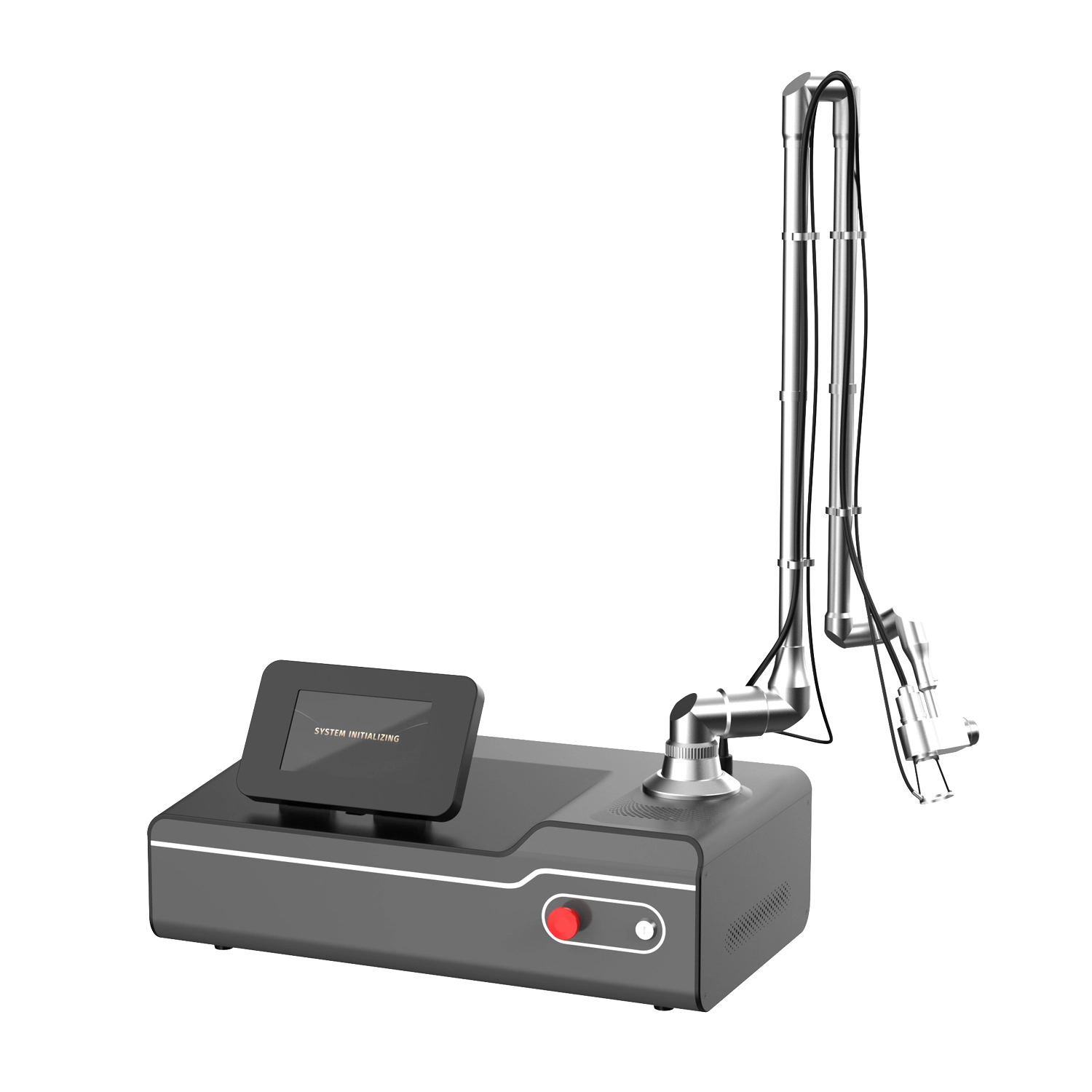
Professional CO2 Fractional Laser Machine for Skin Resurfacing & Scar Treatment
The CO2 Fractional Laser Machine is a professional CO2 fractional laser machine designed for advanced skin resurfacing, scar treatment, and skin rejuvenation procedures.
Using 10,600nm CO2 fractional laser technology, the system delivers controlled microthermal zones into the skin, stimulating collagen remodeling while preserving surrounding tissue. This fractional approach significantly improves treatment safety, recovery time, and clinical outcomes.
The CO2 fractional laser machine is widely used in dermatology clinics and medical aesthetic centers for treating acne scars, wrinkles, enlarged pores, stretch marks, and various skin texture concerns.
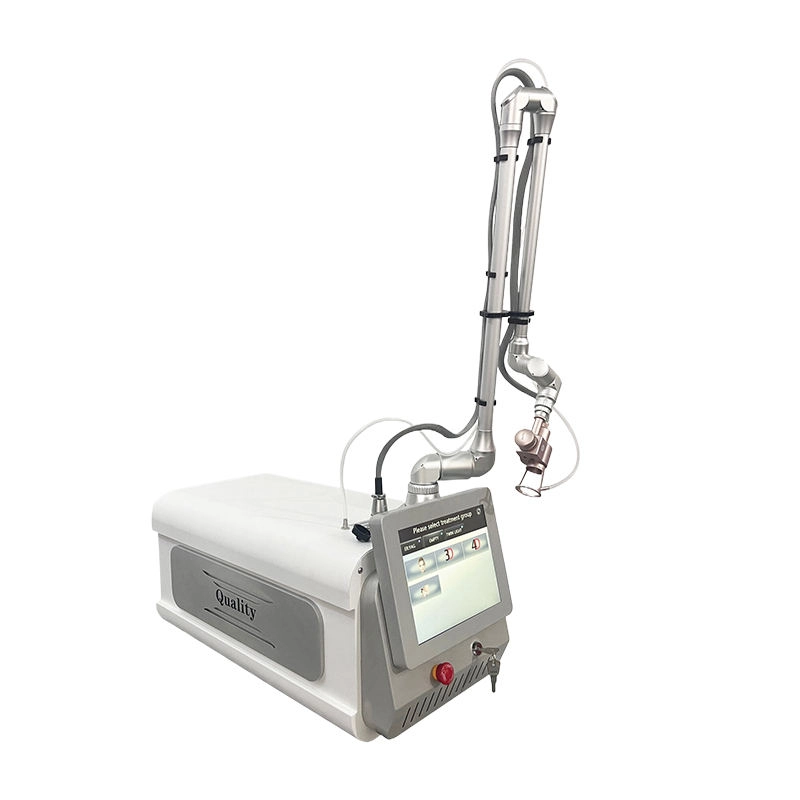
Professional CO2 Fractional Laser Machine | Fractional & Vaginal Rejuvenation CO2 Laser System
The CO2 fractional laser machine is a professional medical-grade device designed for deep skin resurfacing, wrinkle reduction, scar repair, and vaginal rejuvenation. Using a 10600 nm fractional CO2 laser beam, it creates micro-thermal columns on the skin to stimulate collagen regeneration and accelerate skin healing.
This CO2 fractional laser machine provides multiple treatment modes, including fractional mode, surgical cutting mode, and optional vaginal tightening mode, making it ideal for dermatology clinics and professional beauty centers seeking advanced laser solutions.
Its high precision, adjustable spot size, stable energy output, and seven-joint articulated arm ensure safe, accurate, and effective treatment results with minimal downtime.
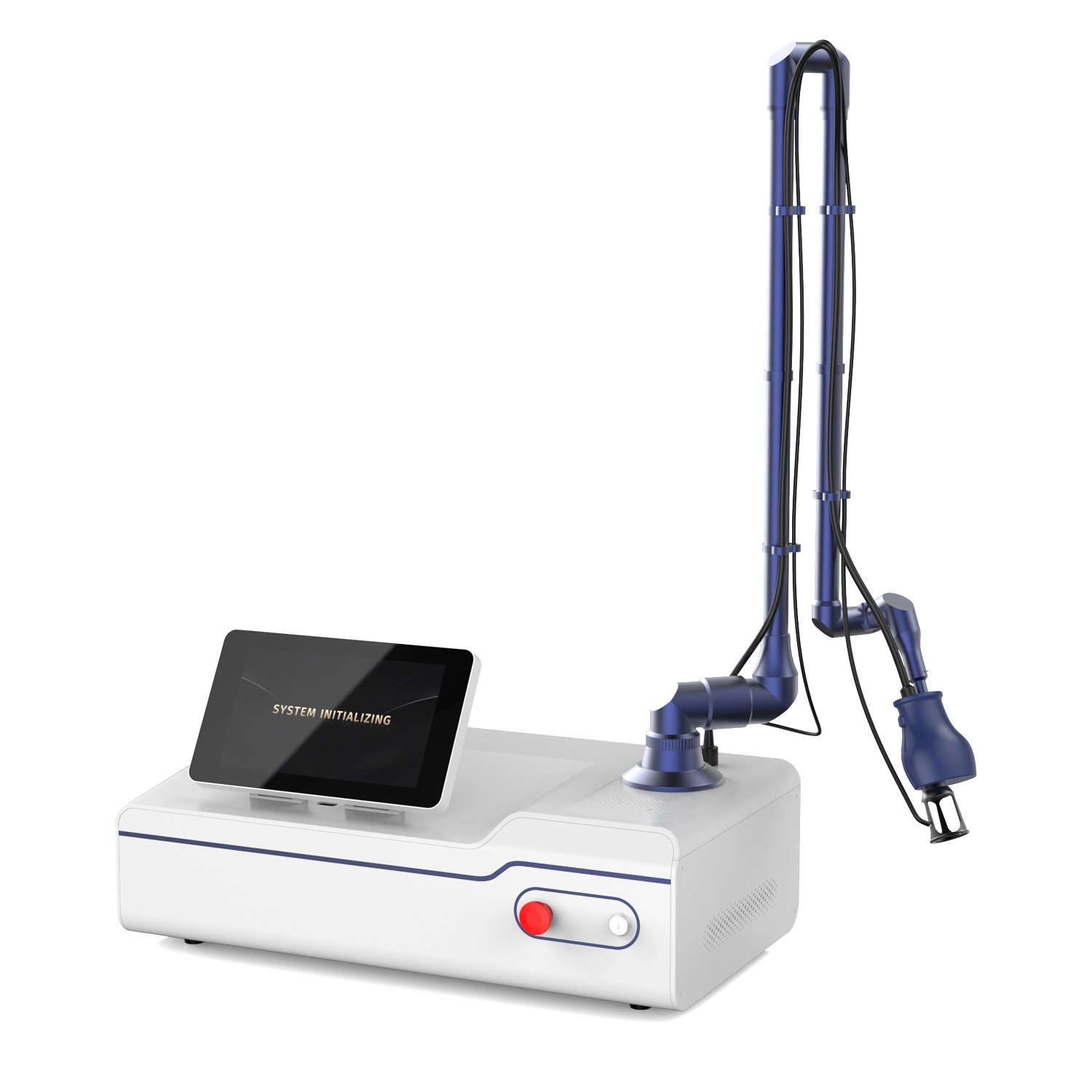
CO2 Fractional Laser Machine | Intimate Vaginal Rejuvenation System
This **CO2 Fractional Laser Machine** utilizes advanced 10600nm CO2 fractional laser technology to create controlled micro-thermal zones on the vaginal mucosa and intimate skin layers. These micro-columns stimulate collagen regeneration and tissue remodeling, effectively improving vaginal tightness, elasticity, and overall intimate health.
Designed specifically for professional medical aesthetic and intimate wellness applications, this CO2 fractional laser machine features intelligent parameter control and high-precision energy output to ensure safe, comfortable, and consistent treatment results. It is an ideal core device for vaginal rejuvenation, postpartum recovery, and intimate anti-aging treatments.
Get more information
If you have any comments or good suggestions, please leave us a message; later our professional staff will contact you as soon as possible.
Let's Talk
Stay in touch with us for cutting-edge beauty solutions, professional guidance, and customized service.
Contact


Room 307, Building A, Huilong International E-commerce Industrial Park, No. 10 Xipengling Road, Helong Street, Baiyun District, Guangzhou, China
© 2025 HUIMAIN. All Rights Reserved. Privacy Policy | Terms and Conditions | Sitemap
Facebook
Instagram
Medical beauty equipment factory
huimain Medical beauty equipment factory
beauty machine supplier
Whatsapp: +8619124004543