


Cryolipolysis vs. Laser Lipolysis: Buying Decision Guide
- Understanding non-invasive and minimally invasive fat reduction
- How cryolipolysis works
- How laser lipolysis works
- Key physiological differences that matter commercially
- Clinical efficacy, downtime and patient selection
- Typical outcomes and timeline
- Downtime, pain and recovery
- Ideal candidate profiles
- Comparing risks, regulatory status and operational costs
- Safety and known complications
- Operational costs and consumables
- Return on investment (ROI) and throughput
- Device selection: what to look for when choosing the best cryolipolysis slimming machine or a laser lipolysis system
- Clinical evidence and independent validation
- Technical specifications and usability
- Training, service and regulatory compliance
- Quick comparison table: cryolipolysis vs. laser lipolysis
- Making the buying decision: practical checklist and my recommendation
- Practical procurement checklist
- Which technology to choose based on business model
- My recommendation
- Why manufacturer selection matters: Guangzhou Huimain Technology as a partner
- Company capabilities and quality assurances
- Certifications, markets and OEM/ODM strengths
- Relevant product lines and competitive strengths
- Installation, protocols and patient-consultation scripts I use
- Clinic setup and staff training
- Sample patient consultation flow
- Measuring success and follow-up
- FAQ — Frequently asked questions
- 1. Which gives better results: cryolipolysis or laser lipolysis?
- 2. How many cryolipolysis sessions are typically needed?
- 3. Is cryolipolysis safe for all skin types?
- 4. Can I offer both technologies in my clinic?
- 5. What ongoing costs should I expect with cryolipolysis machines?
- 6. How do I choose the best cryolipolysis slimming machine for my market?
As someone who has advised clinics and distributors on body-contouring devices across Asia, Europe and North America, I understand buyers need clear, evidence-based guidance. This article helps you decide between cryolipolysis and laser lipolysis by comparing mechanisms, clinical outcomes, safety profiles, ideal candidates, and commercial considerations. If you are searching for the best cryolipolysis slimming machine for your salon, spa, or medical practice, I walk through practical selection criteria and manufacturer capabilities to make your decision measurable and defensible.
Understanding non-invasive and minimally invasive fat reduction
How cryolipolysis works
Cryolipolysis produces controlled cooling to selectively injure subcutaneous fat cells (adipocytes), triggering apoptosis and a gradual reduction of fat layer thickness over weeks to months. The method is non-invasive—no incisions, no heat—and is typically performed via applicators that suction tissue into cooled plates. For technical background, see the cryolipolysis overview on Wikipedia.
How laser lipolysis works
Laser lipolysis (also called laser-assisted lipolysis or laser lipo) uses laser energy (often 1064 nm, 1440 nm or other wavelengths) delivered either percutaneously or via a fiber through a cannula. The energy heats adipocytes and surrounding tissues, facilitating fat emulsification and often enabling concurrent aspiration in a minimally invasive procedure. A concise summary is available on Wikipedia.
Key physiological differences that matter commercially
From a clinical and purchasing perspective, cryolipolysis is predominantly non-invasive and suited for localized, superficial fat pockets with minimal downtime. Laser lipolysis is typically minimally invasive, enables more precise sculpting and immediate volume removal (when suction is used), and can be combined with skin tightening effects due to thermal collagen contraction.
Clinical efficacy, downtime and patient selection
Typical outcomes and timeline
Clinical studies and manufacturer data consistently show cryolipolysis reduces fat thickness by approximately 20–25% in treated areas after a single session, with maximal results appearing around 6–12 weeks post-treatment. Laser lipolysis frequently produces more immediate contour changes because it can remove or aspirate thermally disrupted fat; patients often see improvement sooner, with final remodeling over months.
Downtime, pain and recovery
Cryolipolysis typically has minimal downtime—most patients return to normal activity same day, with transient numbness and tenderness possible. Laser lipolysis, being minimally invasive, usually requires local anesthesia (or sedation in some protocols) and a recovery period: swelling, bruising, and a few days to weeks of reduced activity are common.
Ideal candidate profiles
- Cryolipolysis: best for patients with pinchable subcutaneous fat, near-normal BMI, seeking non-surgical options for flank, abdomen, thighs, bra roll and submental areas.- Laser lipolysis: better for patients seeking more aggressive contouring, those with fibrous fat or combined skin laxity (where thermal collagen tightening is desired), or where simultaneous aspiration is indicated.
Comparing risks, regulatory status and operational costs
Safety and known complications
Cryolipolysis complications are uncommon but can include prolonged numbness, temporary pain, paradoxical adipose hyperplasia (rare), and superficial skin effects. Laser lipolysis carries risks tied to invasiveness: infection, burns, contour irregularities, hematoma and anesthesia-related risks. Device selection, operator training and clear patient selection reduce risk substantially. Regulatory and clinical guidance for these devices can be referenced via the U.S. FDA (non-invasive fat reduction overview) and international standards like ISO 13485.
Operational costs and consumables
When budgeting, consider capital cost, applicators or handpiece lifespan, disposables, maintenance, warranty and training. Cryolipolysis devices often use replaceable or reusable applicators; consumable costs per treatment can be lower than single-use laser fibers for some laser systems. Laser lipolysis systems may have fiber and cannula costs and necessitate a minor procedure room and anesthesia supplies.
Return on investment (ROI) and throughput
Cryolipolysis: typically allows walk-in/out appointments, enabling higher throughput per day if you have multiple applicators or machines. Laser lipolysis: each procedure takes longer and requires more recovery space and staff, but price per procedure can be higher, often compensating for lower throughput depending on market positioning.
Device selection: what to look for when choosing the best cryolipolysis slimming machine or a laser lipolysis system
Clinical evidence and independent validation
I prioritize devices with peer-reviewed clinical data, third-party testing, and transparent efficacy/safety reports. For cryolipolysis, look for studies showing fat reduction percentages and documented adverse event rates; for laser lipolysis, look for independent reports on contouring results and histologic safety data.
Technical specifications and usability
Key technical criteria for cryolipolysis: applicator variety (curved, flat, small for submental), accurate temperature control, timed cycles, integrated safety sensors, and interchangeable handpieces for multi-area treatments. For laser lipolysis: laser wavelength options, energy density control, fiber quality, ergonomic handpieces, and integrated suction compatibility are vital.
Training, service and regulatory compliance
End-user training, accessible technical service, and devices that comply with ISO 13485 or have CE marking and relevant local approvals are essential. Devices supported by a manufacturer that offers clinical training and robust after-sales service typically show lower complication rates in practice.
Quick comparison table: cryolipolysis vs. laser lipolysis
| Feature | Cryolipolysis | Laser Lipolysis |
|---|---|---|
| Mechanism | Controlled cooling → adipocyte apoptosis | Laser thermal disruption → fat emulsification / collagen contraction |
| Invasiveness | Non-invasive | Minimally invasive (fiber/cannula) |
| Typical fat reduction | ~20–25% per session (varies by study) | Variable; immediate debulking possible when aspirated |
| Downtime | Minimal | Moderate (days to weeks) |
| Anaesthesia | Usually none | Local or sedation often required |
| Typical price per session | Moderate (depends on area & device) | Higher per procedure due to OR/practice setup |
| Best for | Localized pinchable fat, low downtime | Precise sculpting, fibrous fat, skin tightening |
Making the buying decision: practical checklist and my recommendation
Practical procurement checklist
When evaluating vendors, I recommend the following checklist:- Evidence: Request clinical studies, before/after sets, adverse event logs.- Regulatory: Verify CE, ISO 13485, and any national registrations.- Hands-on demo: Insist on in-clinic demo or training days.- Consumables pricing: Model profitability scenarios including disposables.- Warranty & service SLA: Ask for guaranteed response times, spare parts availability.- Training: Confirm initial and ongoing clinical training is included.
Which technology to choose based on business model
- If you run a high-volume aesthetic clinic focusing on non-invasive offerings with rapid turnover, cryolipolysis and owning the best cryolipolysis slimming machine (with multiple applicators) can increase throughput and patient acceptability.- If you offer surgical/minimally invasive procedures or want a hybrid model (surgical + in-office), laser lipolysis adds a High Quality service with higher per-case revenue and the ability to treat more challenging anatomy.
My recommendation
For most aesthetic clinics entering or expanding in body contouring, I advise starting with a high-quality cryolipolysis platform that supports multiple applicators and has strong clinical evidence. It meets mainstream patient demand for non-surgical options, has lower risk and easier workflow, and scales well. If your practice already performs liposuction or you have a surgical team, adding laser lipolysis can be justified as an advanced service line.
Why manufacturer selection matters: Guangzhou Huimain Technology as a partner
Company capabilities and quality assurances
In selecting the best cryolipolysis slimming machine, manufacturer competence is as important as the device’s specs. Guangzhou Huimain Technology Co., Ltd. is a high-tech enterprise specializing in R&D, production and after-sales service of professional beauty machines and home-use devices. Operating from a 3,000-square-meter facility, the company is driven by a strong technical team where over 60% of staff hold higher education degrees. Dedicated purchasing, clinical testing and engineering departments allow continuous investment in R&D and rigorous quality control.
Certifications, markets and OEM/ODM strengths
Huimain’s commitment to global standards is demonstrated by CE certification, SGS approval and numerous patents—credentials that matter when you need devices compliant with international regulations such as ISO 13485. Huimain supplies markets across China, Southeast Asia, the Middle East, Europe and North America, and follows an OEM/ODM model that enables custom branding and clinic-specific configuration.
Relevant product lines and competitive strengths
Huimain’s core products include cryolipolysis machines, EMS sculpting machines, plasma machines, shockwave machines, HIFU machines, hydrofacial machines, cavitation vacuum machines, laser hair removal and tattoo removal devices, and microneedle systems. Their technical strengths—solid R&D, patented designs and comprehensive after-sales service—translate into reliable field performance, making them a strong partner for clinics seeking the best cryolipolysis slimming machine backed by manufacturer support.
Installation, protocols and patient-consultation scripts I use
Clinic setup and staff training
Install cryolipolysis in a clinical room with patient recliners, adequate power supply and a clean storage area for applicators. Training should cover device operation, emergency procedures, documentation, and patient communication. I always insist on competency checklists and supervised initial treatments.
Sample patient consultation flow
1) Assess BMI, fat distribution, skin laxity and medical history. 2) Explain mechanism, expected reduction, timeline and potential side effects. 3) Offer an evidence-based estimate of results (e.g., ~20% reduction per area). 4) Discuss alternative options such as laser lipolysis if appropriate. 5) Provide informed consent and a follow-up plan with photos and outcome metrics.
Measuring success and follow-up
Document baseline photos, standardized caliper or ultrasound measurements where possible, and use objective scales for skin laxity. Follow-up at 6–12 weeks for cryolipolysis and earlier for post-operative laser lipolysis allows you to demonstrate outcomes and manage expectations.
FAQ — Frequently asked questions
1. Which gives better results: cryolipolysis or laser lipolysis?
It depends on goals. For non-invasive, low-downtime localized fat reduction, cryolipolysis delivers reliable improvements (~20% per session). For more aggressive contouring, fibrous fat or combined skin-tightening needs, laser lipolysis may produce superior immediate shaping when combined with aspiration.
2. How many cryolipolysis sessions are typically needed?
Many patients are satisfied after one session per area, but some clinics schedule 2–3 sessions spaced 6–8 weeks apart to reach desired contouring, especially for thicker fat layers.
3. Is cryolipolysis safe for all skin types?
Cryolipolysis is generally safe across skin types because it targets fat rather than pigment. Always screen for cold-related conditions (e.g., cryoglobulinemia) and follow contraindications listed by the manufacturer.
4. Can I offer both technologies in my clinic?
Yes. Many multi-disciplinary clinics offer both non-invasive cryolipolysis and minimally invasive laser lipolysis to expand patient options. Consider training, room setup and marketing segmentation before adding both.
5. What ongoing costs should I expect with cryolipolysis machines?
Budget for applicator replacements or consumables, maintenance, periodic calibration, and marketing. Consumable costs are generally modest compared to per-procedure revenue, but vary by brand and applicator type.
6. How do I choose the best cryolipolysis slimming machine for my market?
Prioritize clinical evidence, applicator versatility, service network, certifications (CE, ISO), and clear warranty terms. Arrange demos and trial cases where possible to assess real-world efficiency and patient feedback.
If you want to evaluate specific models, compare clinical papers, request demonstrations, and test usability yourself. For sourcing, technical support, OEM/ODM options or to explore product lines such as cryolipolysis, EMS sculpting machines, HIFU, laser hair removal and tattoo removal devices, I recommend contacting Guangzhou Huimain Technology Co., Ltd. directly. They offer CE- and SGS-certified devices, R&D-backed designs and global distribution capabilities.
Contact Guangzhou Huimain Technology Co., Ltd.: https://www.huimainbeauty.com/ or email coco@huimainbeauty.com for product catalogs, technical specs and OEM/ODM inquiries.
Note on references and standards: For device safety and regulatory frameworks consult the U.S. FDA guidance on non-invasive fat reduction devices: FDA - Non-invasive fat reduction, and international quality requirements such as ISO 13485. General scientific context for cryolipolysis and laser lipolysis is summarized on Wikipedia: Cryolipolysis and Wikipedia: Laser lipolysis.
I hope this guide helps you make a confident, evidence-informed purchase decision—whether you aim to acquire the best cryolipolysis slimming machine to expand your non-invasive services, or a laser lipolysis platform for advanced contouring.
For tailored procurement advice or to arrange a demo, contact Guangzhou Huimain Technology Co., Ltd. via their website https://www.huimainbeauty.com/ or email coco@huimainbeauty.com. I can also assist with protocol templates and staff training checklists if you reach out.
3 in 1 hifu 22 SMAS
Is the 3-in-1 HIFU machine suitable for both face and body?
Yes, this Hifu machine includes cartridges for both facial lifting and body contouring.
A67
Is this HIFU machine suitable for beauty salons?
Absolutely. The Fusion HIFU machine is designed for professional salons, clinics, and distributors.
ZGP03 (台式皮秒)
What makes Nd YAG Picosecond Laser better for tattoo removal?
The picosecond pulse width creates a stronger photoacoustic effect, breaking pigments into smaller particles for faster tattoo removal.
K-37
How many sessions are needed for visible results?
Most users notice improvement after 4–6 sessions, with optimal results after a full treatment course.
HF-61
How often should I use the Hydrafacial Machine for optimal results?
For best results, use the Hydrafacial machine once a week or as recommended by a skincare professional, depending on your skin type and goals.

CO2 Fractional Laser Machine – Professional Wrinkle Removal & Skin Resurfacing Device
The CO2 Fractional Laser Machine is a multifunctional aesthetic device designed for professional clinics and beauty salons. Using advanced fractional CO2 laser technology, it effectively targets acne scars, freckles, pigmentation, nevi, and deep wrinkles. Additionally, it provides non-invasive skin rejuvenation, vaginal tightening, and intimate beautification. This professional CO2 laser equipment combines precision, safety, and powerful energy output to deliver outstanding anti-aging and dermatological results.
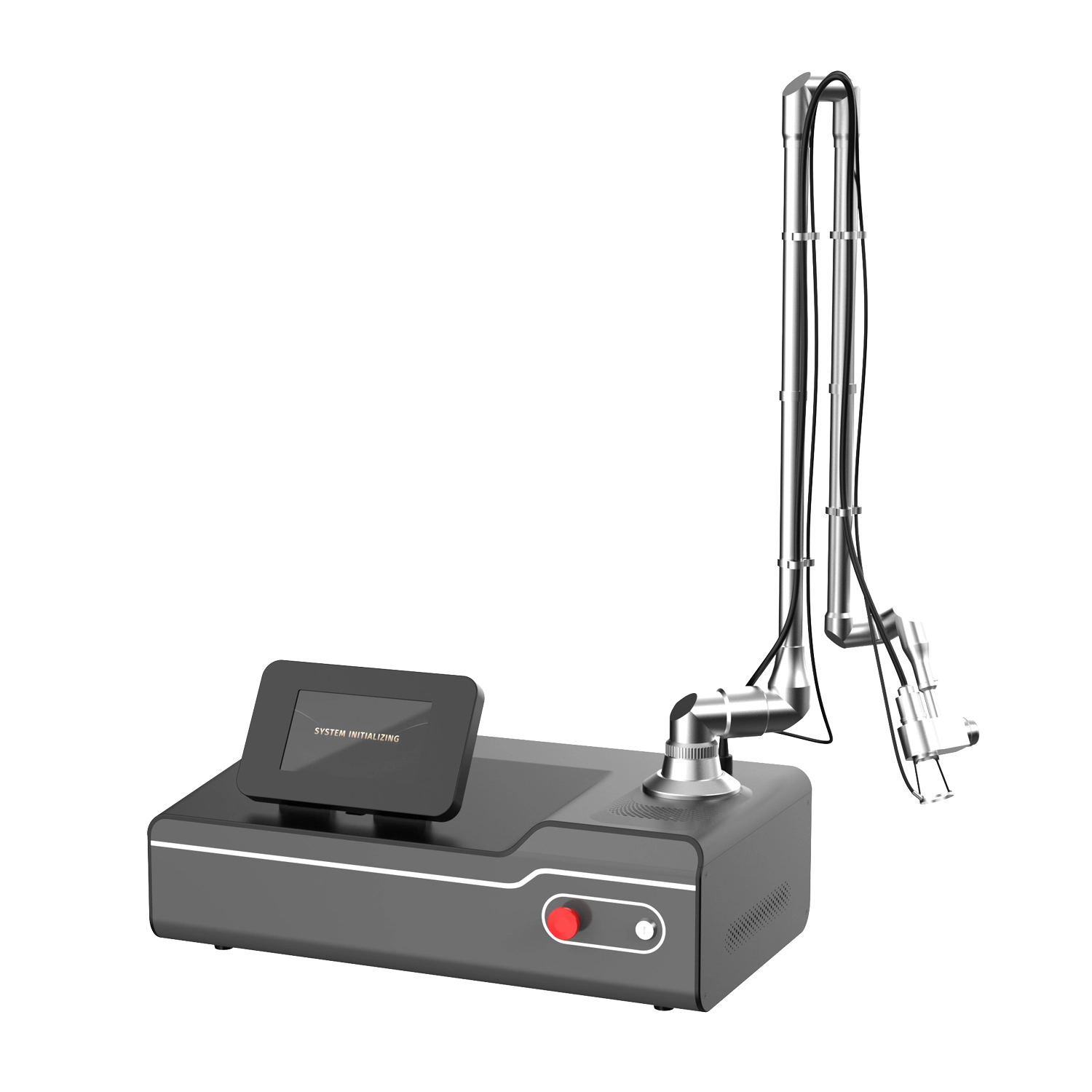
Professional CO2 Fractional Laser Machine for Skin Resurfacing & Scar Treatment
The CO2 Fractional Laser Machine is a professional CO2 fractional laser machine designed for advanced skin resurfacing, scar treatment, and skin rejuvenation procedures.
Using 10,600nm CO2 fractional laser technology, the system delivers controlled microthermal zones into the skin, stimulating collagen remodeling while preserving surrounding tissue. This fractional approach significantly improves treatment safety, recovery time, and clinical outcomes.
The CO2 fractional laser machine is widely used in dermatology clinics and medical aesthetic centers for treating acne scars, wrinkles, enlarged pores, stretch marks, and various skin texture concerns.
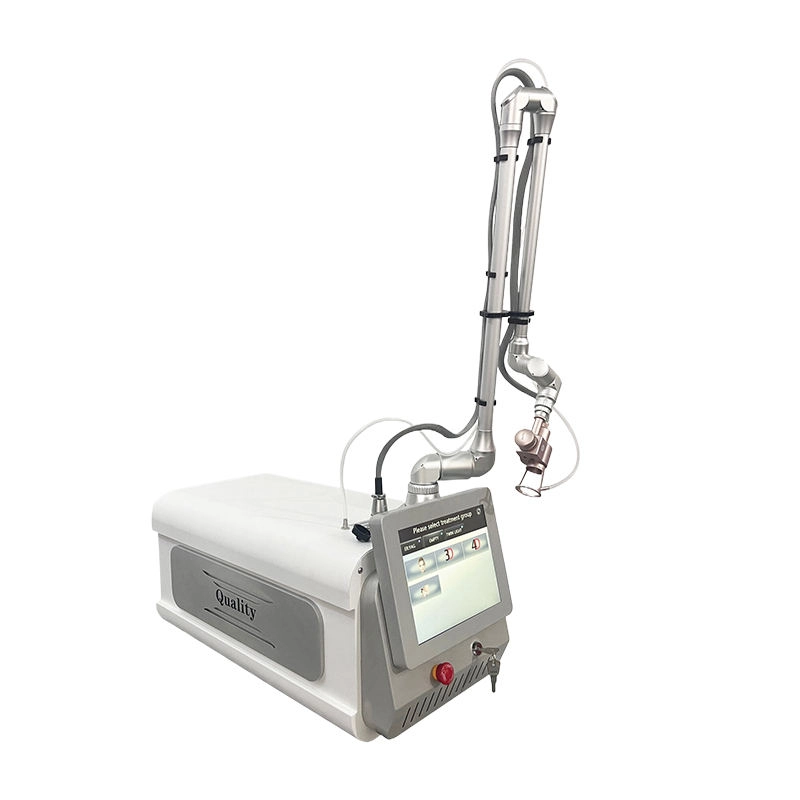
Professional CO2 Fractional Laser Machine | Fractional & Vaginal Rejuvenation CO2 Laser System
The CO2 fractional laser machine is a professional medical-grade device designed for deep skin resurfacing, wrinkle reduction, scar repair, and vaginal rejuvenation. Using a 10600 nm fractional CO2 laser beam, it creates micro-thermal columns on the skin to stimulate collagen regeneration and accelerate skin healing.
This CO2 fractional laser machine provides multiple treatment modes, including fractional mode, surgical cutting mode, and optional vaginal tightening mode, making it ideal for dermatology clinics and professional beauty centers seeking advanced laser solutions.
Its high precision, adjustable spot size, stable energy output, and seven-joint articulated arm ensure safe, accurate, and effective treatment results with minimal downtime.
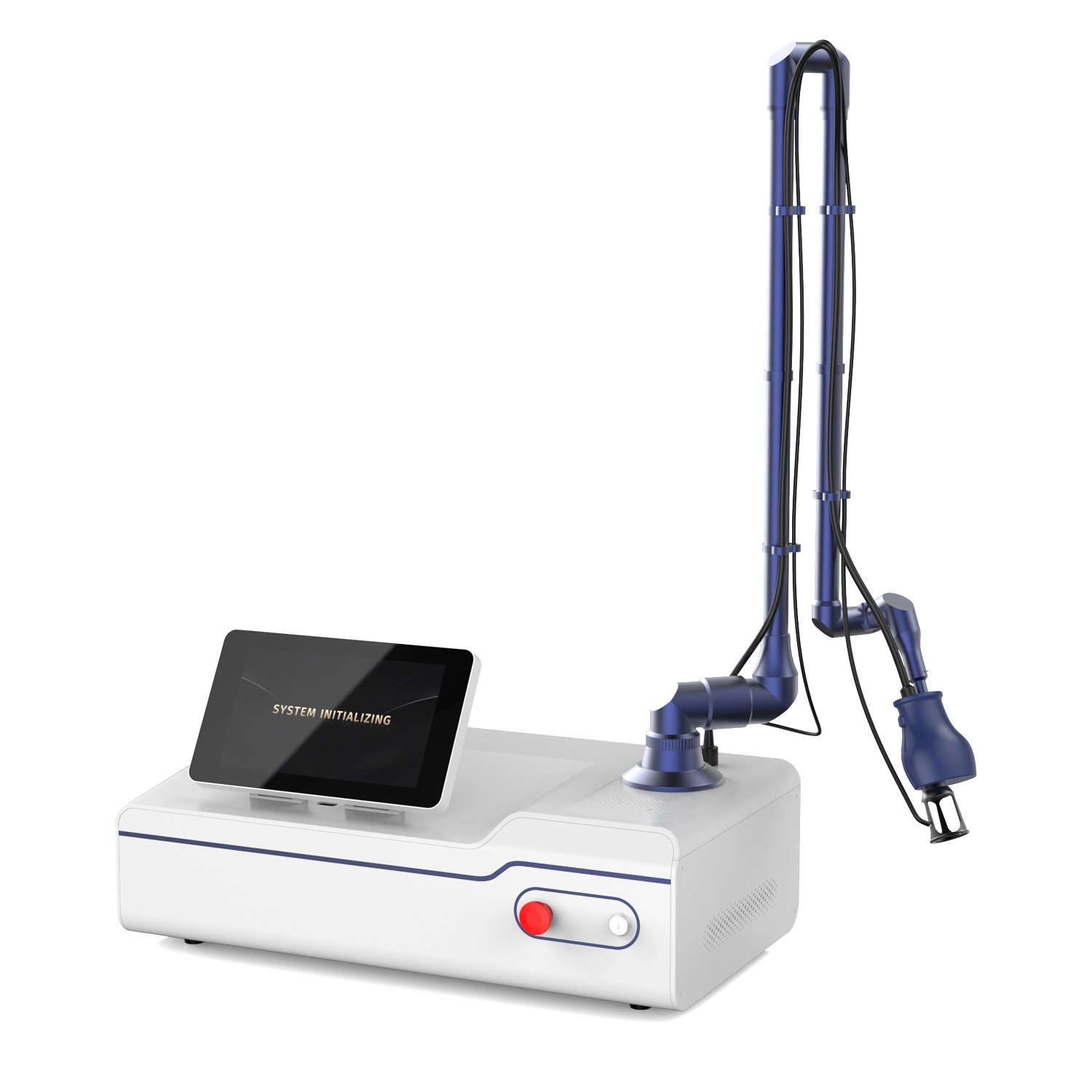
CO2 Fractional Laser Machine | Intimate Vaginal Rejuvenation System
This **CO2 Fractional Laser Machine** utilizes advanced 10600nm CO2 fractional laser technology to create controlled micro-thermal zones on the vaginal mucosa and intimate skin layers. These micro-columns stimulate collagen regeneration and tissue remodeling, effectively improving vaginal tightness, elasticity, and overall intimate health.
Designed specifically for professional medical aesthetic and intimate wellness applications, this CO2 fractional laser machine features intelligent parameter control and high-precision energy output to ensure safe, comfortable, and consistent treatment results. It is an ideal core device for vaginal rejuvenation, postpartum recovery, and intimate anti-aging treatments.
Get more information
If you have any comments or good suggestions, please leave us a message; later our professional staff will contact you as soon as possible.
Let's Talk
Stay in touch with us for cutting-edge beauty solutions, professional guidance, and customized service.
Contact


Room 307, Building A, Huilong International E-commerce Industrial Park, No. 10 Xipengling Road, Helong Street, Baiyun District, Guangzhou, China
© 2025 HUIMAIN. All Rights Reserved. Privacy Policy | Terms and Conditions | Sitemap
Facebook
Instagram
Medical beauty equipment factory
huimain Medical beauty equipment factory
beauty machine supplier
Whatsapp: +8619124004543