


Body contouring demand keeps shifting toward non-surgical options, and clinics, salons, body contouring centers, and distributors deciding what to add to their treatment menu need more than a consumer-style "which is better" answer.
This guide compares cryolipolysis machines with liposuction, radiofrequency and ultrasound-based devices, and lifestyle-based fat management — covering effectiveness, safety, downtime, cost, and long-term maintenance — then addresses the question that actually drives a purchase decision: is a cryolipolysis machine worth adding to a clinic's service line, and what should buyers check before investing in one?

Quick Comparison: Cryolipolysis vs. Traditional Fat Reduction Methods
| Method | Invasive? | Main Purpose | Downtime | Best For | Clinic Value |
|---|---|---|---|---|---|
| Cryolipolysis | Non-invasive | Localized fat reduction | Minimal | Pinchable, diet-resistant fat pockets | Scalable non-surgical service, repeat/package revenue |
| Liposuction | Surgical | Larger-volume fat removal | Days to weeks | Clients wanting dramatic, one-session results | Medical procedure; not suitable for salons/med spas without a physician on staff |
| RF / ultrasound body contouring | Non-invasive | Skin tightening + mild contouring | Minimal | Skin laxity, mild shaping | Strong combination-therapy add-on, not a fat-cell-reduction substitute |
| Diet & exercise | Lifestyle-based | Overall weight management | Ongoing | General health, weight control | Supports maintenance; cannot spot-reduce, so it does not compete with in-clinic treatments |

What Is a Cryolipolysis Machine?
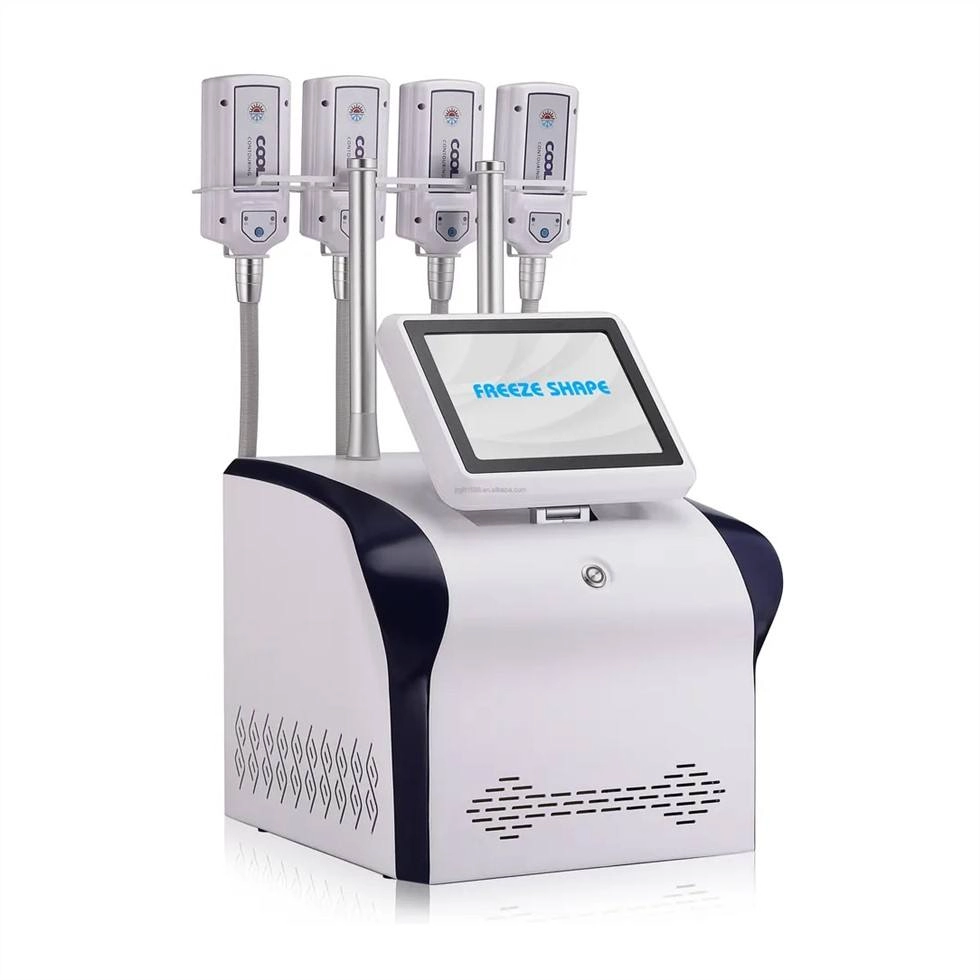
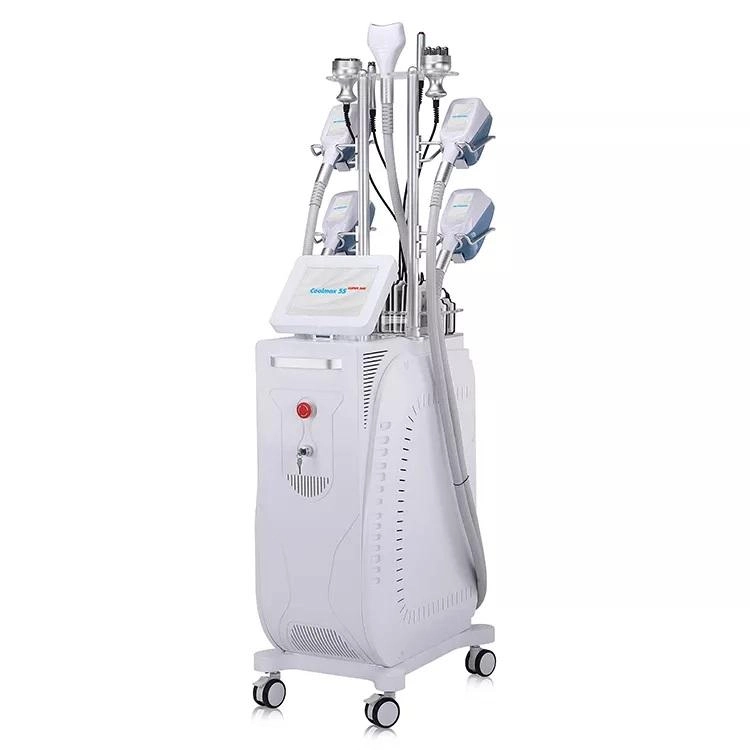
A cryolipolysis machine is a professional fat-freezing device that reduces localized fat pockets through controlled cooling rather than surgery. It targets specific areas — the abdomen, flanks, thighs, arms, and under the chin — using ergonomic applicators, multiple treatment handpieces, and built-in safety sensors to regulate temperature and protect the surrounding tissue.
The mechanism relies on a simple physiological fact: fat cells are more sensitive to cold than the skin, muscle, and connective tissue around them. During treatment, an applicator delivers controlled cooling to the targeted layer of fat, triggering crystallization and a natural cell-death process in the affected fat cells. Over the following weeks, the body clears these cells gradually through the lymphatic system. Unlike treatments that primarily tighten skin, cryolipolysis reduces the actual number of fat cells in the treated area — which is why the U.S. FDA classifies it as a technology for reducing visible fat bulges through localized body contouring, not as a weight-loss treatment.

How Traditional and Alternative Fat Reduction Methods Work
Liposuction: Surgical Fat Removal
Liposuction is a surgical procedure that physically removes fat through incision, typically under anesthesia. It is highly effective for larger-volume fat removal in a single session, but it carries the usual surgical risks — infection, scarring, anesthesia complications — and recovery generally runs from several days to a few weeks depending on the extent of the procedure. Many clients now default to non-invasive alternatives specifically to avoid this risk-and-recovery profile.
RF, Ultrasound, and Laser-Based Body Contouring: Non-Surgical Alternatives
Radiofrequency, ultrasound, and laser-based devices are non-invasive, but they work through a different mechanism — mainly stimulating collagen production and skin tightening, with more modest direct effects on fat-cell volume compared to cryolipolysis. In practice, these technologies are often used to complement fat-reduction treatments rather than replace them, particularly for clients also dealing with skin laxity.
Diet and Exercise: Lifestyle-Based Fat Management
Diet and exercise remain foundational to overall health and weight management, but they cannot selectively reduce fat in one specific area — a body simply does not "choose" where to lose fat first. This is precisely why clients with stubborn, localized fat pockets who are already at a healthy weight turn to targeted, non-surgical treatments like cryolipolysis as a complement to — not a replacement for — a healthy lifestyle.
Cryolipolysis vs. Traditional Methods: Key Differences
Effectiveness and Treatment Goals
Clinical literature reports that a single cryolipolysis session can reduce fat thickness in the treated area by up to roughly 20%–25% in some studies — results vary by patient, treatment area, and protocol, and should not be presented to clients as guaranteed. Liposuction removes a larger volume of fat in one session but is an invasive medical procedure. RF and ultrasound devices are effective for skin tightening and mild contouring but are not a substitute for direct fat-cell reduction. Diet and exercise support overall body composition but cannot target a specific problem area.
Safety and Side Effects
Cryolipolysis is generally well tolerated, with temporary side effects — redness, mild swelling, numbness, or bruising — that typically resolve within days. As with any energy-based aesthetic device, rare adverse effects have been reported in the clinical literature, including paradoxical adipose hyperplasia, a rare delayed increase in tissue volume at the treatment site. Clinics should screen candidates carefully and include this in informed-consent discussions rather than describing the treatment as having "no serious side effects." Liposuction, by contrast, carries surgical risks including infection, anesthesia complications, and post-operative pain. RF and ultrasound treatments can cause mild, transient skin irritation but carry limited risk relative to surgery.
Downtime and Recovery
Cryolipolysis sessions typically run 30–60 minutes with no required recovery period — most clients resume normal activity immediately. Liposuction recovery generally spans several days to weeks, with activity restrictions during that window. RF and ultrasound sessions also involve minimal downtime. Diet and exercise require no recovery but demand ongoing, sustained effort for results.
Cost and Business Model
For clinics, salons, and body contouring centers, non-invasive options like cryolipolysis generally involve a lower equipment and service delivery cost than building out a surgical suite for liposuction, and they do not require a licensed surgeon on staff to perform the treatment, though regulatory requirements vary by region and should be confirmed locally. This is one of the main reasons cryolipolysis fits more easily into a med-spa, salon, or aesthetic clinic's existing business model than surgical fat removal does.
Long-Term Results and Maintenance
Fat cells eliminated through cryolipolysis do not regenerate, so results tend to be long-lasting provided the client maintains a stable weight — remaining fat cells elsewhere in the body can still expand with significant weight gain, so results should be described as long-lasting when weight is maintained rather than unconditionally permanent. Liposuction similarly removes fat cells that do not return, though it carries a higher up-front risk profile. Diet and exercise support long-term maintenance but cannot guarantee results in any single targeted area.
Who Is the Right Candidate for Each Method?
Ideal Candidates for Cryolipolysis
- Have localized, pinchable fat deposits such as abdomen, flanks, thighs, arms, or chin that have not responded to diet and exercise.
- Want a non-surgical option and prefer to avoid incisions, anesthesia, and surgical downtime.
- Are looking for gradual, natural-looking contouring rather than a dramatic, immediate change.
- Are close to their target weight, since cryolipolysis is a contouring treatment, not a weight-loss solution.
Ideal Candidates for Liposuction or Other Traditional Methods
- Need a larger volume of fat removed in a single session.
- Have no medical contraindications to surgery and anesthesia, confirmed through pre-operative evaluation.
- Are prepared for a multi-day-to-multi-week recovery period, including post-operative care and activity restrictions.
- Are working on overall weight management through diet and exercise rather than a specific stubborn area.
Why Clinics Choose Cryolipolysis Machines for Non-Invasive Body Contouring

For clinics, salons, body contouring centers, and distributors evaluating what to add to their equipment lineup, cryolipolysis machines offer a specific set of business advantages over building out a surgical service line:
- Lower barrier to offer the service. No surgical suite or licensed surgeon is required to perform treatment, subject to local regulatory requirements, which shortens the path from equipment purchase to revenue.
- Easier to schedule and staff. Minimal downtime means faster appointment turnover than a service requiring recovery monitoring.
- Broader addressable client base. Non-invasive positioning appeals to clients who are not surgical candidates or simply prefer to avoid surgery.
- Multi-area, multi-handle efficiency. Machines with dual- or multi-handle configurations let providers treat several areas per session, improving throughput.
- Combination-therapy potential. Cryolipolysis pairs well with EMS sculpting, RF, or pressotherapy protocols, supporting package pricing and repeat visits.
What Clinics Should Check Before Buying a Cryolipolysis Machine
| Evaluation Point | Why It Matters | What Buyers Should Check |
|---|---|---|
| Cooling stability | Affects treatment consistency and safety | Temperature-control precision, cooling sensors, automatic safety shutoff |
| Applicator design | Determines which body areas can be treated | Abdomen, flanks, thighs, arms, and chin applicator options |
| Handle configuration | Affects treatment efficiency and throughput | Single-handle, dual-handle, or multi-handle options |
| Certifications | Affects compliance and buyer trust | CE/SGS documentation matched to the specific model, not just the company |
| OEM/ODM support | Relevant for distributors and private-label buyers | Logo, housing, and interface customization; minimum order quantities |
| After-sales service | Reduces downtime risk on equipment | Training availability, spare parts stock, remote technical support response time |
Can Cryolipolysis Be Combined with Other Body Sculpting Treatments?
Yes — many clinics build combination protocols rather than offering cryolipolysis in isolation. Pairing cryolipolysis for fat-cell reduction with EMS sculpting for muscle toning, or with RF and pressotherapy for skin tightening and circulation support, creates a more complete body-contouring package and supports higher average transaction value per client.
For clinics that want to improve consultation quality, Cryolipolysis Clinical Results Before/After can also support more realistic expectation-setting when explaining likely outcomes, timelines, and treatment limitations to clients.

Why Choose HUIMAIN as Your Cryolipolysis Machine Manufacturer
HUIMAIN manufactures CE- and SGS-certified cryolipolysis machines at its own production facility in Guangzhou, China, with in-house R&D and single- to multi-handle configurations to match different clinic throughput needs. For distributors and private-label buyers, HUIMAIN offers OEM/ODM customization — branding, housing, and interface — along with after-sales training and technical support for partners worldwide. Full certification documentation is available on the Certificates page, and OEM/ODM details are outlined at OEM/ODM Customization.
Evaluating cryolipolysis equipment for your clinic or distribution business? Contact HUIMAIN to compare single- and multi-handle cryolipolysis machine configurations, verify CE/SGS documentation, and discuss OEM/ODM options for your clinic, salon, or distribution business.
Contact HUIMAINFAQs
Is cryolipolysis better than liposuction?
It depends on the goal. Cryolipolysis is non-invasive with minimal downtime and is better suited to smaller, localized fat pockets and gradual results. Liposuction removes a larger volume of fat in one session but carries surgical risk and a longer recovery. Neither is universally "better" — the right choice depends on the volume of fat, the client's risk tolerance, and downtime constraints.
Is cryolipolysis a weight-loss treatment?
No. Cryolipolysis is a body-contouring technology designed to reduce localized fat bulges, not an overall weight-loss treatment. It is best suited to clients who are already close to their target weight.
What is the main difference between cryolipolysis and RF fat reduction?
Cryolipolysis directly reduces the number of fat cells in the treated area through controlled cooling. RF and ultrasound devices primarily tighten skin and stimulate collagen, with more limited direct effects on fat-cell volume — they are often used as a complement to fat-reduction treatments rather than a replacement.
How long is the downtime after cryolipolysis compared with liposuction?
Cryolipolysis typically requires no downtime — clients resume normal activity immediately. Liposuction recovery generally takes several days to a few weeks, with activity restrictions during that period.
Which clients are best suited for cryolipolysis?
Clients with localized, pinchable fat deposits that have not responded to diet and exercise, who are close to their target weight, prefer a non-surgical option, and are comfortable with gradual results over several weeks.
Can clinics combine cryolipolysis with EMS or RF treatments?
Yes. Combination protocols pairing cryolipolysis with EMS for muscle toning or RF/pressotherapy for skin tightening are increasingly common and support package-based pricing.
What should salons check before buying a cryolipolysis machine?
Cooling stability and safety controls, applicator options for different treatment areas, CE/SGS certification matched to the specific model, OEM/ODM support if private-label branding is needed, and the supplier's after-sales training and spare-parts availability.
What is the difference between a professional cryolipolysis machine and a home-use fat-freezing device?
A professional cryolipolysis machine is designed for commercial clinic workflows, stronger cooling stability, multiple applicator options, safety sensors, model-specific certification documentation, and supplier-backed after-sales support. Home-use fat-freezing devices are usually smaller, less configurable, and not intended to replace professional equipment for salons, body contouring centers, or distributors building a paid service menu.
Why do distributors choose OEM/ODM cryolipolysis machines?
OEM/ODM customization lets distributors build their own branded product line — logo, housing, and interface — rather than reselling a manufacturer's existing brand, which typically supports stronger margins and market differentiation.
Why choose HUIMAIN cryolipolysis machines?
HUIMAIN combines CE/SGS-certified equipment, multi-handle configurations for clinic throughput, OEM/ODM flexibility for distributors, and after-sales technical support — a combination that suits both direct clinic buyers and private-label partners.





Facebook
Instagram
Medical beauty equipment factory
huimain Medical beauty equipment factory
beauty machine supplier
Whatsapp: +8619124004543