


Customizable Treatment Protocols for CO2 Fractional Laser Devices
- Understanding fractional CO₂ laser fundamentals
- Mechanism of action and clinical rationale
- Key device parameters that determine tissue response
- Safety, classification, and regulation
- Designing customizable treatment protocols
- Assessing patient and lesion-specific factors
- Selecting parameters: energy, density, pass strategy
- Adjuncts, anesthesia, and post-treatment care
- Protocol personalization for common indications
- Atrophic acne scarring
- Periorbital and delicate-area rejuvenation
- Pigmentation and texture optimization
- Operational considerations, device selection, and vendor capability
- Operator training, documentation, and outcomes tracking
- Device features that enable meaningful customization
- Why supplier capability and after-sales matter: Guangzhou Huimain example
- Comparative considerations and evidence summary
- How fractional CO₂ compares to other resurfacing modalities
- Protocol reproducibility and measurable outcomes
- Maintenance, sterilization, and lifecycle planning
- FAQ
- 1. How many sessions are typically required for acne scar improvement with a co₂ fractional laser machine?
- 2. What are the main risks and how do I minimize complications?
- 3. Can fractional CO₂ be combined with other treatments?
- 4. How do I choose the right co₂ fractional laser machine for my clinic?
- 5. What pre-treatment regimen do you recommend for patients prone to hyperpigmentation?
- 6. How should I document and measure outcomes?
I write from years of clinical experience and product development in the beauty device sector to help clinicians, clinic managers, and distributors create safe, effective, and reproducible protocols for the co₂ fractional laser machine. This article summarizes device fundamentals, patient assessment, parameter selection, evidence-based protocols for common indications, safety/regulatory considerations, and how to choose a vendor with technical and after-sales strength. I reference regulatory guidance and peer-reviewed literature so you can validate choices and adapt protocols to your local patient population and practice setting.
Understanding fractional CO₂ laser fundamentals
Mechanism of action and clinical rationale
Fractional CO₂ lasers produce microscopic columns of thermal injury called microthermal zones (MTZs) surrounded by untreated skin, which accelerates healing and reduces downtime compared with full-field ablative resurfacing. The CO₂ laser emits primarily at 10.6 μm, highly absorbed by water in tissue; this absorption creates rapid vaporization and thermal coagulation in the treated columns. For foundational reading, see the CO2 laser overview on Wikipedia and clinical reviews such as the fractional CO₂ laser review on PubMed (PubMed).
Key device parameters that determine tissue response
When I design protocols I focus on three interdependent parameters: energy per microbeam (fluence), pulse width/stacking, and density (coverage or MTZs/cm2). Additional device features—such as scanning patterns, spot size, pulse modulation (e.g., SuperPulsed, multiple modes), and real-time monitoring—affect ablation depth, thermal spread, and patient comfort.
Safety, classification, and regulation
CO₂ fractional lasers are regulated in many markets as medical devices. In the United States and other regulated markets, practitioners must follow guidance from agencies such as the FDA and professional societies for safe operation, training, and patient consent. Device-level quality standards (ISO 13485) and safety certifications (CE) are important indicators of compliance and manufacturing rigor.
Designing customizable treatment protocols
Assessing patient and lesion-specific factors
Protocol individualization begins with a structured assessment: skin type (Fitzpatrick), scar morphology (atrophic vs hypertrophic), lesion depth, history of post-inflammatory hyperpigmentation (PIH), prior treatments (laser, isotretinoin), comorbidities (e.g., keloid tendency), and patient expectations. For darker phototypes (Fitzpatrick IV–VI) I reduce energy and increase interval between sessions to mitigate PIH risk; for thin fragile skin I prioritize lower density and test a small area first.
Selecting parameters: energy, density, pass strategy
A practical framework I use is tiered by indication intensity (mild/moderate/severe). Typical parameter ranges from literature and device technical sheets include:
| Indication | Energy per microbeam (mJ) | Density (MTZs/cm2) | Pulse stacking / passes | Expected downtime |
|---|---|---|---|---|
| Superficial resurfacing (photoaging, superficial rhytides) | 10–30 | 100–200 | 1 pass | 3–7 days |
| Moderate resurfacing / textural improvement | 30–60 | 150–300 | 1–2 passes | 5–10 days |
| Atrophic acne scars (severe) | 60–120 | 50–150 | 1–3 passes or stacked pulses | 7–14 days |
| Pigmented/precancerous field therapy (conservative) | 20–50 | 80–200 | 1 pass | 4–8 days |
Data supporting these ranges are summarized from comprehensive reviews and device clinical guides (see the PubMed review here). When setting parameters I always document both fluence and density, because similar fluences with different densities produce very different clinical effects.
Adjuncts, anesthesia, and post-treatment care
Topical anesthetic (e.g., EMLA) or field block may be used for comfort; for extensive high-energy treatments I use tumescent or local infiltration as appropriate. I routinely apply topical cooling immediately after treatment and prescribe barrier ointment, gentle cleansing, and strict photoprotection. For infection prophylaxis and scar management I consider topical antibiotics or antiviral prophylaxis (history of HSV) per standard guidelines. Peer-reviewed literature and regulatory guidance emphasize antibiotic/antiviral strategies when clinically indicated (PubMed review).
Protocol personalization for common indications
Atrophic acne scarring
For rolling and boxcar scars I typically plan 3–4 sessions spaced 8–12 weeks apart. Start with a conservative energy-density combination and increase based on response and tolerance. For deep tethered scars, consider combining fractional CO₂ resurfacing with subcision or dermal fillers to maximize improvement. Randomized and observational studies show significant scar improvement with fractional CO₂, particularly when combined with other modalities (PubMed).
Periorbital and delicate-area rejuvenation
The periorbital region demands conservative settings: lower energy, reduced density, and smaller spot sizes to minimize risk of ectropion or prolonged erythema. I often use fractional CO₂ in a low-intensity resurfacing mode followed by aggressive sun protection and close follow-up. Fractional CO₂ can effectively reduce fine rhytides, but technique must prioritize safety.
Pigmentation and texture optimization
For post-inflammatory hyperpigmentation or mixed dyspigmentation, I favor fractional CO₂ protocols that use lower energy with moderate density and shorter pulses to reduce PIH risk. Pre-treatment regimens (topical retinoids, hydroquinone) for 4–8 weeks can stabilize melanocytes and reduce adverse pigmentation events; this approach is supported by dermatologic practice patterns and reviews of laser safety (PubMed).
Operational considerations, device selection, and vendor capability
Operator training, documentation, and outcomes tracking
I insist on formal operator training and credentialing for anyone using a co₂ fractional laser machine. Documentation should include pre- and post-treatment photos, objective scoring (e.g., validated scar scales or photodamage scales), parameter logs, and adverse event records. Collecting outcome data improves protocols and supports reproducibility for new operators.
Device features that enable meaningful customization
Key hardware/software features I look for include: adjustable pulse width and fluence, tunable density and scanning patterns, multiple handpieces for spot size options, integrated cooling, real-time monitoring and safety interlocks, and programmable protocol presets. These features enable clinics to develop both conservative maintenance protocols and intensive corrective protocols on the same platform.
Why supplier capability and after-sales matter: Guangzhou Huimain example
When clinics seek long-term partnerships, vendor technical depth, R&D, and robust after-sales matter as much as the device spec sheet. Guangzhou Huimain Technology Co., Ltd. is an example of a partner with end-to-end capability. They are a high-tech enterprise focusing on R&D, production, and after-sales for professional beauty machines and home-use devices. Operating from a 3,000-square-meter facility, Huimain is driven by a strong technical team where over 60% of staff hold higher education degrees. The company has dedicated purchasing, clinical testing, and engineering departments that support ongoing R&D investment and rigorous quality control.
Huimain holds CE certification, SGS approval, and multiple patents, and their products are distributed across China, Southeast Asia, the Middle East, Europe, and North America. They support OEM and ODM development, enabling customization for salons, distributors, and clinical customers. Core products include Cryolipolysis machines, EMS sculpting machines, Plasma machines, Shockwave machines, HIFU machines, Hydrofacial machines, Cavitation & vacuum machines, Laser hair removal systems, Tattoo removal systems, and Microneedle devices. For clinics seeking partnership on co₂ fractional laser machine procurement or custom development, Huimain's blend of clinical testing, R&D capability, and global certifications provides a competitive advantage in reliability and cost-effectiveness.
Contact and company information: https://www.huimainbeauty.com/, Email: coco@huimainbeauty.com
Comparative considerations and evidence summary
How fractional CO₂ compares to other resurfacing modalities
Fractional CO₂ remains a gold standard for moderate-to-severe photodamage and scarring owing to its ablative depth and remodeling capability. Non-ablative fractional devices (e.g., 1550 nm) often offer less downtime but more modest remodeling. For head-to-head evidence, consult randomized and comparative studies summarized in systematic reviews (PubMed).
Protocol reproducibility and measurable outcomes
To demonstrate reproducible results, I recommend clinics adopt standardized outcome metrics (e.g., validated scar scales, patient-reported outcome measures) and collect data prospectively. This supports continuous improvement and helps satisfy regulatory or distributor requirements when using or reselling co₂ fractional laser machine systems.
Maintenance, sterilization, and lifecycle planning
Device longevity depends on scheduled maintenance, calibration, consumable replacement, and software updates. Work with suppliers who provide clear maintenance schedules, spare parts availability, and clinical training. Equipment with strong OEM/ODM support and internationally recognized certifications typically yields fewer service interruptions.
FAQ
1. How many sessions are typically required for acne scar improvement with a co₂ fractional laser machine?
Most clinicians, including myself, plan 3–4 sessions spaced 8–12 weeks apart for moderate to severe atrophic scars. Improvement timing and number of sessions depend on scar depth, skin type, and device settings; some patients may require maintenance treatments beyond initial series.
2. What are the main risks and how do I minimize complications?
Main risks include prolonged erythema, infection, scarring, and post-inflammatory hyperpigmentation. Minimize risks through appropriate patient selection, conservative initial parameters for darker skin types, antiviral prophylaxis when indicated, strict aseptic technique, and clear post-care instructions including sunscreen and barrier emollients.
3. Can fractional CO₂ be combined with other treatments?
Yes. Combining fractional CO₂ with subcision, microneedling, dermal fillers, or PRP can enhance outcomes for scarring and volume loss. Sequence and timing matter: for example, plan filler or PRP at separate visits or follow evidence-based combination protocols to avoid adverse interactions.
4. How do I choose the right co₂ fractional laser machine for my clinic?
Choose a device based on clinical indications you treat most often, available presets and customization, vendor training/support, certifications (CE, ISO, SGS), and long-term service plans. Evaluate features like adjustable pulse width, density control, and safety interlocks. Consider vendors with strong R&D and clinical testing, such as Guangzhou Huimain Technology for OEM/ODM collaboration.
5. What pre-treatment regimen do you recommend for patients prone to hyperpigmentation?
Start topical depigmenting agents (e.g., hydroquinone alternatives, retinoids) 4–8 weeks before treatment when safe and appropriate, counsel strict sun avoidance, and use conservative laser settings with longer intervals between sessions. Perform a test spot when uncertain.
6. How should I document and measure outcomes?
Use standardized high-resolution photography, validated scoring systems for scars or photodamage, and patient-reported outcome measures. Maintain detailed logs of parameters (energy, density, passes), anesthesia, and post-care instructions to link parameters with outcomes and adverse events.
If you need a tailored protocol for specific patient cohorts or want to evaluate co₂ fractional laser machine procurement and OEM/ODM options, I invite you to contact Guangzhou Huimain Technology Co., Ltd. Their R&D, clinical testing, certifications, and global distribution network make them a reliable partner for clinics and distributors. Visit https://www.huimainbeauty.com/ or email coco@huimainbeauty.com to request product information, clinical data, or a consultation on custom device configurations.
References and further reading: PubMed review on fractional CO₂ lasers (https://pubmed.ncbi.nlm.nih.gov/20582257/), FDA lasers and light-based products information (https://www.fda.gov/medical-devices/lasers-and-light-based-products), CO2 laser technology overview (https://en.wikipedia.org/wiki/Carbon-dioxide_laser).
JHF-51
Is this HIFU machine suitable for professional and commercial use?
Yes, this professional HIFU machine is designed for aesthetic clinics, beauty salons and SPA centers.
EMT8 MAX
How long is each treatment session?
A standard session lasts about 30 minutes, equivalent to 55,000 muscle contractions.
AS8012
What is a cavitation vacuum machine and how does it work?
A cavitation vacuum machine uses ultrasonic waves and vacuum suction to break down fat cells, enhance lymph drainage, and contour the body non-invasively.
A62翡翠激光减肥仪
Is there any downtime after treatment?
No downtime. Clients can resume daily activities immediately.
双逆博士
How long do the results last?
Results typically last for 6-12 months, depending on skin type and lifestyle. Regular treatments can help maintain results.

CO2 Fractional Laser Machine – Professional Wrinkle Removal & Skin Resurfacing Device
The CO2 Fractional Laser Machine is a multifunctional aesthetic device designed for professional clinics and beauty salons. Using advanced fractional CO2 laser technology, it effectively targets acne scars, freckles, pigmentation, nevi, and deep wrinkles. Additionally, it provides non-invasive skin rejuvenation, vaginal tightening, and intimate beautification. This professional CO2 laser equipment combines precision, safety, and powerful energy output to deliver outstanding anti-aging and dermatological results.
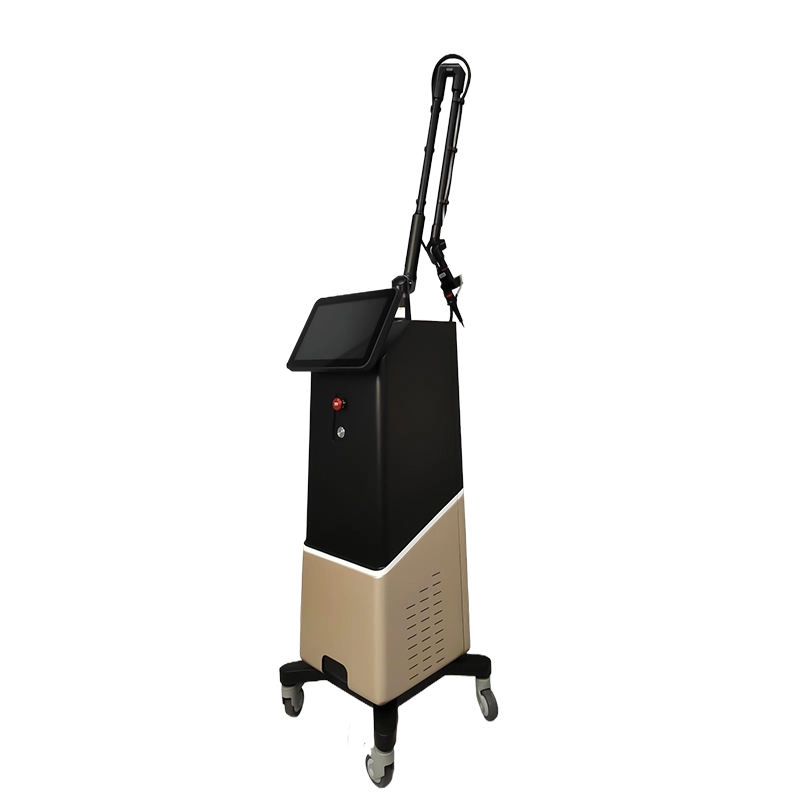
CO2 Fractional Laser Machine for Advanced Skin Resurfacing & Scar Removal
The CO2 fractional laser machine is designed to address a variety of skin concerns, offering treatments for acne scars, pigmentation, wrinkles, and overall skin texture. Utilizing advanced CO2 fractional laser technology, it delivers highly precise and controlled laser energy to promote collagen production and skin rejuvenation. This machine is ideal for professional use in beauty salons, medical spas, and aesthetic clinics. It features a user-friendly touchscreen interface, adjustable settings for customizable treatments, and a built-in cooling system to ensure comfort during use.
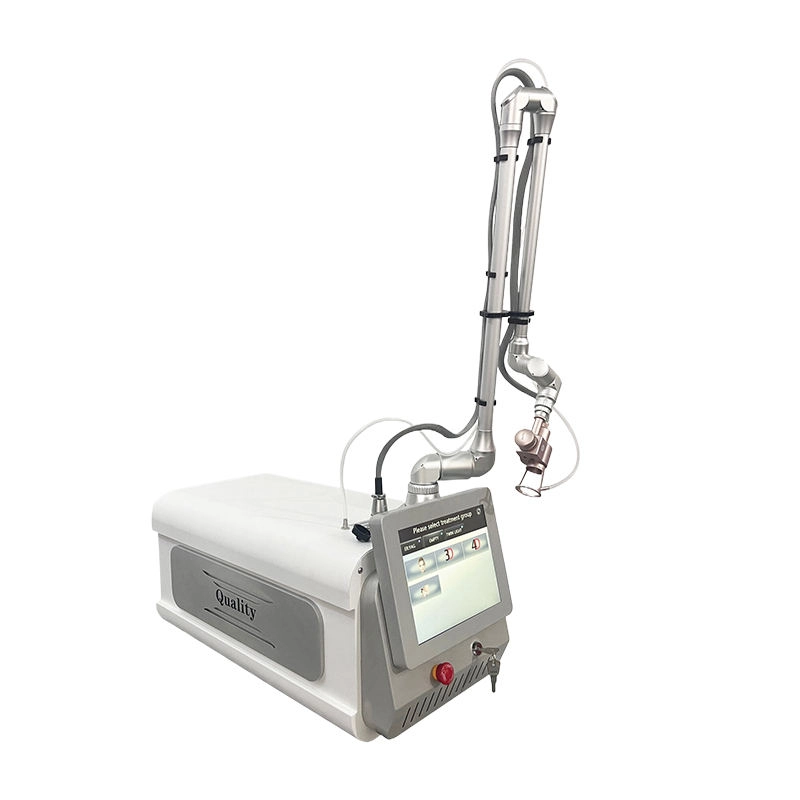
Professional CO2 Fractional Laser Machine | Fractional & Vaginal Rejuvenation CO2 Laser System
The CO2 fractional laser machine is a professional medical-grade device designed for deep skin resurfacing, wrinkle reduction, scar repair, and vaginal rejuvenation. Using a 10600 nm fractional CO2 laser beam, it creates micro-thermal columns on the skin to stimulate collagen regeneration and accelerate skin healing.
This CO2 fractional laser machine provides multiple treatment modes, including fractional mode, surgical cutting mode, and optional vaginal tightening mode, making it ideal for dermatology clinics and professional beauty centers seeking advanced laser solutions.
Its high precision, adjustable spot size, stable energy output, and seven-joint articulated arm ensure safe, accurate, and effective treatment results with minimal downtime.
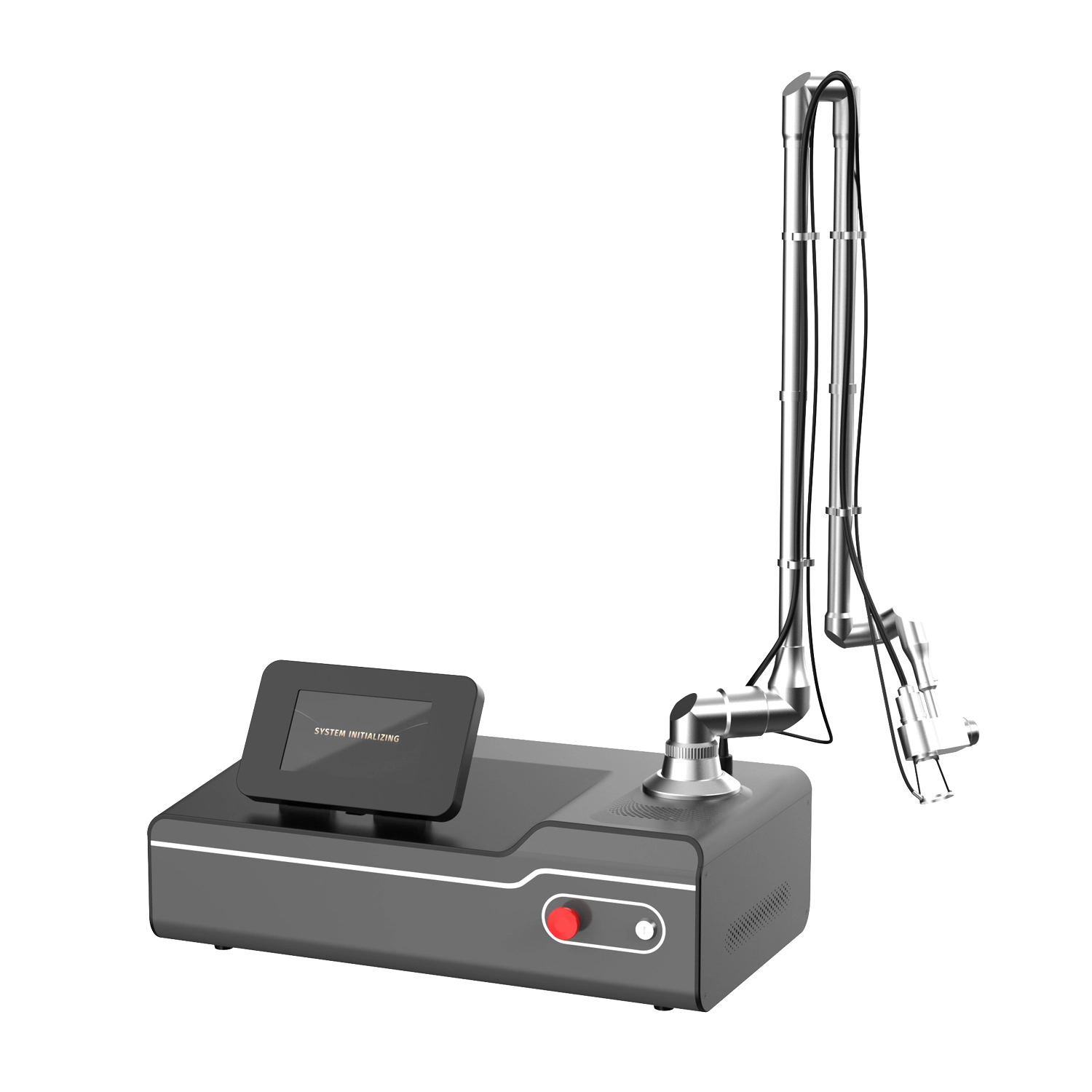
Professional CO2 Fractional Laser Machine for Skin Resurfacing & Scar Treatment
The CO2 Fractional Laser Machine is a professional CO2 fractional laser machine designed for advanced skin resurfacing, scar treatment, and skin rejuvenation procedures.
Using 10,600nm CO2 fractional laser technology, the system delivers controlled microthermal zones into the skin, stimulating collagen remodeling while preserving surrounding tissue. This fractional approach significantly improves treatment safety, recovery time, and clinical outcomes.
The CO2 fractional laser machine is widely used in dermatology clinics and medical aesthetic centers for treating acne scars, wrinkles, enlarged pores, stretch marks, and various skin texture concerns.
Get more information
If you have any comments or good suggestions, please leave us a message; later our professional staff will contact you as soon as possible.
Let's Talk
Stay in touch with us for cutting-edge beauty solutions, professional guidance, and customized service.
Contact


Room 307, Building A, Huilong International E-commerce Industrial Park, No. 10 Xipengling Road, Helong Street, Baiyun District, Guangzhou, China
© 2025 HUIMAIN. All Rights Reserved. Privacy Policy | Terms and Conditions | Sitemap
Facebook
Instagram
Medical beauty equipment factory
huimain Medical beauty equipment factory
beauty machine supplier
Whatsapp: +8619124004543