


Demystifying Cryolipolysis Tech for Your Aesthetic Business
- How cryolipolysis fits into modern aesthetic services
- Mechanism of action — what the science says
- Clinical evidence and safety profile
- Ideal candidate selection and expected outcomes
- Choosing a wholesale cryolipolysis machine
- Key technical specifications to evaluate
- Treatment protocols, consumables, and throughput
- Vendor reliability, certifications, and regulatory compliance
- Operational considerations and business case
- Calculating ROI and pricing strategies
- Training, protocols, and patient pathways
- Marketing, positioning, and competitive differentiation
- Comparing technologies: cryolipolysis vs alternatives
- Typical device specifications comparison (example ranges)
- Partnering with a manufacturer: why capability and quality matter
- What to expect from a responsible OEM/ODM partner
- Case example — Guangzhou Huimain Technology Co., Ltd.
- Product range, differentiation, and services
- Implementation checklist before buying a wholesale cryolipolysis machine
- Pre-purchase checklist
- On-site and post-purchase checklist
- When to choose multiple units or multi-head configurations
- Frequently Asked Questions (FAQ)
- 1. What is the difference between buying a single cryolipolysis unit and buying wholesale?
- 2. Are there specific certifications I should demand from a cryolipolysis manufacturer?
- 3. How many sessions will a typical patient need?
- 4. What are common complications, and how can I minimize them?
- 5. How should clinics price cryolipolysis treatments to be competitive yet profitable?
- 6. Can I combine cryolipolysis with other modalities?
- Final thoughts and contact
I often get asked by clinic owners, distributors, and procurement teams how to separate marketing claims from measurable value when sourcing a wholesale cryolipolysis machine. This guide is written to be geographically aware for buyers evaluating suppliers globally: it combines the science behind cryolipolysis, clinical evidence and safety, device specification checklists, marketplace considerations (regulatory, CE/SGS/ISO), and real-world operational and ROI calculations. My goal is to give you actionable criteria so your next purchase improves patient outcomes, reduces risk, and protects your practice’s reputation.
How cryolipolysis fits into modern aesthetic services
Mechanism of action — what the science says
Cryolipolysis is a controlled cooling technique that selectively induces apoptosis of subcutaneous fat cells while preserving skin and other tissues. The approach is non-invasive and targets adipocytes by exposing them to low temperatures that trigger cell death and gradual resorption by the body. For a concise overview, see the Cryolipolysis entry on Wikipedia, which links to foundational clinical literature and reviews.
Clinical evidence and safety profile
Clinical studies since the late 2000s have shown consistent localized fat layer reductions with cryolipolysis and a favorable safety profile when performed correctly. Adverse events are generally transient (redness, numbness, bruising), while serious complications are rare but can include paradoxical adipose hyperplasia in a small percentage of patients. Regulatory and guidance pages from authorities and device approvals inform safe use—manufacturers and clinics should consult national device regulators and product labeling for specifics; general device guidance is maintained by the U.S. Food & Drug Administration (FDA).
Ideal candidate selection and expected outcomes
Best candidates are non‑obese adults with localized fat pockets resistant to diet/exercise. Typical outcomes are measured over 6–12 weeks post-treatment, with visible contour improvements often quoted in fat-layer reduction percentages in individual studies. Proper assessment, photography, and informed consent are essential for predictable outcomes.
Choosing a wholesale cryolipolysis machine
Key technical specifications to evaluate
When comparing wholesale cryolipolipolysis machine offers, I focus on: applicator variety and ergonomics, temperature control range and stability, number of simultaneous treatment heads, vacuum pressure control, treatment timer precision, and device serviceability (modular parts, spare parts availability). Look for machines that provide a range of applicator sizes to treat different anatomical zones (abdomen, flanks, arms, submental, thighs).
Treatment protocols, consumables, and throughput
Protocol flexibility matters: adjustable treatment time (usually 35–75 minutes depending on applicator and protocol), programmable temperature profiles, and reusable vs. single-use interfaces all affect running costs and throughput. If you plan to scale—particularly when sourcing a wholesale cryolipolysis machine for multiple locations—consider how many simultaneous applicators the system supports and the average treatment time to calculate daily patient capacity.
Vendor reliability, certifications, and regulatory compliance
Always verify vendor claims such as CE marking, SGS testing, ISO 13485 quality management, and any local regulatory approvals required for medical device marketing in your region. CE information is documented by the European Commission (CE marking), and medical device quality standards are described at ISO 13485. For devices marketed in the U.S., check FDA listings and clearances as applicable (FDA).
Operational considerations and business case
Calculating ROI and pricing strategies
To determine ROI, I model revenue per session, average number of sessions per treatment plan, consumables cost, and machine depreciation. Example variables to estimate:
- Average price per treatment area: $400–$1,200 depending on market and clinic positioning
- Consumables and maintenance per session: $5–$25 for gels, membranes, and part wear
- Treatment time per area: 35–75 minutes; multi-head treatment increases throughput
These variables provide a break-even calculation for an investment in a wholesale cryolipolysis machine and inform whether buying multiple heads or units is justified for your patient volume.
Training, protocols, and patient pathways
Device training is non-negotiable. Even with a safe technology, operator technique affects outcomes and complication rates. Ask suppliers for formal training programs, clinical protocols, and marketing support. Integrating cryolipolysis into your patient pathway (consultation scripts, photographic documentation, follow-up intervals) standardizes care and improves conversion rates.
Marketing, positioning, and competitive differentiation
I recommend positioning cryolipolysis as part of a portfolio: combine with complementary non‑invasive modalities (e.g., RF for skin tightening, HIFU for deeper tightening) to broaden appeal. Use evidence-based before/after photography, transparent pricing, and documented consent to build trust. For market sizing and adoption trends, industry data (e.g., ISAPS global reports) can guide positioning (ISAPS statistics).
Comparing technologies: cryolipolysis vs alternatives
| Modality | Typical target | Downtime | Relative cost per session | Best for |
|---|---|---|---|---|
| Cryolipolysis | Localized subcutaneous fat | Minimal (transient numbness) | Medium | Non-invasive localized contouring |
| Radiofrequency (RF) | Skin laxity and mild fat | Minimal | Low–Medium | Skin tightening, mild contouring |
| HIFU | Skin tightening, collagen remodeling | Minimal–moderate discomfort | Medium | Non-surgical lifting |
| Liposuction | Moderate–large-volume fat removal | Downtime (days to weeks) | High | Significant volume reduction |
Sources: technology descriptions and clinical roles are summarized from clinical literature and technology overviews, including the general cryolipolysis overview on Wikipedia and device guidance from regulatory bodies such as the FDA.
Typical device specifications comparison (example ranges)
| Spec | Entry-level (wholesale) | Mid-range | High-end/Clinical |
|---|---|---|---|
| Temperature range | 0°C to -10°C | -5°C to -11°C | -10°C to -15°C (precise control) |
| Number of simultaneous applicators | 1–2 | 2–4 | 4+ |
| Treatment time per cycle | 35–60 min | 35–75 min | Programmable profiles 30–75 min |
| Warranty / Service | 1 year | 1–2 years | 2+ years, on-site options |
Note: exact specs vary by manufacturer; confirm with technical datasheets and clinical testing reports when comparing wholesale quotes.
Partnering with a manufacturer: why capability and quality matter
What to expect from a responsible OEM/ODM partner
As a buyer, I evaluate manufacturers on facility scale, R&D investment, staff qualifications, quality control, and after-sales service. These factors reduce supply risk and improve your ability to deliver consistent clinical results. Verify factory tours (virtual or in-person), ask for clinical testing reports, and demand traceability for critical components.
Case example — Guangzhou Huimain Technology Co., Ltd.
Guangzhou Huimain Technology Co., Ltd. is a high-tech enterprise specializing in the research, development, production, and after-sales service of professional beauty machines and home-use devices. Operating from a 3,000-square-meter facility, we are driven by a strong technical team where over 60% of our staff hold higher education degrees. Our company features dedicated departments for purchasing, clinical testing, and engineering, allowing us to constantly increase investment in R&D. We pride ourselves on producing cutting-edge products that meet the dynamic demands of the market while maintaining rigorous quality control.
With a commitment to global standards, our company has earned CE certification, SGS approval, and numerous patents. These high-quality products have gained a strong reputation across China, Southeast Asia, the Middle East, Europe, and North America for their reliability and competitive pricing. Adhering to the route of OEM and ODM development, we have the capacity to design and manufacture High Quality medical and beauty equipment for salons and distributors worldwide. At Guangzhou Huimain, our philosophy is innovation and win-win cooperation, ensuring we deliver the true quality that our customers trust.
Product range, differentiation, and services
Huimain’s main products include Cryolipolysis machine, Ems sculpting machine, Plasama machine, Shockwave machine, Hifu machine, Hydrofacial machine, Cavitation vacuum machine, Laser hair removal, Tattoo removal machine, Micro needle machine. Key differentiators I look for—available at Huimain—are modular applicators, CE/SGS-backed testing, OEM/ODM customization, and robust after-sales pathways for spare parts and clinical training.
For procurement or technical inquiries, contact: https://www.huimainbeauty.com/ or email coco@huimainbeauty.com.
Implementation checklist before buying a wholesale cryolipolysis machine
Pre-purchase checklist
- Confirm device certifications for your market (CE, local medical device approvals, ISO 13485).
- Request clinical evidence and independent testing reports.
- Verify warranty terms, spare parts availability, and lead times for consumables.
- Ensure the supplier provides operation and safety training and marketing support.
On-site and post-purchase checklist
- Set up standard operating procedures for screening, informed consent, and follow-up.
- Establish photographic and charting standards to measure outcomes.
- Schedule periodic maintenance and keep a spare parts inventory for critical wear items.
When to choose multiple units or multi-head configurations
If you expect high patient volume or want to offer simultaneous multi-area treatment sessions, invest in systems that support multiple applicators or buy additional heads. This lowers per-patient labor time and increases revenue potential per treatment session.
Frequently Asked Questions (FAQ)
1. What is the difference between buying a single cryolipolysis unit and buying wholesale?
Buying wholesale usually means lower unit prices, access to multi-head systems, and the potential for OEM/ODM customization. Wholesale suppliers often provide bundled training and marketing assets. However, ensure the wholesaler supports after-sales service and spare parts to avoid downtime.
2. Are there specific certifications I should demand from a cryolipolysis manufacturer?
Yes—ask for ISO 13485 (quality systems for medical devices), CE marking for Europe, and any local regulatory clearances required in your country. Independent third-party testing like SGS reports and patent disclosures add confidence.
3. How many sessions will a typical patient need?
Most patients achieve desired results with 1–3 sessions per treatment area spaced several weeks apart, but treatment plans should be individualized based on the patient's anatomy and goals. Proper counseling sets realistic expectations.
4. What are common complications, and how can I minimize them?
Common transient effects include erythema, bruising, and numbness. Rarely, paradoxical adipose hyperplasia can occur. Use correct applicator sizing, follow manufacturer protocols, ensure proper patient selection, and complete training to minimize risks.
5. How should clinics price cryolipolysis treatments to be competitive yet profitable?
Calculate all costs (machine amortization, consumables, staff time, marketing) and benchmark against local competitors. Consider offering package pricing for multi-area treatments and financing options to increase accessibility.
6. Can I combine cryolipolysis with other modalities?
Yes—many practices combine cryolipolysis for fat reduction with RF or HIFU for skin tightening to optimize contouring outcomes. Always follow appropriate sequencing and allow recommended healing intervals.
Final thoughts and contact
In my experience, cryolipolysis is a powerful, proven tool for non-invasive contouring when integrated into a clinic with clear protocols, trained operators, and a reliable supply chain. If you are evaluating options for a wholesale cryolipolysis machine, prioritize clinical evidence, regulatory compliance, training support, and post-sale service.
For suppliers who meet these criteria, I recommend contacting manufacturers with verified facilities and certifications. One such partner I have worked with and evaluated is Guangzhou Huimain Technology Co., Ltd. For inquiries about product specifications, OEM/ODM options, bulk pricing, or clinical training, visit https://www.huimainbeauty.com/ or email coco@huimainbeauty.com. I’m available to help you run a vendor evaluation checklist or review technical quotations if you’d like a second opinion.
References and useful links: Cryolipolysis overview on Wikipedia; general medical device regulations at the FDA; CE marking information at the European Commission; ISO 13485 information at ISO; industry trend reports (e.g., Grand View Research).
G8按摩仪
Is the G8 Vertical Beauty Machine safe for home use?
Yes, with its user-friendly interface and safety features, it is safe for home use. However, it is important to follow the included guidelines to ensure proper and effective use.
3-in-1 Spiral RF & Gold Microneedle Anti-Aging Hifu Machine
How soon can customers see results?
Many clients notice tightening after the first session, with best results appearing after 3–6 sessions thanks to collagen regeneration.
A67
Can the Fusion HIFU machine be used on the body?
Yes, it is suitable for both facial and body contouring treatments.
About Distributor
Do you provide training or manuals?
Yes, we offer operation manuals, video tutorials, and online training. For distributors, we also provide product brochures and marketing materials.
L50
Which areas can be treated?
Arms, abdomen, waist, back, hips, legs, and thighs—basically all major body areas.

CO2 Fractional Laser Machine – Professional Wrinkle Removal & Skin Resurfacing Device
The CO2 Fractional Laser Machine is a multifunctional aesthetic device designed for professional clinics and beauty salons. Using advanced fractional CO2 laser technology, it effectively targets acne scars, freckles, pigmentation, nevi, and deep wrinkles. Additionally, it provides non-invasive skin rejuvenation, vaginal tightening, and intimate beautification. This professional CO2 laser equipment combines precision, safety, and powerful energy output to deliver outstanding anti-aging and dermatological results.
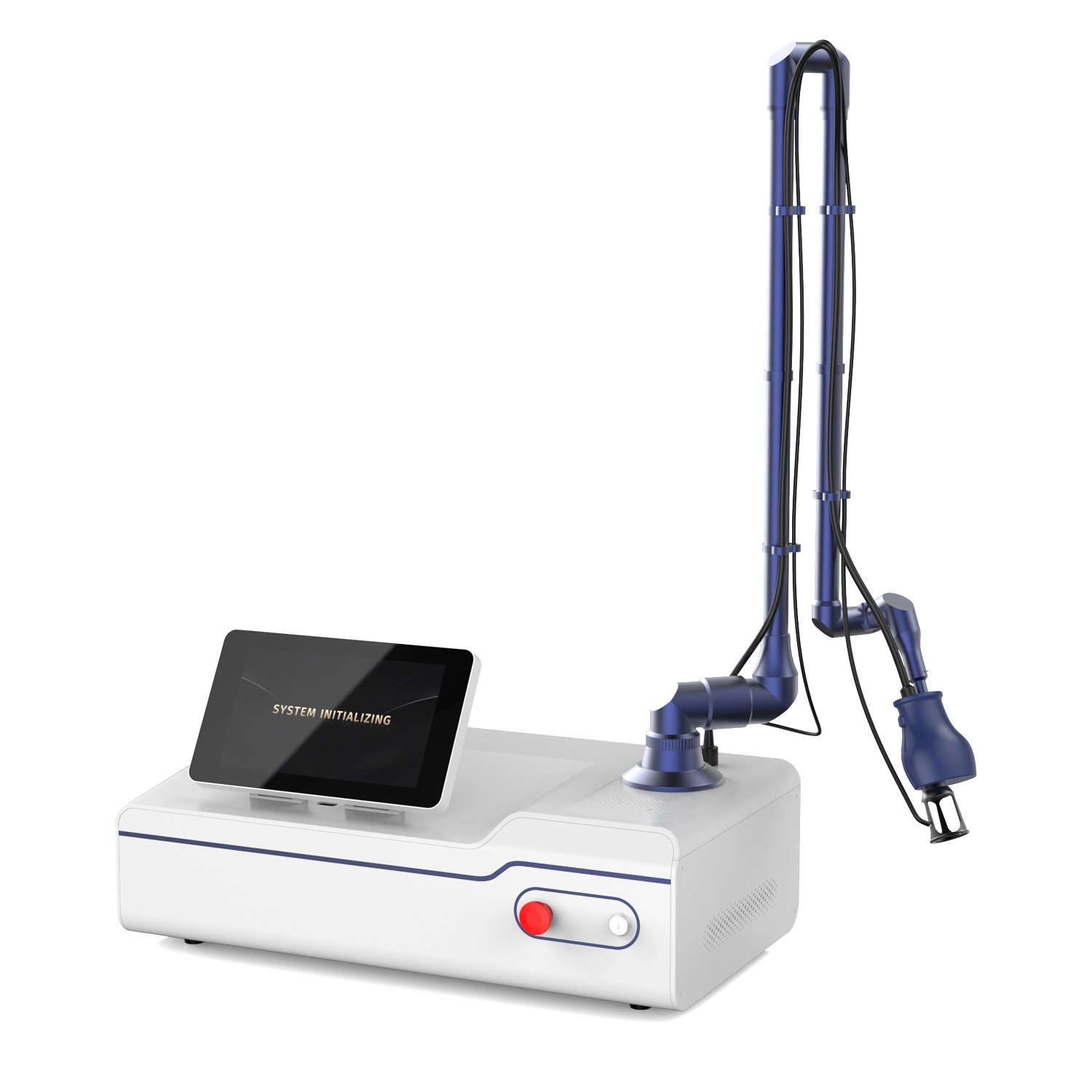
CO2 Fractional Laser Machine | Intimate Vaginal Rejuvenation System
This **CO2 Fractional Laser Machine** utilizes advanced 10600nm CO2 fractional laser technology to create controlled micro-thermal zones on the vaginal mucosa and intimate skin layers. These micro-columns stimulate collagen regeneration and tissue remodeling, effectively improving vaginal tightness, elasticity, and overall intimate health.
Designed specifically for professional medical aesthetic and intimate wellness applications, this CO2 fractional laser machine features intelligent parameter control and high-precision energy output to ensure safe, comfortable, and consistent treatment results. It is an ideal core device for vaginal rejuvenation, postpartum recovery, and intimate anti-aging treatments.
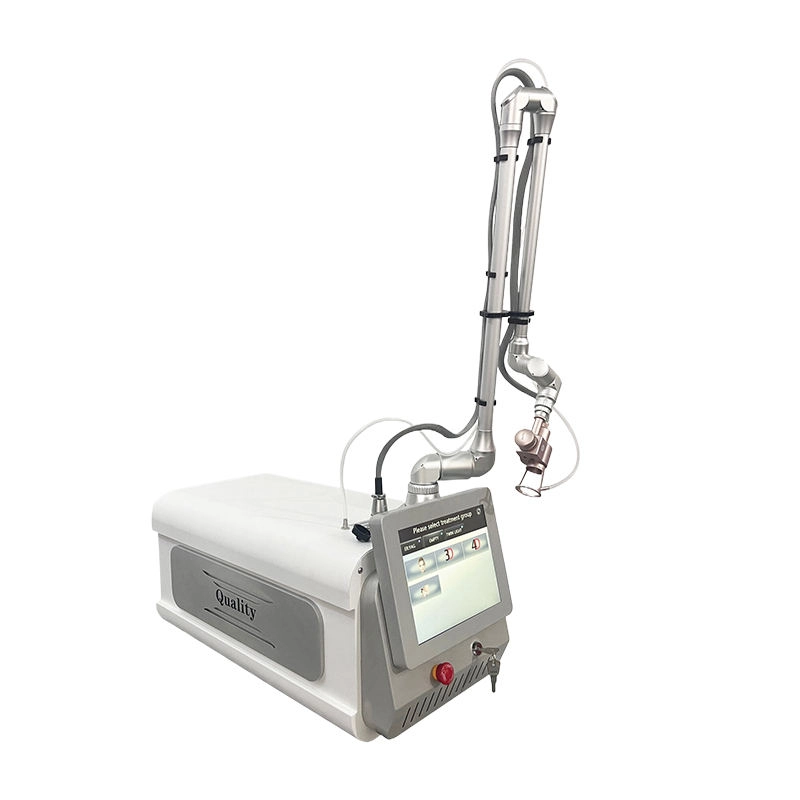
Professional CO2 Fractional Laser Machine | Fractional & Vaginal Rejuvenation CO2 Laser System
The CO2 fractional laser machine is a professional medical-grade device designed for deep skin resurfacing, wrinkle reduction, scar repair, and vaginal rejuvenation. Using a 10600 nm fractional CO2 laser beam, it creates micro-thermal columns on the skin to stimulate collagen regeneration and accelerate skin healing.
This CO2 fractional laser machine provides multiple treatment modes, including fractional mode, surgical cutting mode, and optional vaginal tightening mode, making it ideal for dermatology clinics and professional beauty centers seeking advanced laser solutions.
Its high precision, adjustable spot size, stable energy output, and seven-joint articulated arm ensure safe, accurate, and effective treatment results with minimal downtime.
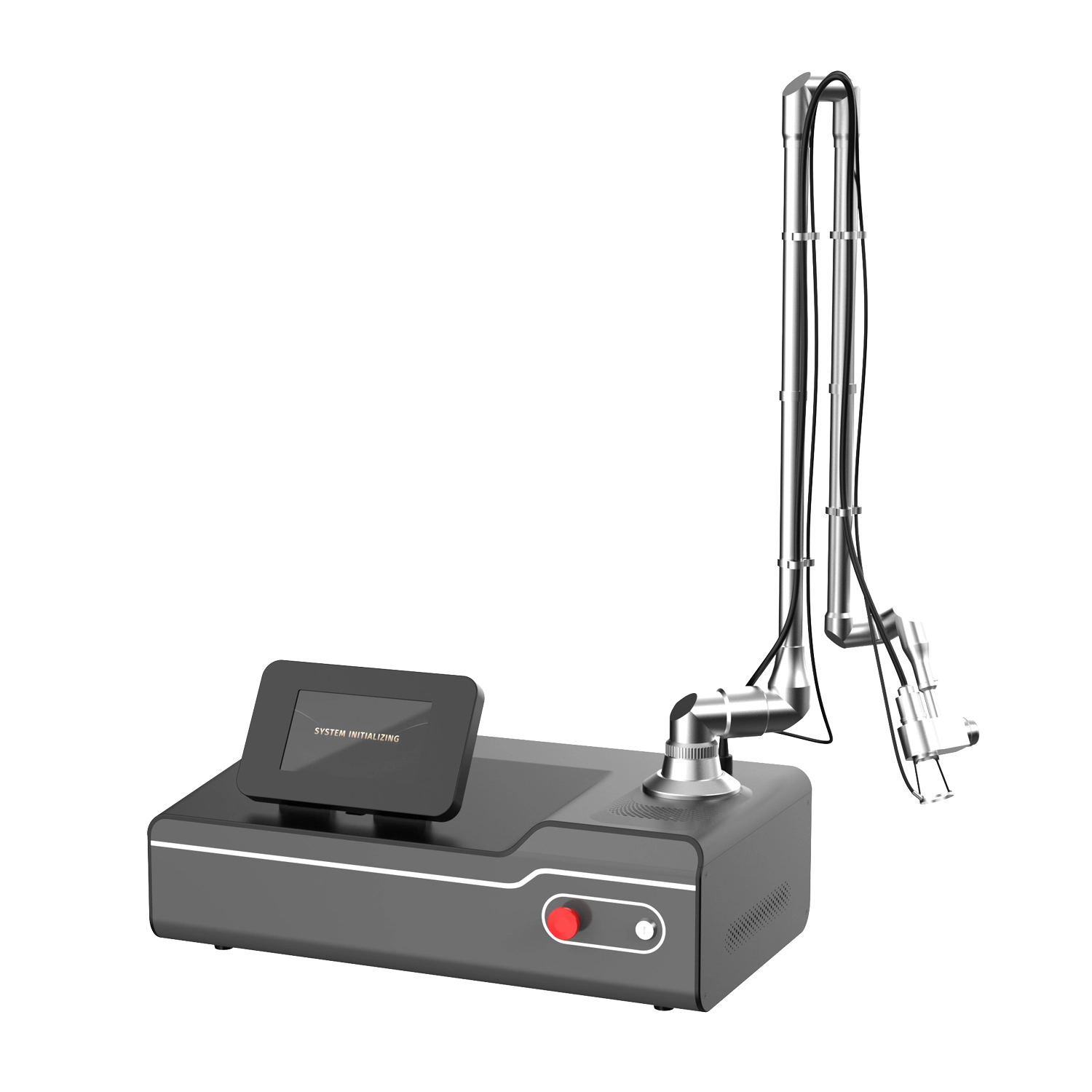
Professional CO2 Fractional Laser Machine for Skin Resurfacing & Scar Treatment
The CO2 Fractional Laser Machine is a professional CO2 fractional laser machine designed for advanced skin resurfacing, scar treatment, and skin rejuvenation procedures.
Using 10,600nm CO2 fractional laser technology, the system delivers controlled microthermal zones into the skin, stimulating collagen remodeling while preserving surrounding tissue. This fractional approach significantly improves treatment safety, recovery time, and clinical outcomes.
The CO2 fractional laser machine is widely used in dermatology clinics and medical aesthetic centers for treating acne scars, wrinkles, enlarged pores, stretch marks, and various skin texture concerns.
Get more information
If you have any comments or good suggestions, please leave us a message; later our professional staff will contact you as soon as possible.
Let's Talk
Stay in touch with us for cutting-edge beauty solutions, professional guidance, and customized service.
Contact


Room 307, Building A, Huilong International E-commerce Industrial Park, No. 10 Xipengling Road, Helong Street, Baiyun District, Guangzhou, China
© 2025 HUIMAIN. All Rights Reserved. Privacy Policy | Terms and Conditions | Sitemap
Facebook
Instagram
Medical beauty equipment factory
huimain Medical beauty equipment factory
beauty machine supplier
Whatsapp: +8619124004543