


EMS RF Facial Machine Buying Guide: Key Specifications B2B Buyers Should Compare
- How to Evaluate Professional Facial Toning and Skin-Firming Platforms
- Clarify the treatment concept and customer segment
- Separate marketing power from usable performance
- Review the intended-use documentation
- Key Technical Specifications to Compare Before Purchase
- Energy delivery, controls, and applicator design
- Safety engineering and electrical compliance
- Comparison table for procurement teams
- Procurement, Validation, and ROI Considerations
- Assess factory quality control rather than brochure quality
- Calculate total cost of ownership
- Validate samples and pilot performance
- Why HUIMAIN Is a Practical Partner for Beauty Equipment Projects
- Integrated R&D, engineering, and manufacturing capability
- Documentation, standards, and international market support
- A broader portfolio for treatment-platform expansion
- Frequently Asked Questions
An ems rf facial machine combines electrical muscle stimulation with radiofrequency energy to support facial toning, temporary muscle activation, skin-firming protocols, and professional aesthetic treatments. For B2B buyers, the purchase decision should not be based only on appearance, advertised power, or factory price. A commercially viable platform must demonstrate controlled energy delivery, suitable treatment parameters, documented electrical safety, intuitive operation, serviceability, regulatory readiness, and a clear path to revenue. This guide explains the specifications, compliance evidence, supplier capabilities, and commercial factors that salons, distributors, clinics, and private-label brands should compare before placing an order.
How to Evaluate Professional Facial Toning and Skin-Firming Platforms
Clarify the treatment concept and customer segment
Electrical muscle stimulation and radiofrequency are different technologies with different operating principles. EMS uses controlled electrical pulses to stimulate motor nerves and produce muscle contraction, while RF uses alternating electromagnetic energy to create controlled heating in tissue. The commercial positioning may combine facial contour support, skin tightening, appearance improvement, and professional massage, but the product documentation should distinguish these functions clearly. Buyers should avoid suppliers that use broad anti-aging claims without defining the intended treatment, target tissue, operating limits, or contraindications.
The correct specification depends on the business model. A high-volume salon may prioritize rapid setup, preset programs, easy cleaning, and short operator training. A medical aesthetic clinic may require more granular controls, stronger documentation, treatment traceability, and a higher level of clinical risk management. A distributor may need multiple handpiece options, multilingual software, private labeling, replacement-part availability, and stable production over several years. Before comparing quotations, project owners should define the expected treatment menu, session duration, daily workload, operator skill level, and target retail price.
Separate marketing power from usable performance
Suppliers often describe devices with headline wattage, maximum RF output, or maximum pulse intensity. These figures are useful only when accompanied by waveform information, output tolerances, duty cycle, treatment area, and control methodology. A higher nominal rating does not automatically create better clinical usability. Excessive output can increase discomfort, uneven heating, or operator error, while insufficient output may produce an inconsistent customer experience.
Buyers should request technical data showing whether intensity is adjustable by level, percentage, current, voltage, energy density, or another measurable parameter. The quotation should state whether displayed settings represent programmed values or verified output at the applicator. A robust supplier can explain how calibration is performed, how output is tested during final inspection, and which components influence performance over the equipment lifecycle.
Review the intended-use documentation
A professional beauty device should include a clear user manual, treatment protocol, contraindication list, cleaning instructions, maintenance schedule, and fault-response procedure. Documentation should identify electrode placement, coupling medium requirements, recommended session intervals, and precautions for clients with implanted electronic devices, pregnancy, active skin conditions, reduced sensation, or other relevant medical considerations. The final labeling must match the intended market and should not overstate results beyond the evidence and regulatory pathway available to the supplier.
Safety information should be consistent across the machine interface, packaging, manual, training materials, and distributor sales documents. Inconsistent claims create avoidable compliance exposure and can make after-sales support difficult. Buyers should also confirm whether the supplier provides operator training materials, videos, translated manuals, and remote troubleshooting resources.
Key Technical Specifications to Compare Before Purchase
Energy delivery, controls, and applicator design
For the EMS function, compare pulse frequency, pulse width, ramp-up and ramp-down behavior, channel configuration, polarity or waveform description, intensity adjustment, and maximum treatment duration. Multiple independent channels can improve protocol flexibility, but they also increase the importance of channel isolation, connector durability, and accurate control. The applicator should maintain consistent skin contact and should be shaped for the facial areas where it will be used.
For the RF function, compare operating frequency, output control method, contact detection, temperature monitoring, treatment timer, and automatic energy reduction. RF frequency alone does not establish treatment quality because tissue response also depends on electrode geometry, contact area, impedance, coupling medium, cooling, waveform, and delivered energy. A supplier should explain how the design reduces hot spots and how the operator knows when contact is inadequate.
Control interfaces deserve the same attention as energy specifications. A capacitive touchscreen can improve usability, but buyers should assess screen brightness, glove operation, language options, password controls, program editing, error messages, and software update procedures. Physical emergency-stop controls, audible alerts, and visible treatment status indicators may be valuable in busy facilities.
Safety engineering and electrical compliance
Safety comparison should cover over-temperature protection, over-current protection, short-circuit response, grounding, insulation, electromagnetic compatibility, applicator disconnect detection, and automatic shutdown after abnormal readings. Buyers should ask for test reports that correspond to the exact model and electrical configuration being purchased, rather than accepting certificates for a visually similar product.
Electrical safety expectations vary by market and product classification. The U.S. Food and Drug Administration information on radiofrequency radiation provides useful background on RF exposure and equipment considerations. For quality-management-system evaluation, buyers can review the ISO 13485 medical-device quality management standard, while the IEC 60601-1 standard is a key reference for the basic safety and essential performance of medical electrical equipment where applicable to the product and intended use.
CE marking is not a universal guarantee of product quality, and buyers should inspect the supporting conformity documentation, declaration of conformity, risk-management records, technical file availability, and applicable test reports. European market obligations can also involve economic operators, labeling, post-market surveillance, and local-language instructions. The European Commission CE marking guidance is a useful starting point for understanding that CE is a conformity framework rather than a simple performance badge.
Comparison table for procurement teams
The following table summarizes specifications that should be compared in a supplier quotation. Exact values must be confirmed from the model-specific technical file because product architecture differs between manufacturers.
| Specification area | What to compare | Why it matters commercially | Evidence to request |
|---|---|---|---|
| EMS output | Pulse width, frequency range, intensity steps, channels, ramp control | Influences treatment comfort, protocol flexibility, and repeatability | Technical datasheet, output test record, user manual |
| RF delivery | Operating frequency, power control, contact sensing, temperature monitoring | Supports consistent heating and reduces operator-dependent variation | Model-specific test report and operating limits |
| Safety functions | Over-temperature, over-current, short-circuit, grounding, auto shutoff | Reduces incident risk, downtime, and warranty claims | Risk assessment, electrical safety report, inspection checklist |
| Applicators | Materials, shape, cable strain relief, replaceability, cleaning method | Affects hygiene, comfort, durability, and replacement cost | Photos, material declaration, spare-parts list |
| Quality system | Incoming inspection, assembly controls, calibration, final testing | Improves batch consistency and protects distributor reputation | Factory audit documents and sample QC records |
| Commercial support | Training, warranty, service response, software and spare parts | Determines uptime and total cost of ownership | Warranty terms, service SLA, training plan |
Procurement, Validation, and ROI Considerations
Assess factory quality control rather than brochure quality
A serious procurement review should examine the full manufacturing workflow. Important checkpoints include incoming inspection of power supplies and electronic components, traceability of key parts, assembly verification, cable and connector inspection, burn-in testing, output calibration, cosmetic inspection, packaging validation, and final functional testing. Buyers should ask whether serial numbers connect the finished unit to inspection records and whether nonconforming products are isolated through a documented process.
Factory audits are particularly important for private-label projects. The audit should cover production capacity, engineering resources, purchasing controls, complaint handling, corrective action, document control, and change management. A supplier that changes a power module, electrode material, software version, or enclosure without customer notification can create regulatory and service problems. Contract terms should define which components require approval before substitution.
Calculate total cost of ownership
The purchase price is only one part of the financial model. Buyers should include freight, import duties, installation, training, consumables, replacement applicators, preventive maintenance, software support, warranty exclusions, downtime, and local service labor. A lower-cost device may become more expensive if its electrodes fail early, its control board is difficult to replace, or spare parts require long lead times.
Revenue modeling should use realistic utilization rather than optimistic capacity. A simple model can compare expected monthly treatments multiplied by net treatment revenue against financing, rent allocation, labor, consumables, marketing, maintenance, and depreciation. The result should be tested under conservative, expected, and high-utilization scenarios. Distributors should additionally estimate channel margin, demo-unit expense, inventory holding cost, local registration, and technical support obligations.
Validate samples and pilot performance
Before a large order, request a production-equivalent sample rather than a demonstration prototype. Confirm that the sample carries the same enclosure, software, applicators, power supply, labels, and accessories stated in the quotation. Operators should assess setup time, program navigation, client comfort, cleaning, cable management, and the clarity of error messages.
A pilot should also measure operational indicators such as treatment completion rate, operator training time, equipment availability, complaint frequency, and average service duration. Buyers should not present short-term cosmetic observations as clinical proof. Instead, customer-facing claims should be aligned with the supplier's intended use, available documentation, and local advertising rules.
Why HUIMAIN Is a Practical Partner for Beauty Equipment Projects
Integrated R&D, engineering, and manufacturing capability
HUIMAIN, formally Guangzhou Huimain Technology Co., Ltd., is a high-tech enterprise specializing in the research, development, production, and after-sales service of professional beauty machines and home-use devices. Our 3,000-square-meter facility supports coordinated purchasing, engineering, clinical testing, assembly, quality control, and service activities. More than 60% of our staff hold higher education degrees, strengthening the technical foundation behind product development and project support.
Our dedicated engineering and clinical-testing departments help connect product design with practical operating requirements. This structure is valuable for B2B buyers that need more than a catalog item. Brand owners and distributors can discuss treatment interfaces, handpiece configuration, enclosure design, labeling, packaging, software requirements, and market-specific adaptations with a supplier that understands both manufacturing execution and commercial deployment.
Documentation, standards, and international market support
HUIMAIN maintains a quality-focused manufacturing process and has obtained CE certification, SGS approval, and numerous patents. These credentials should be reviewed against the exact model and target market during procurement, but they provide an important foundation for distributors evaluating supplier maturity. Our products have gained recognition across China, Southeast Asia, the Middle East, Europe, and North America for reliability and competitive pricing.
We support OEM and ODM development for salons, distributors, investors, and international beauty brands. Project discussions can cover private labeling, product appearance, manuals, packaging, accessory selection, minimum order planning, and export documentation. Our approach is designed to help buyers protect brand consistency while controlling development cost and launch timing.
A broader portfolio for treatment-platform expansion
For companies building a multi-category beauty equipment portfolio, HUIMAIN offers more than facial electrical and RF platforms. Our product range includes cryolipolysis machines, EMS sculpting machines, plasma machines, shockwave machines, HIFU machines, hydrofacial machines, cavitation vacuum machines, laser hair removal systems, tattoo removal machines, and microneedling machines. A broader portfolio can support cross-selling, showroom development, bundled promotions, and standardized after-sales relationships.
Our philosophy is innovation and win-win cooperation. We focus on dependable product quality, responsive communication, and practical support throughout product selection, manufacturing, shipment, and after-sales service. Buyers evaluating a facial toning and RF platform can contact HUIMAIN through our official website or email coco@huimainbeauty.com to discuss OEM, ODM, wholesale, and distributor requirements.
Contact HUIMAIN to compare suitable specifications, request project documentation, and explore a dependable professional beauty machine solution for your market.
Frequently Asked Questions
What is the difference between EMS and RF in a facial beauty device?
EMS uses controlled electrical pulses to stimulate motor nerves and produce muscle contraction, while RF uses alternating electromagnetic energy to create controlled heating in tissue. A combined platform should document the controls, intended use, and safety limits for both technologies.
Which technical specifications should B2B buyers compare first?
Buyers should first compare EMS pulse width, frequency, intensity steps, channels, RF frequency, output control, temperature monitoring, contact sensing, safety shutdown functions, applicator design, and model-specific test documentation.
Does a higher RF wattage mean better treatment performance?
No. Headline wattage is meaningful only when considered with waveform, duty cycle, treatment area, electrode geometry, impedance, coupling medium, temperature control, and verified delivered output. Higher nominal power does not automatically provide better usability or results.
What compliance documents should a buyer request from a supplier?
The procurement file should normally include model-specific test reports, a declaration of conformity where applicable, risk-management documentation, electrical safety and EMC evidence, labeling, user manuals, quality-system information, and records showing that the documents match the exact purchased configuration.
How can a salon calculate the return on investment of a facial equipment purchase?
The calculation should include expected monthly treatments, net treatment revenue, labor, consumables, financing, rent allocation, maintenance, marketing, depreciation, downtime, and training. Distributors should also include inventory, demonstration, registration, logistics, margin, and technical-support costs.
Why is a production-equivalent sample important before a bulk order?
A production-equivalent sample allows the buyer to confirm that the enclosure, software, applicators, power supply, labels, accessories, user interface, and operating behavior match the quotation. It also helps validate training time, cleaning, comfort, error handling, and serviceability before committing to volume.

MFFFace 6 EMS+RF Facial Muscle Training Machine – Professional Magnetic Face Lifting & Skin Tightening Device
The MFFFace 6 EMS+RF Facial Muscle Training Machine is a cutting-edge beauty device designed for professional facial lifting, firming, and rejuvenation.
Combining EMS microcurrent technology with radio frequency (RF) thermal energy, it stimulates facial muscles and promotes collagen regeneration, resulting in tighter, smoother, and more youthful-looking skin.
With 6 independent magnetic handles, MFFFace 6 allows multiple treatment areas to be targeted simultaneously — maximizing efficiency for beauty salons and clinics.
This non-invasive and painless treatment helps sculpt facial contours, reduce sagging, and restore elasticity with visible improvements in just a few sessions.
Perfect for aesthetic professionals who want to offer advanced anti-aging treatments and achieve instant lifting results.
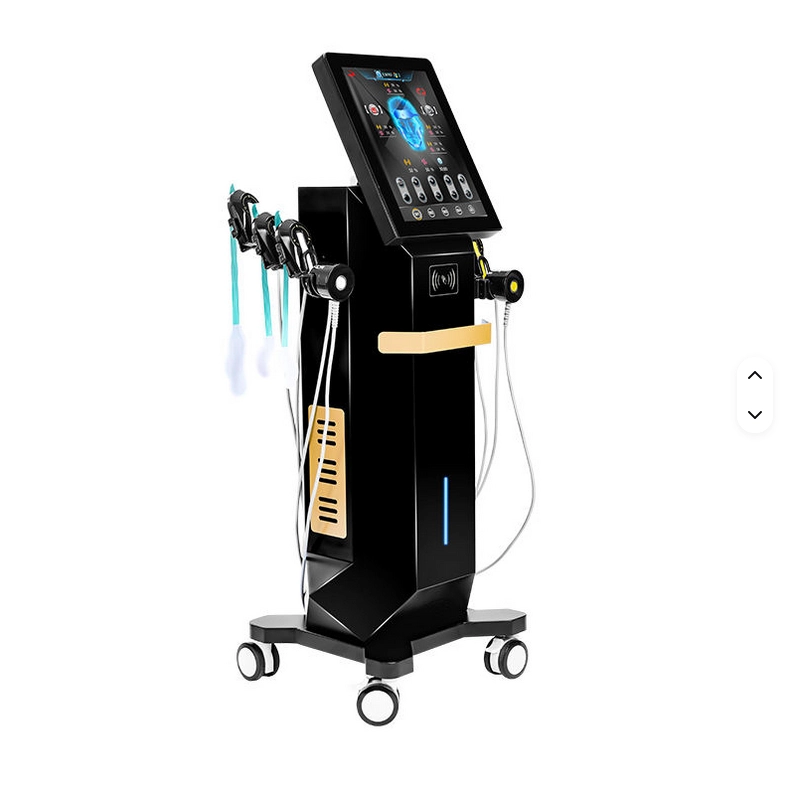
6 Handle Magnetic Face Lift Machine with Card Reader – Multifunctional EMS RF Facial and Body Sculpting Device
The 6 Handle Magnetic Face Lift Machine combines EMS (Electrical Muscle Stimulation), RF (Radio Frequency), and magnetic pulse technology to deliver non-invasive skin lifting, firming, and body contouring treatments.
This professional-grade beauty equipment enhances collagen regeneration, tightens facial skin, and sculpts body curves. The integrated card reader system allows convenient user management, ideal for beauty salons and spas.
With six multifunctional handles, it covers both facial rejuvenation and body shaping, offering visible anti-aging results without downtime.

CO2 Fractional Laser Machine – Professional Wrinkle Removal & Skin Resurfacing Device
The CO2 Fractional Laser Machine is a multifunctional aesthetic device designed for professional clinics and beauty salons. Using advanced fractional CO2 laser technology, it effectively targets acne scars, freckles, pigmentation, nevi, and deep wrinkles. Additionally, it provides non-invasive skin rejuvenation, vaginal tightening, and intimate beautification. This professional CO2 laser equipment combines precision, safety, and powerful energy output to deliver outstanding anti-aging and dermatological results.

Gold RF Microneedle Machine | Professional Fractional RF System for Face & Body Scar Repair
The Gold RF Microneedle Machine is a cutting-edge aesthetic device designed for B2B professionals, offering a powerful, dual-action solution for both facial beauty and body scar repair. This system combines the precision of microneedling with the proven effectiveness of radio frequency (RF) energy to treat a wide range of skin concerns.
By delivering high-frequency heat through insulated gold-plated microneedles, it stimulates the skin's natural healing process, leading to collagen regeneration and the production of new elastin. This innovative approach provides a minimally invasive solution for treating fine lines, wrinkles, acne scars, stretch marks, and skin laxity with minimal downtime.
Get more information
If you have any comments or good suggestions, please leave us a message; later our professional staff will contact you as soon as possible.
Let's Talk
Stay in touch with us for cutting-edge beauty solutions, professional guidance, and customized service.
Contact


Room 307, Building A, Huilong International E-commerce Industrial Park, No. 10 Xipengling Road, Helong Street, Baiyun District, Guangzhou, China
© 2026 HUIMAIN. All Rights Reserved. Designed by Gooeyun. Privacy Policy | Terms and Conditions | Sitemap
Facebook
Instagram
Medical beauty equipment factory
huimain Medical beauty equipment factory
beauty machine supplier
Whatsapp: +8619124004543