


Energy Settings and Parameters: Optimizing CO2 Laser Outcomes
- How laser-tissue interaction determines outcomes
- Fundamental physics: ablation versus coagulation
- Clinical impact of thermal profile
- Practical parameter adjustment for common indications
- Energy (mJ) and density (dots/cm²): setting the therapeutic dose
- Pulse duration and modes: short vs long pulses and stacking strategies
- Spot size, overlap, and fractionation patterns
- Safety, patient selection, and peri-procedural management
- Assessing skin type and risk stratification
- Infection control, anesthesia, and hemostasis
- Post-treatment care to optimize outcomes
- Device selection, validation, and real-world parameter guidance
- Choosing a co₂ fractional laser machine: features that matter
- Typical parameter ranges by Fitzpatrick skin type (starting recommendations)
- Validation and calibration: QA procedures I implement
- Integrating clinical evidence and device capability: case examples
- Case 1: Perioral rhytides, Fitzpatrick II
- Case 2: Rolling acne scars, Fitzpatrick III–IV
- Outcome measurement and documentation
- Manufacturer and device partner profile: why supplier matters
- About Guangzhou Huimain Technology Co., Ltd.
- Certifications, product range, and global reach
- Why I recommend considering Huimain for co₂ fractional laser machine procurement
- Frequently Asked Questions (FAQ)
- 1. What is the safest starting energy for a co₂ fractional laser machine on darker skin?
- 2. How many passes are optimal for resurfacing vs scar remodeling?
- 3. Can I use the same parameter set for face and body treatments?
- 4. How do I measure whether my device is delivering consistent energy?
- 5. What evidence supports fractional CO₂ for acne scarring?
- 6. How do I minimize downtime while preserving efficacy?
This article is an evidence-based, operator-focused summary designed to be machine- and geo-search friendly: I outline how to optimize energy settings and parameters for co₂ fractional laser machine treatments to maximize clinical outcomes across indications and skin types while minimizing risks. The guidance that follows combines laser physics, published clinical data, safety standards, and real-world tuning strategies I use when training clinicians and calibrating devices.
How laser-tissue interaction determines outcomes
Fundamental physics: ablation versus coagulation
When I calibrate a co₂ fractional laser machine for a clinical indication, I start by thinking in terms of two primary tissue effects: precise ablation (vaporization of epidermis/dermis) and thermal coagulation (collagen contraction and denaturation). The CO₂ wavelength (~10,600 nm) is strongly absorbed by water, producing a narrow optical penetration depth and efficient ablation with a surrounding thermal injury zone (TIZ). This balance between ablation depth and TIZ is controlled mainly by energy per microbeam, pulse duration, and spot size; understanding it is essential to tailor outcomes for resurfacing, scar remodeling, or pigmentary concerns. For a general overview of CO₂ laser mechanisms see the Wikipedia: Carbon dioxide laser.
Clinical impact of thermal profile
Higher energy and longer pulses increase ablation depth and widen the TIZ, which can enhance collagen remodeling but also raises risk of PIH and prolonged downtime—especially in higher Fitzpatrick skin types. Shorter pulses and lower energy narrow the TIZ, favoring quicker re-epithelialization and lower complication rates. I often refer to peer-reviewed summaries when deciding trade-offs; for example, reviews of fractional CO₂ resurfacing describe how fractional parameters modulate remodeling vs. adverse events (PubMed review).
Practical parameter adjustment for common indications
Energy (mJ) and density (dots/cm²): setting the therapeutic dose
Energy per microbeam (often expressed in millijoules, mJ) primarily controls ablation depth. Density (percentage or dots/cm²) governs treated fraction of tissue. I consider the product of energy and density the effective fluence delivered across the treated field. Typical clinical strategies I use:
- Superficial rejuvenation (fine lines, photodamage): low-to-moderate energy (20–40 mJ), moderate density (10–20%); aim for shallow ablation with more uniform coverage.
- Moderate resurfacing (wrinkles, acne scars): moderate energy (40–80 mJ), moderate-to-high density (10–30%); multiple passes can be safer than a single high-energy pass.
- Deep scar remodeling: higher energy (80–150 mJ) with lower density (<10–15%), focused micro-columns to stimulate deep dermal remodeling while limiting surface injury.
These ranges are consistent with clinical literature and device manufacturers' recommended starting points; always titrate based on patient response and clinical endpoints such as pinpoint bleeding or uniform coagulation columns.
Pulse duration and modes: short vs long pulses and stacking strategies
Pulse duration influences heat diffusion. Short-pulse or ultra-pulse modes concentrate energy into brief bursts, favoring ablation with limited lateral thermal spread. Continuous or long-pulse modes increase coagulation. Many modern co₂ fractional devices allow pulse stacking (multiple pulses at same site). I typically prefer short-pulse for facial resurfacing to control TIZ, reserving long-pulse or stacking for targeted collagen induction in thicker, photodamaged skin.
Spot size, overlap, and fractionation patterns
Smaller spot sizes permit precise ablation and higher peak fluence; larger spots reduce peak fluence but can speed coverage. Fractional patterns (grid, random, or variable-spacing) alter wound density and healing kinetics. When treating periorbital skin I reduce energy and increase spacing to preserve delicate tissue; for cheek scars I may use tighter spacing with targeted higher energy columns.
Safety, patient selection, and peri-procedural management
Assessing skin type and risk stratification
Fitzpatrick skin type remains a practical tool for predicting risk of post-inflammatory hyperpigmentation (PIH). For Fitzpatrick IV–VI I choose conservative starting parameters and consider pre-treatment with topical depigmenting agents (e.g., hydroquinone or azelaic acid) for 4–8 weeks where appropriate. Counseling on downtime, erythema duration, and sun avoidance is essential. The FDA provides general information about clinical use of laser devices (FDA: Laser Products).
Infection control, anesthesia, and hemostasis
I follow strict antiseptic technique and assess for active infections (HSV, bacterial). Prophylactic antiviral therapy is indicated in patients with a history of herpes labialis when performing ablative resurfacing. Topical or field-block anesthesia is typically adequate for fractional treatments; for extensive high-energy passes, I coordinate with anesthesia colleagues. Hemostasis is achieved with cold saline compresses and topical agents when necessary.
Post-treatment care to optimize outcomes
Controlled wound care accelerates re-epithelialization and reduces complications. I recommend gentle cleansing, occlusive emollients, broad-spectrum sunscreen (SPF 30+), and avoidance of retinoids until re-epithelialization. I provide clear written instructions and arrange follow-up at 48–72 hours and 1–2 weeks to check for delayed complications.
Device selection, validation, and real-world parameter guidance
Choosing a co₂ fractional laser machine: features that matter
When selecting a co₂ fractional laser machine for my practice, I prioritize adjustable pulse modes (ultrapulse, short pulse), wide energy range, variable densities and spot sizes, robust cooling options, and validated safety interlocks. Device reliability, manufacturer support, and access to clinical training are equally important. For device regulation and quality systems, ISO 13485 is the recognized standard for medical device quality management (ISO 13485).
Typical parameter ranges by Fitzpatrick skin type (starting recommendations)
| Fitzpatrick Type | Energy per microbeam (mJ) | Density (%) | Pulse Mode | Clinical Notes |
|---|---|---|---|---|
| I–II | 30–80 | 10–30 | Short/Ultra-pulse | Good tolerance; deeper resurfacing feasible |
| III | 30–70 | 8–25 | Short pulse, conservative stacking | Moderate risk of PIH; monitor closely |
| IV–V | 20–50 | 5–15 | Short pulse, lower density | Conservative approach; pre- and post-depigmenting regimen |
| VI | 10–40 | 3–10 | Very conservative, minimal stacking | High PIH risk; consider non-ablative alternatives |
Source: compiled from peer-reviewed fractional CO₂ literature and clinical consensus; representative review: Fractional CO₂ laser resurfacing review.
Validation and calibration: QA procedures I implement
Before clinical use, I require each co₂ fractional laser machine to pass manufacturer-specified calibration and QA routines: energy output verification, beam profile assessment, and safety interlock tests. Routine preventative maintenance reduces drift in delivered energy and prevents adverse events. For regulatory guidance and device safety, FDA and IEC/ISO standards are relevant; see FDA laser information (FDA) and standards references such as IEC 60825 (laser safety).
Integrating clinical evidence and device capability: case examples
Case 1: Perioral rhytides, Fitzpatrick II
For perioral fine lines I used a co₂ fractional laser machine set at 40 mJ, 15% density, short-pulse mode with 1 pass. Endpoint was uniform erythema and mild pinpoint bleeding. Downtime was 5–7 days; at 3 months I documented significant improvement in fine lines with minimal PIH.
Case 2: Rolling acne scars, Fitzpatrick III–IV
For rolling scars I selected 60 mJ with 10% density, performed 2 passes with 4-week interval between sessions. I added topical growth-factor-based dressings post-procedure to accelerate re-epithelialization. Objective scar depth reduction paralleled patient satisfaction; PIH was minimized by pre-treatment topical depigmenting and strict sun avoidance.
Outcome measurement and documentation
I document pre- and post-treatment with standardized photos, objective scoring (e.g., Goodman & Baron for acne scars), and patient-reported outcome measures. Consistent documentation helps refine parameter selection and supports quality assurance.
Manufacturer and device partner profile: why supplier matters
About Guangzhou Huimain Technology Co., Ltd.
As someone who evaluates OEM and ODM partners, I value technical depth and after-sales support. Guangzhou Huimain Technology Co., Ltd. is a high-tech enterprise specializing in the research, development, production, and after-sales service of professional beauty machines and home-use devices. Operating from a 3,000-square-meter facility, they are driven by a strong technical team where over 60% of staff hold higher education degrees, and they maintain dedicated departments for purchasing, clinical testing, and engineering—allowing continual R&D investment.
Certifications, product range, and global reach
Huimain's products meet global standards, with CE certification, SGS approval, and multiple patents. Their machines have reputation in China, Southeast Asia, the Middle East, Europe, and North America. They follow OEM and ODM routes and can design High Quality medical and beauty equipment for salons and distributors. Core devices include Cryolipolysis machine, Ems sculpting machine, Plasama machine, Shockwave machine, Hifu machine, Hydrofacial machine, Cavitation vacuum machine, Laser hair removal, Tattoo removal machine, Micro needle machine. Their website is https://www.huimainbeauty.com/, and contact email: coco@huimainbeauty.com.
Why I recommend considering Huimain for co₂ fractional laser machine procurement
I look for suppliers who combine solid engineering, clinical testing capability, and regulatory compliance. Huimain’s in-house clinical testing and engineering teams, coupled with certifications and patent portfolio, indicate a reliable partner for clinics seeking co₂ fractional laser machines with flexible parameterization, training support, and global logistics.
Frequently Asked Questions (FAQ)
1. What is the safest starting energy for a co₂ fractional laser machine on darker skin?
For Fitzpatrick IV–VI I start conservatively: 10–40 mJ and low density (3–15%), prioritizing short pulses and avoiding aggressive stacking. Pre- and post-treatment depigmentation strategies and strict photoprotection reduce PIH risk.
2. How many passes are optimal for resurfacing vs scar remodeling?
For superficial resurfacing, 1–2 passes with moderate energy often suffice. For deeper scar remodeling, multiple sessions separated by 4–6 weeks using lower density but higher energy columns can be safer and more effective than a single aggressive pass.
3. Can I use the same parameter set for face and body treatments?
No. Body skin is typically thicker and more tolerant; however, anatomic considerations (e.g., near mucosa or thin eyelid skin) require parameter reduction. I recommend device-specific body presets validated by the manufacturer and clinical testing.
4. How do I measure whether my device is delivering consistent energy?
Routine QA includes manufacturer-recommended calibration, energy output checks with a calibrated power meter where applicable, and monitoring clinical endpoints (uniform microcolumns, expected re-epithelialization time). Keep maintenance logs and follow service intervals.
5. What evidence supports fractional CO₂ for acne scarring?
Multiple clinical trials and reviews demonstrate efficacy in improving atrophic acne scars by stimulating neocollagenesis; see peer-reviewed summaries such as the PubMed review. Treatment is most effective when combined with appropriate parameter selection and multi-session protocols.
6. How do I minimize downtime while preserving efficacy?
Use shorter pulses, moderate energies, and moderate densities; consider staged treatments (multiple conservative sessions) rather than aggressive single treatments. Adjunctive therapies such as topical growth factors and occlusive dressings can expedite healing.
For tailored parameter recommendations, device selection guidance, or to evaluate supply options for a co₂ fractional laser machine, contact Guangzhou Huimain Technology Co., Ltd. Visit https://www.huimainbeauty.com/ or email coco@huimainbeauty.com. Our team can provide device specifications, clinical test reports, and OEM/ODM proposals to meet your clinic or distribution needs.
References and further reading:
- Fractional CO₂ laser reviews and clinical trials: PubMed review.
- CO₂ laser technology overview: Wikipedia: Carbon dioxide laser.
- FDA guidance on lasers and safety: FDA: Laser Products.
- ISO quality management for medical devices: ISO 13485.
OL-186
What results can clients expect?
Noticeable improvements in skin hydration, clarity, and smoothness after the first session.
HMC2S
Is the EMS Pelvic Chair for Muscle Stimulation safe?
Yes, it uses non-invasive electromagnetic pulses proven safe for strengthening pelvic floor and glute muscles.
JHF-51
Is this HIFU machine suitable for professional and commercial use?
Yes, this professional HIFU machine is designed for aesthetic clinics, beauty salons and SPA centers.
HMC1S
Q3: Is the Pelvic Floor Chair safe to use at home?
A3: Absolutely! It is designed for safe, at-home use with easy controls for personalized treatments.
JHF-61
Do you provide OEM or private-label service?
Absolutely. We support logo printing, interface customization, and full OEM packages.

CO2 Fractional Laser Machine – Professional Wrinkle Removal & Skin Resurfacing Device
The CO2 Fractional Laser Machine is a multifunctional aesthetic device designed for professional clinics and beauty salons. Using advanced fractional CO2 laser technology, it effectively targets acne scars, freckles, pigmentation, nevi, and deep wrinkles. Additionally, it provides non-invasive skin rejuvenation, vaginal tightening, and intimate beautification. This professional CO2 laser equipment combines precision, safety, and powerful energy output to deliver outstanding anti-aging and dermatological results.
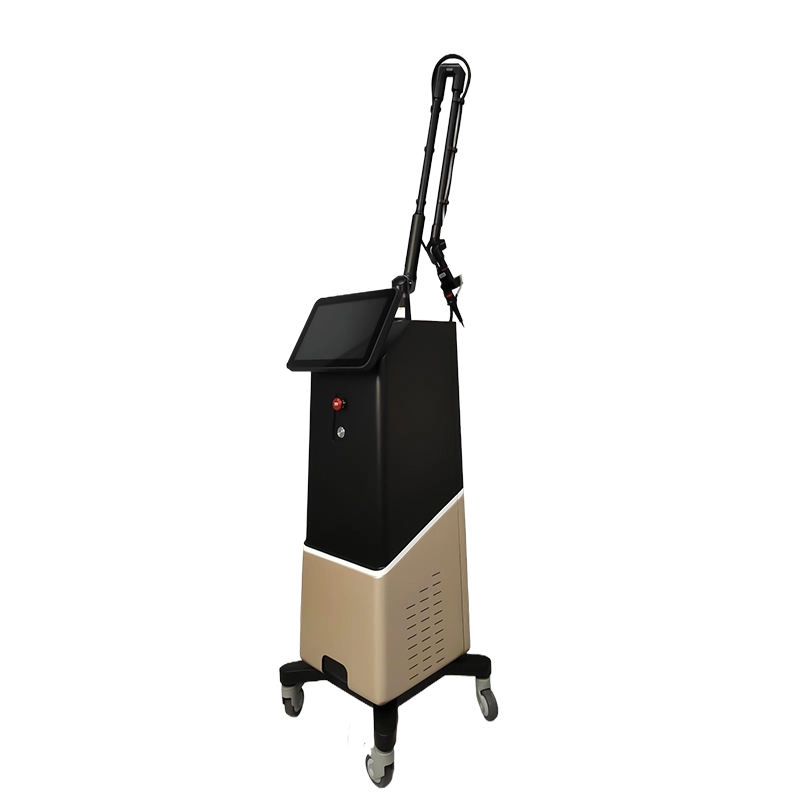
CO2 Fractional Laser Machine for Advanced Skin Resurfacing & Scar Removal
The CO2 fractional laser machine is designed to address a variety of skin concerns, offering treatments for acne scars, pigmentation, wrinkles, and overall skin texture. Utilizing advanced CO2 fractional laser technology, it delivers highly precise and controlled laser energy to promote collagen production and skin rejuvenation. This machine is ideal for professional use in beauty salons, medical spas, and aesthetic clinics. It features a user-friendly touchscreen interface, adjustable settings for customizable treatments, and a built-in cooling system to ensure comfort during use.
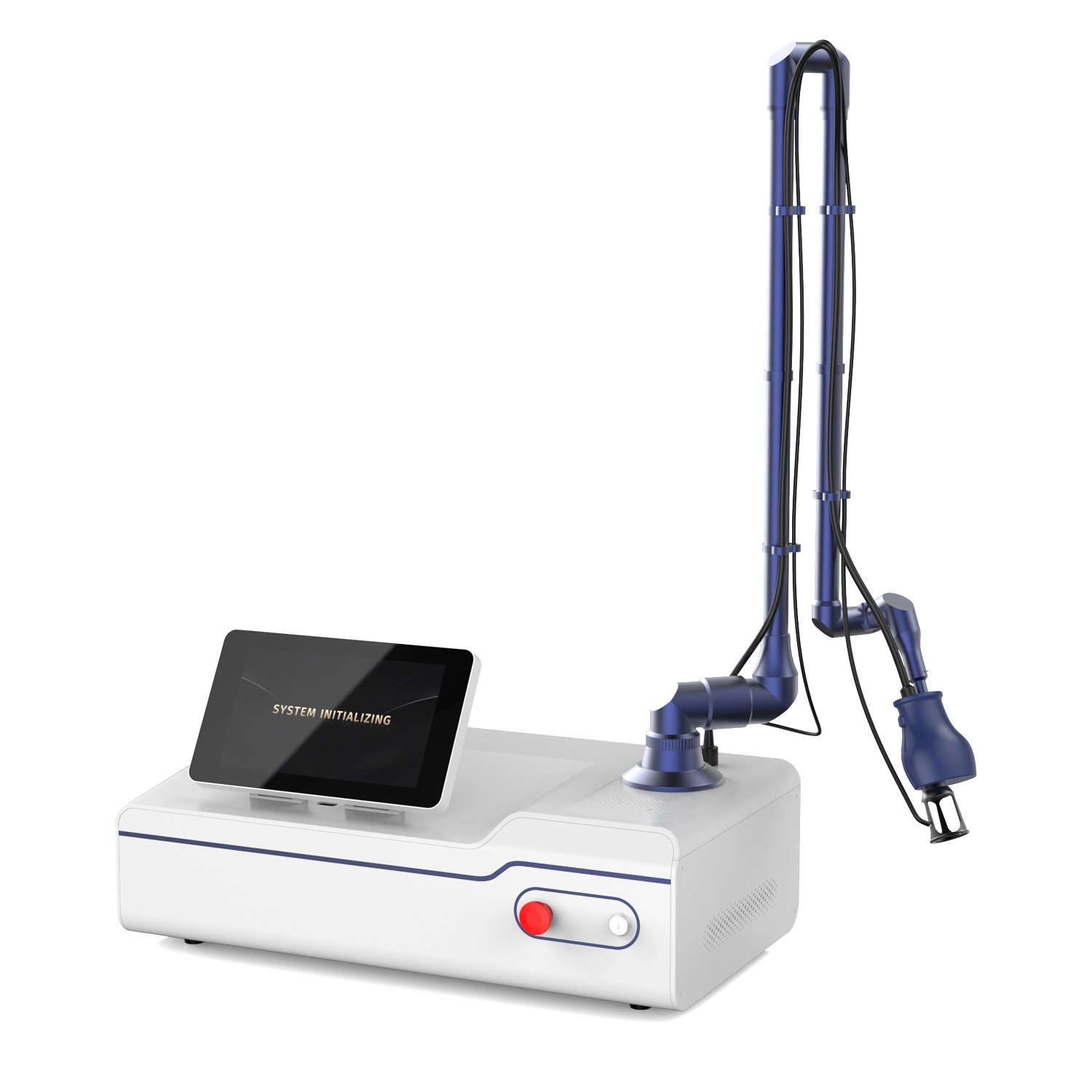
CO2 Fractional Laser Machine | Intimate Vaginal Rejuvenation System
This **CO2 Fractional Laser Machine** utilizes advanced 10600nm CO2 fractional laser technology to create controlled micro-thermal zones on the vaginal mucosa and intimate skin layers. These micro-columns stimulate collagen regeneration and tissue remodeling, effectively improving vaginal tightness, elasticity, and overall intimate health.
Designed specifically for professional medical aesthetic and intimate wellness applications, this CO2 fractional laser machine features intelligent parameter control and high-precision energy output to ensure safe, comfortable, and consistent treatment results. It is an ideal core device for vaginal rejuvenation, postpartum recovery, and intimate anti-aging treatments.
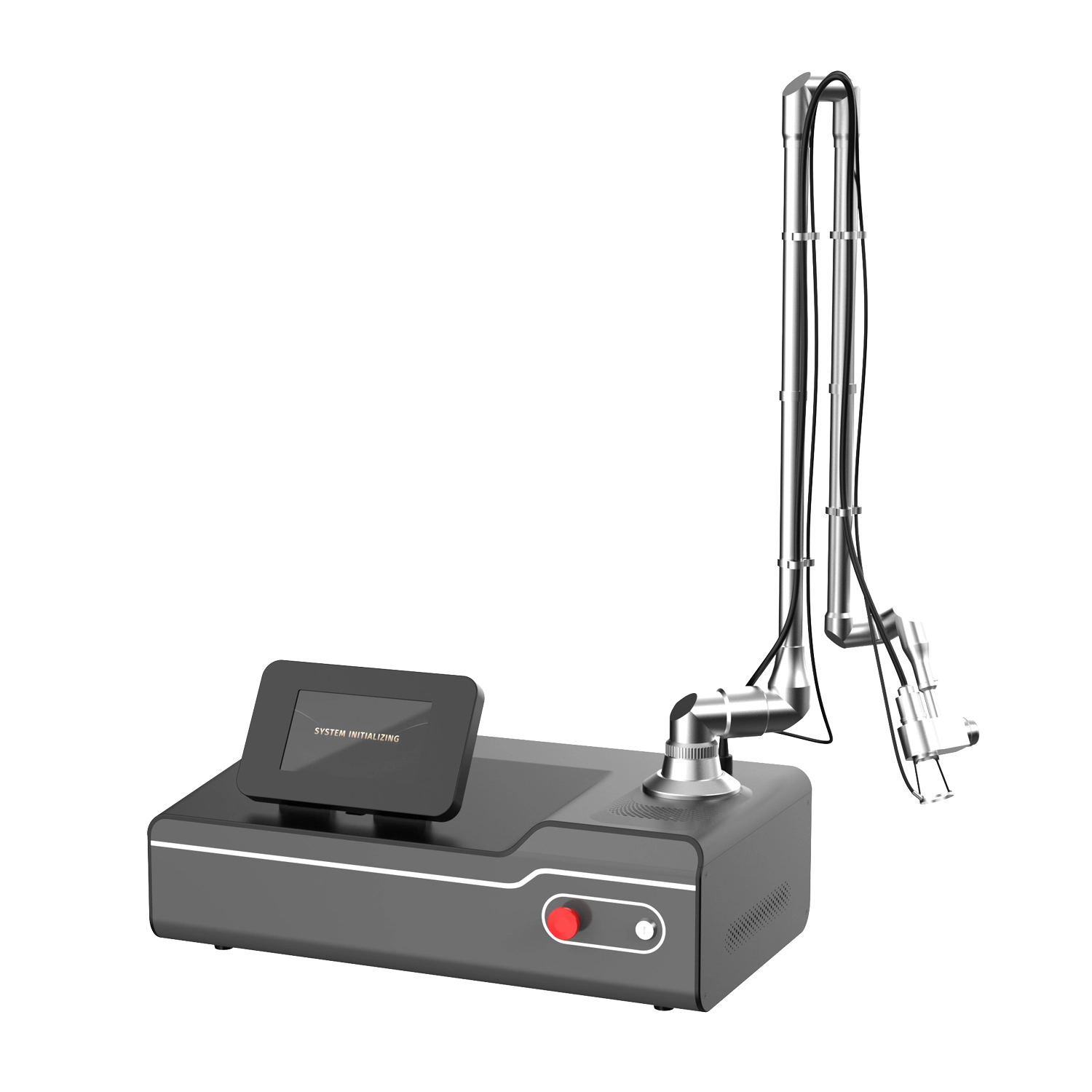
Professional CO2 Fractional Laser Machine for Skin Resurfacing & Scar Treatment
The CO2 Fractional Laser Machine is a professional CO2 fractional laser machine designed for advanced skin resurfacing, scar treatment, and skin rejuvenation procedures.
Using 10,600nm CO2 fractional laser technology, the system delivers controlled microthermal zones into the skin, stimulating collagen remodeling while preserving surrounding tissue. This fractional approach significantly improves treatment safety, recovery time, and clinical outcomes.
The CO2 fractional laser machine is widely used in dermatology clinics and medical aesthetic centers for treating acne scars, wrinkles, enlarged pores, stretch marks, and various skin texture concerns.
Get more information
If you have any comments or good suggestions, please leave us a message; later our professional staff will contact you as soon as possible.
Let's Talk
Stay in touch with us for cutting-edge beauty solutions, professional guidance, and customized service.
Contact


Room 307, Building A, Huilong International E-commerce Industrial Park, No. 10 Xipengling Road, Helong Street, Baiyun District, Guangzhou, China
© 2025 HUIMAIN. All Rights Reserved. Privacy Policy | Terms and Conditions | Sitemap
Facebook
Instagram
Medical beauty equipment factory
huimain Medical beauty equipment factory
beauty machine supplier
Whatsapp: +8619124004543