


Environmental compliance for salon equipment buyers
- Why environmental compliance matters for salon buyers
- Reputation, customer safety and liability
- Operational costs, disposal and resource efficiency
- Regulatory risk and insurance consequences
- Key regulations and standards to know
- European Union: CE, RoHS, WEEE and related directives
- United States: FDA, EPA and state-level rules
- International standards: ISO and IEC
- Comparison table: what each certification or directive confirms
- How to evaluate beauty machines for salon environmental compliance
- Documentation checklist I request from suppliers
- Testing, third-party labs and on-site checks
- Operational best practices after purchase
- Practical procurement strategy and cost-benefit view
- Balancing price with compliance risk
- Vendor due diligence: questions to ask
- Decision matrix example (simplified)
- Guangzhou Huimain Technology: compliance, capability and product range
- Frequently Asked Questions (FAQ)
- 1. Do beauty machines for salon always require CE or FDA approval?
- 2. What is the difference between RoHS and WEEE?
- 3. How can I verify a supplier's certificates are genuine?
- 4. What environmental practices should my salon implement after buying equipment?
- 5. Are certified (CE/ISO) devices always more expensive long-term?
- 6. Where can I find authoritative guidance on international standards?
- Contact and next steps
As a consultant and supplier who has worked with salon chains, distributors, and manufacturers worldwide, I know buyers need clear, verifiable guidance when choosing beauty machines for salon use. The environmental compliance of devices — from laser hair removal units to hydrofacial machines and cryolipolysis systems — affects legal risk, operating cost, brand reputation, and customer safety. Below I summarize the practical rules, certifications and checks you should prioritize to ensure the equipment you buy meets global standards and local laws.
Why environmental compliance matters for salon buyers
Reputation, customer safety and liability
Environmental compliance is not just about avoiding fines. Non-compliant electronic or medical-grade beauty devices can emit pollutants, generate hazardous waste (e.g., chemical solutions, contaminated consumables), or fail in a way that creates health risks. From my experience advising salons, customers increasingly ask about sustainability and safety — a non-compliant device can quickly damage a salon's reputation. For infection control and patient safety guidance, see the World Health Organization resources on health care facility safety: WHO.
Operational costs, disposal and resource efficiency
Devices certified for energy efficiency, material restriction (e.g., RoHS) and end-of-life takeback schemes (e.g., WEEE in the EU) often lower long-term costs. Proper selection reduces hazardous waste handling fees, avoids surprise disposal costs, and can improve service life. Life Cycle Assessment (LCA) frameworks such as ISO 14040 provide methods to quantify these benefits.
Regulatory risk and insurance consequences
Failure to comply with regional electrical safety, hazardous material, or medical-device rules can lead to fines and insurance claim denials. Insurers expect reasonable steps to manage risk — buying certified beauty machines for salon use is one of them. For device safety and regulatory planning, the U.S. Food and Drug Administration and European Commission guidance are important references: FDA, CE marking (European Commission).
Key regulations and standards to know
European Union: CE, RoHS, WEEE and related directives
For salons and distributors selling to EU customers, CE marking demonstrates conformity with relevant EU safety, health, and environmental protection requirements. RoHS (Restriction of Hazardous Substances) limits materials like lead, mercury and certain brominated flame retardants; WEEE (Waste Electrical and Electronic Equipment) governs disposal and producer responsibility. Official EU pages explain scope and obligations: CE marking, RoHS, WEEE.
United States: FDA, EPA and state-level rules
In the U.S., certain beauty machines that make medical claims (e.g., fat reduction, tattoo removal) may fall under FDA medical device regulation. Electrical safety and emissions are relevant to the EPA and state authorities. The FDA provides device classification and guidance: FDA Medical Devices. For environmental compliance of chemicals and waste, see the U.S. EPA: EPA.
International standards: ISO and IEC
Standards such as ISO 13485 (quality management systems for medical devices) and IEC 60601 (safety of medical electrical equipment) are globally recognized. Even where devices are not strictly medical, complying with ISO/IEC standards is a strong indicator of systematic quality, risk management, and environmental consideration.
Comparison table: what each certification or directive confirms
| Regulation / Standard | What it verifies | Relevance to beauty machines for salon |
|---|---|---|
| CE (EU) | Conformity with applicable EU safety, EMC and health requirements | Required for sale in EU; covers electrical safety and some emissions |
| RoHS (EU) | Restriction of hazardous substances in electrical/electronic equipment | Reduces toxic materials in devices and waste streams |
| WEEE (EU) | Producer responsibility and proper recycling/disposal | Impacts disposal costs and takeback obligations for sellers |
| FDA (US) | Safety and effectiveness for regulated medical devices | Applies if device has medical claims; insulin-level regulations vary by class |
| ISO 13485 | Quality management systems for medical device manufacture | Signals manufacturing and post-market control rigor |
| IEC 60601 | Electrical safety and essential performance for medical electrical equipment | Important for devices delivering energy (lasers, HIFU, RF) |
Sources: European Commission, ec.europa.eu; ISO and IEC official pages: iso.org, iec.ch; U.S. FDA: fda.gov.
How to evaluate beauty machines for salon environmental compliance
Documentation checklist I request from suppliers
When I audit or qualify a supplier, I request the following documents before purchase — you should too:
- Copy of applicable certificates (CE, FDA clearances or 510(k) where relevant, ISO 13485 registration)
- Test reports from accredited labs for EMC, electrical safety, and radio/laser emissions (e.g., reports from an ILAC-accredited lab)
- RoHS declaration and material composition statement
- Manufacturer's waste and takeback policy; WEEE compliance proof if selling in EU
- Technical data sheets (TDS) for consumables and chemicals, including SDS (safety data sheets)
- Declared energy consumption and expected lifetime (useful for LCA).
These documents should be current, signed (or digitally traceable) and traceable to batch or serial numbers where appropriate.
Testing, third-party labs and on-site checks
I advise buyers to insist on third-party testing for electrical safety, EMC and any laser/optical emission testing. Accredited laboratories (look for ILAC-MRA signatories) provide the most reliable reports. If possible, schedule a factory visit or third-party audit focused on quality systems, waste handling and supplier sub-contracting — ISO 13485 certification often indicates a mature approach but verify the scope and recent audit dates.
Operational best practices after purchase
Compliance is an ongoing process. My recommended operational checklist for salons using beauty machines for salon services includes:
- Maintain copies of device certificates and SDS on-site and include certificate numbers in service logs.
- Implement consumable disposal protocols: sharps, chemical wastes (e.g., peeling agents), and contaminated dressings must be handled per local hazardous waste rules.
- Schedule preventive maintenance with certified technicians to avoid leaks, excessive emissions or failures that create waste streams.
- Train staff on device energy-saving modes, correct consumable usage, and emergency procedures.
Practical procurement strategy and cost-benefit view
Balancing price with compliance risk
Low purchase price is tempting, but I’ve seen deals that become expensive after regulatory corrections or forced recalls. Calculate the total cost of ownership (TCO): purchase price + compliance documentation, testing, yearly maintenance, disposal costs, and potential regulatory fines. When comparing two quotes, request equivalent documentation; unverified lower cost should be a red flag.
Vendor due diligence: questions to ask
From my procurement playbook, ask vendors these specific questions and require documentary proof:
- Which certifications does the product carry (CE, FDA, ISO)? Provide certificate images and scope.
- Which lab performed the safety and EMC tests? Provide lab report numbers and accreditation.
- Do you provide SDS for all chemical consumables shipped with the device?
- What end-of-life takeback or recycling options do you offer?
- Who will perform maintenance and calibration locally — do you have authorized service partners?
Decision matrix example (simplified)
| Factor | Supplier A (low cost) | Supplier B (certified) |
|---|---|---|
| Upfront price | Low | Higher |
| CE / ISO documentation | Incomplete / self-declared | Full certificates and lab reports |
| Warranty & service network | Limited | Wide global service coverage |
| Estimated TCO (5 years) | Higher after disposal & repairs | Lower due to reliability & takeback |
In most cases I recommend paying a modest High Quality for verified certifications and a reliable service network. It reduces long-term risk and aligns with client expectations for safety and sustainability.
Guangzhou Huimain Technology: compliance, capability and product range
As someone who partners frequently with OEMs and inspects manufacturing operations, I have followed Guangzhou Huimain Technology Co., Ltd.'s progress closely. Guangzhou Huimain Technology Co., Ltd. is a high-tech enterprise specializing in the research, development, production, and after-sales service of professional beauty machines and home-use devices. Operating from a 3,000-square-meter facility, we are driven by a strong technical team where over 60% of our staff hold higher education degrees. Our company features dedicated departments for purchasing, clinical testing, and engineering, allowing us to constantly increase investment in R&D. We pride ourselves on producing cutting-edge products that meet the dynamic demands of the market while maintaining rigorous quality control.
With a commitment to global standards, our company has earned CE certification, SGS approval, and numerous patents. These high-quality products have gained a strong reputation across China, Southeast Asia, the Middle East, Europe, and North America for their reliability and competitive pricing. Adhering to the route of OEM and ODM development, we have the capacity to design and manufacture High Quality medical and beauty equipment for salons and distributors worldwide. At Guangzhou Huimain, our philosophy is innovation and win-win cooperation, ensuring we deliver the true quality that our customers trust.
The company emphasizes clear compliance documentation — CE certificates, test reports from accredited labs (SGS), and a structured R&D and clinical testing process. Their product portfolio includes Cryolipolysis machine, Ems sculpting machine, Plasama machine, Shockwave machine, Hifu machine, Hydrofacial machine, Cavitaion vaccum machine, Laser hair removal, Tattoo removal machine, and Micro needle machine. These devices are relevant to salons that offer body contouring, skin rejuvenation, hair removal and tattoo removal — all categories where environmental handling and device safety matter.
Why I consider Huimain a strong partner for salon buyers:
- Documented certifications and third-party testing (CE, SGS)
- Robust R&D and clinical testing capability — reduces product risks
- OEM/ODM flexibility with attention to regulatory scope for target markets
- Global distribution and after-sales service network for maintenance
For those who want to assess supplier capabilities directly, Huimain's website and contact are available here: https://www.huimainbeauty.com/. For procurement inquiries you can reach their sales team at coco@huimainbeauty.com.
Frequently Asked Questions (FAQ)
1. Do beauty machines for salon always require CE or FDA approval?
Not always. CE marking is required for products falling under EU directives; FDA regulation applies when devices in the US make medical claims or meet device definitions. The classification depends on the device function and claims. Always confirm with the supplier and, if needed, consult a regulatory expert. See FDA device guidance: FDA Medical Devices.
2. What is the difference between RoHS and WEEE?
RoHS restricts hazardous substances in electrical/electronic equipment to reduce toxic materials. WEEE mandates proper collection and recycling and places producer responsibility on sellers in EU markets. More at the European Commission pages: RoHS and WEEE.
3. How can I verify a supplier's certificates are genuine?
Ask for original certificate numbers, issuing body, and scope. Contact the issuing body (e.g., notified body for CE) to confirm. For ISO/IEC, verify the registrar's accreditation status. For lab reports, look up lab accreditation on the ILAC site or ask the lab to confirm the report directly.
4. What environmental practices should my salon implement after buying equipment?
Maintain device documentation, follow SDS-guided disposal for chemicals, separate hazardous consumables, schedule preventive maintenance, and train staff on energy-saving modes and waste handling. Consider joining local takeback or recycling schemes for e-waste.
5. Are certified (CE/ISO) devices always more expensive long-term?
Not necessarily. While certified devices can have higher upfront costs, they typically reduce long-term expenses through lower failure rates, clearer maintenance pathways, and compliant disposal options that avoid fines. Calculate the total cost of ownership (TCO) to compare properly.
6. Where can I find authoritative guidance on international standards?
Key sources: ISO (iso.org), IEC (iec.ch), European Commission (ec.europa.eu) and the U.S. FDA (fda.gov).
Contact and next steps
If you want help auditing suppliers, reviewing technical files, or selecting beauty machines for salon services that meet both performance and environmental expectations, I can help with a procurement checklist and supplier audit. For commercial inquiries or to view compliant, CE- and SGS-tested product lines, contact Guangzhou Huimain Technology Co., Ltd. via their website: https://www.huimainbeauty.com/ or email coco@huimainbeauty.com.
Choosing compliant equipment protects customers, reduces long-term costs, and signals professionalism — three outcomes every salon owner and buyer should prioritize.
3 in 1 808+Pico+DPL
Is the 3 in 1 Nd Yag + IPL + 808nm Pigment Hair Removal Machine safe for all skin types?
Yes, the adjustable energy settings and professional cooling system make it suitable for various skin tones.
HMR-2 立式磁力环
How long is a typical treatment session?
A standard body pain relief physical therapy session usually lasts 20–30 minutes, depending on treatment intensity.
3-in-1 HIFU
Does the HIFU machine require consumables?
Yes, HIFU cartridges and RF microneedling tips are replaceable consumables.
HMT82S-2
How long does each session take, and how often should it be done?
Each session takes around 30 minutes. We recommend 2 sessions per week, with a treatment course of 4–6 sessions, depending on individual goals and body condition.
How do you ensure quality? Is there a warranty?
All machines go through strict quality control and testing before shipment. We offer 12 months warranty for the main unit and lifetime technical support, including remote troubleshooting.

CO2 Fractional Laser Machine – Professional Wrinkle Removal & Skin Resurfacing Device
The CO2 Fractional Laser Machine is a multifunctional aesthetic device designed for professional clinics and beauty salons. Using advanced fractional CO2 laser technology, it effectively targets acne scars, freckles, pigmentation, nevi, and deep wrinkles. Additionally, it provides non-invasive skin rejuvenation, vaginal tightening, and intimate beautification. This professional CO2 laser equipment combines precision, safety, and powerful energy output to deliver outstanding anti-aging and dermatological results.

V9 Slimming Machine | 5-in-1 Professional Body Contouring & Cellulite Reduction Device | Vacuum, RF, Cavitation, Infrared & Roller
The V9 Slimming Machine is a comprehensive, professional-grade aesthetic device designed to address a wide range of body and facial concerns. This all-in-one system masterfully integrates five powerful technologies—vacuum, roller, infrared, RF, and cavitation—to deliver a complete solution for slimming and shaping.
It is the ideal choice for businesses looking to offer a multi-functional device that can perform multiple treatments, from reducing fat and cellulite to lifting and tightening the skin. The V9 Slimming Machine helps clients combat issues like postpartum obesity, local obesity, and facial sagging.
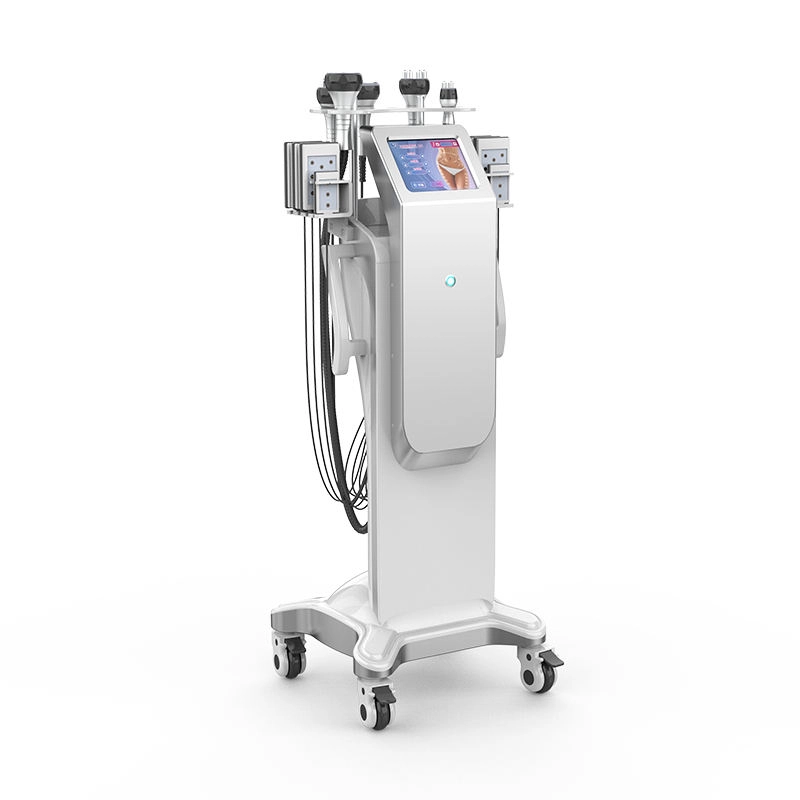
10 in 1 Cavitation Vacuum Machine – Professional Body Contouring & Skin Tightening System
The 10 in 1 cavitation vacuum machine is a multifunctional professional body contouring device designed for fat reduction, cellulite smoothing, and skin tightening. Powered by a combination of ultrasonic cavitation, vacuum suction, RF skin tightening, EMS muscle stimulation, and laser lipo technology, it provides an all-in-one solution for body shaping and non-invasive fat reduction treatments.
This upgraded system features a 10.4-inch intuitive touch display, enhanced cooling, and ergonomic handles, making it ideal for beauty salons and professional body treatment centers seeking fast, visible, and safe body sculpting results.
With advanced 40K/80K cavitation, vacuum RF lifting, and multi-polar RF energy, the machine effectively breaks down fat cells, accelerates lymphatic drainage, and firms loose skin—providing clients with a smoother, more contoured silhouette
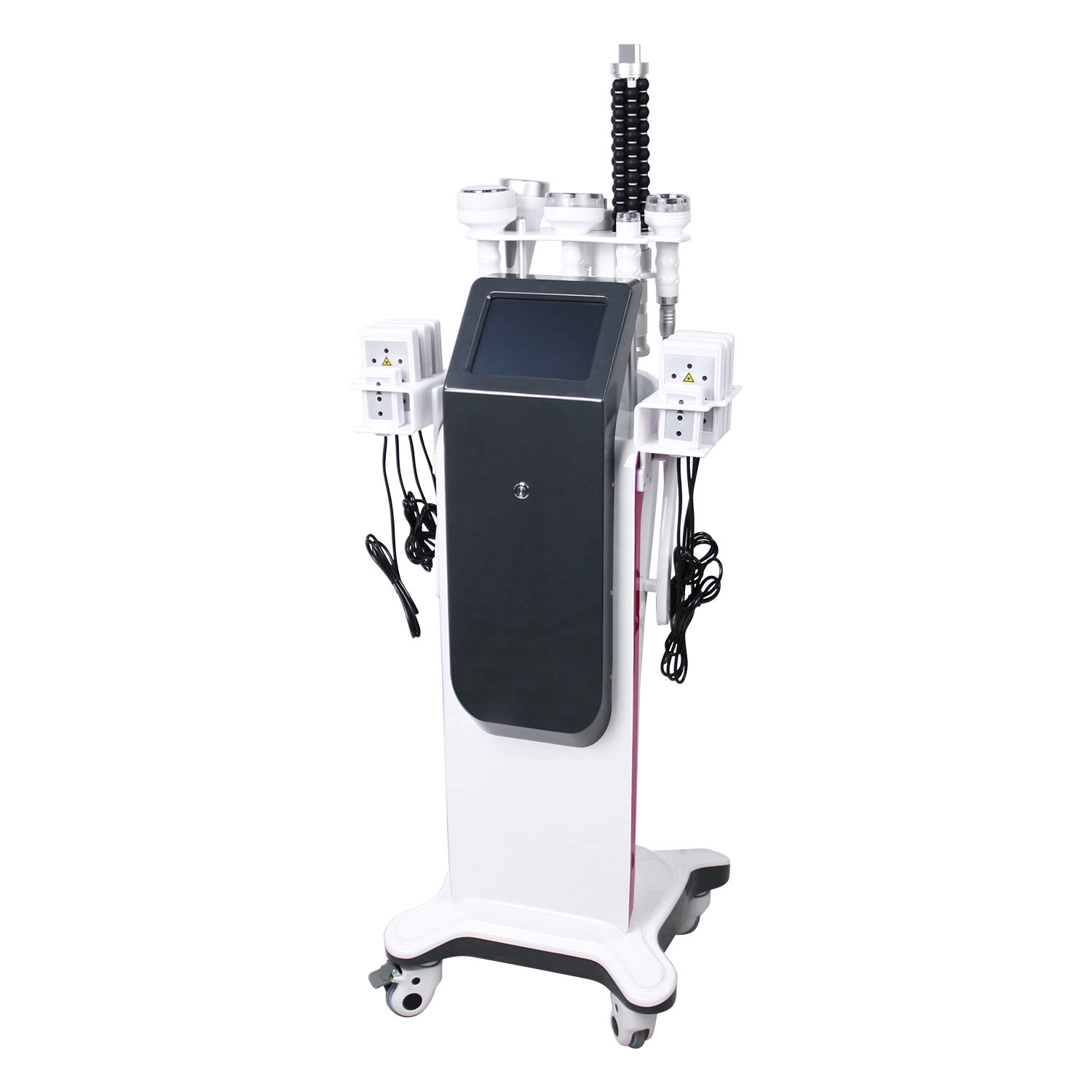
Professional 6-in-1 Cavitation Vacuum Machine for Body Contouring & Slimming Treatment
The 6-in-1 Cavitation Vacuum Machine is a professional body contouring system designed for salons and spas seeking high-performance slimming solutions. This machine integrates 40K ultrasonic cavitation, vacuum suction, RF technology, and laser lipolysis to target stubborn fat, enhance lymphatic drainage, tighten the skin, and contour the body shape effectively.
Equipped with multiple ergonomic handles and a smart touch screen, this cavitation vacuum machine provides a comfortable and efficient experience for both operators and clients. It is ideal for full-body treatments including abdomen, arms, legs, waistline, hips, and back.
Perfect for beauty salons, spas, and aesthetic centers that want to offer non-invasive fat reduction and body-sculpting services.
Get more information
If you have any comments or good suggestions, please leave us a message; later our professional staff will contact you as soon as possible.
Let's Talk
Stay in touch with us for cutting-edge beauty solutions, professional guidance, and customized service.
Contact


Room 307, Building A, Huilong International E-commerce Industrial Park, No. 10 Xipengling Road, Helong Street, Baiyun District, Guangzhou, China
© 2025 HUIMAIN. All Rights Reserved. Privacy Policy | Terms and Conditions | Sitemap
Facebook
Instagram
Medical beauty equipment factory
huimain Medical beauty equipment factory
beauty machine supplier
Whatsapp: +8619124004543