


HIFU for Body Contouring: What You Need to Know
- Understanding Non-Invasive Body Sculpting
- How HIFU Machines Work: Mechanism and Technology
- Clinical Evidence: Efficacy and Limitations of HIFU Machines
- Treatment Areas, Ideal Candidates and Contraindications
- Procedure Workflow, Pain Management and Downtime
- Safety Profile and Regulatory Considerations for HIFU Machines
- Comparing HIFU Machines with Other Body‑Contouring Technologies
- How to Choose HIFU Machines: Key Specifications and Buyer Checklist
- Operational Costs, Pricing and Return on Investment (ROI)
- Training, Protocols and Quality Assurance for HIFU Machines
- Guangzhou Huimain Technology Co., Ltd. — R&D, Production and After‑Sale Strengths
- Practical Recommendations — What Clinics Should Do Next
- FAQ
- Contact & See Our Products
- References & Data Sources
Understanding Non-Invasive Body Sculpting
High‑intensity focused ultrasound (HIFU) has emerged as one of several non‑invasive options for body contouring. When clinics evaluate HIFU Machines for their service mix, they need clear, evidence‑based information about how HIFU works, what results patients can realistically expect, safety considerations, how HIFU compares to alternatives (cryolipolysis, EMS, lasers), and the practical questions around device selection, training and ROI.
How HIFU Machines Work: Mechanism and Technology
HIFU Machines deliver focused ultrasound energy into subcutaneous tissue layers to produce precise thermal coagulation points (thermal necrosis) at controlled depths without cutting the skin. For body contouring, the intended outcomes are twofold: (1) thermal injury that stimulates collagen remodeling and skin tightening, and (2) localized adipocyte disruption when energy is targeted to deeper fat layers. Depth settings, transducer geometry and energy parameters vary by device; modern HIFU Machines may offer multiple handpieces for different depths (e.g., 1.5–13 mm) to treat superficial dermis to deep subcutaneous fat.
Clinical Evidence: Efficacy and Limitations of HIFU Machines
Clinical studies and manufacturer data show that HIFU Machines can produce measurable skin tightening and modest fat reduction in selected areas. Evidence is stronger and more consistent for skin laxity and tissue lifting (face/neck) than for circumferential fat reduction on the trunk. Typical reported outcomes for body applications range from subtle to moderate circumference reduction after one to a few treatments, with incremental improvement over 2–3 months as collagen remodels. However, results are variable and patient‑dependent: baseline fat thickness, skin elasticity, device parameters and operator skill all influence outcomes (see references at end).
Treatment Areas, Ideal Candidates and Contraindications
HIFU Machines are most suitable for patients with localized fat pockets and mild to moderate skin laxity who prefer non‑surgical options. Common treatment zones include abdomen, flanks, inner/outer thighs, arms and submental/neck areas. Ideal candidates are near their ideal body weight with good skin quality; HIFU is not a substitute for overall weight loss or bariatric procedures. Contraindications typically include pregnancy, implanted electronic devices (e.g., pacemakers), active infections at the treatment site, coagulation disorders, and unrealistic expectations. Pre‑treatment consultation should document medical history, medications, prior procedures, and photographic baseline measurements.
Procedure Workflow, Pain Management and Downtime
Typical sessions with HIFU Machines last 20–90 minutes depending on the treatment area and device coverage. Patients often report sensations of heat, prickling, or intermittent discomfort during energy delivery. Pain tolerance varies; many clinics use topical anesthetic, oral analgesics, or cooling adjuncts. Downtime is minimal — transient erythema, edema, and occasional tenderness are common and resolve in days to weeks. Serious adverse events (e.g., burns, persistent numbness) are rare when using properly calibrated devices and trained operators.
Safety Profile and Regulatory Considerations for HIFU Machines
Safety of HIFU Machines depends on device quality, built‑in energy controls, real‑time monitoring (imaging or temperature feedback where available), and operator training. Some HIFU devices are cleared by regulatory authorities for specific indications (e.g., microfocused ultrasound for skin lifting), while others are marketed for aesthetic fat reduction with varying regulatory statuses across regions. Clinics should verify device certifications (CE, ISO, FDA clearance/510(k) when applicable), follow manufacturer protocols, and maintain clinical documentation and incident reporting procedures.
Comparing HIFU Machines with Other Body‑Contouring Technologies
When advising clinic managers or buyers, it helps to compare HIFU Machines against mainstream alternatives: cryolipolysis (fat freezing), EMS/EMSCULPT (muscle stimulation and fat metabolism), radiofrequency (RF) skin tightening, and laser lipolysis. The table below summarizes key differentiators to aid decision‑making.
| Technology | Primary Mechanism | Typical Targets | Sessions Needed | Downtime | Typical Clinical Result |
|---|---|---|---|---|---|
| HIFU Machines | Focused ultrasound thermal coagulation (collagen remodeling) +/- adipocyte disruption | Skin laxity, small fat pockets (abdomen, flanks, thighs, submental) | 1–3 (often spaced weeks) | Minimal (erythema/edema) | Modest skin tightening; variable fat reduction |
| Cryolipolysis | Tissue cooling causing adipocyte apoptosis | Localized fat bulges (flanks, abdomen, thighs) | 1–3 per area | Minimal to none (temporary numbness) | ~20–25% fat layer reduction per treatment (manufacturer data) |
| EMS / EMSCULPT | High‑intensity electromagnetic stimulation causing supramaximal muscle contractions | Muscle toning (abdomen, buttocks), secondary fat reduction | 4 sessions typical | None | Increased muscle mass and tone; variable fat loss |
| Radiofrequency (RF) | Bulk heating of dermis/subcutaneous tissue to stimulate collagen | Skin tightening, cellulite improvement | Multiple sessions (4–8) | Minimal | Gradual tightening; best for mild laxity |
Source notes: cryolipolysis reduction percentages are based on published manufacturer data and clinical studies; clinical response varies by patient and device.
How to Choose HIFU Machines: Key Specifications and Buyer Checklist
Clinic buyers should evaluate HIFU Machines across technical, clinical and business dimensions. Important technical specs include adjustable focal depth(s), energy range (J/cm2), handpiece variety, cooling mechanisms, treatment footprint, and user interface. Clinically, request peer‑reviewed study data or third‑party clinical trial reports, safety features (real‑time imaging or temperature control), and training programs. From a business standpoint, consider warranty, consumable costs, expected throughput (treatments/day), pricing, and after‑sales service. Ask vendors for before/after galleries with documented baseline measurements, complication rates and patient satisfaction surveys.
Operational Costs, Pricing and Return on Investment (ROI)
Financial planning should include capital cost of HIFU Machines, consumables (if any), maintenance, staff training, marketing, and average revenue per treatment. Because HIFU treatments can be single or few sessions with higher price points than simple aesthetic services, clinics often position HIFU Machines as High Quality offerings. Estimate break‑even by calculating number of treatments needed monthly to cover financing and operating costs; include conservative patient conversion and repeat‑purchase assumptions when modeling ROI.
Training, Protocols and Quality Assurance for HIFU Machines
Operator competence directly affects outcomes and safety. Choose suppliers that provide structured training (didactic + hands‑on), certification, and access to clinical support. Establish standard operating procedures for patient selection, photographic documentation, energy mapping per treatment area, follow‑up timelines, and adverse event management. Periodic audits of outcomes and patient satisfaction will improve clinical results over time.
Guangzhou Huimain Technology Co., Ltd. — R&D, Production and After‑Sale Strengths
Guangzhou Huimain Technology Co., Ltd. is a high‑tech company specializing in beauty machines and home‑use machine series, with integrated capabilities in research & development, production, sales and after‑sale service. The company operates on a 3000 square meter campus with a technical team where over 20% hold bachelor’s degrees and more than 40% have junior college degrees. Huimain has a robust R&D department and experienced engineers, along with PE experts, a professional purchasing team, clinical testing capacity and a dedicated after‑sale service department. The company continually invests in new product R&D to meet market demand, and holds CE and SGS approvals as well as several product patents.
Huimain adheres to an OEM and ODM route for beauty machines, capable of designing and producing high‑quality medical and beauty devices for salons and clinics. Their product lineup relevant to body contouring and clinic portfolios includes Cryolipolysis machine, Ems sculpting machine, Plasama machine, Shockwave machine, Hifu machine, Hydrofacial machine, Cavitation vacuum machine, Laser hair removal, Tattoo removal machine and Micro needle machine. Key competitive advantages claimed by Huimain are strong R&D, manufacturing scalability, competitive pricing, established certifications (CE/SGS), and global distribution across China, Southeast Asia, the Middle East, Europe and North America.
Practical Recommendations — What Clinics Should Do Next
If you're evaluating HIFU Machines for your practice: (1) review published clinical evidence for the specific device model you consider, (2) request a trial or demo and supervised training, (3) verify certifications (CE, ISO, FDA clearance if relevant), (4) build realistic pricing and ROI models, and (5) create patient education materials that set realistic expectations. Combining HIFU treatments with complementary modalities (e.g., EMS for muscle tone or cryolipolysis for larger fat deposits) often yields higher overall patient satisfaction, provided protocols are evidence‑based.
FAQ
Q1: How many HIFU treatments are needed to see results?
A1: Most patients see some improvement after a single session, with gradual improvement over 2–3 months as collagen remodels. Many clinics recommend 1–3 sessions depending on the treatment area and desired results.
Q2: Are results from HIFU Machines permanent?
A2: HIFU stimulates collagen remodeling and can permanently denature treated adipocytes, but aging and weight changes continue. Maintenance treatments or combined therapies may be needed for long‑term outcomes.
Q3: What are the most common side effects of HIFU body treatments?
A3: Common effects are transient erythema, swelling, tingling, or tenderness. Rare complications include burns, persistent numbness or induration, usually associated with improper settings or inexperienced operators.
Q4: How do HIFU Machines compare to CoolSculpting for fat reduction?
A4: Cryolipolysis (CoolSculpting) is generally more predictable for focal fat layer reduction (manufacturer studies report ~20–25% reduction per treatment), while HIFU Machines may offer better skin tightening combined with modest fat loss. Choice depends on patient goals and anatomy.
Q5: Can HIFU be combined with other body contouring technologies?
A5: Yes. Combining HIFU with technologies such as EMS for muscle toning, RF for additional skin tightening, or cryolipolysis for larger fat volumes can improve aesthetic outcomes when scheduled and performed appropriately.
Q6: What should I ask a manufacturer when buying HIFU Machines?
A6: Request clinical trial data, device certifications (CE, ISO, FDA if applicable), warranty terms, consumable costs, training details, available handpieces and focal depths, and documented adverse event rates.
Contact & See Our Products
If you would like to evaluate HIFU Machines or other professional beauty devices, Guangzhou Huimain Technology Co., Ltd. offers OEM/ODM services, product demos, clinical testing support and after‑sale training. Contact Huimain for detailed product specifications, clinical data and pricing, or visit their product catalog to review HIFU machines, Cryolipolysis machines, Ems sculpting machines and more. For consultation and orders, reach out via the company’s official sales channels or request a demo to assess clinical fit and ROI for your clinic.
References & Data Sources
- Wikipedia — High‑intensity focused ultrasound. https://en.wikipedia.org/wiki/High‑intensity_focused_ultrasound (accessed 2025‑12‑19).
- Ultherapy — Clinical Studies and Evidence (manufacturer clinical data on microfocused ultrasound for tissue lifting). https://www.ultherapy.com/clinical‑studies (accessed 2025‑12‑19).
- CoolSculpting — Clinical Studies (manufacturer data on cryolipolysis efficacy). https://www.coolsculpting.com/clinical‑studies (accessed 2025‑12‑19).
- Peer‑reviewed reviews on non‑invasive body contouring and HIFU (example review articles available via PubMed/NCBI). See PubMed/NCBI search results for “HIFU body contouring review” for multiple clinical evaluations. https://pubmed.ncbi.nlm.nih.gov/ (accessed 2025‑12‑19).
- Regulatory & safety guidance: European CE marking and ISO device standards information; manufacturers should provide device certificates. See European Commission and ISO resources for medical device conformity (accessed 2025‑12‑19).
Note: For clinical decision‑making, always review the primary clinical studies and the specific HIFU device’s published data and safety profile. The references above include manufacturer clinical summaries and authoritative technical overviews; consult PubMed/NCBI for peer‑reviewed trials and systematic reviews for device‑specific evidence.
GL-1皮秒
How many wavelengths does this laser machine support?
This laser machine supports 532nm, 755nm and 1064nm wavelengths, allowing doctors to treat both superficial and deep pigmentation as well as tattoo ink with one system.
A50
Is the treatment painful?
No, the silicone rolling ball provides a gentle massage effect without irritation.
808 single handle standing
What skin types can use this machine?
It is safe for all Fitzpatrick skin types I–VI, including dark and sensitive skin.
W8002
What is a Hydrafacial machine?
A Hydrafacial machine uses water-oxygen & vacuum suction technology to cleanse, exfoliate, and hydrate the skin while delivering nutrients.
cryolipolysis machine
How many treatments are required?
Most clients see results after 1–3 sessions, with optimal outcomes typically achieved after 8–12 weeks.

CO2 Fractional Laser Machine – Professional Wrinkle Removal & Skin Resurfacing Device
The CO2 Fractional Laser Machine is a multifunctional aesthetic device designed for professional clinics and beauty salons. Using advanced fractional CO2 laser technology, it effectively targets acne scars, freckles, pigmentation, nevi, and deep wrinkles. Additionally, it provides non-invasive skin rejuvenation, vaginal tightening, and intimate beautification. This professional CO2 laser equipment combines precision, safety, and powerful energy output to deliver outstanding anti-aging and dermatological results.

5-in-1 40K Cavitation Vacuum Machine for Body Slimming & Fat Reduction
The 5-in-1 40K Cavitation Vacuum Machine is a professional body shaping system designed for fat reduction, cellulite smoothing, and overall body contouring. Using 40KHz ultrasonic cavitation, this device breaks down stubborn fat cells, while vacuum suction improves lymphatic drainage and accelerates toxin removal.
With multiple RF tightening handles, the machine stimulates collagen regeneration and helps lift and firm loose areas of the body. Compact, powerful, and easy to operate, it is the perfect solution for beauty salons, spa centers, and slimming studios seeking fast and visible fat-reduction results.
This cavitation vacuum machine is built to deliver safe, non-invasive treatments with no downtime—making it a top choice for body contouring professionals.

6-in-1 Multifunctional Beauty and Weight Loss Machine | Cavitation, RF, Vacuum PDT, EMS, Laser Slimming Equipment for Professional Use
The 6-in-1 Multifunctional Beauty and Weight Loss Machine is a professional-grade device designed for salons, clinics, and distributors. Combining six advanced technologies—cavitation, RF (radio frequency) for face & body, vacuum RF PDT, BIO/EMS microcurrent, and laser lipo pads—this device offers comprehensive body contouring, fat reduction, skin tightening, and anti-aging treatments.
It provides businesses with an all-in-one solution to expand service offerings, attract more clients, and achieve a rapid return on investment.
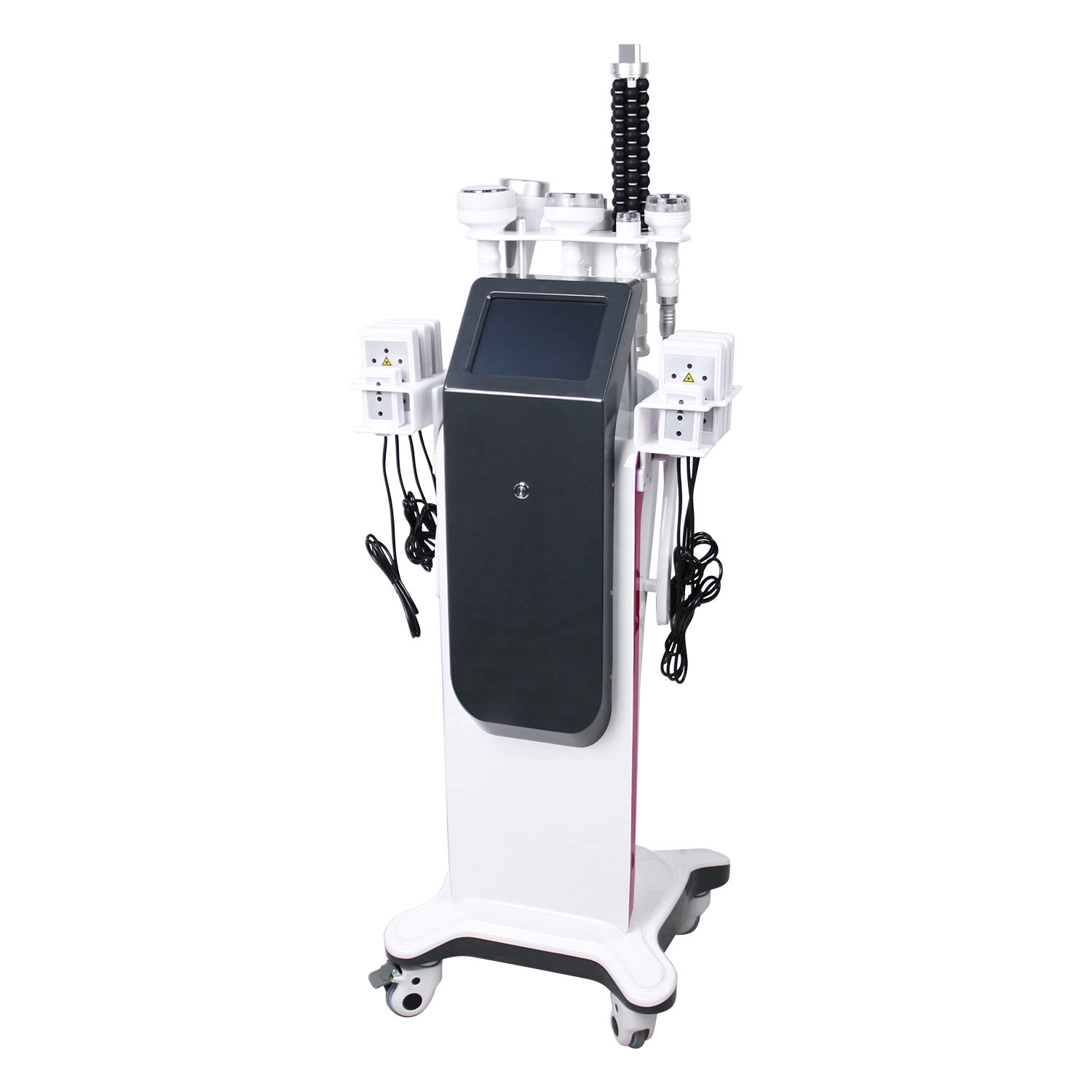
Professional 6-in-1 Cavitation Vacuum Machine for Body Contouring & Slimming Treatment
The 6-in-1 Cavitation Vacuum Machine is a professional body contouring system designed for salons and spas seeking high-performance slimming solutions. This machine integrates 40K ultrasonic cavitation, vacuum suction, RF technology, and laser lipolysis to target stubborn fat, enhance lymphatic drainage, tighten the skin, and contour the body shape effectively.
Equipped with multiple ergonomic handles and a smart touch screen, this cavitation vacuum machine provides a comfortable and efficient experience for both operators and clients. It is ideal for full-body treatments including abdomen, arms, legs, waistline, hips, and back.
Perfect for beauty salons, spas, and aesthetic centers that want to offer non-invasive fat reduction and body-sculpting services.
Get more information
If you have any comments or good suggestions, please leave us a message; later our professional staff will contact you as soon as possible.
Let's Talk
Stay in touch with us for cutting-edge beauty solutions, professional guidance, and customized service.
Contact


Room 307, Building A, Huilong International E-commerce Industrial Park, No. 10 Xipengling Road, Helong Street, Baiyun District, Guangzhou, China
© 2025 HUIMAIN. All Rights Reserved. Privacy Policy | Terms and Conditions | Sitemap
Facebook
Instagram
Medical beauty equipment factory
huimain Medical beauty equipment factory
beauty machine supplier
Whatsapp: +8619124004543