


How CO2 Fractional Lasers Treat Scars, Wrinkles, and Pigmentation
- Understanding laser–tissue interaction and fractional technology
- What makes a CO2 laser different?
- Fractional delivery: why fractionate?
- Histologic response: remodeling not just removal
- How CO2 fractional lasers address scars, wrinkles, and pigmentation
- Scars (atrophic and hypertrophic)
- Wrinkles and skin laxity
- Pigmentation and dyschromia
- Clinical parameters, protocols, and real-world outcomes
- Key settings: energy, density, and pulse pattern
- Typical treatment course and downtime
- Comparative effectiveness: fractional CO2 vs alternatives
- Safety, complications, and special considerations
- Common side effects and how I manage them
- Serious complications and mitigation
- When to combine treatments
- Device selection and why manufacturer matters
- Key device features to evaluate
- Clinical validation and regulatory compliance
- Why partnering with a reliable OEM/ODM matters
- About Guangzhou Huimain Technology Co., Ltd.
- Practical recommendations for clinicians and clinic owners
- Patient selection and consent
- Operational considerations for your practice
- Measuring outcomes
- FAQ
- 1. How many sessions of fractional CO2 are needed for acne scars?
- 2. Is fractional CO2 safe for darker skin tones?
- 3. What downtime should I tell my patients?
- 4. How does a co₂ fractional laser machine compare to non-ablative lasers?
- 5. Can fractional CO2 treat pigmentation like melasma?
- 6. How do I choose the right co₂ fractional laser machine for my clinic?
As a clinician and consultant who has worked with aesthetic practices and device manufacturers for over a decade, I routinely guide clinicians and clinic owners on selecting and using devices like the co₂ fractional laser machine to treat acne scars, surgical scars, perioral/periorbital wrinkles, and pigmentary issues. In this article I synthesize the underlying physics, tissue response, clinical protocols, expected outcomes, safety considerations, and device selection criteria so you can make evidence-based decisions for patients and practice investment.
Understanding laser–tissue interaction and fractional technology
What makes a CO2 laser different?
The CO2 laser emits light at 10,600 nm, which is strongly absorbed by water in biological tissue. This high absorption allows controlled vaporization (ablation) and thermal coagulation of the epidermis and dermis with precise depth control. You can read a technical overview on carbon dioxide lasers at Wikipedia and clinical device guidance at the U.S. FDA site.
Fractional delivery: why fractionate?
Fractional photothermolysis creates microscopic treatment zones (MTZs)—columns of ablation and thermal injury—surrounded by untouched tissue. The intact skin between MTZs accelerates re-epithelialization and reduces downtime compared with full-field ablative resurfacing. Fractional CO2 thus balances efficacy (deep remodeling) and safety (faster healing). See the general concept described on Wikipedia.
Histologic response: remodeling not just removal
After fractional CO2 treatment, immediate ablation removes damaged epidermis and creates a thermal zone that stimulates a wound-healing cascade: inflammatory cell recruitment, fibroblast activation, and neocollagenesis with remodeling of dermal collagen and elastin. This is why CO2 fractional lasers can soften deep acne scars and tighten lax skin over months rather than only providing transient volumetric change.
How CO2 fractional lasers address scars, wrinkles, and pigmentation
Scars (atrophic and hypertrophic)
For atrophic acne scars, fractional CO2 creates columns that reach the deep dermis, inducing controlled injury followed by collagen deposition and contraction of the scar architecture. For hypertrophic scars and some keloids, the thermal component can reduce fibroblast activity and vascularity, although careful parameter selection and adjuvant therapies (silicone, steroid injections) are often required. Clinical trials and reviews consistently report meaningful improvement in scar depth and texture with fractional CO2 compared with non-ablative modalities (see clinical literature summarized by dermatologic reviews and meta-analyses; for general device contexts see PubMed).
Wrinkles and skin laxity
Wrinkle reduction results from both epidermal renewal and dermal remodeling. Fractional CO2 stimulates new collagen (types I and III) and elastin reorganization, improving skin thickness and tensile properties. For dynamic deep wrinkles, combining CO2 fractional resurfacing with neuromodulators or fillers may produce the best aesthetic outcome—CO2 improves texture and superficial lines, while adjuncts restore volume or reduce muscle activity.
Pigmentation and dyschromia
Pigmentary problems (post-inflammatory hyperpigmentation, lentigines, melasma variants) are more variable. CO2 fractional ablation can remove epidermal pigment islands and promote turnover, but it also carries risk of post-inflammatory hyperpigmentation (PIH), especially in Fitzpatrick skin types IV–VI. Pre-treatment with topical agents (e.g., hydroquinone or tranexamic acid), careful fluence selection, and conservative treatment intervals reduce risk. Guidelines from dermatologic societies emphasize caution and test spots for darker skin types (see educational resources by the American Academy of Dermatology: AAD).
Clinical parameters, protocols, and real-world outcomes
Key settings: energy, density, and pulse pattern
When I program a co₂ fractional laser machine I focus on three variables: energy per microbeam (determines depth and ablation volume), density (percentage of skin surface treated), and pulse pattern (single vs stacked pulses, affecting thermal spread). Higher energy and density increase efficacy but also downtime and complication risk. For acne scarring I typically start with moderate energy and moderate density, titrating up with later sessions; for superficial wrinkling lower energy, higher density protocols are common.
Typical treatment course and downtime
Most patients undergo 1–4 sessions spaced 4–12 weeks apart depending on indication. Expected downtime ranges from 3–10 days for fractional CO2 (erythema and crusting), with full maturation of results over 3–9 months as collagen remodels. Real-world outcomes vary by indication and device settings.
Comparative effectiveness: fractional CO2 vs alternatives
Below is a concise comparison of common resurfacing options to contextualize CO2 fractional lasers for clinic decision-making.
| Treatment | Mechanism | Typical Downtime | Typical Sessions | Best for |
|---|---|---|---|---|
| Fractional CO2 (ablative) | Water absorption → ablation + thermal remodeling | 3–10 days | 1–4 | Deep scars, deep wrinkles, texture |
| Non-ablative fractional (e.g., 1550 nm) | Dermal heating without epidermal ablation | 0–3 days | 3–6 | Mild texture, pigmentation with lower risk |
| Full-field CO2 ablative | Uniform epidermal/dermal ablation | 7–21+ days | 1 | Severe photoaging, deep rhytides (higher risk) |
| Topicals/peels | Chemical exfoliation/epidermal remodeling | 0–7 days | Multiple | Superficial pigment and texture |
Sources and reviews on comparative outcomes can be referenced via PubMed and dermatologic society guidance (e.g., PubMed, AAD, FDA).
Safety, complications, and special considerations
Common side effects and how I manage them
Post-treatment erythema, edema, crusting, and transient hypopigmentation or hyperpigmentation are common. I advise cold compresses, occlusive emollients, antiviral prophylaxis for patients with herpes history, and strict sun avoidance. Early intervention with topical steroids can reduce prolonged inflammation in at-risk patients. For darker skin types I reduce energy settings and increase intervals to mitigate PIH risk.
Serious complications and mitigation
Rare complications include infection, scarring, and prolonged dyspigmentation. Proper patient selection, sterile technique, conservative parameters, and clear aftercare instructions minimize risk. For device choice and regulatory compliance, consult FDA recommendations and ensure the device has appropriate certifications.
When to combine treatments
In my practice, combination strategies often yield superior results with balanced downtime: fractional CO2 for texture, fractional non-ablative or radiofrequency microneedling for additional volumetric collagen stimulation, and topical/laser pigment-specific therapies for dyschromia. Sequencing and interval planning are critical to avoid compounding inflammation.
Device selection and why manufacturer matters
Key device features to evaluate
When evaluating a co₂ fractional laser machine I look for: accurate energy delivery and calibration, adjustable density and pulse options, robust cooling and ergonomic handpieces, reliable software presets for different Fitzpatrick types, and safety features like real-time power monitoring. Clinical testing data and post-sales support are equally important.
Clinical validation and regulatory compliance
Choose suppliers who provide clinical test reports, safety certifications (CE, ISO), and evidence of quality control. Regulatory oversight varies by market; in the U.S., the FDA provides device classifications and guidance for laser manufacturers (FDA—Medical Lasers).
Why partnering with a reliable OEM/ODM matters
As a consultant, I’ve seen clinics struggle with inconsistent output from low-quality devices and lack of service. A trustworthy manufacturer invests in R&D, clinical testing, and after-sales support, all of which improve patient outcomes and reduce downtime for your practice.
About Guangzhou Huimain Technology Co., Ltd.
Guangzhou Huimain Technology Co., Ltd. is a high-tech enterprise specializing in the research, development, production, and after-sales service of professional beauty machines and home-use devices. Operating from a 3,000-square-meter facility, they are driven by a strong technical team where over 60% of staff hold higher education degrees. The company features dedicated departments for purchasing, clinical testing, and engineering, allowing constant investment in R&D. Huimain prides itself on producing cutting-edge products that meet dynamic market demands while maintaining rigorous quality control.
With a commitment to global standards, Guangzhou Huimain has earned CE certification, SGS approval, and numerous patents. Their products have gained a strong reputation across China, Southeast Asia, the Middle East, Europe, and North America for reliability and competitive pricing. Adhering to OEM and ODM development routes, they design and manufacture High Quality medical and beauty equipment for salons and distributors worldwide. At Guangzhou Huimain, the philosophy is innovation and win-win cooperation, ensuring delivery of true quality that customers trust. For product inquiries see https://www.huimainbeauty.com/ or email coco@huimainbeauty.com.
Huimain's core product lines relevant to clinics considering a co₂ fractional laser machine include Cryolipolysis machine, Ems sculpting machine, Plasma machine, Shockwave machine, Hifu machine, Hydrofacial machine, Cavitation vacuum machine, Laser hair removal, Tattoo removal machine, and Micro-needle machine. Their combined clinical testing and engineering support can simplify integration, training, and service for busy practices.
Practical recommendations for clinicians and clinic owners
Patient selection and consent
Select patients with realistic expectations, good wound-healing capacity, and willingness to follow aftercare. Discuss potential need for multiple sessions and the timeline to maximal improvement (often up to 9–12 months). Document baseline photos and informed consent covering PIH risk, downtime, and alternative options.
Operational considerations for your practice
Train staff on device settings, emergency procedures, and infection control. Offer standardized pre- and post-care protocols (e.g., pre-treatment topical priming for pigmentation, post-treatment emollients, and SPF). Ensure clinicians have access to manufacturer clinical support and that devices are regularly serviced and calibrated.
Measuring outcomes
Use validated outcome measures where possible (scar grading scales, wrinkle scoring, patient-reported outcome measures). Track complications and satisfaction rates to refine protocols and ensure continuous quality improvement.
FAQ
1. How many sessions of fractional CO2 are needed for acne scars?
Typically 1–4 sessions spaced 8–12 weeks apart. Severity of scarring determines the number of sessions; deep atrophic scars often need multiple treatments plus potential subcision or fillers for best results.
2. Is fractional CO2 safe for darker skin tones?
It can be used, but with increased risk of post-inflammatory hyperpigmentation (PIH). I use lower energy, test spots, topical priming, and longer intervals between sessions for Fitzpatrick IV–VI patients. Patient counseling and conservative protocols are essential.
3. What downtime should I tell my patients?
Expect visible redness and crusting for about 3–10 days depending on settings. Full recovery of skin texture and color can take several weeks to months; collagen remodeling continues up to 9–12 months.
4. How does a co₂ fractional laser machine compare to non-ablative lasers?
Fractional CO2 is more aggressive with deeper remodeling and generally greater improvement for deep scars and severe photoaging, but with more downtime. Non-ablative devices have less downtime and lower complication risk but often require more sessions for comparable improvement.
5. Can fractional CO2 treat pigmentation like melasma?
Melasma is complex and often responds unpredictably to ablative lasers. Fractional CO2 may help some patients, but it also risks worsening PIH. Conservative approaches combined with topical agents and strict photoprotection are recommended; consider alternatives first.
6. How do I choose the right co₂ fractional laser machine for my clinic?
Evaluate energy control, density settings, handpiece ergonomics, clinical evidence, certifications (CE/ISO/FDA where applicable), and manufacturer support. Partnering with reputable OEMs/ODMs like Guangzhou Huimain provides access to R&D, clinical testing, and after-sales service that reduce operational risk.
If you want personalized guidance on selecting a co₂ fractional laser machine, clinical protocols tailored to your patient population, or to review high-quality devices and OEM options, contact Guangzhou Huimain Technology Co., Ltd. via their website https://www.huimainbeauty.com/ or email coco@huimainbeauty.com. I work closely with manufacturers and clinics to ensure safe, effective implementation of laser systems.
References and further reading: FDA laser device information (FDA), general overviews of fractional and CO2 lasers on Wikipedia and Wikipedia, and clinical literature indexed at PubMed.
热玛吉
How long do the results last?
Results typically last 12–18 months, depending on the client’s lifestyle and skin condition.
SW7 新款聚焦冲击波
How is focused shockwave different from radial shockwave?
Focused shockwave penetrates deeper and delivers energy more precisely to the target tissue.
What conditions can SWEED-ESWT treat?
It is widely used for muscle pain, joint pain, plantar fasciitis, tennis elbow, shoulder pain, and sports injuries.
ZGP05-01立式皮秒
What skin types can use this pico laser machine?
The picosecond pico laser machine is suitable for multiple skin types when operated by trained professionals.
VM-1
What is a cryolipolysis machine used for?
A cryolipolysis machine is used for non-invasive fat freezing, body contouring, and slimming treatments.

CO2 Fractional Laser Machine – Professional Wrinkle Removal & Skin Resurfacing Device
The CO2 Fractional Laser Machine is a multifunctional aesthetic device designed for professional clinics and beauty salons. Using advanced fractional CO2 laser technology, it effectively targets acne scars, freckles, pigmentation, nevi, and deep wrinkles. Additionally, it provides non-invasive skin rejuvenation, vaginal tightening, and intimate beautification. This professional CO2 laser equipment combines precision, safety, and powerful energy output to deliver outstanding anti-aging and dermatological results.
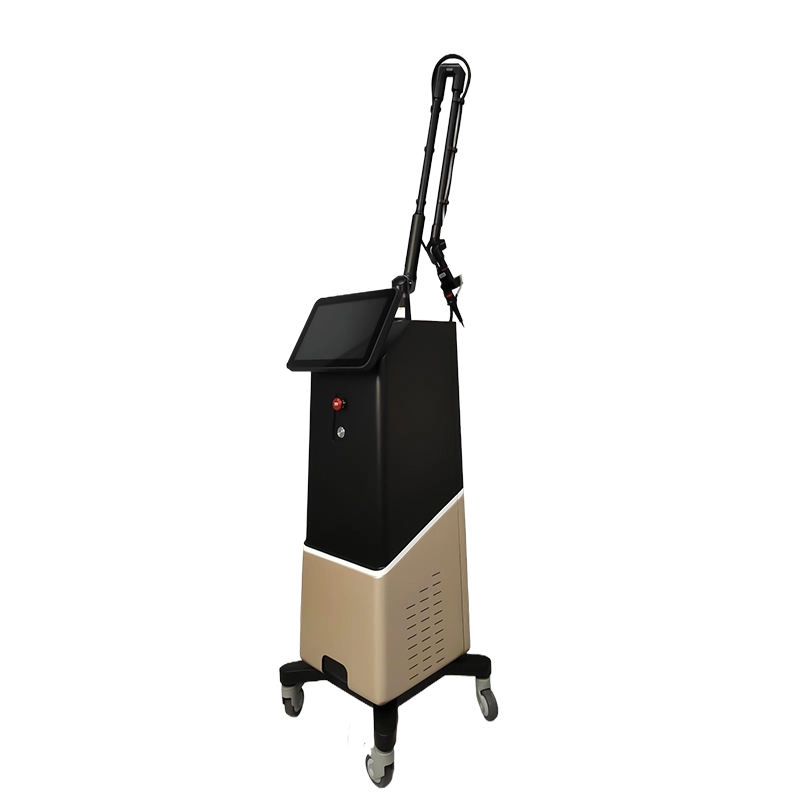
CO2 Fractional Laser Machine for Advanced Skin Resurfacing & Scar Removal
The CO2 fractional laser machine is designed to address a variety of skin concerns, offering treatments for acne scars, pigmentation, wrinkles, and overall skin texture. Utilizing advanced CO2 fractional laser technology, it delivers highly precise and controlled laser energy to promote collagen production and skin rejuvenation. This machine is ideal for professional use in beauty salons, medical spas, and aesthetic clinics. It features a user-friendly touchscreen interface, adjustable settings for customizable treatments, and a built-in cooling system to ensure comfort during use.
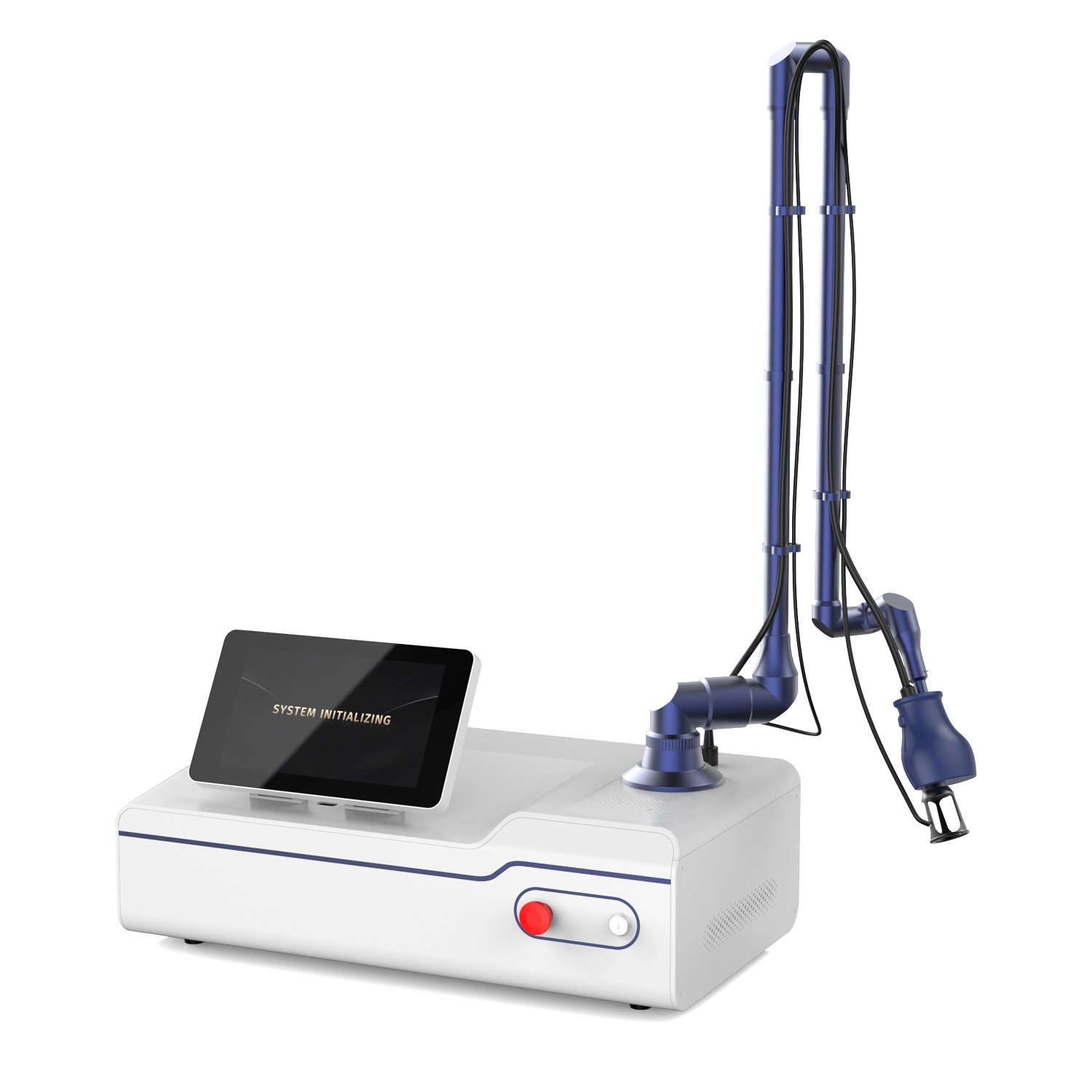
CO2 Fractional Laser Machine | Intimate Vaginal Rejuvenation System
This **CO2 Fractional Laser Machine** utilizes advanced 10600nm CO2 fractional laser technology to create controlled micro-thermal zones on the vaginal mucosa and intimate skin layers. These micro-columns stimulate collagen regeneration and tissue remodeling, effectively improving vaginal tightness, elasticity, and overall intimate health.
Designed specifically for professional medical aesthetic and intimate wellness applications, this CO2 fractional laser machine features intelligent parameter control and high-precision energy output to ensure safe, comfortable, and consistent treatment results. It is an ideal core device for vaginal rejuvenation, postpartum recovery, and intimate anti-aging treatments.
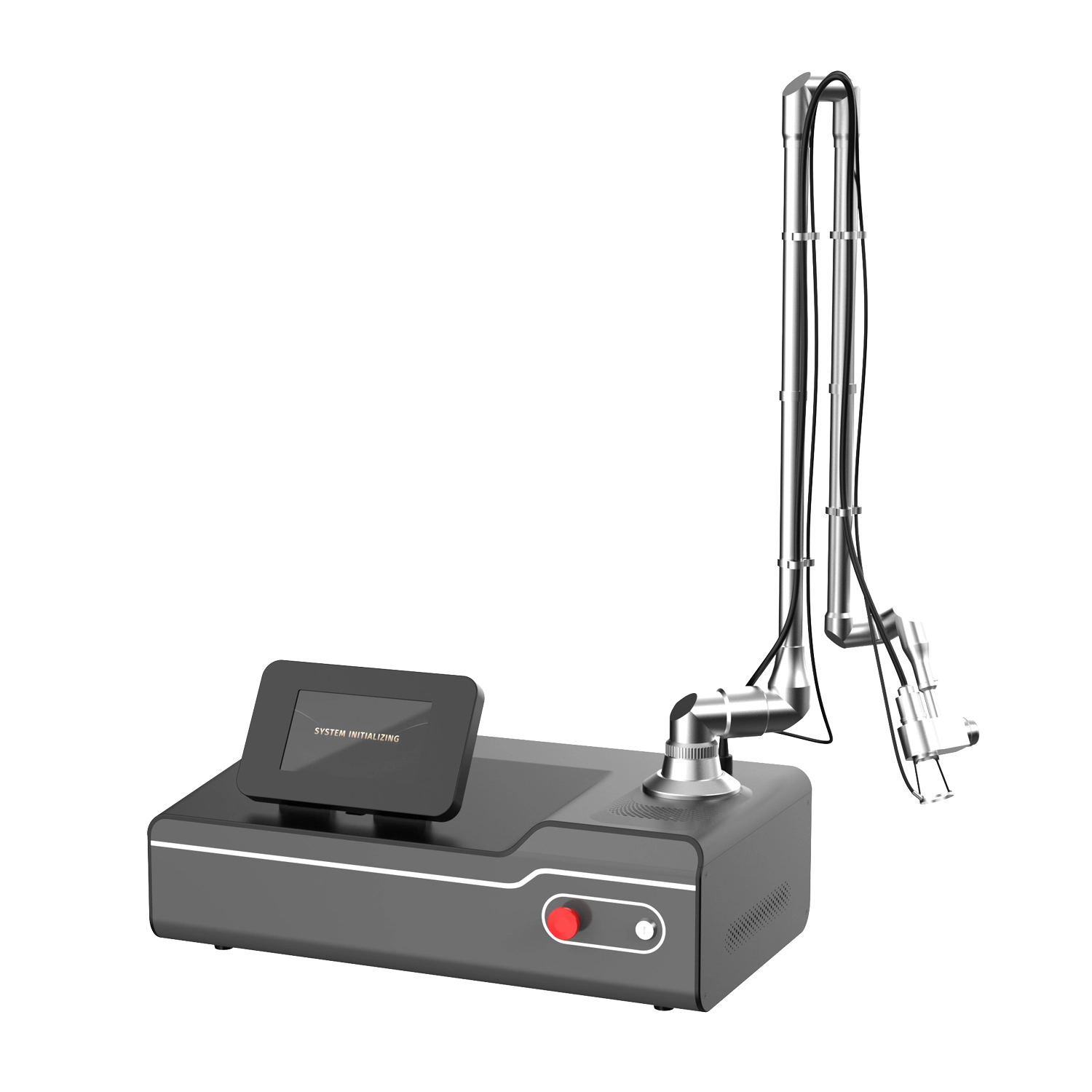
Professional CO2 Fractional Laser Machine for Skin Resurfacing & Scar Treatment
The CO2 Fractional Laser Machine is a professional CO2 fractional laser machine designed for advanced skin resurfacing, scar treatment, and skin rejuvenation procedures.
Using 10,600nm CO2 fractional laser technology, the system delivers controlled microthermal zones into the skin, stimulating collagen remodeling while preserving surrounding tissue. This fractional approach significantly improves treatment safety, recovery time, and clinical outcomes.
The CO2 fractional laser machine is widely used in dermatology clinics and medical aesthetic centers for treating acne scars, wrinkles, enlarged pores, stretch marks, and various skin texture concerns.
Get more information
If you have any comments or good suggestions, please leave us a message; later our professional staff will contact you as soon as possible.
Let's Talk
Stay in touch with us for cutting-edge beauty solutions, professional guidance, and customized service.
Contact


Room 307, Building A, Huilong International E-commerce Industrial Park, No. 10 Xipengling Road, Helong Street, Baiyun District, Guangzhou, China
© 2025 HUIMAIN. All Rights Reserved. Privacy Policy | Terms and Conditions | Sitemap
Facebook
Instagram
Medical beauty equipment factory
huimain Medical beauty equipment factory
beauty machine supplier
Whatsapp: +8619124004543