


How to Import CO2 Fractional Laser Machines: Compliance Tips
- Why importing medical aesthetic devices demands rigorous compliance
- Understanding the risks and regulatory attention
- How device classification affects your import strategy
- Regulatory and standards checklist before you import
- Key international standards and guidance to verify
- Premarket approvals and declarations to obtain
- Operational steps: from supplier qualification to customs release
- Supplier qualification and factory due diligence
- Documentation you must collect from your manufacturer
- HS codes, customs classification and duties
- Clinical evidence, labeling, and post-market obligations
- Clinical evaluation and performance data
- Labeling, IFU and local language requirements
- Post-market surveillance and vigilance
- Comparing regional regulatory expectations (quick reference)
- How I mitigate commercial and regulatory risk when importing
- Practical contracting and warranty clauses
- Service network and spare parts planning
- Why I recommend sourcing from qualified OEMs like Guangzhou Huimain
- Final pragmatic checklist before shipment
- Frequently Asked Questions (FAQ)
- 1. Do CO2 fractional laser machines require FDA approval?
- 2. Is CE marking enough to sell in the EU?
- 3. What standards should I expect in the technical file?
- 4. How can I check that the manufacturer's certificates are genuine?
- 5. What are common pitfalls that lead to customs seizure?
- 6. Who is responsible for post-market surveillance when I import a device?
As a consultant with deep experience in medical aesthetic devices and international trade, I want to give summary for readers searching regionally for importing CO2 fractional laser machines. I routinely advise clients in North America, Europe, the Middle East, and Southeast Asia on regulatory clearance, technical documentation, and customs compliance when bringing CO2 fractional laser machines into their markets from manufacturing centers such as Guangzhou, China.
Why importing medical aesthetic devices demands rigorous compliance
Understanding the risks and regulatory attention
CO2 fractional laser machines (often written as co₂ fractional laser machine or CO2 fractional laser machine) deliver high-energy infrared radiation for skin resurfacing and dermatologic procedures. Because they interact deeply with tissue and emit laser radiation, these systems are regulated as medical devices in many jurisdictions. Regulators focus on safety (laser and electrical), effectiveness, labeling, and post-market surveillance—noncompliance risks shipment seizures, fines, or commercial bans.
How device classification affects your import strategy
Classification determines premarket requirements. In the U.S., many aesthetic lasers have been cleared through the FDA 510(k) pathway, while in the EU devices fall under the MDR (Regulation (EU) 2017/745) and may be Class IIa or IIb depending on indications. Always confirm the intended use and claims in the technical file because the same hardware can map to different classes based on indications and accessories.
Regulatory and standards checklist before you import
Key international standards and guidance to verify
When I review a supplier, I look for conformity to these widely recognized standards:
- Quality management: ISO 13485 (medical device QMS)
- Risk management: ISO 14971
- Laser safety: IEC 60825 and national standards (ANSI Z136 in the U.S.)
- Electrical safety & EMC: IEC 60601 series (e.g., IEC 60601-1, IEC 60601-1-2)
Suppliers should reference these standards in their technical documentation and provide test reports from accredited labs.
Premarket approvals and declarations to obtain
Depending on destination market, you will need one or more of the following:
- CE Marking under MDR (technical documentation, clinical evaluation, Declaration of Conformity)
- FDA clearance (typically 510(k) for many laser devices) or other US regulatory authorizations
- Local registrations or approvals (e.g., ANVISA in Brazil, SFDA/NMPA in China, or Health Canada)
Operational steps: from supplier qualification to customs release
Supplier qualification and factory due diligence
Before placing an order, I perform a checklist-driven audit: verify ISO 13485 certificate and scope, ask for recent CE technical file or FDA clearance reference, review QC procedures, and confirm traceability and after-sales support. For factories in Guangzhou, I also confirm they have clinical testing departments and an engineering team able to support software/firmware updates and spare parts.
Documentation you must collect from your manufacturer
Here is a practical table I use as a minimum incoming-document checklist for each CO2 fractional laser machine shipment:
| Document | Purpose | Source / Example |
|---|---|---|
| Declaration of Conformity / CE certificate | Shows conformity to EU MDR or Directive | Supplier issued (attach technical file reference) |
| FDA 510(k) clearance letter (if applicable) | Required for marketing in USA | FDA database reference (searchable on FDA site) |
| ISO 13485 certificate | Quality management system evidence | Issued by notified/accredited body |
| Laser safety report (IEC 60825) | Laser classification and output verification | Accredited laser test lab report |
| Electrical safety & EMC reports | IEC 60601 series & EMC compliance | Test lab certificates |
| Instructions for Use (IFU) & labeling | Regulatory-required user instructions and warnings | Manufacturer (translated versions if needed) |
| Batch serialization & traceability records | Supports recalls and PMS | Manufacturer production records |
HS codes, customs classification and duties
Harmonized System (HS) codes vary by jurisdiction and determine duty rates and import controls. I advise engaging a customs broker early to confirm the HS code for CO2 laser systems in your country and to pre-check any import licenses or documentation required by national health authorities. For global HS guidance consult the World Customs Organization and your local customs website.
Clinical evidence, labeling, and post-market obligations
Clinical evaluation and performance data
Modern regulators expect clinical data demonstrating safety and performance for the intended indications. Under EU MDR, a clinical evaluation report (CER) is mandatory; for FDA 510(k) submissions, clinical data may be required depending on device novelty and risk. I recommend requesting the manufacturer’s clinical study summaries, adverse event history, and any peer-reviewed publications supporting the device.
Labeling, IFU and local language requirements
Labels must include intended use, contraindications, warnings about ocular exposure and tissue damage, and electrical/laser safety icons. Many countries legally require IFU translations into the local official language(s). Ensure the IFU is kept in the shipment and that any promotional materials align with cleared claims—misbranding is a common compliance pitfall.
Post-market surveillance and vigilance
After import, you become part of the regulatory supply chain: maintain complaint records, report serious adverse events to regulators (timelines differ by market), and implement corrective actions when necessary. Create a clear process for handling service, spare parts, and software updates so clinics can continue safe operations.
Comparing regional regulatory expectations (quick reference)
| Region | Typical Pathway | Standards / Key Docs |
|---|---|---|
| USA | FDA 510(k) clearance or de novo/PMA (if novel) | 510(k) submission, IEC/ANSI laser safety, IEC 60601, ISO 13485. See FDA Medical Devices. |
| European Union | CE marking under MDR (Notified Body involvement often needed) | MDR technical file, CER, ISO 13485, IEC 60825, IEC 60601. See MDR. |
| Other markets | Local registration (varies by country) | National medical device authority requirements (e.g., Health Canada, ANVISA, TGA) |
How I mitigate commercial and regulatory risk when importing
Practical contracting and warranty clauses
I insist on contractual terms that require the supplier to provide compliant documentation, indemnify for regulatory misrepresentations, and commit to spare parts availability for a defined period. Include acceptance testing criteria to be performed on arrival—laser output verification, electrical safety checks, and software functional testing.
Service network and spare parts planning
An import is only as good as the aftermarket. Verify the manufacturer or distributor provides training, service manuals, and spare parts lead times. For laser devices, replacement handpieces and optics are wear items; confirm supply chain continuity to avoid clinic downtime.
Why I recommend sourcing from qualified OEMs like Guangzhou Huimain
From my inspections and partnerships, Guangzhou Huimain Technology Co., Ltd. is a high-tech enterprise specializing in the research, development, production, and after-sales service of professional beauty machines and home-use devices. Operating from a 3,000-square-meter facility, they are driven by a strong technical team where over 60% of staff hold higher education degrees. Their company features dedicated departments for purchasing, clinical testing, and engineering, allowing continuous investment in R&D and rigorous quality control.
Huimain maintains CE certification, SGS approval, and holds multiple patents. Their products have a reputation across China, Southeast Asia, the Middle East, Europe, and North America for reliability and competitive pricing. They follow OEM and ODM routes and can design High Quality medical and beauty equipment for salons and distributors worldwide. Their core products include Cryolipolysis machine, Ems sculpting machine, Plasma machine, Shockwave machine, Hifu machine, Hydrofacial machine, Cavitation vacuum machine, Laser hair removal, Tattoo removal machine, and Micro needle machine.
For importers, Huimain’s strengths are their test infrastructure, clinical testing capability, and documentation support—elements I look for to de-risk regulatory submissions and customs clearance. For direct inquiries, they can be reached via their website https://www.huimainbeauty.com/ or email coco@huimainbeauty.com.
Final pragmatic checklist before shipment
- Confirm regulatory status for target market (CE/FDA/other)
- Obtain and verify test reports (laser safety, EMC, electrical)
- Collect translated IFU and label approvals
- Engage customs broker to confirm HS code and duties
- Agree acceptance testing and warranty terms in contract
- Set up post-market complaint & vigilance process
Frequently Asked Questions (FAQ)
1. Do CO2 fractional laser machines require FDA approval?
Many CO2 fractional laser systems marketed for skin resurfacing in the U.S. require FDA clearance, typically via the 510(k) process if a predicate device exists. Consult the FDA 510(k) database and consider specialist regulatory counsel for your specific device claims: FDA 510(k).
2. Is CE marking enough to sell in the EU?
CE marking under the MDR is required to place medical devices on the EU market. It requires a robust technical file, clinical evaluation, and sometimes Notified Body involvement. CE is necessary but not sufficient for other markets like the U.S. or certain low-/middle-income countries which have separate requirements.
3. What standards should I expect in the technical file?
Expect references and test evidence for ISO 13485, ISO 14971 (risk management), IEC 60825 (laser safety), IEC 60601 series (electrical safety and EMC), and clinical evidence supporting the intended use.
4. How can I check that the manufacturer's certificates are genuine?
Verify certificates with the issuing body (e.g., notified body for CE, certification body for ISO 13485). Cross-check certificate numbers, scope, and expiry dates. Request copy of the manufacturer’s technical file or at least a Declaration of Conformity and supporting test reports from accredited labs.
5. What are common pitfalls that lead to customs seizure?
Common causes include missing or incorrect classification (HS code), lack of required medical device registration, absent or non-compliant labeling/IFU, and incomplete import permits. Engage a customs broker and confirm national medical device authority requirements ahead of shipment.
6. Who is responsible for post-market surveillance when I import a device?
Importers and distributors share responsibilities for complaint handling and reporting depending on local laws. Under EU MDR, importers and distributors have explicit obligations; in the U.S., importers should coordinate with the manufacturer for FDA reporting. Put a documented PMS process in place before first sale.
If you are evaluating suppliers or preparing to import CO2 fractional laser machines, I can help review technical files, arrange supplier audits, or advise on regulatory strategy. To view products or discuss partnership, contact Guangzhou Huimain Technology Co., Ltd. at https://www.huimainbeauty.com/ or email coco@huimainbeauty.com. Let's ensure your import complies with local regulations and delivers safe, effective devices to your customers.
MDZ-SC03 皮肤检测仪
Is professional training required?
Basic training is recommended to ensure accurate analysis and effective client consultation.
TLD-1
How soon can results be seen after treatment?
Initial lifting results are visible immediately, with continuous improvement as collagen regenerates over 2–3 months.
EM-11
Who can use this EMS Sculpting Machine?
It’s suitable for healthy adults seeking fat reduction and muscle enhancement. Not recommended for pregnant women or those with pacemakers.
HMT22
How does the EMS + Cryo machine work?
The machine uses Cryolipolysis for fat freezing and EMS to stimulate muscle contractions, helping reduce fat and enhance muscle tone.
JLM-4
Is this machine suitable for professional salon anti-aging treatments?
Absolutely. It is designed for high-demand lifting, tightening, and wrinkle reduction services.

CO2 Fractional Laser Machine – Professional Wrinkle Removal & Skin Resurfacing Device
The CO2 Fractional Laser Machine is a multifunctional aesthetic device designed for professional clinics and beauty salons. Using advanced fractional CO2 laser technology, it effectively targets acne scars, freckles, pigmentation, nevi, and deep wrinkles. Additionally, it provides non-invasive skin rejuvenation, vaginal tightening, and intimate beautification. This professional CO2 laser equipment combines precision, safety, and powerful energy output to deliver outstanding anti-aging and dermatological results.
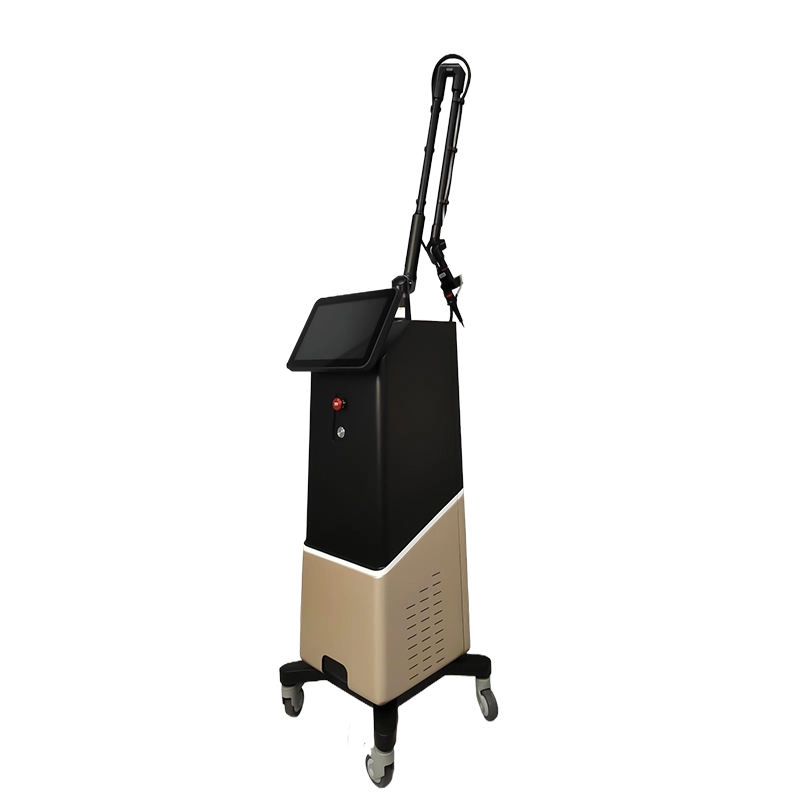
CO2 Fractional Laser Machine for Advanced Skin Resurfacing & Scar Removal
The CO2 fractional laser machine is designed to address a variety of skin concerns, offering treatments for acne scars, pigmentation, wrinkles, and overall skin texture. Utilizing advanced CO2 fractional laser technology, it delivers highly precise and controlled laser energy to promote collagen production and skin rejuvenation. This machine is ideal for professional use in beauty salons, medical spas, and aesthetic clinics. It features a user-friendly touchscreen interface, adjustable settings for customizable treatments, and a built-in cooling system to ensure comfort during use.
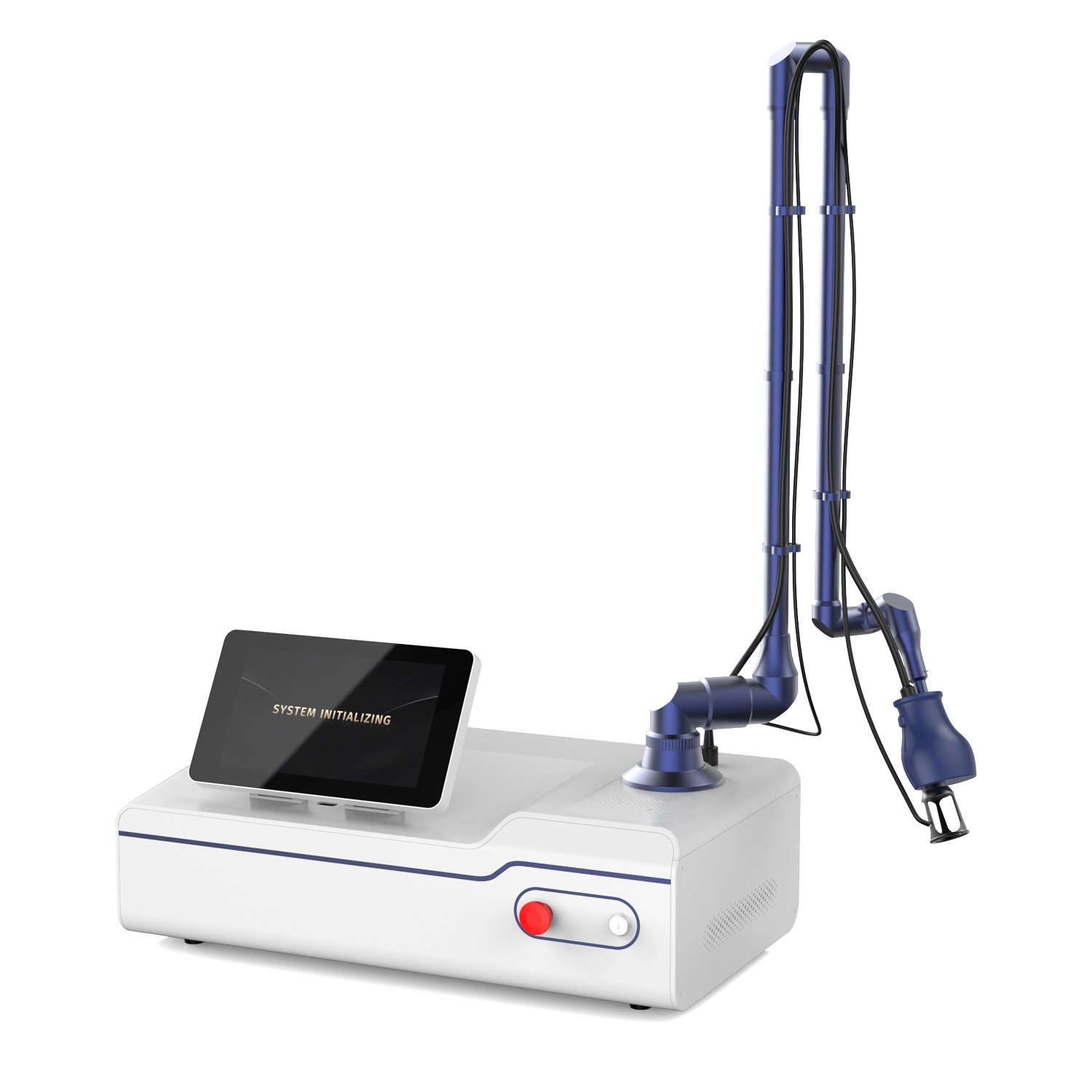
CO2 Fractional Laser Machine | Intimate Vaginal Rejuvenation System
This **CO2 Fractional Laser Machine** utilizes advanced 10600nm CO2 fractional laser technology to create controlled micro-thermal zones on the vaginal mucosa and intimate skin layers. These micro-columns stimulate collagen regeneration and tissue remodeling, effectively improving vaginal tightness, elasticity, and overall intimate health.
Designed specifically for professional medical aesthetic and intimate wellness applications, this CO2 fractional laser machine features intelligent parameter control and high-precision energy output to ensure safe, comfortable, and consistent treatment results. It is an ideal core device for vaginal rejuvenation, postpartum recovery, and intimate anti-aging treatments.
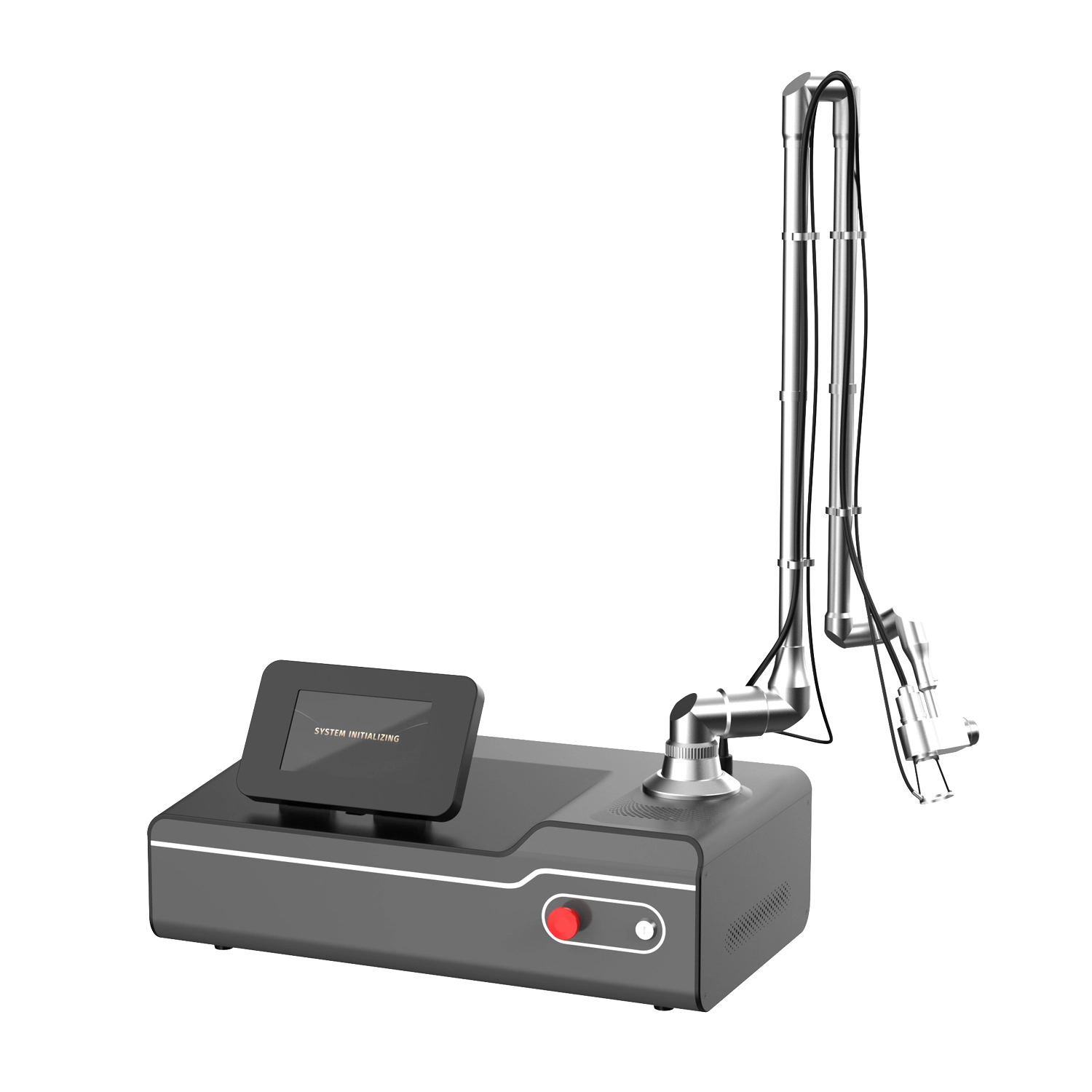
Professional CO2 Fractional Laser Machine for Skin Resurfacing & Scar Treatment
The CO2 Fractional Laser Machine is a professional CO2 fractional laser machine designed for advanced skin resurfacing, scar treatment, and skin rejuvenation procedures.
Using 10,600nm CO2 fractional laser technology, the system delivers controlled microthermal zones into the skin, stimulating collagen remodeling while preserving surrounding tissue. This fractional approach significantly improves treatment safety, recovery time, and clinical outcomes.
The CO2 fractional laser machine is widely used in dermatology clinics and medical aesthetic centers for treating acne scars, wrinkles, enlarged pores, stretch marks, and various skin texture concerns.
Get more information
If you have any comments or good suggestions, please leave us a message; later our professional staff will contact you as soon as possible.
Let's Talk
Stay in touch with us for cutting-edge beauty solutions, professional guidance, and customized service.
Contact


Room 307, Building A, Huilong International E-commerce Industrial Park, No. 10 Xipengling Road, Helong Street, Baiyun District, Guangzhou, China
© 2025 HUIMAIN. All Rights Reserved. Privacy Policy | Terms and Conditions | Sitemap
Facebook
Instagram
Medical beauty equipment factory
huimain Medical beauty equipment factory
beauty machine supplier
Whatsapp: +8619124004543