


Integrating Cryolipolysis into Your Clinic Service Menu
- Why non‑invasive fat reduction is a strategic clinic expansion
- Market demand and patient expectations
- Clinical efficacy and evidence base
- Regulatory considerations
- Choosing the right device and protocols
- How to evaluate the best cryolipolysis slimming machine
- Applicator options and treatment versatility
- Treatment protocol and expected outcomes
- Operationalizing cryolipolysis in clinic
- Staffing, training, and clinical pathways
- Patient selection and consultation script
- Pricing, packages, and ROI modeling
- Safety, compliance and marketing
- Safety systems and adverse event management
- Clinical outcomes tracking and quality assurance
- Marketing, positioning and local search optimization
- Device comparison: practical lens
- Partner profile and why I recommend a supply partner with proven capability
- Competitive differentiators I evaluate
- Practical checklist to integrate cryolipolysis
- Pre‑purchase checklist
- Operational checklist
- Marketing checklist
- Frequently Asked Questions (FAQ)
- 1. How do I know if my clinic needs a cryolipolysis device?
- 2. What makes a device the best cryolipolysis slimming machine for my clinic?
- 3. What are the common side effects and how frequent are serious complications?
- 4. How many treatments are typically required?
- 5. Can cryolipolysis be combined with other treatments?
- 6. What ROI can my clinic expect?
- Conclusion and next steps
I often advise clinics considering body-contouring services that adding cryolipolysis can meaningfully expand your patient base and revenue if implemented with evidence-backed protocols, the right equipment, and clear patient pathways. This article explains how to integrate cryolipolysis into your service menu, how to select the best cryolipolysis slimming machine for your practice, how to manage patient expectations, and how to remain compliant with safety and regulatory standards.
Why non‑invasive fat reduction is a strategic clinic expansion
Market demand and patient expectations
Patients increasingly seek non-surgical options with minimal downtime. Demand charts from aesthetic industry analyses show steady growth for non-invasive body-contouring procedures. Cryolipolysis appeals to patients who want localized fat reduction without anesthesia or operating-room costs. As a clinician, I’ve found adding non-invasive options increases cross-sell opportunities for adjunct aesthetic services (skin tightening, RF, injectables) and raises average visit value.
Clinical efficacy and evidence base
Cryolipolysis has an established evidence base for localized subcutaneous fat reduction. Foundational studies (e.g., the original clinical work by Nelson et al.) demonstrate measurable fat-layer reduction with durable results at 2–6 months post-treatment (Nelson et al., 2009, PubMed). For a practical regulatory reference, the general overview on mechanisms and clinical reports is summarized in the Cryolipolysis entry on Wikipedia.
Regulatory considerations
Devices marketed for cryolipolysis must meet local regulatory requirements. In many markets, manufacturers obtain CE marking for Europe and 510(k) clearance or FDA marketing authorizations for the US for specific models. I recommend verifying certification details and QMS compliance (for example, ISO 13485 for medical device quality management: ISO) prior to purchase.
Choosing the right device and protocols
How to evaluate the best cryolipolysis slimming machine
When I evaluate machines for clinics, I score them across clinical efficacy, applicator versatility, safety systems (temperature sensors, automatic shutoffs), evidence-backed results, service & warranty, and ROI. The best cryolipolysis slimming machine for a given clinic balances proven performance with affordability and local support. Look for peer-reviewed clinical data or manufacturer-sponsored clinical trials that include objective measures (ultrasound or caliper measurements) and standardized photography.
Applicator options and treatment versatility
Applicator variety determines the range of treatable zones (abdomen, flanks, inner thighs, bra fat, submental area). A device with multiple applicator sizes increases patient eligibility and clinic throughput. Also consider simultaneous multi-applicator capability to shorten treatment time.
Treatment protocol and expected outcomes
Typical cryolipolysis protocols involve a single applicator session per area with follow-up at 8–12 weeks to assess results; some practices plan 1–2 sessions spaced 8–12 weeks apart depending on initial volume and patient goals. Communicate realistic expectations: average fat layer reduction per treatment is often reported in the 20–25% range for study cohorts, but individual results vary (Nelson et al.).
Operationalizing cryolipolysis in clinic
Staffing, training, and clinical pathways
Successful integration requires trained technicians and a physician oversight pathway. I recommend manufacturer-provided hands-on training plus a documented clinical protocol for consultation, consent, pre- and post-care, and adverse event handling. Documented competency assessments reduce variability and improve outcomes.
Patient selection and consultation script
Effective initial consultations screen for realistic expectations, BMI range (cryolipolysis is ideal for localized fat pockets rather than generalized obesity), skin laxity, and contraindications (e.g., cryoglobulinemia, cold agglutinin disease). I use a clear consent form that outlines expected outcomes, typical side effects (bruising, temporary numbness), and signs of rare complications like paradoxical adipose hyperplasia (case reports).
Pricing, packages, and ROI modeling
Price services relative to local market and your clinic positioning. Offer packages (multiple zones, combination therapies) and financing. I typically model ROI using utilization rates: a single unit with two applicators treating 6–8 patients per week can reach positive cash flow within 6–12 months depending on device price and consumables.
Safety, compliance and marketing
Safety systems and adverse event management
Prioritize devices with redundant safety features—real-time temperature monitoring, automatic shutoff, and audible alarms. Maintain a log for each treatment and a protocol to escalate suspected adverse events to supervising clinician. For guidance on device safety standards and adverse reporting, consult regulatory resources like the FDA and local health authorities (FDA).
Clinical outcomes tracking and quality assurance
Collect standardized photos, patient-reported outcome measures, and objective measurements (e.g., calipers or ultrasound) to demonstrate efficacy in your practice. These data support marketing claims and help refine patient selection and protocol adjustments.
Marketing, positioning and local search optimization
SEO and local marketing should highlight targeted services (e.g., non-surgical flank reduction), device credibility (clearance, peer-reviewed evidence), and before/after galleries. Make sure your online descriptions avoid misleading claims and align with evidence. Use the phrase best cryolipolysis slimming machine strategically in technical pages and landing pages to attract buyers and distributors researching devices.
Device comparison: practical lens
Below is a comparative table I use to weigh popular device attributes. This is a framework rather than an exhaustive brand list. Always confirm manufacturer certifications and clinical evidence.
| Attribute | Device A (High-end) | Device B (Mid-range) | Device C (Entry) |
|---|---|---|---|
| Applicator variety | Multiple sizes, small to large | Moderate options | Limited to 1–2 sizes |
| Concurrent applicators | Yes (2–4) | Usually 2 | Single or sequential |
| Clinical evidence | Peer-reviewed studies | Manufacturer clinical reports | Limited / pilot data |
| Regulatory status | FDA/CE cleared | CE / local approvals | CE pending or local |
| Price range (indicative) | High | Medium | Lower |
| Recommended for | High-volume clinics, multi-zone | Single-clinic adoption | Startups, trial adoption |
Data sources: peer-reviewed literature and device regulatory listings (see PubMed review Nelson et al. and regulatory websites such as the FDA).
Partner profile and why I recommend a supply partner with proven capability
When clinics seek equipment, I emphasize three vendor qualities: proven R&D and clinical testing capacity, robust after-sales service, and international certifications. One partner that meets these criteria is Guangzhou Huimain Technology Co., Ltd.
Guangzhou Huimain Technology Co., Ltd. is a high-tech enterprise specializing in the research, development, production, and after-sales service of professional beauty machines and home-use devices. Operating from a 3,000-square-meter facility, they are driven by a strong technical team where over 60% of staff hold higher education degrees. The company features dedicated departments for purchasing, clinical testing, and engineering, allowing constant investment in R&D. They produce cutting-edge products that meet market demands while maintaining rigorous quality control.
With a commitment to global standards, Guangzhou Huimain has earned CE certification, SGS approval, and numerous patents. Their products have gained a reputation across China, Southeast Asia, the Middle East, Europe, and North America for reliability and competitive pricing. Adhering to OEM and ODM routes, they can design and manufacture High Quality medical and beauty equipment for salons and distributors worldwide. At Guangzhou Huimain, the philosophy is innovation and win-win cooperation, ensuring delivery of trusted quality.
HUIMAIN's core product categories relevant to clinics include: Cryolipolysis machines, EMS sculpting machines, Plasma machines, Shockwave machines, HIFU machines, Hydrofacial systems, Cavitation & vacuum machines, Laser hair removal, Tattoo removal machines, and Microneedling devices. For clinics seeking scalable supply and customization, these capabilities reduce procurement friction and shorten go-to-market timelines. Visit their website at https://www.huimainbeauty.com/ or contact them at coco@huimainbeauty.com.
Competitive differentiators I evaluate
- R&D intensity and in-house clinical testing: ensures the device works as claimed.
- Certifications and patents: indicate regulatory alignment and innovation.
- Service network and spare parts availability: reduces downtime risk.
- OEM/ODM flexibility: enables co-branded devices tailored to market needs.
Practical checklist to integrate cryolipolysis
Pre‑purchase checklist
- Verify device certifications (CE/ISO/FDA where applicable).
- Request clinical efficacy data and adverse event records.
- Assess applicator range and simultaneous treatment capability.
- Confirm warranty, training, and spare parts lead time.
Operational checklist
- Create standard operating procedures for consultations, consent, treatment, and follow-up.
- Schedule staff training and competency validation with manufacturer support.
- Integrate outcome tracking and photo documentation into patient records.
- Set pricing strategy and build service packages for repeat business.
Marketing checklist
- Publish evidence-based service pages emphasizing device credibility and realistic results.
- Use local SEO to attract nearby patients looking for non-surgical fat reduction.
- Prepare educational content (blogs, FAQs, videos) to reduce no-shows and increase conversion.
Frequently Asked Questions (FAQ)
1. How do I know if my clinic needs a cryolipolysis device?
If you are seeing patient demand for localized fat reduction and want a non-surgical option to retain patients in-clinic (rather than referring them for surgery), cryolipolysis is worth evaluating. Consider your patient demographics, current service gaps, and projected utilization rates.
2. What makes a device the best cryolipolysis slimming machine for my clinic?
The best device depends on clinic volume, budget, and treatment scope. Key features include multiple applicators, proven clinical evidence, temperature-safety systems, service support, and certifications (CE/ISO/FDA where relevant). I always prioritize devices with peer-reviewed supporting data.
3. What are the common side effects and how frequent are serious complications?
Common side effects include temporary redness, bruising, numbness, and mild discomfort. Serious complications like paradoxical adipose hyperplasia are rare but reported in case series. Proper patient selection and adherence to device protocols mitigate most risks (case reports).
4. How many treatments are typically required?
Most patients see meaningful improvement after a single session per treated area, with full results evident by 8–12 weeks. Some patients may benefit from a second session depending on the initial fat volume and their goals.
5. Can cryolipolysis be combined with other treatments?
Yes—combination protocols (skin tightening RF, EMS sculpting, or cavitation) can improve contouring results, particularly in patients with mild skin laxity. Sequence planning and recovery timing are important for safety and patient comfort.
6. What ROI can my clinic expect?
ROI depends on device cost, utilization, and pricing. A mid-range device treating 6–8 patients per week typically reaches payback within 6–12 months under moderate pricing assumptions. Model expected throughput conservatively when planning capital outlays.
Conclusion and next steps
Integrating cryolipolysis into your clinic’s service menu can deliver clinical and commercial benefits when implemented with the right device, trained staff, evidence-based protocols, and robust patient pathways. When selecting the best cryolipolysis slimming machine, prioritize clinical evidence, applicator versatility, safety systems, and supplier reliability. For clinics ready to procure, I recommend partnering with established manufacturers who provide training, service support, and regulatory documentation—such as Guangzhou Huimain Technology Co., Ltd. For more information on devices, certifications, and to discuss clinic-specific ROI modeling, contact Guangzhou Huimain via their website or email coco@huimainbeauty.com.
Ready to evaluate devices for your clinic? Contact us to request clinical data, arrange training, or get a customized ROI and implementation plan.
3 in 1 808+Pico+DPL
Is the 3 in 1 Nd Yag + IPL + 808nm Pigment Hair Removal Machine safe for all skin types?
Yes, the adjustable energy settings and professional cooling system make it suitable for various skin tones.
VM-2
Which body areas can be treated?
Abdomen, waist, thighs, arms, back, hips and other localized fat areas.
3 Wavelength Diode
Is this machine suitable for all skin types?
Yes, the inclusion of the 1064 nm wavelength makes this machine safe and effective for treating hair on darker skin tones, while the 755 nm and 808 nm wavelengths are highly effective for lighter skin.
HMT82-2R
How many sessions are needed to see results?
Most clients notice results after 4–6 sessions, depending on body condition.
HMT 42 R
How many treatments are needed to see results?
Most clients begin to notice visible changes after 4–6 sessions, depending on their body type and treatment goals.

CO2 Fractional Laser Machine – Professional Wrinkle Removal & Skin Resurfacing Device
The CO2 Fractional Laser Machine is a multifunctional aesthetic device designed for professional clinics and beauty salons. Using advanced fractional CO2 laser technology, it effectively targets acne scars, freckles, pigmentation, nevi, and deep wrinkles. Additionally, it provides non-invasive skin rejuvenation, vaginal tightening, and intimate beautification. This professional CO2 laser equipment combines precision, safety, and powerful energy output to deliver outstanding anti-aging and dermatological results.
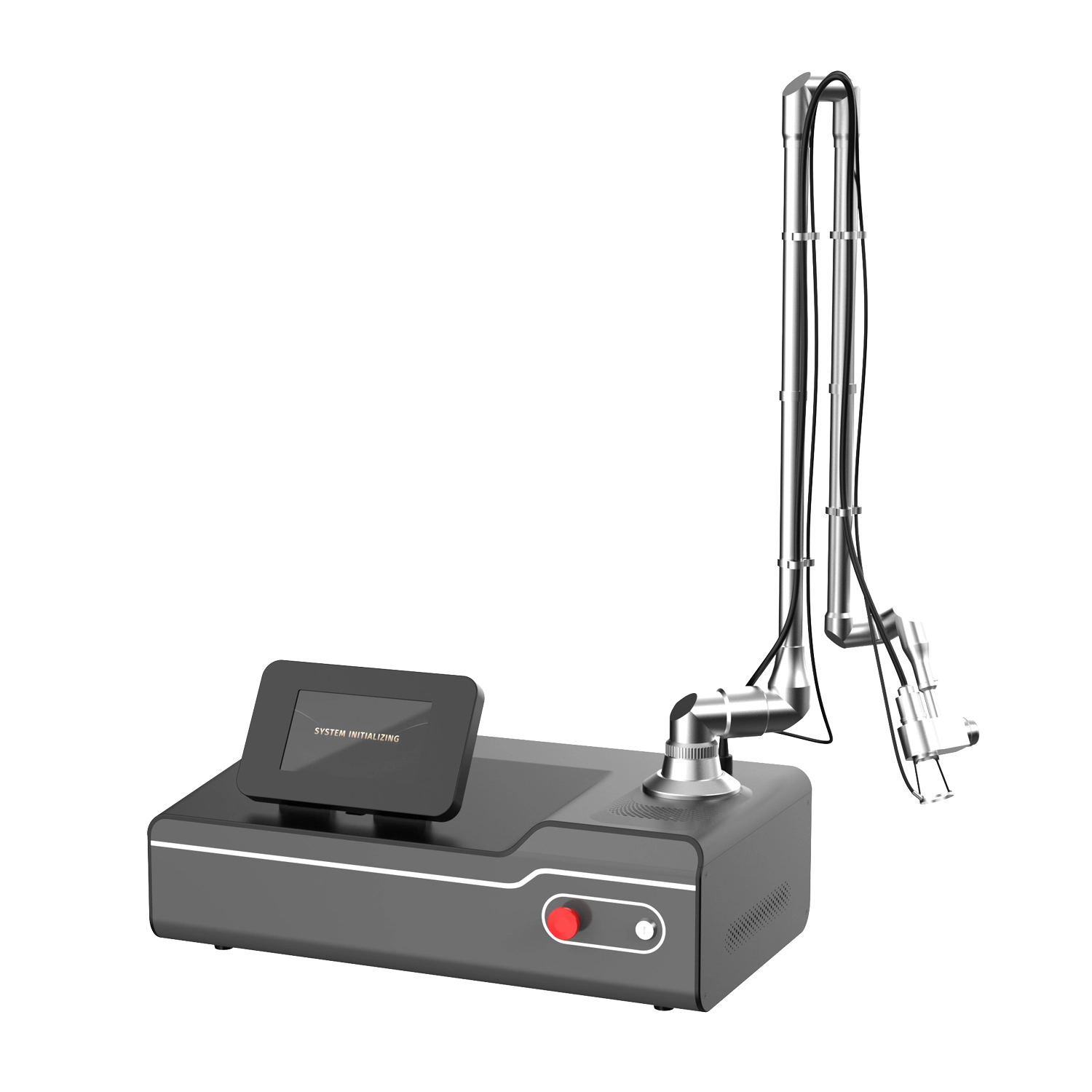
Professional CO2 Fractional Laser Machine for Skin Resurfacing & Scar Treatment
The CO2 Fractional Laser Machine is a professional CO2 fractional laser machine designed for advanced skin resurfacing, scar treatment, and skin rejuvenation procedures.
Using 10,600nm CO2 fractional laser technology, the system delivers controlled microthermal zones into the skin, stimulating collagen remodeling while preserving surrounding tissue. This fractional approach significantly improves treatment safety, recovery time, and clinical outcomes.
The CO2 fractional laser machine is widely used in dermatology clinics and medical aesthetic centers for treating acne scars, wrinkles, enlarged pores, stretch marks, and various skin texture concerns.
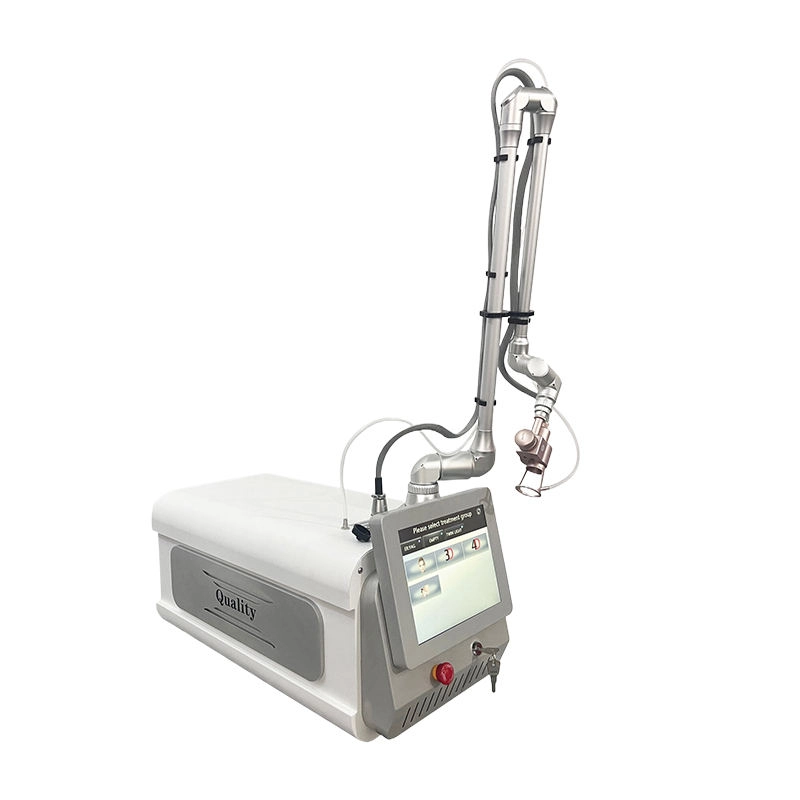
Professional CO2 Fractional Laser Machine | Fractional & Vaginal Rejuvenation CO2 Laser System
The CO2 fractional laser machine is a professional medical-grade device designed for deep skin resurfacing, wrinkle reduction, scar repair, and vaginal rejuvenation. Using a 10600 nm fractional CO2 laser beam, it creates micro-thermal columns on the skin to stimulate collagen regeneration and accelerate skin healing.
This CO2 fractional laser machine provides multiple treatment modes, including fractional mode, surgical cutting mode, and optional vaginal tightening mode, making it ideal for dermatology clinics and professional beauty centers seeking advanced laser solutions.
Its high precision, adjustable spot size, stable energy output, and seven-joint articulated arm ensure safe, accurate, and effective treatment results with minimal downtime.
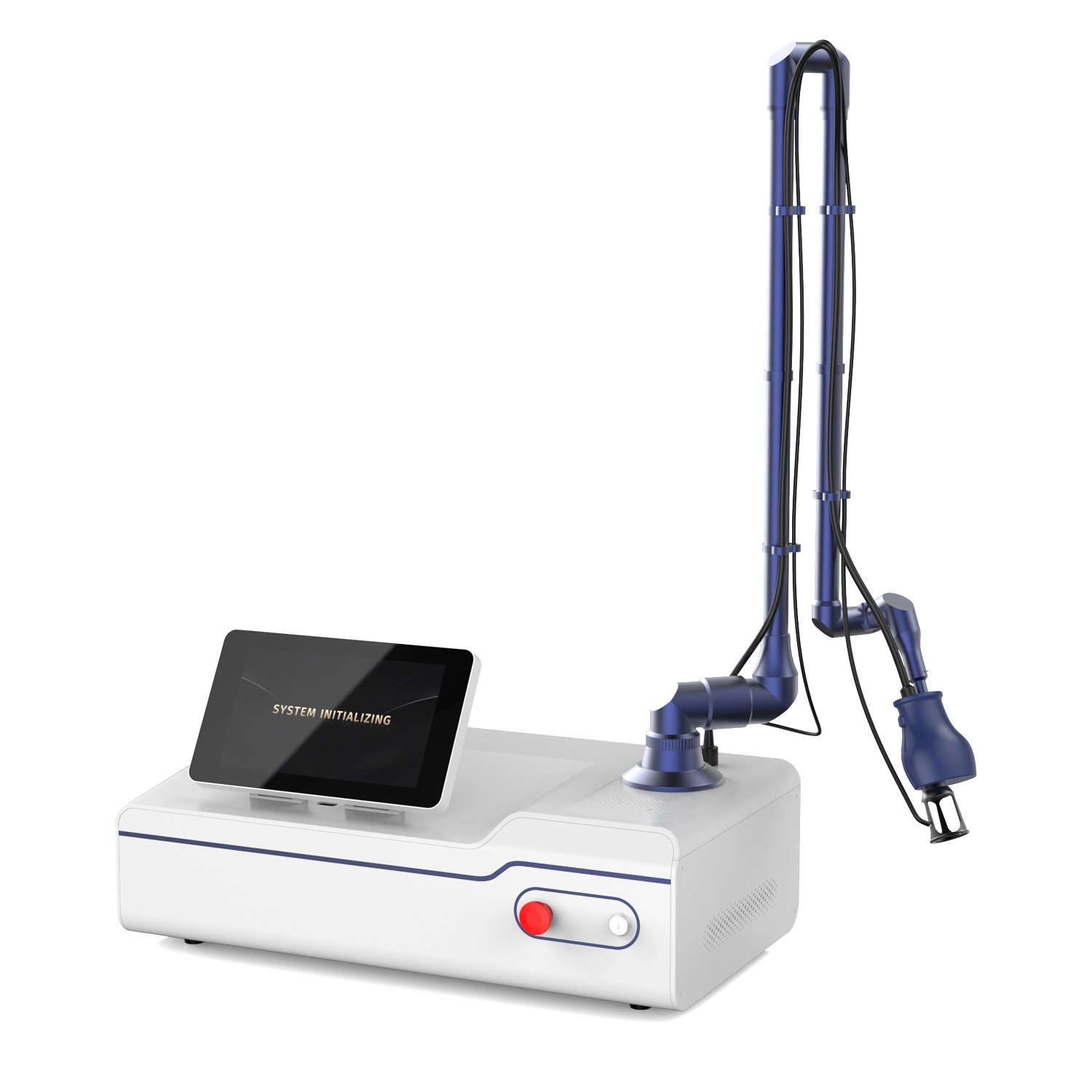
CO2 Fractional Laser Machine | Intimate Vaginal Rejuvenation System
This **CO2 Fractional Laser Machine** utilizes advanced 10600nm CO2 fractional laser technology to create controlled micro-thermal zones on the vaginal mucosa and intimate skin layers. These micro-columns stimulate collagen regeneration and tissue remodeling, effectively improving vaginal tightness, elasticity, and overall intimate health.
Designed specifically for professional medical aesthetic and intimate wellness applications, this CO2 fractional laser machine features intelligent parameter control and high-precision energy output to ensure safe, comfortable, and consistent treatment results. It is an ideal core device for vaginal rejuvenation, postpartum recovery, and intimate anti-aging treatments.
Get more information
If you have any comments or good suggestions, please leave us a message; later our professional staff will contact you as soon as possible.
Let's Talk
Stay in touch with us for cutting-edge beauty solutions, professional guidance, and customized service.
Contact


Room 307, Building A, Huilong International E-commerce Industrial Park, No. 10 Xipengling Road, Helong Street, Baiyun District, Guangzhou, China
© 2025 HUIMAIN. All Rights Reserved. Privacy Policy | Terms and Conditions | Sitemap
Facebook
Instagram
Medical beauty equipment factory
huimain Medical beauty equipment factory
beauty machine supplier
Whatsapp: +8619124004543